

TECHNICAL SUPPORT


Published 2026-07-06
Quick Answer
Aservomotor is a closed-loop control system that converts electrical signals into precise angular or linear motion. It uses a feedback device—typically an encoder or potentiometer—to continuously compare the actual position, speed, or torque against the commanded target. This allows it to correct errors in real time, making it ideal for applications requiring high accuracy, repeatability, and dynamic response. In industrial automation,servos are often chosen over stepper motors when load conditions vary or when holding torque at standstill is critical. However, selecting, the wrong type or undersizing the system can lead to performance issues, increased downtime, or higher lifetime costs.
Introduction
You are looking at a production line that keeps rejecting parts. The positioning error is small—just a few tenths of a millimeter—but it is consistent. Or maybe your machine tool is overshooting the target position during high-speed moves, and you cannot afford to slow down the cycle. In many cases, the root cause is not the controller or the mechanics. It is the motor itself.
When motion control requirements go beyond simple start-stop operations, you need a system that can sense its own output and adjust instantly. That is what aservodoes. It is not a single component but a closed-loop system involving a motor, a feedback device, and a drive. Understanding how these parts work together is the first step toward making better procurement decisions, reducing trial-and-error on the factory floor, and avoiding costly mismatches between the motor and the application.
Table of Contents
What Is a Servo Motor?
How Does a Servo Motor Work?
Types of Servo Motors and Where They Fit
Key Specifications to Check Before Buying
Common Mistakes in Servo Selection
When a Servo Is the Right Choice
Questions Buyers Often Ask About Servo Motors
Choosing the Right Servo for Your Application
What Is a Servo Motor?
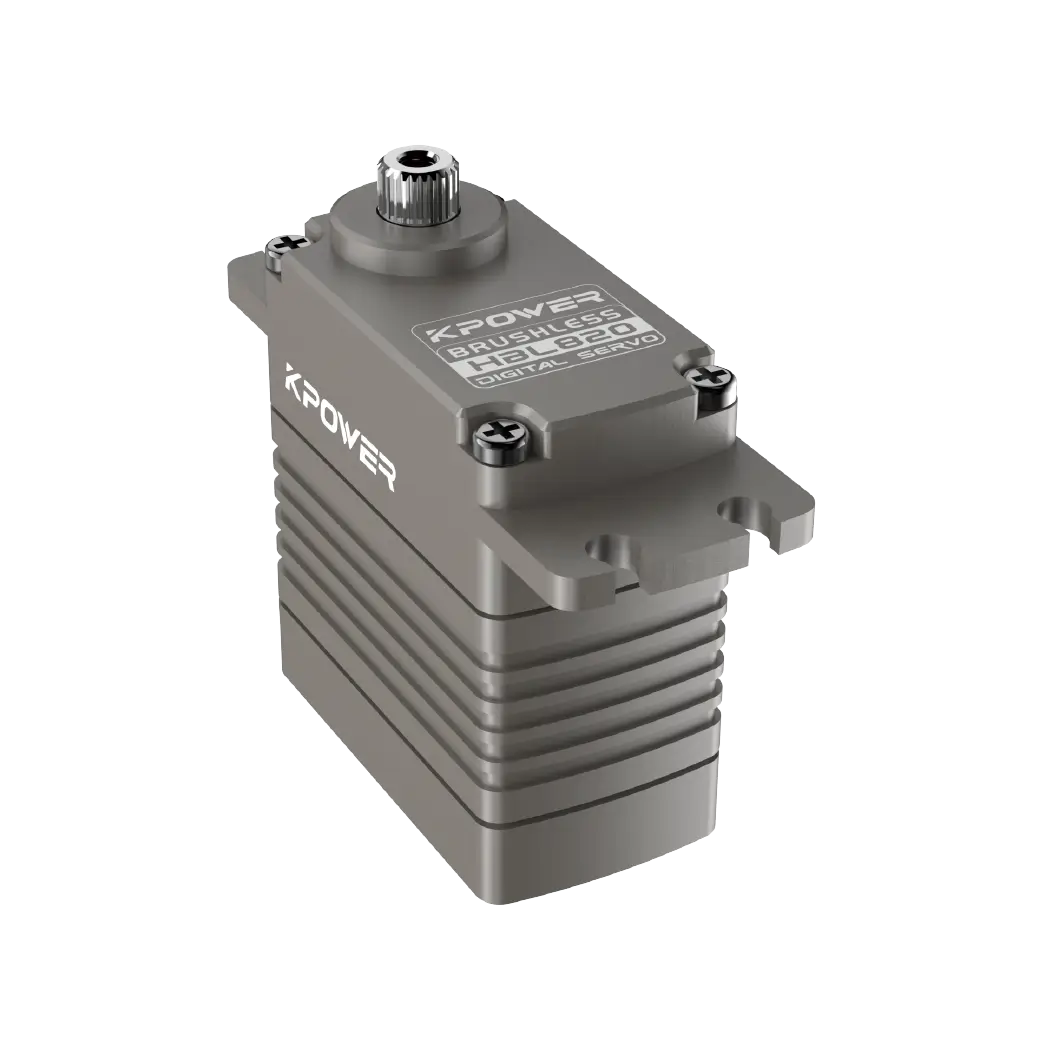
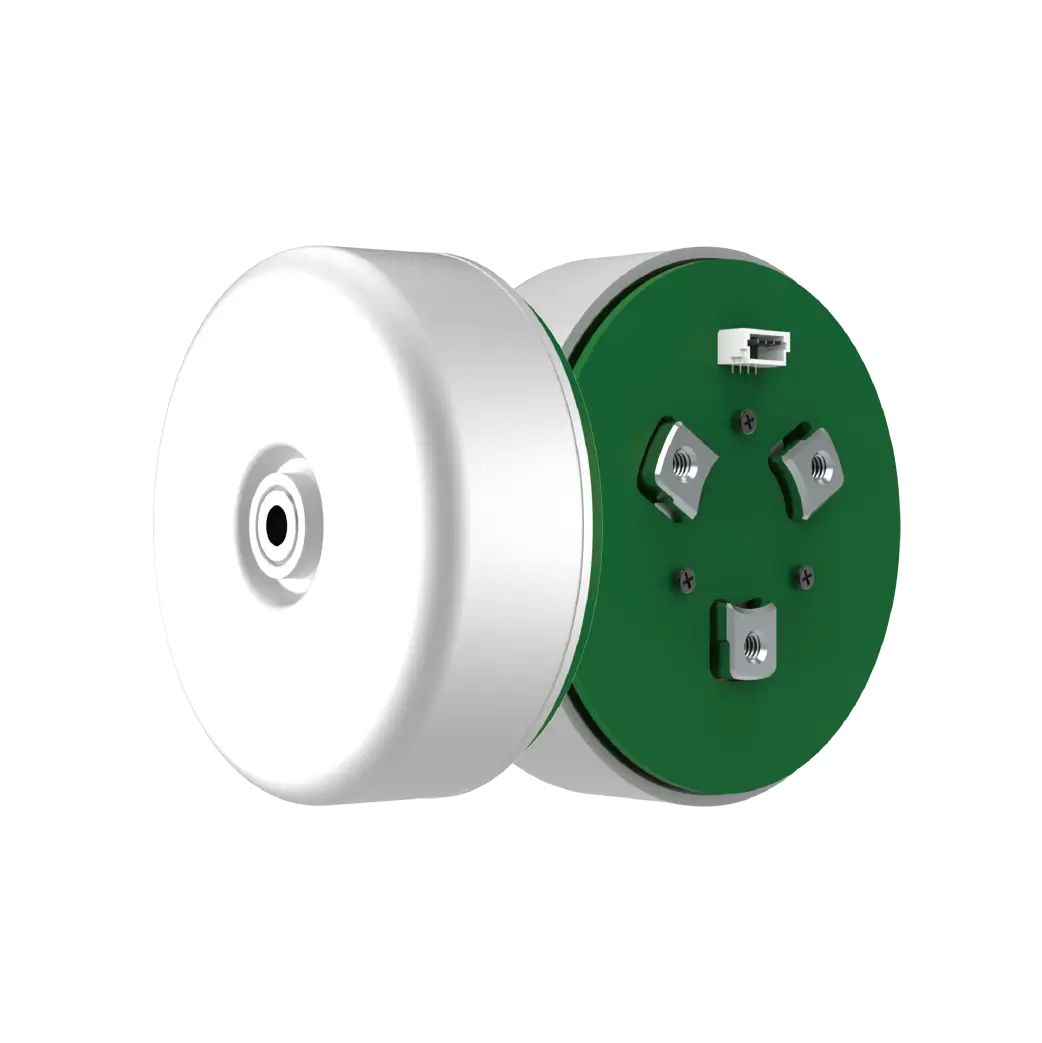
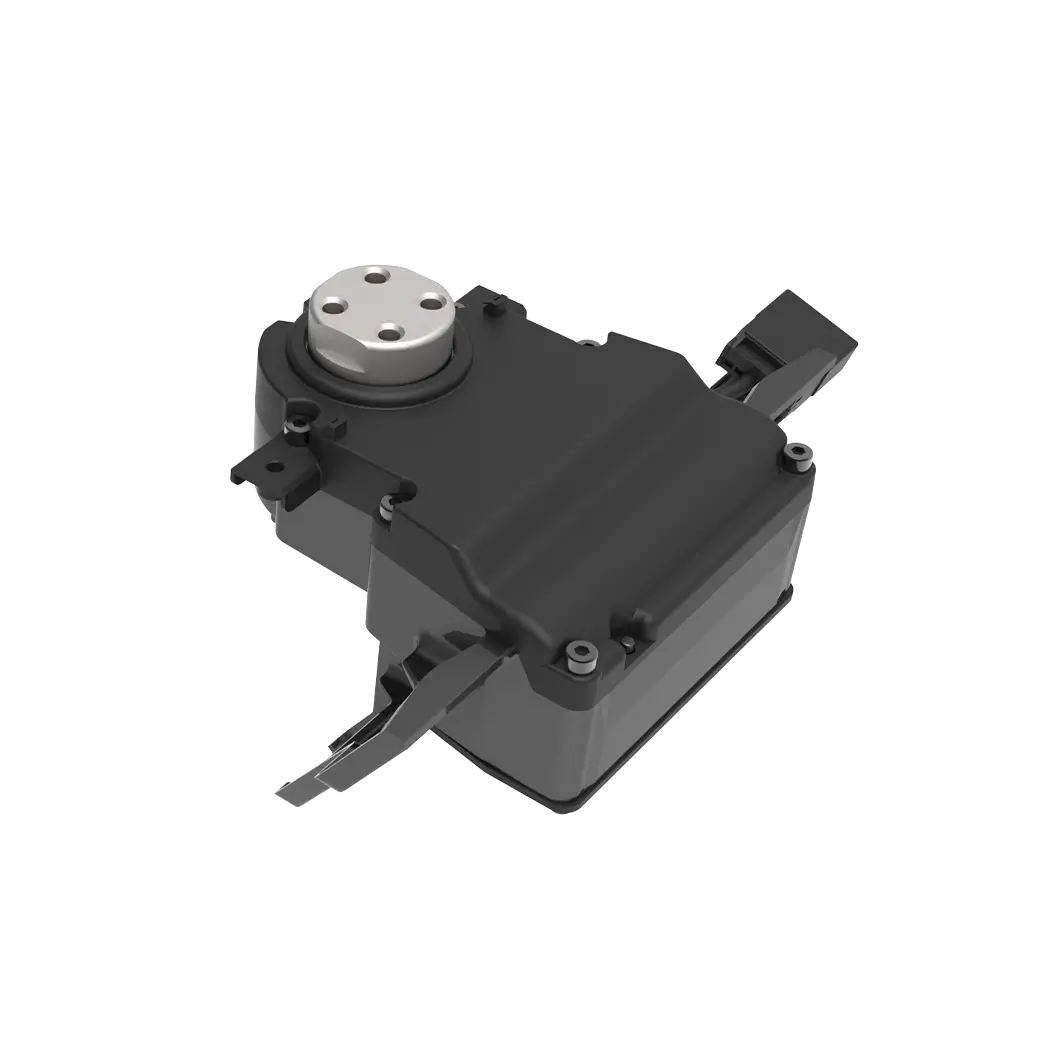
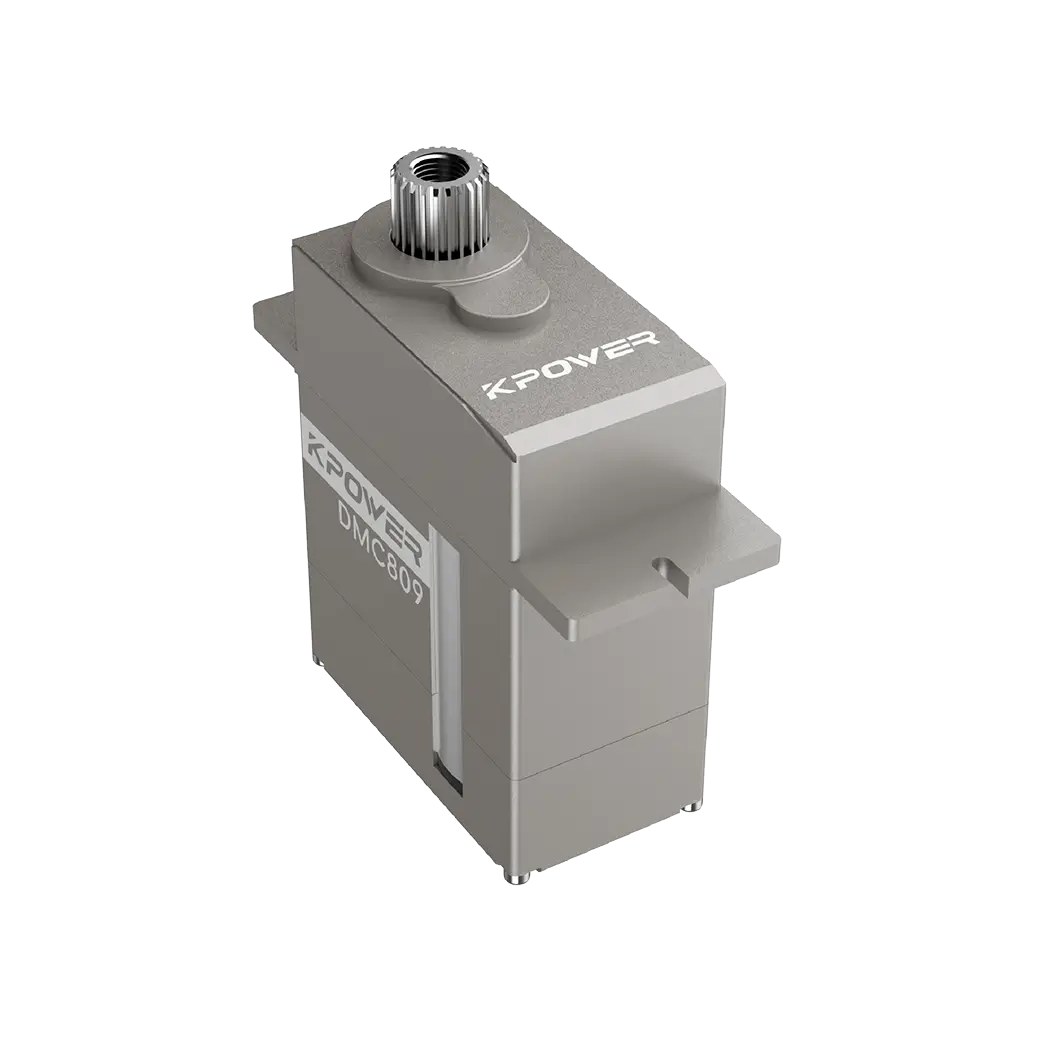
A servo motor is not a standalone motor. It is a system. The core components are the motor itself, a feedback sensor (such as an encoder or resolver), and a controller or drive that processes the feedback signal and adjusts the power output. The purpose is to achieve precise control of position, velocity, or torque.
In contrast to an open-loop system like a stepper motor, which moves a fixed number of steps per pulse and does not verify whether the movement actually occurred, a servo constantly checks its actual position against the commanded position. If there is a deviation—caused by load variation, friction, or inertia—the drive increases or decreases current to correct it. This closed-loop architecture is what gives servos their accuracy and repeatability.
For buyers evaluatingservo motor selection, the key distinction is not just whether the motor is AC or DC, but whether the feedback resolution and control algorithm match the application requirements. A mismatch here often leads to oscillation, overheating, or insufficient torque.
How Does a Servo Motor Work?
The working principle is straightforward: command, measure, compare, correct.

A motion controller sends a target position or velocity command to the drive. The drive then applies voltage to the motor windings, causing the rotor to turn. At the same time, the feedback device—typically an encoder mounted on the motor shaft—sends a signal representing the actual rotor position back to the drive. The drive compares the actual position to the commanded position. If there is an error, the drive adjusts the current to reduce that error to zero.
This loop runs at high frequency, often thousands of times per second. The result is smooth, accurate motion even under changing loads.
Three factors determine how well a servo performs:
Feedback resolution: Higher pulses per revolution (PPR) means finer position control.
Control loop tuning: Proportional, integral, and derivative (PID) parameters must match the mechanical load.
Drive response speed: Faster current control loops reduce settling time.
If the feedback resolution is too low for the application, the motor may appear to "hunt" or oscillate around the target position. If the drive is not properly tuned, the system may overshoot or take too long to stabilize.
Types of Servo Motors and Where They Fit
Servo motors are generally divided into two categories: AC servos and DC servos. The choice affects performance, cost, and maintenance.
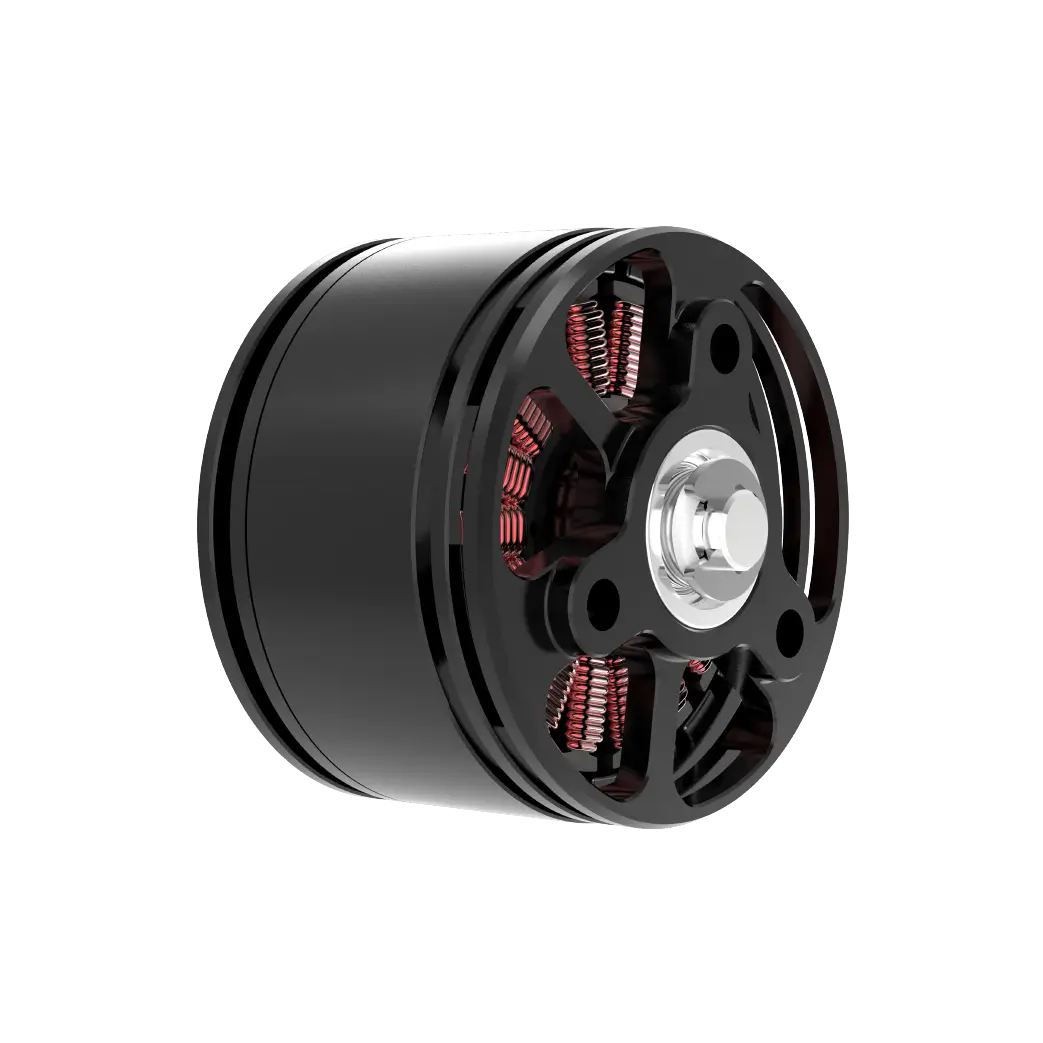
AC servos dominate industrial automation because of their higher torque density, better heat dissipation, and lower maintenance (no brushes to replace). However, for battery-operated or low-voltage applications, DC or brushless DC servos are often the better fit.
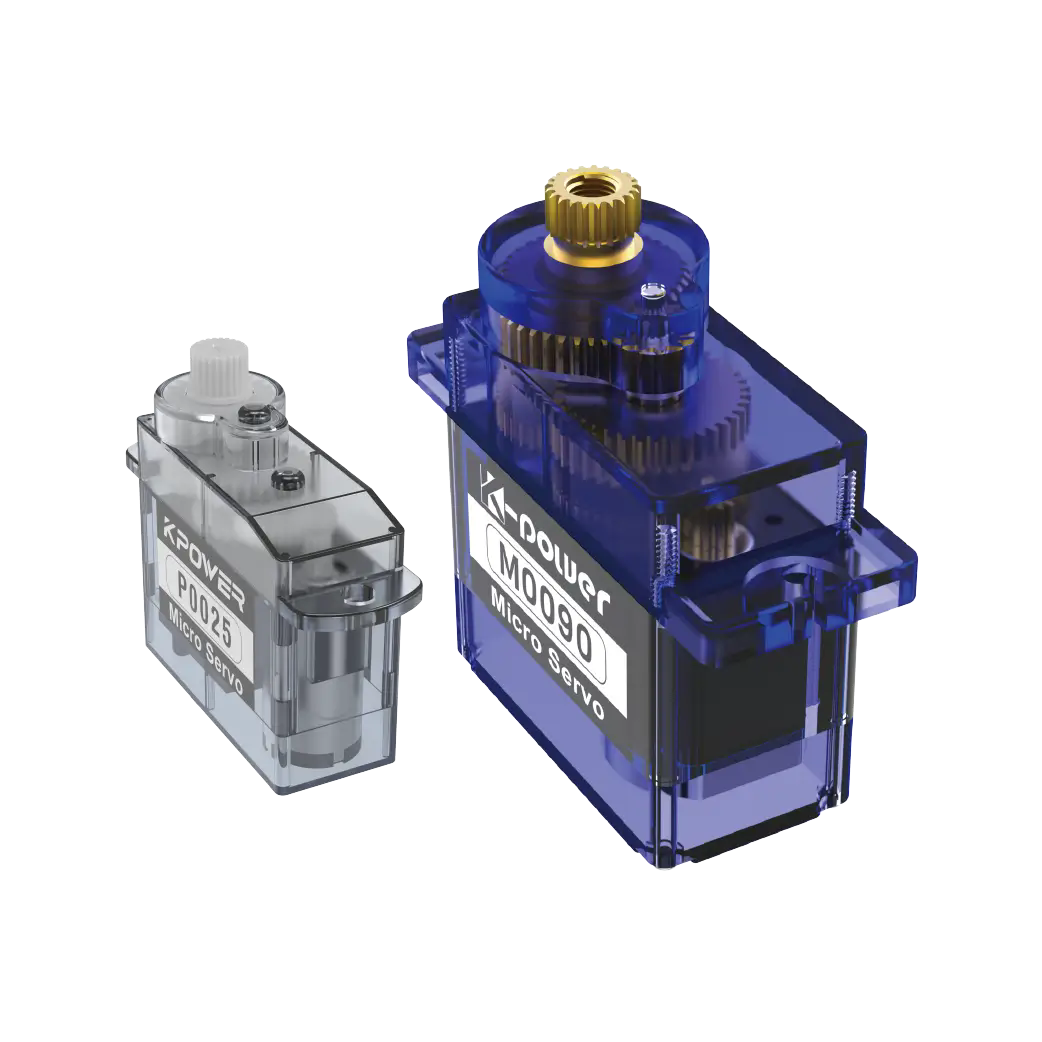
When evaluatingmicro servo options for compact equipment, check whether the feedback device provides enough resolution for the required positioning accuracy. Smaller motors often compromise on encoder resolution to save space.
Key Specifications to Check Before Buying
Before you compare servo models, define your application parameters first. The following specifications directly affect performance and cost.
Rated torque : Continuous torque the motor can deliver without overheating. Do not confuse this with peak torque.
Peak torque : Short-duration torque available for acceleration or overcoming load spikes. Typically 2–3 times rated torque.
Rated speed : Speed at which the motor delivers rated torque. Higher speeds may require a gearbox.
Feedback resolution : Encoder pulses per revolution (PPR). Higher PPR gives finer position control.
Rotor inertia : Affects acceleration and deceleration performance. Match inertia ratio between motor and load.
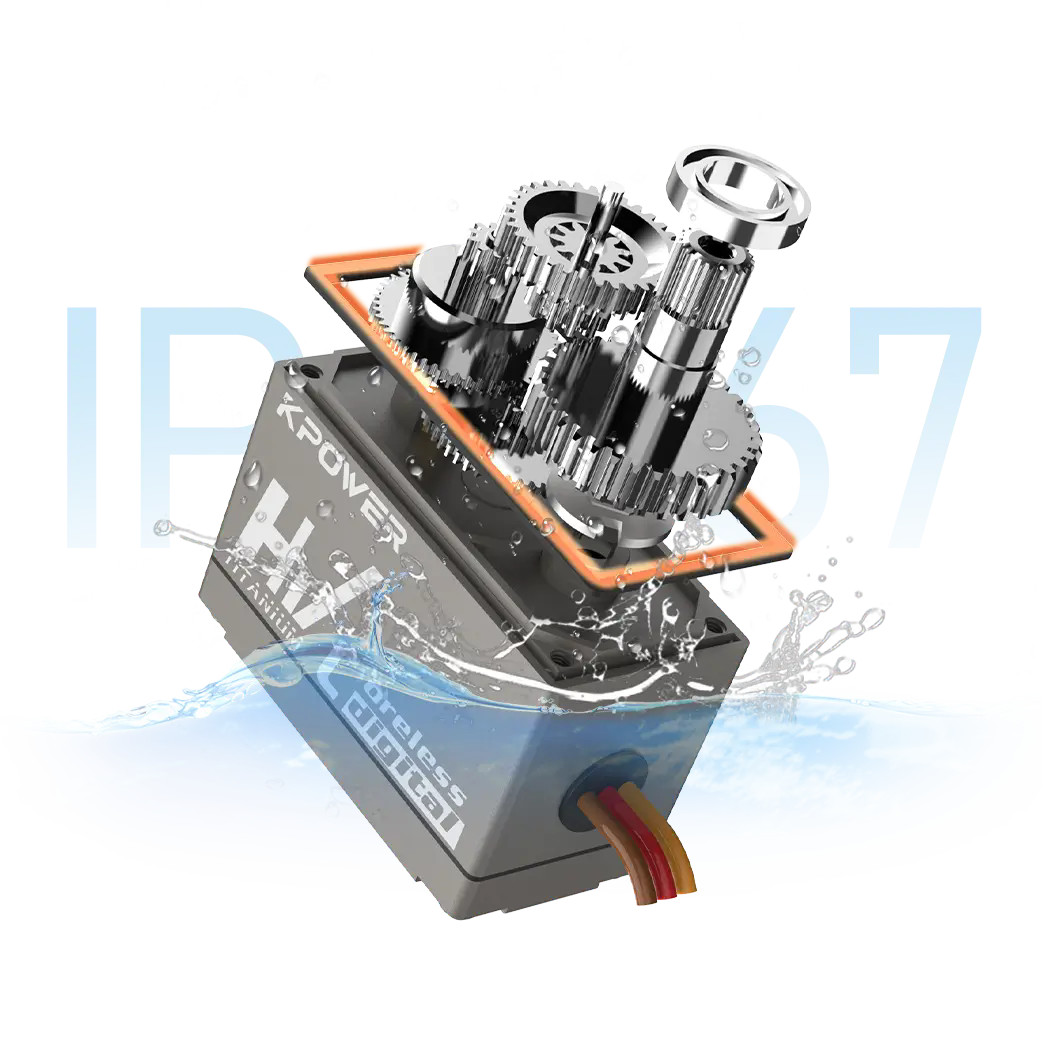
Protection rating : IP rating matters in dusty or washdown environments.
A common mistake is selecting a motor based only on rated torque while ignoring inertia mismatch. If the load inertia is more than 10 times the rotor inertia, the system may become unstable or require extensive tuning.
Fortorque requirements , always calculate the worst-case scenario, including acceleration torque, friction torque, and gravity torque. Underestimating any of these leads to undersized motors that overheat or stall.
Common Mistakes in Servo Selection
Even experienced engineers make errors when choosing servos. Here are the most frequent ones.
Mistake 1: Ignoring duty cycle. A servo rated for continuous operation may overheat if the application requires repeated high-torque cycles without enough cooling time.
Mistake 2: Choosing feedback resolution without considering controller limits. A high-resolution encoder is useless if the drive or controller cannot process the feedback fast enough.
Mistake 3: Oversizing the motor. A larger motor costs more, weighs more, and may run inefficiently at partial load. Oversizing also makes tuning more difficult because the inertia ratio becomes unfavorable.
Mistake 4: Forgetting about cable length and noise. Long encoder cables without proper shielding can introduce noise, causing position errors or drive faults.
Mistake 5: Using analog vs digital servo feedback incorrectly. Analog resolvers are robust in high-vibration or high-temperature environments but offer lower resolution. Digital encoders provide higher accuracy but are more sensitive to electrical noise.
For procurement teams, the safest approach is to provide the drive and motor supplier with a complete motion profile, including load torque, speed, acceleration, and cycle time. Relying on rule-of-thumb estimates often leads to expensive field corrections.
When a Servo Is the Right Choice
A servo is not always the answer. For simple point-to-point moves with no load variation, a stepper motor may be sufficient at lower cost. But when any of the following conditions exist, a servo becomes the practical choice.
The load changes during the cycle
High acceleration or deceleration is required
Position accuracy must be maintained at low speed or standstill
The system must hold position under external force
Multiple axes must coordinate precisely
Inmotion control applications , servos excel where repeatability matters more than raw speed. For example, in a pick-and-place machine, the robot must return to the same pick position thousands of times per day. A servo with closed-loop feedback ensures that drift does not accumulate.
On the other hand, if your application is purely speed control with constant load, a vector drive with an induction motor may be more cost-effective. The decision should be based on the full motion profile, not just the motor price.
Questions Buyers Often Ask About Servo Motors
Q: What is the difference between a servo and a stepper motor?
A servo uses closed-loop feedback to verify position, while a stepper motor moves in open-loop steps. Servos maintain torque at higher speeds and do not lose steps, but they require tuning and are generally more expensive.
Q: Can I use a servo without an encoder?
No. Without feedback, the system cannot correct errors. Some low-cost servos use hall sensors instead of encoders for position feedback, but these offer lower resolution and are not suitable for precision positioning.
Q: How do I know if my servo is properly tuned?
A properly tuned servo responds to a command with minimal overshoot and settles within the required tolerance in the shortest time. If the motor oscillates, hums, or takes too long to stop, tuning needs adjustment.
Q: What happens if I use a servo with a mismatched load inertia?
The system may become unstable, exhibit slow response, or overheat the drive. In severe cases, the drive may trip on overcurrent or the motor may vibrate excessively.
Q: Do all servos require a dedicated drive?
Yes. Servo drives contain the control logic and power stage needed to process feedback and regulate current. You cannot connect a servo motor directly to a power supply or a standard VFD.
Q: How long does a servo motor typically last?
Brushless AC servos can last 20,000 to 30,000 operating hours under normal conditions, depending on bearing quality, operating temperature, and load. Brushed DC servos have shorter life due to brush wear.
Q: Can I replace a stepper motor with a servo in an existing machine?
Often yes, but you will likely need to replace the drive and controller, and possibly the wiring. The mechanical mounting dimensions may also differ, so check the shaft size, flange pattern, and feedback connector.
Q: What is the most common cause of servo failure?
Bearing failure due to contamination or improper lubrication is the most common. Electrical failures, such as drive faults from cable damage or encoder noise, are also frequent.
Choosing the Right Servo for Your Application
The process of selecting a servo should start with the application, not the motor catalog. Define the load, the motion profile, and the environmental conditions first. Then match the servo's rated torque, peak torque, speed, and feedback resolution to those requirements.
Work with a supplier who can review your motion profile and recommend a matched motor and drive combination. Ask for the torque-speed curve, the inertia ratio, and the ambient temperature derating. A supplier who provides this data transparently is more likely to support you after the sale.
If you are evaluating multiple options, compare custom servo solutions based on your specific duty cycle, not just the base price. A slightly more expensive motor that matches your load characteristics will often save money over its lifetime through lower energy consumption and fewer maintenance events.
When you are ready to move forward, request a quotation with the full system included: motor, drive, feedback cable, and power cable. This avoids surprises during installation and ensures compatibility.
For a detailed review of your application requirements, contact our engineering team. Send your motion profile and load specifications, and we will help you identify the right servo solution for your production environment.
Update Time:2026-07-06

Contact Kpower's product specialist to recommend suitable motor or gearbox for your product.


