

TECHNICAL SUPPORT


Published 2026-07-06
Quick Answer
The main difference between mini, micro, and regularservos lies in their physical size, torque output, and power consumption. Miniservos offer a middle-ground option for applications requiring moderate torque in confined spaces. Microservos are the smallest and lightest, suited for low-load, high-precision tasks. Regular servos provide the highest torque and durability for industrial or heavy-duty use. Choosing the wrong size can lead to insufficient performance, overheating, or mechanical failure, so matching torque, speed, and mounting dimensions to your specific application is critical.
Introduction
When designing a motion control system, one of the most common procurement dilemmas is selecting the right servo size. Engineers and project managers often face tight enclosure constraints, weight limits, or cost pressures, yet the wrong choice can result in underpowered motion, excessive heat generation, or premature wear. A micro servo might seem cost-effective upfront, but if it cannot deliver the required torque consistently, production stops or quality defects quickly erase any savings. Conversely, a regular servo in a compact application wastes space and energy. Understanding the trade-offs between mini, micro, and regular servos are not just a technical preference; it directly affects equipment reliability, maintenance intervals, and total cost of ownership.
Table of Contents
1. What defines Mini, Micro, and Regular Servos?
2. Key Differences in Torque, Speed, and Power
3. How Application Environment Determines the Right Size
4. Common Mistakes When Choosing Between Servo Sizes
5. Questions to Ask Before Ordering a Servo
6. Choosing the Right Servo for Your Application
What defines Mini, Micro, and Regular Servos?
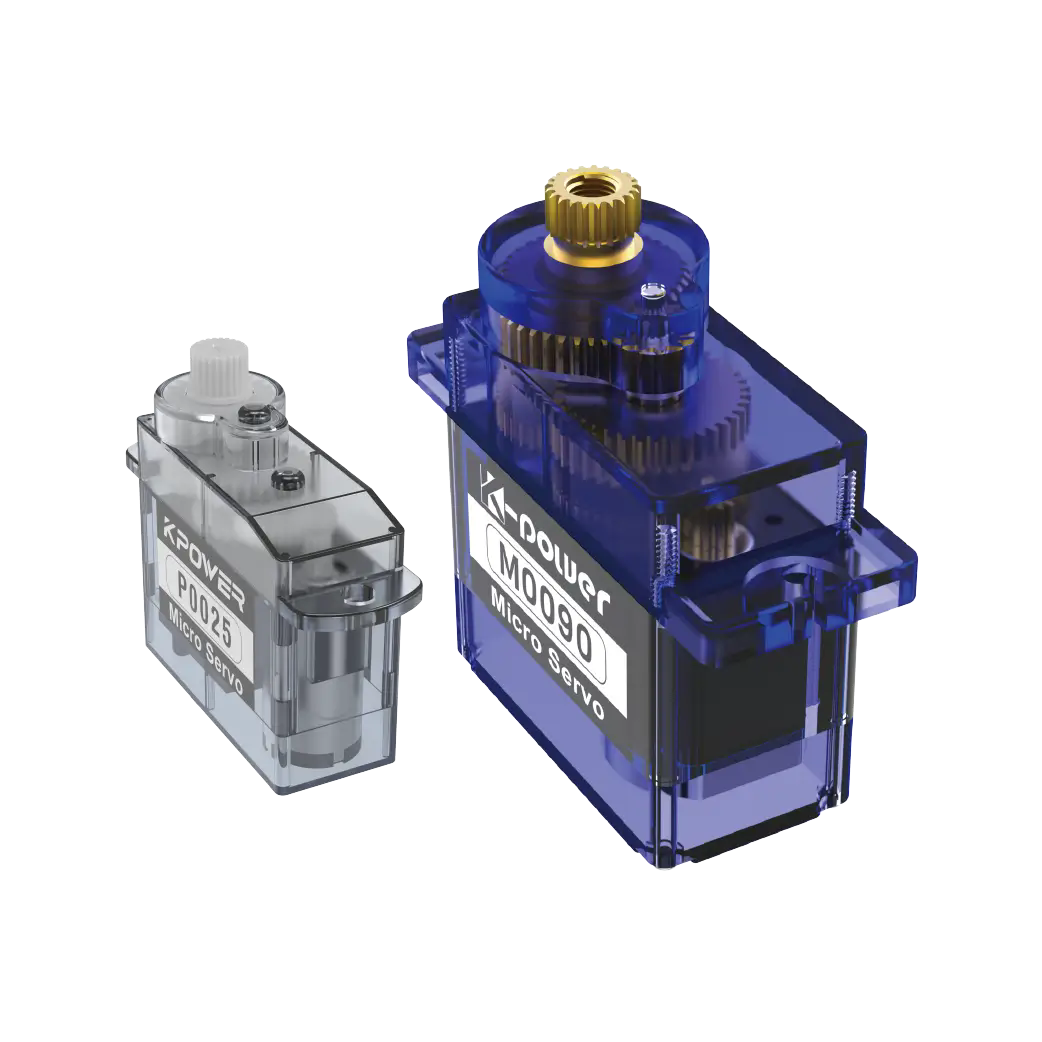
The classification of servos by size is not strictly standardized across manufacturers, but general conventions exist based on physical dimensions and typical torque ranges. Micro servos typically weigh between 5 and 15 grams, with dimensions around 20 x 10 x 20 mm and torque outputs under 0.5 kg·cm. Mini servos are larger, weighing 20 to 60 grams, with dimensions roughly 30 x 15 x 30 mm, and torque outputs ranging from 0.5 to 2.0 kg·cm. Regular servos, often used in industrial robotics and CNC machinery, can weigh over 100 grams, exceed 40 mm in any dimension, and deliver torque above 2.0 kg·cm, sometimes reaching 20 kg·cm or more.
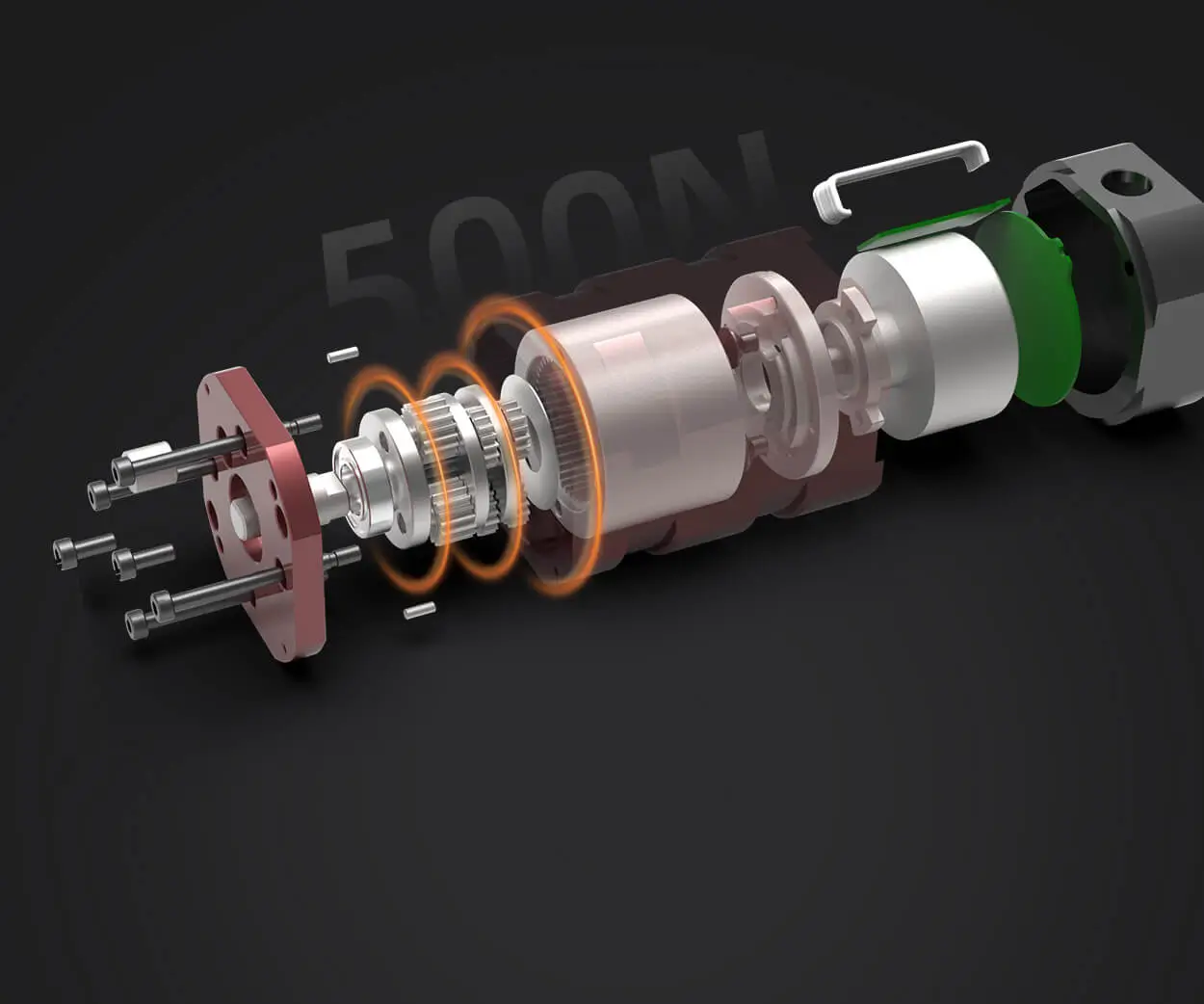
These size categories directly impact not only torque but also response time, heat dissipation, and compatibility with standard mounting patterns. Amicro servois typically designed for low-voltage operation (3.5 to 6 volts) and is common in hobbyist drones, small robotic arms, and camera gimbals.mini slavesoften operate at similar voltages but can handle slightly higher currents and are found in educational robots, light automation fixtures, and small-scale packaging equipment. Regular servos frequently require higher voltage supplies (12 to 48 volts) and are built with metal gears, heat sinks, and encoder feedback, making them suitable for continuous industrial duty cycles.
The choice between these sizes should never be based solely on physical fit. Torque-to-weight ratio, duty cycle, and ambient temperature all influence whether a servo will perform reliably over thousands of cycles. A micro servo used in a high-torque application may overheat within minutes, while a regular servo in a low-load scenario wastes energy and adds unnecessary inertia.
Key Differences in Torque, Speed, and Power
Torque is the most critical performance parameter when selecting a servo size. Micro servos typically generate 0.2 to 0.5 kg·cm of torque, which is sufficient for lightweight linkages or low-friction mechanisms. Mini servos offer a broader range, from 0.5 to 2.0 kg·cm, making them suitable for applications like small conveyor diverters or pick-and-place grippers handling parts under 200 grams. Regular servos provide torque from 2.0 kg·cm upward, often exceeding 10 kg·cm, enabling them to drive larger loads, actuate heavy gates, or control industrial robot joints.
Speed, measured as the time required to rotate 60 degrees, also varies significantly. Micro servos can achieve speeds as fast as 0.05 seconds per 60 degrees under no load, but their speed drops rapidly under load. Mini servos typically fall between 0.08 and 0.15 seconds per 60 degrees. Regular servos, especially those using brushless motors, maintain more consistent speed under varying loads, with typical values from 0.12 to 0.25 seconds per 60 degrees depending on torque rating.
Power consumption scales with size and torque. A micro servo may draw 100 to 300 mA under load, while a mini servo can draw 500 mA to 1 A. Regular servos, particularly those in continuous industrial use, may draw 2 A or more, requiring dedicated power supplies and proper thermal management. Ignoring these power differences can lead to voltage drops, erratic behavior, or controller damage in multi-servo systems.
Does speed or torque matter more for your application? For high-speed pick-and-place operations, torque consistency under dynamic loads is often more important than peak speed. For positioning applications like camera gimbal stabilization, micro servos with low inertia and fast response are preferable.Servo motor selection should always begin with a torque calculation at the worst-case operating condition, not at idle.
How Application Environment Determines the Right Size
The operating environment imposes constraints that often override raw servo specifications. In applications with high ambient temperatures, such as near ovens or in direct sunlight, micro servos are at a disadvantage because their small housing limits heat dissipation. Mini servos with aluminum heatsinks or ventilation slots perform better, but regular servos with active cooling or larger thermal mass are typically required for continuous operation above 50°C.
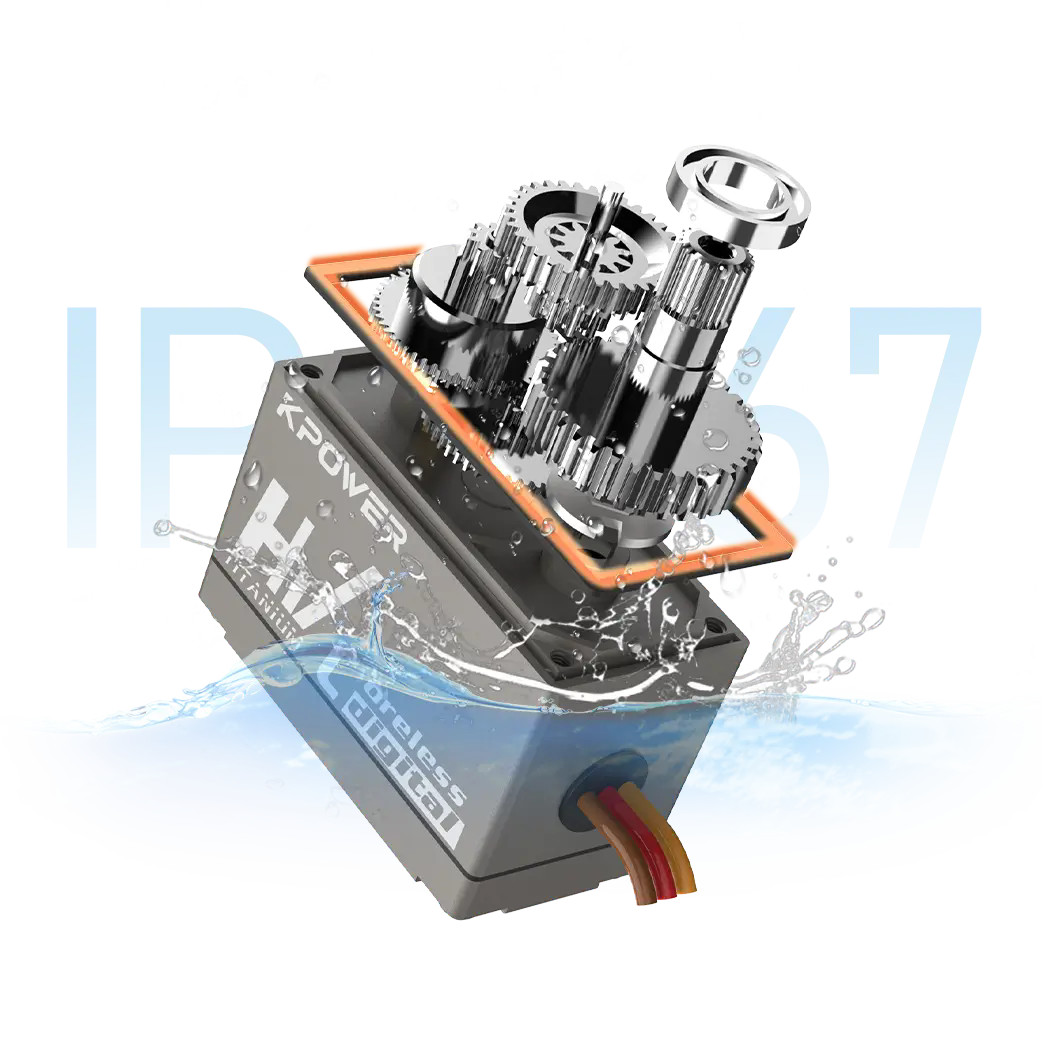
Enclosure space is another decisive factor. A regular servo may physically fit, but if the enclosure is sealed, heat buildup can shorten winding insulation life. Conversely, a micro servo in a dusty environment may lack adequate sealing, allowing debris to enter the gear train. IP rating and ingress protection should be verified against the application's contamination risk.
Vibration and shock also differentiate servo sizes. Micro servos often use plastic gears, which can strip under repeated impact, especially in mobile robots or packaging machines with frequent stops and starts. Mini servos commonly use metal gears, offering better durability, while regular servos are typically built with hardened steel gears and robust bearings. If your application involves high acceleration rates or sudden load reversals, a metal-gear servo (whether mini or regular) is a more reliable choice.
What about duty cycle? A micro servo rated for intermittent use may fail within weeks if run continuously. Always check the duty cycle rating—some manufacturers specify it as a percentage of on-time per minute. For continuous rotation applications like conveyor drives, only regular servos with adequate thermal ratings should be considered.
Common Mistakes When Choosing Between Servo Sizes
One frequent error is selecting a micro servo because it fits the budget, without verifying whether it can handle the peak load. Peak torque demands often occur during acceleration or when overcoming static friction, and these values can be two to three times higher than the running torque. A micro servo that meets running torque requirements may stall or overheat during startup, leading to missed positions or broken gears.
Another mistake is ignoring the controller's current capability. A single micro servo may draw only 200 mA, but a bank of ten micro servos running simultaneously could require 2 A or more. If the controller or power supply is undersized, voltage sag can cause all servos to behave erratically. Power supply sizing must account for the total current draw of all servos under simultaneous load.
Buyers also often overlook the mounting interface. Regular servos typically use standard 40 mm or 60 mm bolt patterns, while mini and micro servos may use proprietary mounting holes. Adapting a regular servo into a space designed for a micro servo can require custom brackets, increasing cost and complexity. Always verify mounting dimensions before ordering.
A less obvious but costly mistake is assuming that all servos of the same size class perform identically. Torque ratings, gear material, feedback resolution, and control signal compatibility vary significantly between brands and models. A high-quality mini servo from a reputable manufacturer may outperform a low-cost regular servo in precision applications. Comparison should be based on verified specifications, not size alone.
Questions to Ask Before Ordering a Servo
Below are practical questions that procurement and engineering teams should ask before selecting a servo size. These points help avoid costly mismatches between specifications and actual operating conditions.
1. What is the peak torque required during acceleration or stall conditions?
Peak torque is often higher than running torque. A servo that meets running torque may fail during startup or under temporary overload.
2. What is the duty cycle—continuous operation, intermittent, or occasional positioning?
Micro servos are rated typically for intermittent use. Continuous operation requires a servo with higher thermal capacity, usually mini or regular size.
3. What is the operating voltage range of the controller and power supply?
Using a micro servo at higher than rated voltage can cause overheating. Regular servos often require higher voltages to deliver full torque.
4. Are metal gears necessary for your application?
Plastic gears in micro servos are more affordable but wear quickly under load or shock. Mini and regular servos with metal gears offer longer service life.
5. What is the ambient temperature range inside the enclosure?
High temperatures reduce torque output and accelerate wear. Regular servos with heatsinks or forced cooling are better suited for hot environments.
6. What is the maximum allowable weight of the servo?
Weight limits in gimbals, drones, or lightweight robots often force the use of micro servos, but this should be balanced against torque requirements.
7. Does the servo need to support continuous rotation or only angular positioning?
Continuous rotation servos differ from standard position servos. Ensure the servo type matches your application's movement pattern.
8. What feedback resolution does the controller require?
Higher precision applications may need servos with encoders rather than potentiometers. Mini and regular servos more commonly support encoder feedback.
Choosing the Right Servo for Your Application
Selecting between a mini, micro, or regular servo is not a one-size-fits-all decision. The correct choice balances torque, speed, power consumption, mounting compatibility, and environmental tolerance against your specific application demands. Starting with a clear torque calculation at the worst-case operating point, verifying the duty cycle, and checking thermal and mechanical constraints will guide you to the right size class.
For buyers comparing multiple options, creating a specification comparison table that includes torque at operating voltage, weight, gear material, and feedback type helps eliminate unsuitable candidates early. A structured evaluation reduces the risk of selecting a servo that either underperforms or exceeds your requirements unnecessarily.
If you are unsure whether a mini servo can handle your application's peak load or whether a regular servo is overkill for your enclosure size, the most reliable step is to share your motion profile and environmental conditions with a technical supplier. An engineering review of your torque, speed, and duty cycle data can confirm the correct servo size and prevent costly procurement errors. When you are ready, submitting your specifications or requesting a consultation can turn a complex selection into a straightforward decision.
Update Time:2026-07-06

Contact Kpower's product specialist to recommend suitable motor or gearbox for your product.


