

TECHNICAL SUPPORT


Published 2026-05-19
Quick Answer:Amicroservois a compact motion-control component used when a product needs controlled angular movement in a limited space, such as robotics, drones, RC models, smart devices, compact automation, and small mechanical mechanisms. The right choice depends less on size alone and more on torque margin, voltage range, gear material, speed, control signal, duty cycle, and supplier support. For B2B buyers, choosing the right microservocan directly affect product reliability, assembly efficiency, maintenance cost, and long-term user experience.
Why MicroservoSelection Affects Product Reliability
Key Specifications Buyers Should Review Before Ordering
Gear Type, Motor Type, and Housing: What Changes in Real Use
MatchingMicro Servos to Common Applications
Supplier Evaluation for OEM and Engineering Projects
Common Failure Risks and How to Reduce Them
Practical Questions Before Choosing aMicro Servo
Amicro servolooks like a small and simple component, but it often sits at the point where electronics meet mechanical load. If the servo is undersized, poorly matched, or unstable under real operating conditions, the whole product may feel unreliable even when the control board and software are well designed.
For B2B buyers, the main risk is not only immediate failure. A weak servo choice can create hidden costs through field returns, inconsistent movement, noise complaints, shortened battery life, and extra engineering time during integration.
A compact servo used in a prototype may perform well during a short bench test, but mass production brings different conditions. Cable routing, housing friction, supply voltage drop, temperature rise, vibration, and repetitive movement can all expose weaknesses that were not obvious in early testing.
That is why buyers should evaluatemicro servo motor selectionas an engineering decision rather than a small accessory purchase. The lowest-cost option may be acceptable for hobby use, but OEM products usually require tighter attention to tolerance, repeatability, documentation, and long-term supply stability.

The first specification buyers usually compare is torque, but torque alone does not define suitability. A servo with the rightstall torquemay still perform poorly if its speed, gear backlash, voltage range, or duty cycle does not match the application.
Torque should be checked with a realistic safety margin. In many compact mechanisms, friction increases after assembly because of shell pressure, linkage angle, dust, cable drag, or imperfect alignment. A servo that only meets the theoretical load may become unstable after several thousand operating cycles.
Voltage rangeis also important. Buyers should confirm whether the servo matches the battery system, controller output, power supply design, and expected load conditions before approving samples or placing batch orders.
| Specification | Why It Matters | Buyer Risk if Ignored |
|---|---|---|
| Stall torque | Determines whether the servo can hold or move the load. | Jitter, stalling, overheating, or gear damage. |
| No-load speed | Affects response time and movement feel. | Slow motion, unstable user experience, or timing mismatch. |
| Voltage range | Must match the battery or power supply design. | Brownout, weak torque, or control instability. |
| Travel angle | Determines the available movement range. | Mechanical interference or insufficient stroke. |
| Gear material | Affects impact resistance, noise, and wear. | Gear stripping, backlash, or shortened service life. |
| Weight and dimensions | Critical for drones, compact robots, and portable devices. | Assembly conflict, balance issues, or performance loss. |
| Control signal compatibility | Must match the controller and firmware design. | Integration delays or inaccurate movement. |
| Duty cycle | Defines how frequently the servo can operate safely. | Heat buildup and premature failure. |
For compact products, dimensions should be reviewed in more than one direction. Height, horn clearance, mounting ear position, cable exit direction, and screw access can all affect assembly efficiency.
A good supplier discussion should include the full operating scenario, not just a part number. For example, an engineering team should share load direction, movement frequency, expected lifetime, available voltage, environmental exposure, and whether the servo must hold position continuously.

Gear choice has a direct effect on noise, durability, cost, and positioning feel. Plastic gears may be suitable for lightweight movement where noise and cost are more important than impact resistance. Metal gears are often preferred when the servo may experience shock load, repeated load changes, or higher torque demand.
However,metal gear micro servodesigns are not automatically better for every application. Metal gears can increase weight and operating noise, and they may transfer more shock to other components. The correct decision depends on the product’s mechanical structure and the expected load profile.
Motor type also matters. Acoreless micro servois often chosen for faster response and smoother movement in compact applications, while brushed motor options may be suitable where cost control and simple control are priorities. Brushless designs may be considered when lifespan, efficiency, and higher performance are required.
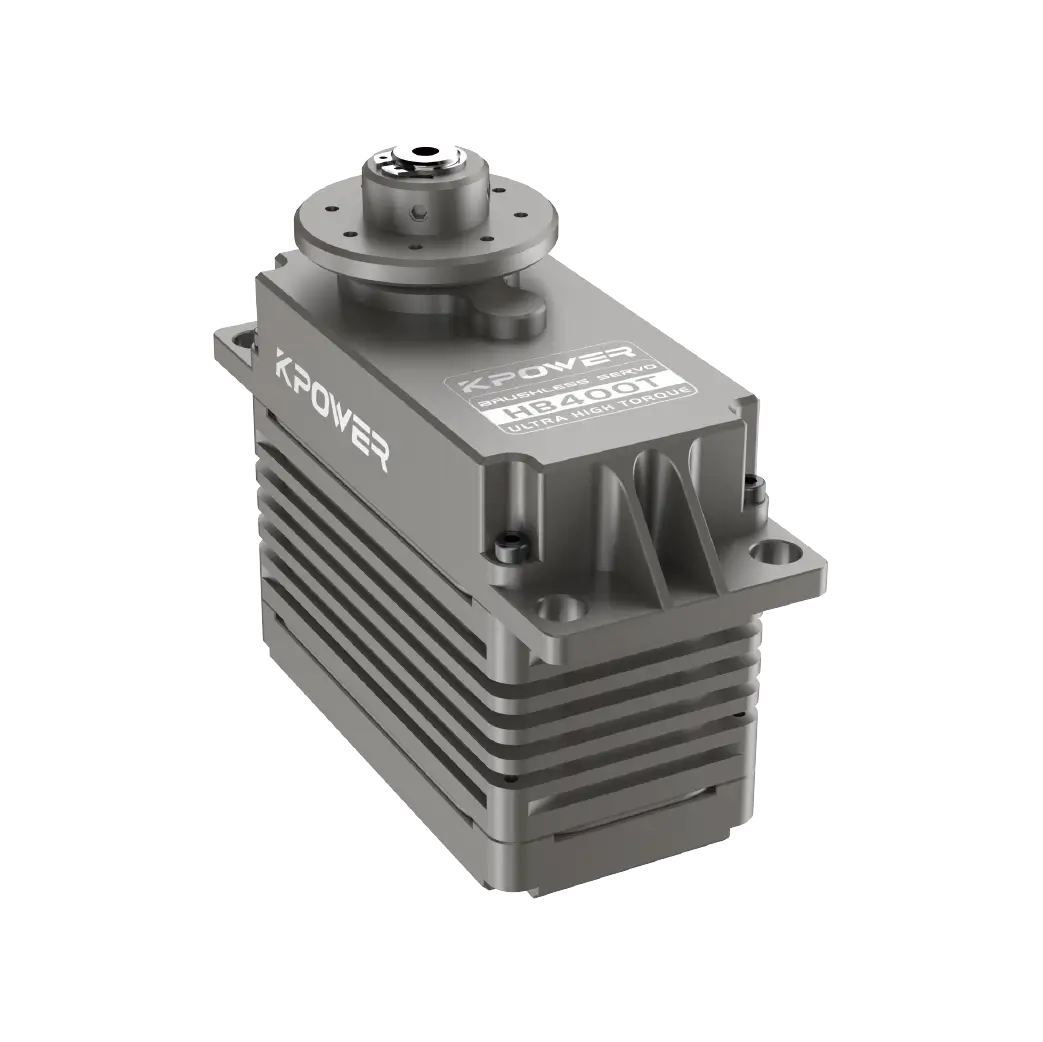
Housing material affects thermal behavior, strength, and mounting stability. Plastic housings are lightweight and economical, while aluminum or partial-metal structures can improve rigidity and heat dissipation in more demanding applications.
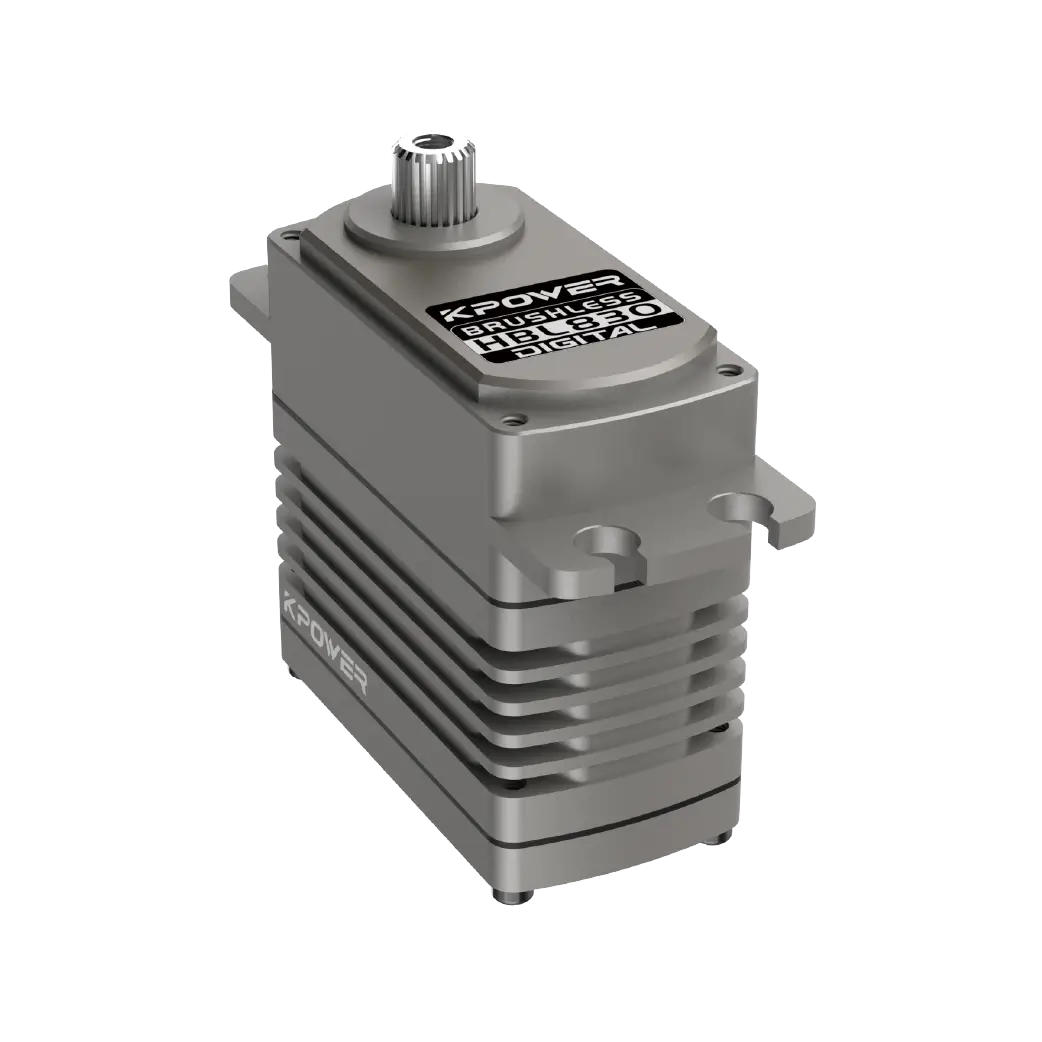
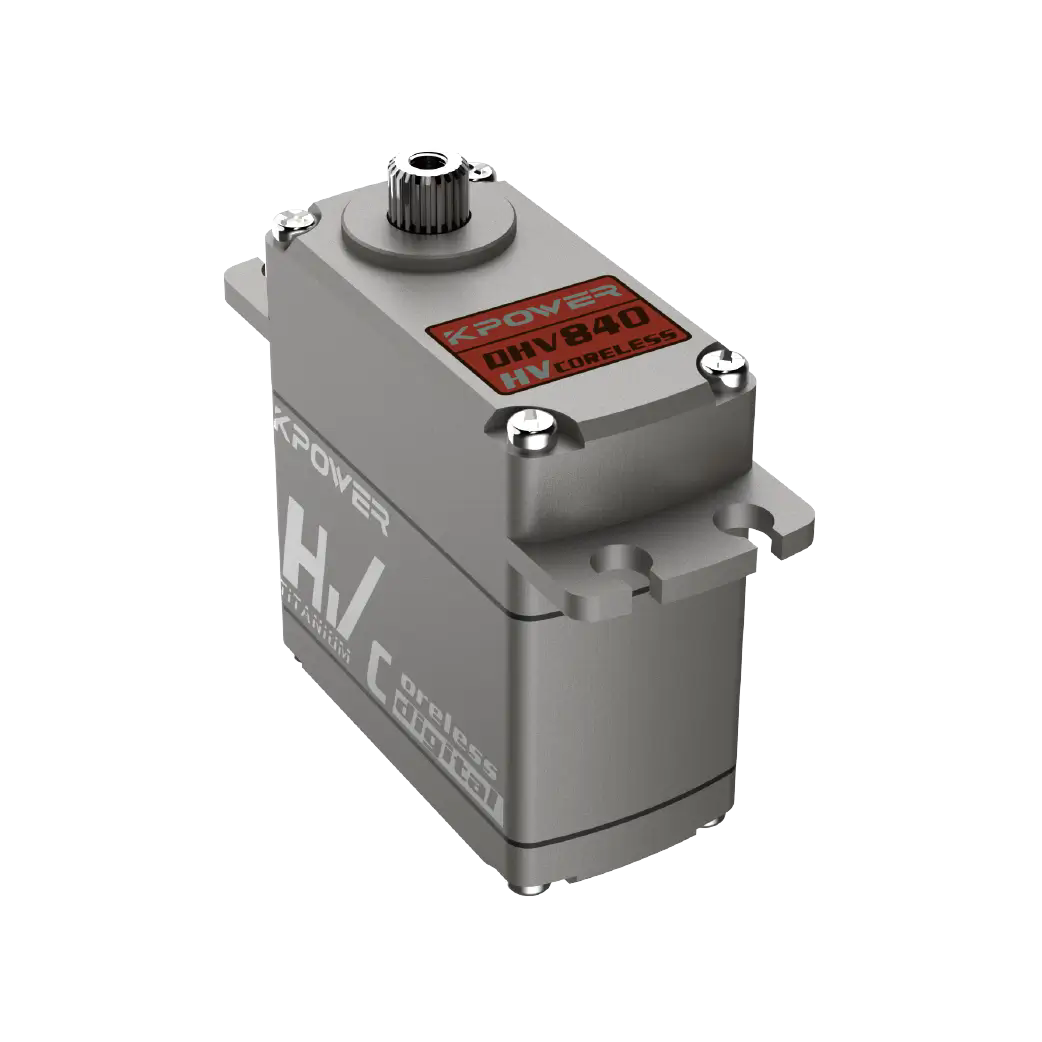
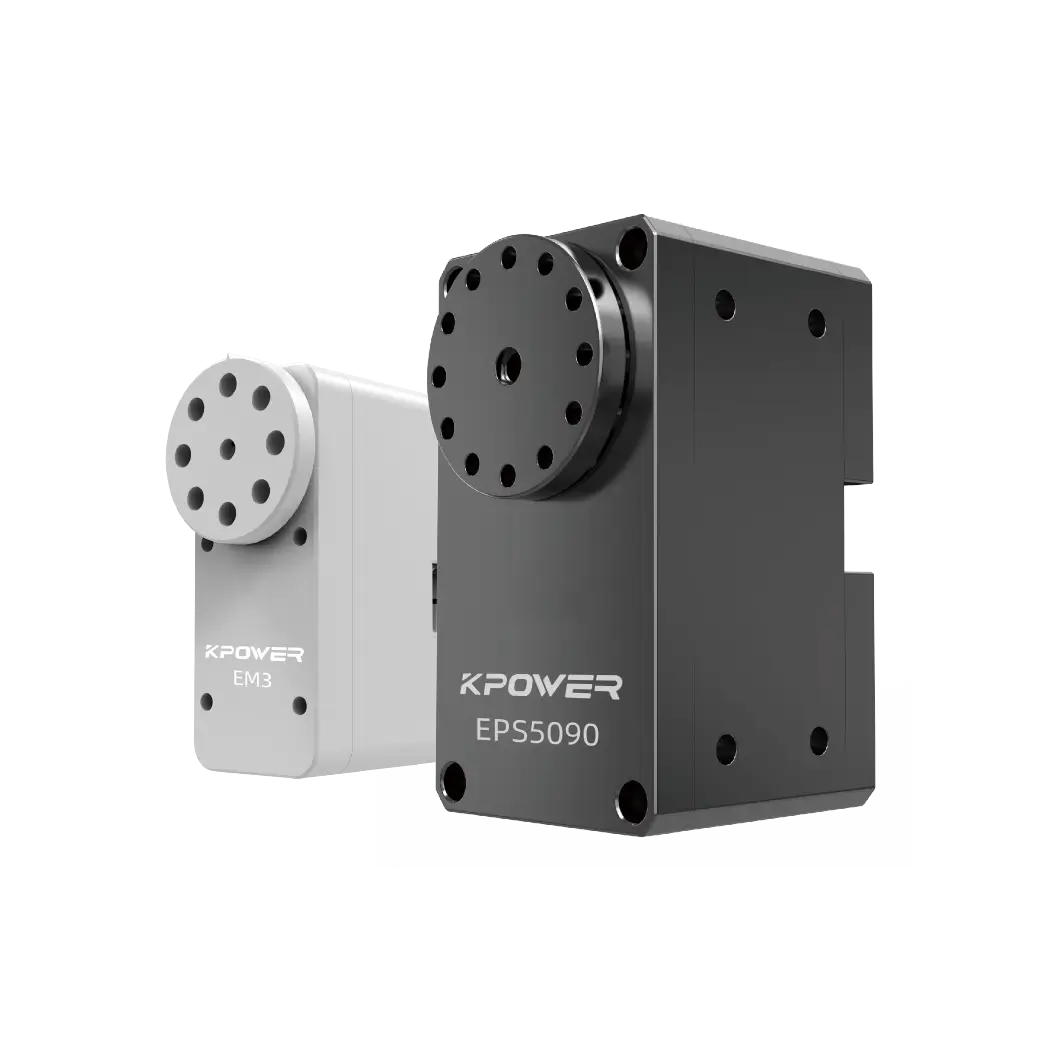
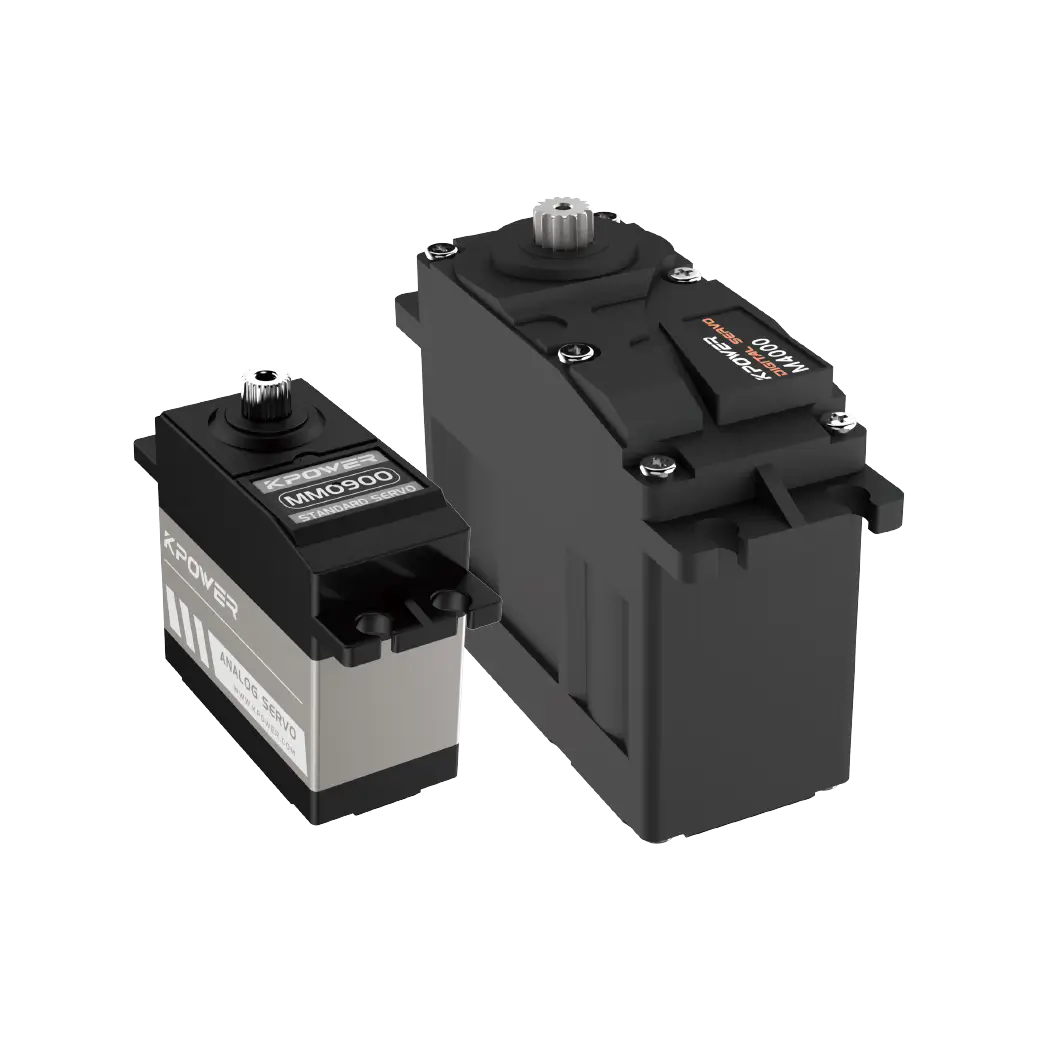
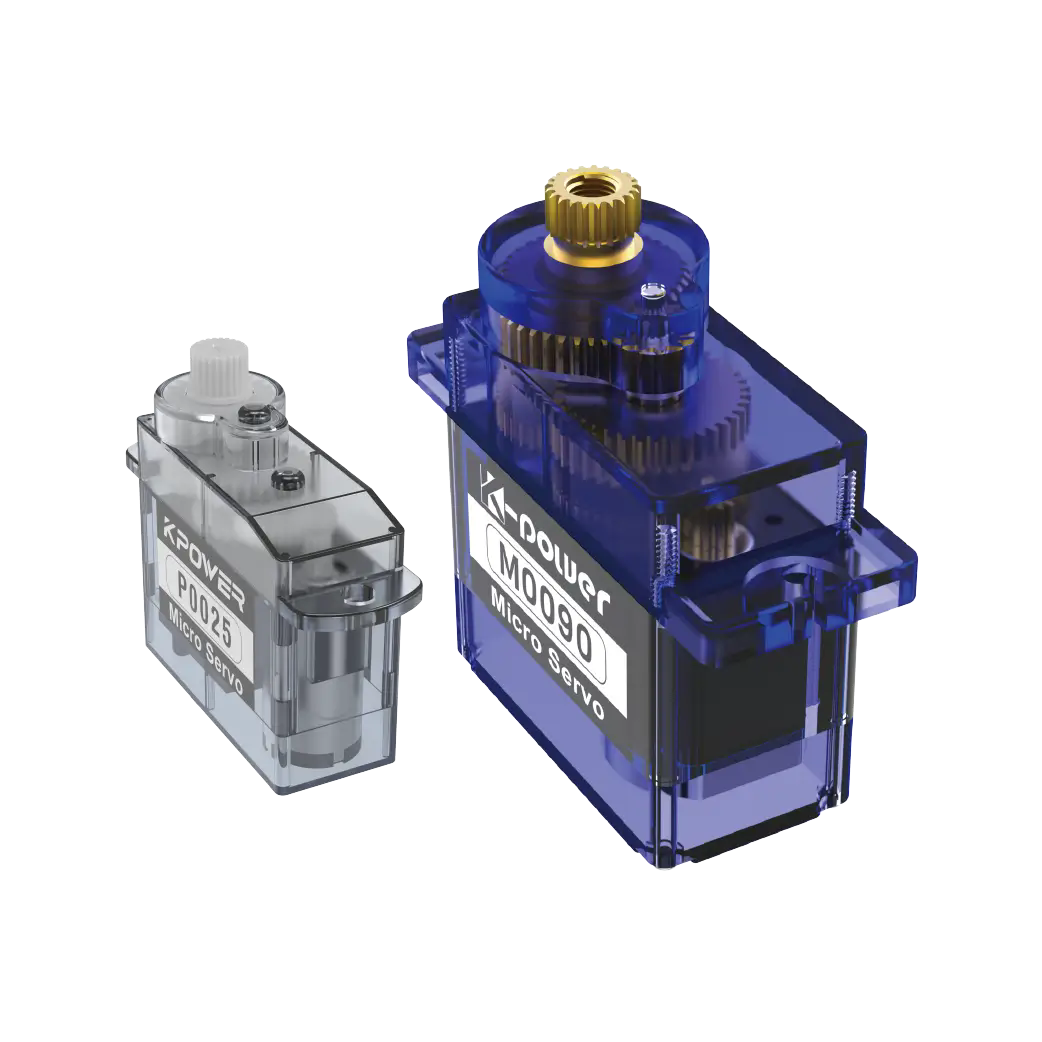
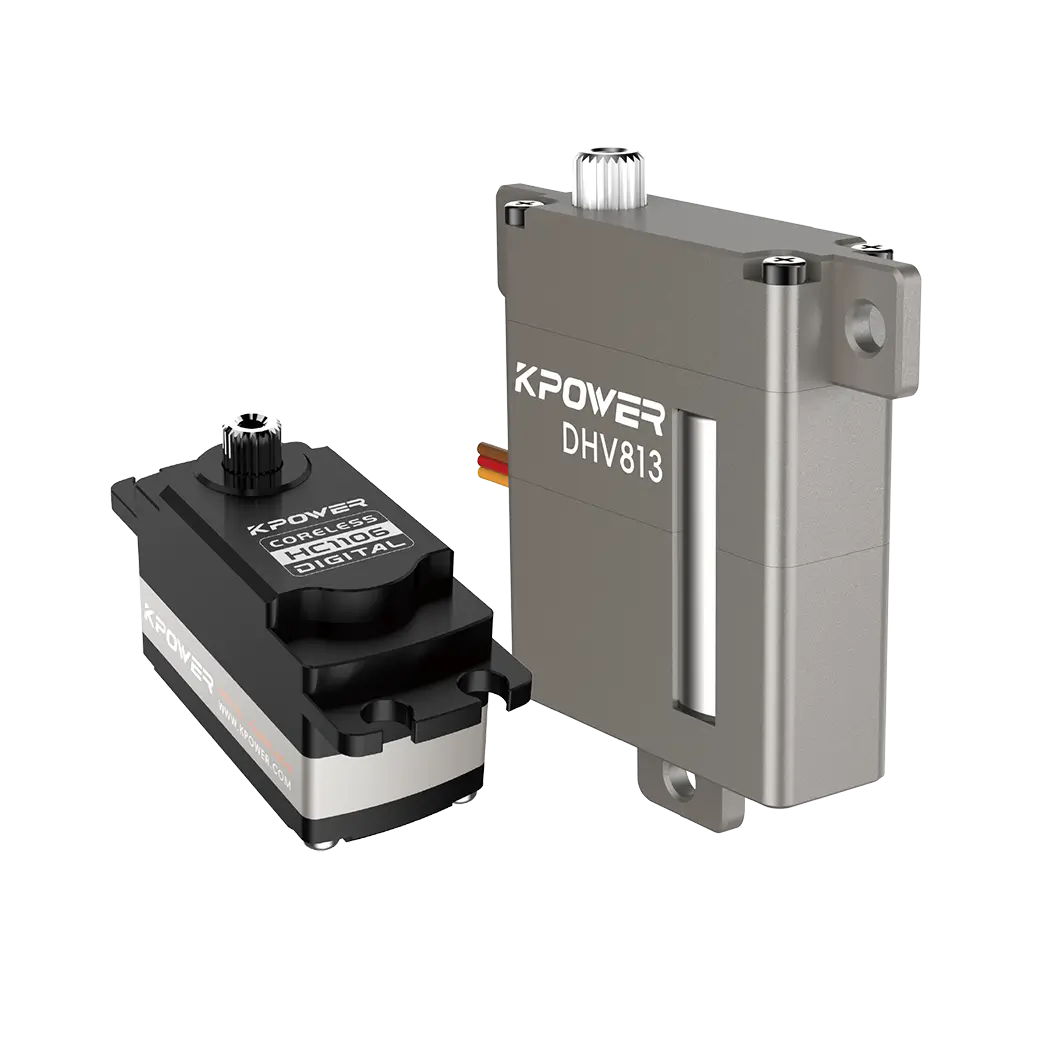
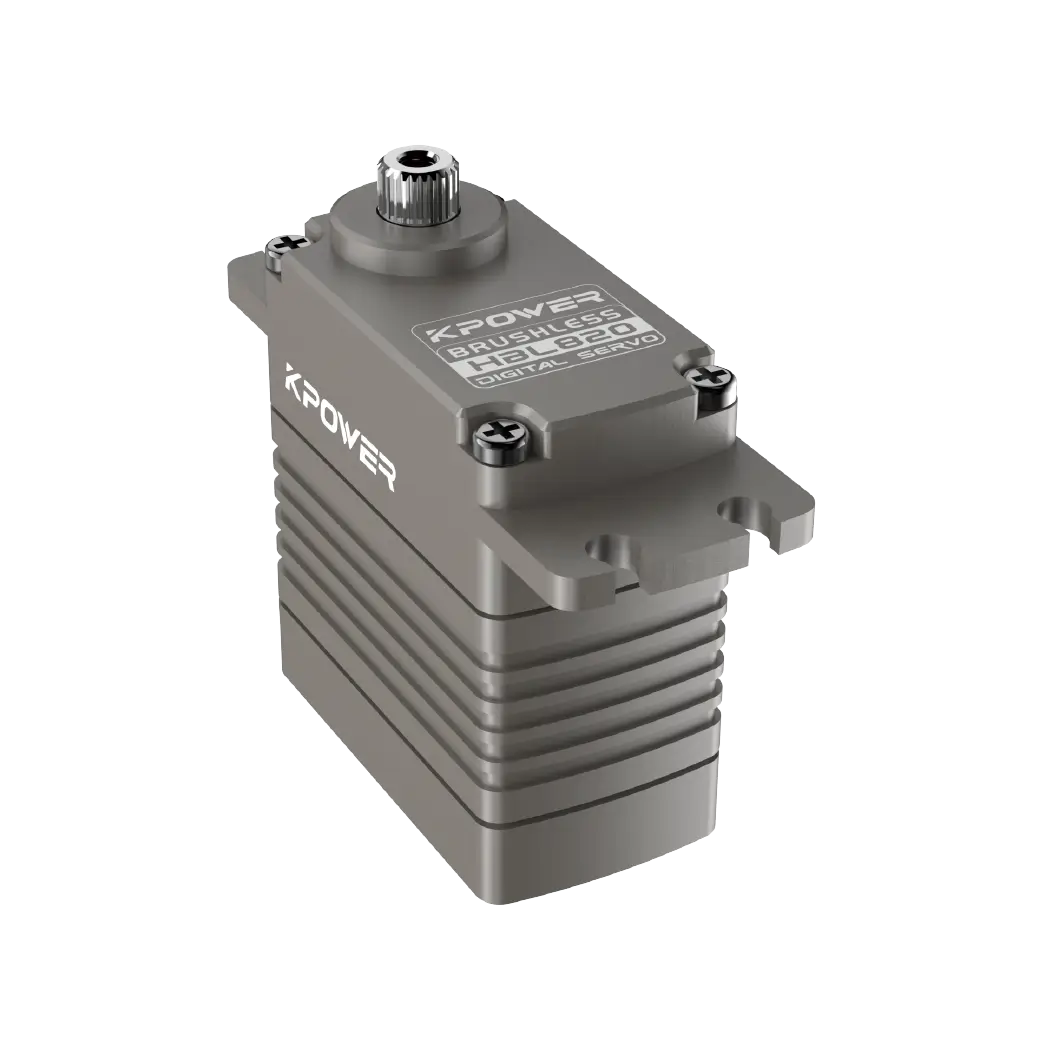
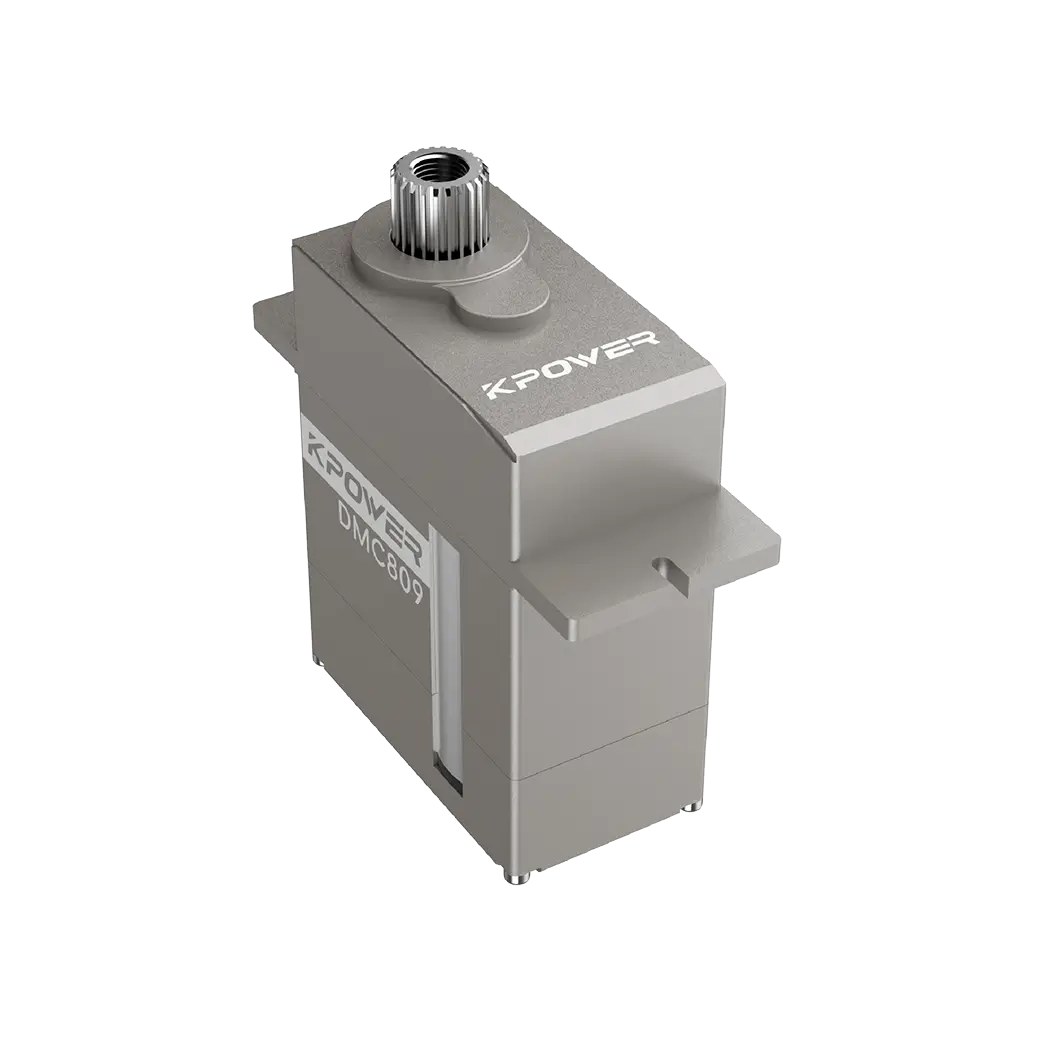
Kpower Servo offers micro servo options in different compact configurations, allowing buyers to compare structure, material, torque, and application fit rather than forcing one universal servo into every project.
For RC products, buyers often focus on speed, torque, gear strength, and replacement convenience. Steering, throttle, flaps, and small control surfaces all create different load conditions, so one micro servo may not fit every RC application.
In robotics, repeatability and control stability are usually more important than headline speed. A robot joint, gripper, sensor pan-tilt unit, or compact actuator may need predictable holding force and low backlash to keep the system stable during operation.
For drones and aerial devices, weight becomes a serious design constraint. A few grams may affect flight time, balance, and payload. In these projects, buyers should evaluatelightweight micro servooptions together with power consumption and vibration resistance.
Smart home devices often need quiet movement, smooth travel, and long-term consistency. A lock mechanism, camera cover, vent actuator, or small adjustment module may move fewer times per day than a robot, but users notice noise, hesitation, and inconsistent end positions.
Industrial and compact automation applications usually require more attention to duty cycle, documentation, and repeatability. Even a small servo in a fixture, test jig, feeder, or inspection module can create downtime if it fails frequently.
| Application | Priority Factors | Recommended Buyer Focus |
|---|---|---|
| RC models | Speed, torque, gear strength, size | Confirm load direction and impact risk. |
| Small robots | Repeatability, backlash, control stability | Review torque margin and linkage design. |
| Drones | Weight, response, vibration resistance | Balance servo weight with control force. |
| Smart devices | Noise, smoothness, compact assembly | Test movement inside the final enclosure. |
| Compact automation | Duty cycle, lifecycle, serviceability | Validate heat, cycle rate, and spare supply. |
| Medical or lab devices | Consistency, documentation, cleanliness needs | Confirm application requirements carefully. |
The safest approach is to test the servo inside the real mechanical assembly, not only on an open bench. Many servo problems appear only after the housing is closed, wires are fixed, and the mechanism is loaded at its real angle.

For B2B procurement, the supplier is part of the product decision. A servo may meet the specification on paper, but buyers still need stable production, technical communication, customization capability, and clear documentation.
For OEM projects, this matters because the buying team may need more than finished catalog parts. They may need adjustments to travel angle, connector type, wire length, control logic, gear configuration, housing structure, packaging, or labeling.
A usefulservo supplier evaluationshould include these checks:
Can the supplier explain torque, speed, voltage, and load trade-offs clearly?
Are drawings, dimensions, and electrical information available for engineering review?
Can samples be provided for real application testing?
Is customization available when a standard part does not fit?
Can the supplier support stable repeat orders after validation?
Are quality-control expectations discussed before mass production?
Can the team help review failure risk before tooling or assembly decisions are locked?
A low unit price may look attractive during sourcing, but engineering changes after production are usually more expensive. Delayed launch, redesign, replacement stock, and customer complaints can easily outweigh early component savings.
The most common micro servo problems are not always caused by poor manufacturing. Many are caused by incorrect matching between the servo and the application.
One frequent issue is insufficient torque margin. If the servo works near its limit, it may buzz, overheat, lose position, or strip gears under sudden load. Buyers should consider peak load, friction, shock, and holding requirements rather than only the normal movement force.
Another issue is power instability. Multiple servos running from the same supply may create voltage drops, especially during startup or load changes. This can cause twitching, controller reset, or inconsistent movement.
Backlash is also important in precision applications. A small amount of gear play may be acceptable in a toy or RC accessory, but it can create visible error in robotics, camera positioning, or automated inspection fixtures.
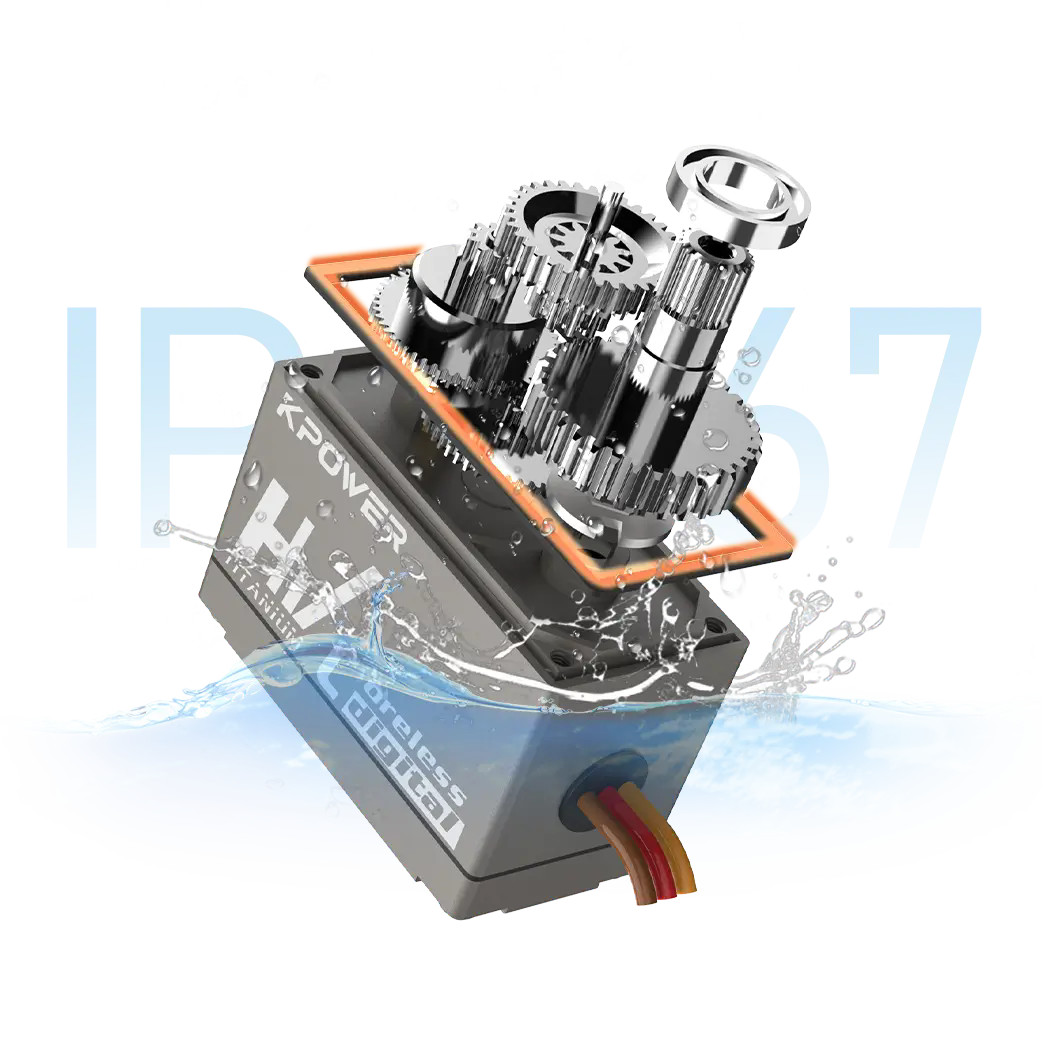
Environmental exposure should not be ignored. Humidity, dust, vibration, and temperature variation can affect lubricant, electronics, gear wear, and connector reliability. For demanding environments, buyers should discusswaterproof micro servo, sealing structure, material choice, and testing requirements with the supplier before selection.
A practical validation plan should include movement under load, repeated cycling, startup current observation, stall behavior review, noise check, and inspection after endurance testing. This does not need to be overly complex, but it should reflect real operating conditions.
A safe margin depends on the mechanism, duty cycle, and load variation. Many applications should avoid choosing a servo that only barely meets the calculated load. Friction, angle changes, wear, and voltage drop can all reduce practical performance. For commercial products, it is better to validate torque under real assembly conditions.
Not always. Ametal gear micro servousually handles impact and higher load better, but it may add weight, noise, and cost. Plastic gears may be suitable for light-duty movement where low weight and quiet operation matter more. The best choice depends on shock load, required lifespan, and product positioning.
Jitter may come from weak power supply, unstable signal, excessive load, poor grounding, gear wear, or controller noise. It may also happen when the servo is forced to hold a position under too much mechanical stress. Buyers should test the servo with the final controller, wiring length, and actual load before approving production.

Sometimes, but it should be verified carefully. A shared servo can simplify purchasing and inventory, but different product models may have different load angles, duty cycles, space limits, or voltage conditions. A common platform strategy works best when engineering teams define the highest-load scenario first.
Buyers should provide target torque, available voltage, movement angle, space limits, load type, operating frequency, expected lifetime, working environment, and any connector or cable requirements. Drawings, photos, or prototype videos are also useful. This helps the supplier recommend a more suitablecustom micro servoor standard model.
A micro servo should be selected as part of the complete motion system, not as an isolated small component. The right model must fit the mechanical load, electrical design, assembly space, operating environment, and commercial expectations of the final product.
For teams developing robots, drones, smart devices, RC products, or compact automation equipment, the best next step is usually a specification review before bulk purchasing. Kpower Servo can be considered when buyers needOEM micro servo solutionsupport, application discussion, and possible customization based on torque, voltage, size, travel angle, and integration requirements.
A careful selection process reduces redesign risk, improves product consistency, and gives purchasing teams a clearer basis for comparing cost against lifecycle value.
Update Time:2026-05-19

Contact Kpower's product specialist to recommend suitable motor or gearbox for your product.


