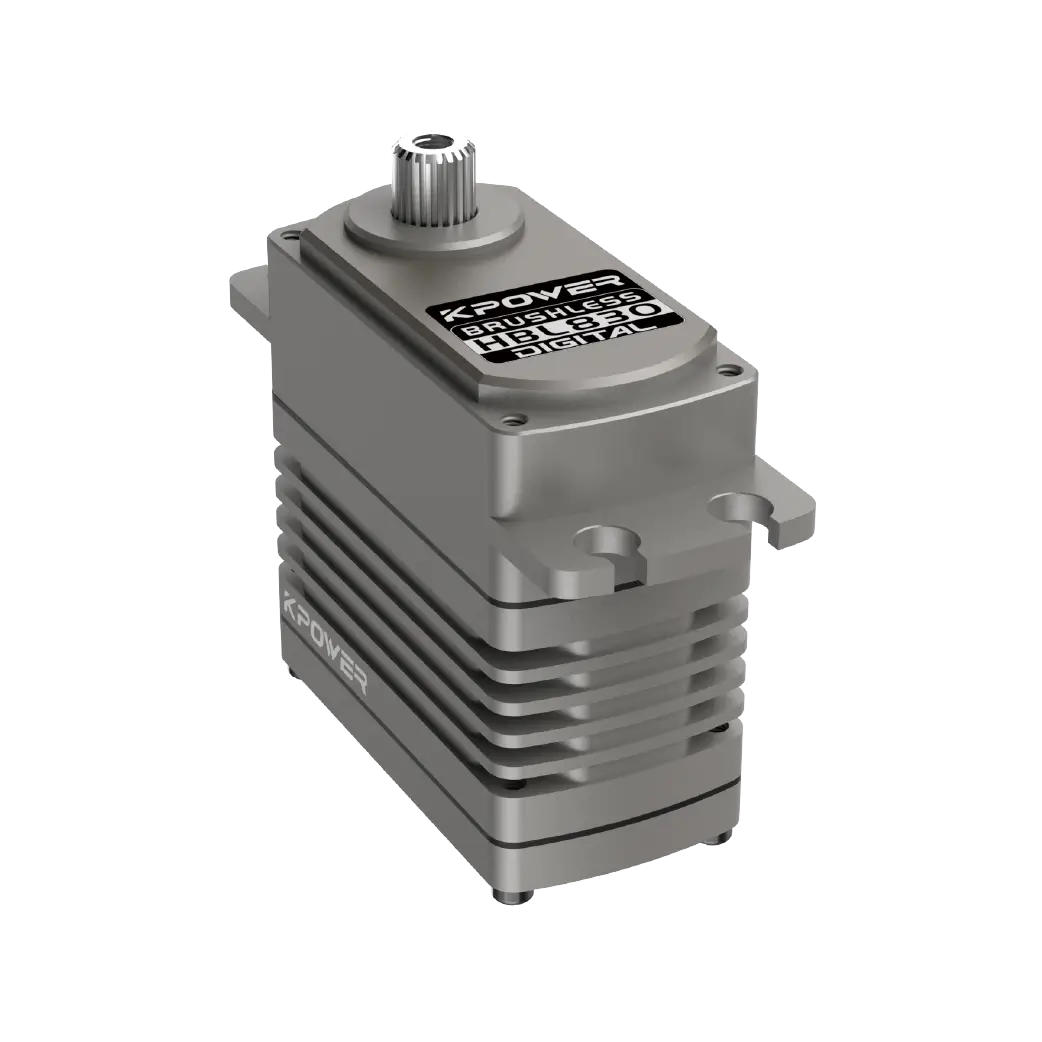
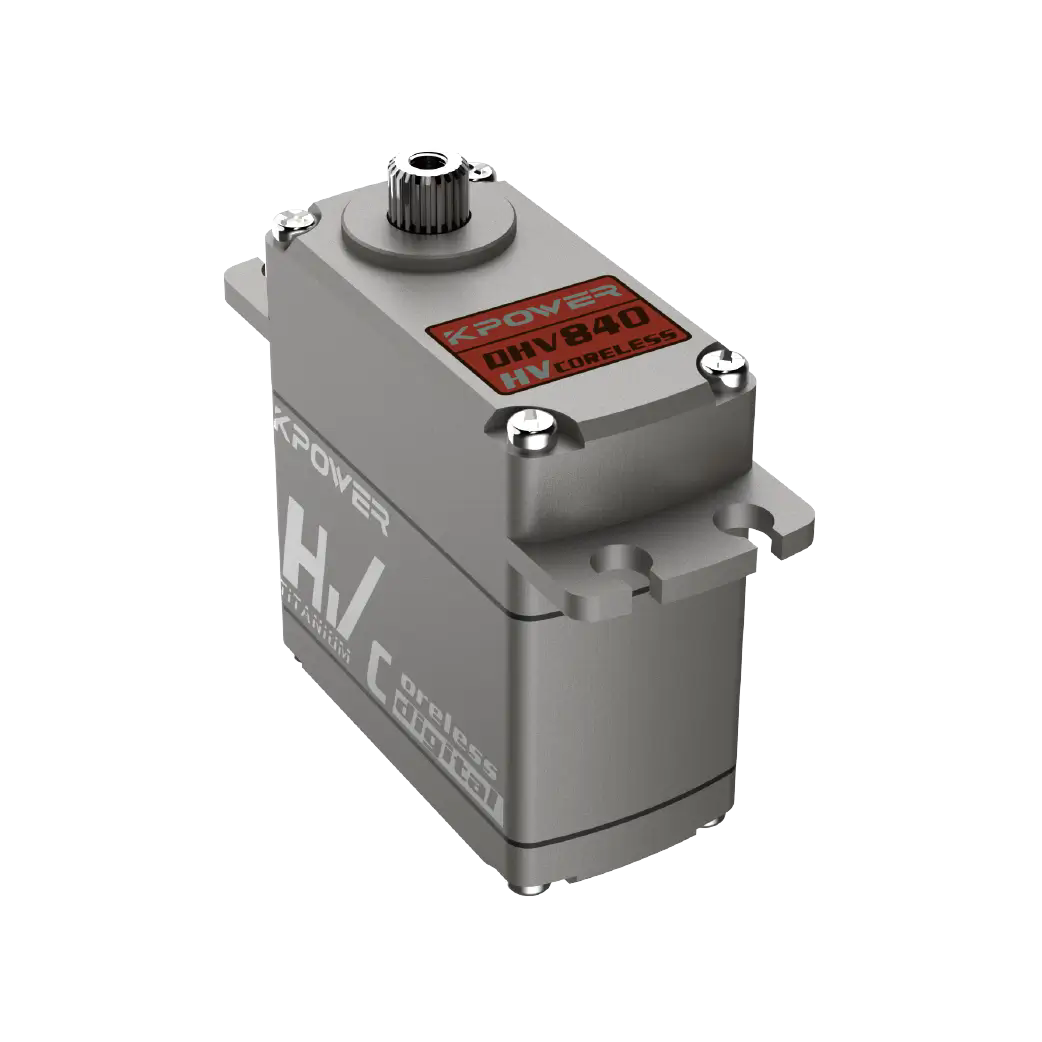
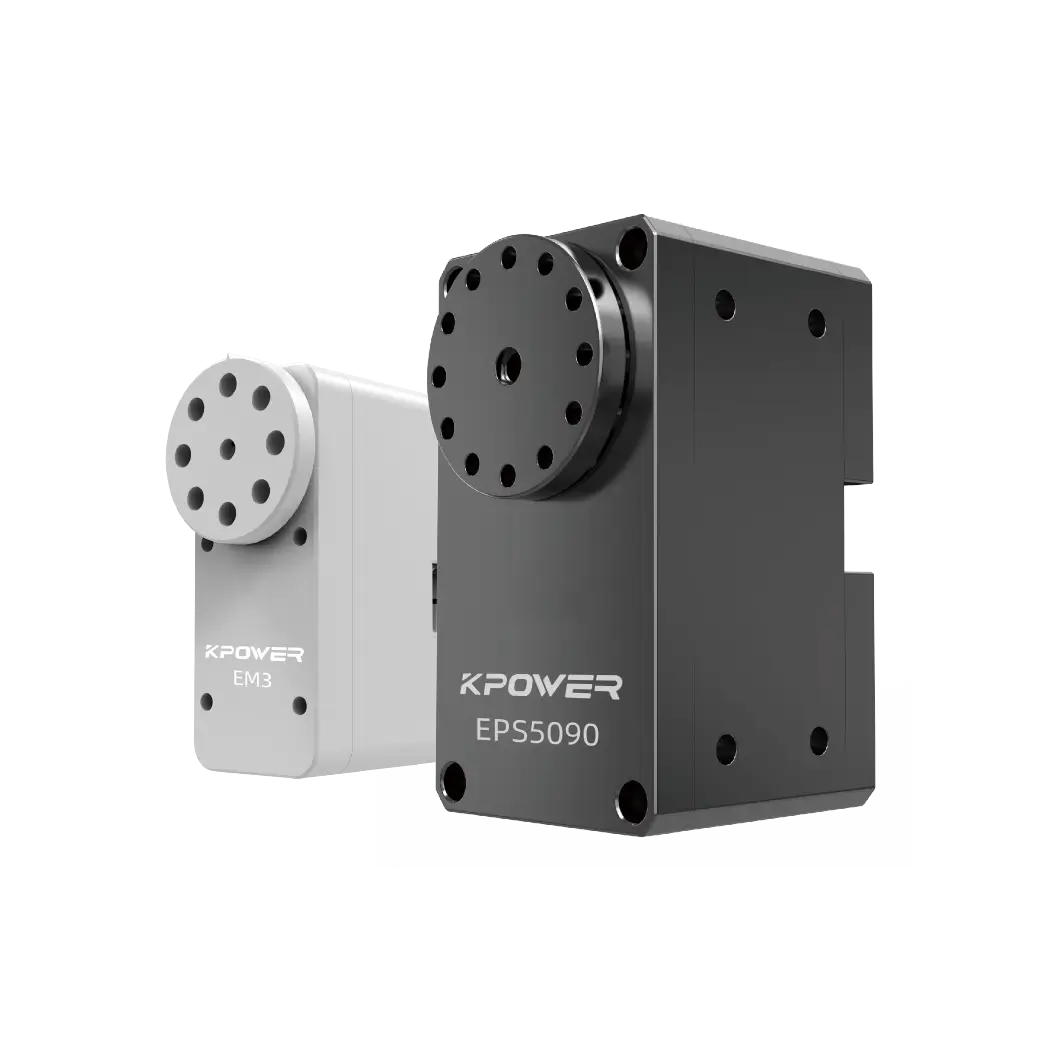
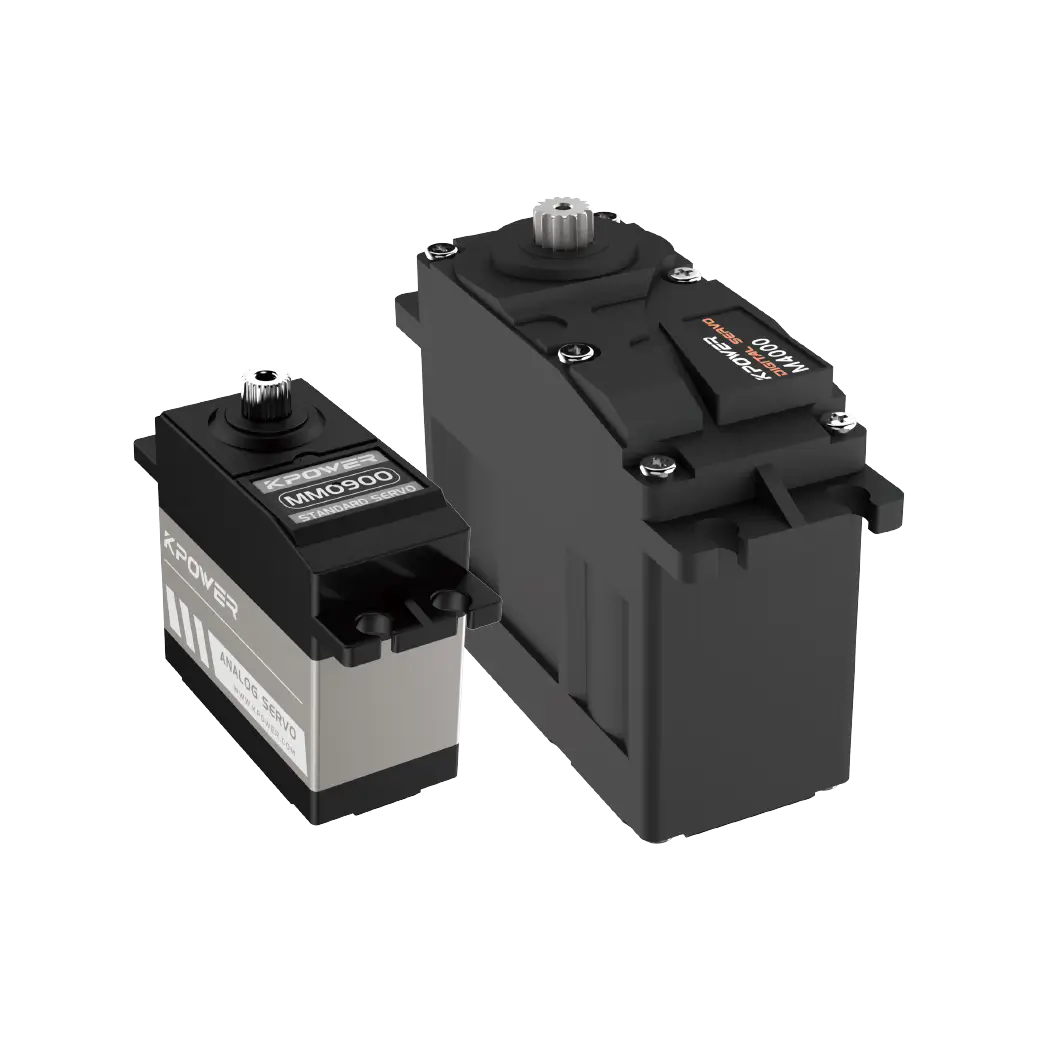
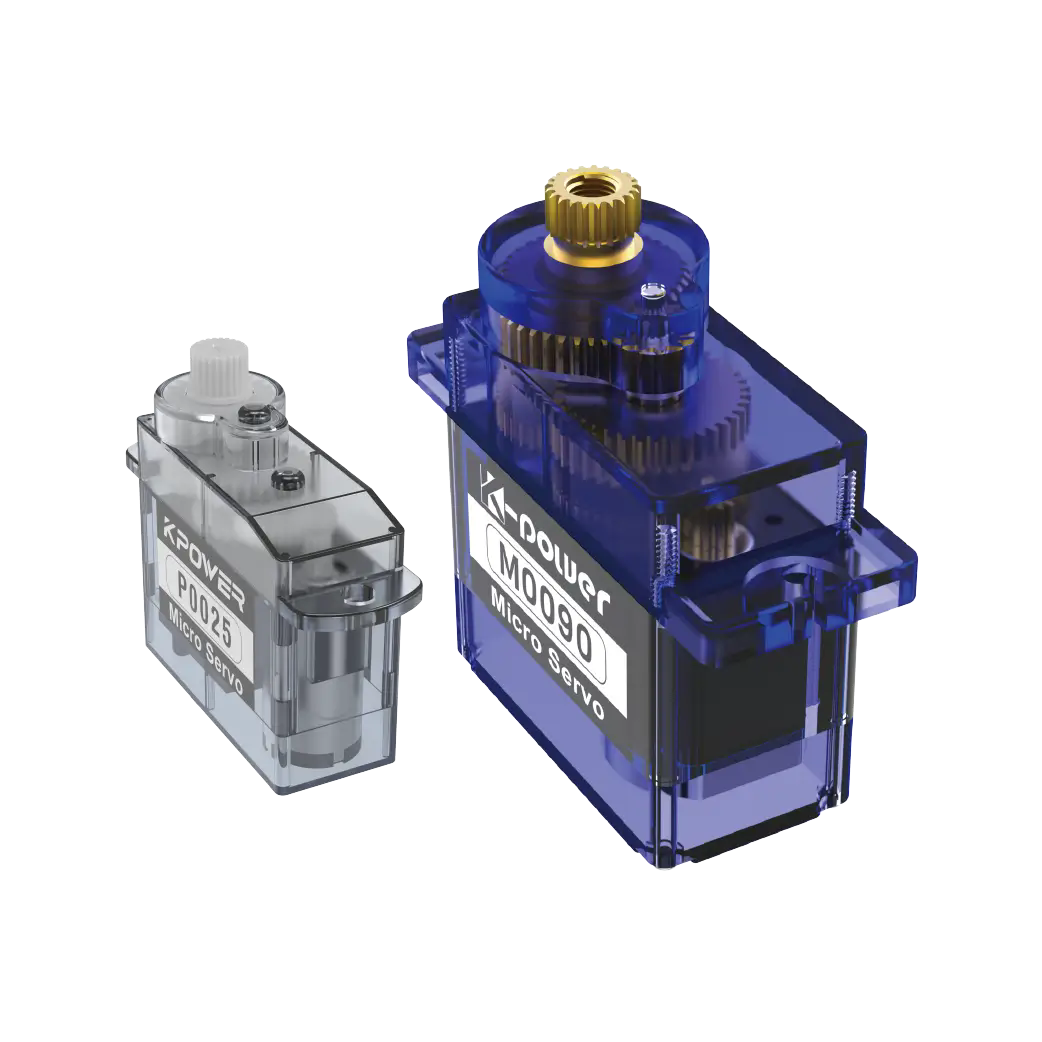
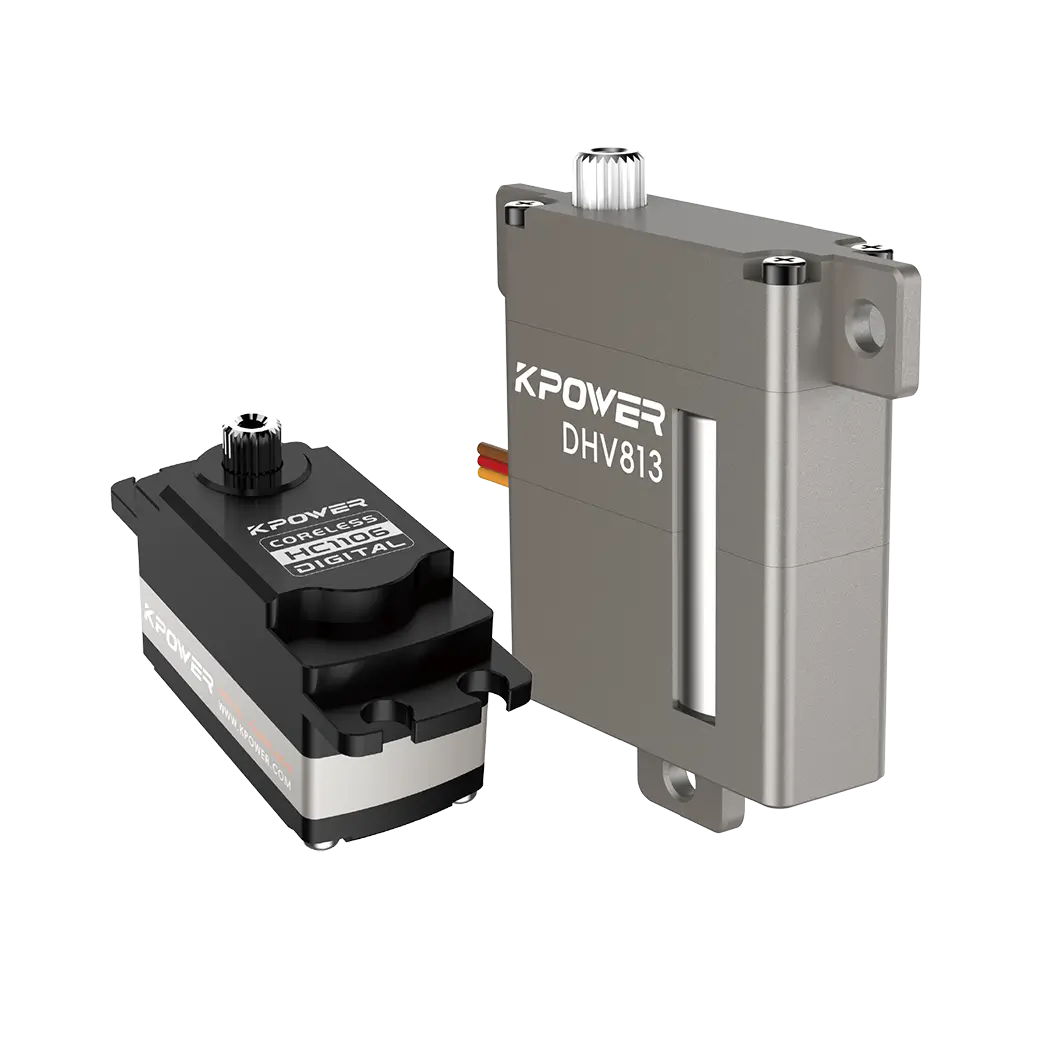
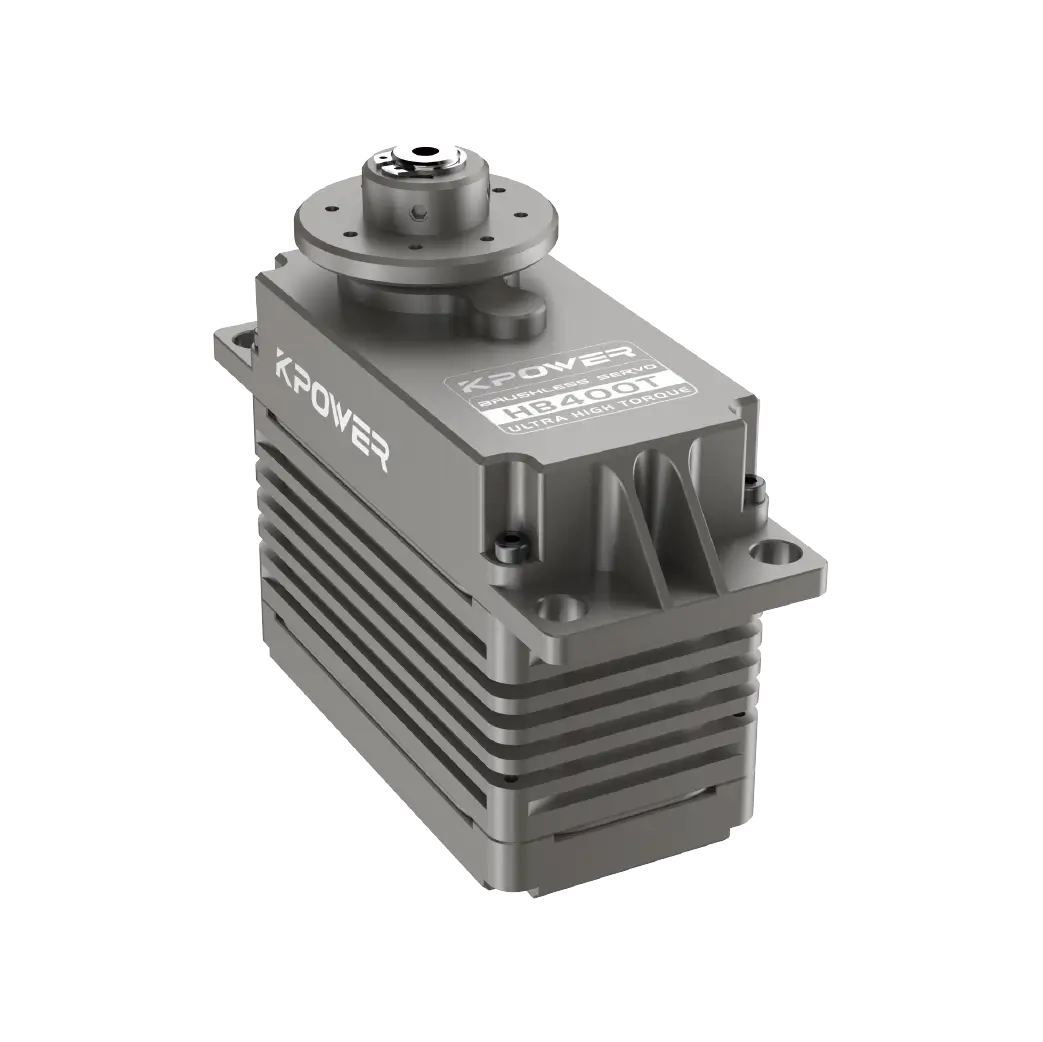
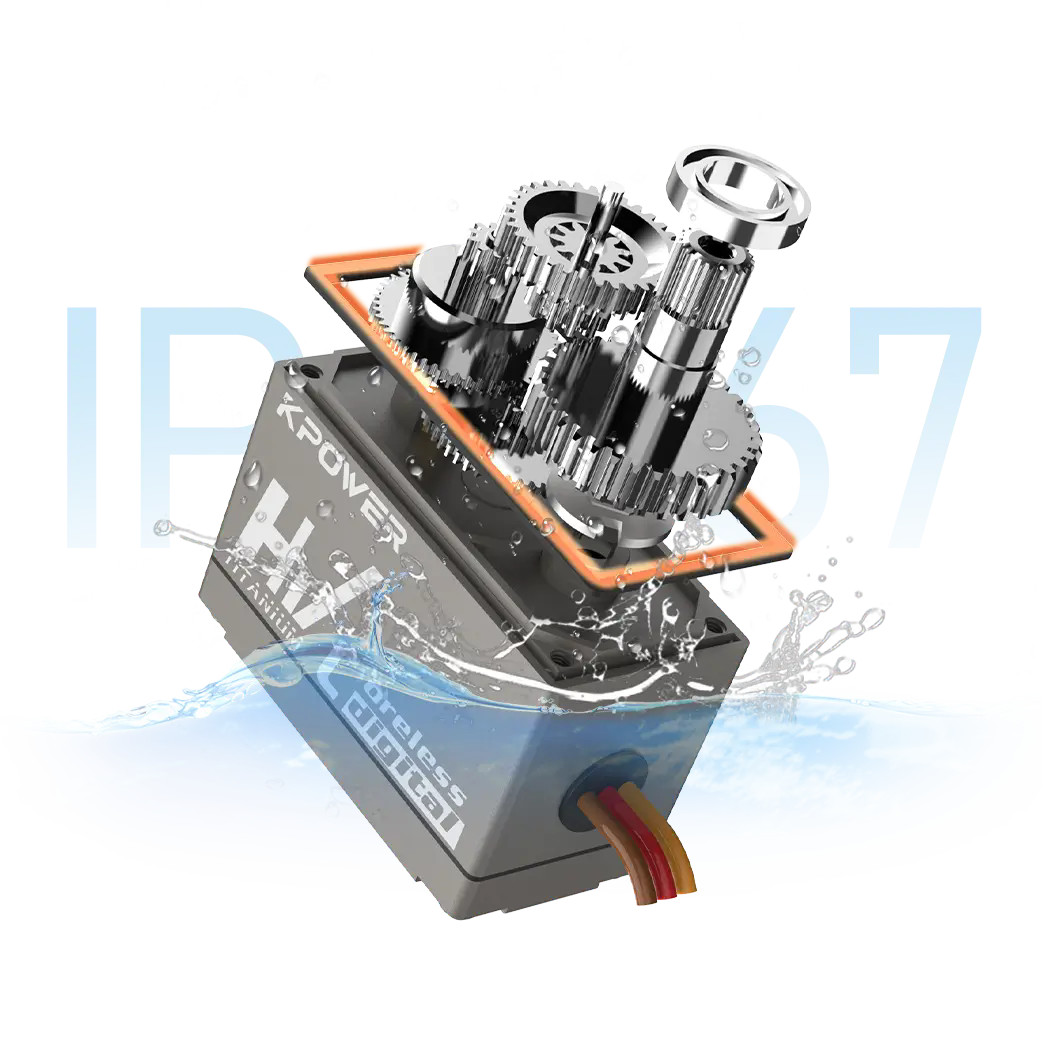
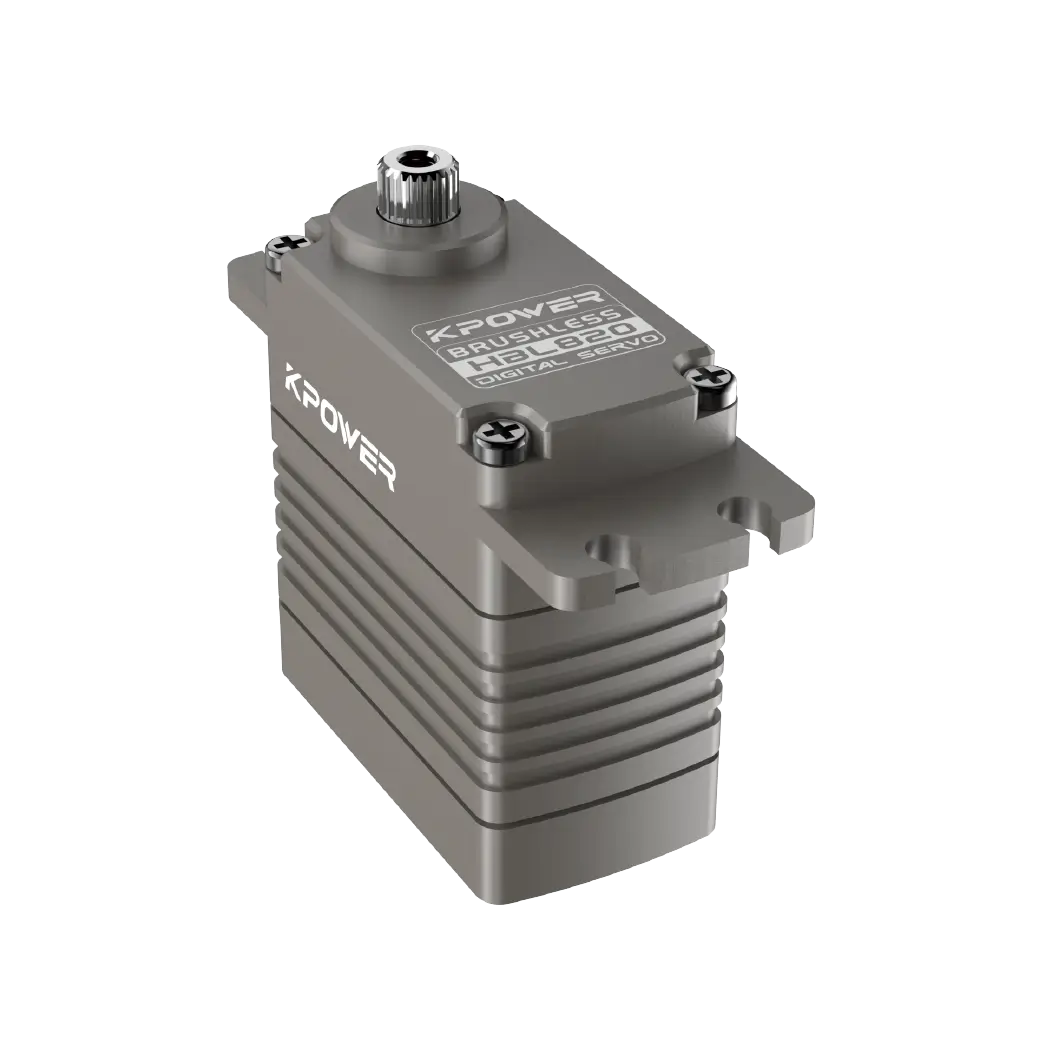
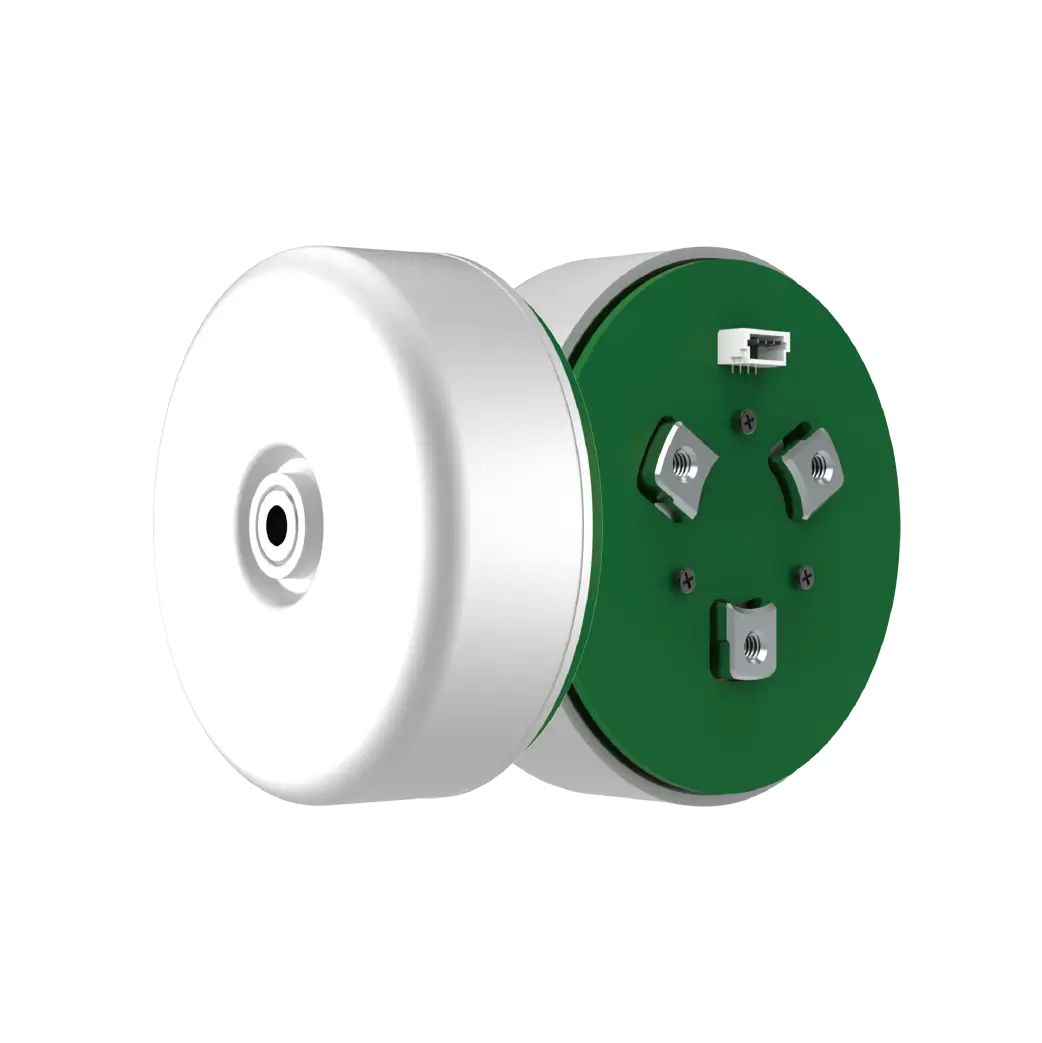
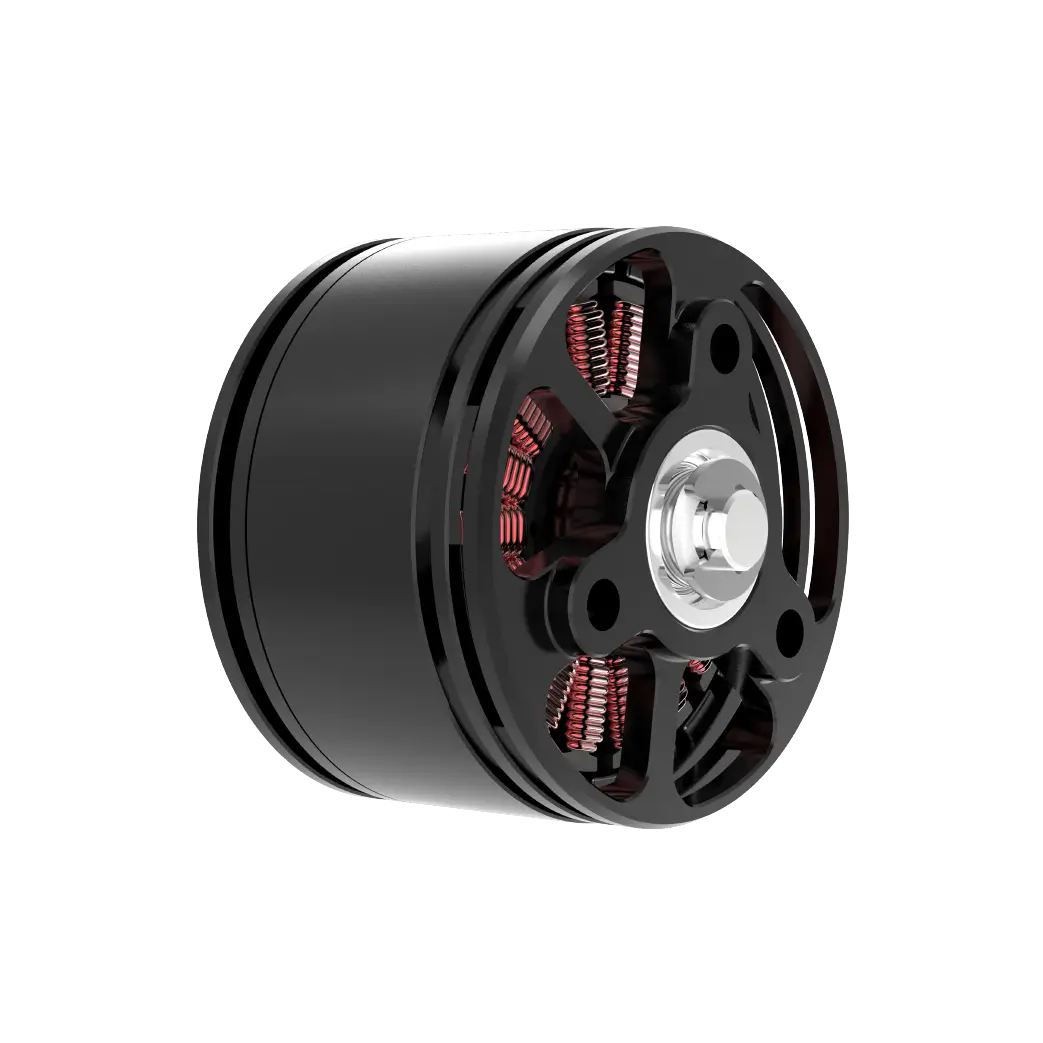
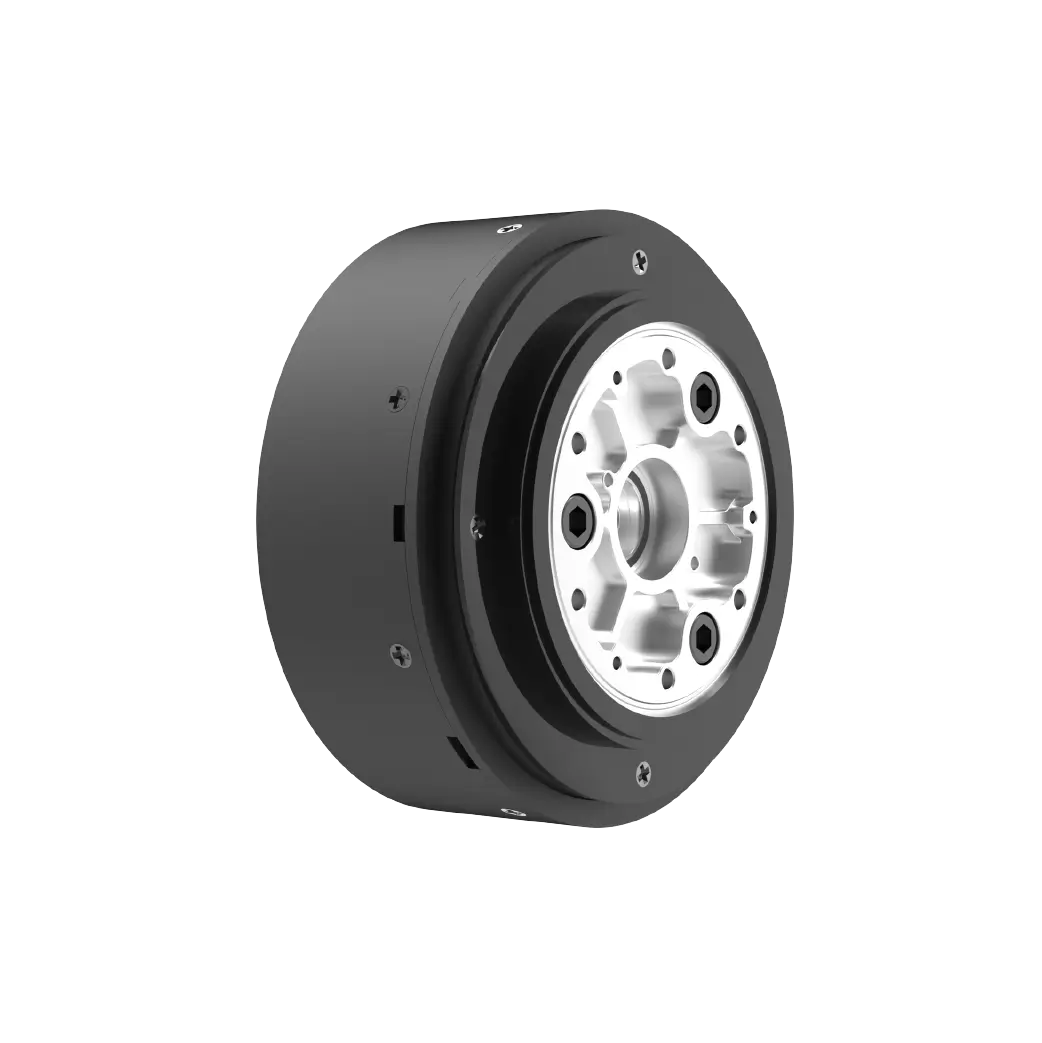
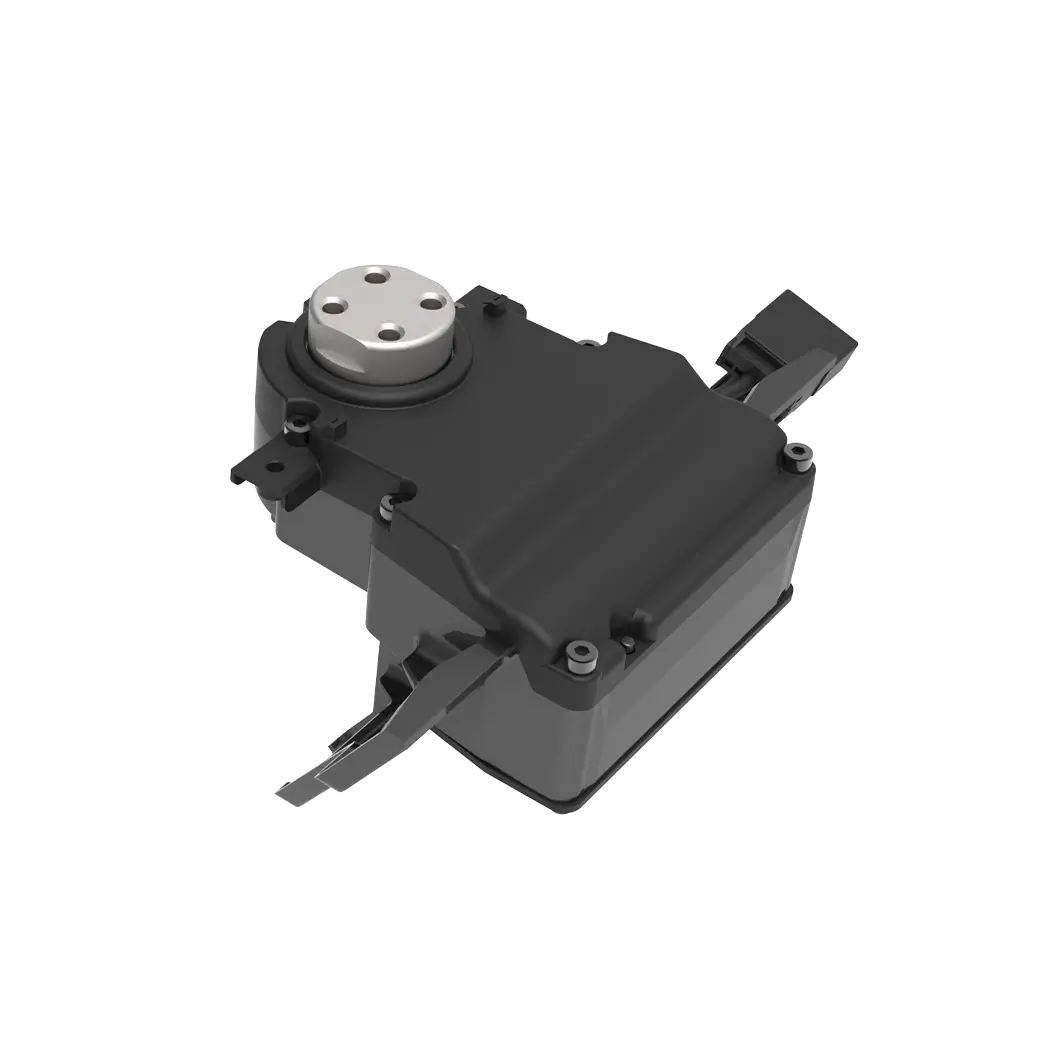
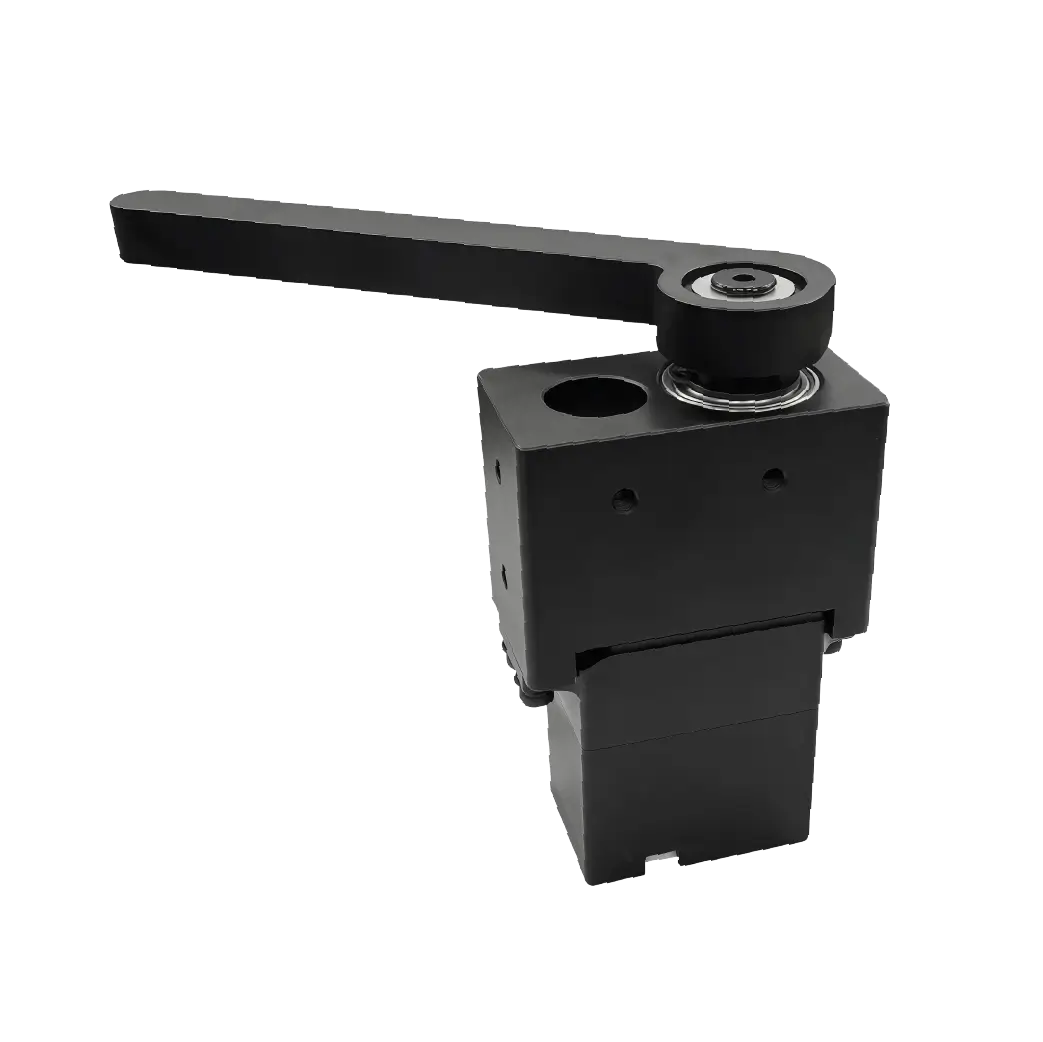
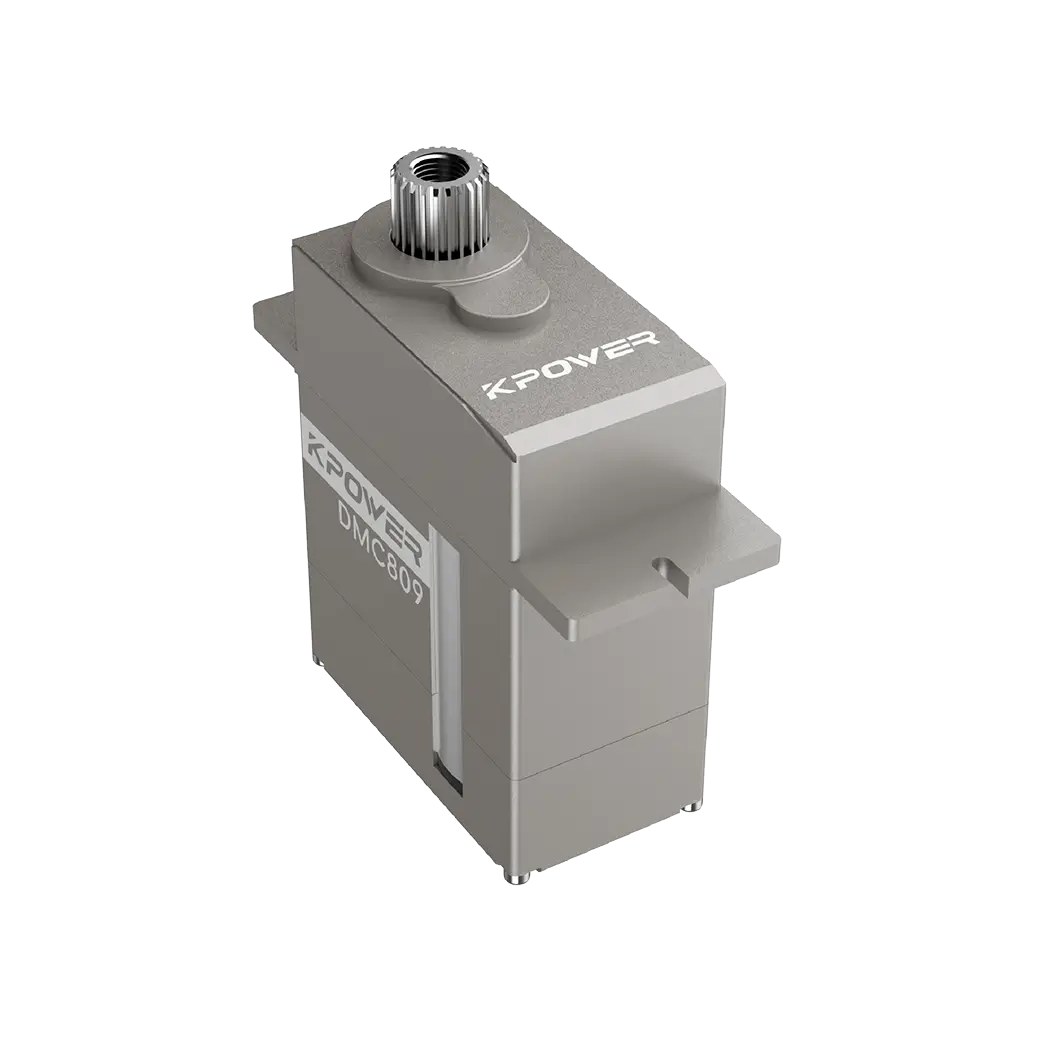
Amicro servois a compact actuator used when precise angular motion is needed in limited space, such as RC models, small robots, drones, smart devices, and lightweight automation. The right choice depends on torque, speed, voltage range, gear material, travel angle, control signal, mounting size, and expected duty cycle. A low-costservomay work for simple hobby movement, but commercial products often need better gear durability, stable positioning, consistent batches, and clear technical documentation. For buyers comparing options fromkpower servoor another supplier, the safest approach is to match the servo to the real load, movement frequency, power supply, and working environment rather than choosing by size or price alone.
Table of Contents
What aMicro ServoDoes
HowMicro Servos Work in Compact Motion Systems
WhereMicro Servos Are Commonly Used
Key Specifications That Matter Before Buying
Plastic Gear, Metal Gear, Coreless, and Digital Options
How to Choose the Right Micro Servo
Common Mistakes That Lead to Servo Failure
What to Compare Before You Buy
Questions Buyers Often Ask About Micro Servos
Choosing the Right Micro Servo for Your Application
What a Micro Servo Does
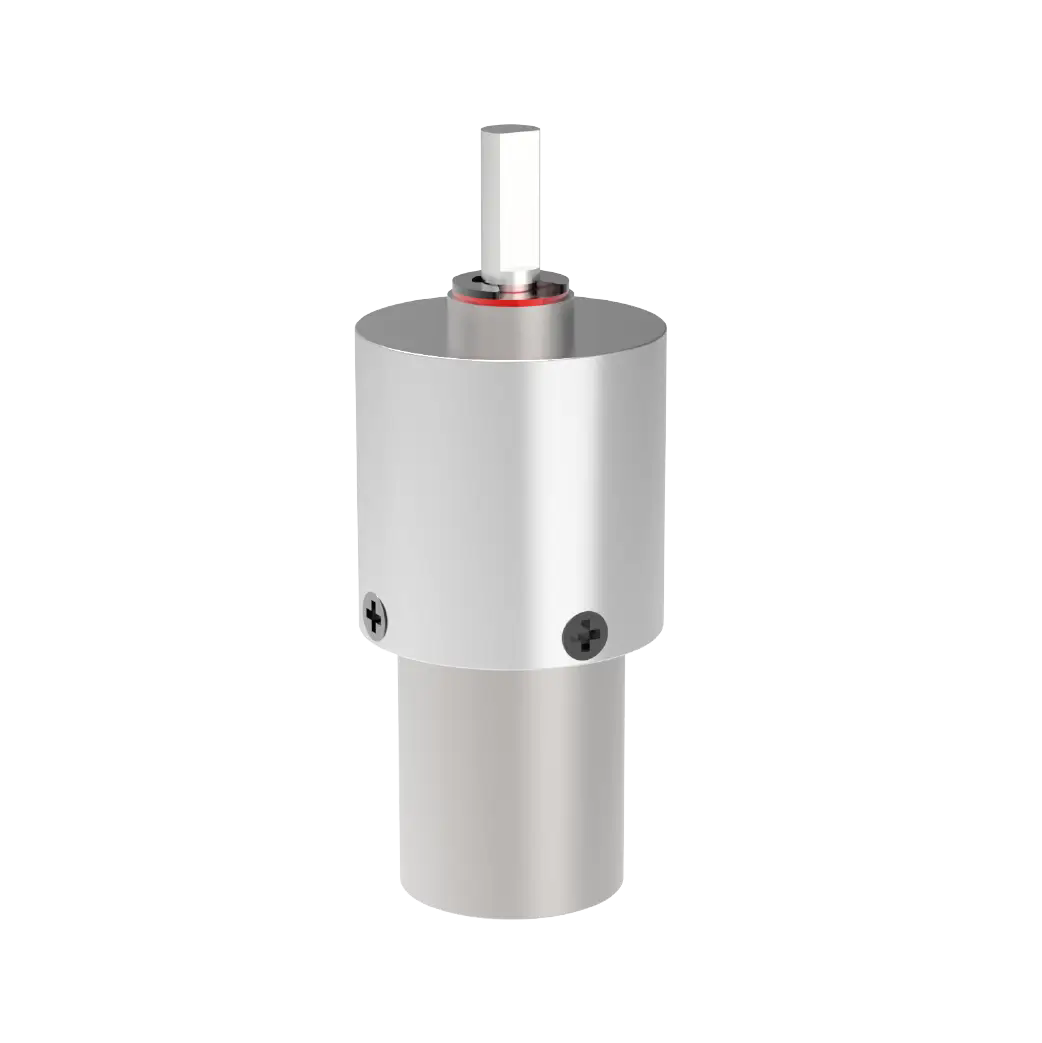
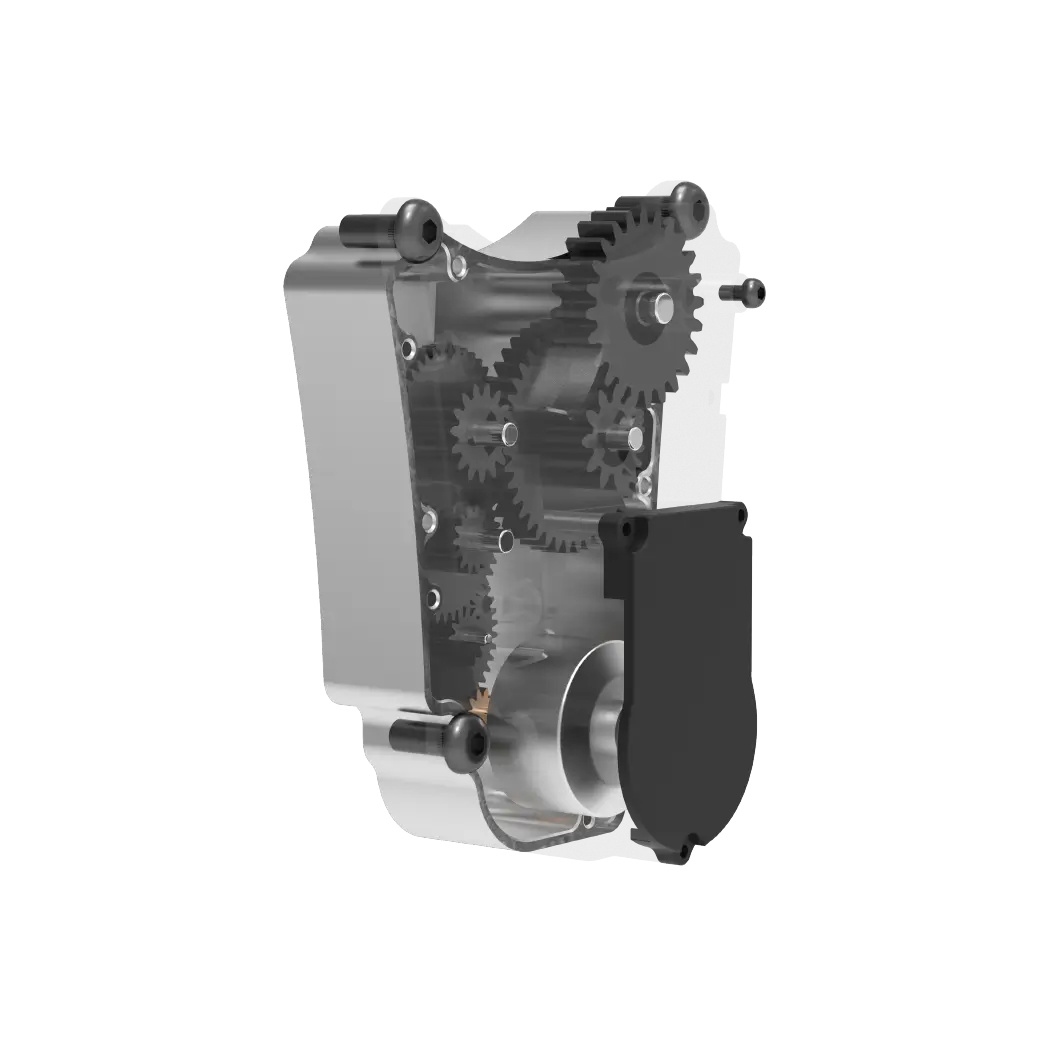
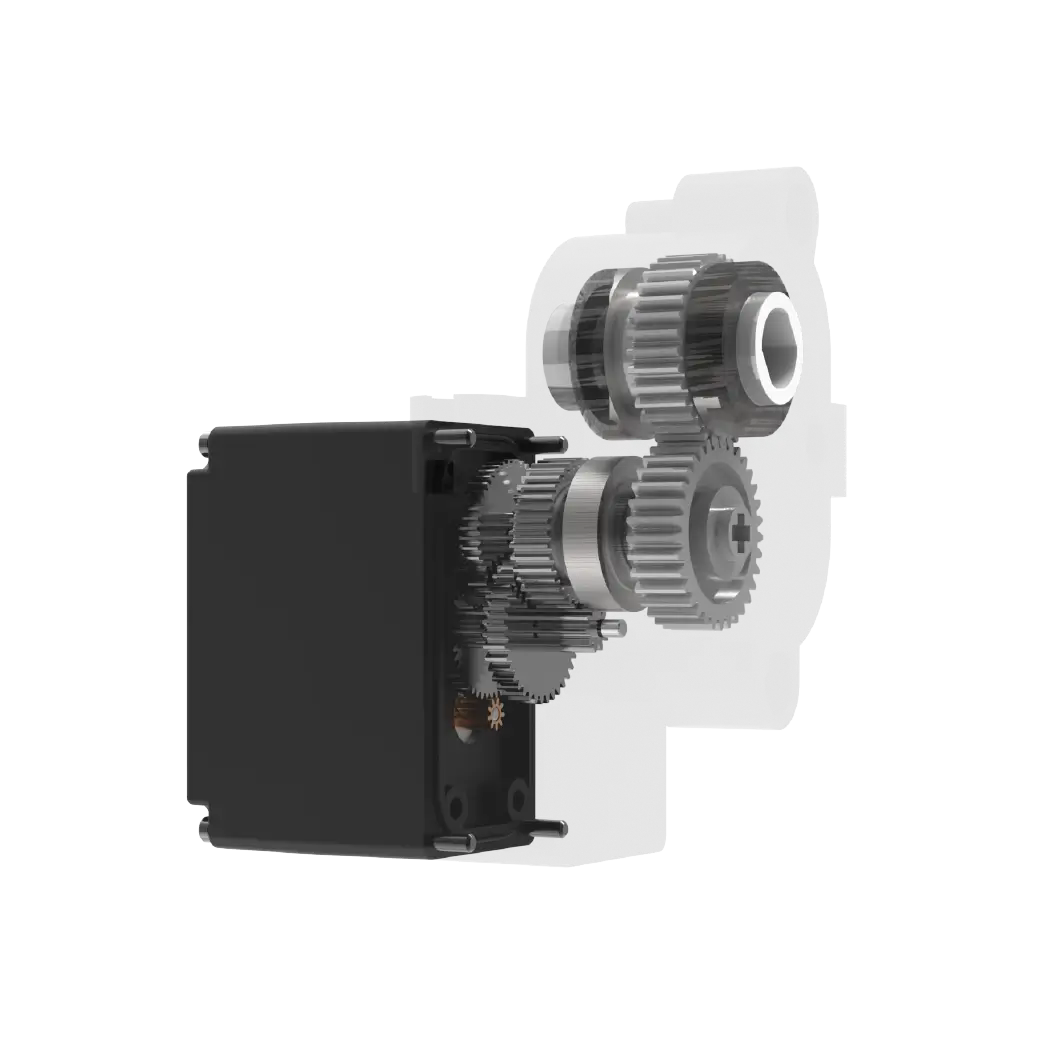
Amicro servois a small motion-control device that combines a motor, reduction gears, position feedback, and control electronics in one compact unit. Instead of simply spinning like a basic DC motor, it moves to a commanded angle and holds that position within its rated capability.
That makes it useful when a product needs controlled movement but has limited space and weight capacity. Typical examples include steering mechanisms, robotic joints, camera tilting modules, small valves, grippers, model aircraft control surfaces, educational robotics, smart home devices, and compact test fixtures.
The word “micro” usually refers to the servo’s size and weight class, not necessarily its performance level. Some micro servos are made for light intermittent motion, while others are designed for higher torque, stronger gears, wider voltage ranges, or more demanding control requirements.kpower’s product range, for example, includes multiple micro servo models with different weights, torque ratings, gear materials, voltage ranges, and application labels such as RC servo, robot servo, drone servo, and industrial servo.
How Micro Servos Work in Compact Motion Systems
Most micro servos receive a control signal from a receiver, controller board, or embedded system. The internal circuit interprets that signal, drives the motor, reads feedback from the position sensor, and adjusts the output shaft until it reaches the target position.
In many small systems, standard PWM control is common. Some more advanced servos may support digital control, serial communication, wider angle control, bus control, or custom protocols depending on the model.kpowerlists micro servo options across PWM, TTL, RS-485, and CAN-bus categories in its servo selection filters, which shows why buyers should confirm the control method before designing the electronics around a servo.
The basic motion may look simple, but several factors affect real performance:
Load on the horn or linkage
Distance between the shaft and force point
Supply voltage and current capacity
Gear material and backlash
Control signal stability
Movement frequency
Heat buildup during repeated operation
Shock, vibration, dust, moisture, or impact
A servo that works on a bench may fail inside a finished product if the load, duty cycle, or power supply is underestimated.

Where Micro Servos Are Commonly Used
Micro servos are often selected when space, weight, and cost must be balanced against motion accuracy.
RC Models and Hobby Products
Small aircraft, cars, boats, and model mechanisms often use micro servos for steering, throttle, flaps, rudders, or simple movement. In these cases, buyers usually care about weight, response speed, torque, gear strength, and compatibility with standard receivers.
Robotics and Education
Robotic arms, grippers, walking robots, pan-tilt modules, and STEM kits use micro servos because they are easy to control and install. For repeated classroom or product use,servo motor selectionshould consider gear life, stall protection, wire durability, and batch consistency.
Drones and Lightweight Devices
In drone-related mechanisms, weight and fast response are especially important. A few grams can matter. However, choosing the lightest servo without checking torque margin may lead to poor movement under aerodynamic or mechanical load.
Smart Devices and Compact Automation
Smart locks, vents, dispensers, switches, and small automation modules may use micro servos for controlled mechanical movement. These applications often require quieter operation, stable holding position, reliable startup behavior, and supplier support for customization.
Medical, Inspection, and Precision Equipment
Some compact equipment requires smooth motion, predictable control, and better documentation. Buyers should verify whether the selected servo is suitable for the working environment and whether the supplier can provide drawings, control data, test conditions, and long-term availability.
Key Specifications That Matter Before Buying
A micro servo should not be chosen only by “9g,” “metal gear,” or “high torque” labels. Those terms are useful starting points, but they do not fully define whether the servo will work in your design.
Torque
Torque tells you how much turning force the servo can provide. It is usually shown in kg·cm or oz·in. The required torque depends on load weight and lever arm length. A longer horn or linkage increases the torque demand.
A safe design usually includes a torque margin instead of running the servo close to stall. If the servo frequently operates near its maximum torque, it may heat up, draw excessive current, jitter, strip gears, or lose position.
Speed
Speed is commonly expressed as seconds per 60 degrees. A lower number means faster movement. For RC control or quick mechanical response, speed may be important. For a valve, display mechanism, or smart home device, smoothness and noise may matter more than maximum speed.
Voltage Range
Many micro servos operate within a low-voltage DC range, but the exact range varies by model. Kpower’s micro servo listings show examples with voltage ranges such as 4.8–8.4V, depending on the specific model.Always confirm the rated voltage and current demand before connecting the servo to a shared power rail.
Gear Material
Plastic gears are light and economical, often suitable for low-load movement. Metal gears can handle more mechanical stress but may add weight, noise, and cost. The right choice depends on whether the servo will face impact, repeated load, or tight positioning requirements.
Size and Mounting
Small differences in case size, mounting ears, spline type, cable exit, and horn compatibility can affect installation. Buyers should request mechanical drawings before finalizing the product housing.
Travel Angle
Many micro servos are designed for limited angular travel, such as around 120° or 180°, while some models may support custom angles or continuous rotation. Kpower’s micro servo category includes models with listed travel angles and notes that custom support may be available on certain products.
Control Signal
PWM is common, but not universal. Robotics, industrial, or smart device applications may need serial bus control, feedback, ID assignment, or multi-servo communication. Control compatibility should be confirmed early to avoid redesigning the PCB or firmware later.
Plastic Gear, Metal Gear, Coreless, and Digital Options
Different micro servo types exist because applications do not fail in the same way. A toy mechanism, a drone accessory, and a small robotic joint may all need compact motion, but they place different stress on the servo.
| Servo Type | Best Used For | Main Advantage | Limitation to Check |
|---|
| Plastic gear micro servo | Light movement, simple RC models, low-load mechanisms | Lower weight and lower cost | Gear teeth may strip under shock or overload |
| Metal gear micro servo | Robots, steering, stronger linkages, repeated load | Better mechanical strength | May be heavier, noisier, or more expensive |
| Coreless micro servo | Lightweight products needing fast response | Lower inertia and quick movement | Heat and duty cycle should still be checked |
| Digital micro servo | Applications needing stronger holding and faster signal response | Better control behavior in many cases | Higher current draw may require better power design |
| Brushless micro servo | More demanding motion where service life matters | Better efficiency and durability potential | Cost and control requirements may be higher |
The rightmicro servo motoris not always the strongest one. Over-specifying can increase cost, weight, and power demand. Under-specifying can create failures that are harder to fix after the product housing, linkage, and electronics are already designed.
How to Choose the Right Micro Servo
A good selection process starts with the application, not the catalog.
Start With the Real Load
Estimate the load at the servo shaft, including friction, linkage angle, spring force, impact, and worst-case operating position. If the load is not constant, calculate the highest expected torque point.
For example, a small flap may move easily when horizontal but require much more torque near its end position. A gripper may need extra holding force when an object shifts. A steering mechanism may see shock loads from impact.
Match Voltage and Current Capacity
A common mistake is powering several servos from a controller board that cannot supply enough current. The result may be reset, jitter, weak motion, or unstable control.
Check:
Rated voltage range
No-load current
Running current under load
Stall current
Number of servos moving at the same time
Wire length and voltage drop
Battery or power adapter capacity
For commercial products, the power system should be tested under realistic movement cycles, not only with one servo moving freely on a desk.
Choose Gear Material Based on Failure Risk
Plastic gears may be fine for light movement. Metal gears are often better when the servo may experience shock, repeated load, or user force. However, metal gear alone does not guarantee better positioning. Gear machining, backlash, lubrication, housing stiffness, and shaft support also matter.
Confirm Mechanical Fit Early
Before ordering in volume, confirm drawings, mounting hole positions, horn dimensions, spline compatibility, cable length, connector type, and installation clearance. In compact products, a 1–2 mm mismatch can force a housing redesign.
Think About Noise and Smoothness
Noise may not matter in an RC car, but it can be a problem in a smart home device, medical device, consumer product, or office equipment. If noise matters, ask about gear type, motor type, control method, and test conditions.
Ask About Custom Options
A supplier may be able to adjust angle, cable length, connector, horn, gear material, control protocol, labeling, or packaging. Kpower presents micro servos as part of a broader compact drive and actuator product range, including servo, BLDC gear motor, and customized drive options.For OEM buyers, this can be more useful than forcing a standard catalog model into a design that needs small changes.
Common Mistakes That Lead to Servo Failure
Many servo problems are not caused by a “bad servo.” They come from a mismatch between the servo and the application.
Choosing by Weight Class Only
A 9g servo is not automatically suitable for every 9g-servo application. Two servos with similar size may differ in torque, gear material, speed, voltage range, shaft support, and control electronics.
Ignoring Stall Current
Stall current can be much higher than no-load current. If the power supply cannot handle peak demand, the servo may twitch, reset the controller, or fail to hold position.
Using the Wrong Horn Length
A longer horn increases mechanical advantage for the linkage but also increases torque demand on the servo. A design that works with a short horn may overload the same servo with a longer horn.
Treating Metal Gear as a Complete Solution
Metal gears improve strength, but they do not solve all issues. Overload can still damage the motor, case, shaft, potentiometer, or electronics. The mechanical system should avoid hard stops unless the servo is designed and protected for them.
Skipping Batch Testing
For OEM or production use, test several units under actual voltage, load, movement frequency, temperature, and installation conditions. A single sample test is not enough to confirm production reliability.
What to Compare Before You Buy
| What to Check | Why It Matters | What to Ask the Supplier |
|---|
| Torque requirements | Prevents weak movement, overheating, or gear damage | What is the rated torque at each voltage, and under what test conditions? |
| Speed | Affects response time and control feel | Is the speed measured with no load or under load? |
| Voltage range | Prevents unstable operation or damage | What voltage range is recommended for continuous use? |
| Stall current | Protects the power supply and controller | What current should the power system be designed to handle? |
| Gear material | Affects durability, noise, and weight | Is plastic, metal, or mixed gearing used? |
| Travel angle | Determines whether the servo fits the motion range | Can the angle be customized if needed? |
| Control signal | Ensures compatibility with electronics | Is it PWM, TTL, RS-485, CAN-bus, or another protocol? |
| Size and mounting | Prevents mechanical redesign | Can you provide a 2D or 3D drawing before sampling? |
| Cable and connector | Affects assembly and serviceability | Can cable length or connector type be customized? |
| Application testing | Reduces procurement risk | Has the servo been tested under similar load and duty cycle? |
Price Differences: Why Similar Micro Servos Do Not Cost the Same
Micro servo prices can vary because the visible size tells only part of the story. Two servos may look similar but use different motors, gear materials, feedback components, bearings, cases, wires, control boards, and assembly processes.
A lower-priced servo may be reasonable for simple, low-load use. It becomes risky when the application needs repeatable movement, stronger holding torque, quieter operation, long service life, or stable batch supply.
Cost is usually affected by:
Gear type and machining precision
Motor type
Case material
Control electronics
Torque and speed rating
Feedback quality
Testing requirements
Custom cable, connector, angle, or protocol
Order quantity and packaging requirements
Documentation and engineering support
For business buyers, the real question is not only “What is the unit price?” A better question is: “What happens if this servo fails after assembly, shipment, or installation?” Warranty handling, product returns, redesign time, and customer complaints can cost more than the price difference between two servo options.

When a Micro Servo Is the Right Choice
A micro servo is often suitable when the product needs compact controlled movement, moderate torque, simple installation, and predictable angular positioning.
It may be a good fit when:
Space is limited
Weight must stay low
Movement range is limited
Position control is needed
The load is within a safe torque margin
The duty cycle is not beyond the servo’s thermal capability
The control system supports the required signal
The mechanism can avoid severe shock or hard mechanical stops
A micro servo may not be the best choice when the system requires continuous high-load rotation, very high precision feedback, heavy industrial duty cycles, extreme environmental protection, or long continuous operation near stall. In those cases, a different actuator, gearbox motor, brushless drive, or custom motion module may be more appropriate.
Questions Buyers Often Ask About Micro Servos
What is the difference between a micro servo and a standard servo?
A micro servo is smaller and lighter, making it better for compact products. A standard servo usually offers more torque, stronger housing options, and better thermal capacity, but it takes more space and adds weight.
Is a 9g micro servo always the same size?
Not exactly. “9g” is a general weight class. Actual dimensions, case shape, mounting holes, and weight can vary by model. Always check drawings before designing the housing.
Should I choose plastic gears or metal gears?
Plastic gears are suitable for light-load and cost-sensitive use. Metal gears are often better for higher load, impact risk, or repeated motion. The final choice should consider torque, noise, weight, and expected service life.
Why does my micro servo jitter?
Jitter may come from unstable power, signal noise, overload, poor grounding, damaged gears, incorrect PWM settings, or low-quality control electronics. Check the power supply first, especially when multiple servos move at the same time.
Can micro servos run continuously?
Most positional micro servos are not designed for continuous high-load operation. Some continuous-rotation servos exist, but they behave more like controlled gear motors. Confirm the duty cycle and operating mode with the supplier.
How much torque do I need?
Torque depends on the load and the distance from the servo shaft. Calculate the worst-case load and add a safety margin. If the servo frequently stalls or struggles, the torque rating is likely too low or the linkage design needs adjustment.
Are digital micro servos better than analog micro servos?
Digital servos often provide faster response and stronger holding behavior, but they may draw more current. Analog servos can be sufficient for simple, low-load applications. The better choice depends on control needs, power design, and budget.
What should I send to a supplier before asking for a quote?
Send the required torque, voltage, speed, travel angle, size limits, control signal, duty cycle, load condition, operating environment, annual quantity estimate, and any connector or cable requirements. This helps the supplier recommend a suitable model instead of guessing from a keyword.
Can Kpower servo help with custom requirements?
Kpower servo presents micro servos and compact drive solutions across different weights, torque levels, gear types, and control options. For custom cable, connector, angle, protocol, or application-based selection, buyers should confirm feasibility directly with the Kpower engineering or sales team.
Choosing the Right Micro Servo for Your Application
A micro servo is a small component, but it can decide whether a product moves smoothly, feels stable, survives repeated use, or fails after assembly. The best choice comes from matching the servo to the real mechanical load, available power, control method, space limit, movement frequency, and expected service conditions.
For simple projects, a standard catalog servo may be enough. For commercial products, robotics, drones, smart devices, or compact automation, buyers should compare specifications carefully, request drawings, test samples under real load, and confirm whether customization is needed.
If you are evaluatingKpower servooptions for a new project, prepare your torque, voltage, size, angle, signal, and duty-cycle requirements before requesting a recommendation. A more complete technical brief helps the supplier suggest a better-fit servo, provide a clearer quotation, and reduce the risk of choosing a part that looks right in the catalog but fails in the actual product.