

TECHNICAL SUPPORT


Published 2026-01-22
The heavy lifting is where the magic—and the frustration—usually happens. You build something, a large-scale robotic arm or perhaps a heavy-duty lid for a custom project, and you flip the switch. Instead of a smooth, commanding arc of motion, you hear that dreaded grinding sound. Or worse, the smell of burning electronics fills the room. It’s a classic scenario. You need muscle, but you’re getting a weak whisper. This is exactly where the hunt for a high torqueservostarts.
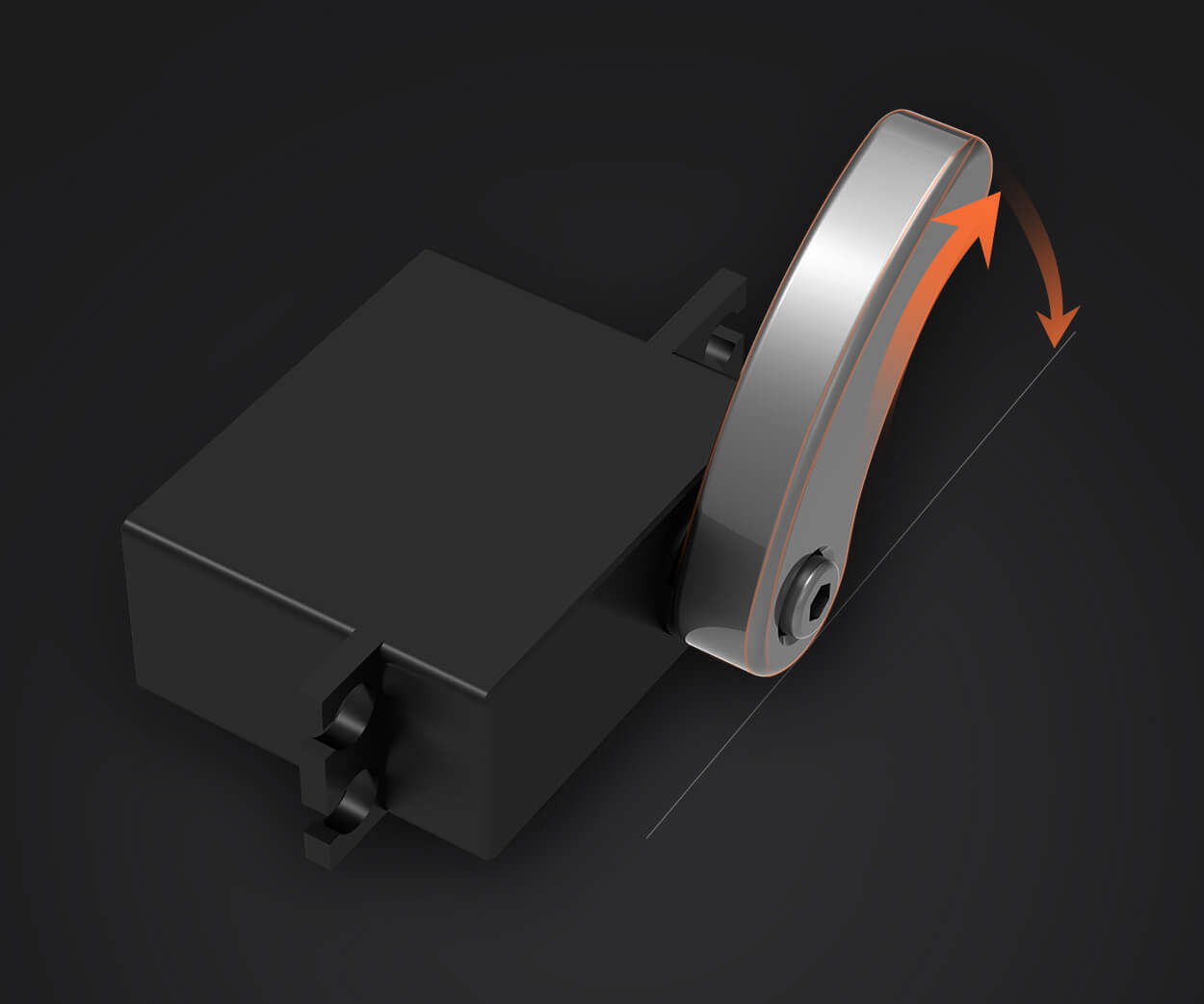
Most people start with standardservos because they’re cheap and easy to find. But there’s a limit. Think of it like trying to tow a boat with a bicycle. The physics just don't add up. When you transition into serious motion control, you aren't just looking for "movement"—you’re looking for the ability to hold a position under immense stress.
I’ve seen plenty of projects fail because the builder underestimated the leverage involved. A long arm requires massive holding torque at the joint. If theservocan't handle the "back-drive" or the static load, the whole structure sags like a tired branch. This is wherekpowerenters the conversation. Their hardware is built for the weight. It’s about more than just a motor; it’s about the internal architecture that prevents the gears from turning into metal glitter under pressure.
Why does one servo lift a mountain while another struggles with a pebble? It comes down to a few things thatkpowergets right.
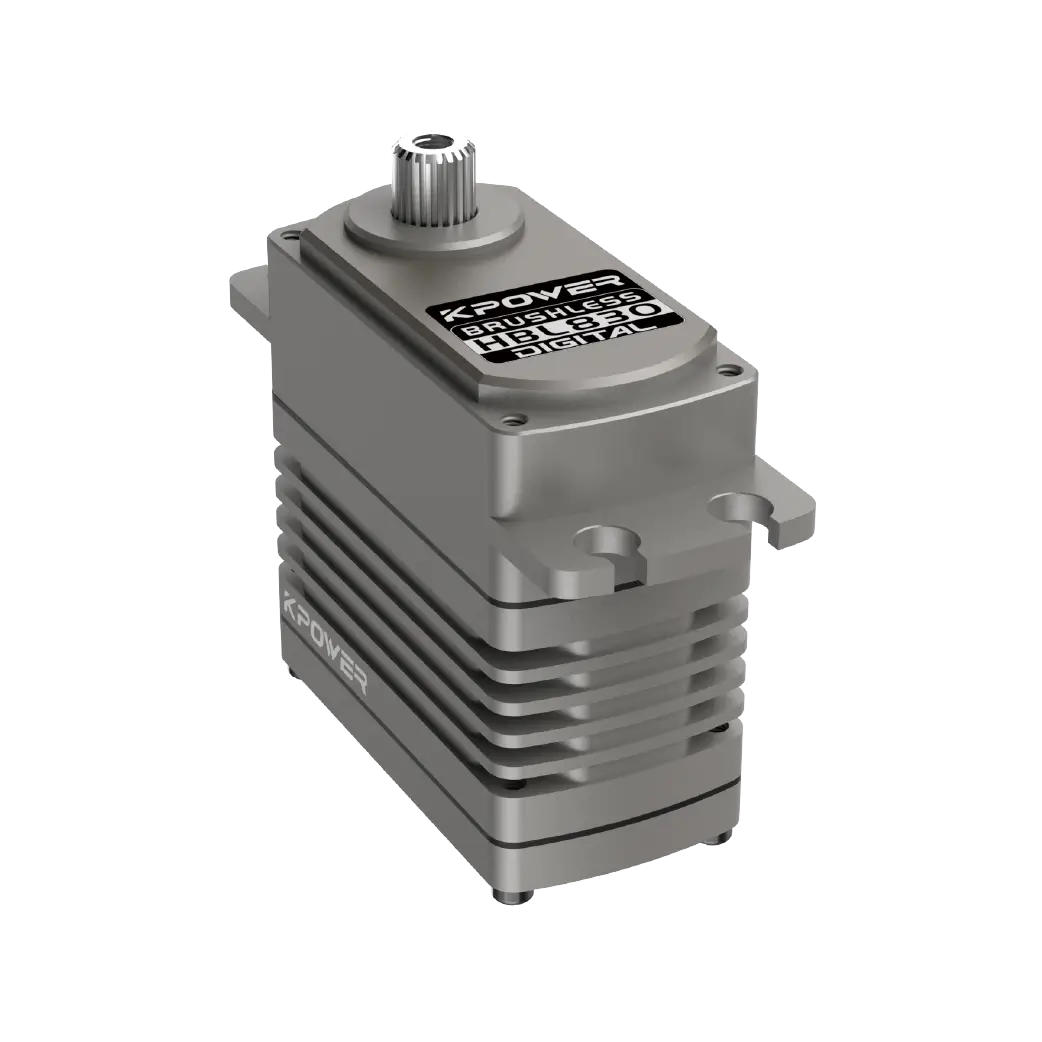
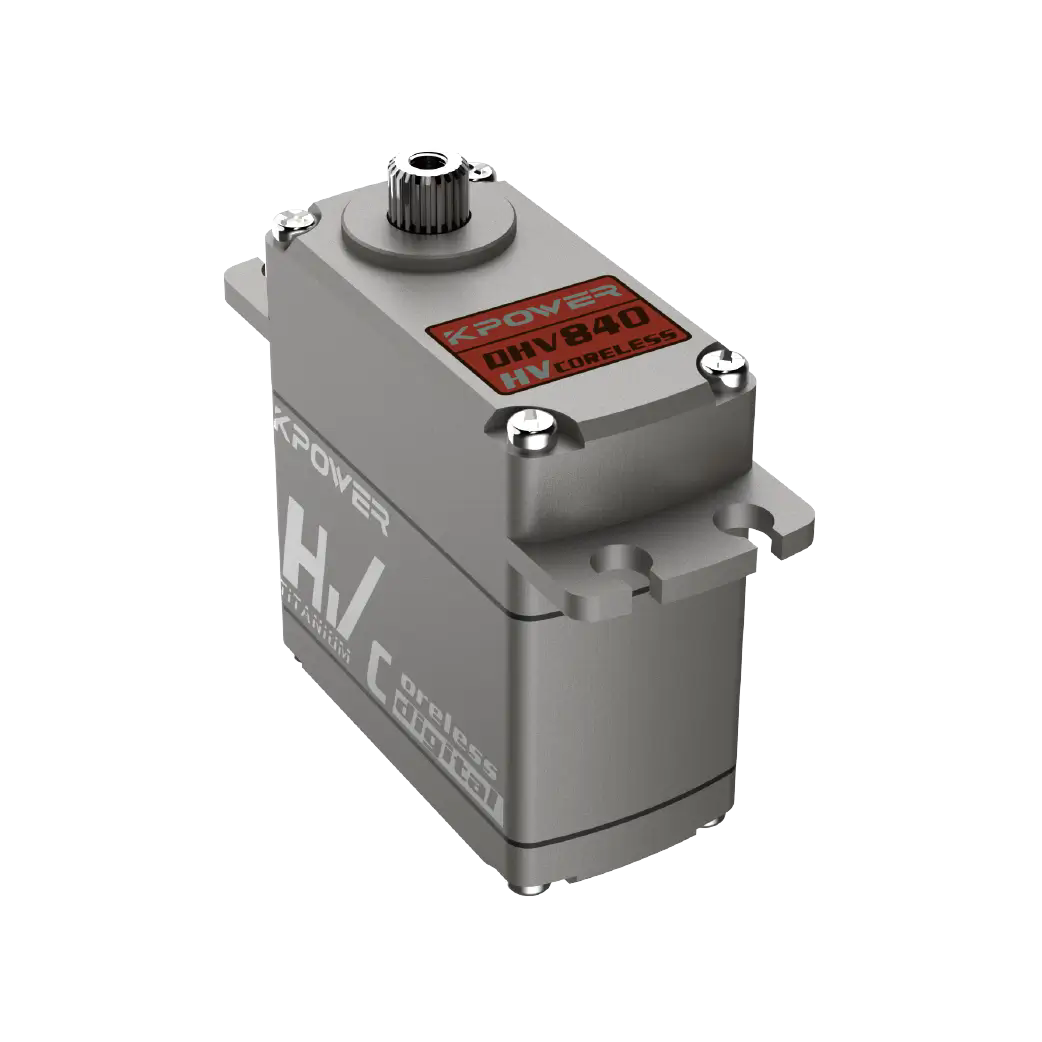
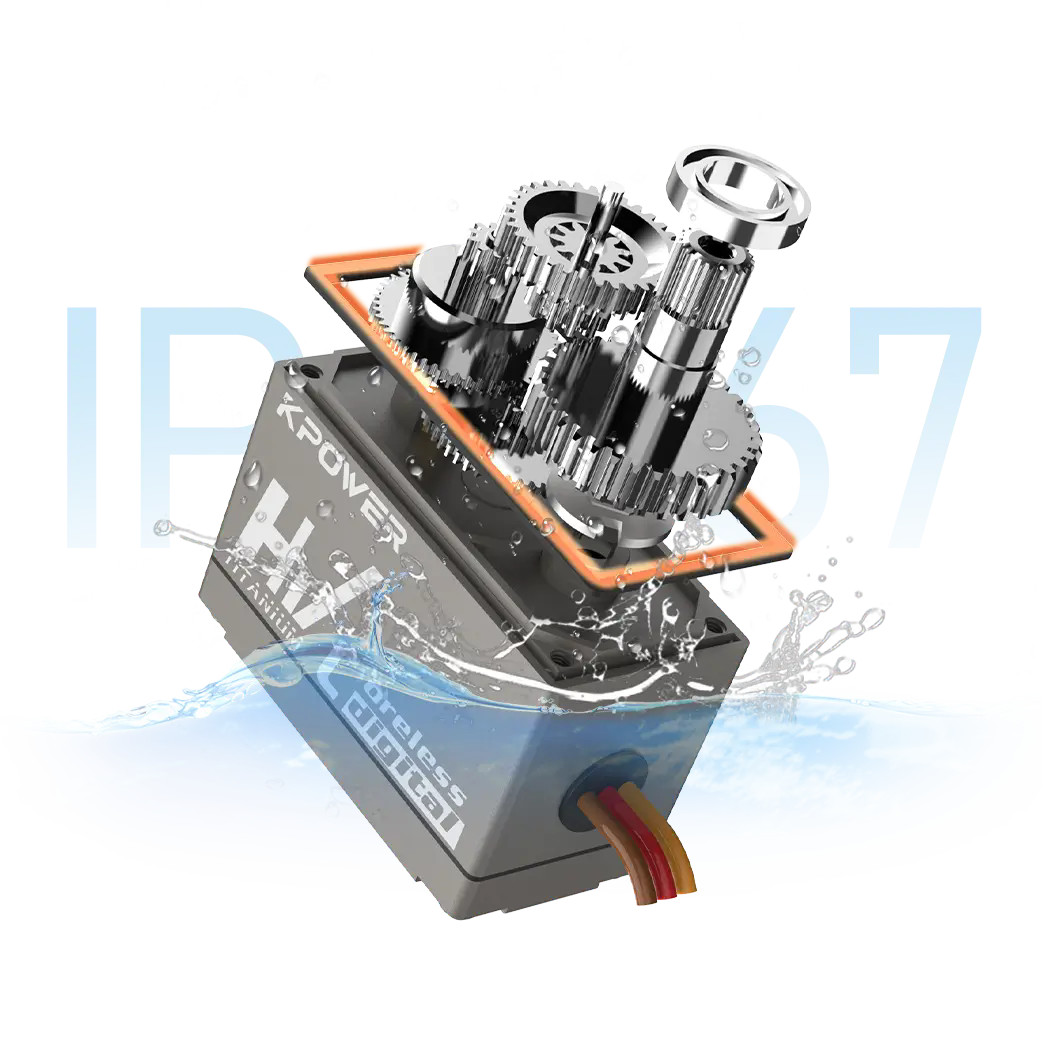
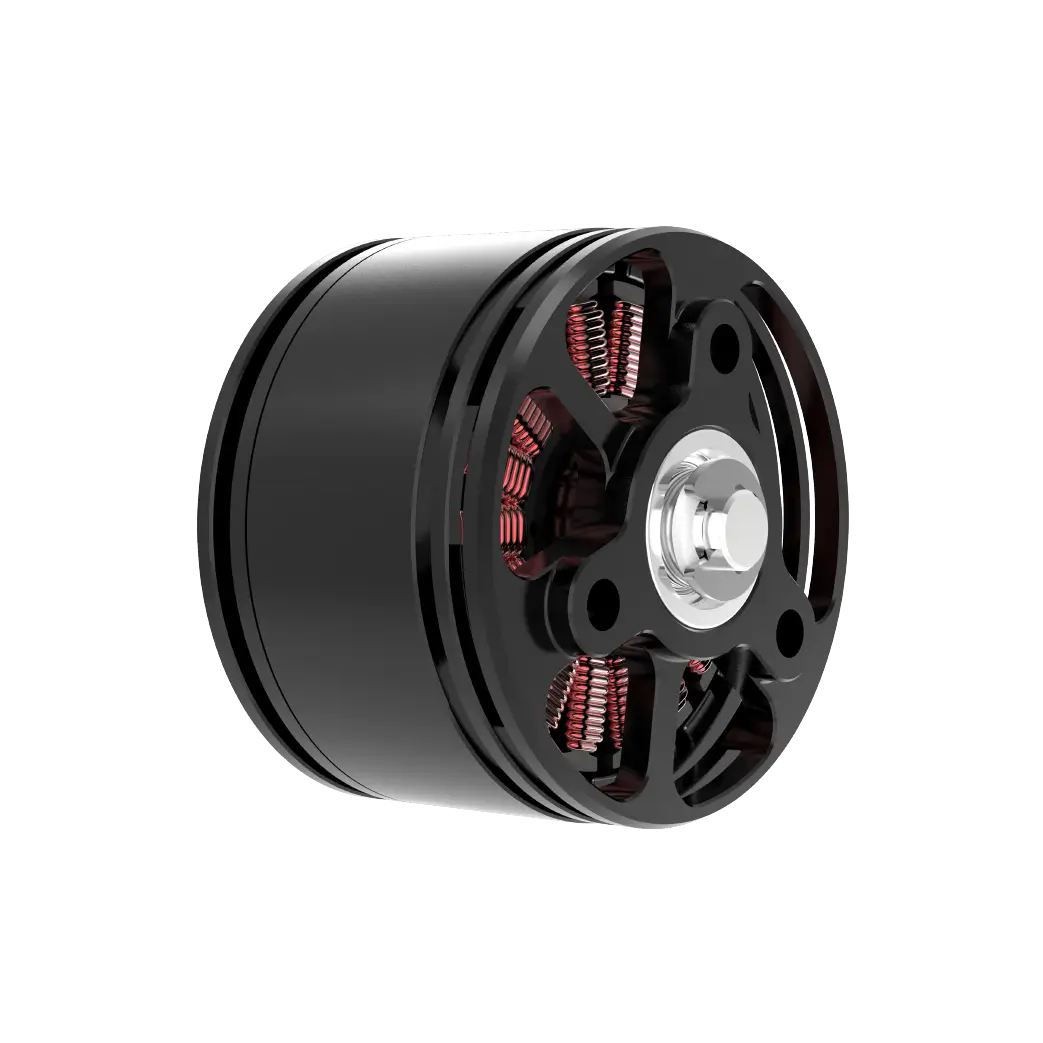
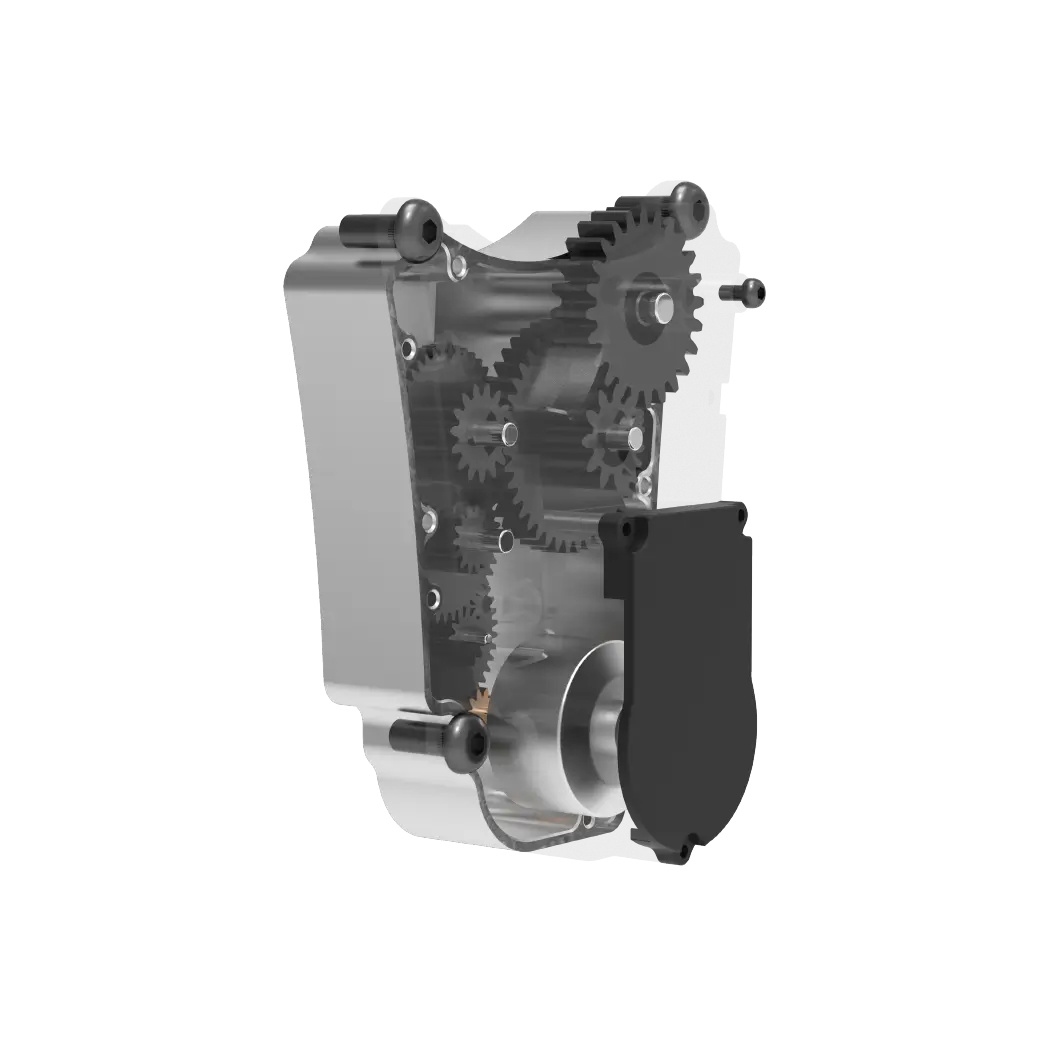
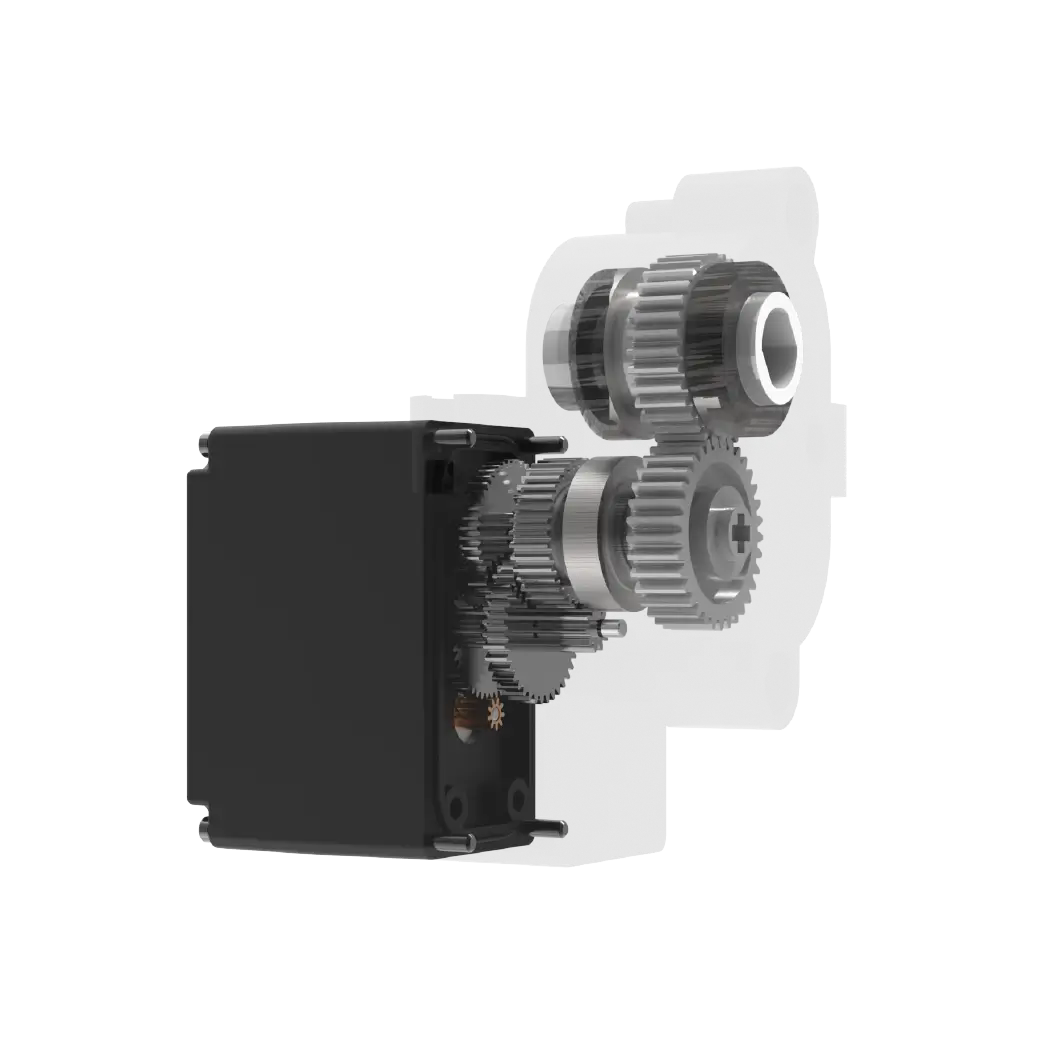
First, consider the gears. In the high torque world, plastic is a joke. Even some thin aluminum alloys can't take the heat.kpowerfocuses on hardened metals—steel, titanium-coated alloys, things that don't shear when the resistance spikes. Then there’s the motor itself. Brushless designs are the gold standard here. They don’t have brushes to wear out, they run cooler, and they deliver consistent power.
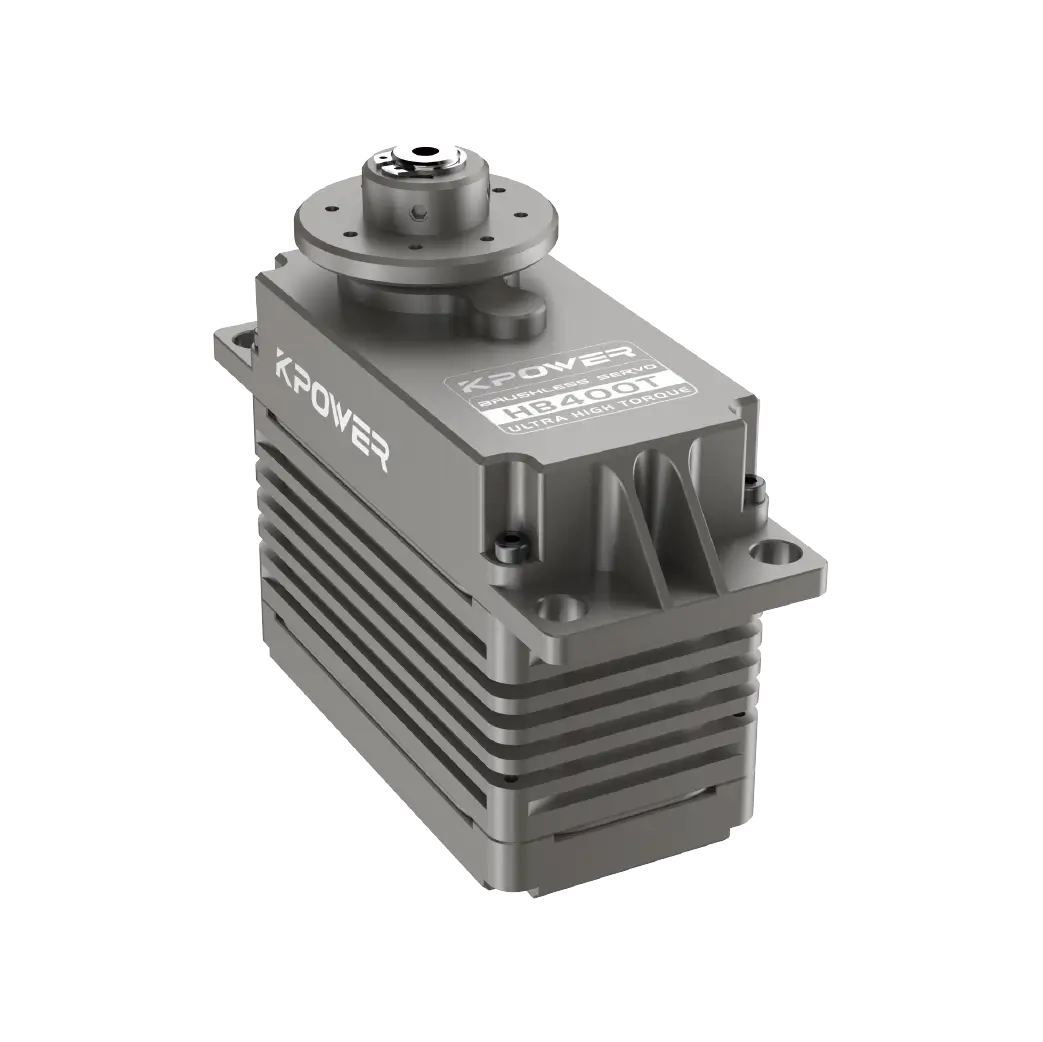
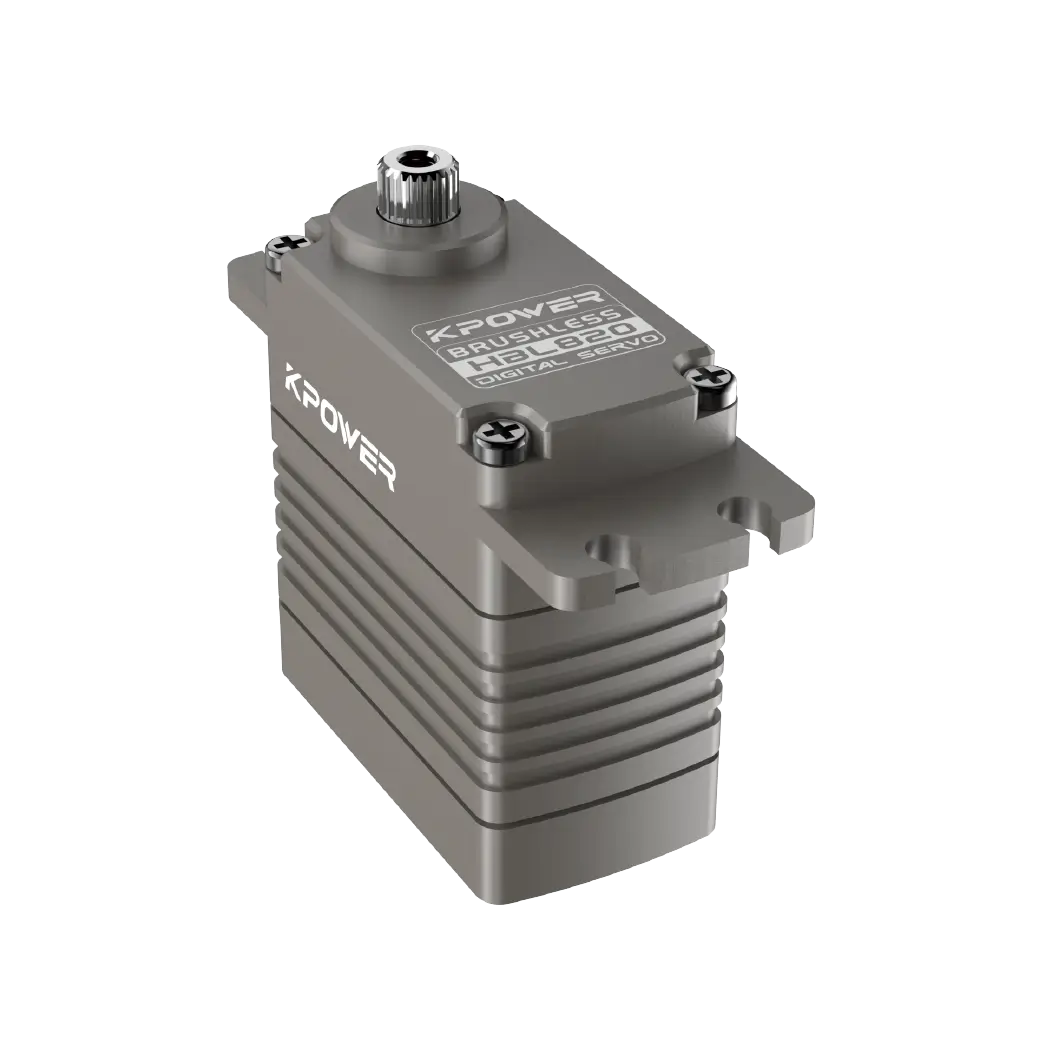
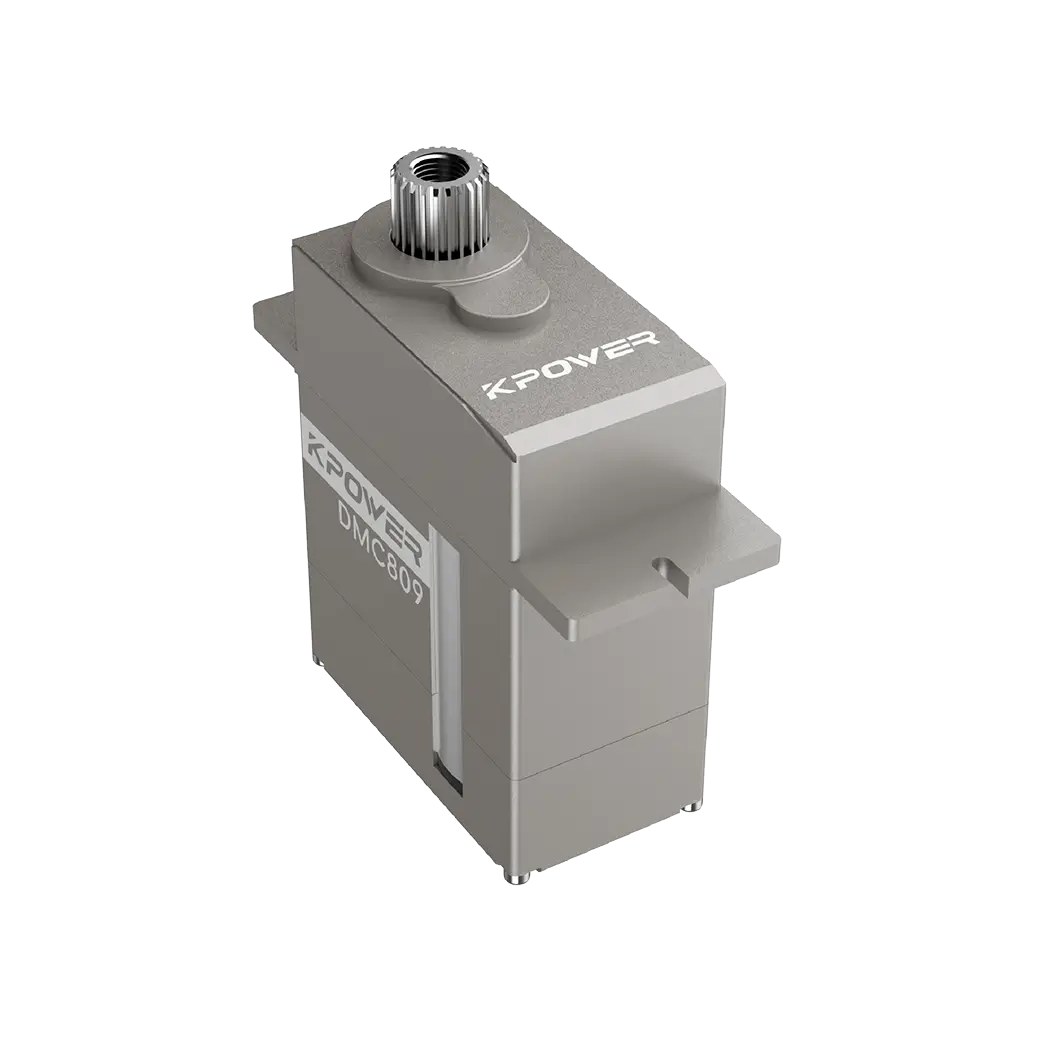
Heat is the silent killer. When a servo works hard, it gets hot. If the casing is just thin plastic, that heat stays inside and cooks the control board. A well-designed high torque servo uses its own body as a heatsink. You’ll see CNC-machined aluminum cases on Kpower units. It looks cool, sure, but its real job is to pull heat away from the core so you can keep running for hours, not minutes.
Is "High Torque" always better? Not necessarily. If you need lightning-fast speed for a tiny racing drone, massive torque might be overkill because it usually comes with a bit more weight. But if your project involves lifting, pushing, or resisting external forces, then yes, torque is your best friend.
Will a high torque servo drain my battery instantly? It takes energy to move heavy stuff. That’s just physics. However, Kpower units are tuned for efficiency. A high-voltage (HV) setup, for instance, can move the same load with less current draw than a lower voltage system, which actually helps your battery life in the long run.
Do I need a special controller for these? Most Kpower servos use standard PWM signals. If you can control a basic hobby servo, you can likely control these. The only difference is the power supply. You can't run a beastly 40kg-cm servo off a tiny 5V pin from a basic micro-controller. You need a dedicated power source that can handle the "stall current"—the peak power needed when the motor starts moving or hits an obstacle.
Sometimes we get obsessed with the "max torque" number on the box. Let’s say it says 50kg-cm. Does that mean it’s perfect? Maybe. But what about the "dead band"? That’s the tiny range of movement where the servo doesn't react. A cheap high torque motor might be strong, but it’s often clumsy. It’s like a bodybuilder trying to thread a needle.
Kpower manages to balance that raw strength with precision. Their digital controllers are snappy. When you tell it to move 1.5 degrees, it moves 1.5 degrees—it doesn't overshoot and then bounce back. That stability is vital when you're working on something where a few millimeters of error could cause a mechanical collision.
I once watched a guy spend three weeks building a custom camera gimbal. He saved twenty bucks by buying a generic "super strong" servo from a random site. On day two of filming, the internal potentiometer failed. The gimbal started spinning like a top, tangled all the wires, and nearly smashed a four-thousand-dollar camera lens.
The "Kpower difference" isn't just about how much it can lift; it’s about how many times it can lift it. The internals—the sensors that tell the motor where it is—need to be high-quality. If the feedback loop is weak, the torque is useless because the motor doesn't know when to stop.
Don't starve your hardware. If you’re going to use a high torque Kpower servo, make sure your wiring is thick enough. Think of electricity like water in a pipe. If you’re trying to put out a fire with a garden hose, it won't work. Use a solid BEC (Battery Eliminator Circuit) or a dedicated LiPo battery. When these motors kick in, they want a "gulp" of power. If they only get a "sip," the voltage drops, the controller resets, and your project starts acting possessed.
There is a certain satisfaction in seeing a machine move exactly how you envisioned it. No wobbling, no straining, just smooth, mechanical power. Whether you are working on a robotic joint that needs to hold a heavy payload or a steering system for a massive RC vehicle, the servo is the heart of that motion.
Choosing Kpower is about giving yourself a margin of safety. You don’t want to run your hardware at 99% capacity all the time. You want a servo that can handle the task at 60% capacity, so when an unexpected bump or a heavy gust of wind hits, it has the "headroom" to fight back. It’s about reliability. It’s about knowing that when you flip that switch, the only thing that's going to happen is exactly what you planned. No smoke, no grinding—just the quiet hum of a job well done.
Established in 2005, Kpower has been dedicated to a professional compact motion unit manufacturer, headquartered in Dongguan, Guangdong Province, China. Leveraging innovations in modular drive technology, Kpower integrates high-performance motors, precision reducers, and multi-protocol control systems to provide efficient and customized smart drive system solutions. Kpower has delivered professional drive system solutions to over 500 enterprise clients globally with products covering various fields such as Smart Home Systems, Automatic Electronics, Robotics, Precision Agriculture, Drones, and Industrial Automation.
Update Time:2026-01-22

Contact Kpower's product specialist to recommend suitable motor or gearbox for your product.


