

TECHNICAL SUPPORT


Published 2026-01-22
The metal groaned. It wasn't a loud sound, more like a subtle protest from a machine pushed just a tiny bit too far. Have you ever stood next to a robotic arm or a heavy-duty steering setup and realized something was… off? The jittering, the heat radiating from the casing, the way it struggles to hold a position. It’s frustrating. You’ve got the power supply, you’ve got the frame, but the muscle—theservo—is acting like a tired marathon runner on mile twenty-six.
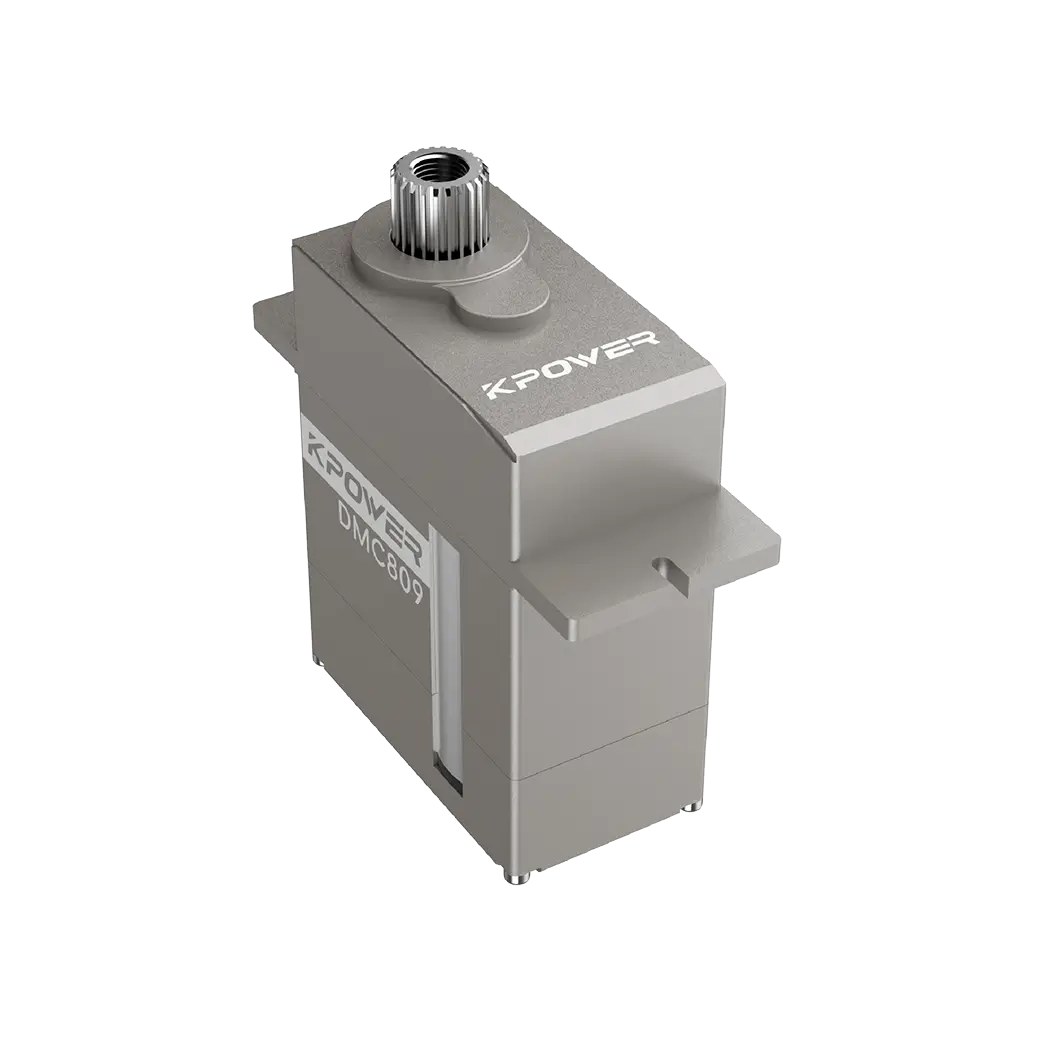
This is where the conversation about high torque usually turns from "it would be nice" to "we absolutely need this." When we talk about high torqueservodistributors, we aren't just talking about moving parts. We are talking about the soul of the machine. If that soul is weak, the whole project is just a very expensive paperweight.
I’ve seen plenty of setups where people try to cut corners. They think a standardservocan handle a heavy load if they just "baby" it. It doesn’t work. The gears strip, the motor burns out, and you’re back to square one.kpowerunderstood this gap in the market a long time ago. They didn’t just want to make another motor; they wanted to build something that feels like it has actual grit.
Think of torque as the "oomph" behind the movement. If speed is how fast you can run, torque is how much weight you can carry while doing it. In the world of high-end mechanics, speed is often secondary to stability.
Imagine a large-scale RC plane fighting against high-altitude winds. The control surfaces need to move, and they need to stay exactly where you put them. If the servo lacks torque, the wind pushes back, the surface flutters, and the plane loses its balance. With a high torque setup fromkpower, the gear train locks in. It’s like a handshake that won't let go. It’s that feeling of absolute control that makes a project successful.
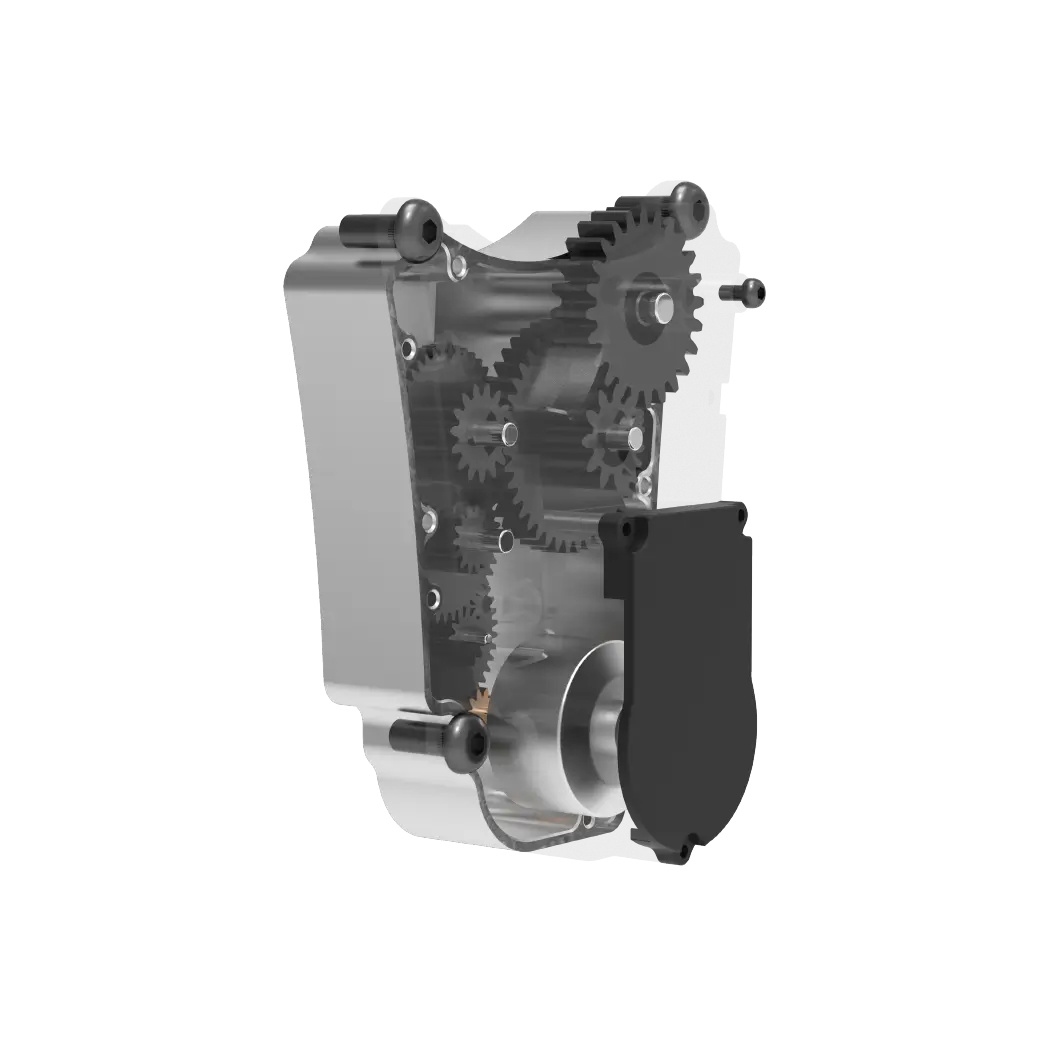
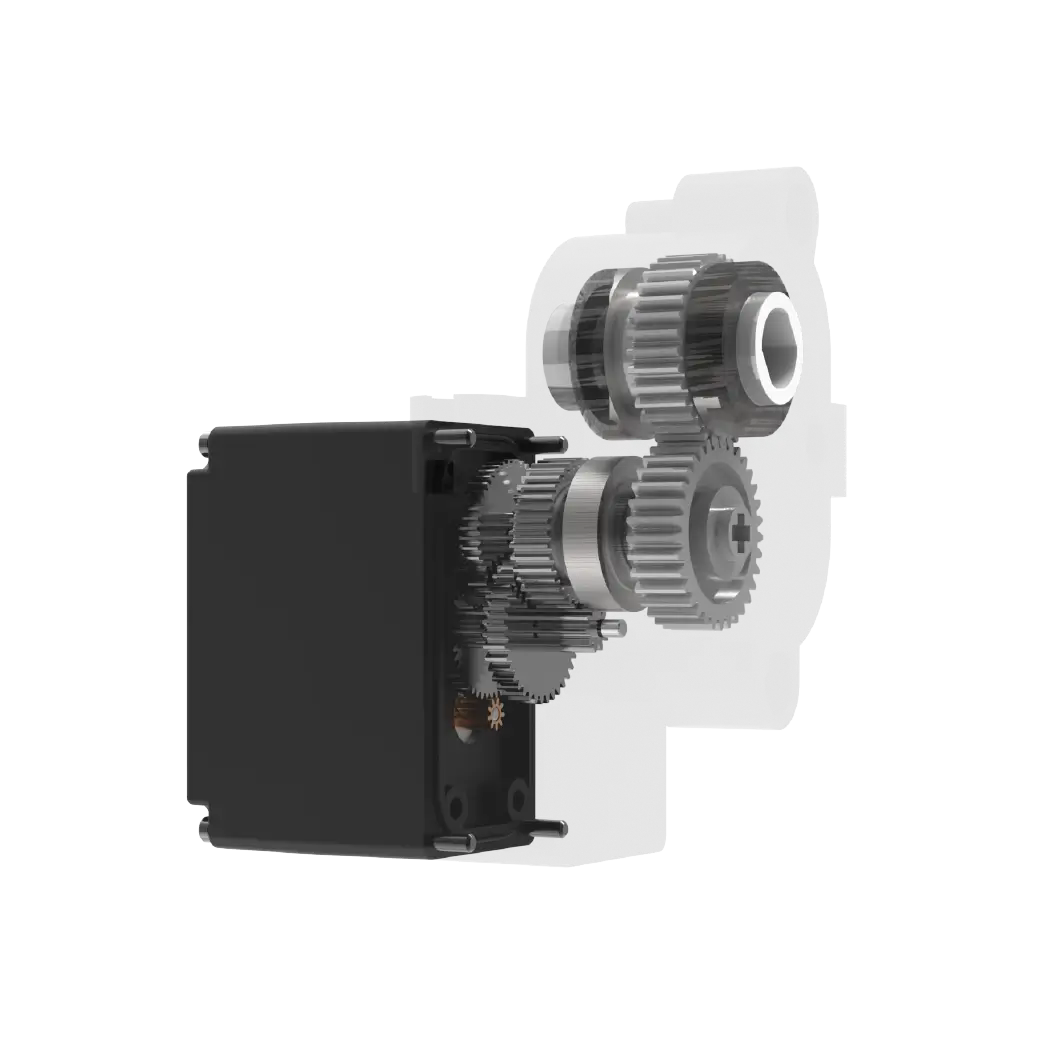
Why do some servos feel "mushy" while others feel "crisp"? It usually comes down to what’s happening inside that small plastic or metal box. Most people never see the gears, but they are the unsung heroes.
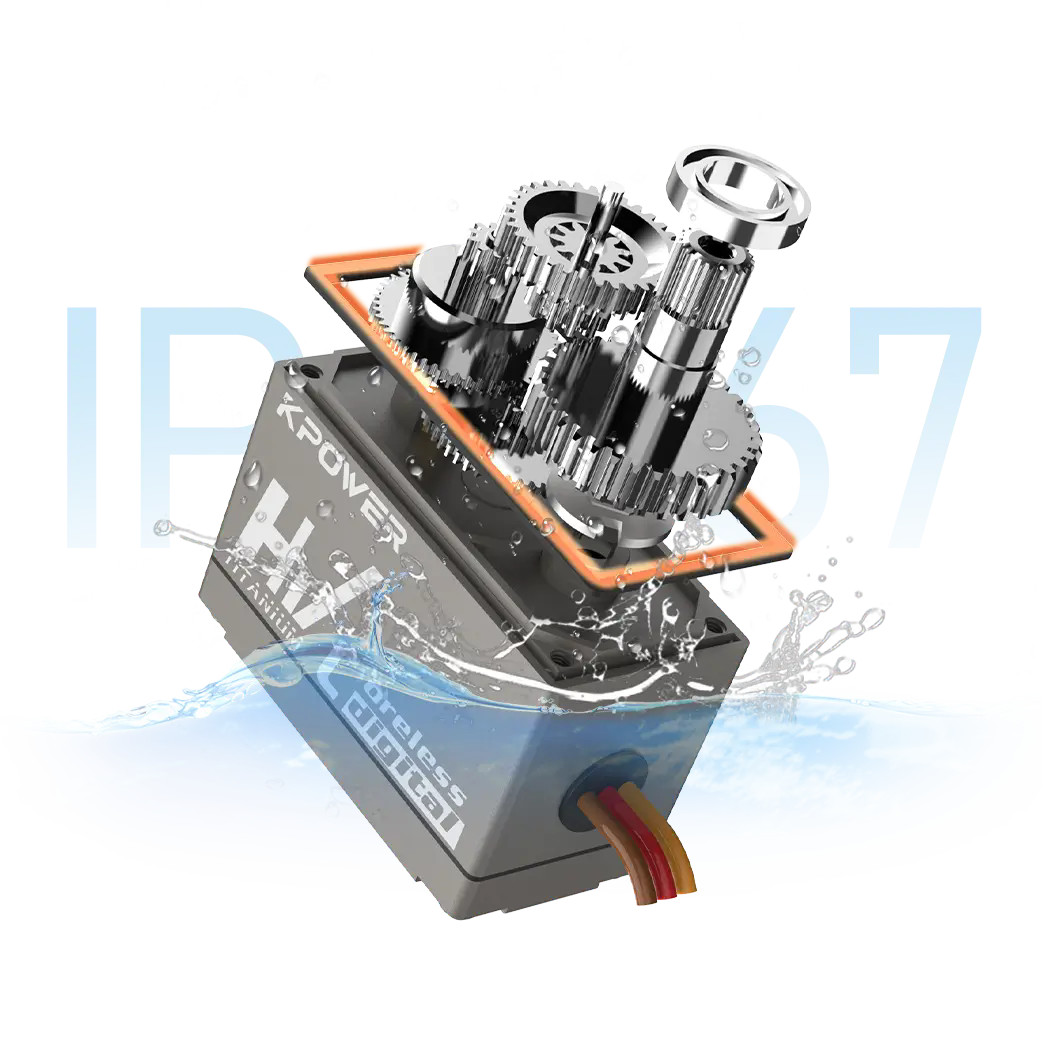
In a high torque distributor environment, these gears are under immense pressure. Cheap materials will deform. They’ll lose their teeth. I’ve opened up dead servos that looked like they’d been through a blender inside.kpowerfocuses on the metallurgy. Steel, titanium, hardened alloys—these aren't just buzzwords. They are the difference between a machine that works for ten minutes and one that works for ten months.
I remember a project where the vibration was so intense it was literally rattling screws loose on the chassis. The servos were taking a beating. Most brands would have given up, their internal sensors getting confused by the noise. But when you have a robust distribution system, the feedback loop stays clean. The motor knows exactly where it is because the gears aren't slipping.
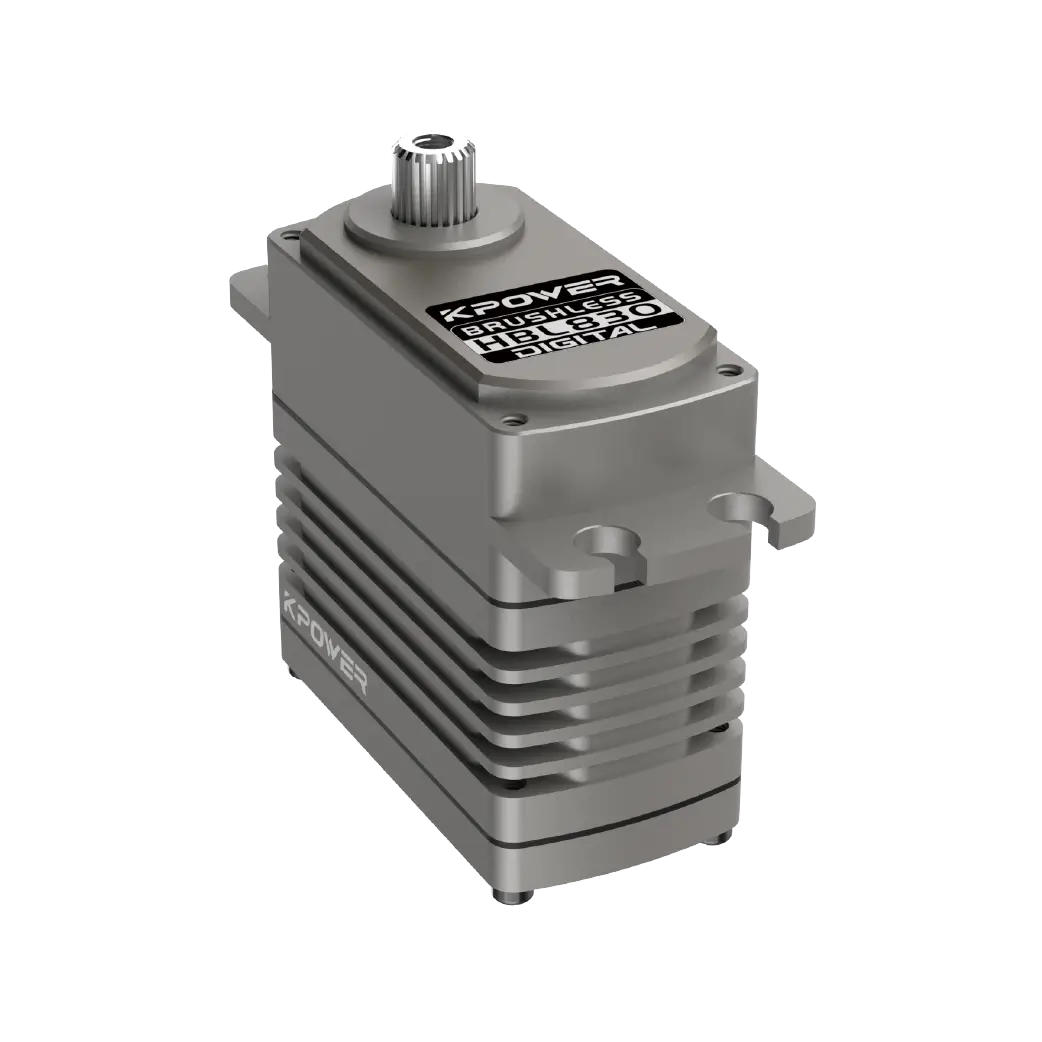
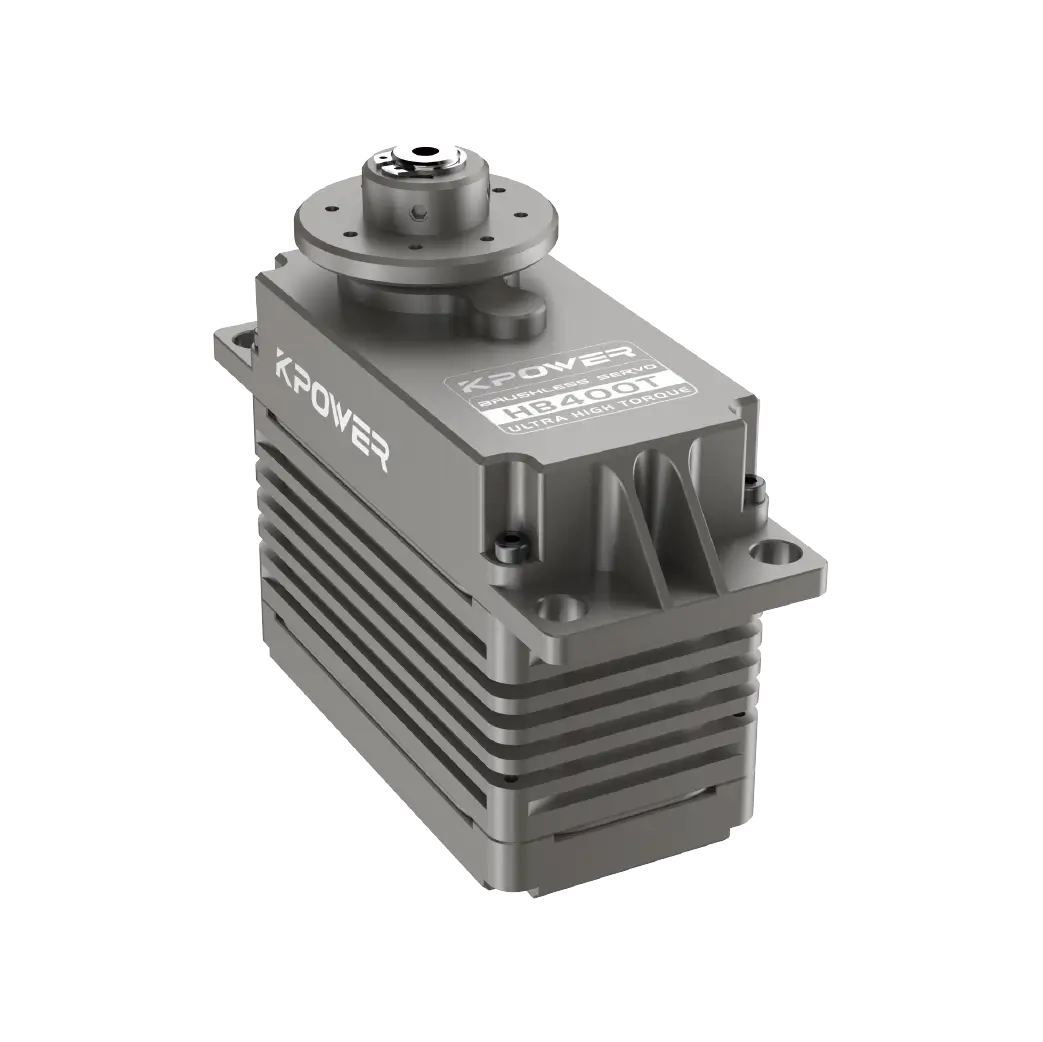
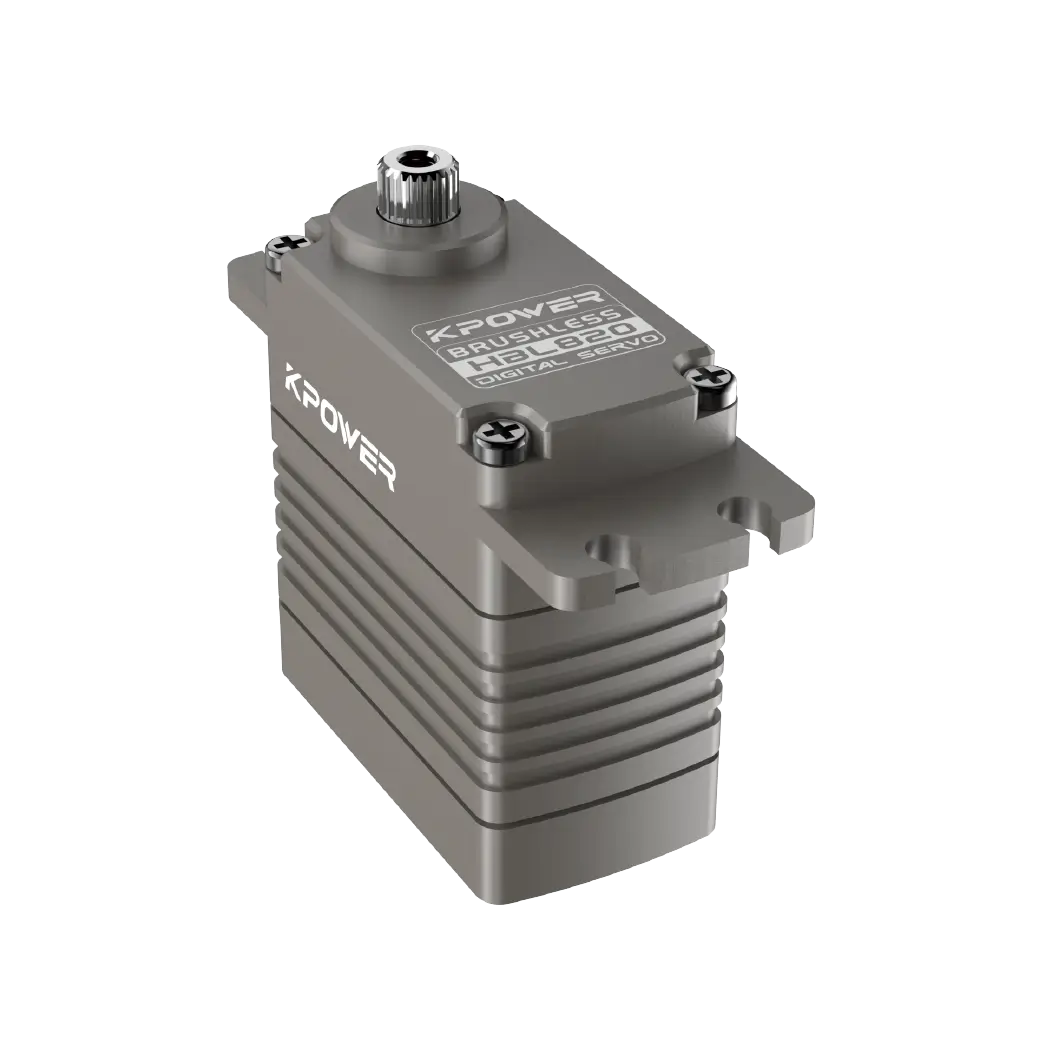
Let’s talk about something nobody likes: heat. When a motor works hard, it gets hot. When it gets hot, efficiency drops. It’s a vicious cycle. You want a servo that can dissipate that heat. Look at the casing. Is it just a shell, or is it a heatsink? A well-designed high torque servo acts like a radiator. It breathes. If the heat stays trapped inside, the electronics start to cook.
I once saw a distributor setup where the servos were packed so tightly there was no airflow. Within twenty minutes, the smell of ozone filled the room. It wasn’t pretty. That’s why the physical design matters just as much as the code driving it.
"Can I just use a bigger battery to get more torque?" Not really. Giving a weak motor more voltage is like giving a toddler a double espresso. They might move faster for a second, but they’re still not going to lift a heavy box. You need the internal structure—the motor windings and the gear ratio—to handle that energy. Kpower designs their systems to translate that electrical energy into mechanical force efficiently.
"Is high torque always better?" If you’re building a tiny drone that needs to flip in milliseconds, maybe not. But for anything involving weight, resistance, or precision under pressure? Yes. Always. It’s better to have torque you don’t need than to need torque you don’t have.
"Why do some servos jitter when holding a load?" That’s usually the "deadband" or the controller struggling to find the right position. If the torque is too low, the motor constantly overshoots and undershoots the target. A high-quality distributor ensures the signal is steady and the motor has the strength to stop exactly on the mark.
When you’re looking at distributors, you’re looking for a partner in your project. You want someone who knows that a 0.1-degree deviation can ruin a day’s work. Kpower has spent years refining how their servos interact with different power loads.
It’s not just about the peak torque; it’s about the holding torque. Can it stay there? Can it resist the external forces trying to move it? Whether it’s a robotic gripper holding a delicate object or a heavy-duty steering rack in a ground vehicle, that holding power is what defines quality.
There’s a specific sound a high-quality mechanical system makes. It’s a solid, purposeful "click" or a low, confident hum. It doesn’t whine. It doesn't scream. When you integrate Kpower components into your assembly, you start to hear that confidence.
I’ve spent countless hours in workshops, surrounded by the smell of solder and grease. You learn to trust certain things. You trust the weight of a well-made gear. You trust the smoothness of a ball bearing. You trust the brand that doesn't try to hide behind fancy marketing but instead lets the performance do the talking.
We’ve all been there—trying to save a few dollars on a component, thinking "it’ll be fine." Then, in the middle of a test run, something snaps. The disappointment is worse than the cost of the part. It’s the lost time. The wasted effort.
High torque servo distributors are an investment in your sanity. They ensure that when you flip the switch, the machine does exactly what you envisioned. No excuses. No "maybe next time."
If you’re moving forward with a build, pay attention to the spline count. Look at the operating voltage ranges. Check the weight-to-torque ratio. But mostly, look at the reputation. Kpower has carved out a space because they focus on these specific, high-stress applications. They know the people using their products aren't just playing around; they are building things that matter.
In the end, mechanics is a dance between force and resistance. You want to be the one controlling the force. Don’t let the resistance win. Get something that has the backbone to stand up to the pressure. Your project deserves that level of respect. It’s not just a servo; it’s the muscle that brings your ideas to life. And in this world, strength—true, reliable torque—is everything.
Established in 2005, Kpower has been dedicated to a professional compact motion unit manufacturer, headquartered in Dongguan, Guangdong Province, China. Leveraging innovations in modular drive technology, Kpower integrates high-performance motors, precision reducers, and multi-protocol control systems to provide efficient and customized smart drive system solutions. Kpower has delivered professional drive system solutions to over 500 enterprise clients globally with products covering various fields such as Smart Home Systems, Automatic Electronics, Robotics, Precision Agriculture, Drones, and Industrial Automation.
Update Time:2026-01-22

Contact Kpower's product specialist to recommend suitable motor or gearbox for your product.


