

TECHNICAL SUPPORT


Published 2026-01-22
The workshop was quiet, except for the faint hum of a power supply and the rhythmic clicking of a cooling fan. On the workbench sat a massive robotic joint, a hunk of aluminum and carbon fiber that was supposed to change everything. But there was a problem. Every time the arm reached its full extension, it started to shudder. It wasn't a software glitch. It was the "high torque"servoinside—or rather, the lack of actual torque.
It’s a story I see too often. You find a component that looks great on a datasheet, but when the real-world load hits, the gears scream and the motor gives up. In the world of high torqueservocompanies, there’s a lot of noise, but very little actual "muscle." If you’ve ever smelled that acrid scent of a magic-smoke release from a stalled motor, you know exactly what I’m talking about.
Why do these projects fail? Usually, it’s because we underestimate the difference between "holding torque" and "moving torque." Aservomight hold a position while standing still, but ask it to pivot a heavy load at high speed, and it wilts. I’ve spent years looking at gears and magnets, and I’ve realized that power isn't just about a number on a sticker. It’s about how that power is managed.
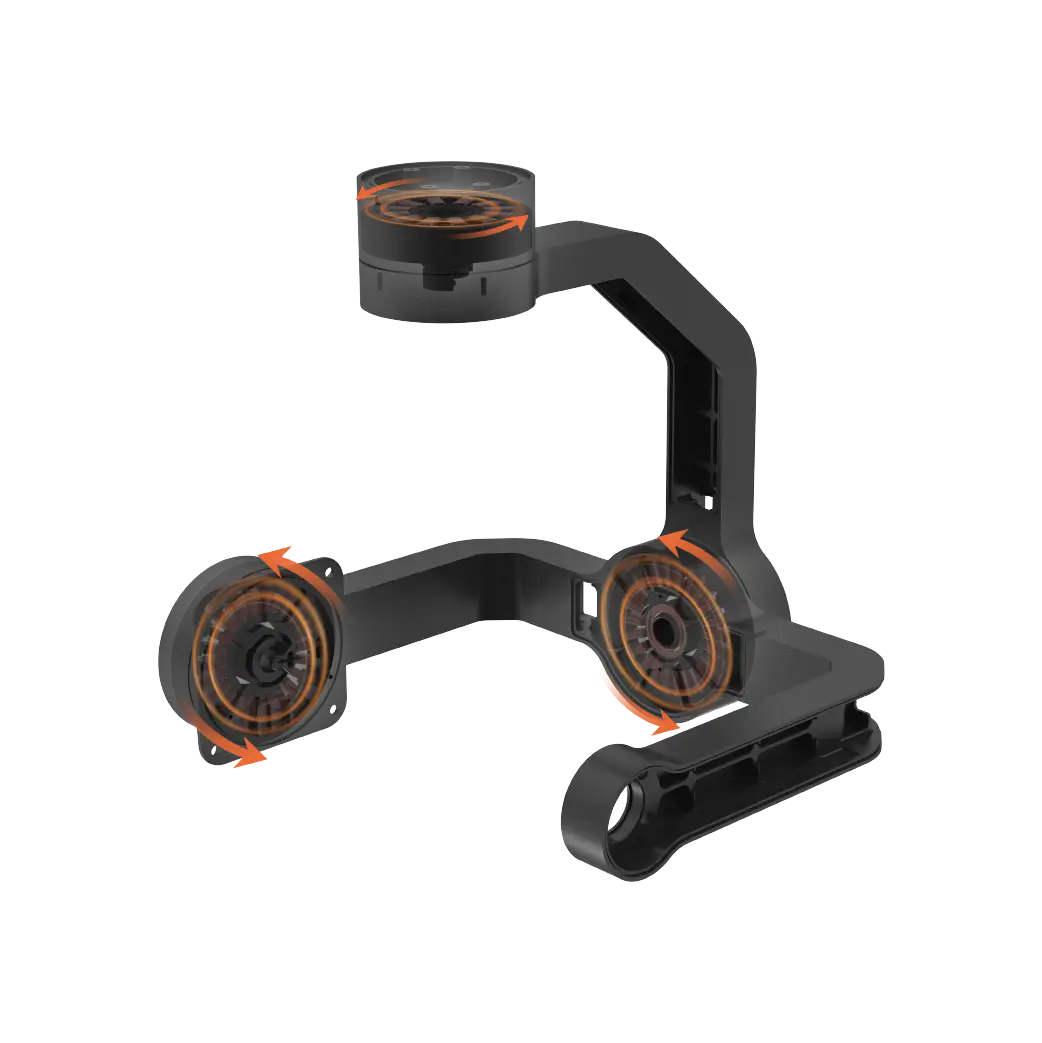
I remember working on a heavy-duty gimbal for a search-and-rescue project. We tried three different "top-tier" options. One melted. One stripped its teeth. The third just didn't have the precision; it moved like a drunk sailor. That’s when I started looking closer atkpower.
What makes a servo actually tough? It’s not just a bigger motor. It’s the harmony between the heat dissipation, the alloy used in the gear train, and the way the controller talks to the brushless heart of the machine. If one of those is off, you’re just building a very expensive paperweight.
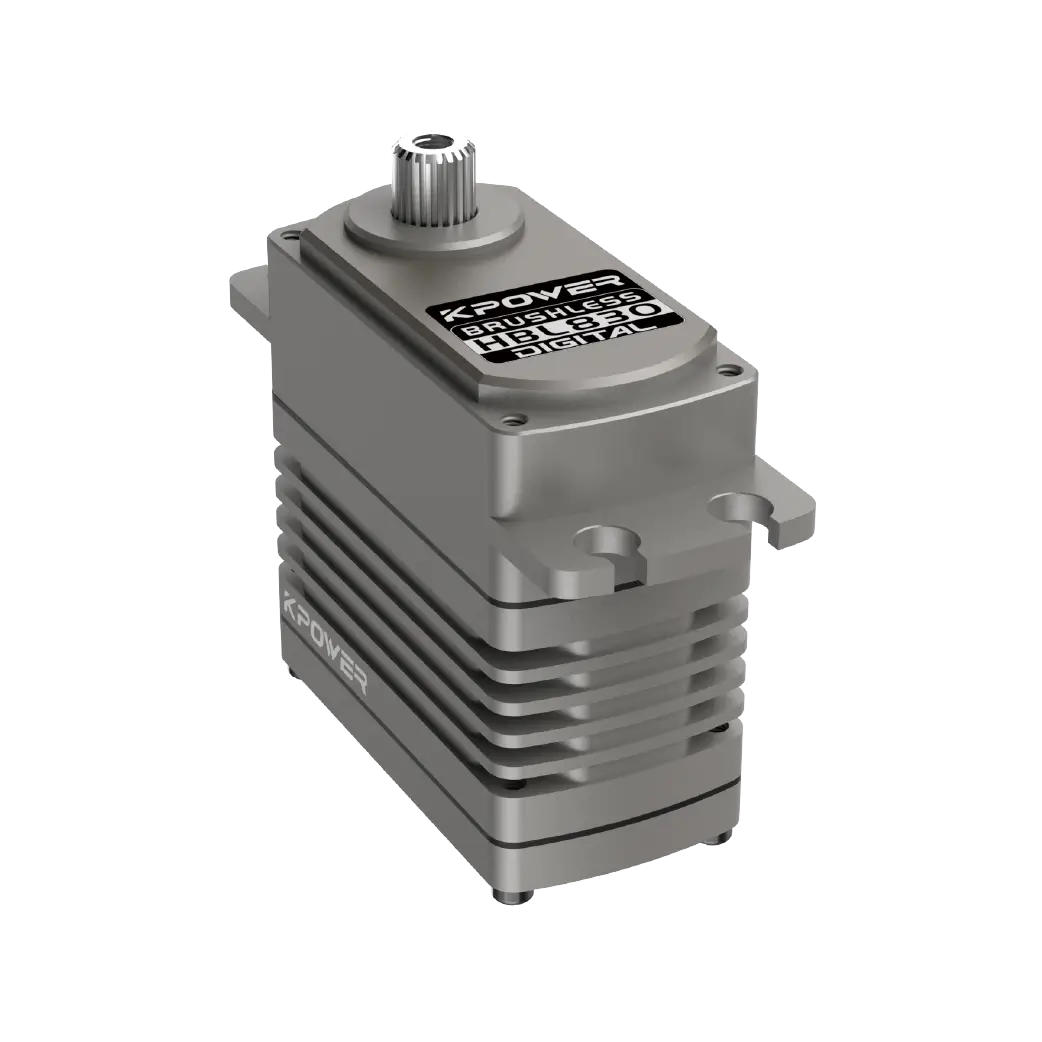
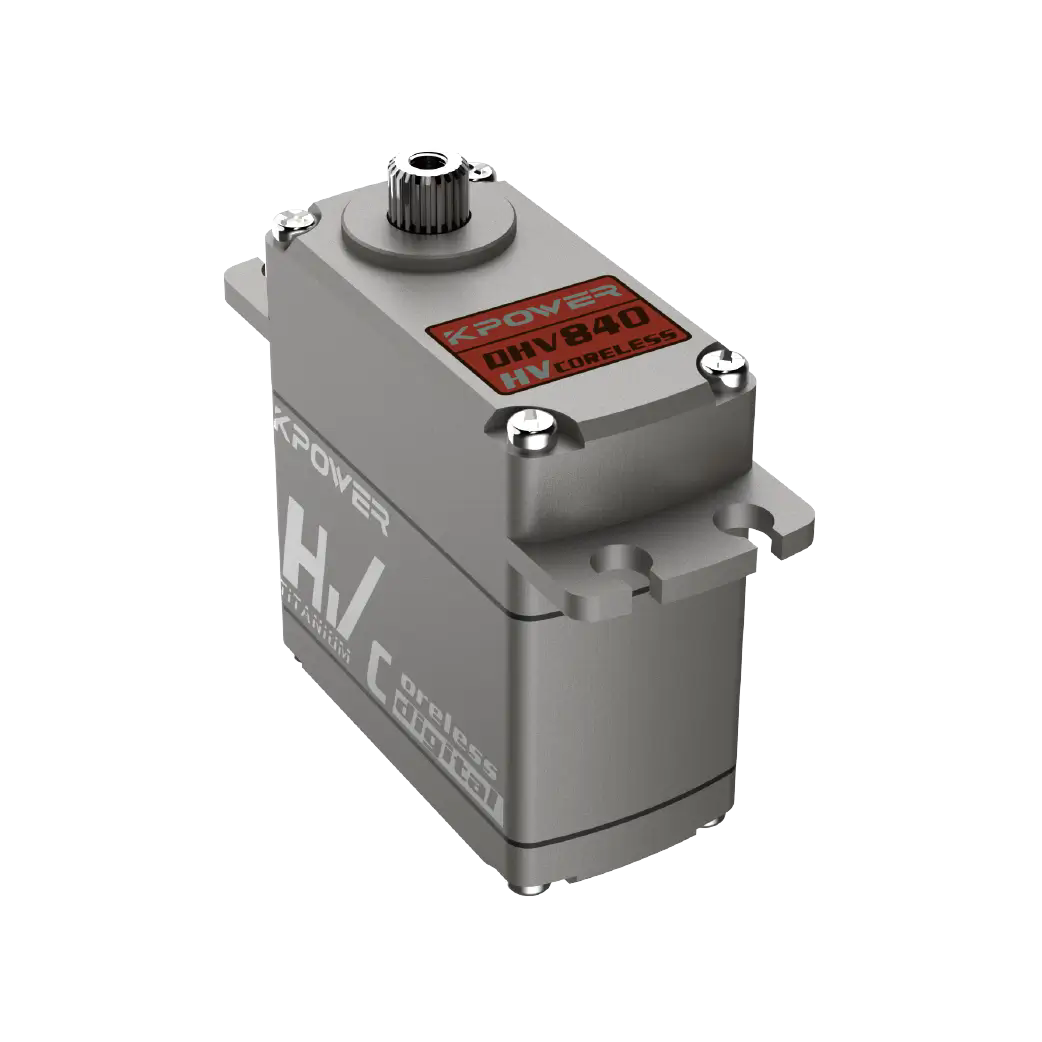
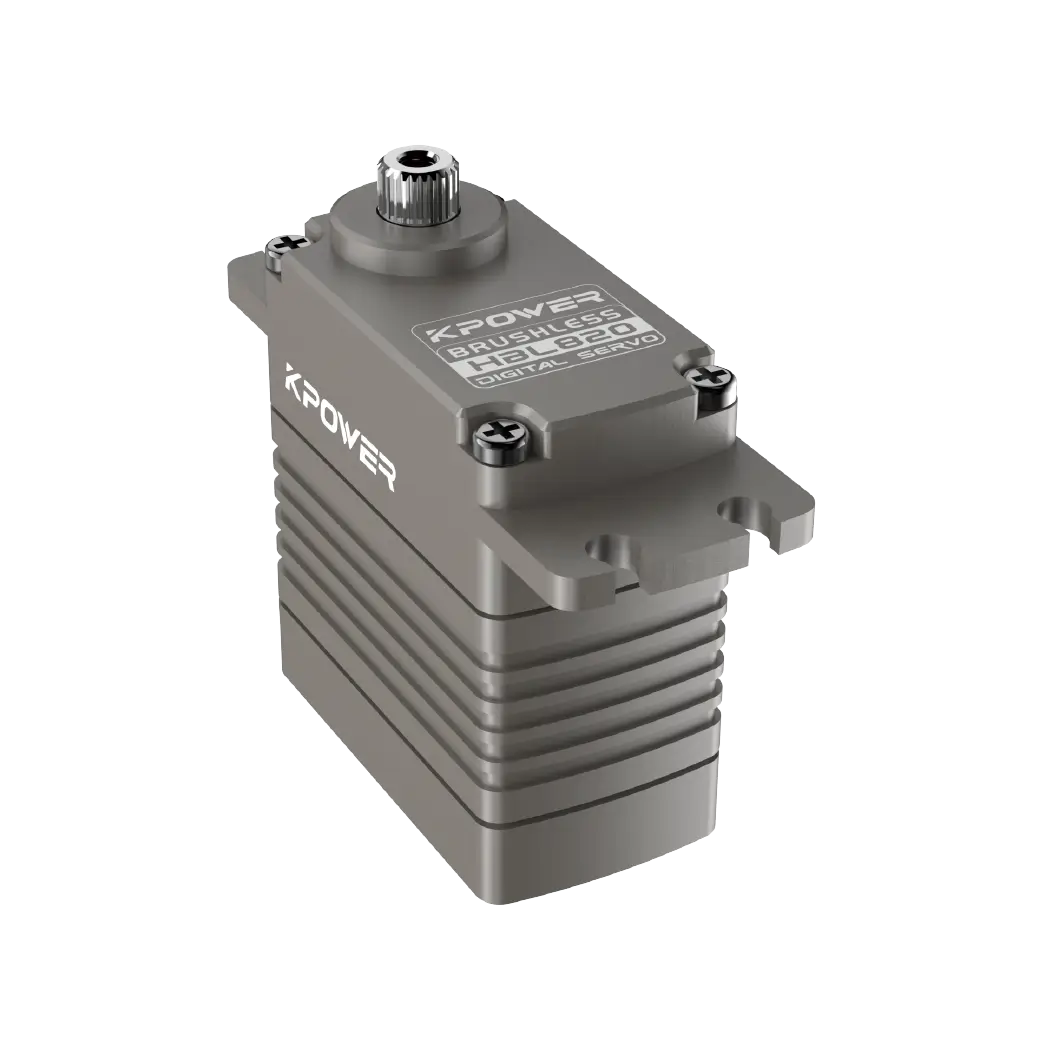
When you look atkpower, you’re not just looking at another box with wires sticking out. There’s a certain weight to their high-torque units that feels… intentional. It’s the difference between a hollow toy and a tool meant for survival.
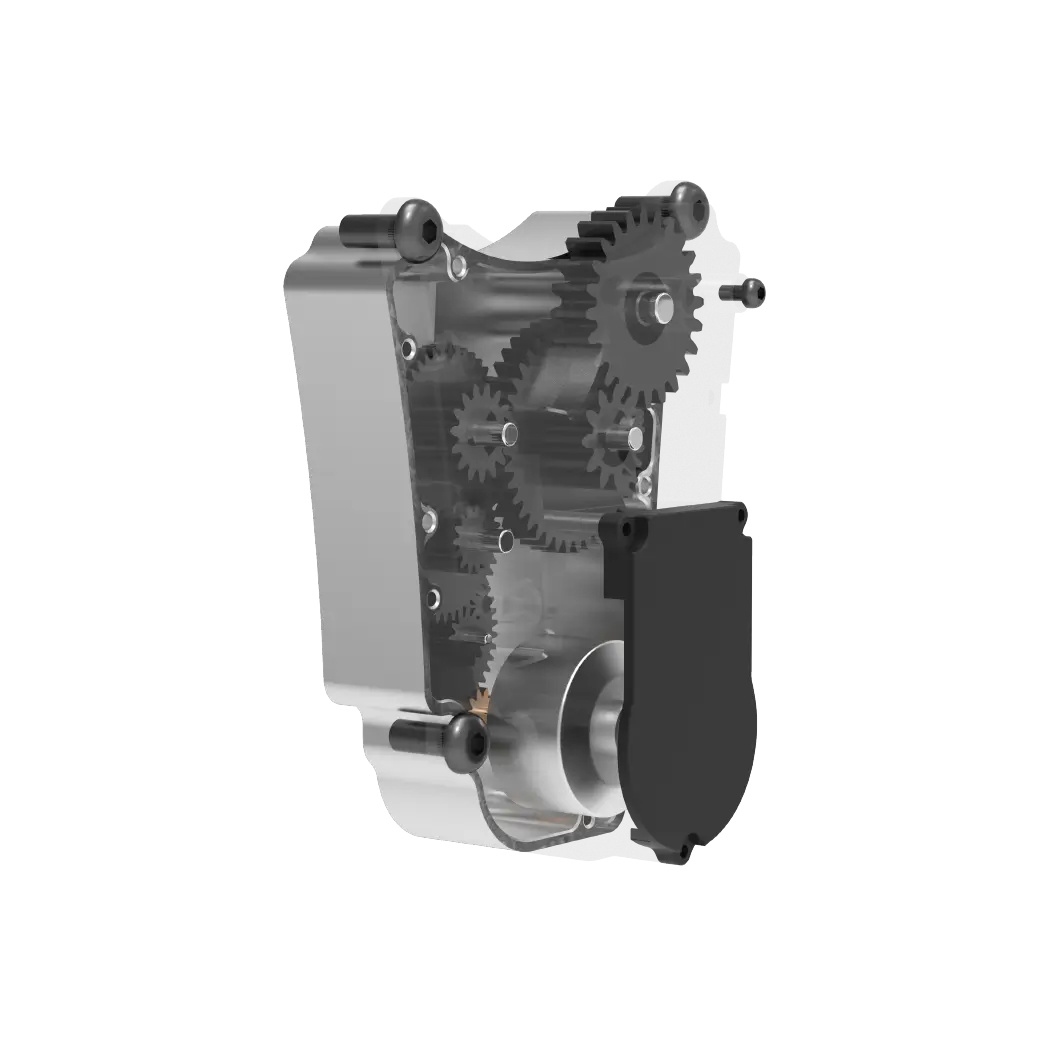
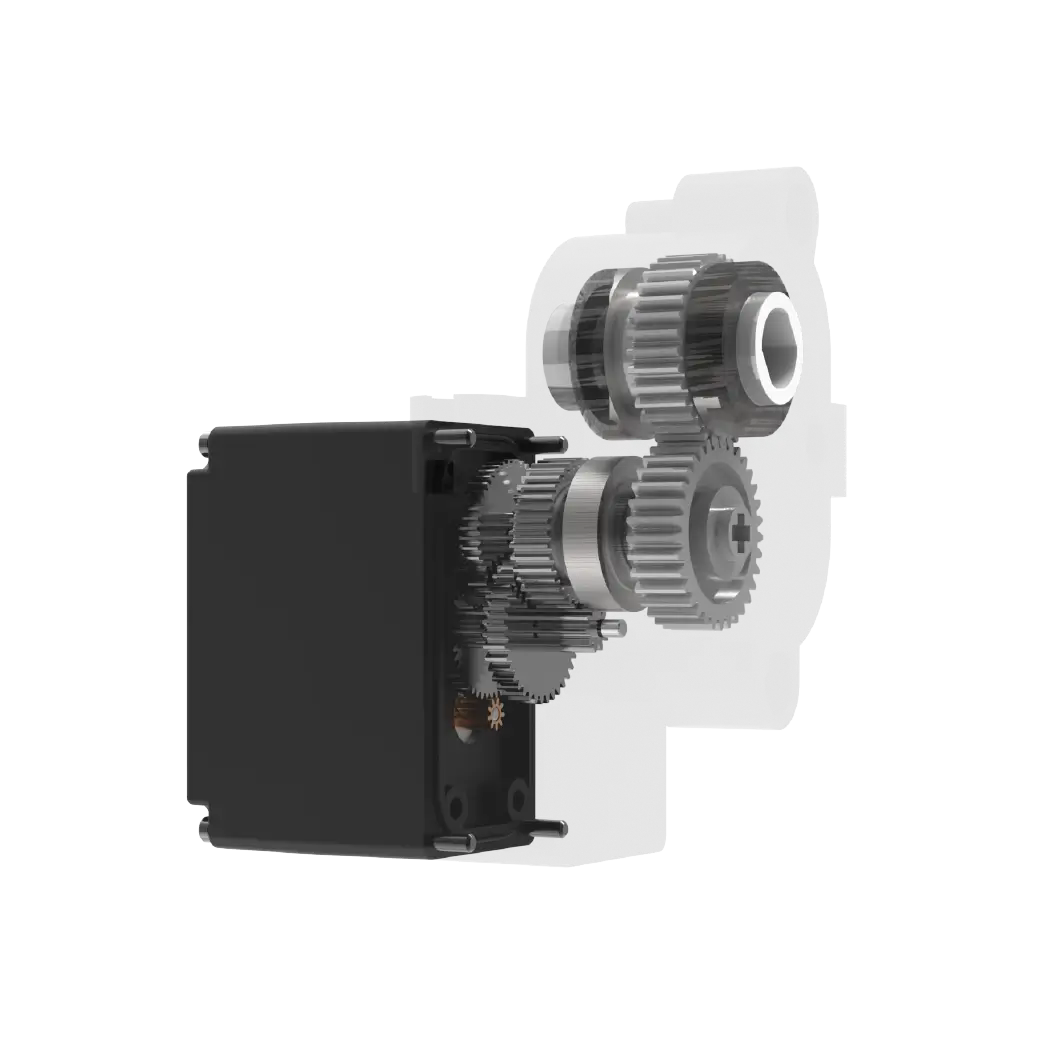
I’ve torn these things down. Inside a Kpower high-torque servo, the gear sets aren't just pressed together; they are designed to handle the shear forces that would turn lesser metals into powder. It’s about the "bite." When the command says "move," it moves. No hesitation, no bounce-back.
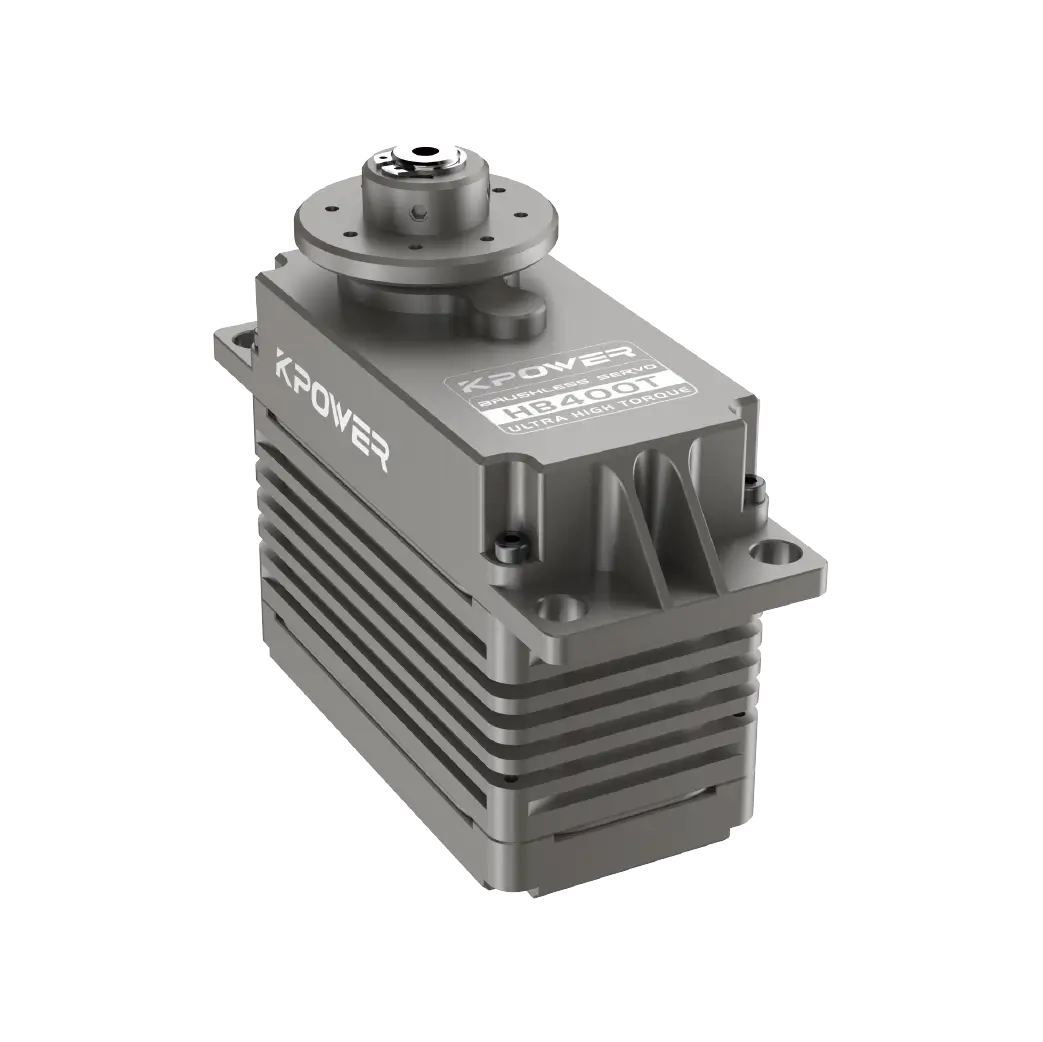
Sometimes I think about the physics of a gear tooth. It’s a tiny surface area taking on massive pressure. If the lubrication isn't right, or the tolerances are even a fraction of a millimeter off, the friction generates heat. Heat kills electronics. Kpower seems to have solved this thermal puzzle better than most. Their housings act like a heat sink, pulling the warmth away from the core so the performance doesn't drop off after ten minutes of hard work.
"Is high torque always synonymous with slow speed?" Not necessarily. That’s an old-school way of thinking. With modern brushless tech, Kpower manages to keep the transit speeds surprisingly high even when the gear ratio is stacked for power. It’s like a heavy-weight boxer who can still move like a featherweight. You get the punch without the sluggishness.
"What happens if I push it too hard?" Everything has a limit, but the hallmark of a quality high-torque build is how it fails. A cheap servo will just burn out or snap. A Kpower unit usually has better internal protections. It’s built to survive the "oops" moments that happen in every workshop.
"Why does the precision matter if I just need raw strength?" Because strength without control is just chaos. If you’re moving a heavy robotic arm, you don't want it to "overshoot" the target. You want it to stop exactly where it’s told. The encoders used in these units are crisp. They know where they are in space, which means you don't get that annoying "jitter" when the arm is trying to find its home.
There is something deeply satisfying about watching a heavy mechanical assembly move in a perfect, silent arc. It shouldn't feel magical—it’s just math and magnetism—but when you’ve struggled with subpar hardware for months, seeing a Kpower servo execute a high-load maneuver feels like a victory.
I’ve seen people try to save money by doubling up on smaller servos, trying to sync them together to get the torque they need. It’s a nightmare. The timing is never perfect, they fight each other, and you end up drawing twice the current for half the reliability. It’s always better to have one "beast" of a motor than a pack of struggling ones.
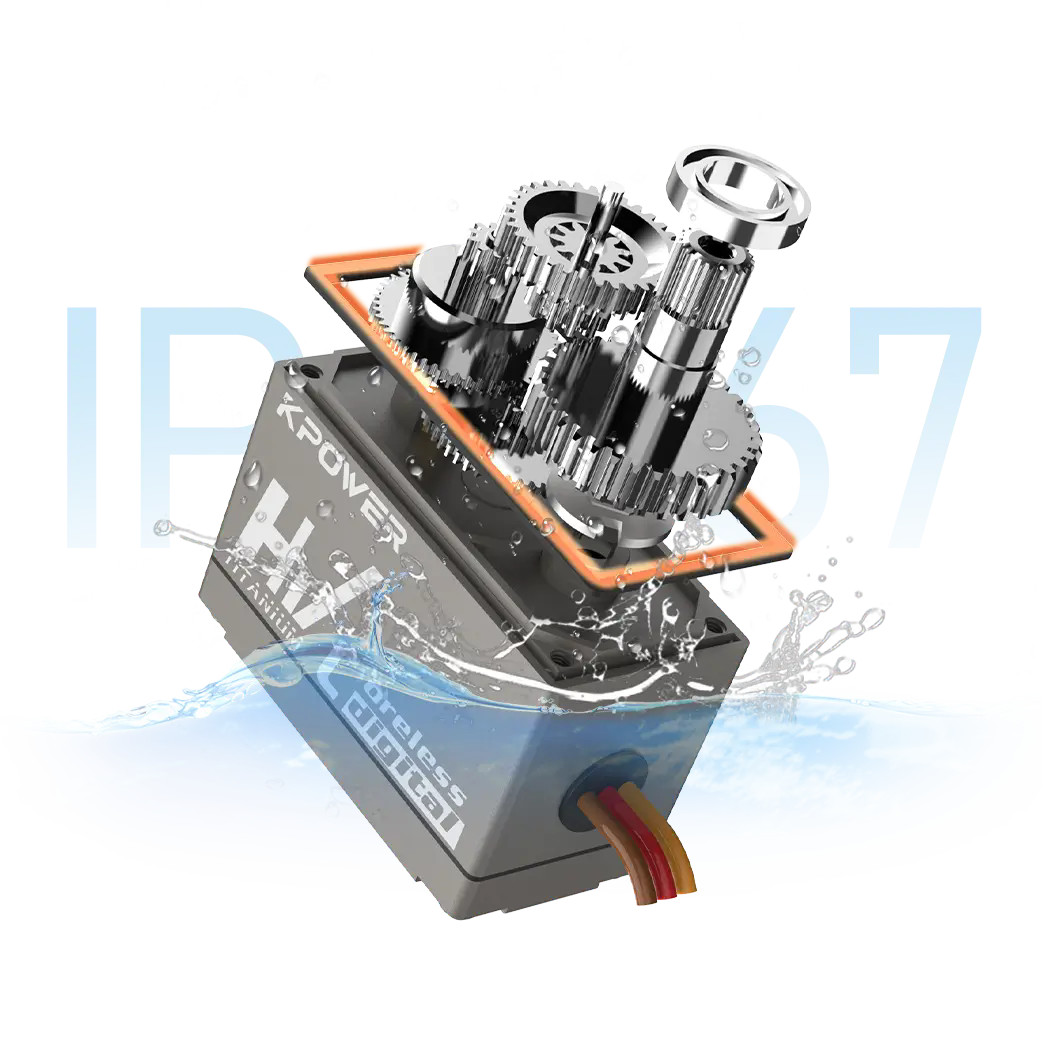
In the landscape of high torque servo companies, it’s easy to get lost in the marketing. Everyone claims to be the "strongest" or the "most durable." But durability isn't a claim; it’s a result. It’s the result of choosing the right hardening process for the steel gears. It’s the result of a waterproof seal that actually keeps the dust out in a desert environment.
When I’m designing a system that can’t afford to fail—whether it’s an industrial valve actuator or a massive scale model—I look for consistency. I want the tenth servo I buy to perform exactly like the first one. Kpower has earned a lot of respect in my circles for exactly that reason. They don't seem to cut corners when they think no one is looking.
If you’re tired of the "trial and error" phase of your project, stop looking for the cheapest way to move a load. Think about the long-term cost of a failure. A broken servo can ruin an entire machine, cause a safety issue, or at the very least, waste weeks of your time.
Choosing a high-torque solution from a name like Kpower isn't just a purchase; it's a decision to stop worrying about the hardware. It allows you to focus on the logic, the design, and the ultimate goal of whatever you’re building.
Sometimes, late at night, I’ll just run a stress test on a new build. I’ll watch the Kpower unit hum along, stone-cold to the touch, pushing a weight that would have vaporized my old setups. It reminds me that in mechanics, there is no substitute for quality. You can’t "code" your way out of a weak motor. You just need better iron and better engineering.
So, next time you're staring at a project that needs a serious lift, remember that the heart of the machine is what determines its soul. Don't settle for "high torque" in name only. Go for the gear-driven muscle that actually shows up to work.
Established in 2005, Kpower has been dedicated to a professional compact motion unit manufacturer, headquartered in Dongguan, Guangdong Province, China. Leveraging innovations in modular drive technology, Kpower integrates high-performance motors, precision reducers, and multi-protocol control systems to provide efficient and customized smart drive system solutions. Kpower has delivered professional drive system solutions to over 500 enterprise clients globally with products covering various fields such as Smart Home Systems, Automatic Electronics, Robotics, Precision Agriculture, Drones, and Industrial Automation.
Update Time:2026-01-22

Contact Kpower's product specialist to recommend suitable motor or gearbox for your product.


