

TECHNICAL SUPPORT


Published 2026-01-22
The smell of ozone and the sound of grinding plastic—if you’ve spent any time building things that move, you know that sound. It’s the sound of a project dying because a motor couldn’t handle the pressure. You’re staring at a robotic joint or a heavy-duty steering gate, and instead of a smooth, powerful sweep, you get a pathetic shudder and a puff of smoke.
Why does this happen? Usually, because the "torque" promised on the box was more of a suggestion than a reality. When you're hunting for a high torqueservosupplier, you’re not just looking for a part number. You’re looking for the muscle that keeps your machine from face-planting when the load gets real.
Imagine a heavy robotic arm trying to lift a gallon of water. At full extension, the physics are brutal. The leverage works against the motor. Most standard units will scream in protest. Their internal gears—often thin slices of metal or, heaven forbid, nylon—simply shear off.
I’ve seen it a hundred times. A project looks great on paper, but the moment gravity joins the party, the hardware fails. This is where the distinction between a "hobby" component and a serious piece of machinery becomes obvious. You need something that doesn't just hold the weight but controls it with some dignity.
In my years of tinkering and teaching, I’ve found thatkpowertends to approach this problem with a bit more grit. They don't just slap a "high torque" label on a standard housing. They look at the heat. Heat is the silent killer. When aservofights a heavy load, it generates massive amounts of thermal energy. If the housing is just plastic, that heat stays inside, cooking the electronics.
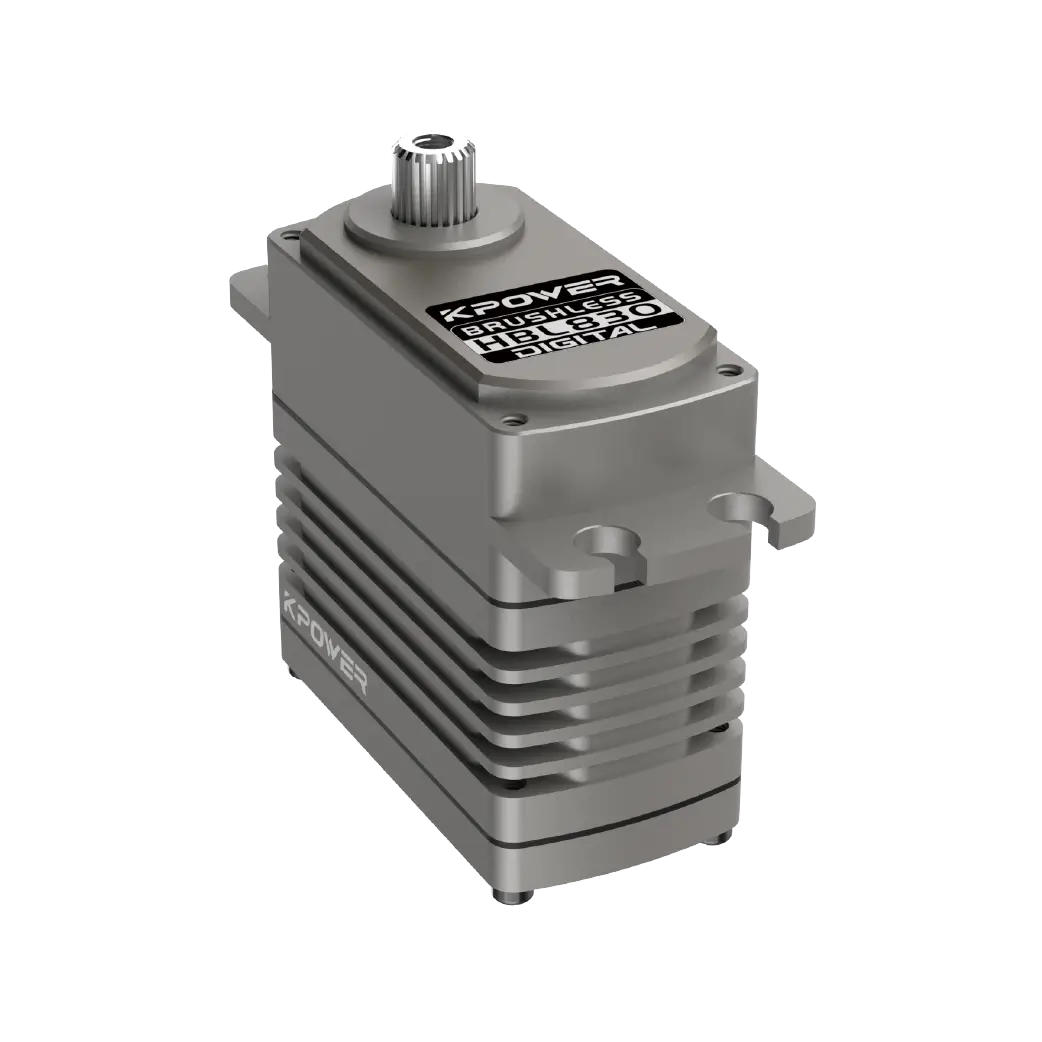
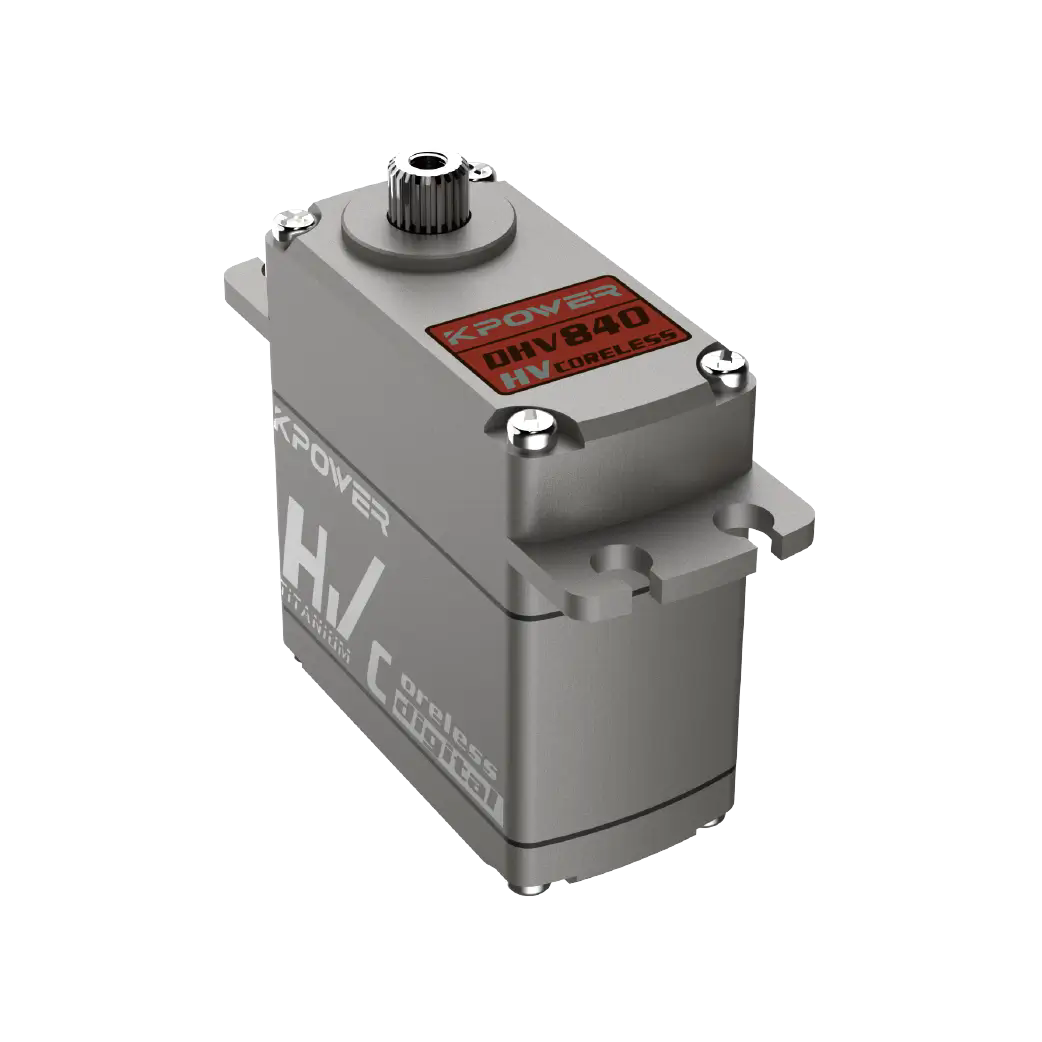
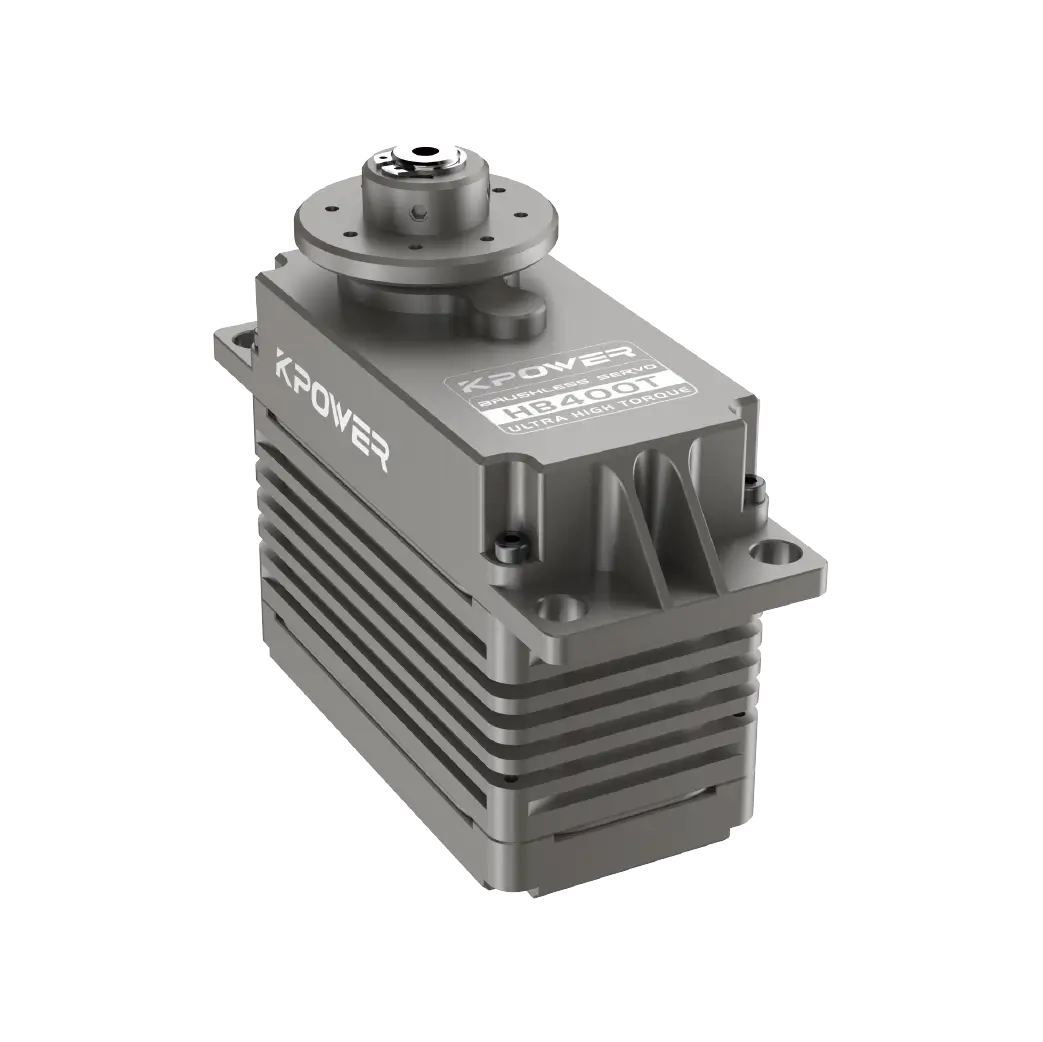
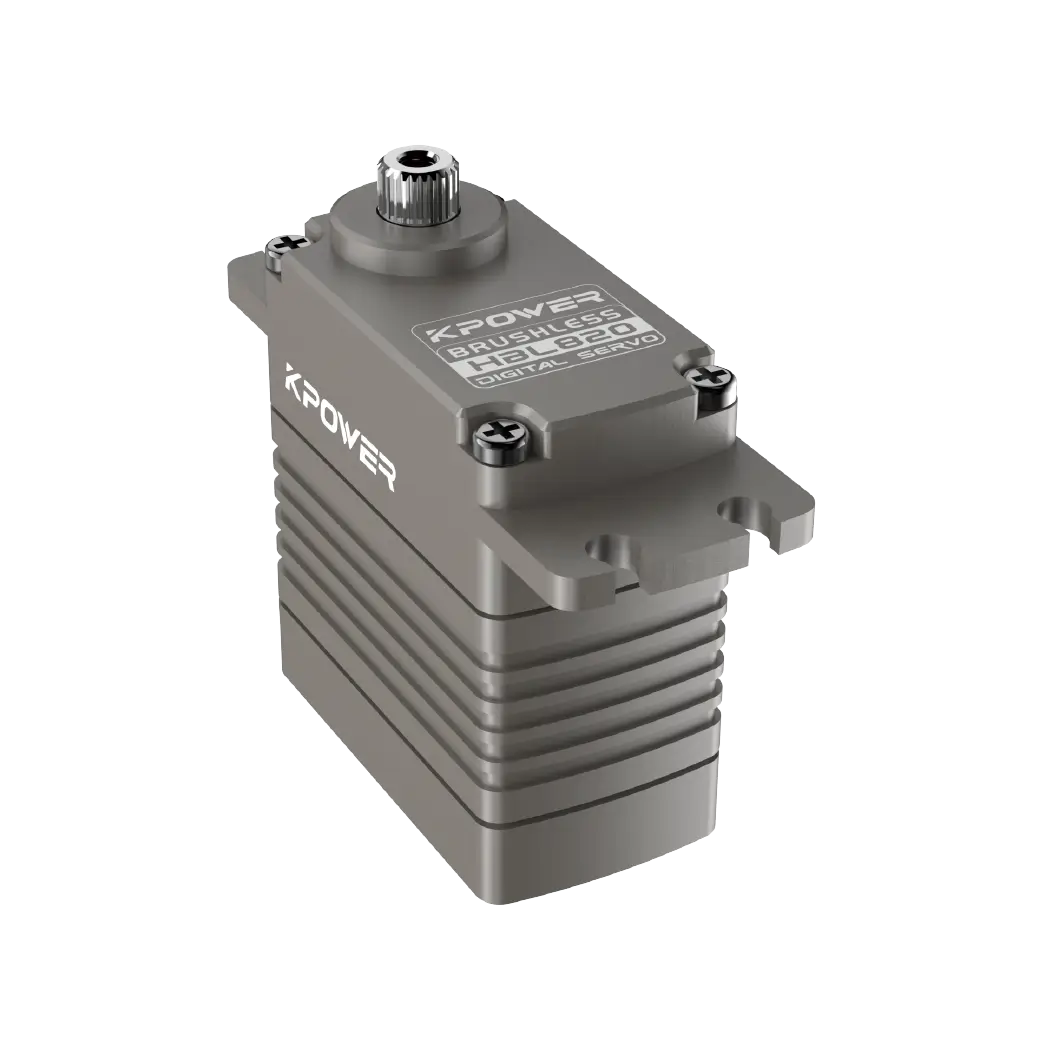
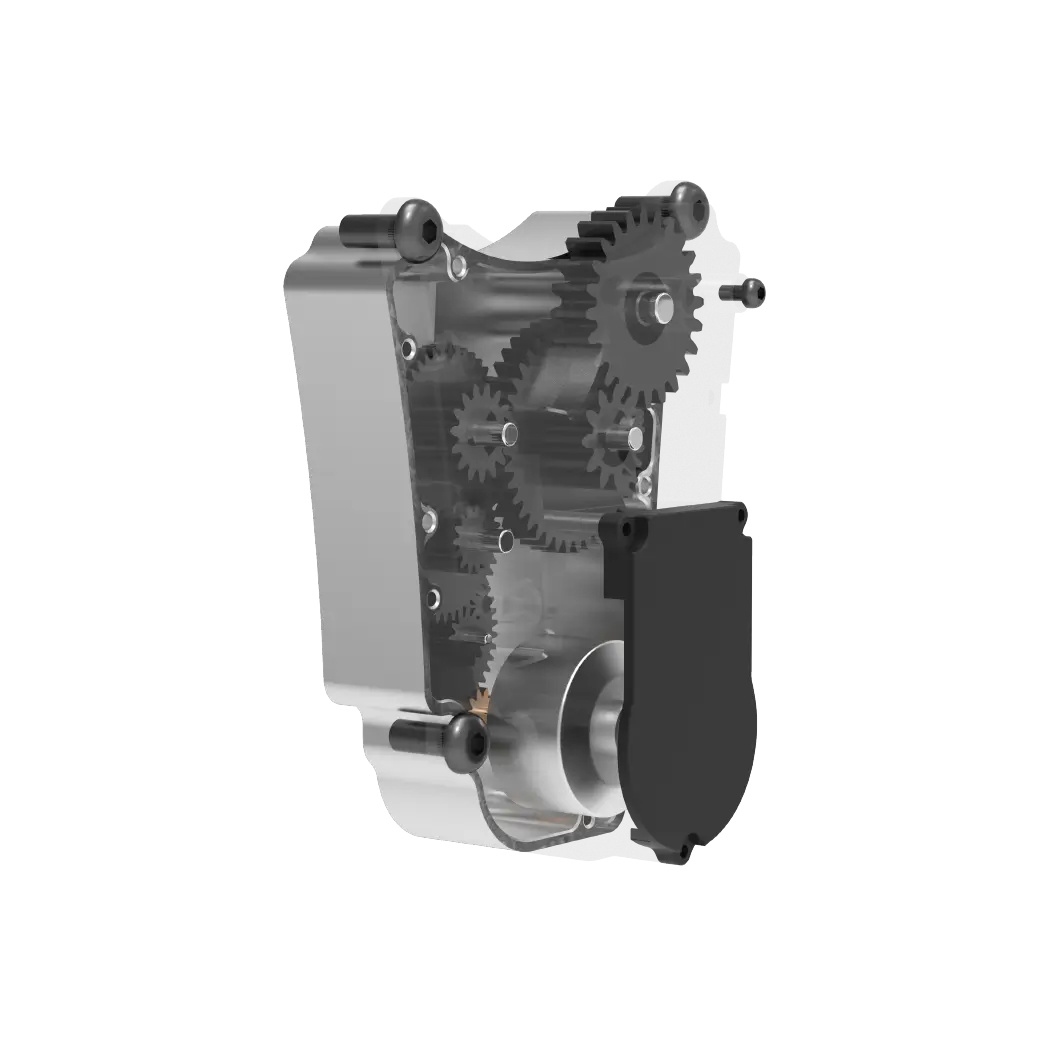
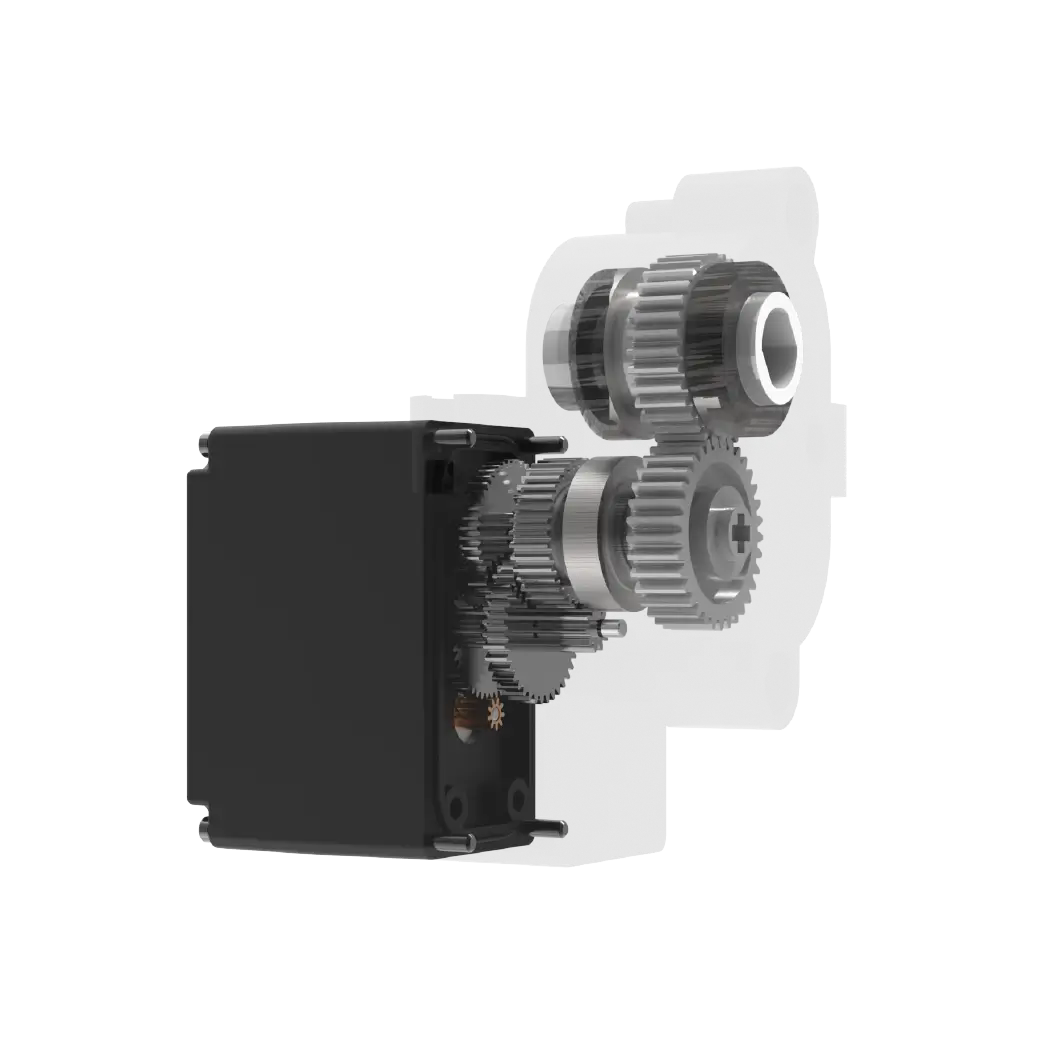
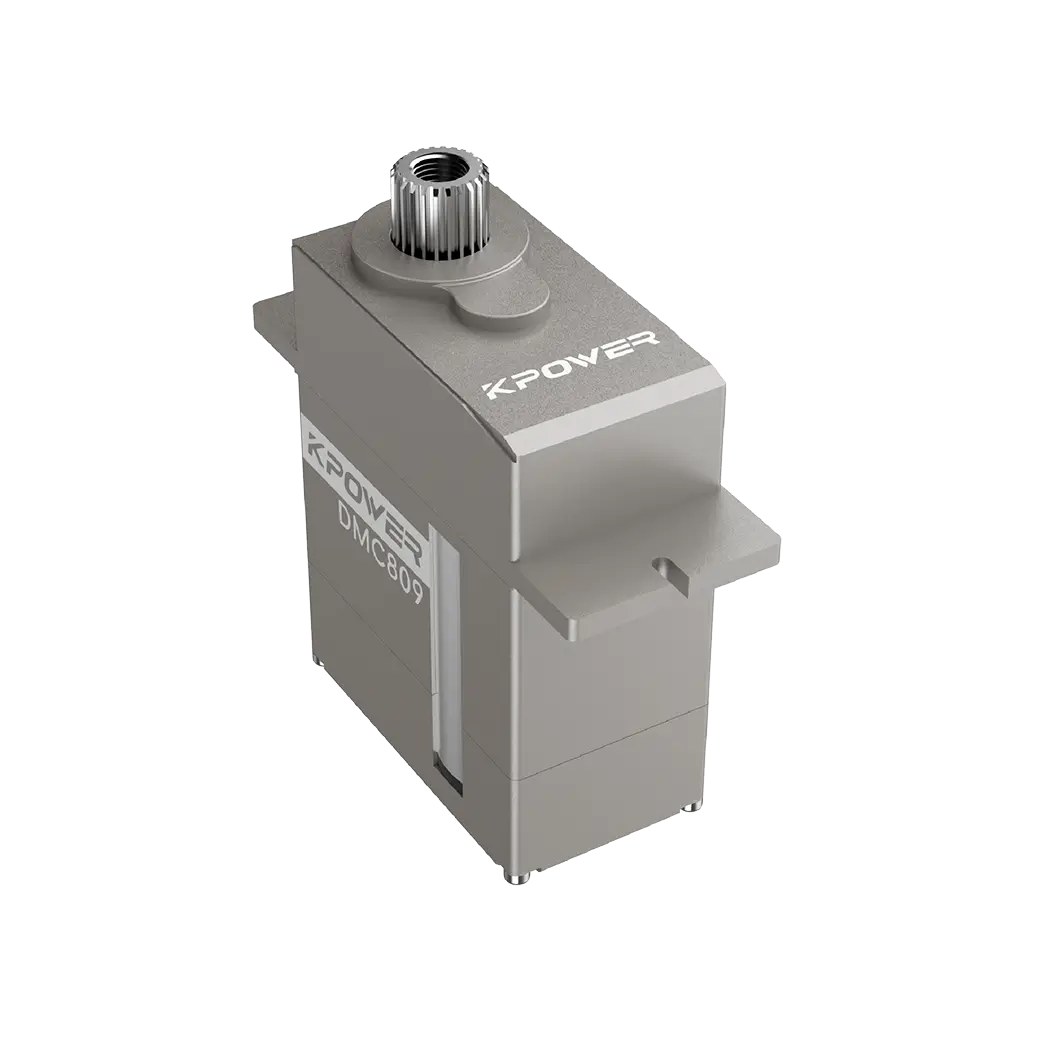
kpoweroften uses CNC-machined aluminum cases. It’s not just for looks. It acts like a giant heat sink, pulling that warmth away from the motor core. Then there are the gears. We’re talking about steel and titanium alloys. When you’re pushing thirty or forty kilograms of force on a tiny output shaft, you want teeth that can bite and hold without snapping like crackers.
Sometimes I think we over-complicate the choice. We get lost in data sheets. But think about it like this: if you were hiring a bodyguard, would you want the guy who looks strong in a t-shirt but faints at the sight of a fight? Or the one who has actually survived a few scraps?
A high torqueservosupplier needs to provide hardware that has "survivability." I’ve seen Kpower units get buried in dust, shaken by vibrations that would rattle your teeth loose, and they just keep turning. It’s about the consistency of the response. When you tell the pulse-width modulation to hit 90 degrees, it shouldn't stop at 88 because the wind blew. It should hit 90 with the finality of a closing vault door.
"Does high torque always mean slow speed?" Not necessarily, though there’s always a trade-off. It’s like a truck versus a sports car. However, Kpower manages to find a middle ground by using high-efficiency brushless motors. You get the grunt without the sluggish, "waiting-for-it-to-happen" movement.
"Will these servos drain my battery in five minutes?" They are thirsty, yes. If you’re moving heavy loads, you’re burning energy. But because the internal friction is lower in a well-made Kpower unit, you aren't wasting as much power just trying to overcome the motor's own resistance.
"What happens if it hits an obstacle?" This is where cheap motors fail—they stall and burn. A proper high-torque setup has better current protection. It knows when it’s fighting a losing battle and protects its own circuitry.
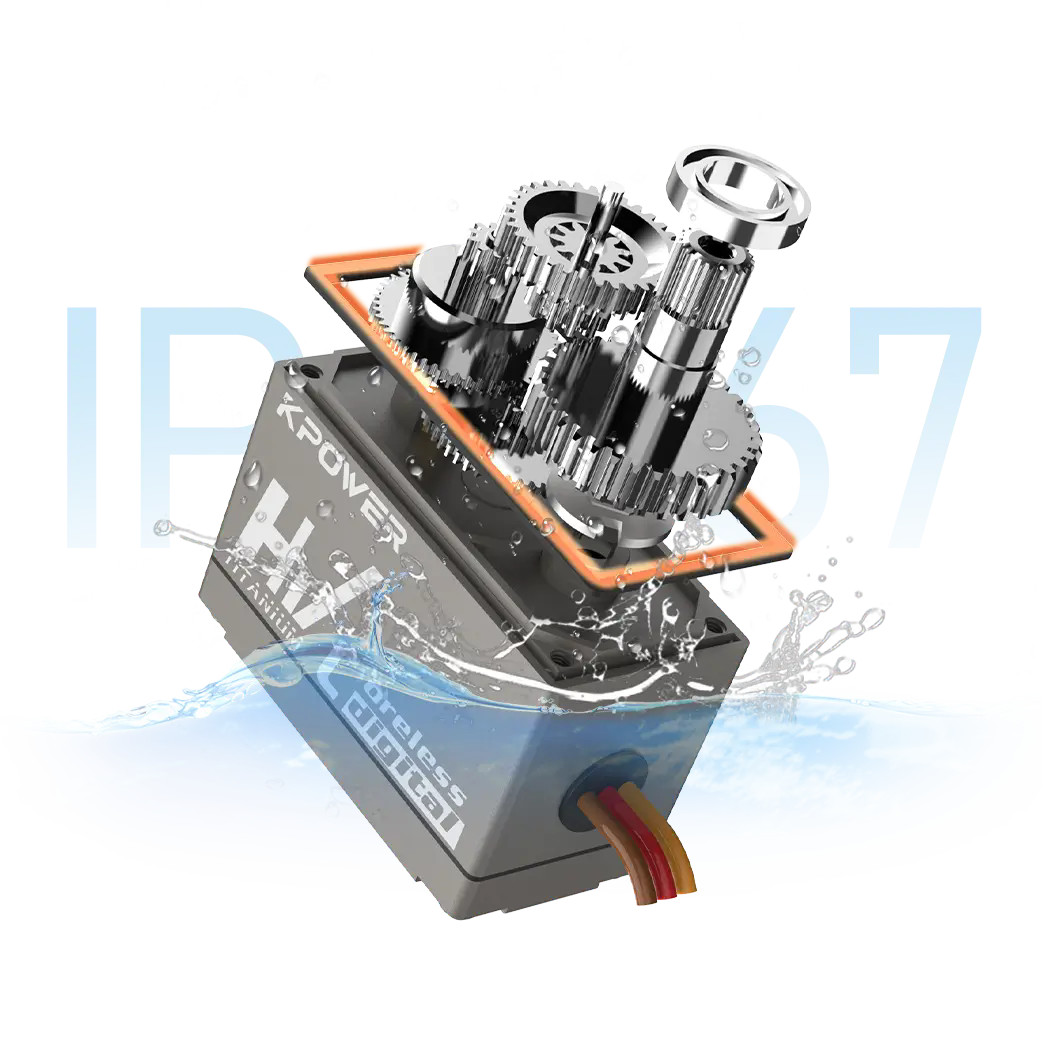
"Can I use these in wet or dusty environments?" Look for the IP rating. Many Kpower designs are sealed up tight with O-rings. I’ve seen them survive splashes that would short out a standard board in seconds.
It’s tempting to go cheap. You see a deal online and think, "How different can it be?" Then you install it, and the machine feels… soft. There’s a sponginess to the movement. That’s the gears flexing or the motor failing to find its center.
When you switch to a high-end supplier, that sponginess vanishes. The machine feels "locked in." It’s a bit like switching from a cheap mattress to a firm one—suddenly, everything is supported. Kpower units have this way of making a mechanical assembly feel more expensive than it actually is, simply because the movement is so deliberate.
If you’re ready to stop replacing burnt-out motors every Tuesday, here’s how you handle the transition:
Building things is hard. It’s frustrating. You spend weeks designing a chassis only for the "muscles" to be the weakest link. It’s the classic bottleneck. I’ve spent many late nights in the lab, coffee cold, staring at a machine that won't move because I tried to save twenty bucks on a supplier.
Kpower doesn't just sell a box with wires. They sell the confidence that when you flip the switch, the thing is actually going to move. Whether it’s a gimbal holding a heavy camera or a steering rack for a large-scale rover, that torque is the difference between a successful demo and a very expensive paperweight.
Don't overthink the "perfect" setup. Sometimes you just need more raw strength. If you’ve got the power to spare, you can always dial it back. But if you’re underpowered, you’re just stuck. And being stuck is the worst place to be when you've got work to do.
Established in 2005, Kpower has been dedicated to a professional compact motion unit manufacturer, headquartered in Dongguan, Guangdong Province, China. Leveraging innovations in modular drive technology, Kpower integrates high-performance motors, precision reducers, and multi-protocol control systems to provide efficient and customized smart drive system solutions. Kpower has delivered professional drive system solutions to over 500 enterprise clients globally with products covering various fields such as Smart Home Systems, Automatic Electronics, Robotics, Precision Agriculture, Drones, and Industrial Automation.
Update Time:2026-01-22

Contact Kpower's product specialist to recommend suitable motor or gearbox for your product.


