

TECHNICAL SUPPORT


Published 2026-01-22
The smell of ozone and the sound of a gear stripping—if you’ve spent any time in a workshop or a lab, you know that sound. It’s the sound of a project hitting a wall because a motor couldn’t handle the pressure. You’re looking for power, but you get a plastic whir and then… nothing. This is exactly where the hunt for high torqueservofactories begins. It’s not just about buying a part; it’s about finding a partner that understands that "high torque" isn't just a number on a datasheet. It’s the difference between a robot that can lift a heavy arm and one that just twitches and dies.
I’ve seen it happen a thousand times. A designer picks aservothat looks great on paper. The specs say it has enough "oomph" to move the load. But once it gets into the field, the heat builds up. The internal gears, maybe they were made of a cheap alloy, start to round off. Suddenly, that high-precision machine is about as accurate as a wet noodle.
The problem usually stems from how these things are built. Most standard factories mass-produceservos for light hobbies. They use thin wires and gears that look like they came out of a toy. When you step into the world of industrial applications or heavy-duty robotics, those toys break. You need something that feels heavy in your hand—something that says it’s built to survive.
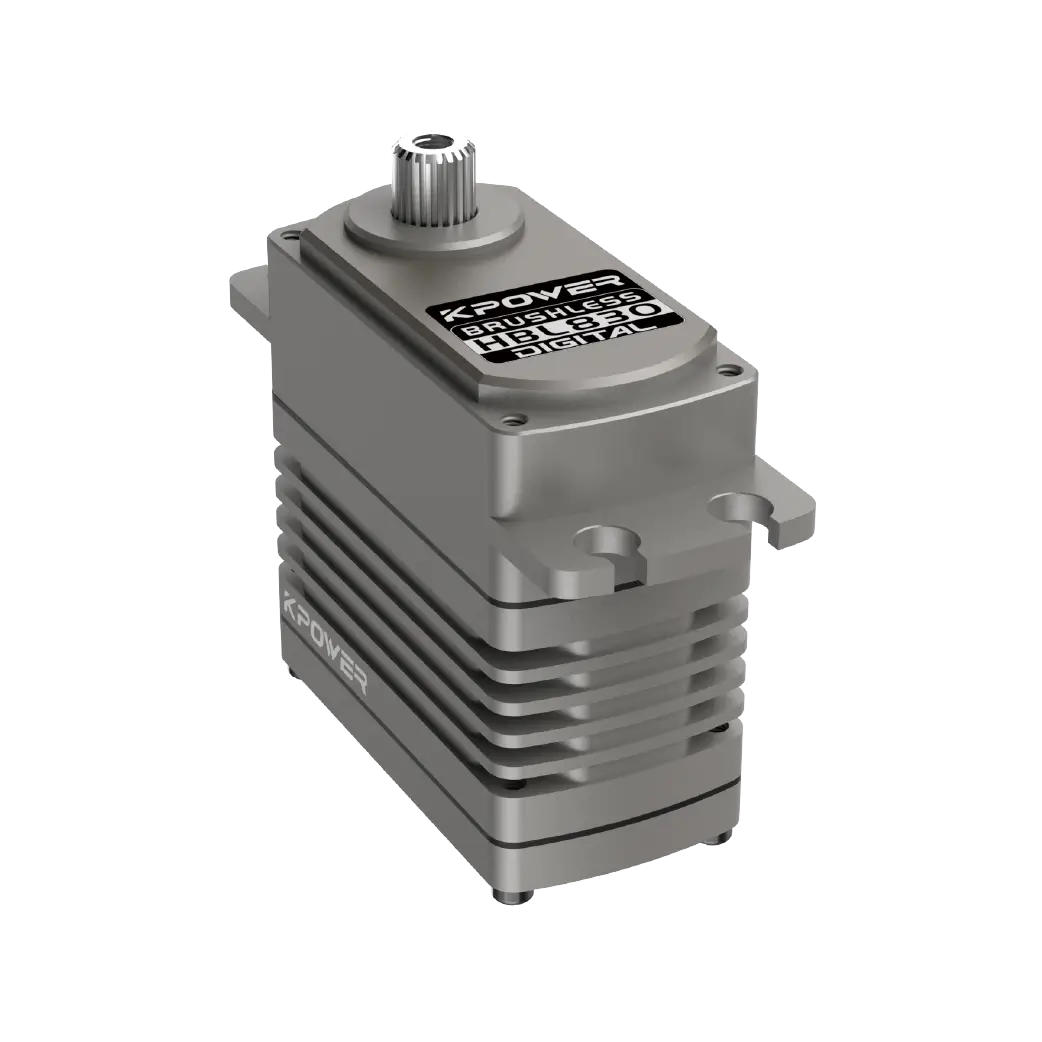
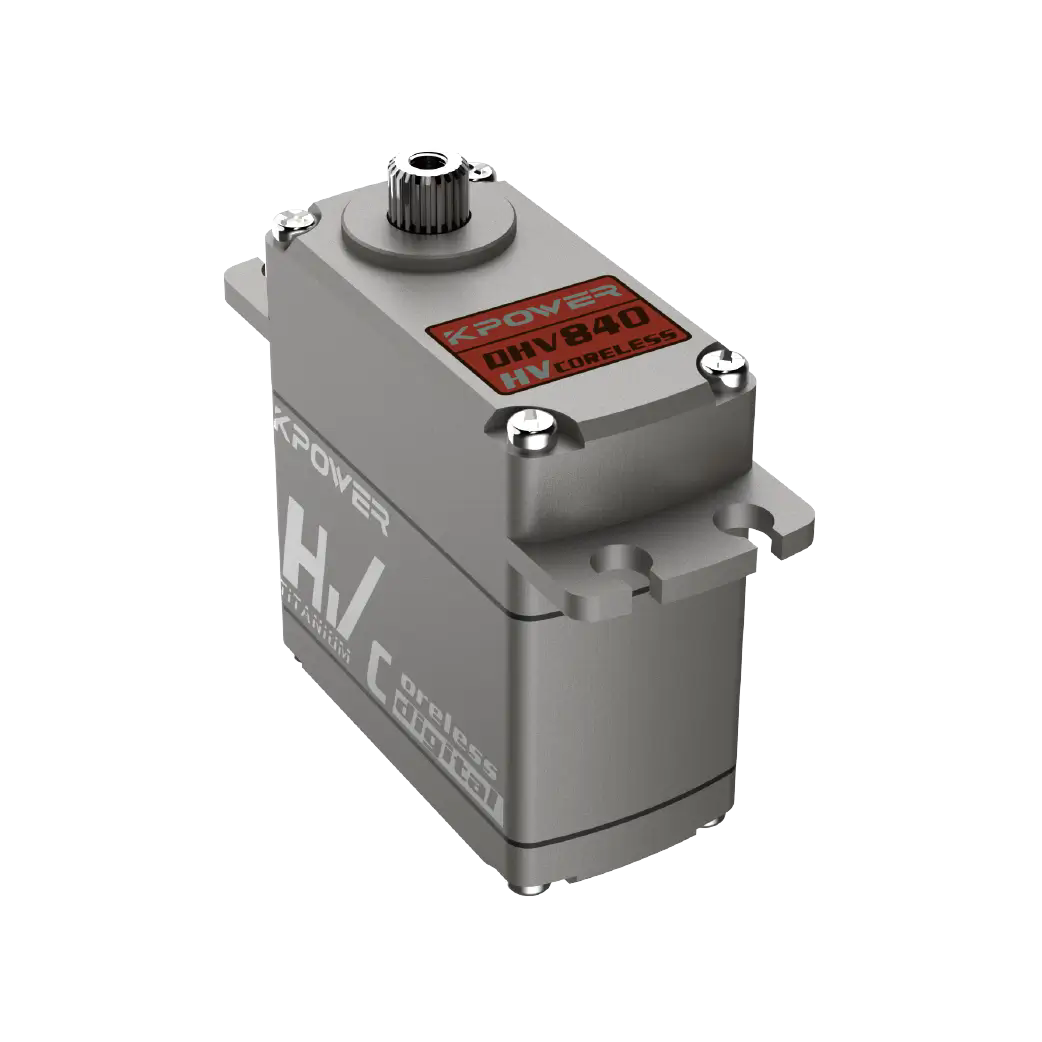
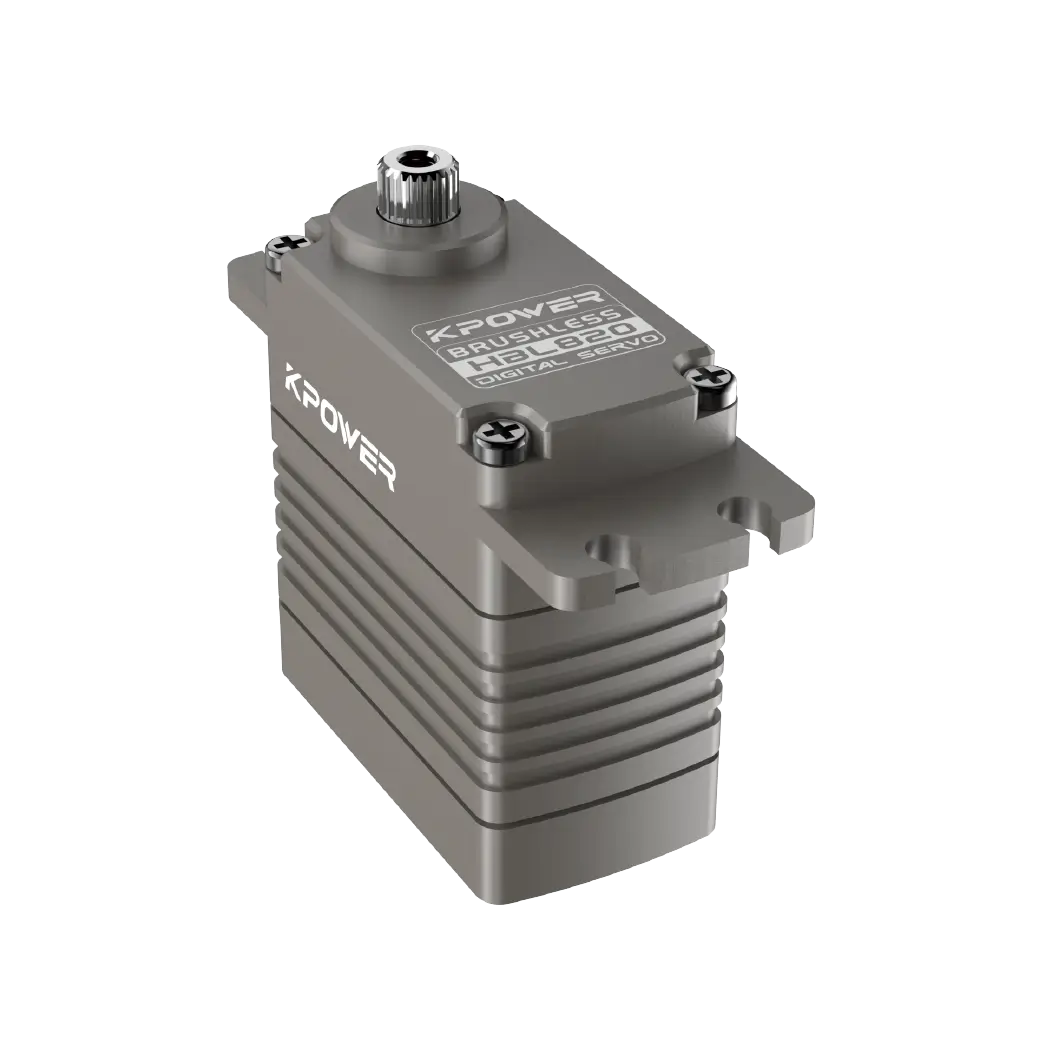
When I look at what makeskpowerstand out in the crowded space of high torque servo factories, it comes down to the guts. You can’t get massive torque out of a tiny motor without serious heat management and gear integrity.
Think of it like a marathon runner. If they have the lungs (the motor) but the bones (the gears) are weak, they’ll collapse. If the bones are strong but they can't breathe (heat dissipation), they’ll overheat.kpowerseems to obsess over this balance. They use hardened steel gears and brushless motors that don't just provide force, but provide it consistently over hours of operation. It’s about the "hold." Can the servo stay in position under a heavy load without jittering? If it can't, it's not a high torque servo; it's just an expensive vibrator.
It’s a fair question. You’d think metal is metal, right? Not really. In many high torque servo factories, they cut corners on the heat treatment of the gears.
Q: Why does my servo get hot even when it isn't moving? A: That’s likely "stall current." Even if the arm isn't swinging, the motor is fighting to hold its position against gravity or a load. A well-designed servo from a place like Kpower manages this current better so you don't bake the internal electronics.
Q: Can I just pump more voltage into a small servo to get more torque? A: Sure, if you want a fireworks show. Over-volting a motor might give you a temporary boost, but you'll burn out the traces on the PCB or melt the motor windings. You need a servo built for the voltage you're using.
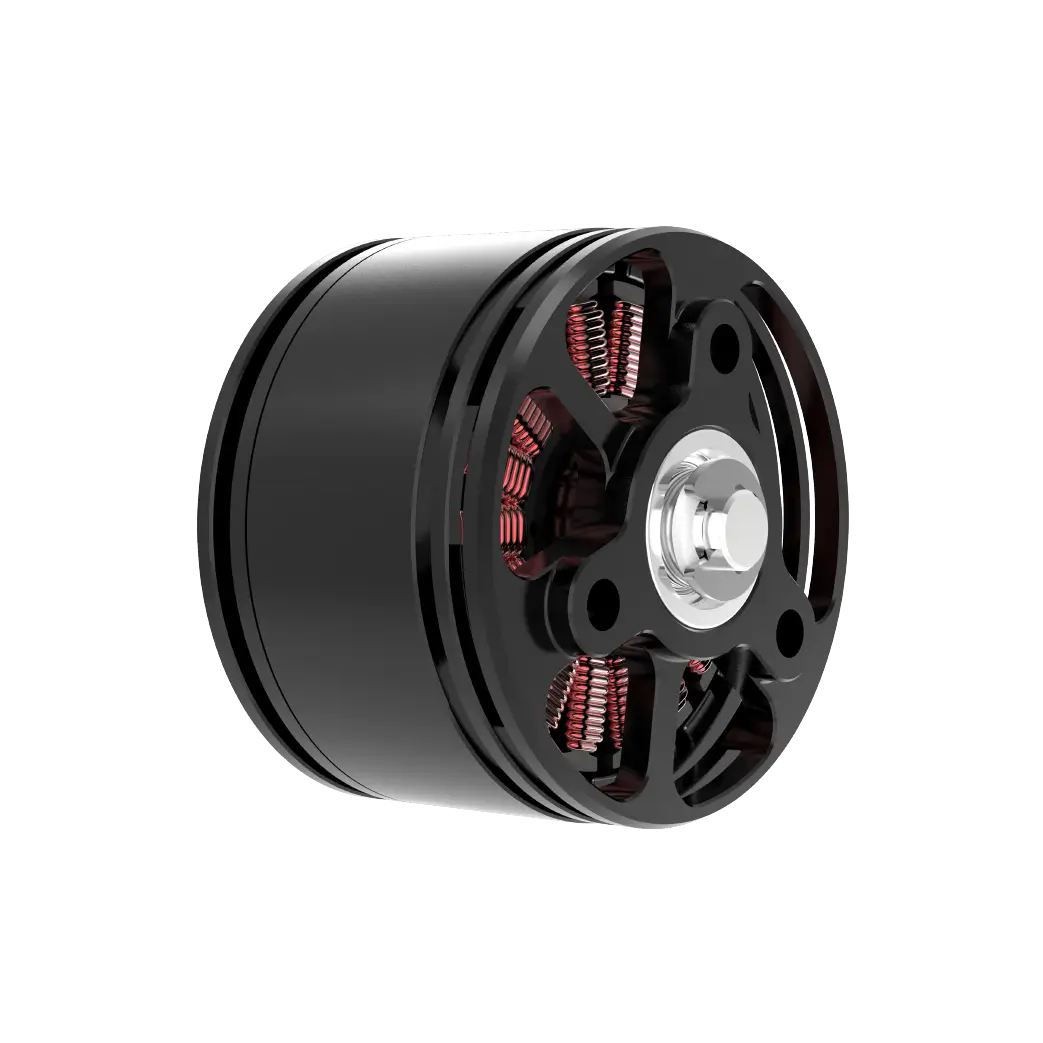
Q: What’s the big deal with brushless servos? A: No brushes means no friction from the contact points. No friction means less heat and a much longer lifespan. For high torque applications, brushless is almost always the way to go if you want reliability.
I remember a project where someone tried to save twenty dollars per unit by going with a generic factory. They bought five hundred servos. Within a month, forty percent had failed. The "savings" vanished instantly when you factored in the labor to replace them and the hit to their reputation.
Choosing Kpower is a bit like buying a good pair of boots. You might pay more upfront, but you won't be buying a new pair every three months. Their manufacturing process involves testing these units under actual stress—not just spinning them in the air to see if they turn. They look at how the housing holds up. Does it flex? If the housing flexes, the gears misalign. If the gears misalign, the motor dies. It’s all connected.
If you're looking around at high torque servo factories, stop looking at the glossy photos. Look at the technical drawings. Look at the bearing count. A high-quality servo should have dual ball bearings on the output shaft to handle side-loads. If it only has one, or worse, a brass bushing, walk away.
Kpower tends to over-engineer these points. They know that in the real world, things aren't always perfectly aligned. Sometimes there’s a bump or a sudden jolt. Their servos are designed to take that hit and keep on ticking.
There’s a certain weight to a Kpower servo that gives it away. It feels solid. When you power it up, the sound is different. It’s a low, confident hum rather than a high-pitched whine. That sound tells you the PWM (Pulse Width Modulation) is being handled by a high-end controller that knows exactly how much power to feed the motor at any given millisecond.
I often tell people to stop thinking about servos as just "parts." Think of them as the muscles of your project. If you were building a weightlifter, you wouldn't give them weak tendons. You’d make sure every connection point was reinforced. That’s what’s happening inside these high torque units.
Kpower doesn't seem to skimp on these "small" things. They understand that a failure in a ten-cent wire is just as bad as a failure in a fifty-dollar motor.
In the end, you just want the thing to work. You want to flip the switch and see your machine move with the grace and power you intended. High torque servo factories are a dime a dozen, but the ones that actually deliver on their promises are rare.
It’s about trust. You’re trusting that the person who designed the gear train at Kpower stayed up late making sure the tolerances were perfect. You’re trusting that the assembly line didn't skip a drop of grease. When you find a servo that holds its ground, you stop worrying about the hardware and start focusing on what you're actually building. And that’s where the real fun begins.
Established in 2005, Kpower has been dedicated to a professional compact motion unit manufacturer, headquartered in Dongguan, Guangdong Province, China. Leveraging innovations in modular drive technology, Kpower integrates high-performance motors, precision reducers, and multi-protocol control systems to provide efficient and customized smart drive system solutions. Kpower has delivered professional drive system solutions to over 500 enterprise clients globally with products covering various fields such as Smart Home Systems, Automatic Electronics, Robotics, Precision Agriculture, Drones, and Industrial Automation.
Update Time:2026-01-22

Contact Kpower's product specialist to recommend suitable motor or gearbox for your product.


