

TECHNICAL SUPPORT


Published 2026-01-22
When the Grunt Matters: A Deep Dive into the High TorqueservoFactory World
You’ve likely been there. You spent weeks, maybe months, sketching out a design. The joints are perfect, the frame is solid, and the logic is sound. But then, the moment of truth arrives. You power it up, and instead of a smooth, powerful movement, you get a pathetic twitch. Or worse, the sound of plastic gears stripping themselves into a fine powder. It’s frustrating. It feels like trying to run a marathon in flip-flops.
The reality of mechanical motion is that torque is the silent king. Without it, your project is just a static sculpture. When people start searching for a "high torqueservofactory," they aren't just looking for a building with machines; they are looking for a solution to that "twitching" problem. They need the muscle that makes the machine actually work.
The Hidden Heart of the Machine
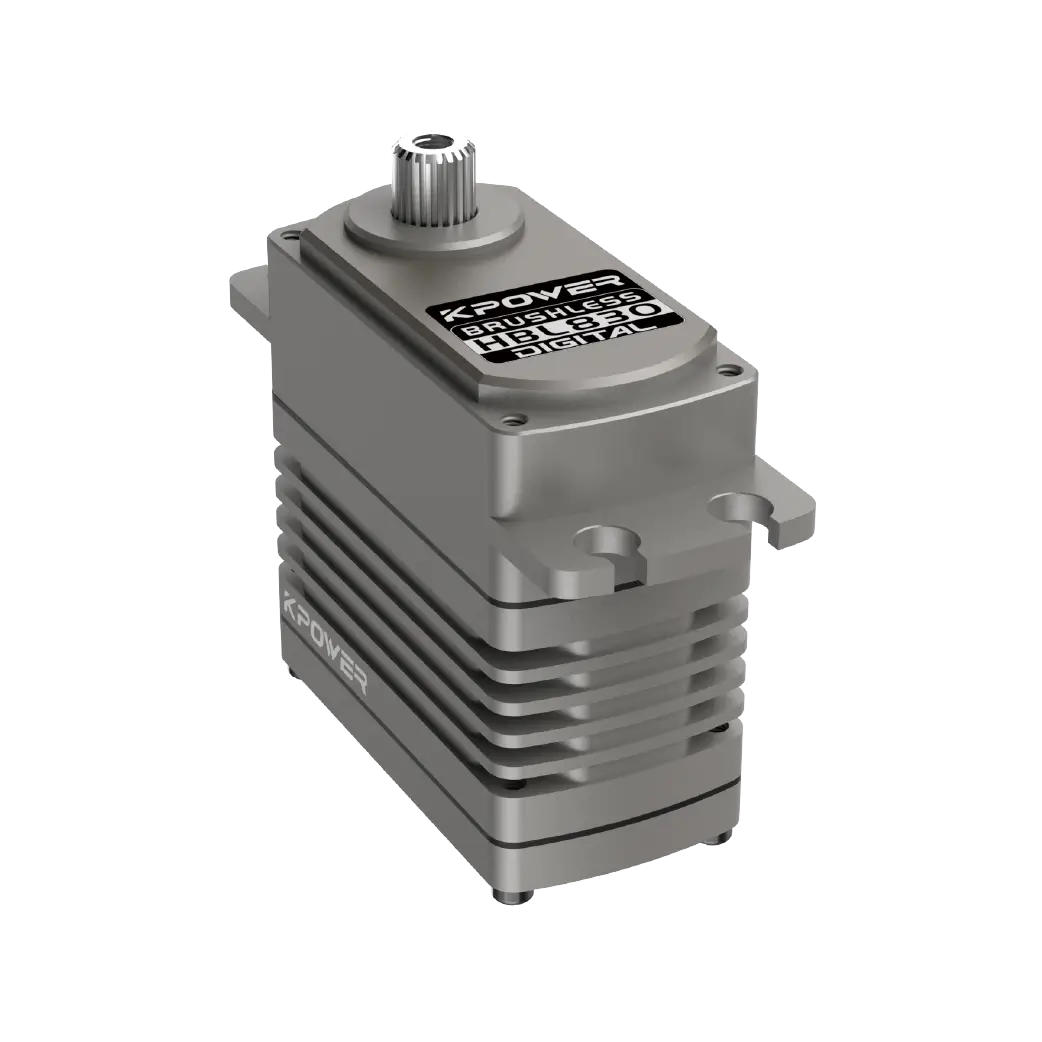
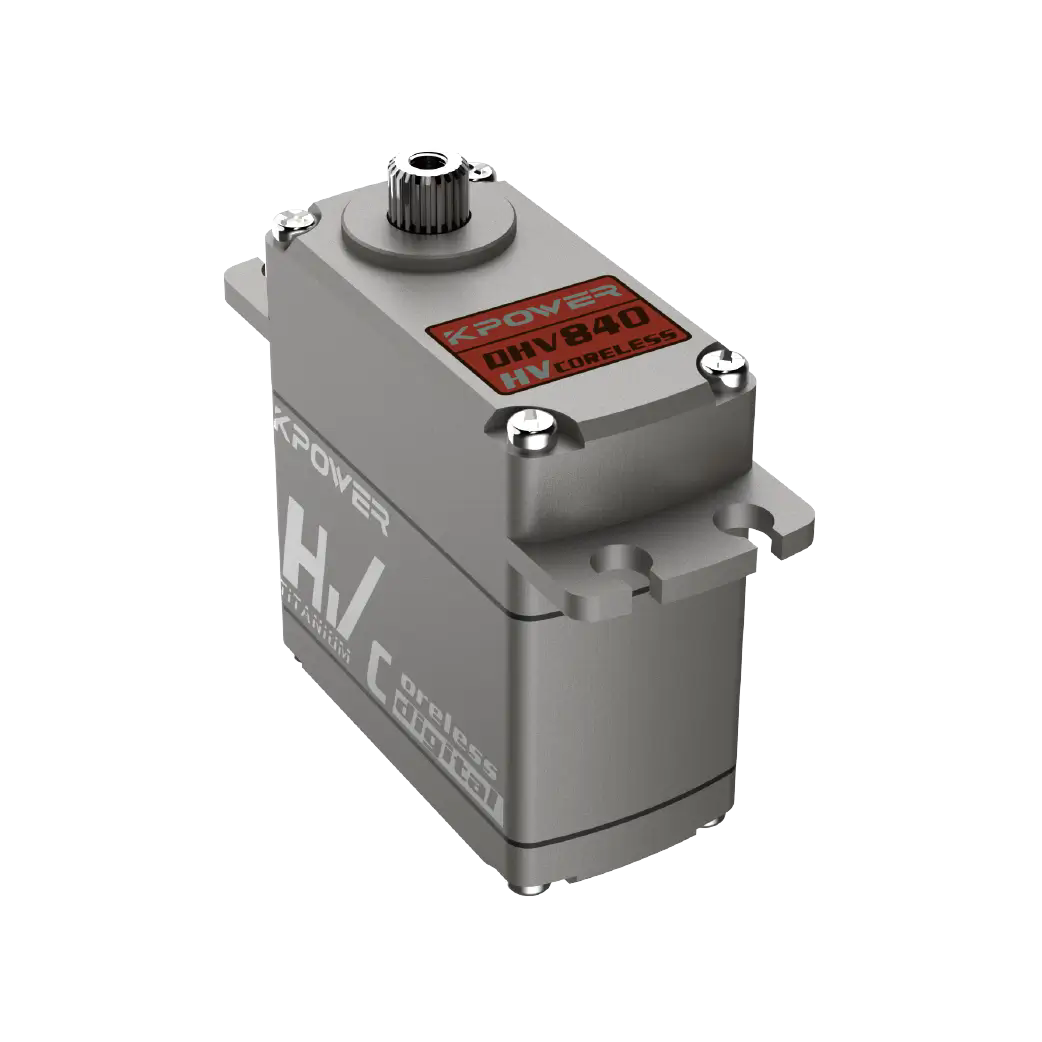
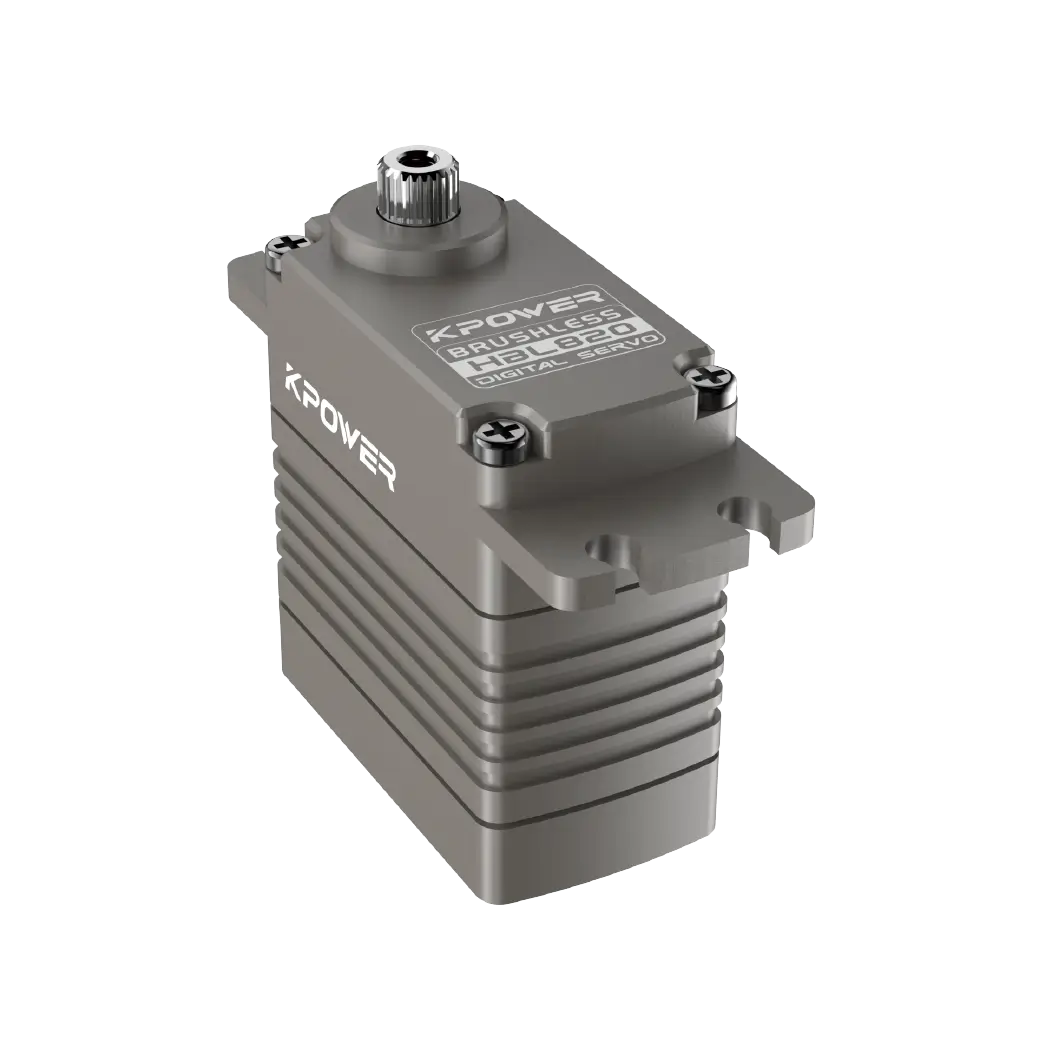
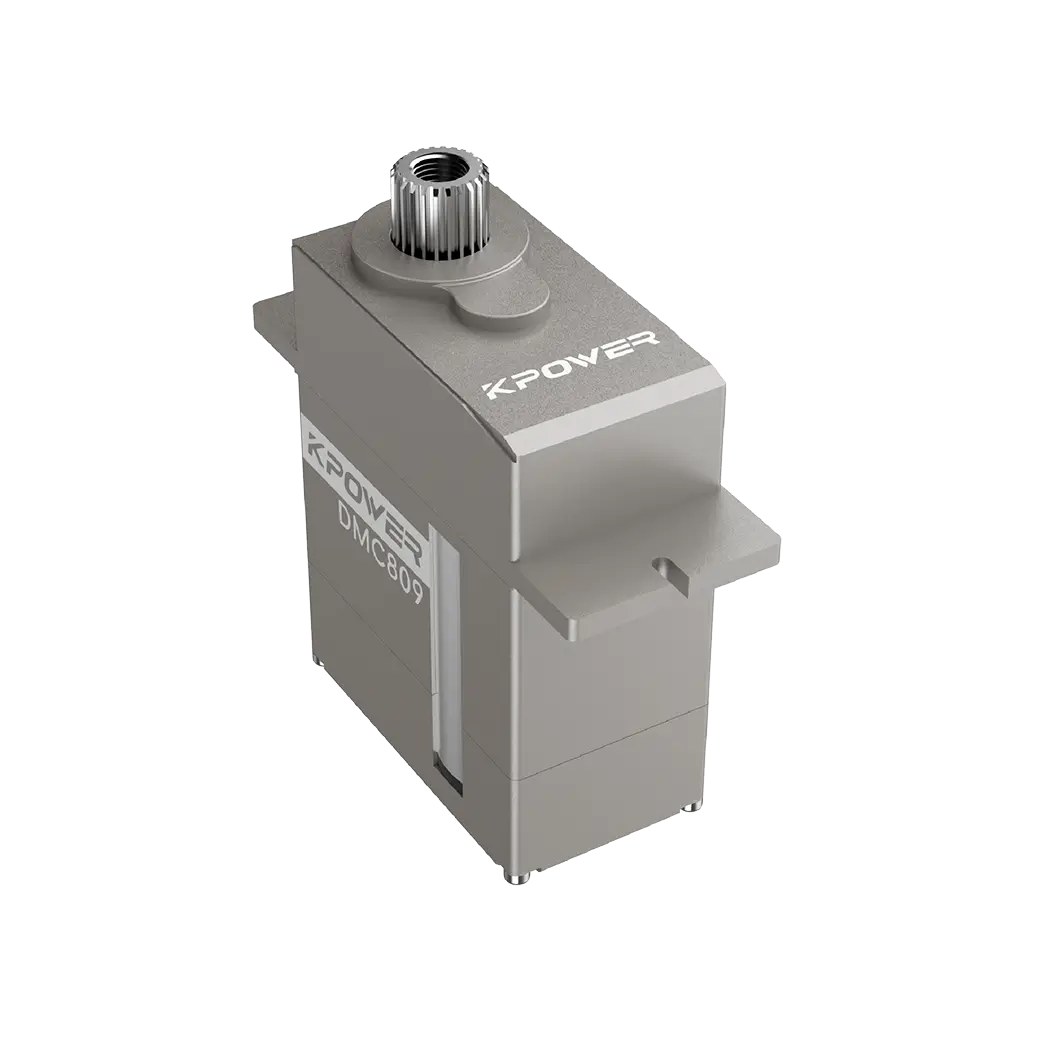
Think of aservoas the bicep of your mechanical creation. If you’re building a heavy-duty robot arm or a steering system for a massive RC scale model, you need that bicep to be dense, reliable, and capable of holding steady under pressure. This is wherekpowersteps into the frame.
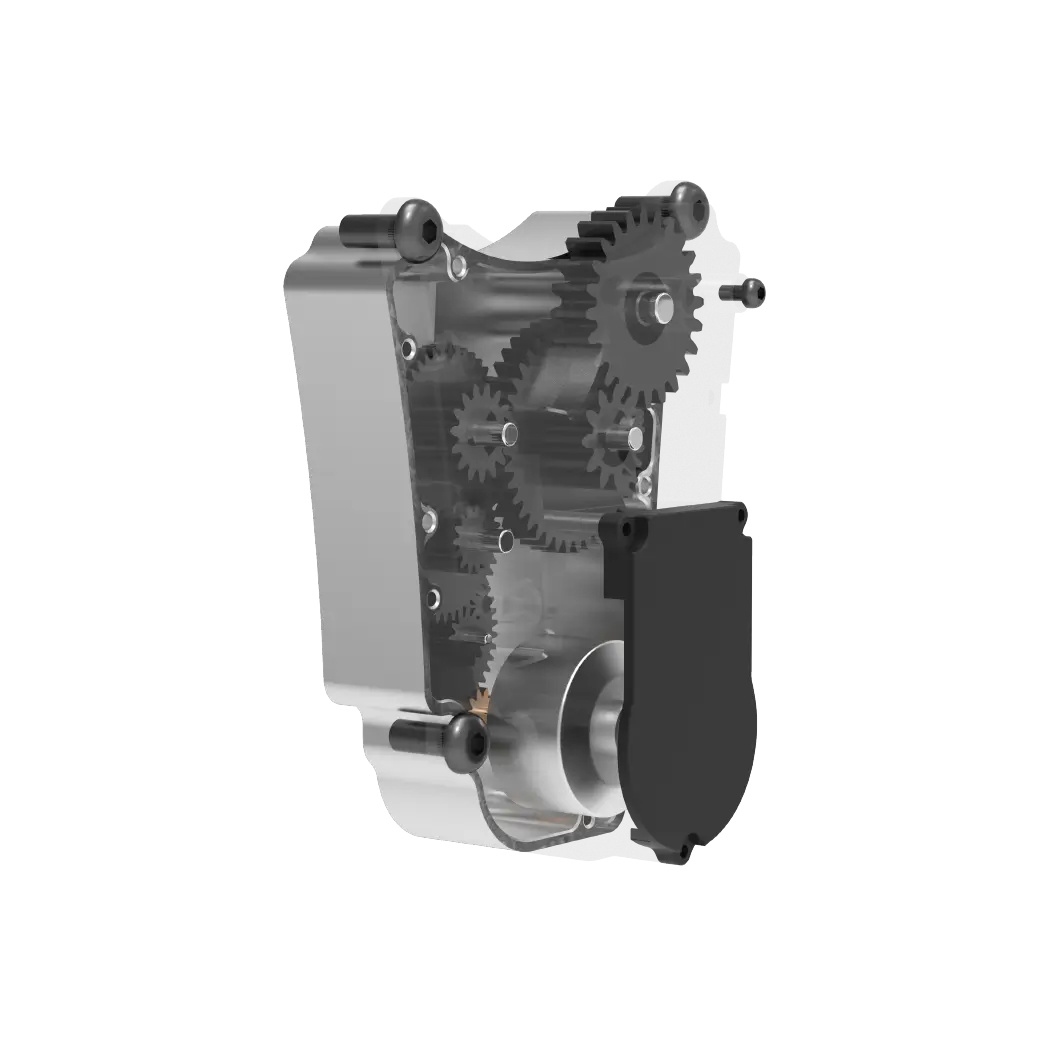
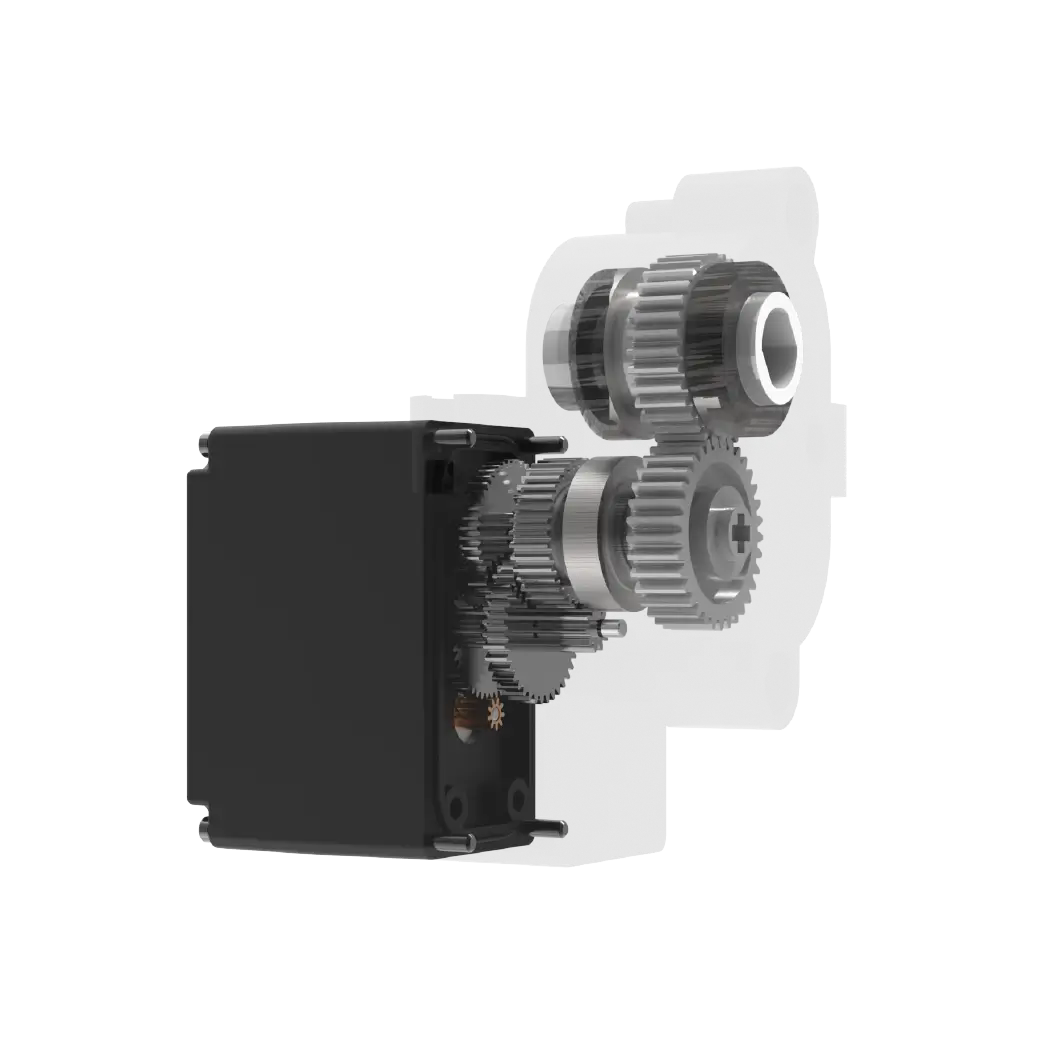
Walking into a specialized production space, you realize that high torque isn't just about "bigger motors." It’s an obsession with the guts of the device. Most people look at the outer shell, but the real story is told in the gear train. If those gears aren't machined with precision, they’ll develop "play" or "backlash." Imagine trying to write your name with a pen taped to the end of a wobbly stick—that’s what happens when a factory doesn’t prioritize gear tolerances.
Why Does the Factory Origin Matter?
You might wonder, "Can't I just buy any servo with a high kg-cm rating?" Well, you could. But ratings on a screen are cheap; actual performance is expensive to build. A dedicated high torque servo factory likekpowertreats every component like a structural pillar.
A Quick Interlude: The "What If" Questions
The Physics of the "Crunch"
Let’s get a bit more rational for a second. Torque is a force multiplied by a distance. If your servo is rated at 40kg-cm, it means it can theoretically lift 40kg at a distance of 1cm from the shaft. But what happens at 5cm? The capacity drops significantly.
In the real world, things aren't always linear. You have friction, you have momentum, and you have those unexpected bumps. This is why when you look at what comes out of the Kpower facility, the focus is on the "peak" vs. "continuous" torque. You want a servo that doesn't just hit its peak for half a second and then give up. You want the endurance of a marathon runner combined with the explosive power of a sprinter.
The Narrative of Reliability
I remember seeing a project where a guy was building an automated gate. He used three different "off-the-shelf" servos he found online. Every single one of them stripped its gears within 48 hours because the wind caught the gate. It wasn't that the servos were "bad"; they just weren't built in a place that understood the sheer violence of mechanical stress.
When he switched to a high-torque unit designed for industrial-level stress, the problem vanished. The gears didn't just hold; they felt "planted." That’s the feeling a professional factory aims for. It’s the sound of a solid thud instead of a high-pitched whine.
What to Look For (Without the Fluff)
If you're scanning through options, stop looking at the colorful stickers. Look at the assembly. Are the screws countersunk? Is the wiring shielded or at least thick enough to handle the current? Does the output shaft have dual ball bearings?
Ball bearings are a huge deal. A high torque servo factory worth its salt won't use bushings on a high-load shaft. Bushings wear down, they create heat, and they eventually cause the shaft to tilt, which kills the gears. Ball bearings keep everything centered, even when the load is trying to rip the shaft out of the casing.
The Kpower Philosophy: Beyond the Spec Sheet
It’s easy to get lost in the numbers. 20kg, 40kg, 60kg… it starts to feel like just another row in a spreadsheet. But the reason Kpower stands out in the motion control world isn't just because they can hit those numbers. It’s because they understand the environment where these servos live.
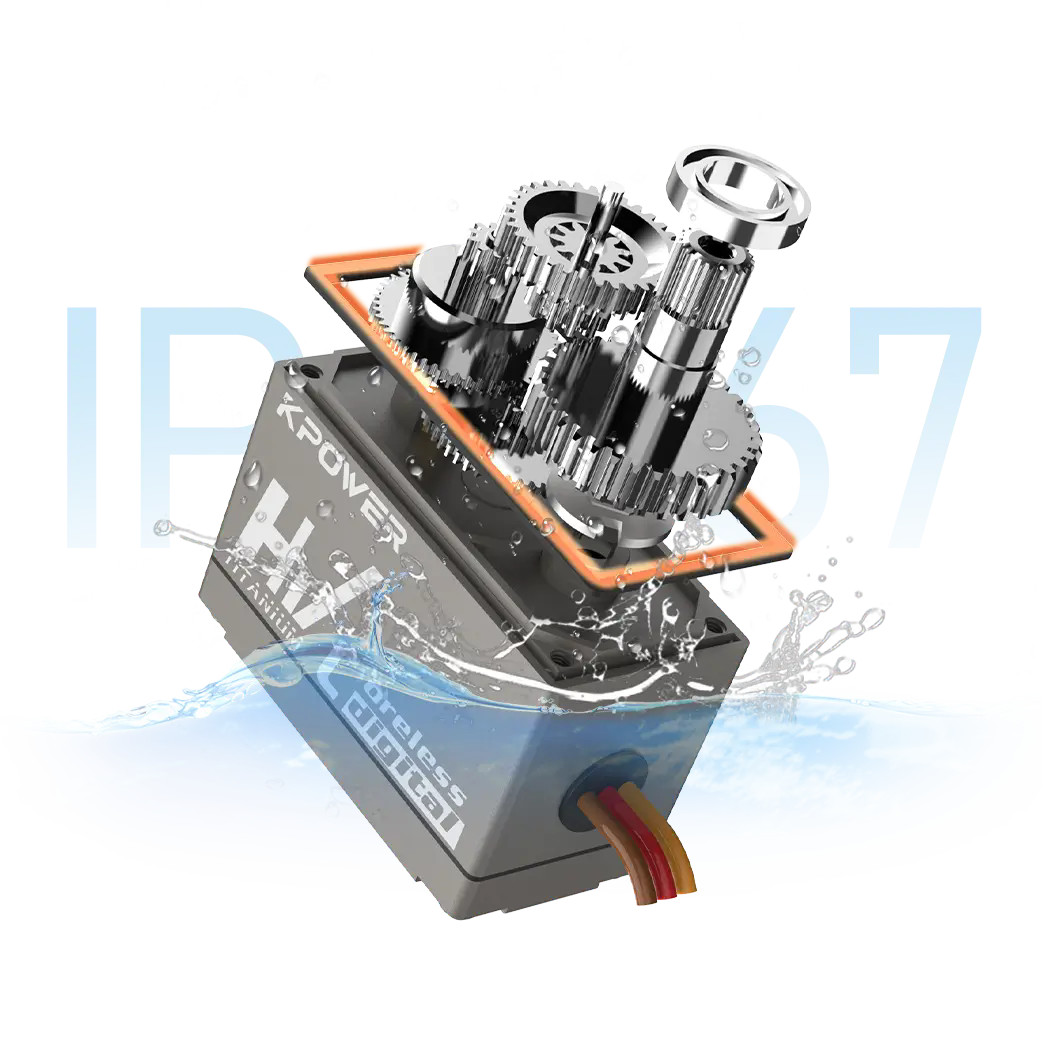
They live in dusty workshops, in the humid air of a greenhouse, or in the vibrating chassis of a heavy-duty robot. The factory doesn't just build a motor; it builds a protective shell around a precision instrument.
Final Thoughts on the Move
Choosing the right motion component is a bit like choosing a teammate. You don't want the one who talks the loudest; you want the one who can carry the heaviest load without complaining.
Next time you’re staring at a design that requires some serious muscle, think about what’s happening inside that little box. Think about the gears, the heat, and the precision. If you start with a foundation from a specialized high torque servo factory, you aren't just buying a part. You’re buying the confidence that when you flip that switch, your project is going to move—exactly how you intended, and for a very long time.
No more jitters. No more stripped gears. Just pure, unadulterated strength. That’s the Kpower way of doing things. It’s not just about moving; it’s about moving with authority.
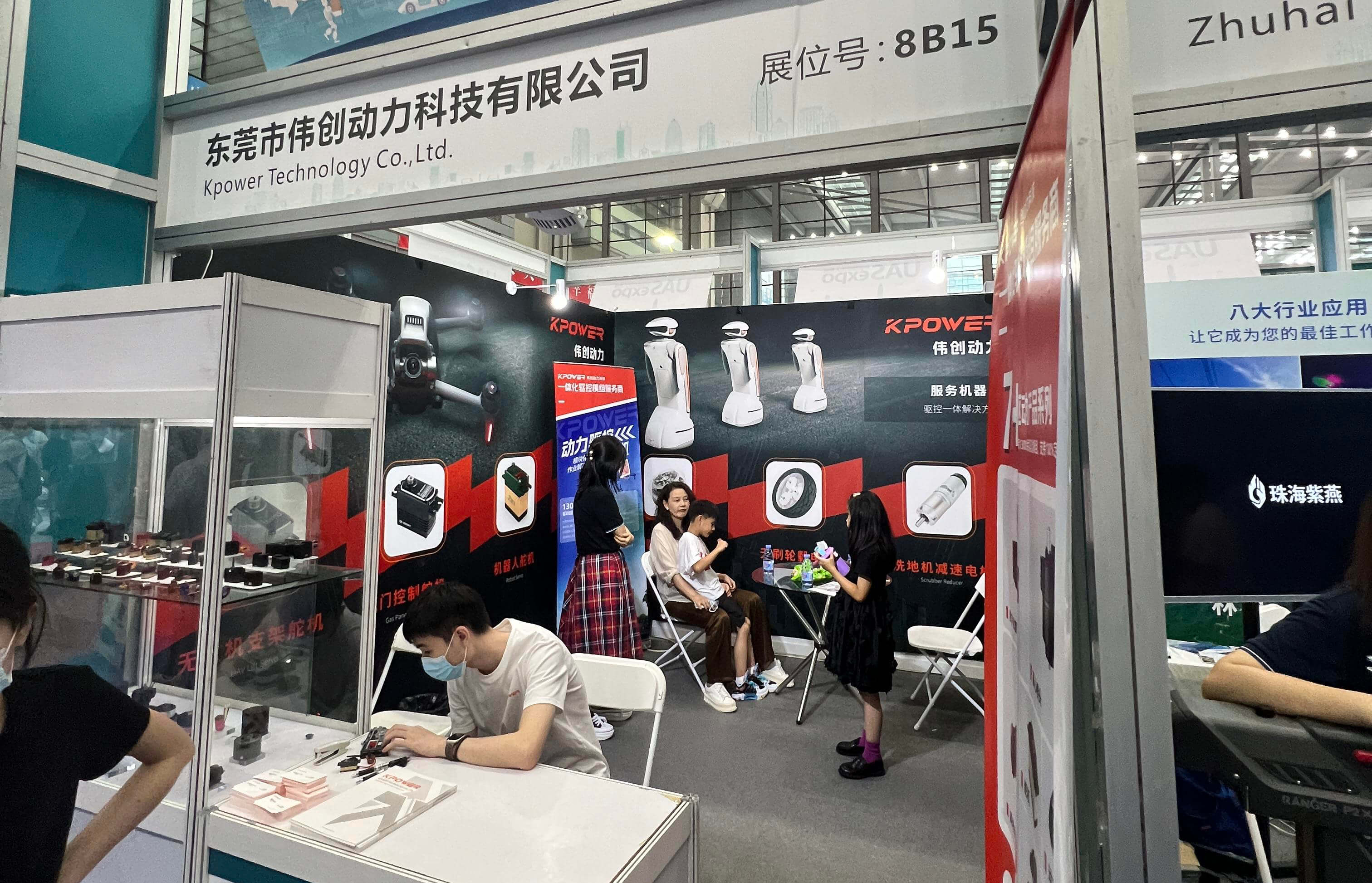
Established in 2005, Kpower has been dedicated to a professional compact motion unit manufacturer, headquartered in Dongguan, Guangdong Province, China. Leveraging innovations in modular drive technology, Kpower integrates high-performance motors, precision reducers, and multi-protocol control systems to provide efficient and customized smart drive system solutions. Kpower has delivered professional drive system solutions to over 500 enterprise clients globally with products covering various fields such as Smart Home Systems, Automatic Electronics, Robotics, Precision Agriculture, Drones, and Industrial Automation.
Update Time:2026-01-22

Contact Kpower's product specialist to recommend suitable motor or gearbox for your product.


