

TECHNICAL SUPPORT


Published 2026-01-22
The weight of a heavy metal arm hanging in the air, trembling slightly as it fights gravity, is a sight that makes any builder hold their breath. It’s that split second where you realize whether your machine has "muscle" or just "movement." In the world of motion control, torque isn't just a number on a spec sheet. It’s the difference between a robot that can actually pick up a heavy load and one that just makes a sad grinding noise before giving up.
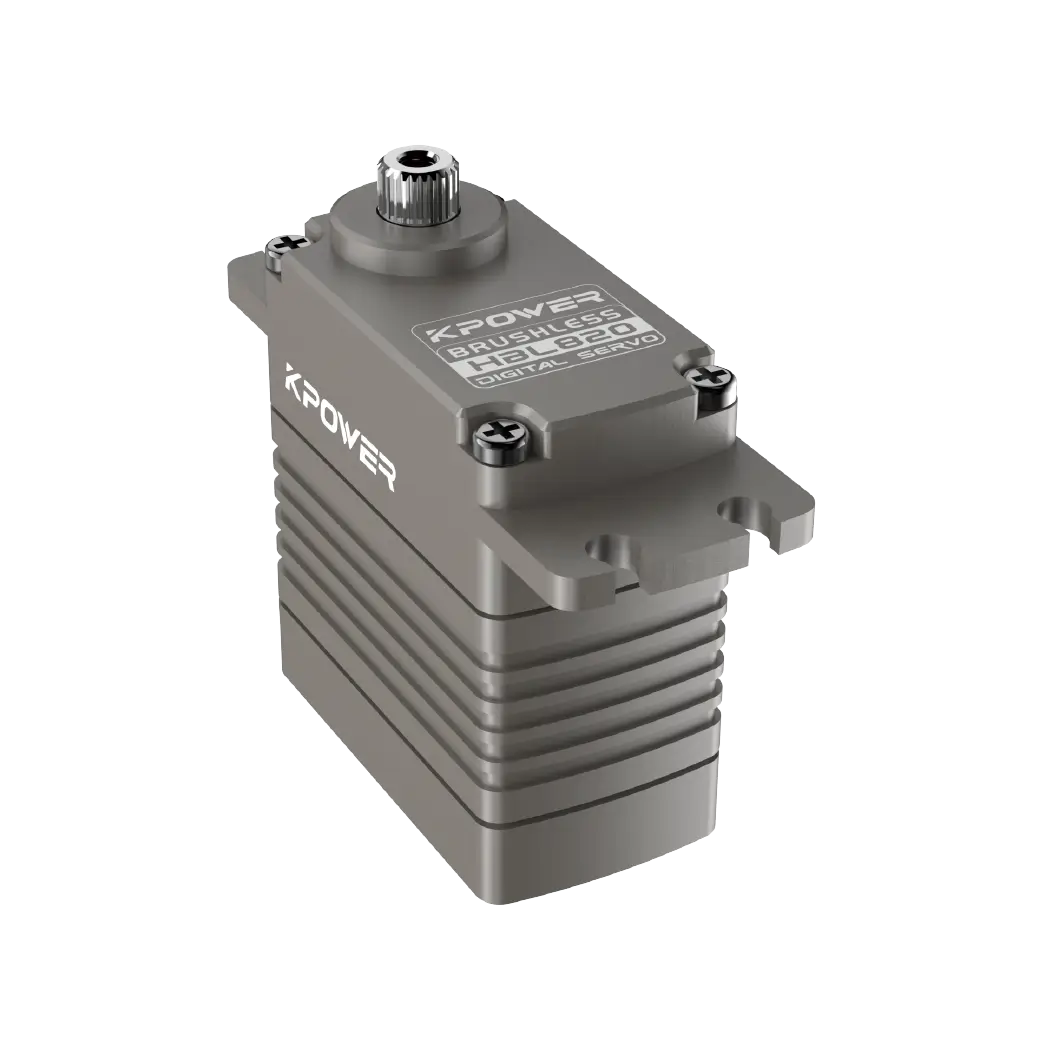
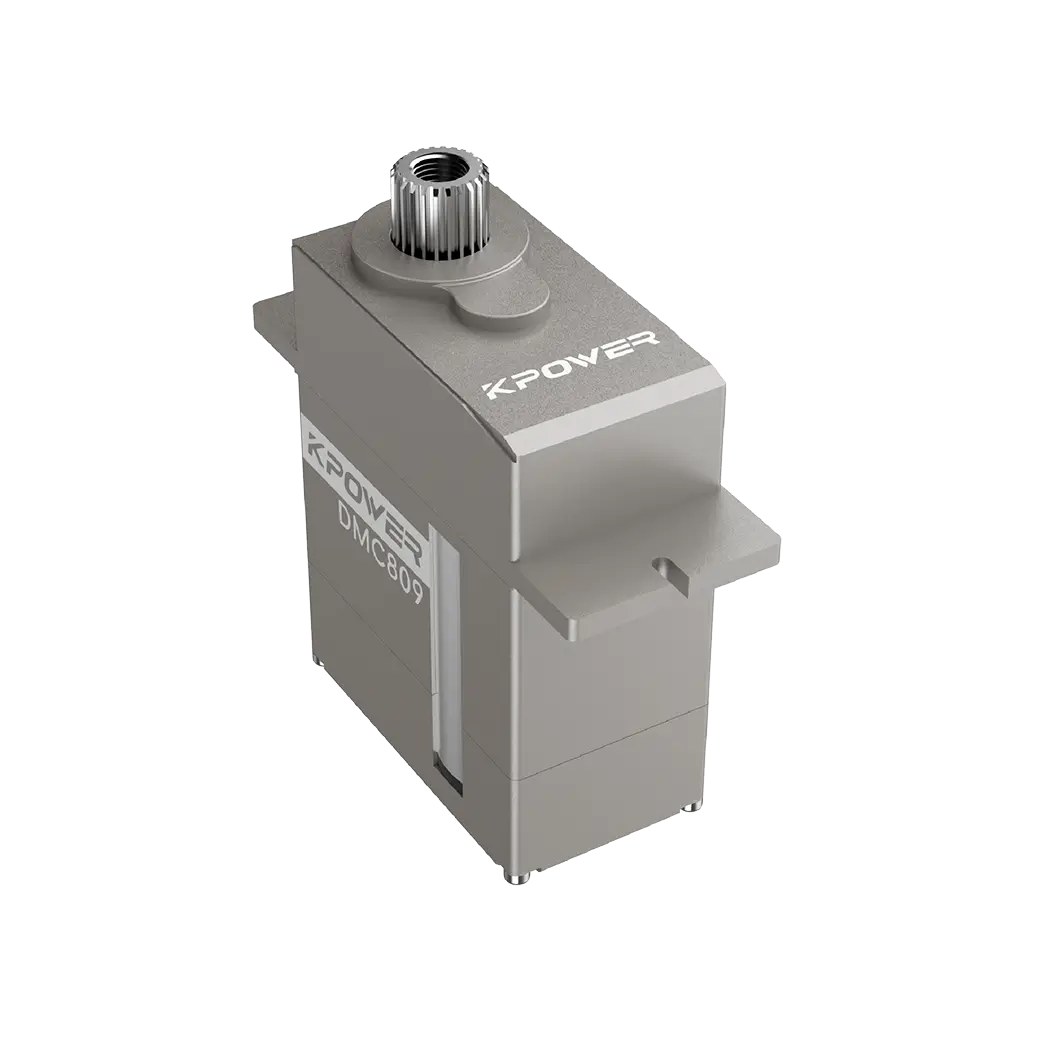
I’ve spent years looking at what happens inside these small boxes. When we talk about high torqueservomanufacturing, most people think about bigger magnets or more wire. But it’s much more visceral than that. It’s about how the metal teeth of a gear set bite into each other without shattering under pressure. Atkpower, the focus isn't on making things pretty; it’s about making them survive.
It’s usually the heat or the teeth. Imagine trying to sprint while carrying a refrigerator. Your heart pumps faster, you get hot, and eventually, your knees might give out. Aservofeels the same. When you demand high torque, the motor draws more current. This creates heat. If the manufacturing doesn't account for how that heat escapes, the internal components start to soften.
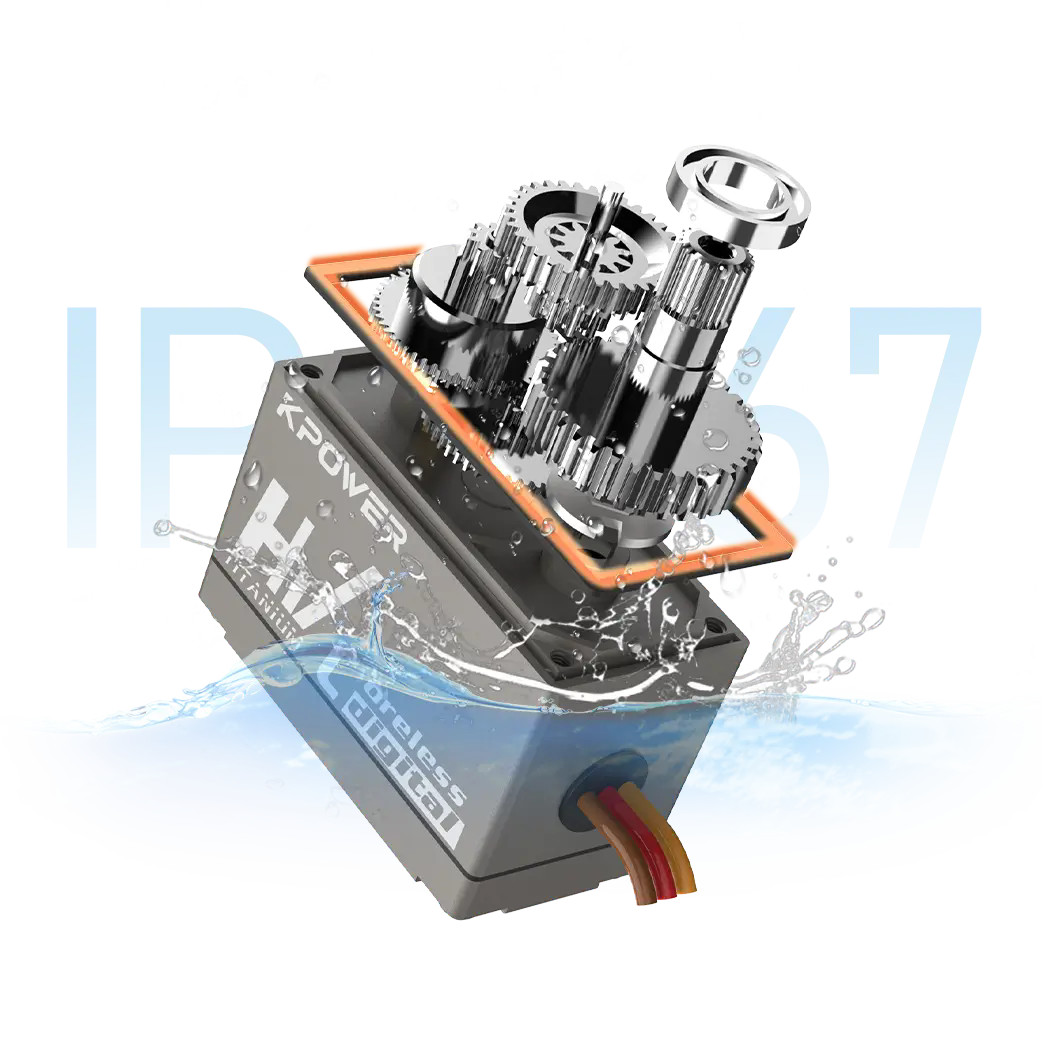
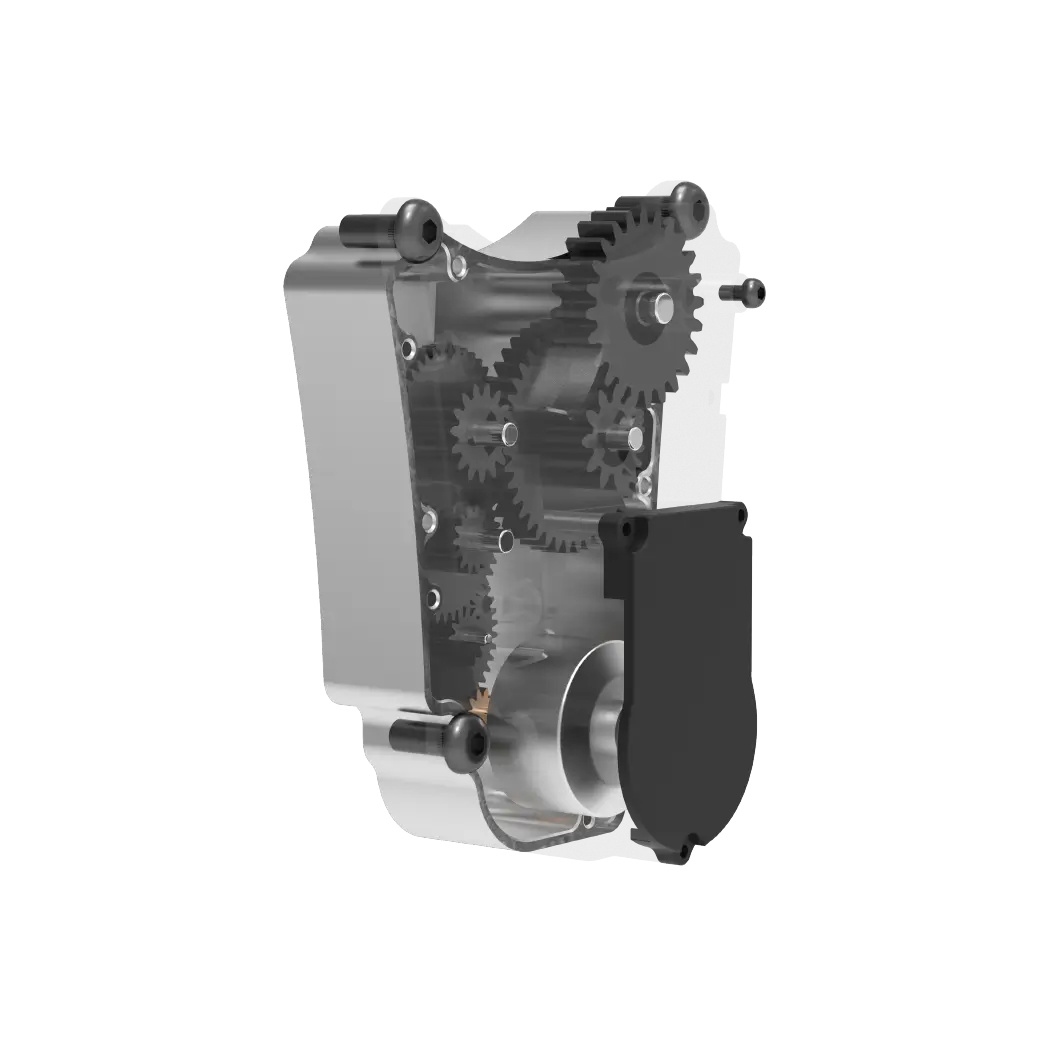
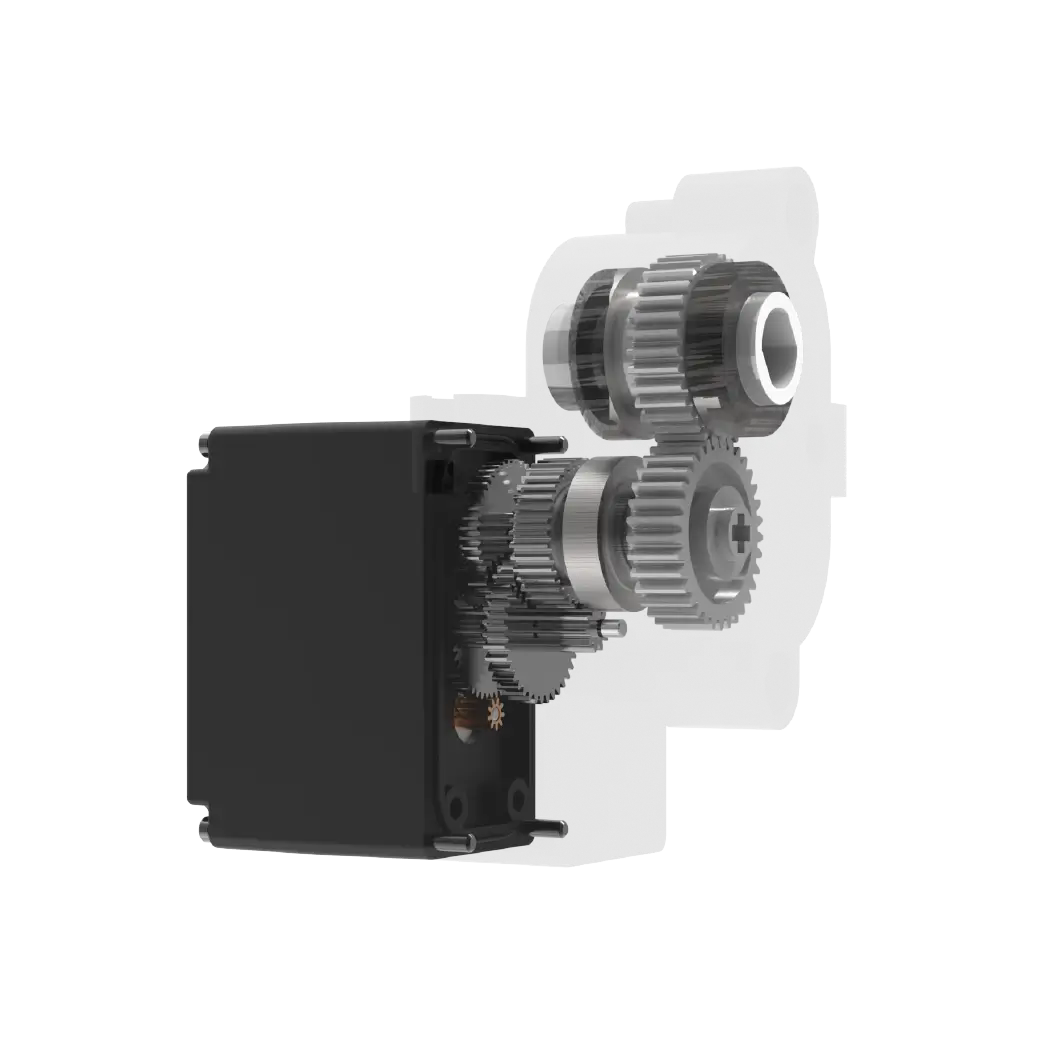
Then there are the gears. Many cheap options use alloys that look shiny but act like butter when things get intense. We’ve seen gears literally stripped bald because the material couldn't handle the sheer force of the output shaft. Atkpower, the manufacturing process treats these gears like the foundation of a skyscraper. You don't build on sand. You use hardened steel or titanium alloys, and you cut them with a level of precision that doesn't leave room for "slop."
Have you ever noticed how some motors scream when they're working hard? That noise is energy escaping. It’s friction. It’s parts that don't quite fit perfectly. High torque manufacturing isn't just about raw power; it’s about efficiency. If the housing isn't perfectly aligned, the motor wastes half its strength just fighting its own shell.
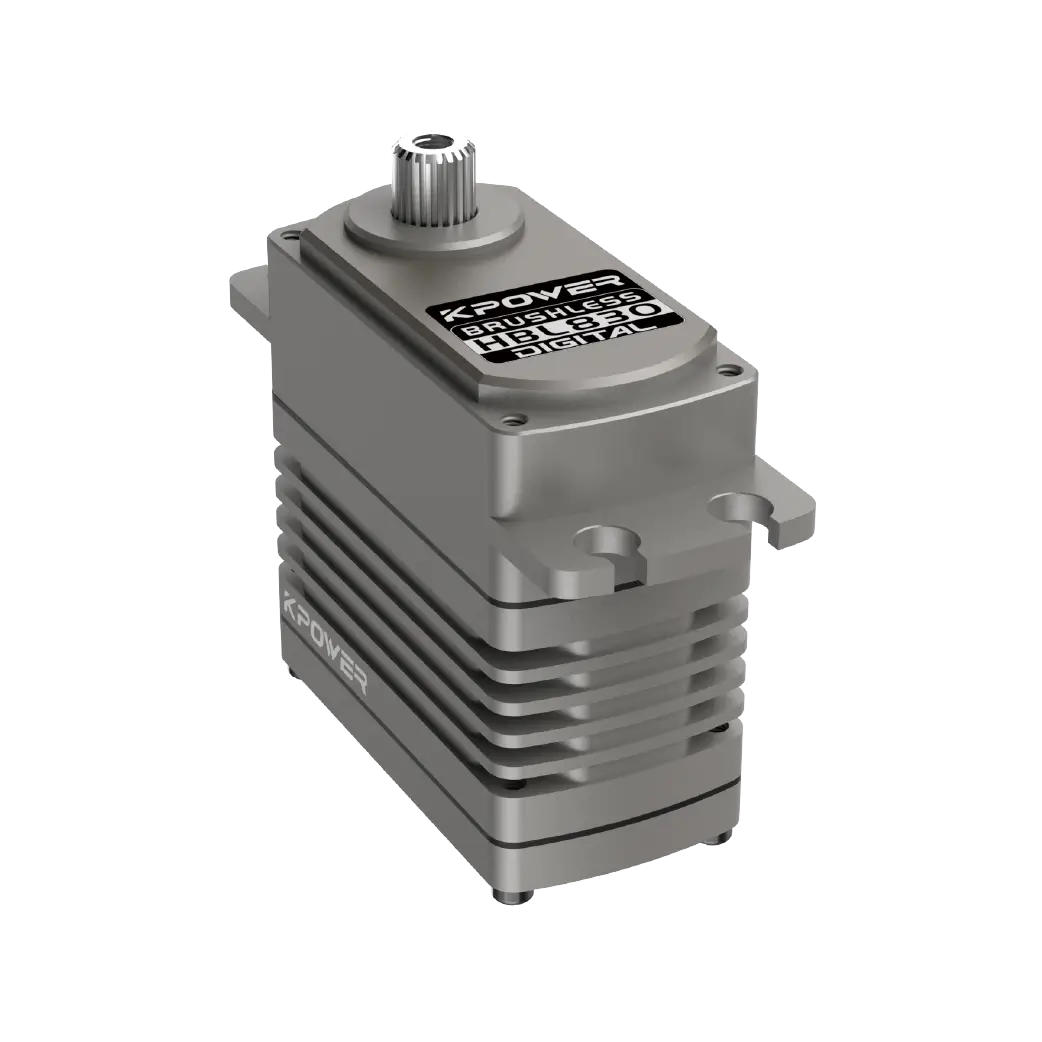
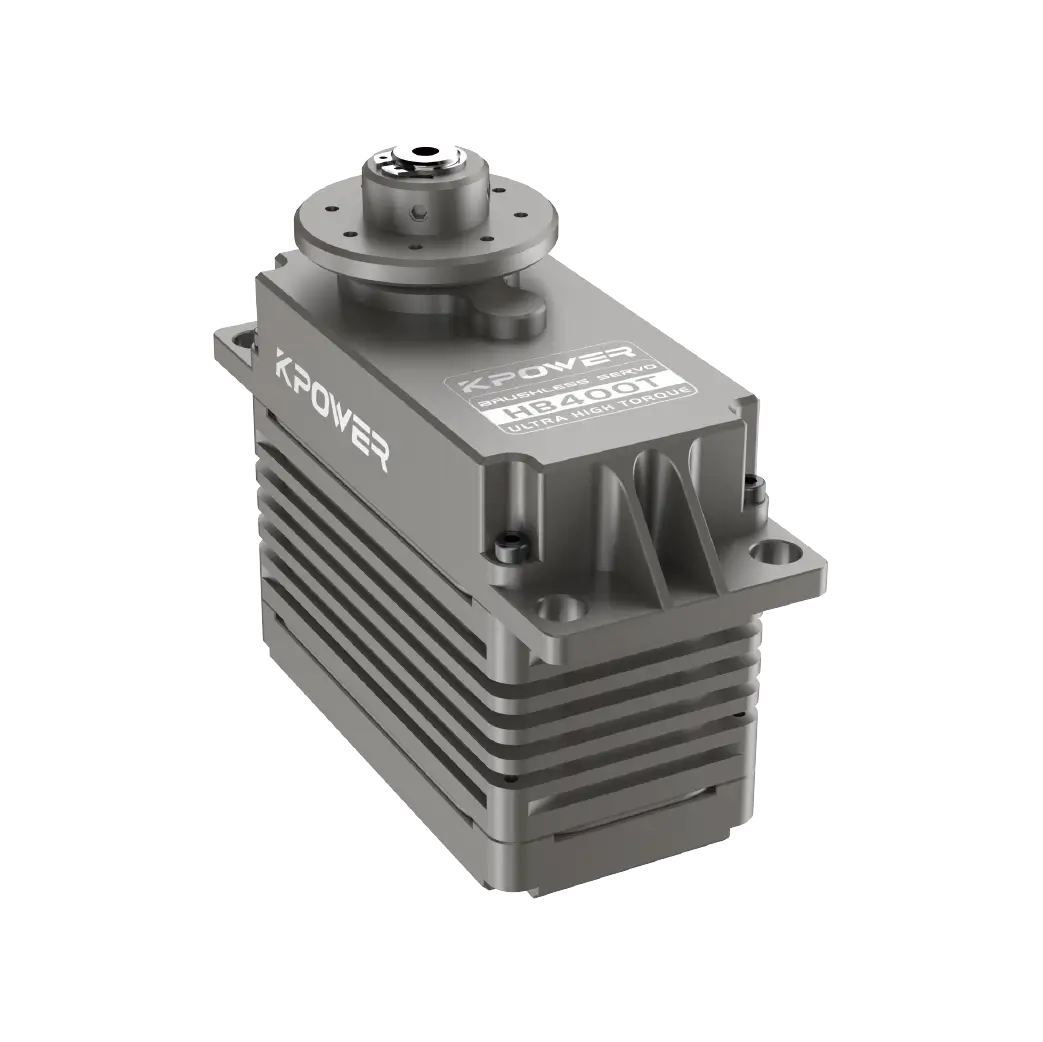
kpowerfocuses on the rigidity of the case. We often use aluminum heat-sink shells, not just because they look cool, but because they act as a radiator. It keeps the core cool so the torque stays consistent from the first minute of operation to the hundredth. If the temperature spikes, the performance drops. It’s that simple.
Q: Can’t I just over-volt a standard motor to get more torque? A: You can, for about thirty seconds. Then you’ll smell something burning. Torque is about the magnetic field and the mechanical leverage of the gear train. Pushing more voltage into a motor not designed for it just turns it into an expensive heater.
Q: Why does Kpower use specific gear ratios for high torque? A: It’s a trade-off. You want to lift a house? You move slowly. You want to swat a fly? You move fast. High torque requires a gear reduction that multiplies the motor's power without creating so much friction that the gears weld themselves together. We find that sweet spot where the response is still crisp but the strength is massive.
Q: Is metal always better than plastic for gears? A: For high torque? Absolutely. Plastic has its place in light toys, but once you’re moving kilograms of weight or resisting wind pressure on a large flap, plastic will flex. Flex leads to misalignment, and misalignment leads to a "pop" you never want to hear.
Walk into a place where these are made, and you won’t see just assembly lines. You see testing rigs that look like torture chambers. To make a high torque servo that actually lasts, you have to try to break it first. We push the limits of the stall torque—the point where the motor is trying to move but can't—to see exactly where the failure point lies.
At Kpower, we’ve found that the secret is often in the grease. It sounds boring, right? But at high pressures, standard lubricant gets squeezed out from between the gear teeth. You need specialized, high-pressure synthetic grease that stays put even when the gears are trying to crush it. It’s these small, gritty details that keep a machine moving when everything else is failing.
When you’re looking at a project—whether it’s a heavy-duty industrial valve, a massive RC aircraft, or a robotic limb—don’t just look at the peak torque. Look at the "continuous" torque. Anyone can claim a high number for a fraction of a second. The real trick is maintaining that force without the electronics melting.
We’ve seen people try to save a few dollars on the servos for a project that cost thousands. It’s like putting bicycle brakes on a semi-truck. It works until you actually need to stop. Kpower builds for those "need to stop" or "need to hold" moments.
Think about the feedback loop too. A high torque motor is useless if it doesn't know where it is. The potentiometers or encoders inside have to be just as rugged as the gears. If the vibration from the high-load movement shakes the sensor loose, the whole system goes haywire. We make sure the "brain" is shielded from the "brawn."
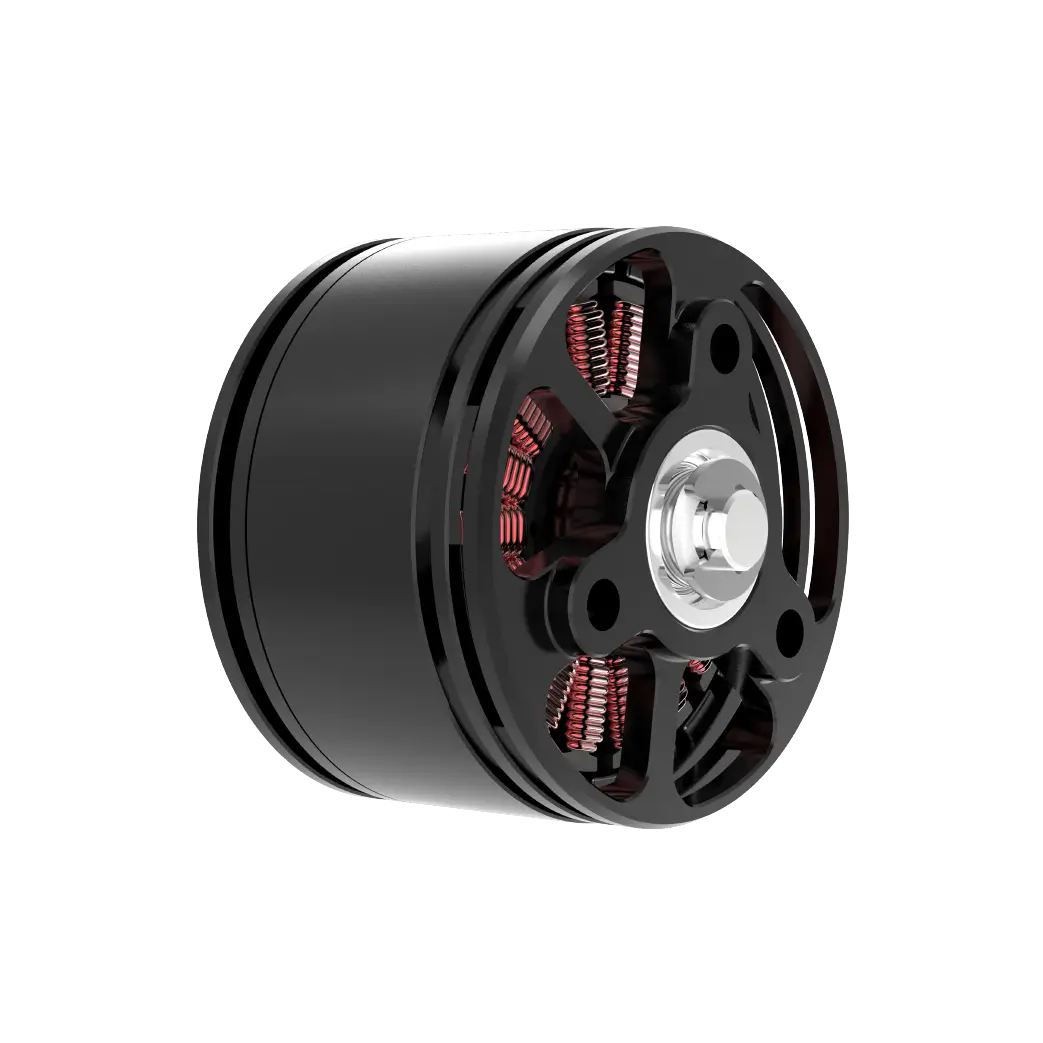
Sometimes, the best way to increase torque wasn't to make the motor bigger, but to change how the wires were wound. It’s a bit of an art form. Tighter winds, better copper quality, and more powerful magnets. It’s a puzzle where every piece affects the others. If you change the magnet, you have to rethink the gear material. If you change the gears, you have to rethink the housing.
At Kpower, we don't just assemble parts. We evolve them. We’ve had designs that worked great on paper but failed in the dusty, vibrating reality of a construction site or a high-altitude drone flight. We took those failures, looked at the scarred metal, and went back to the CNC machines.
The goal is a machine that does exactly what it’s told, every single time. No jitters, no sagging, and no excuses. When you pick up a Kpower unit, you’re holding the result of a thousand small decisions. Do we use this screw or that one? Do we coat the circuit board to prevent moisture damage? (Yes, we do.)
In the end, it’s about confidence. When you flip the switch, you need to know that the torque you paid for is actually going to show up to work. It’s not about being the loudest in the room; it’s about being the one that doesn't break when the load gets heavy. That’s what high torque manufacturing means to us. It’s the muscle that doesn't quit.
Established in 2005, Kpower has been dedicated to a professional compact motion unit manufacturer, headquartered in Dongguan, Guangdong Province, China. Leveraging innovations in modular drive technology, Kpower integrates high-performance motors, precision reducers, and multi-protocol control systems to provide efficient and customized smart drive system solutions. Kpower has delivered professional drive system solutions to over 500 enterprise clients globally with products covering various fields such as Smart Home Systems, Automatic Electronics, Robotics, Precision Agriculture, Drones, and Industrial Automation.
Update Time:2026-01-22

Contact Kpower's product specialist to recommend suitable motor or gearbox for your product.


