

TECHNICAL SUPPORT


Published 2026-01-22
The Muscle Behind the Motion: Why Settling for Weakservos Ruins Everything
You have everything ready. The frame is bolted down, the code is clean, and the power supply is humming. But the moment the arm tries to lift the weight, it stops. There’s a pathetic buzzing sound, a twitch, and then… nothing. Or worse, the sickening "crunch" of plastic teeth stripping inside a gearbox. It’s a scene played out in workshops and labs every day. People often chase speed or price, but when the real work starts, torque is the only currency that matters.
Finding high torqueservosuppliers isn't just about looking at a spec sheet and picking the biggest number. It’s about finding hardware that doesn’t lie to you.
Most off-the-shelfservos are built for hobbyists who just want to move a flap on a foam airplane. They aren't built for "load." Torque is basically the muscle of your machine. If you’re building something that needs to hold a position against gravity or push through resistance, you need a high-pressure solution.
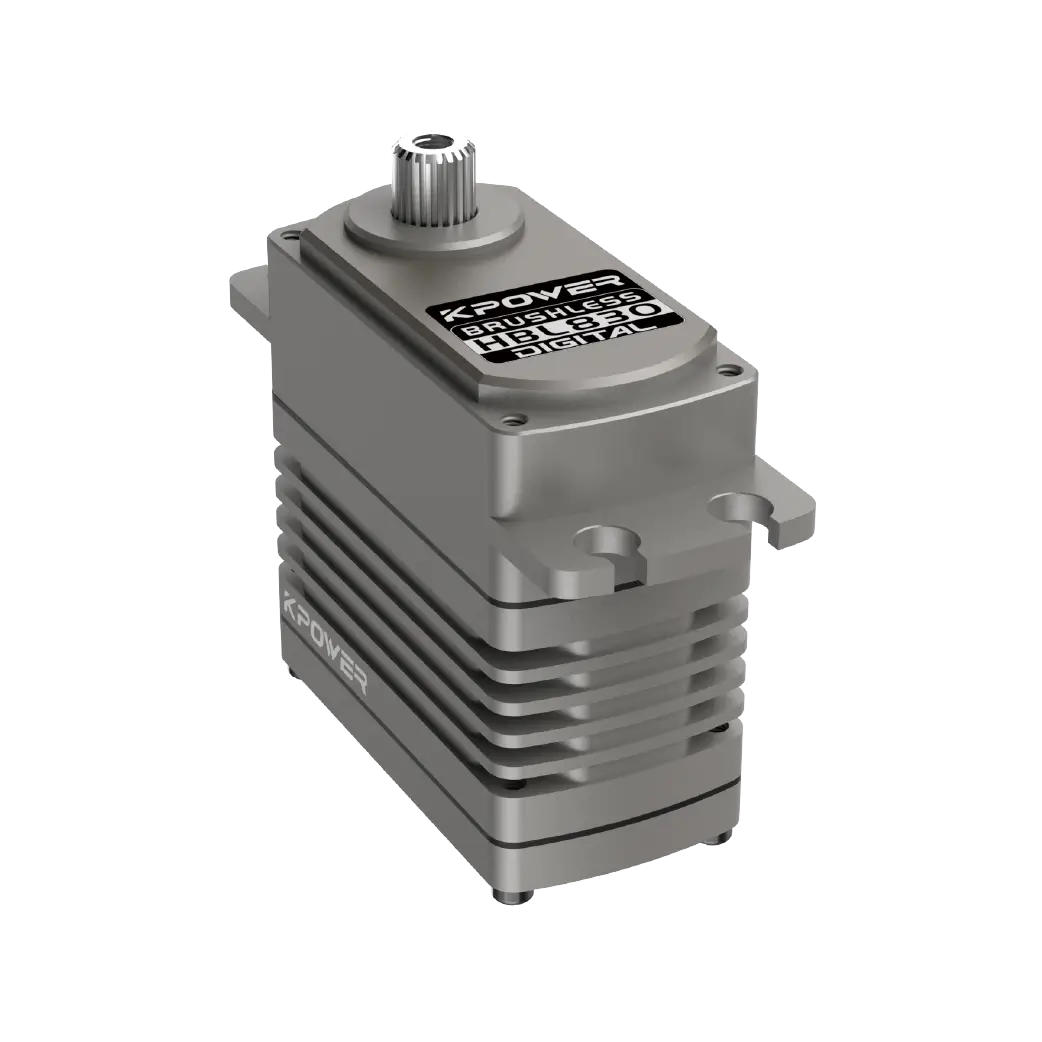
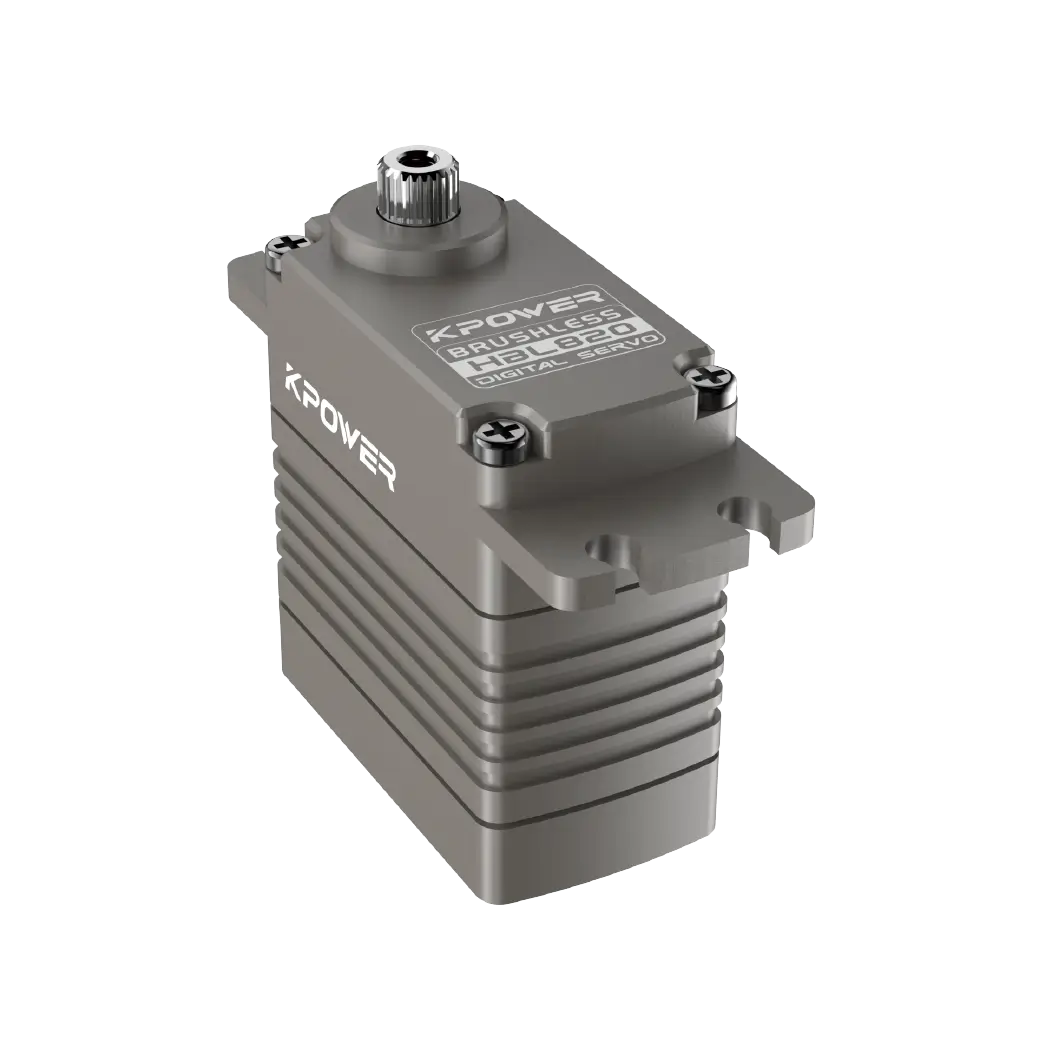
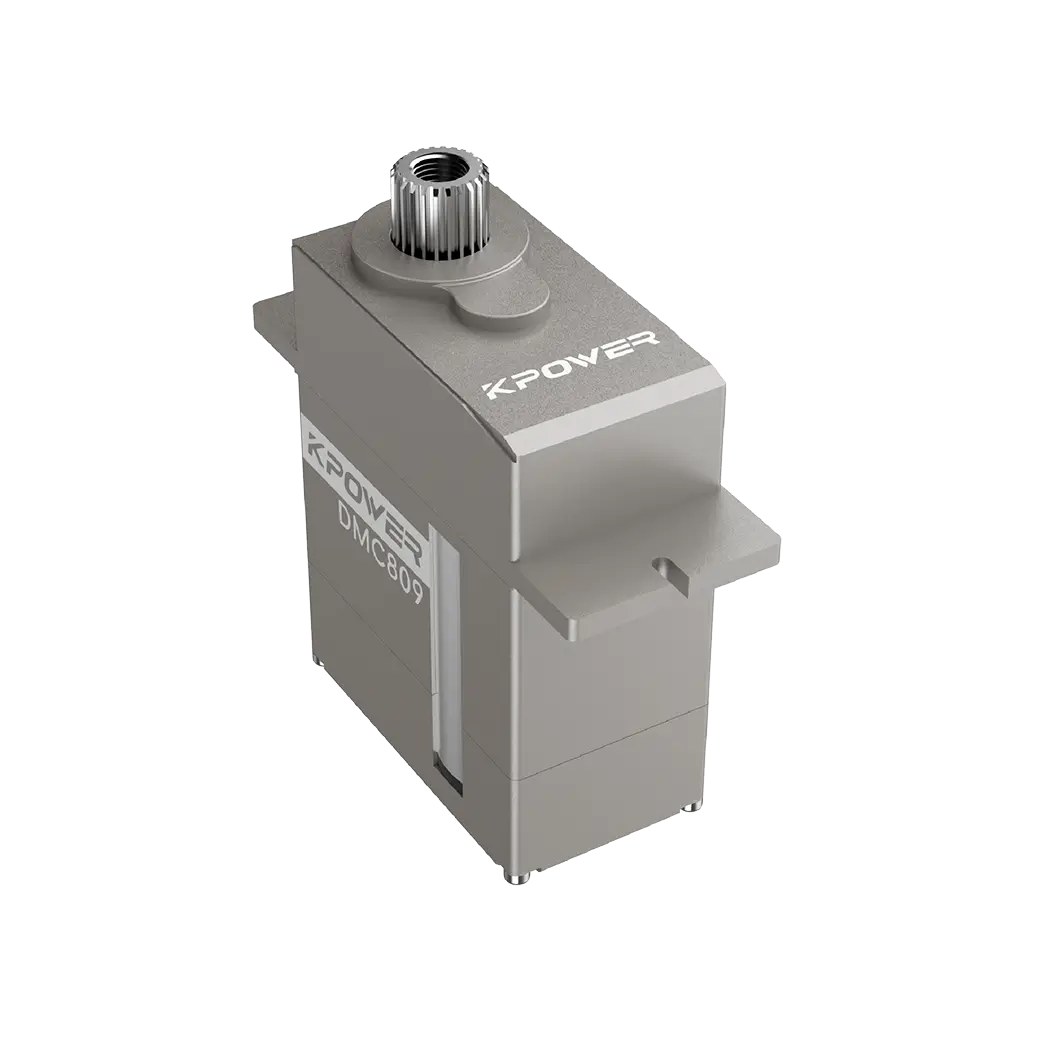
The problem is that many suppliers over-promise. They give you a stall torque rating that looks great on paper but causes the motor to overheat in three minutes. Heat is the silent killer. It’s like a marathon runner trying to sprint in a sauna; eventually, the heart (the motor) just gives up. This is where the difference between a generic component and akpoweractuator becomes obvious.
What makes a servo actually "high torque"? It isn't just a bigger motor. It’s a combination of three things:
kpowerhas spent a lot of time perfecting this trifecta. When you hold one, it feels heavy. It feels like a tool, not a toy. That weight is the heat-sinking and the metal internals that actually do the heavy lifting.
Probably not. People get obsessed with "kg-cm" ratings. But have you thought about holding power? There is a massive difference between a motor that can move 50kg and a motor that can hold 50kg without jittering like it’s had too much coffee.
Accuracy matters just as much as raw strength. If a servo has high torque but a massive deadband (the "gap" where it doesn't react), your machine will feel sloppy. It’s like trying to drive a truck with two feet of play in the steering wheel. You want a supplier that understands the balance between "brute force" and "surgical precision."
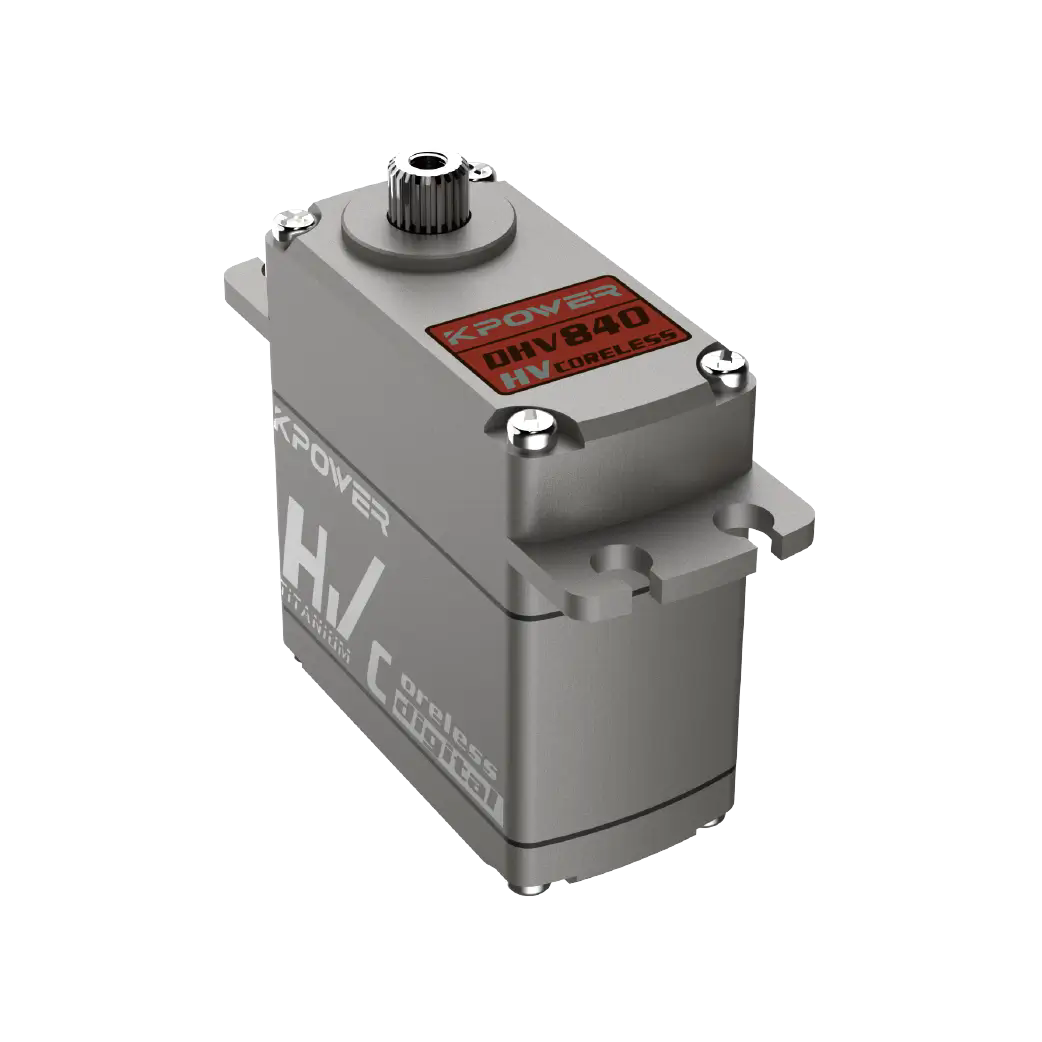
"Can I just run my servo at a higher voltage to get more torque?" Sure, if you like the smell of burning electronics. Over-volting a motor designed for 6V by pushing 12V through it might give you a temporary boost, but you’re effectively melting the internal insulation. It’s better to choose a high-voltage (HV) servo from the start.kpowerdesigns specific HV lines that handle up to 8.4V or even higher, giving you that extra punch safely.
"Why does my servo get hot even when it isn't moving?" This is usually "static load." If the servo is fighting gravity to stay in one place, the motor is constantly working. If the internal logic isn't smart, it will just keep pumping current until it fries. Good suppliers use smart firmware to manage this current.
"Does the size always dictate the power?" Not anymore. With modern rare-earth magnets and high-density windings, small servos can now output torque that used to require a brick-sized motor ten years ago. It’s about the efficiency of the design.
The path to a successful project is usually paved with broken, cheap parts. You try to save thirty dollars on a supplier, and you end up spending three hundred dollars in replacement parts and lost time. It’s a classic trap.
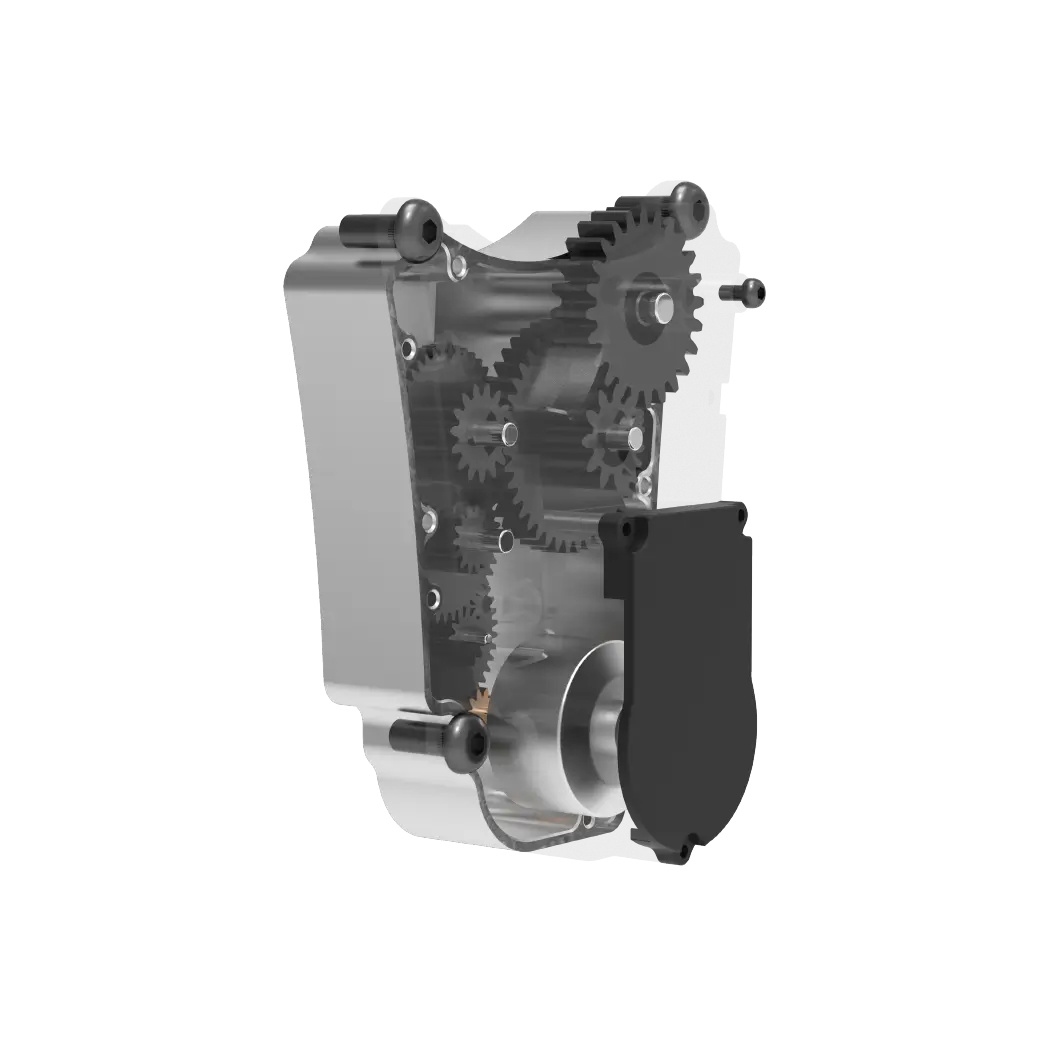
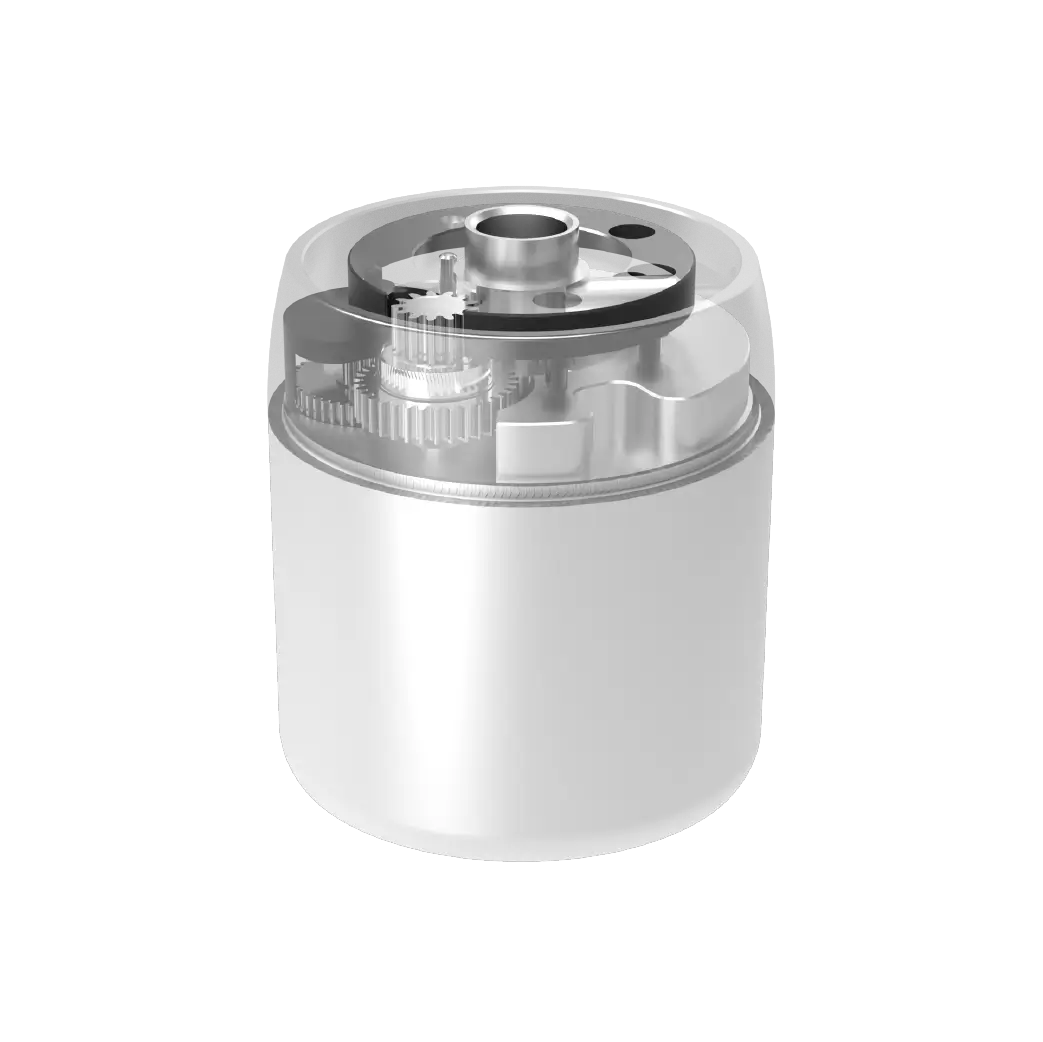
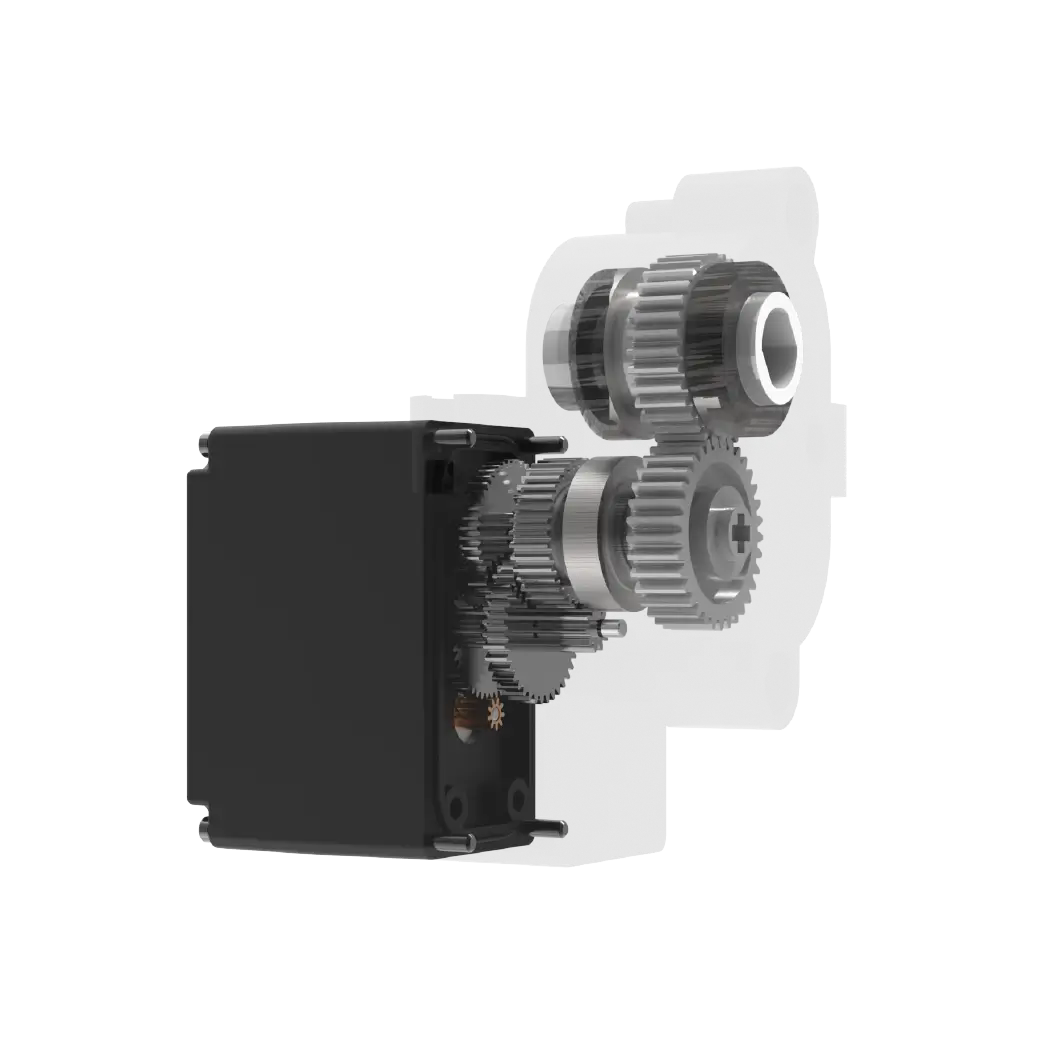
When looking at high torque servo suppliers, look for those who actually show you the internals. Look for the ones who talk about gear ratios and thermal dissipation. Kpower stands out because the focus isn't on being the cheapest—it's on being the one that's still working six months from now.
If you are tired of the "crunch" and the "buzz," it might be time to stop treating servos like disposable parts. Treat them like the heartbeat of your machine. When the torque is high and the build is solid, everything else just falls into place. No more jitter, no more stripped gears, just smooth, relentless power. That is how a project should feel.
Established in 2005, Kpower has been dedicated to a professional compact motion unit manufacturer, headquartered in Dongguan, Guangdong Province, China. Leveraging innovations in modular drive technology, Kpower integrates high-performance motors, precision reducers, and multi-protocol control systems to provide efficient and customized smart drive system solutions. Kpower has delivered professional drive system solutions to over 500 enterprise clients globally with products covering various fields such as Smart Home Systems, Automatic Electronics, Robotics, Precision Agriculture, Drones, and Industrial Automation.
Update Time:2026-01-22

Contact Kpower's product specialist to recommend suitable motor or gearbox for your product.


