

TECHNICAL SUPPORT


Published 2026-01-22
It’s 2 AM. The coffee is cold, the desk is a chaotic landscape of jumper wires, and your Arduino is blinking rhythmically. Everything seems perfect on the screen, but the mechanical arm you’ve been building is doing a jittery dance that looks more like a glitch than a precise movement. You’ve been there, right? That moment when you realize the code is solid, but the hardware is failing the vision.
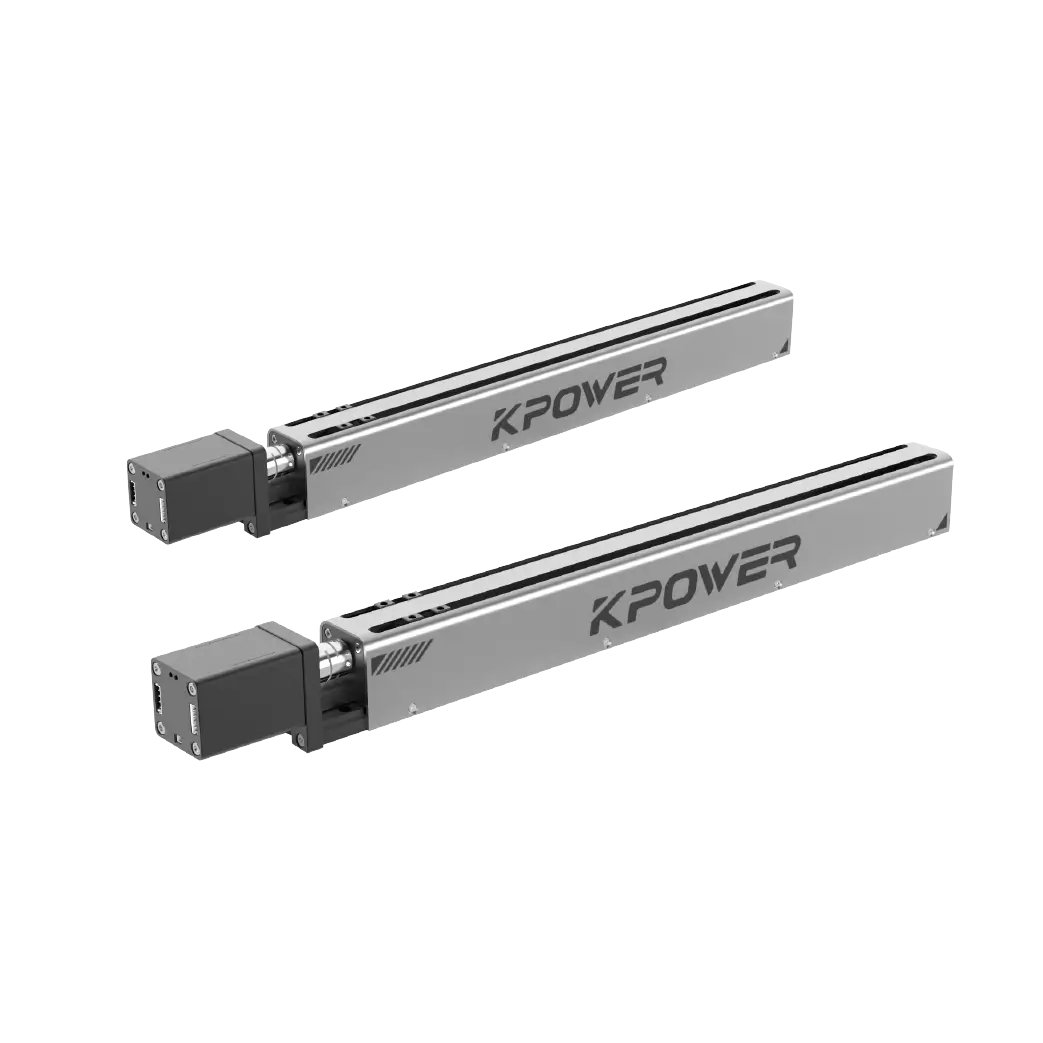
Choosing a motor isn't just about picking something that spins. It’s about finding the heartbeat of your machine. When you search for an Arduino motor stepper manufacturer, you’re usually looking for a way out of this frustration. You want something that doesn't just "work" but thrives under pressure.
Most people start their journey with the cheapest components they can find. It makes sense at first. Why spend more when a motor is just a motor? But then the skipped steps start. You command a 90-degree turn, and you get 87. Or maybe 92. Over a hundred cycles, that tiny error turns your precision project into a wandering mess.
This isn't just annoying; it’s a project killer. If you’re building a 3D printer, a camera slider, or a small robotic sorter, "close enough" is never actually enough. You need torque that doesn't fade when the motor gets warm. You need a build quality that doesn't rattle itself apart.
When we talk about moving parts, heat is the enemy. A lot of generic steppers turn into space heaters after ten minutes of use. That heat isn't just wasted energy; it’s the sound of the motor’s lifespan shrinking.kpowerapproaches this differently. The focus here is on thermal efficiency and internal tolerances.
Think of it like a high-end watch versus a plastic toy. Both tell time, but one does it with a grace that lasts decades.kpowermotors are built to handle the micro-stepping demands of modern Arduino controllers without breaking a sweat. When the pulses from your board hit the coils, you want a crisp, immediate response. No lag, no whine, just smooth, calculated motion.
Let’s get rational for a second. In the world of mechanics, precision is the product of physics and material science. If the magnets aren't aligned perfectly, or if the copper winding is sloppy, the magnetic field is uneven. This leads to "cogging," that chunky feeling you get when you rotate a cheap motor by hand.
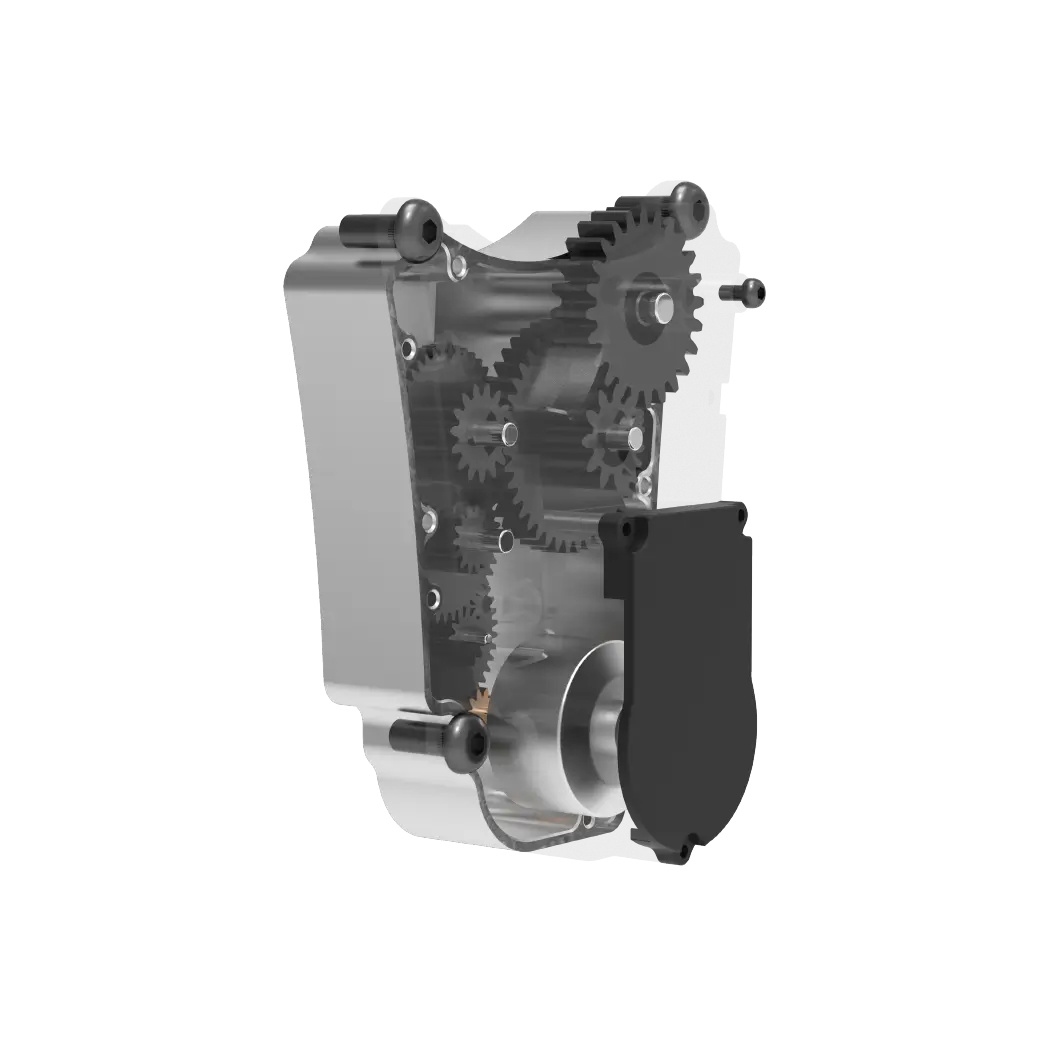
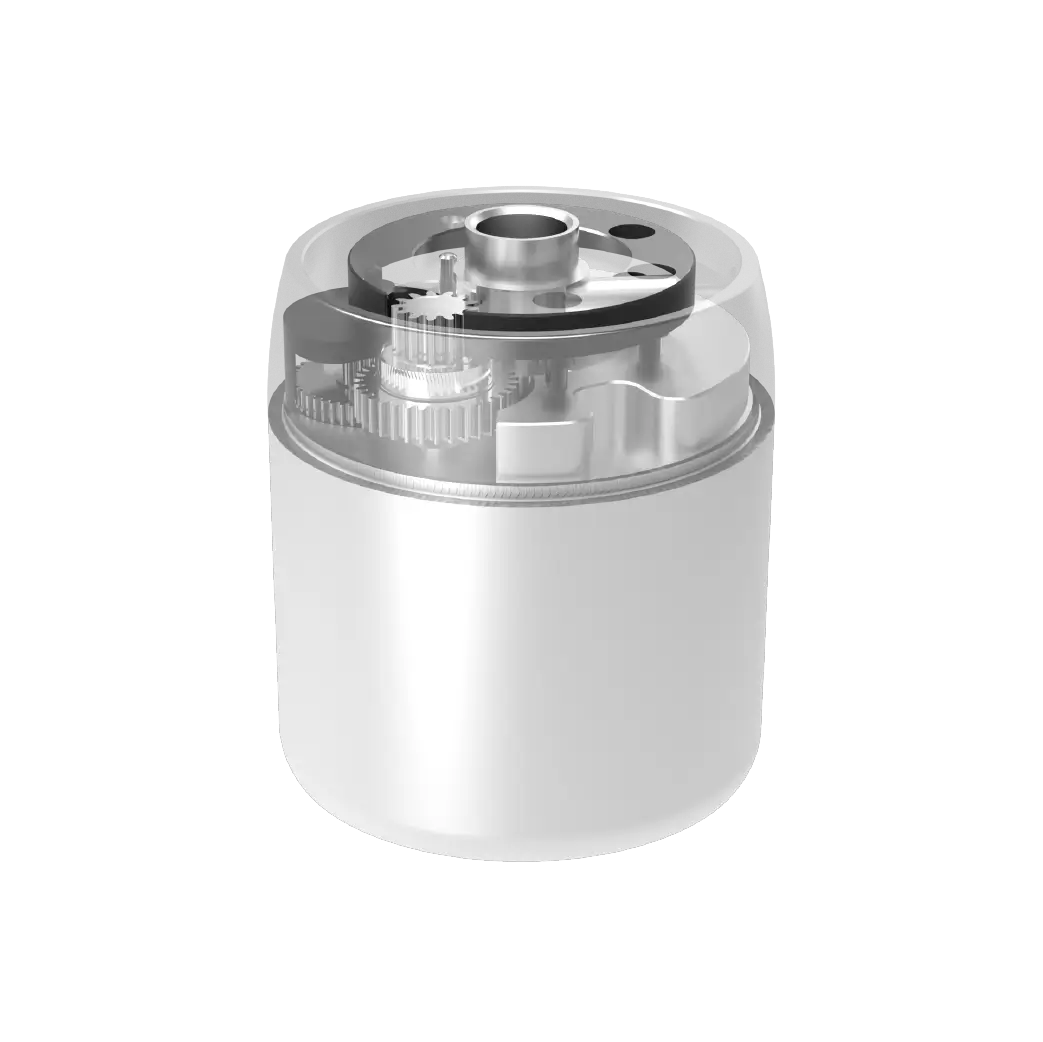
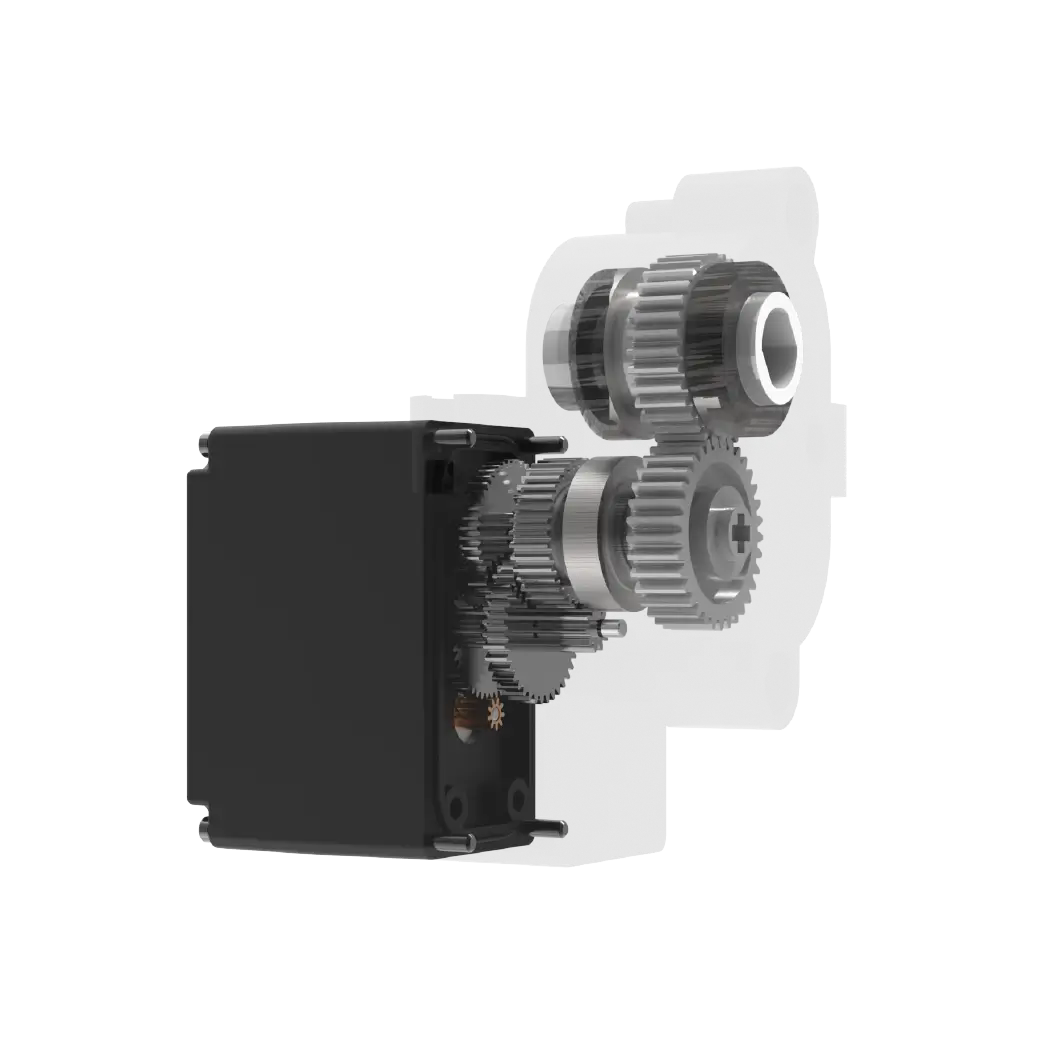
Kpower spends a lot of time making sure that internal geometry is spot on. This means when you tell your Arduino to move one step, the motor moves exactly that distance. It’s the difference between a robot that can thread a needle and one that knocks over the table.
I get a lot of the same questions when people are staring at their burnt-out hardware. Let's tackle a few.
"Why is my motor getting so loud when it slows down?" That’s usually resonance. Every motor has a frequency where it wants to vibrate. Cheaper manufacturers don't dampen this well. Kpower designs their housing and internal rotors to minimize these "screaming" frequencies. It’s about balance. If the rotor is balanced like a high-performance tire, it stays quiet even when it’s working hard.
"Can't I just use a bigger motor to fix my precision issues?" Not really. A bigger, clunkier motor just brings more inertia to the party. It’s harder to stop and harder to start. What you usually need is better control, not more brute force. A well-made Kpower stepper provides high holding torque without the massive footprint.
"Will these work with my standard drivers?" Absolutely. The beauty of sticking to a high-quality manufacturer is that they follow the standards. Whether you’re using an A4988, a DRV8825, or some fancy silent TMC driver, the motor should speak the same language. Kpower ensures the electrical specs are honest—no inflated numbers that lead to popped chips.
We’ve all tried to save a few dollars. But think about the time you spend recalibrating a failing system. Think about the parts you’ve ruined because a motor stalled mid-cut or mid-print. When you look at Kpower, you’re looking at an insurance policy for your sanity.
There’s a certain satisfaction in hardware that just disappears into the background. You want to focus on your logic, your UI, and your overall design. You shouldn't have to worry about whether your motor is going to lose its mind halfway through a sequence.
Moving away from generic "no-name" components is a rite of passage. It’s the moment you stop being a hobbyist who fights with their tools and start being a creator who masters them.
Kpower doesn't just make parts; they make the stuff that makes your ideas move. Next time you’re sketching out a project on the back of a napkin, ask yourself if you want to spend your time troubleshooting or building. If it’s the latter, you know where to look. Precision isn't a luxury; it's the baseline for anything worth making. Stop settling for "good enough" and give your Arduino the muscle it deserves.
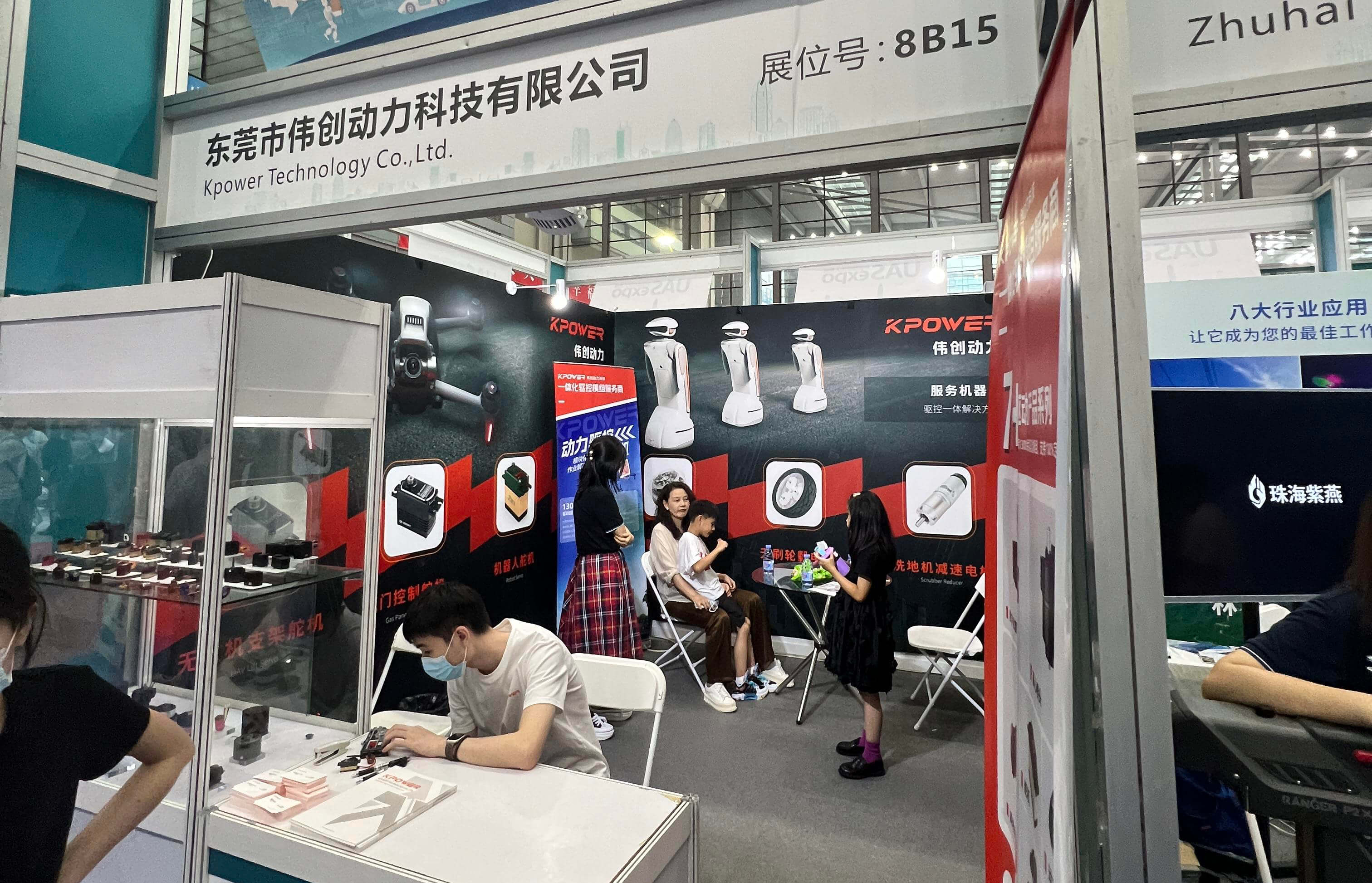
Established in 2005, Kpower has been dedicated to a professional compact motion unit manufacturer, headquartered in Dongguan, Guangdong Province, China. Leveraging innovations in modular drive technology, Kpower integrates high-performance motors, precision reducers, and multi-protocol control systems to provide efficient and customized smart drive system solutions. Kpower has delivered professional drive system solutions to over 500 enterprise clients globally with products covering various fields such as Smart Home Systems, Automatic Electronics, Robotics, Precision Agriculture, Drones, and Industrial Automation.
Update Time:2026-01-22

Contact Kpower's product specialist to recommend suitable motor or gearbox for your product.


