

TECHNICAL SUPPORT


Published 2026-01-22
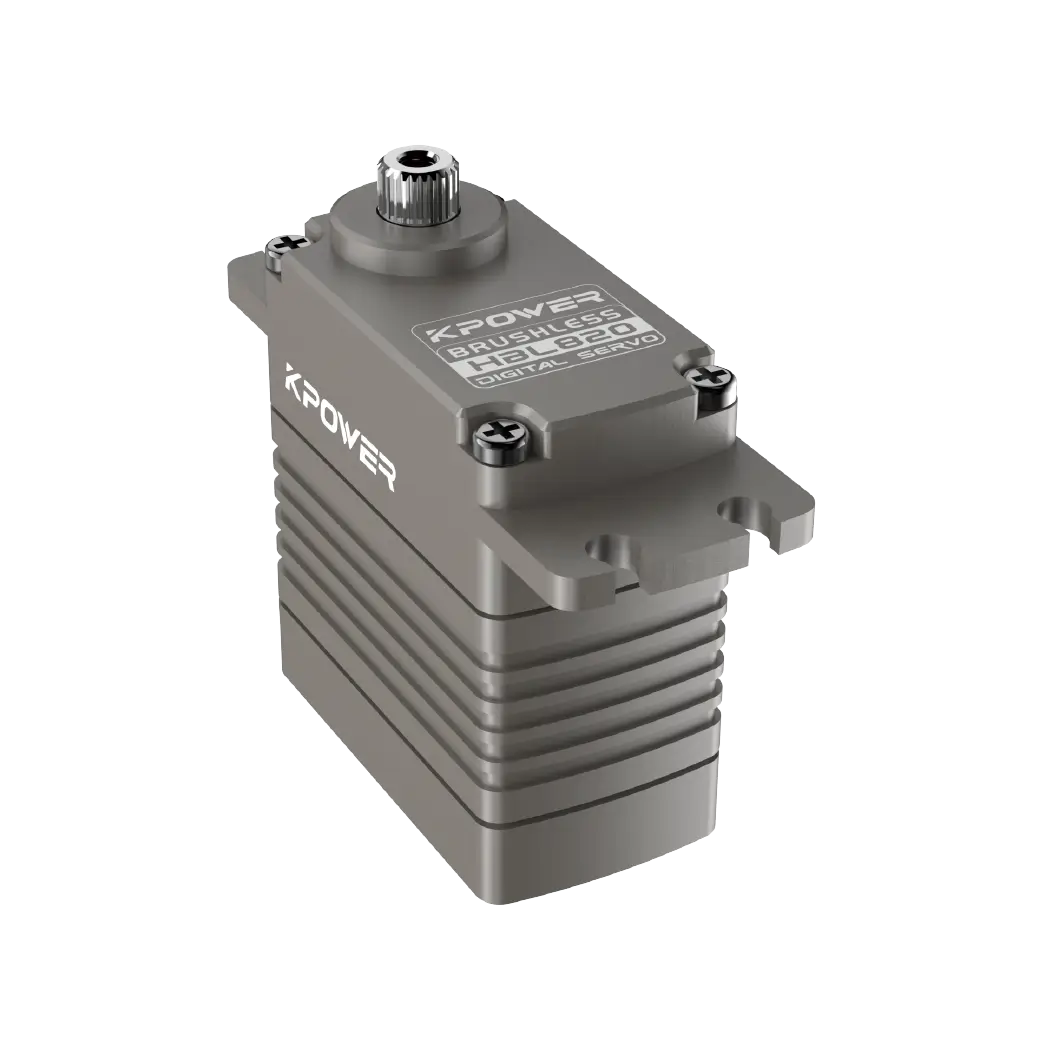
You’ve spent weeks perfecting the code. The Arduino board is glowing with those tiny green and red LEDs, and the logic is flawless. But then, you hit "upload," and the mechanical arm moves with the grace of a rusty gate. It jitters. It whines. Or worse, it just gives up halfway through a cycle. It’s a classic headache, isn't it? You have the brains (the Arduino), but the muscles (theservo) are letting the whole operation down.
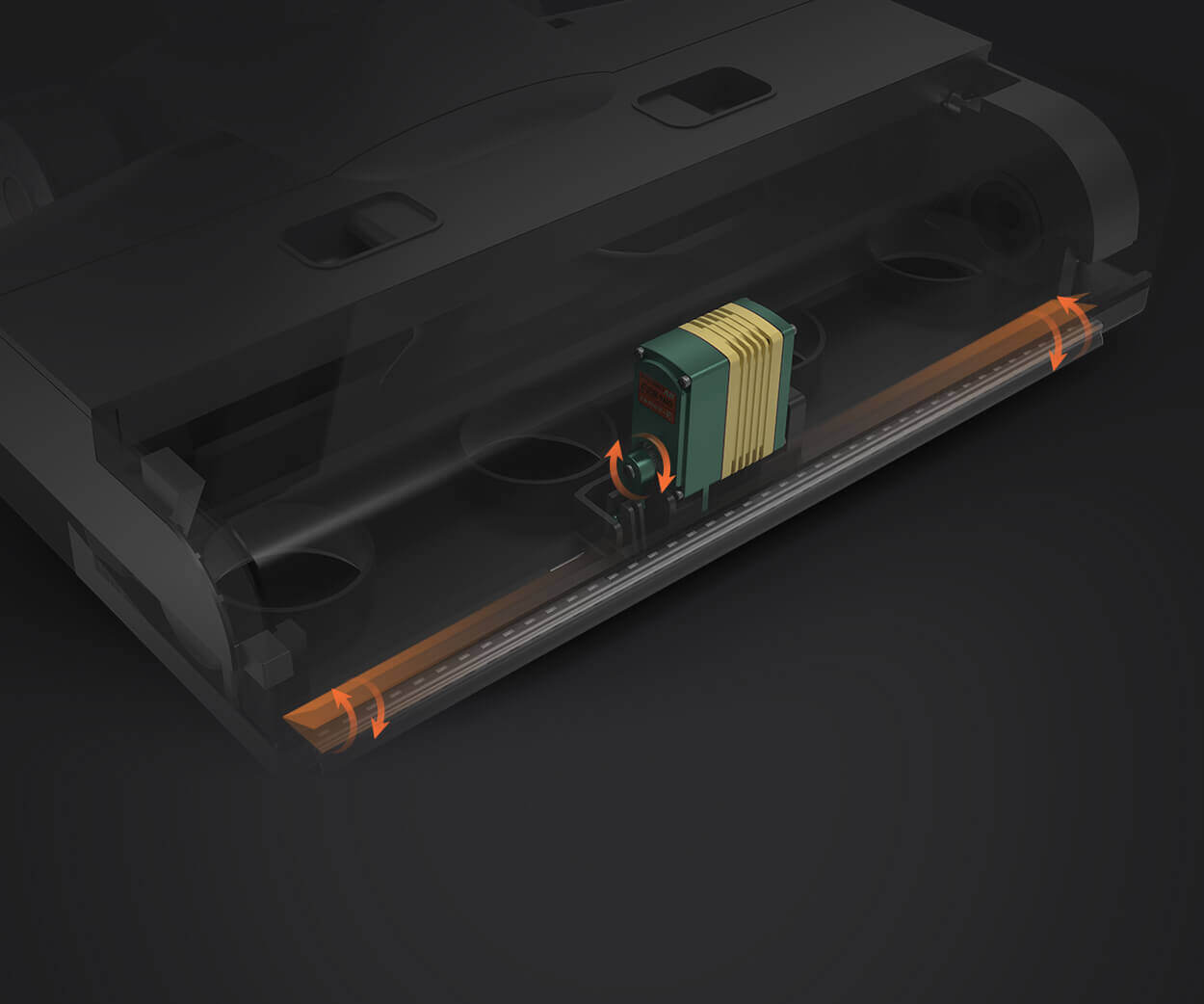
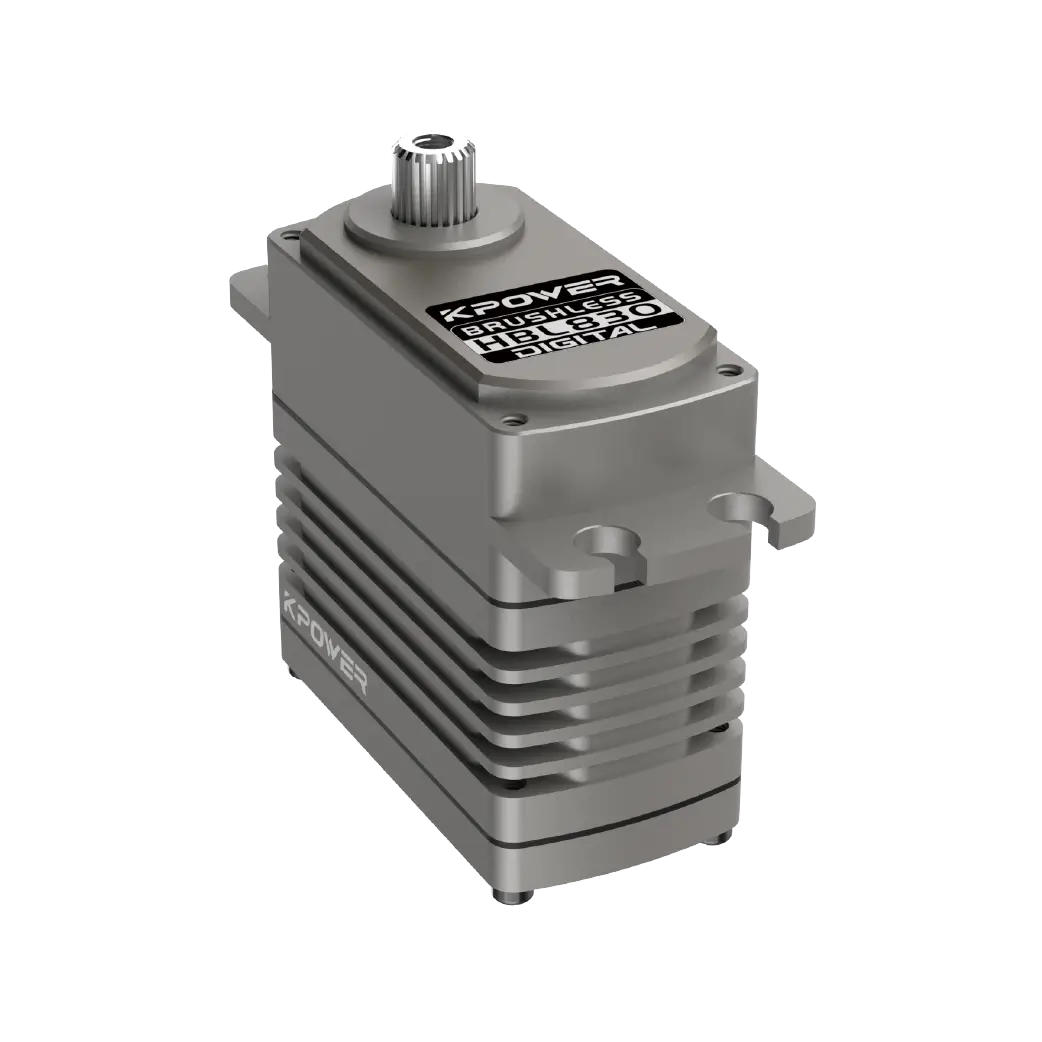
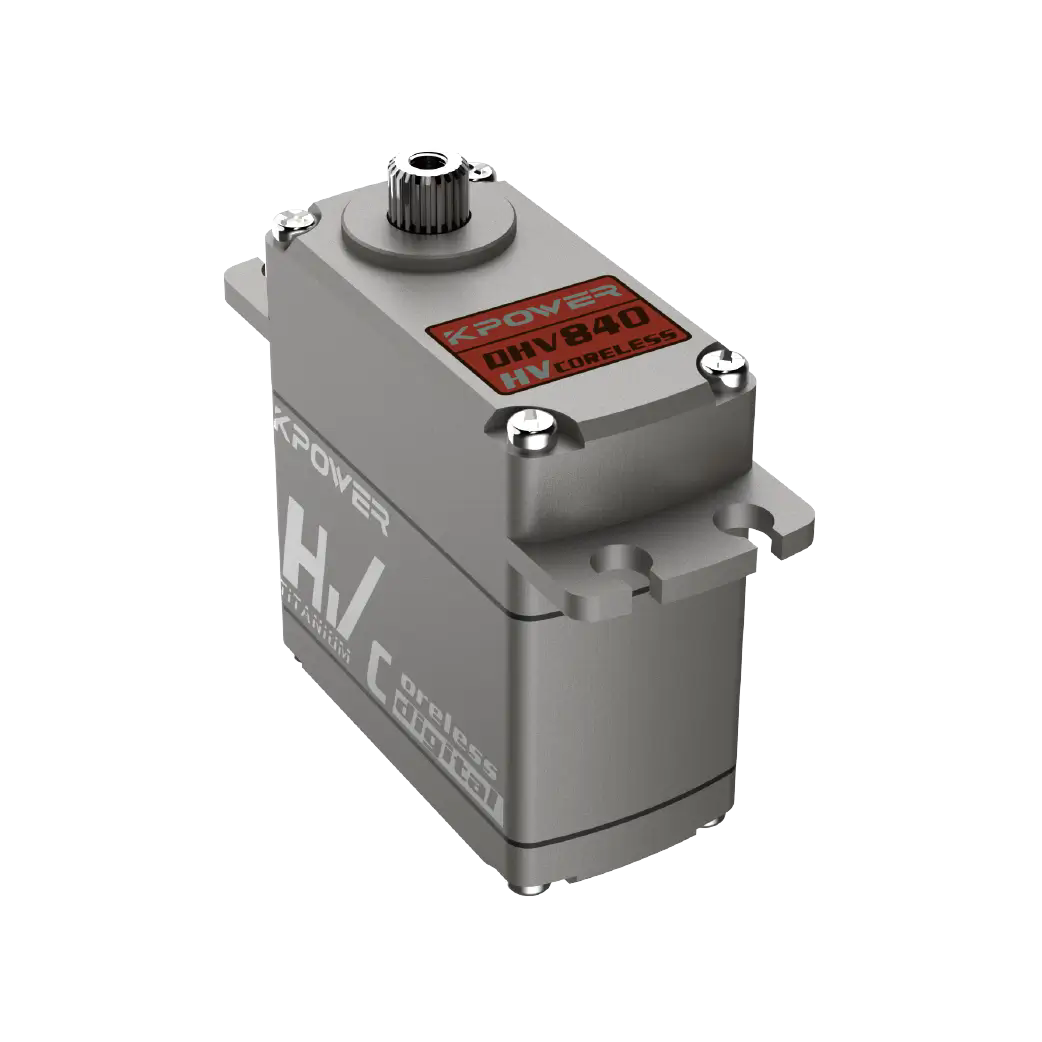
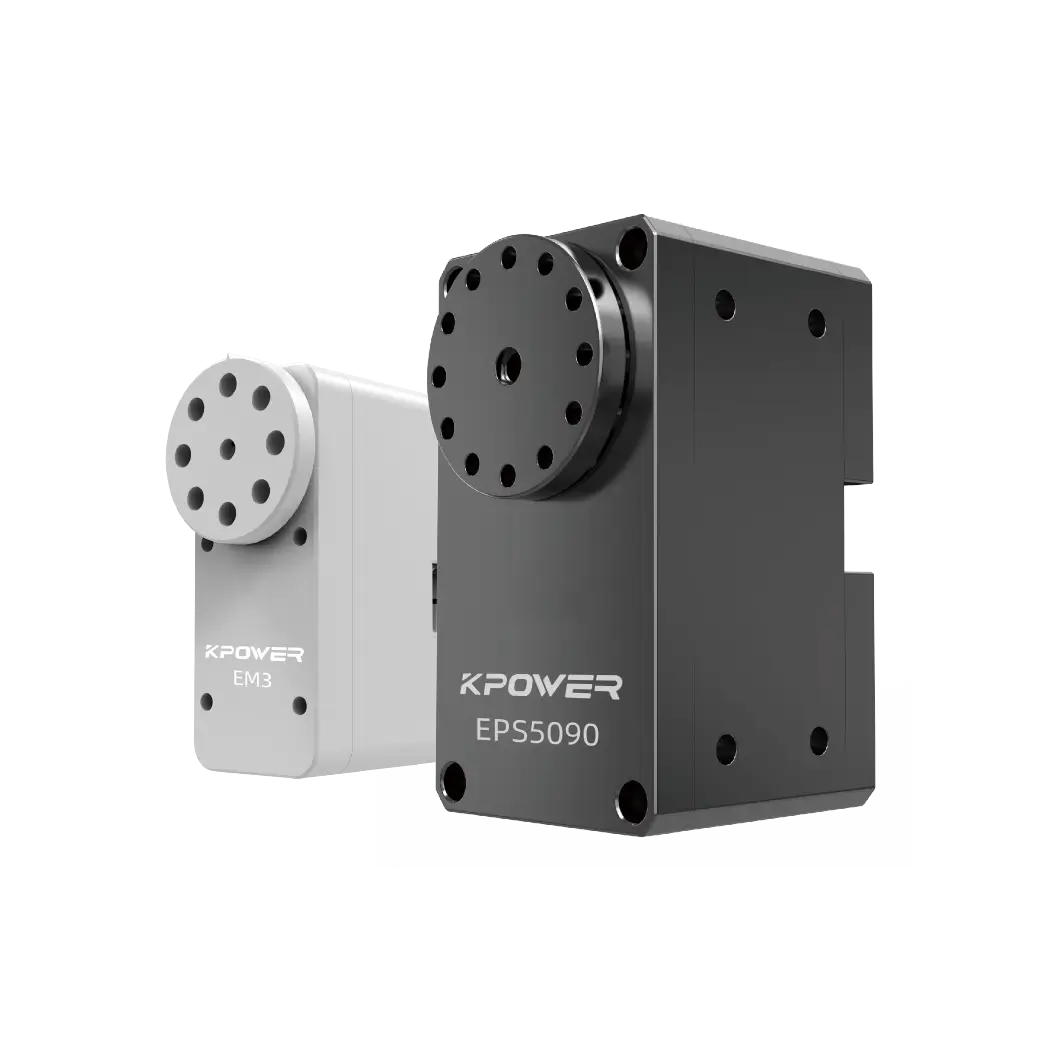
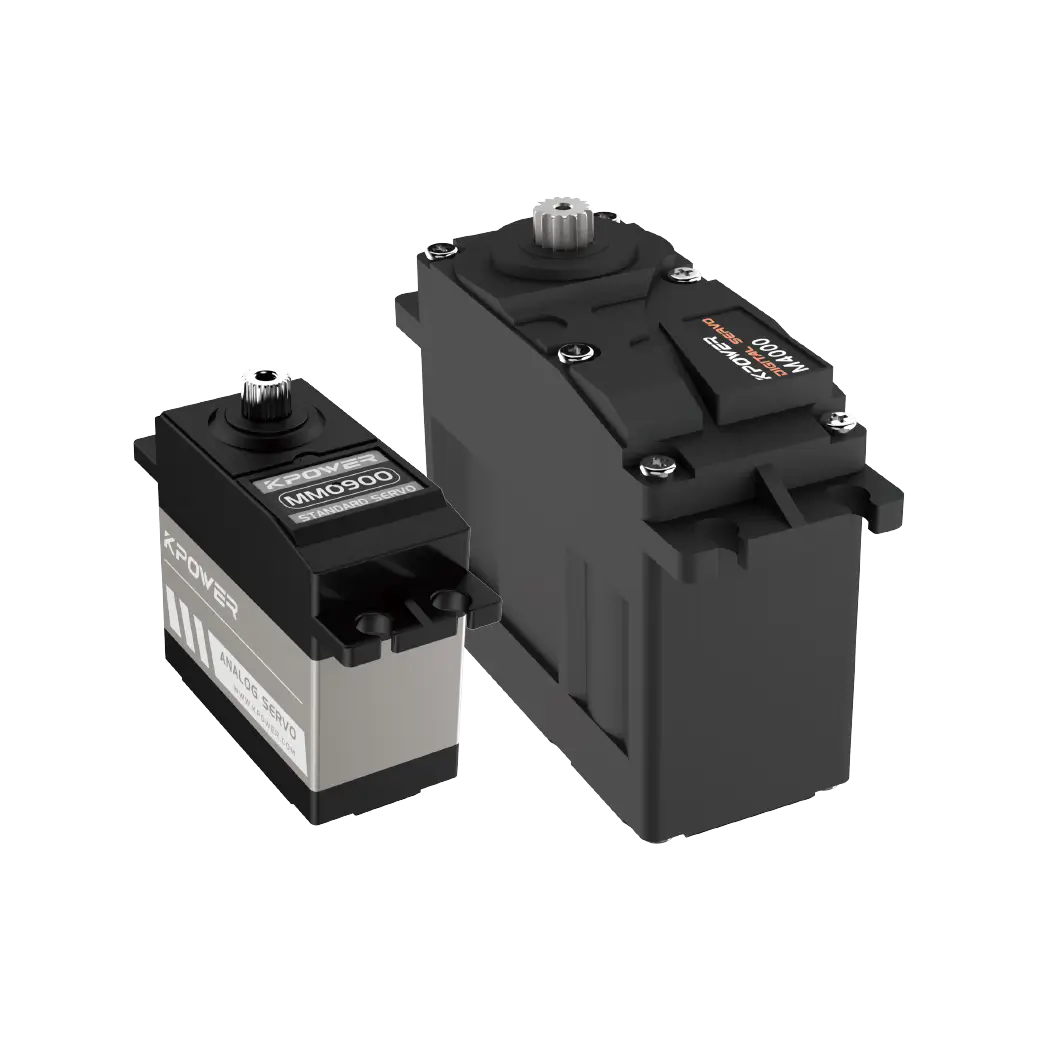
When you're building something that’s supposed to carry your vision, using a generic, nameless motor feels like putting budget tires on a supercar. This is where the concept of a "white label" solution starts to make a lot of sense, especially when you look at whatkpoweris doing in the shadows of the industry.
Why do most standardservos feel like toys? Usually, it's the internal gears or a cheap potentiometer that can't decide if it's at 90 degrees or 92. If you are building a specialized kit or a new piece of hardware, you don't want a motor that screams "mass-produced hobby part." You want something that looks and acts like it was born for your specific project.
White labeling isn't just about slapping a sticker on a plastic shell. It’s about taking a high-performance core—somethingkpowerhas spent years refining—and making it yours. You get the reliability of a battle-tested design without having to build a motor factory from scratch. It’s the shortcut to looking professional while keeping your focus on the actual innovation.
Arduino is the ultimate playground, but it speaks a very specific language of PWM (Pulse Width Modulation). A lot of motors out there are "close enough," but they lack the precision to translate those signals into smooth, fluid motion.
Think about it this way: if your motor has a massive dead band, your Arduino code has to work twice as hard to compensate for the hardware's laziness.kpowerdesigns these servos to listen closely. When the pulse says "move three degrees," it moves three degrees. No guessing. No wobbling back and forth like it's unsure of its own shadow.
Let’s get a bit rational for a second. Everyone looks at torque. "How much can it lift?" Sure, that's fine. But have you ever looked at the gear material? Or the heat dissipation of the casing?
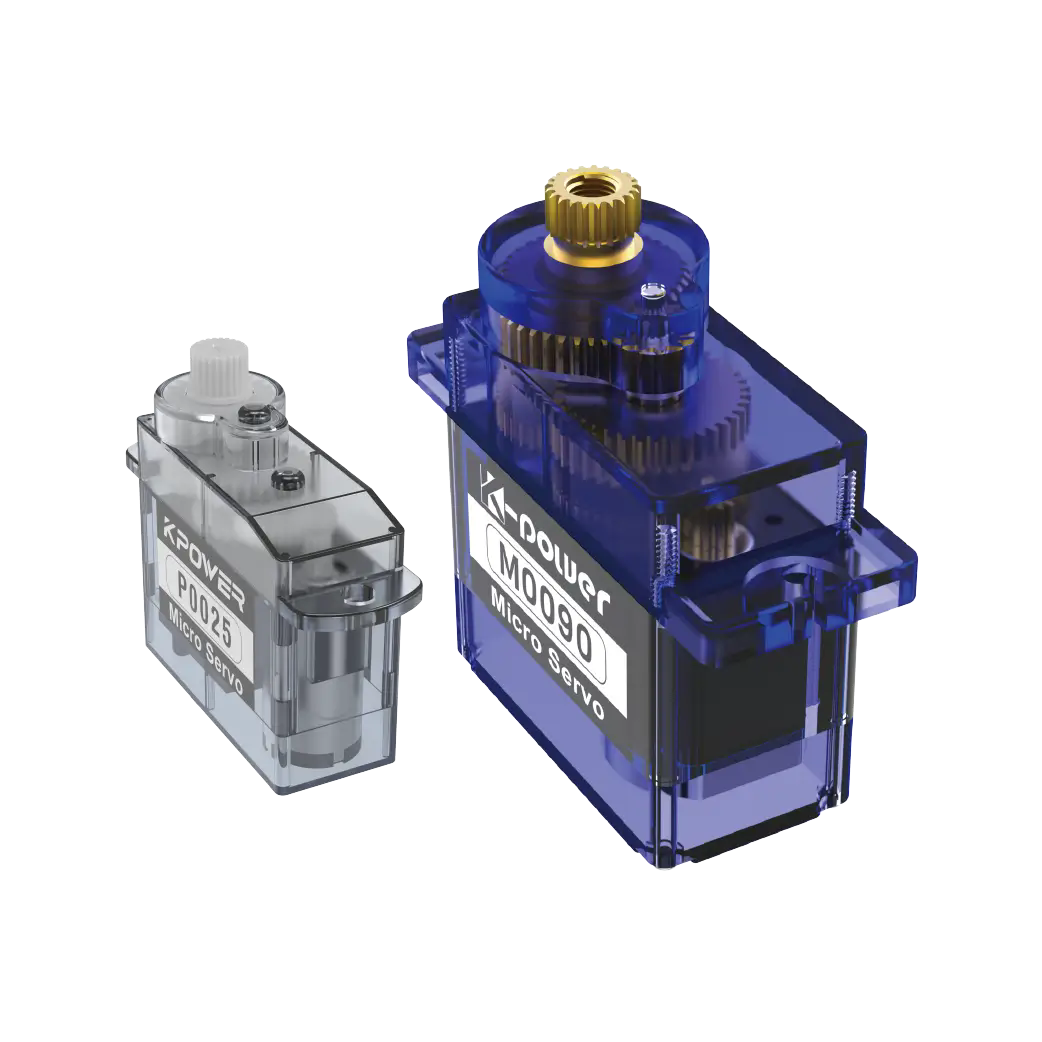
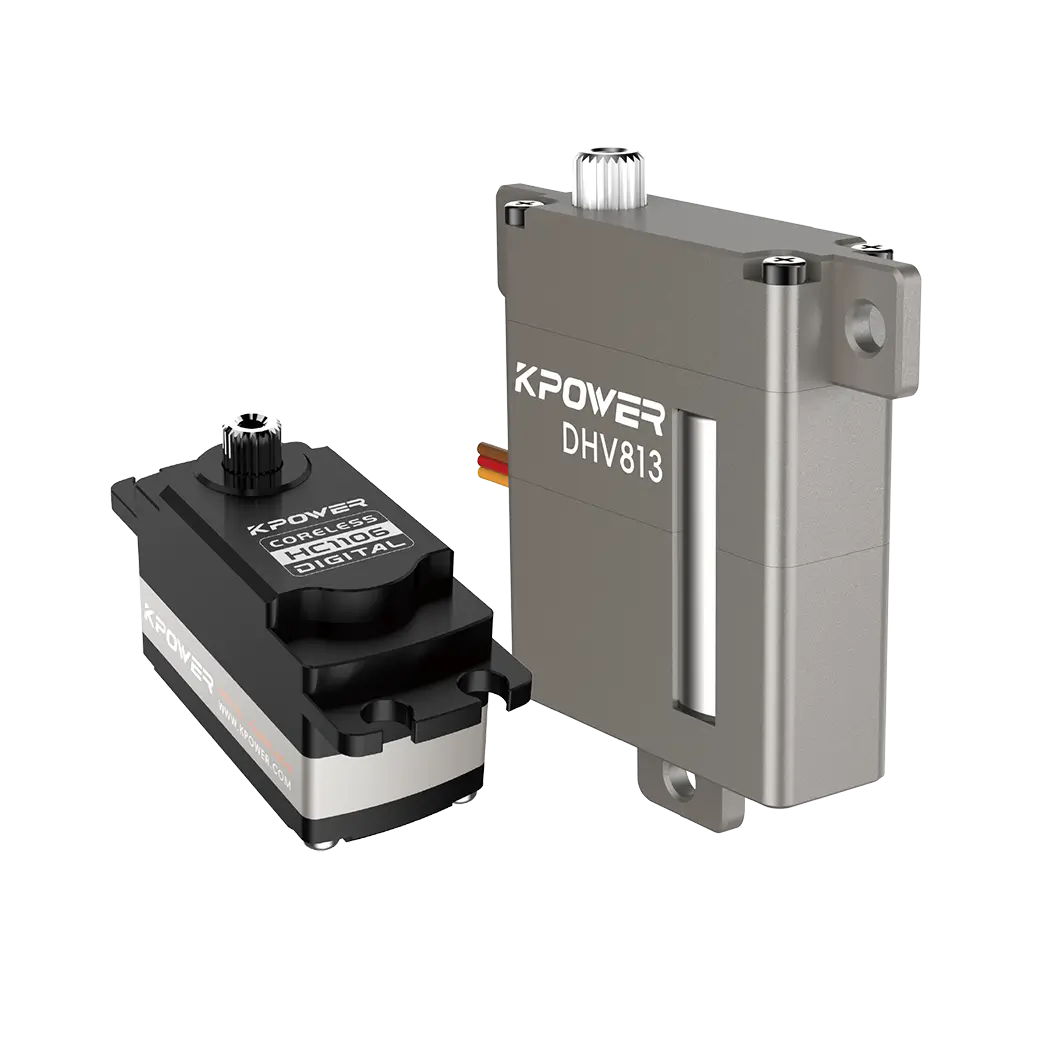
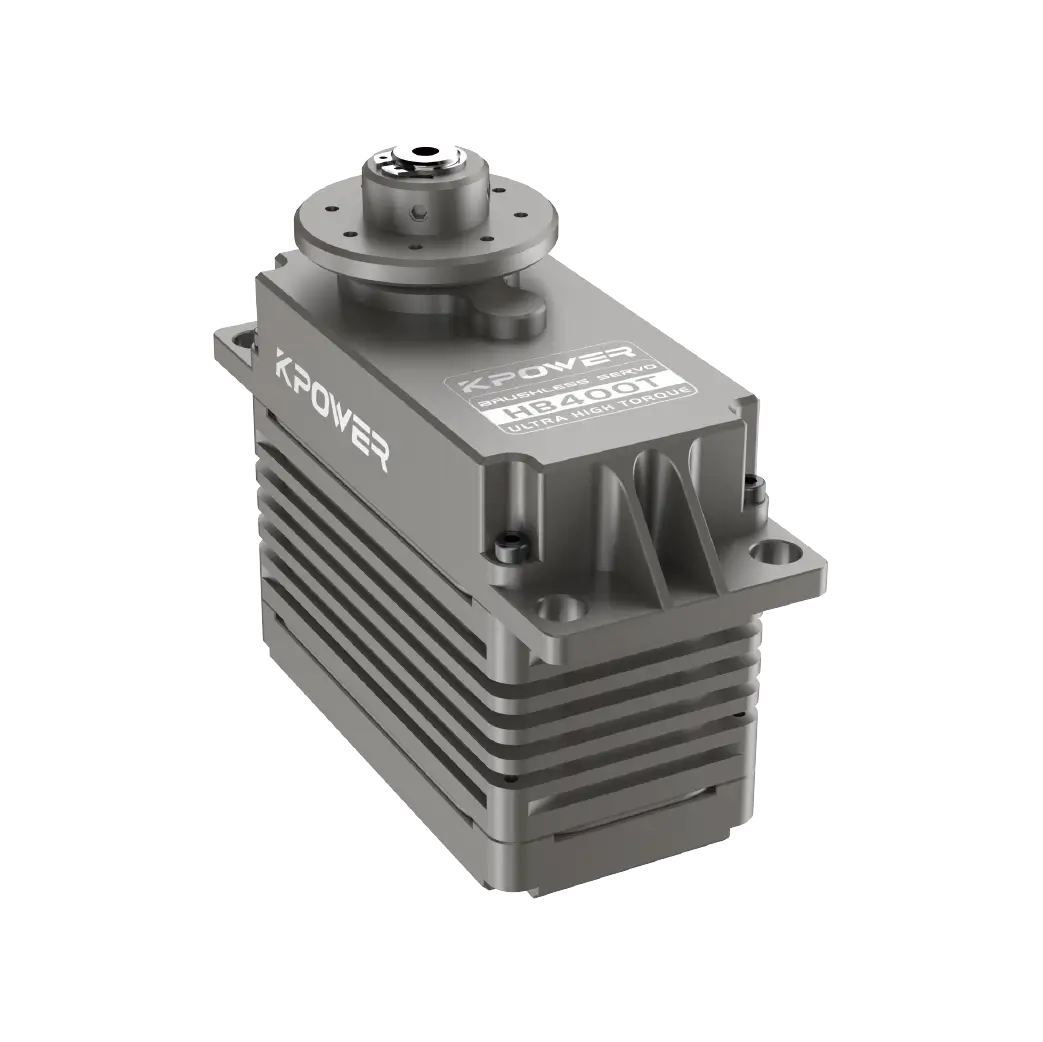
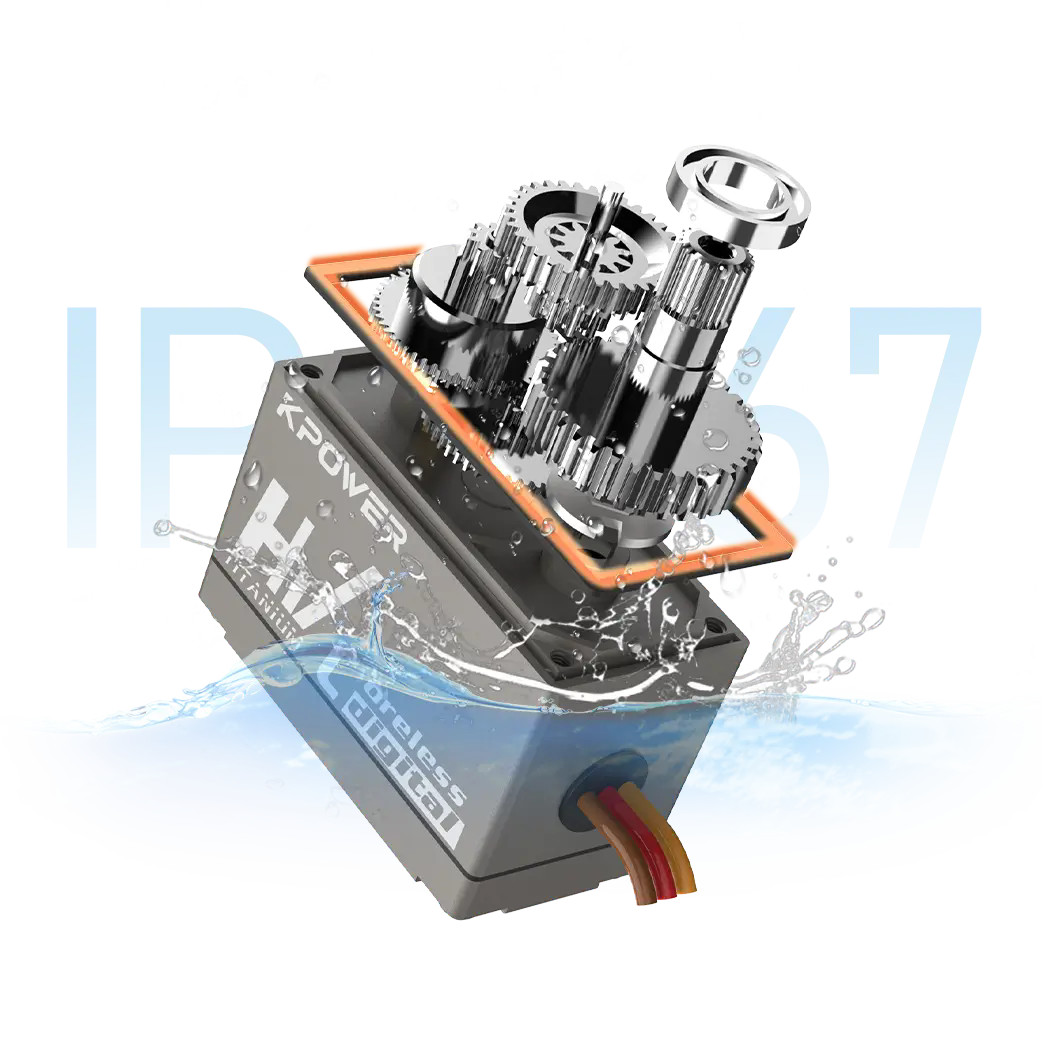
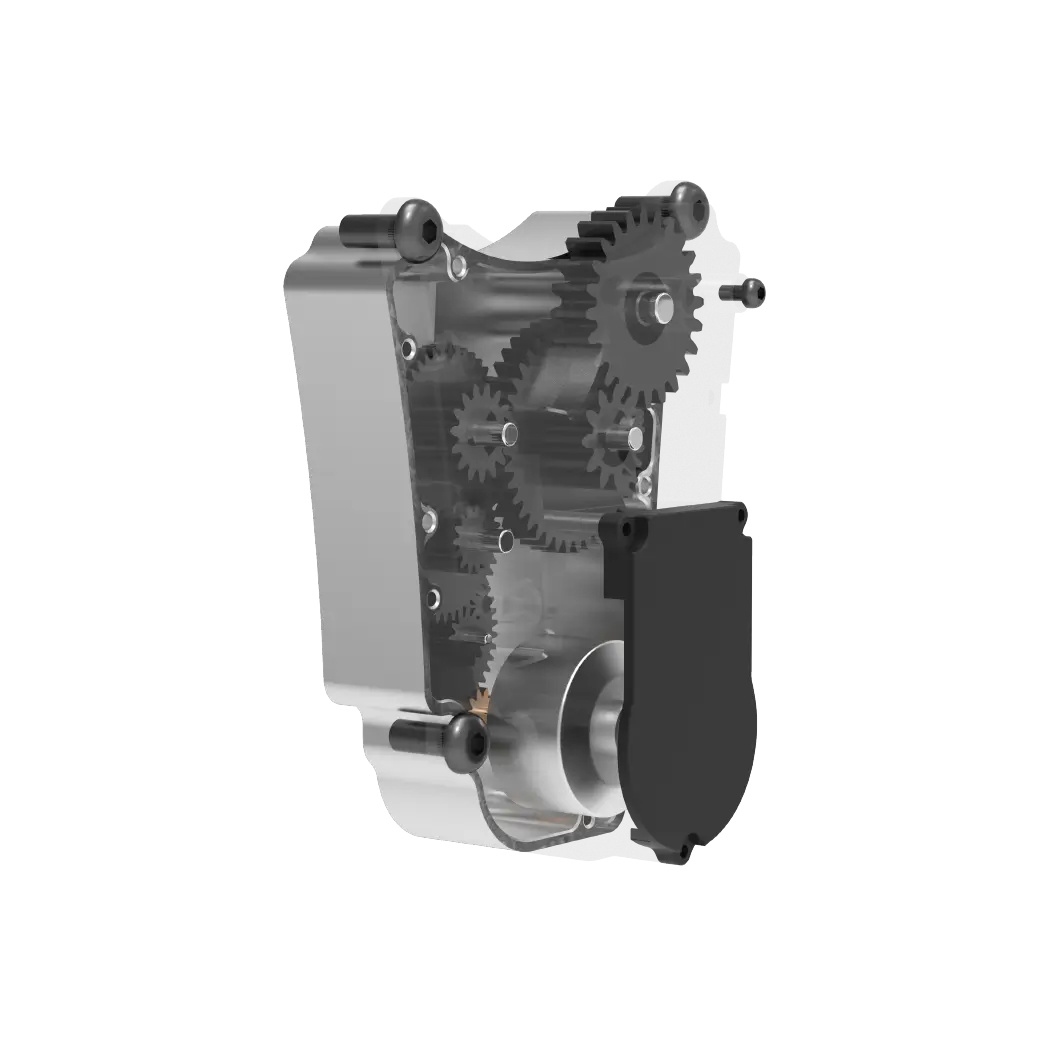
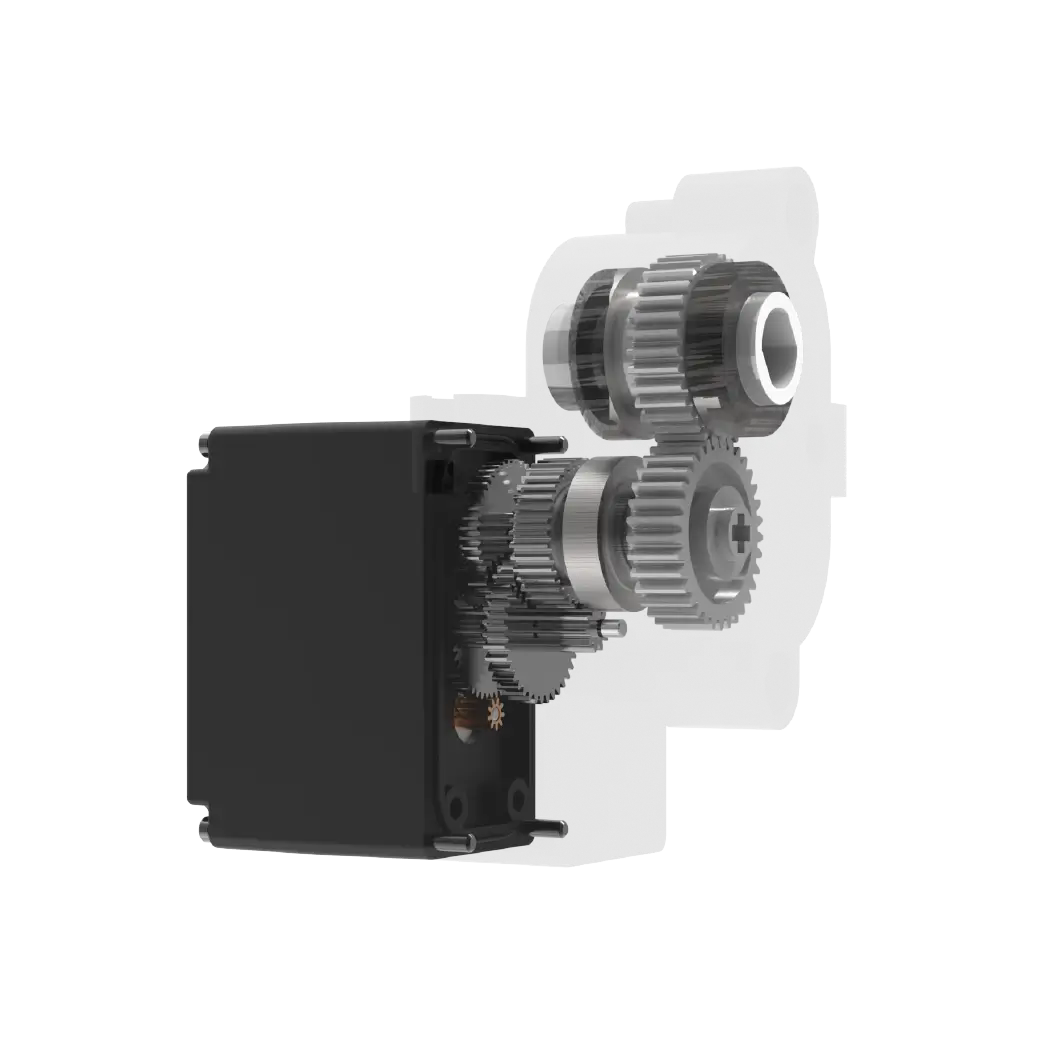
If you're running a loop for ten hours, a cheap plastic-geared servo is going to turn into a puddle of melted nylon. Kpower uses materials that actually survive the friction. Metal gears aren't just for show; they are for the person who doesn't want to replace a motor every three days. And when you go white label, you can often choose these internal components to match your budget and your durability needs. It's like ordering a custom suit instead of buying one off the rack and hoping the sleeves aren't too long.
You might think you need to order ten thousand units to get noticed. That’s a common misconception. The beauty of the current mechanical landscape is the flexibility. Whether you are creating a limited run of "smart" artistic installations or a new educational kit, having your own branding on a Kpower-made motor adds a layer of "this is a real product" that a generic blue servo simply can’t provide.
"Does it play nice with the standard Arduino library?" Absolutely. You shouldn't have to rewrite your entire library just to make a motor spin. These are designed to be "plug and play" in the truest sense. If you can use a basic sweep sketch, you can use these.
"What if my project needs a weird shape?" That's the "white label" secret sauce. While the internals are standardized for reliability, the external aesthetics—the colors, the labels, the wire lengths—can be adjusted. It makes the integration look seamless, not like something you taped together in a garage.
"Is the torque rating real or just marketing?" We’ve all seen motors that claim to lift a house but struggle with a piece of paper. The rationality here is simple: Kpower builds for consistency. A rated torque of 10kg/cm means it will actually do that work without the motor housing cracking under the pressure.
Choosing a partner like Kpower for a white-label project is a bit like choosing a co-pilot. You handle the navigation (the code and the market), and they handle the engine. It’s a division of labor that actually makes sense. You avoid the "prototype trap" where you spend all your time fixing hardware bugs instead of scaling your idea.
Imagine opening a box of your own branded kits. You see your logo, your colors, and inside, a servo that doesn't feel like a cheap afterthought. It’s heavy where it needs to be, the movement is silent and deliberate, and it responds to the Arduino commands with surgical precision. That's the moment your project stops being a "project" and starts being a "product."
It’s easy to get lost in the sea of components. But if you strip away the noise, what are you left with? You need a motor that won't die, a look that belongs to you, and a price point that doesn't break the bank. Kpower sits right in that sweet spot.
You don't need to be a mechanical wizard to see the value in a well-built actuator. You just need to have had one break on you at the worst possible time to appreciate something that actually works. So, the next time you're staring at your Arduino IDE, wondering why your robot is twitching, maybe stop looking at the code and start looking at the muscles. Give your project the "white label" upgrade it probably deserved from day one. It’s less about the motor itself and more about the confidence that when you say "rotate," it actually happens. No drama. Just motion.
Established in 2005, Kpower has been dedicated to a professional compact motion unit manufacturer, headquartered in Dongguan, Guangdong Province, China. Leveraging innovations in modular drive technology, Kpower integrates high-performance motors, precision reducers, and multi-protocol control systems to provide efficient and customized smart drive system solutions. Kpower has delivered professional drive system solutions to over 500 enterprise clients globally with products covering various fields such as Smart Home Systems, Automatic Electronics, Robotics, Precision Agriculture, Drones, and Industrial Automation.
Update Time:2026-01-22

Contact Kpower's product specialist to recommend suitable motor or gearbox for your product.


