

TECHNICAL SUPPORT


Published 2026-01-22
There’s a specific kind of silence that happens when you upload a perfect piece of code to an Arduino, hit "run," and… nothing moves. Or worse, it moves with a jittery, grinding sound that suggests your machine is more interested in vibrating itself to death than performing a smooth 180-degree sweep. I’ve seen it happen on countless workbenches. You have the logic right, the wiring looks clean, but the physical link—the muscle—is failing the brain.
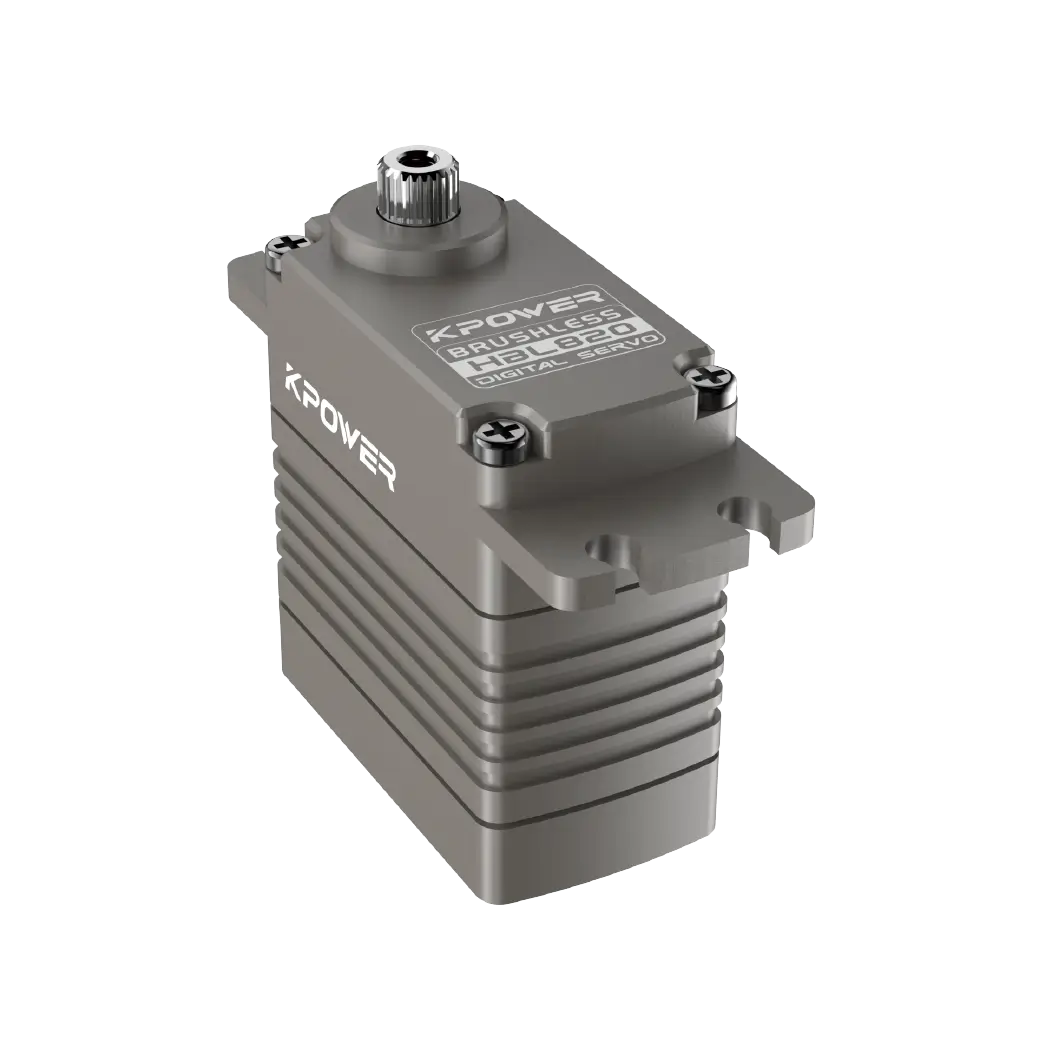
This is where the reality of the hardware hits the road. If you are building something you intend to share with the world, or perhaps sell, you can't rely on generic, "no-name" components that act differently every time you plug them in. You need a signature. That’s why the conversation around an Arduino andservomotor private label is becoming so loud lately. It isn't just about putting a logo on a plastic casing. It’s about taking ownership of the mechanical heartbeat of your project.
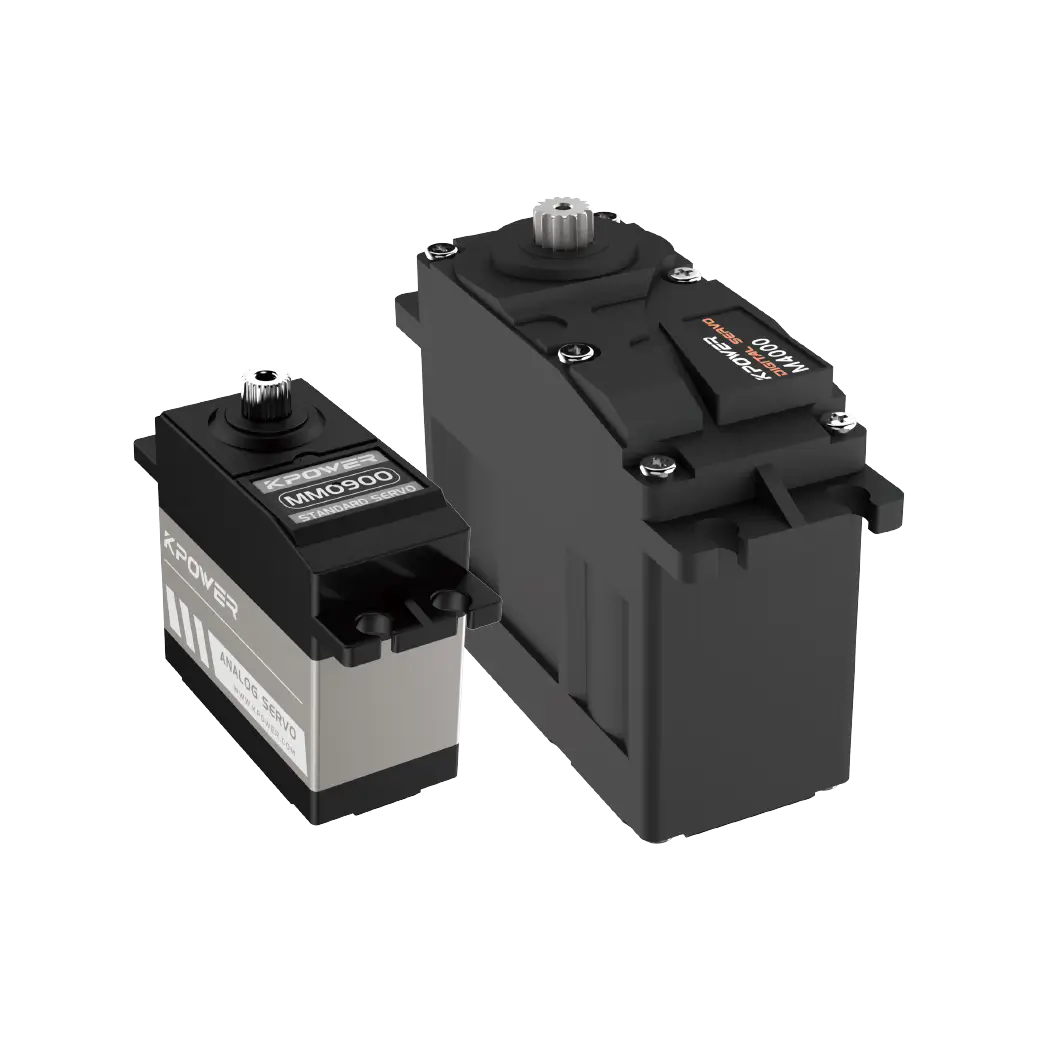
Most people start their journey with those little blueservos everyone knows. They are fine for a weekend hobby, but they have a "deadband" wide enough to drive a truck through. If your project requires precision—maybe a robotic arm that needs to pick up a needle or a camera gimbal that can’t afford a single micro-shake—those generic motors are your enemy.
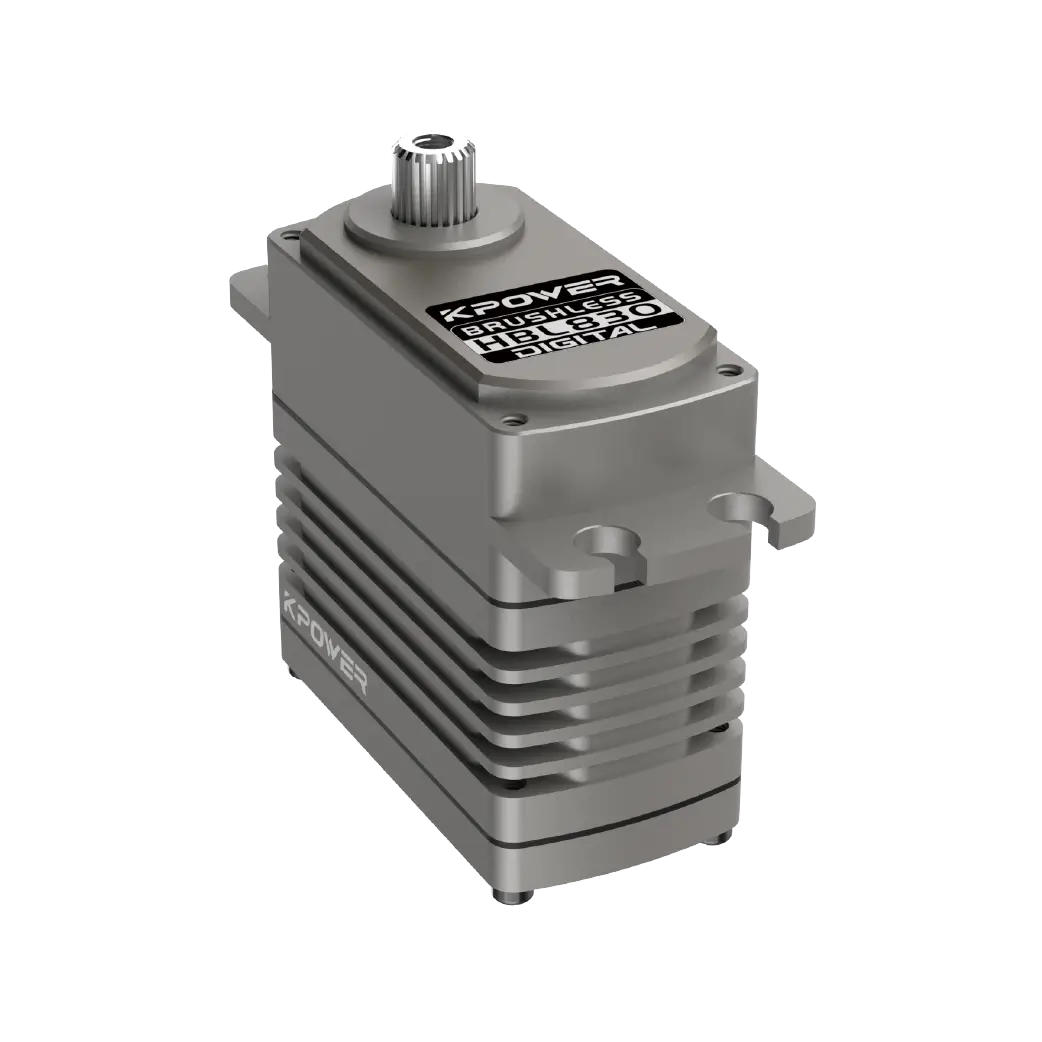
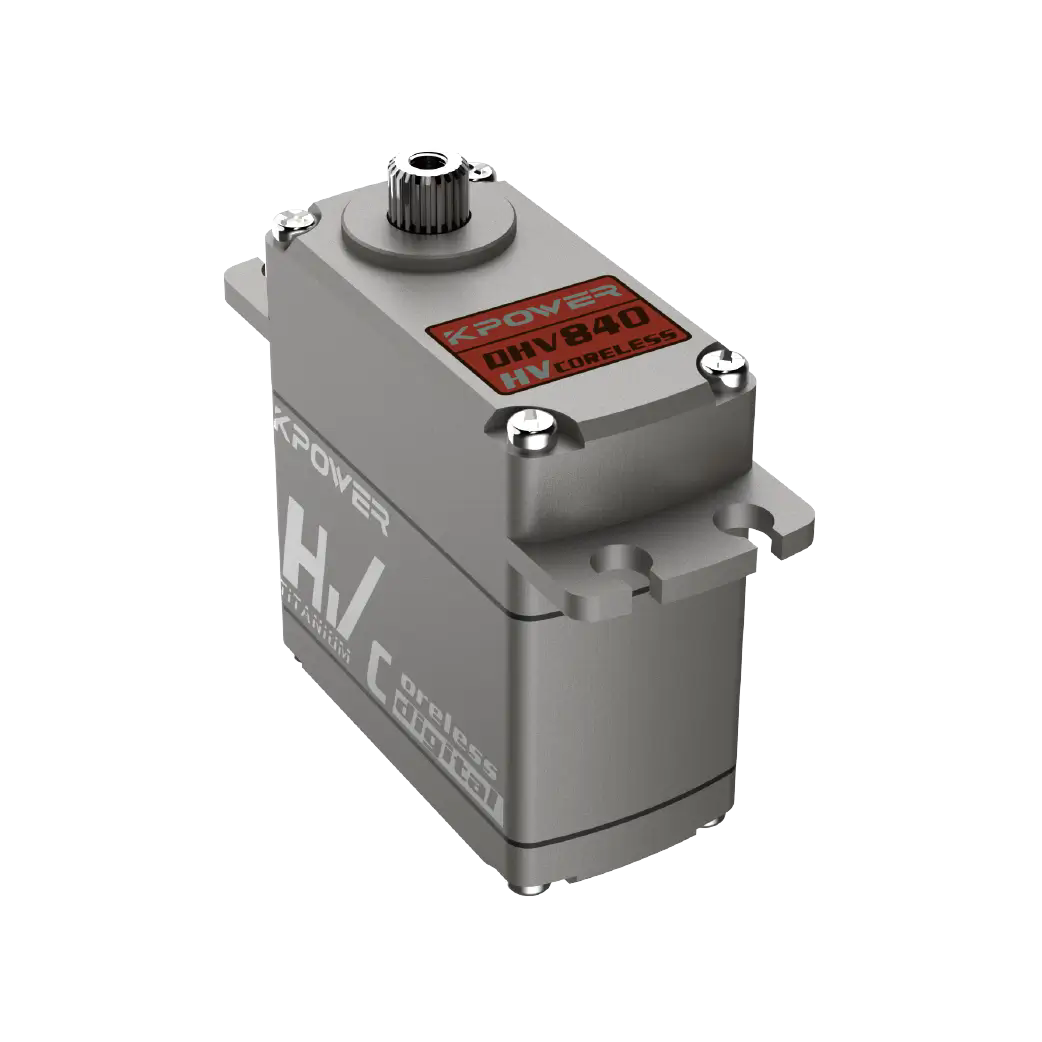
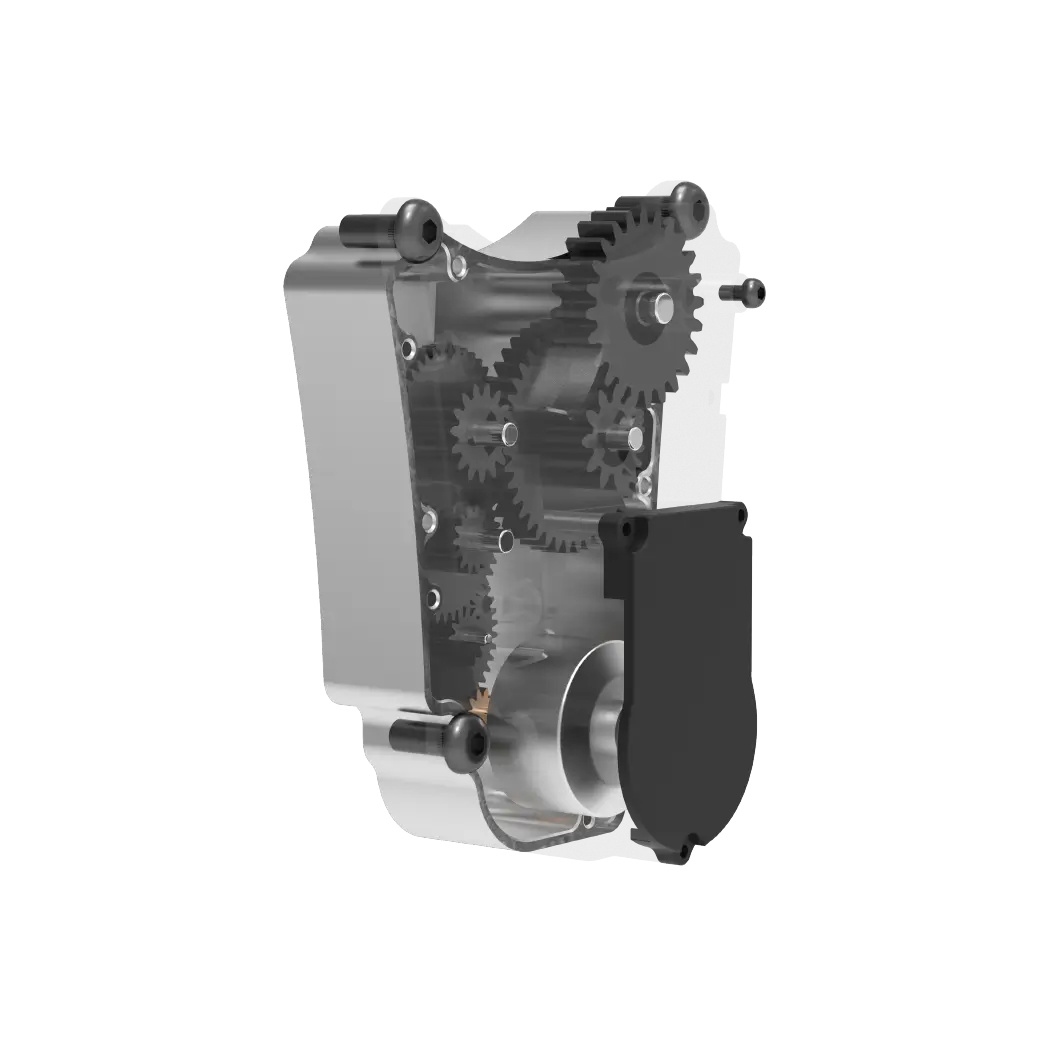
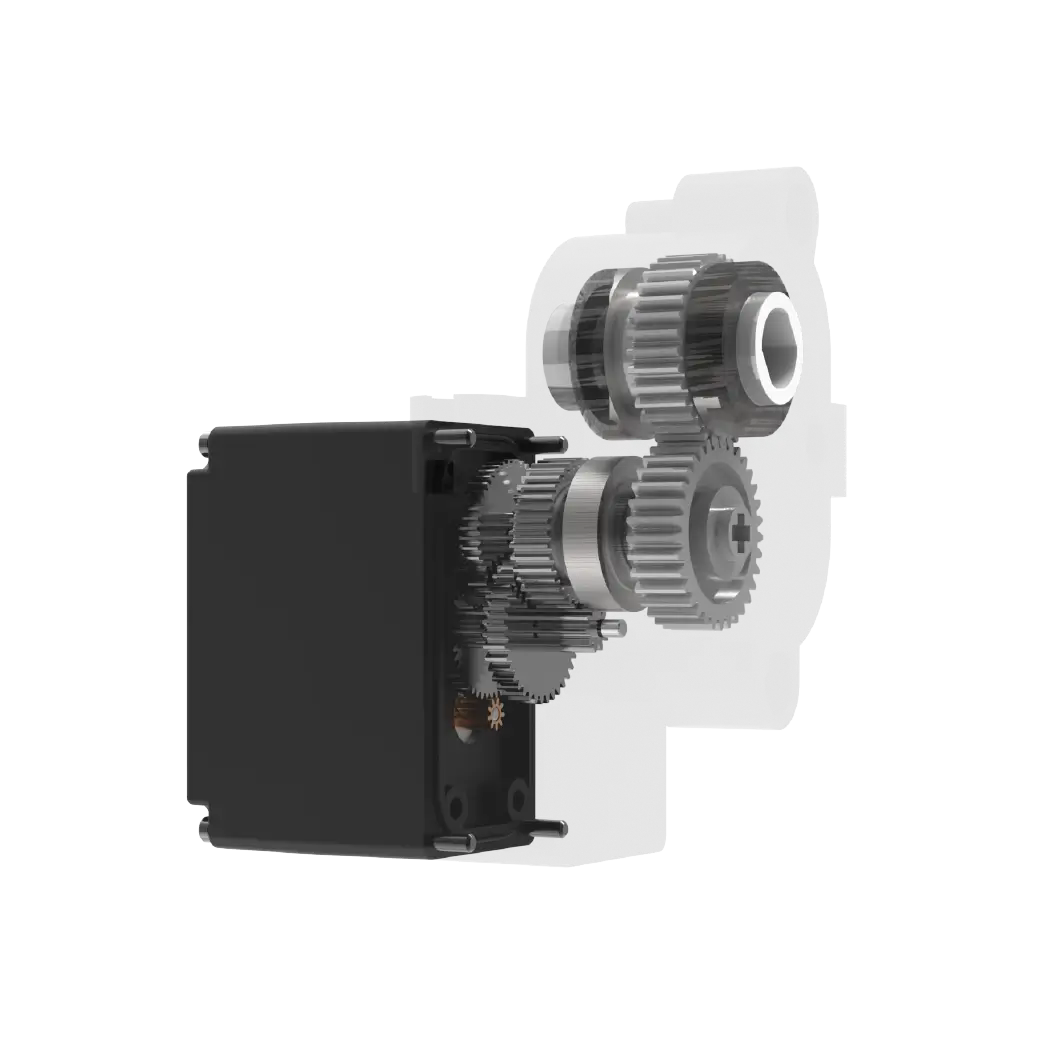
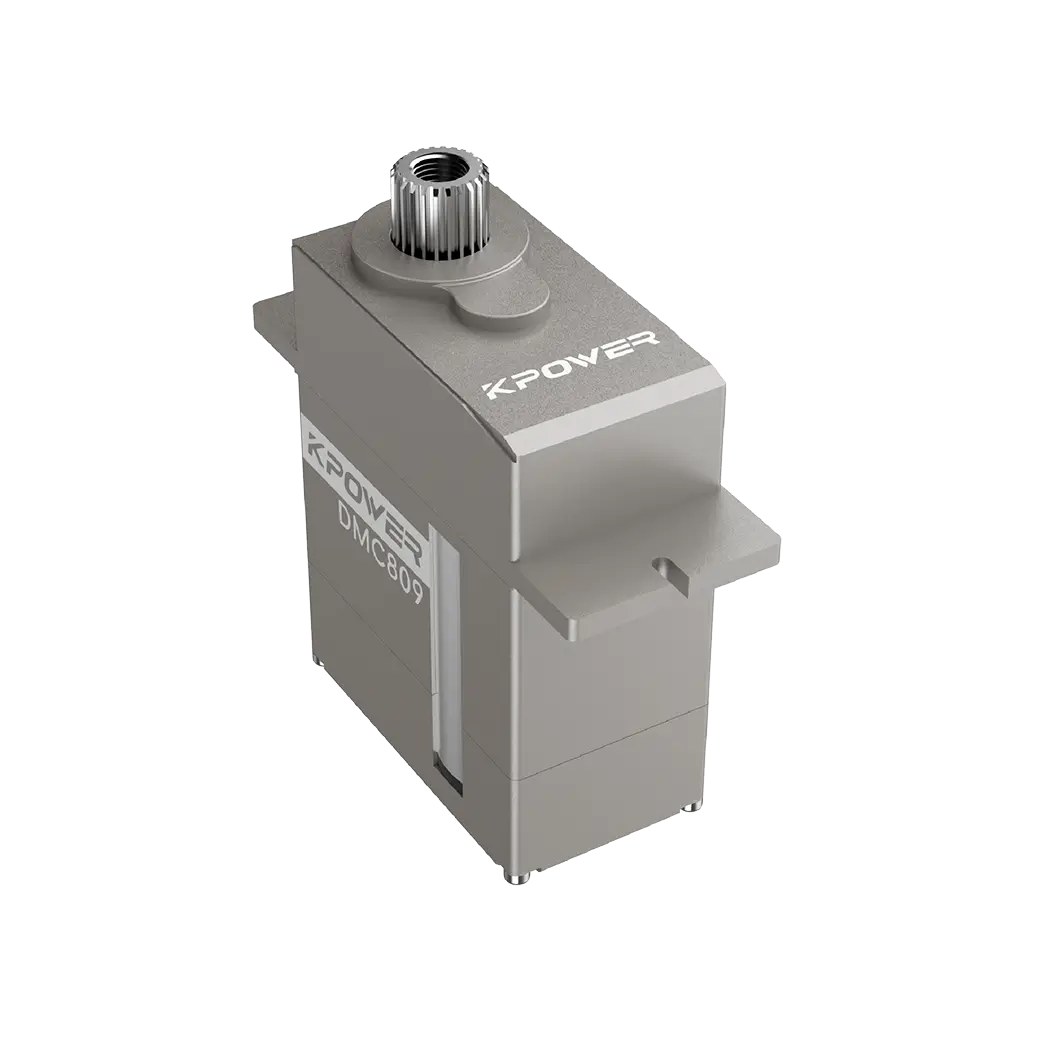
The gears inside are often the first thing to go. Plastic teeth stripping under pressure is a sound you never forget. It’s the sound of a project failing. When you shift toward a private label approach withkpower, you’re essentially saying, "I want the guts of this motor to match the quality of my code." You want metal gears that don't whine and motors that don't overheat after ten minutes of heavy lifting.
Imagine you’ve spent months perfecting a specialized device. It’s sleek, the Arduino integration is seamless, and it works perfectly. Then, someone looks inside and sees a generic motor they could buy for two dollars at a discount bin. It ruins the magic. It feels like a toy, not a professional tool.
kpowerunderstands this psychology. By choosing a private label path, you get to define the specs. Do you need more torque at a lower voltage? Does the spline need to be a specific material to handle high-stress attachments? When you work withkpower, the motor becomes an extension of your design, not an afterthought. You get a component that is tested to your standards, ensuring that when the Arduino sends a 1500ms pulse, the motor lands exactly where it should, every single time.
I’ve always been obsessed with the "noise" of a motor. Not just the audible sound, but the electrical noise. Cheapservos can back-feed interference into your Arduino, causing the whole system to reset or behave erratically. It’s frustrating because it’s a "ghost" problem—hard to track down but devastating for reliability.
When we talk about high-end servo manufacturing, we’re talking about better potentiometers and more efficient brush designs (or even brushless setups). These aren't just buzzwords. A better potentiometer means the motor knows exactly where it is. It doesn't "hunt" for the position, twitching back and forth. It moves, it stops, it holds. Kpower focuses on that stability. If you’re building something meant for long-term use, that stability is the difference between a successful product and a pile of returned shipping boxes.
"Is it really worth the hassle to customize a motor for an Arduino project?" Look, if you’re just making a blinking light or a basic gate opener for your cat, probably not. But the moment you move into professional-grade builds, the "hassle" pays for itself. Using a Kpower private label motor means you don't have to write complex "smoothing" code to compensate for crappy hardware. The hardware just does what it’s told.
"What if I only need a few hundred units?" The beauty of the current manufacturing landscape is that it’s more accessible than it used to be. You don't have to be a giant corporation to want your own branding and specific performance tweaks. It’s about the identity of your work.
"Will a custom motor work with standard libraries?" Absolutely. A servo is a servo when it comes to the signal. Whether you’re using the standard Servo.h library or a more advanced PWM driver, the Kpower internals are designed to interpret those signals with much higher fidelity than a bargain-bin alternative.
Sometimes, you think you need more speed, but what you actually need is more "holding torque." I’ve seen people burn out motors because they kept trying to force a fast motor to hold a heavy weight. It’s like trying to hold a door shut with a feather.
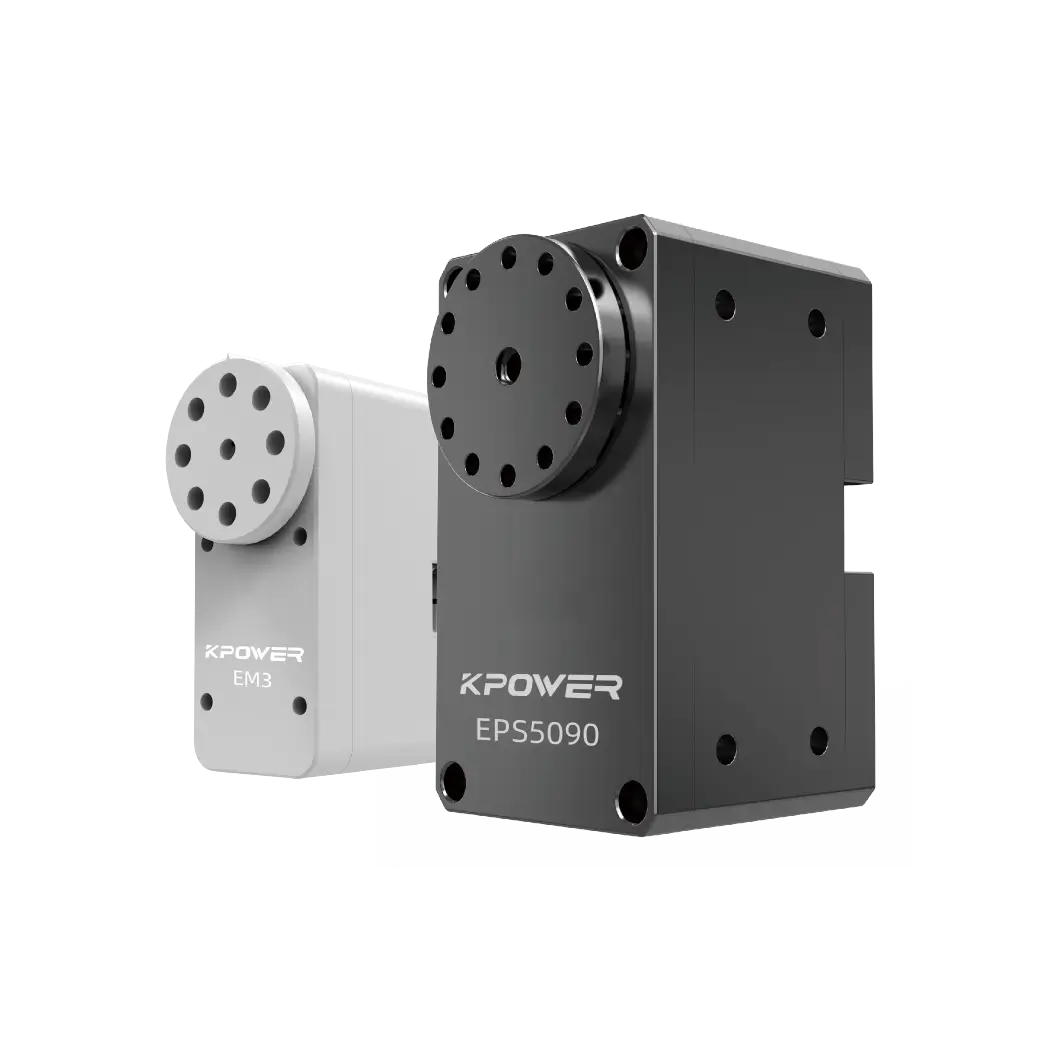
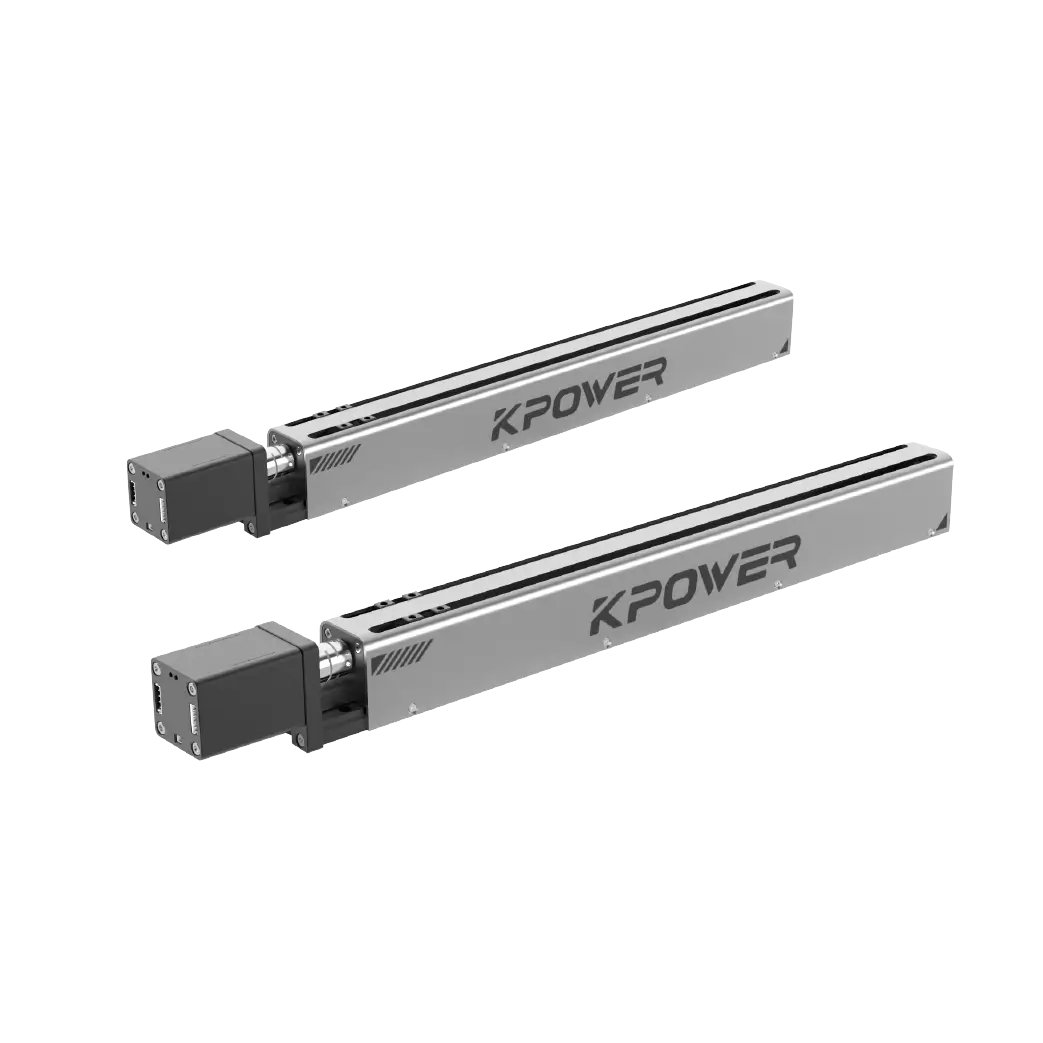
In the world of mechanical projects, everything is a trade-off. Speed vs. Power. Size vs. Heat. When you aren't stuck with off-the-shelf options, you can balance these trade-offs to fit your specific use case. Maybe you need a servo that can rotate 360 degrees with high precision, or maybe you need a tiny actuator that can hide inside a thin aluminum frame.
Kpower doesn’t just give you a box of parts; they give you a solution that fits the physical constraints of your reality. I’ve spent nights staring at CAD files wondering how to fit a bulky motor into a tight space. Having the option to customize the housing or the cable exit point through a private label partner is a literal project-saver.
Building something new is a series of small victories and large frustrations. You solve the code, then the power supply dies. You fix the power, then the gears strip. It’s a cycle. But you can break that cycle by choosing better components from the start.
If you are serious about your Arduino-based project, stop looking at servos as a commodity. They are the primary interface between your digital logic and the physical world. They deserve to be high-quality. They deserve to carry a name that represents that quality.
Choosing Kpower for your private label needs isn't just a business move; it’s a commitment to the craft. It means that when someone opens up your device, they see a motor that was chosen with intention. They see a component that was built to last, not just to survive the first week of use.
So, take a look at your current prototype. Is the motor the weakest link? Does it rattle? Does it get too hot to touch? If the answer is yes, it’s time to move past the hobbyist bins and start looking at what a dedicated manufacturer can do for your vision. The transition from "project" to "product" happens in the details, and the motor is the biggest detail of them all. Let the Arduino handle the thinking, but let Kpower handle the heavy lifting. Your machine will thank you for it, and so will the people using it.
Established in 2005, Kpower has been dedicated to a professional compact motion unit manufacturer, headquartered in Dongguan, Guangdong Province, China. Leveraging innovations in modular drive technology, Kpower integrates high-performance motors, precision reducers, and multi-protocol control systems to provide efficient and customized smart drive system solutions. Kpower has delivered professional drive system solutions to over 500 enterprise clients globally with products covering various fields such as Smart Home Systems, Automatic Electronics, Robotics, Precision Agriculture, Drones, and Industrial Automation.
Update Time:2026-01-22

Contact Kpower's product specialist to recommend suitable motor or gearbox for your product.


