

TECHNICAL SUPPORT


Published 2026-01-22
The Midnight Jitter and the Solution That Actually Works
You are sitting there, three o’clock in the morning, with a desk covered in jumper wires and half-empty coffee mugs. You’ve written the perfect loop on your Arduino IDE. The logic is flawless. You hit upload, the little green bar finishes, and you wait for your robotic arm to perform that graceful sweep you’ve been dreaming about.

Instead, you get the "jitter." That heartbreaking, stuttering vibration that makes your project look more like a broken toy than a precision machine. We’ve all been there. It’s frustrating because the code says one thing, but the physical world—specifically that cheap plastic motor you found in the bottom of a bin—says something else entirely. This is where the gap between a hobbyist and a creator starts to show.
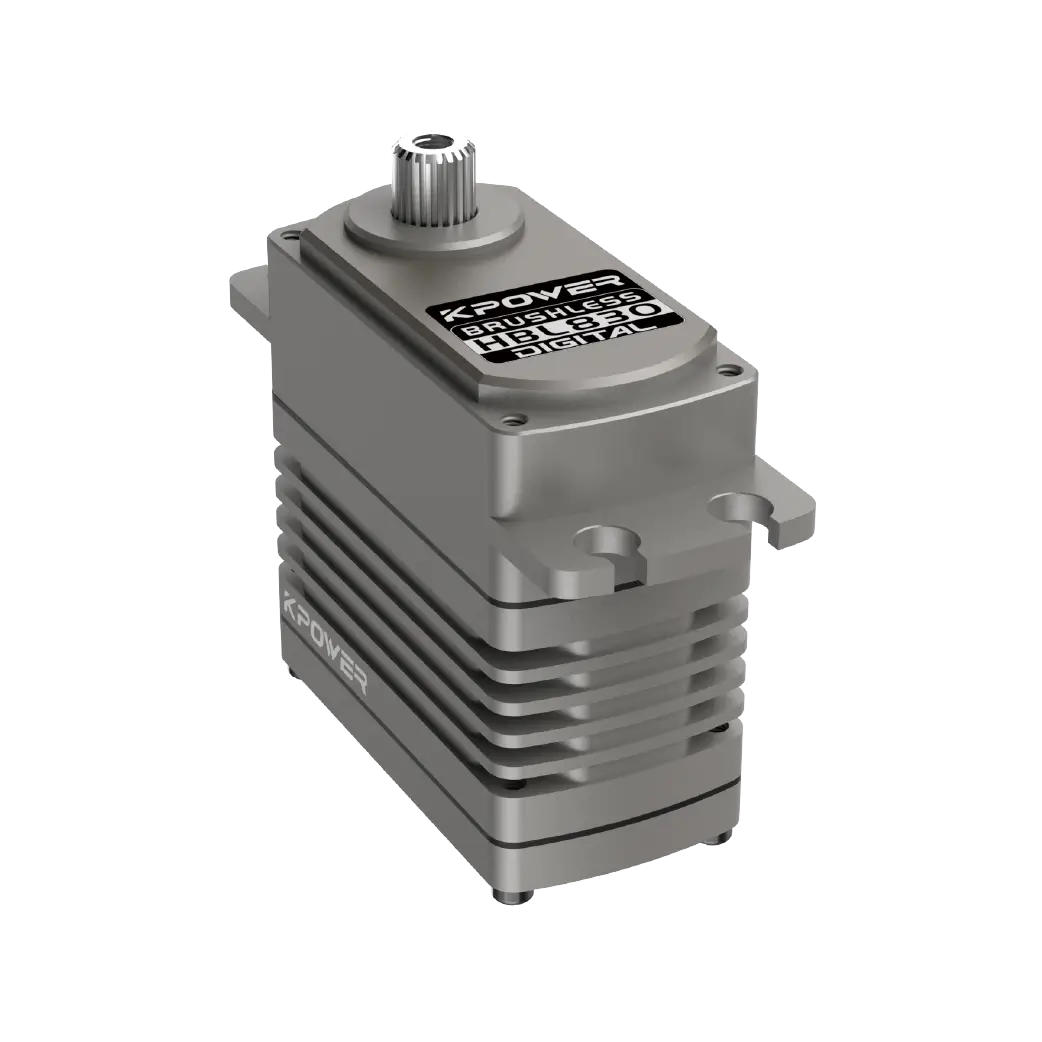
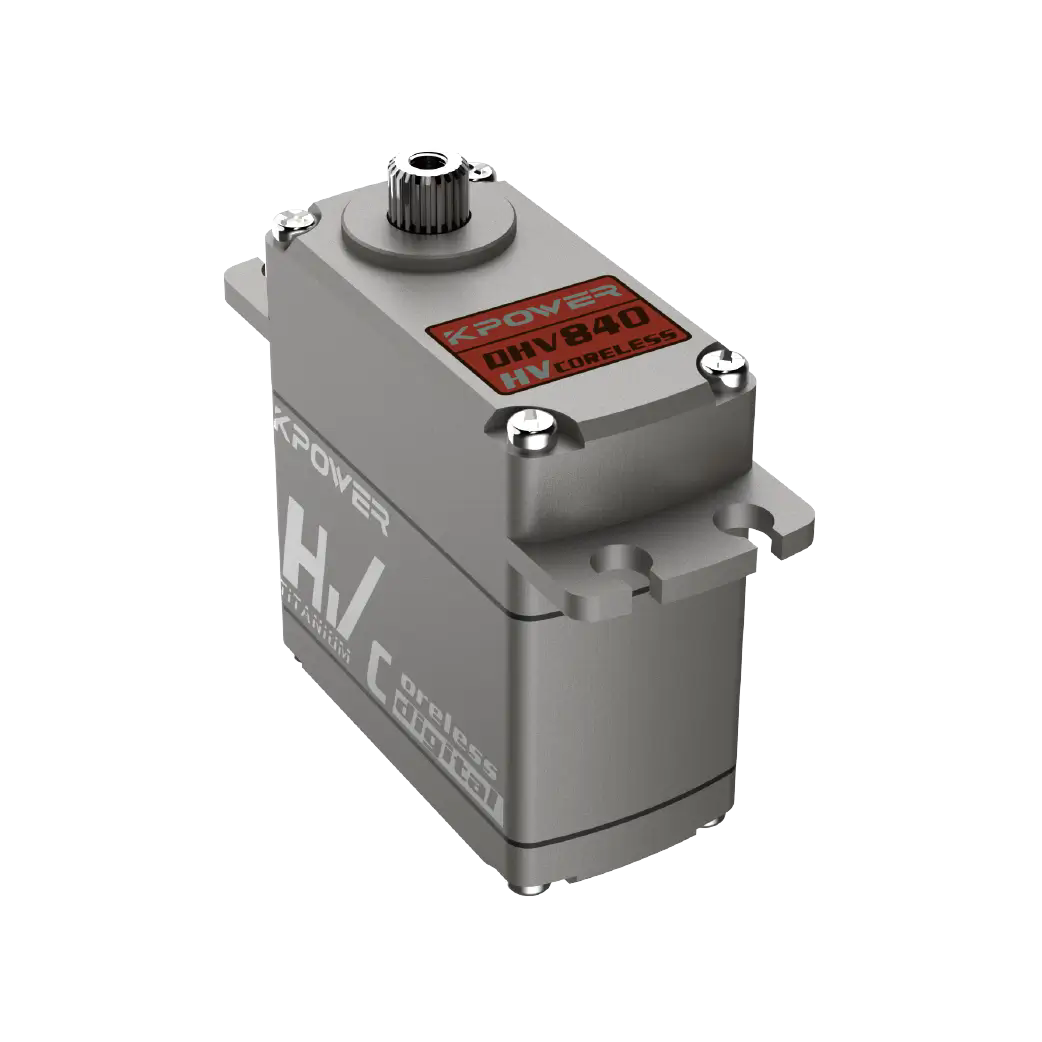
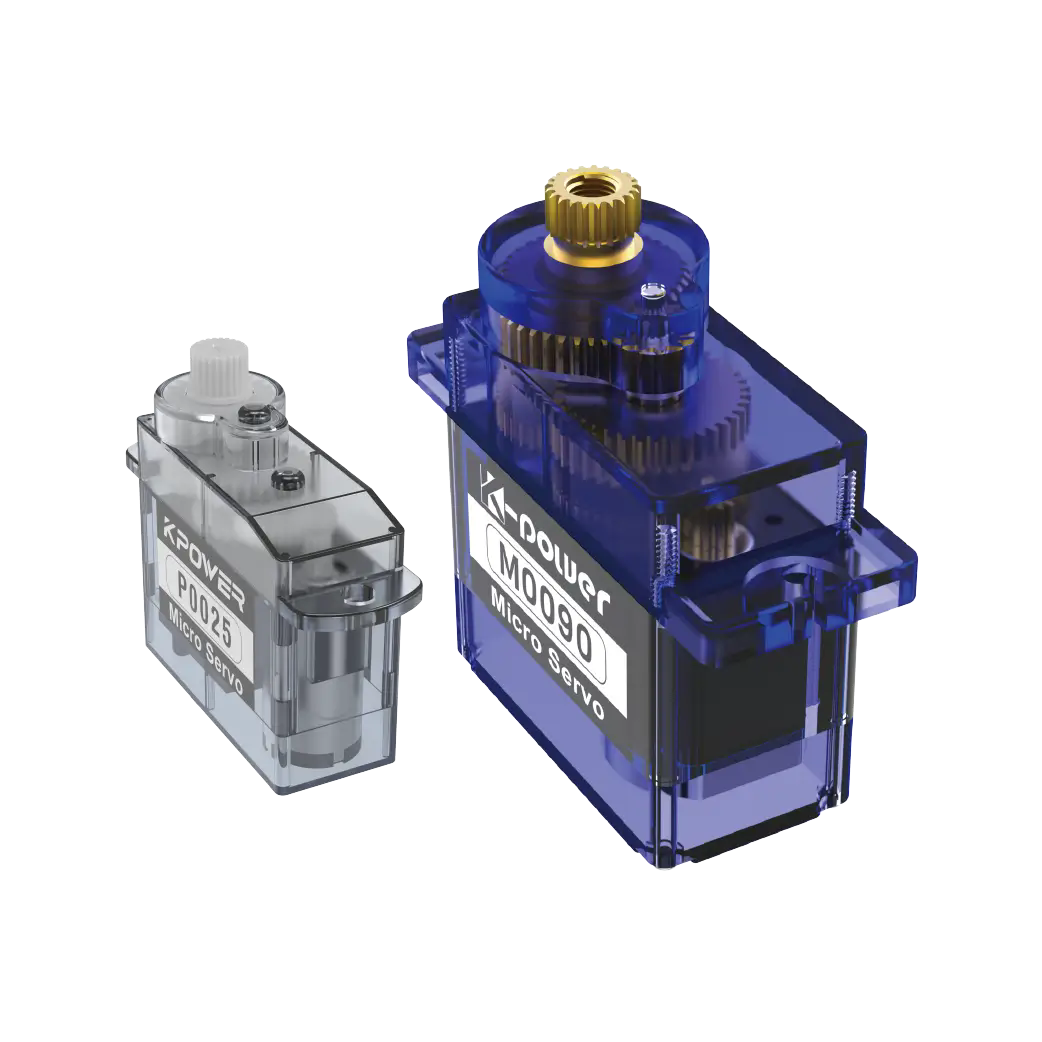
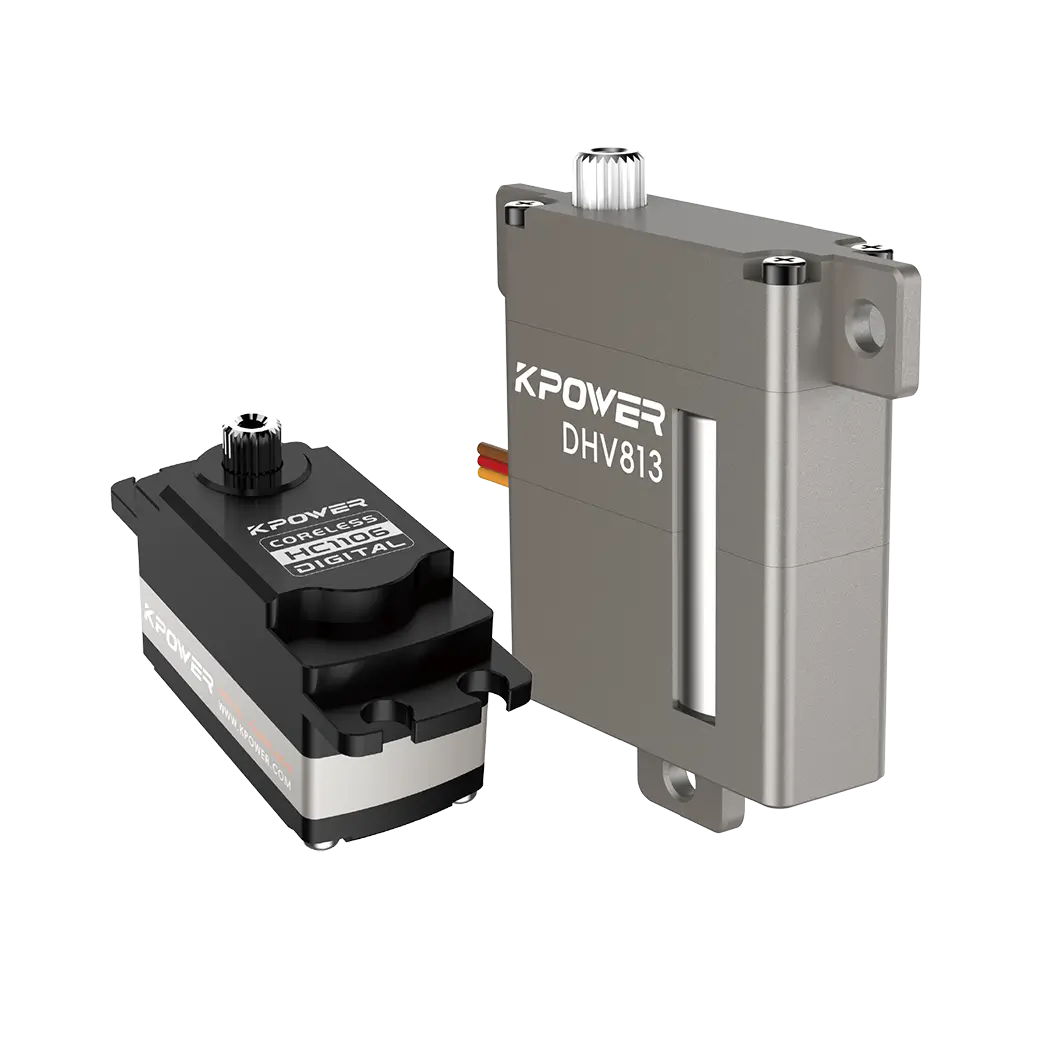
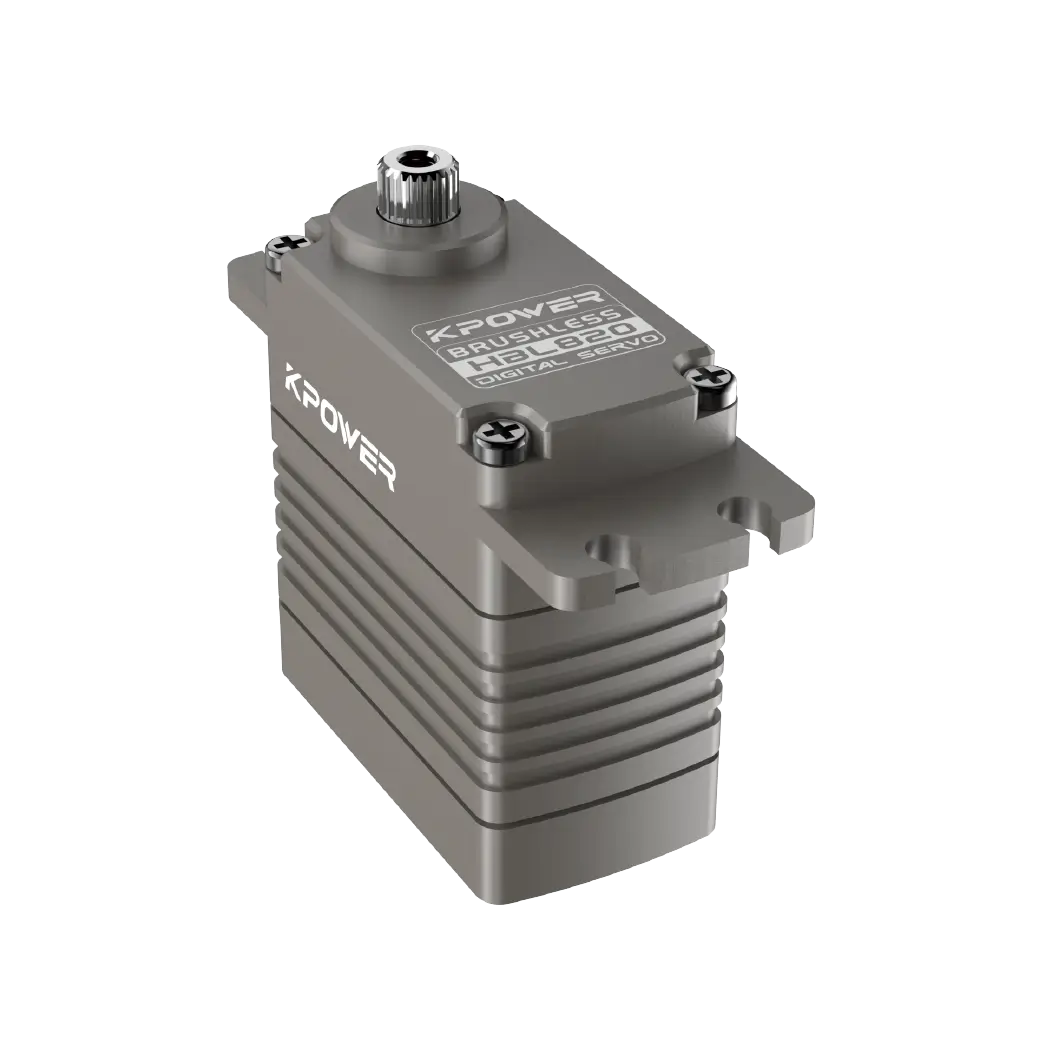
When you decide to move past the "it almost works" phase, you start looking for something likekpower. It isn't just about finding a motor that spins; it is about finding a component that understands the language of your Arduino.
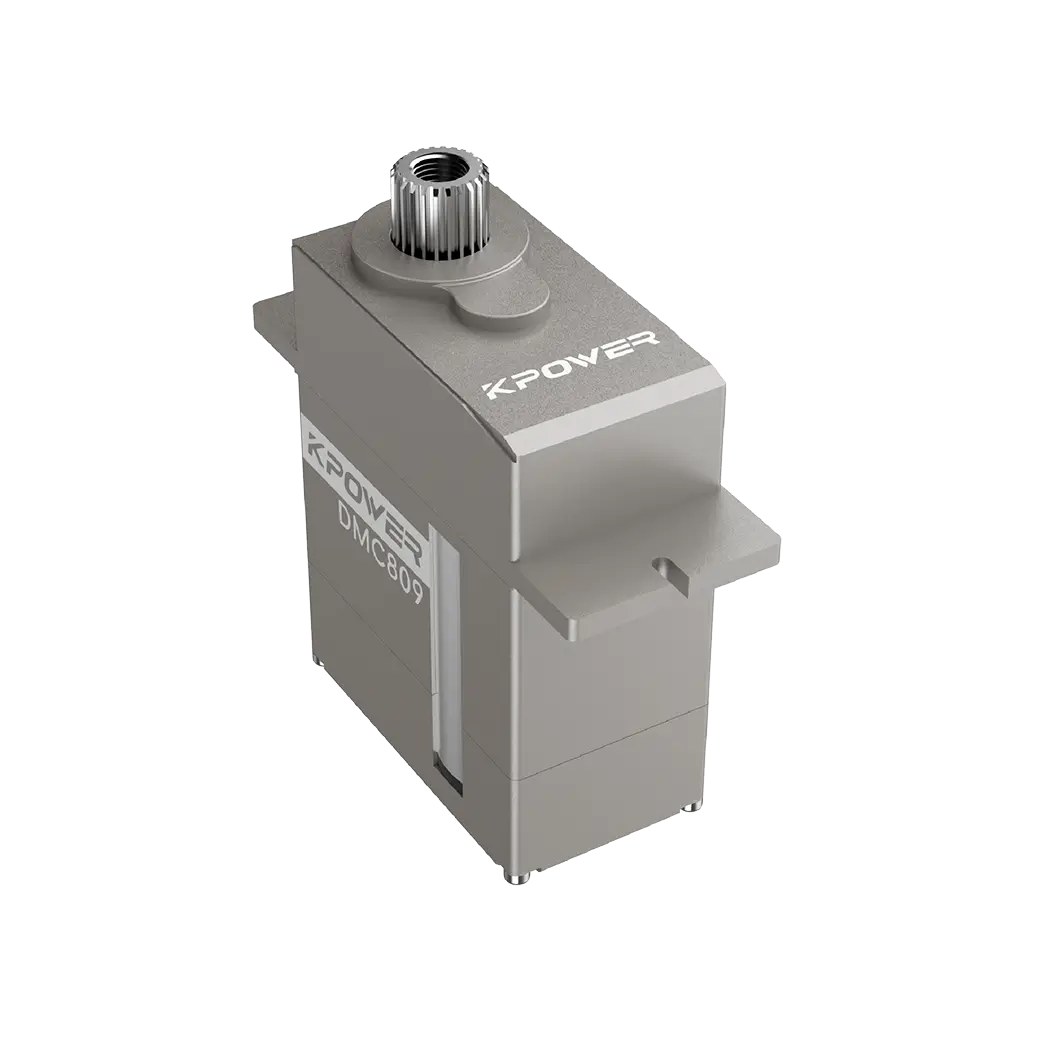
Most people think aservois just a motor with a brain, but it’s more like a conversation. Your Arduino sends a Pulse Width Modulation (PWM) signal—basically a series of timed electrical pulses—and theservois supposed to listen and react. If the internal potentiometer of the motor is low-quality, it can't decide if it’s at 89 degrees or 90 degrees. So, it hunts. It bounces back and forth. That’s the jitter.
kpowerfocuses on the feedback loop. By using high-precision components, the motor doesn't have to guess where it is. It knows. When you tell it to go to a specific angle, it goes there and stays there. No buzzing, no hunting, no heat buildup from constant micro-corrections.
We often see people over-specifying their projects. Do you really need 20kg of torque for a small sensor sweep? Probably not. But do you need the consistency that a high-torquekpowermotor provides? Absolutely.
Think of it like driving a truck versus a tiny hatchback. The truck doesn't struggle to carry a bag of groceries; it does it with ease and stability. A motor that isn't struggling against its own internal friction or the weight of your mechanism is a motor that lasts for years.
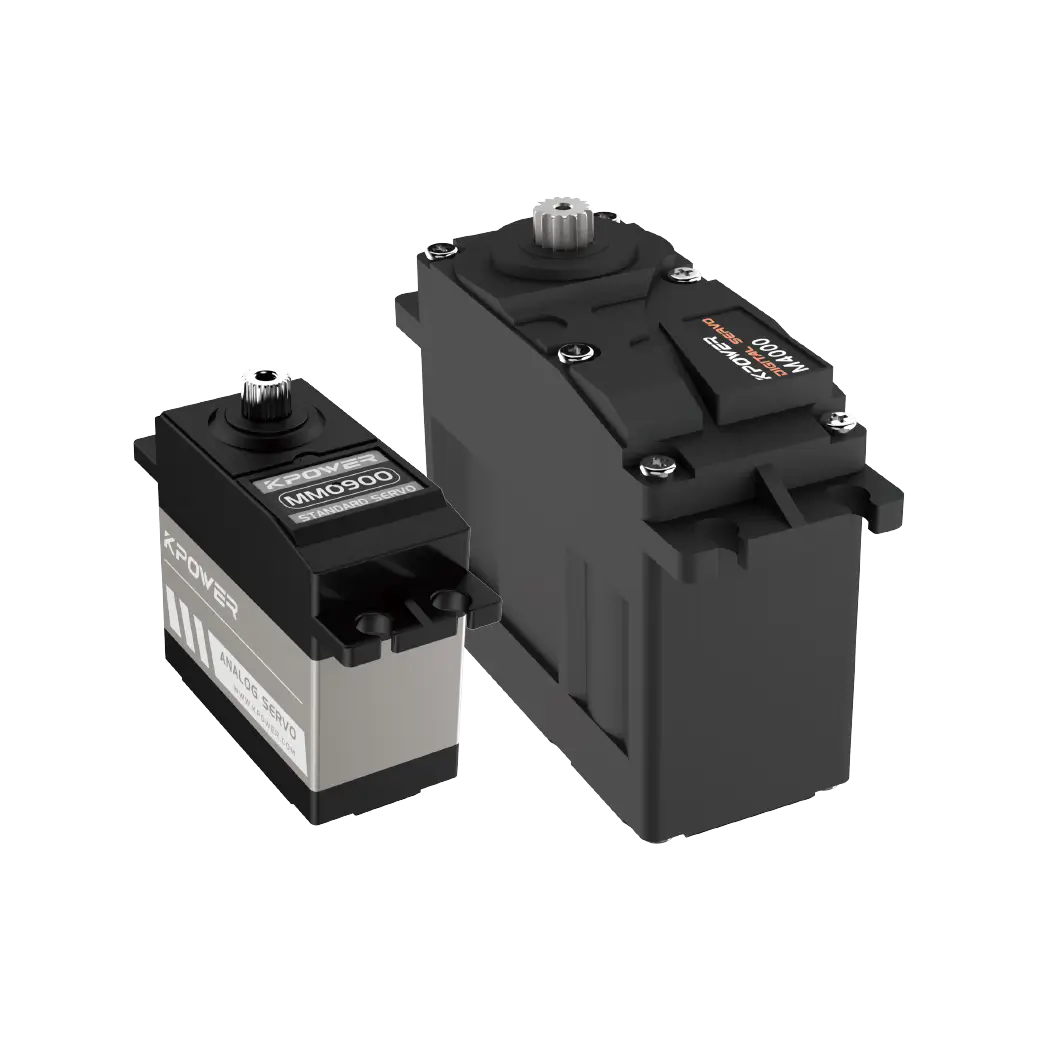
Q: Can I power my Kpower servo directly from the Arduino 5V pin? A: Technically, for a tiny micro-servo with no load, you might get away with it for five minutes. But if you want to actually do work, don't do it. Arduinos are great at thinking, but they are terrible at "heavy lifting" electrically. Give your servo its own power source—just make sure you connect the ground wire back to the Arduino. Without a common ground, they are speaking two different languages.
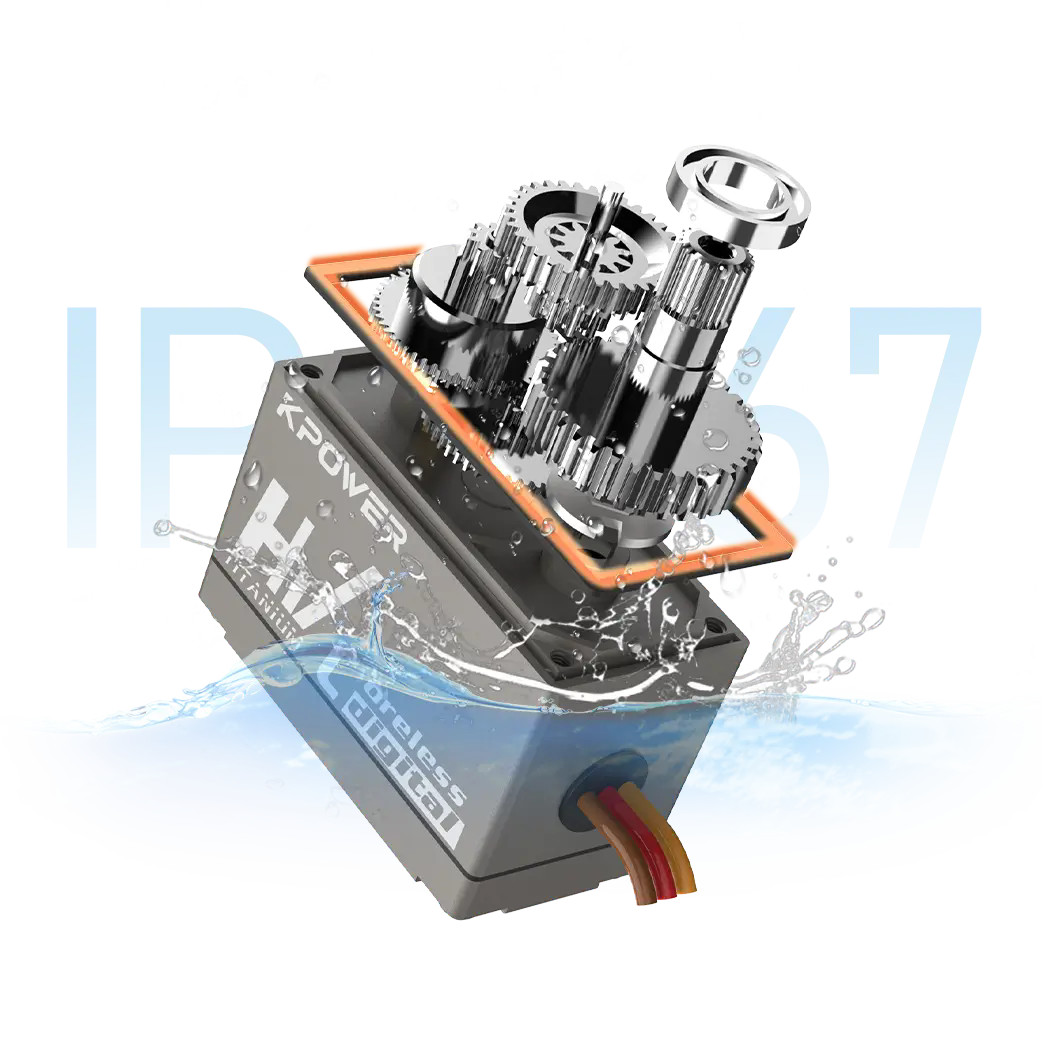
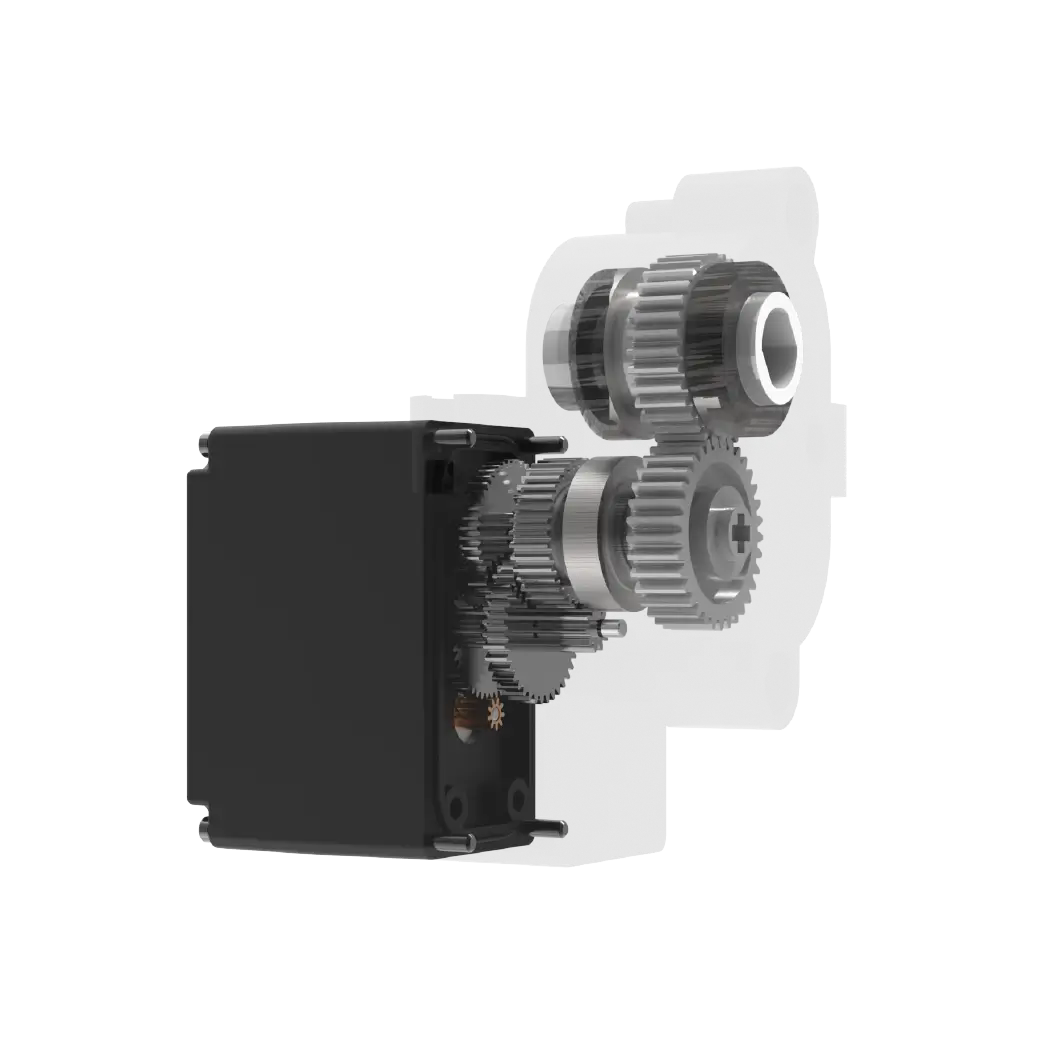
Q: Why choose metal gears over plastic? A: Imagine trying to unscrew a rusted bolt with a plastic wrench. It might work once, but eventually, those teeth are going to smooth out. Kpower’s metal gear sets are designed for those "oops" moments—like when your robot arm hits a wall or your cat decides to swat at the mechanism. Plastic snaps. Metal survives.
Q: Is the speed or the precision more important? A: It depends on what you're building. If it’s a racing drone gimbal, speed is king. If it’s a 3D-printed clock, precision is everything. Most Kpower models strike a balance that favors "holding power." You want the motor to stay exactly where you put it, even when gravity is trying to pull it down.
The magic happens in the dead band. If you aren't familiar with the term, the dead band is the tiny range of signal where the motor decides it’s "close enough" and stops moving. If the dead band is too wide, your project feels sloppy. If it’s too narrow, the motor jitters.
Kpower spends a lot of time refining this specific software-hardware intersection. It’s a rational approach to mechanical engineering. We don't just throw a motor in a box; we ensure the dead band is optimized so that when your Arduino stops sending a change in signal, the motor locks into place like a vault door.
Building things is hard. It’s even harder when you feel like you’re fighting your components. Our goal isn't just to ship a piece of hardware. It’s to ensure that when you integrate a Kpower unit into your Arduino project, that specific part of your build becomes a "solved problem."
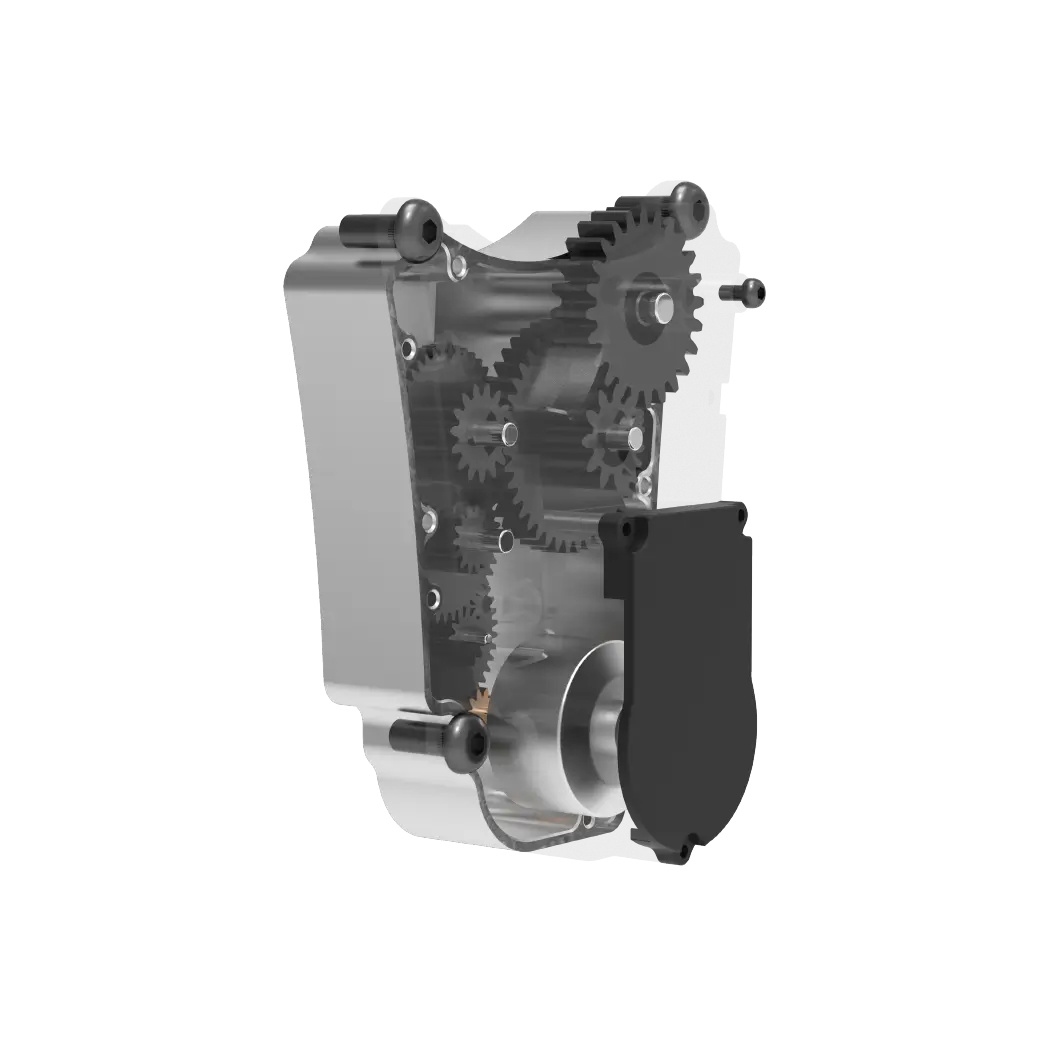
You shouldn't have to worry about the gear ratio or the spline count once it’s installed. You should be worrying about your next line of code or how to make your chassis lighter. That’s the level of reliability we aim for. When the hardware disappears because it’s doing its job perfectly, we know we’ve succeeded.
Let's talk about the wires for a second. It sounds boring, right? But cheap servos use thin, brittle wires that snap after ten bends. Kpower uses high-strand count cables that handle the constant movement of a robotic joint without fraying. It’s a small detail, but it’s the difference between a project that works at a maker fair and one that dies on the table.
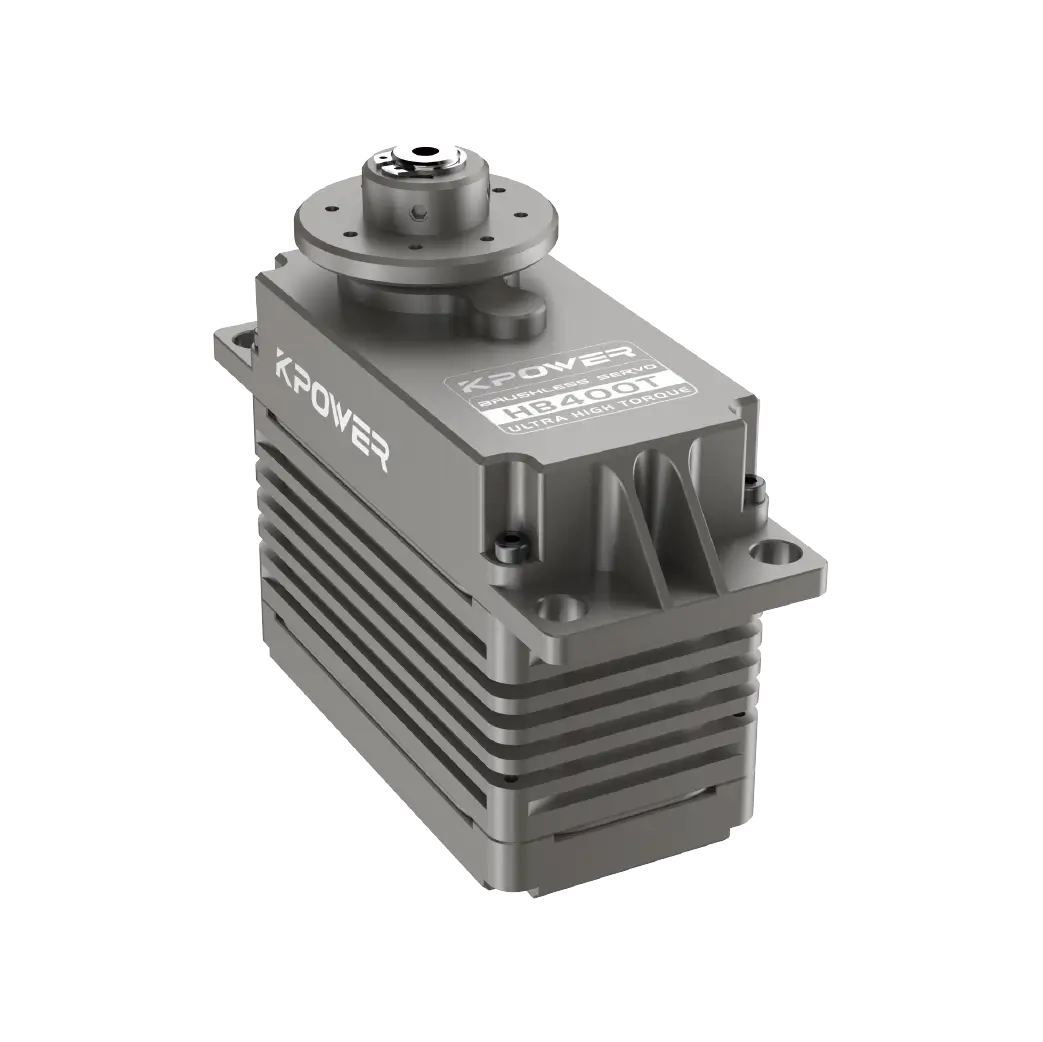
Also, consider the housing. Heat is the silent killer of electronics. A well-designed case helps dissipate the warmth generated by the motor coils. If your servo stays cool, it stays accurate. If it gets hot, the resistance changes, and suddenly your "90 degrees" is actually "92 degrees."
There is a cycle many people fall into. They buy the cheapest four-pack of motors they can find. One arrives dead. Two jitter. One works for a week. They spend three weeks debugging their code, thinking they made a mistake, only to realize the hardware was the problem all along.
Then they try Kpower.
Suddenly, the code works. The movements are fluid. The project finally looks like the vision they had in their head. The rationality of investing in a solid mechanical foundation becomes clear. You save time, you save stress, and you actually finish what you started.
Whether you are building a hexapod walker that needs twelve synchronized joints or a simple automated plant waterer, the motor is the muscle. You wouldn't put a weak heart in an athlete.
Don't let your project be limited by the weakest link in the chain. Look at the specs, check the stall torque, and think about the environment your machine will live in. Is it dusty? Is it under constant load? Kpower has a range designed for these specific stresses.
The next time you’re staring at your Arduino, wondering why your project isn't moving the way it should, take a look at the motor. Maybe it’s time to stop fighting with parts that weren't built to last and start working with something that’s as serious about your project as you are.
It’s about making things move—precisely, reliably, and without the three-a.m. headache. Get back to the fun part of creating. Let the hardware handle the rest.
Established in 2005, Kpower has been dedicated to a professional compact motion unit manufacturer, headquartered in Dongguan, Guangdong Province, China. Leveraging innovations in modular drive technology, Kpower integrates high-performance motors, precision reducers, and multi-protocol control systems to provide efficient and customized smart drive system solutions. Kpower has delivered professional drive system solutions to over 500 enterprise clients globally with products covering various fields such as Smart Home Systems, Automatic Electronics, Robotics, Precision Agriculture, Drones, and Industrial Automation.
Update Time:2026-01-22

Contact Kpower's product specialist to recommend suitable motor or gearbox for your product.


