

TECHNICAL SUPPORT


Published 2026-01-22
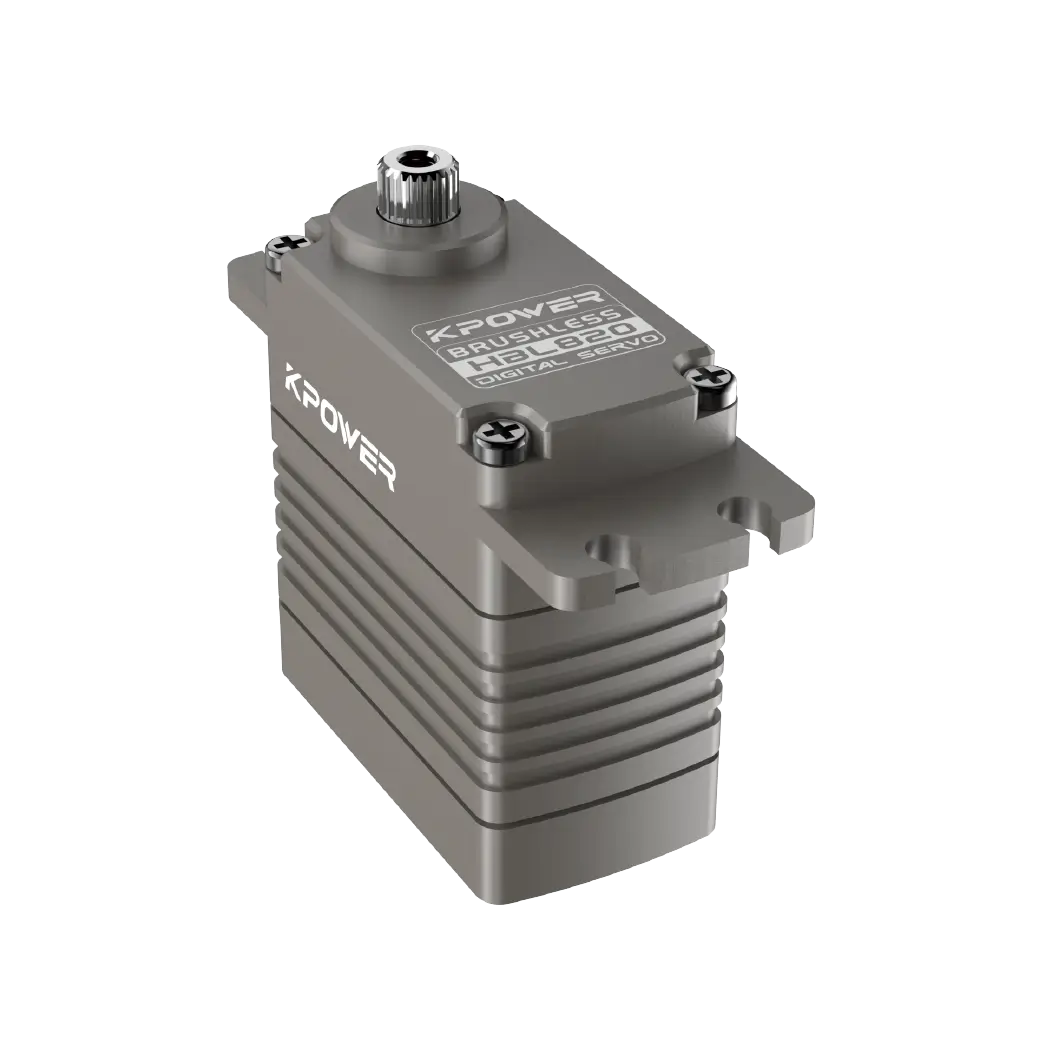
Beyond the Plastic Box: Why Your Arduino Projects Deserve a Bespokeservo
You are sitting there with a desk full of wires, a glowing Arduino board, and a mechanical design that looks brilliant on your screen. But then, you plug in a standard, off-the-shelfservo, and the magic dies. It jitters. It’s too weak to lift the arm. Or maybe it’s just too bulky to fit into that sleek housing you spent ten hours refining.
The truth is, standardservos are built for the average, and your work is anything but average. When you are pushing the limits of what a small-scale mechanical system can do, "close enough" is just another way of saying "fail." This is where the concept of a bespoke servo motor changes the game.
Most people start with the basics. You grab a cheap, mass-produced motor, hook it up to your PWM pins, and expect it to perform like a precision instrument. It won’t. These generic parts often suffer from "dead bands" that make fine movement impossible. They use plastic gears that strip the moment a real load is applied.
Why settle for a component that forces you to compromise your design? If your project needs a specific torque at a specific voltage, or a gear ratio that doesn't exist in a catalog, you’re hitting the wall. I’ve seen countless projects stall because the motor was the bottleneck.
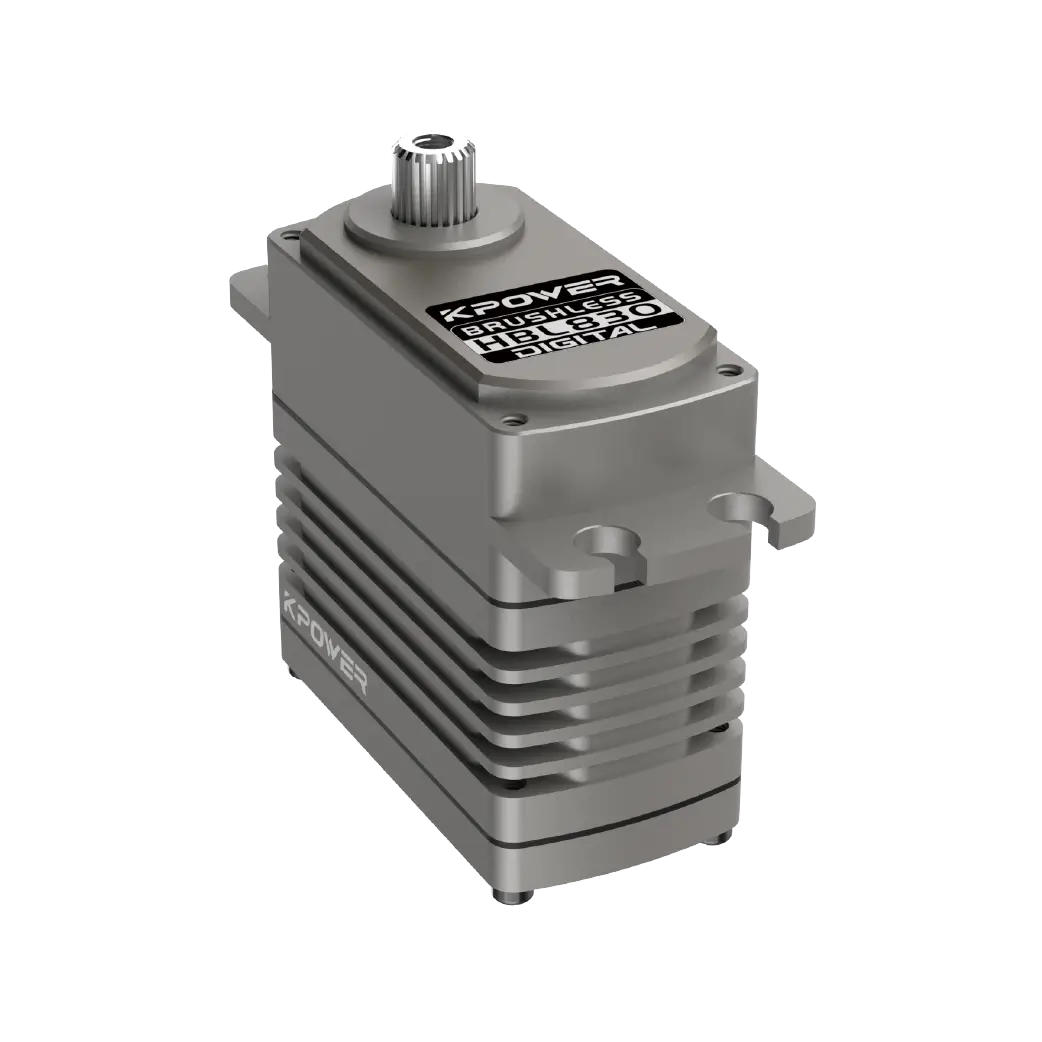
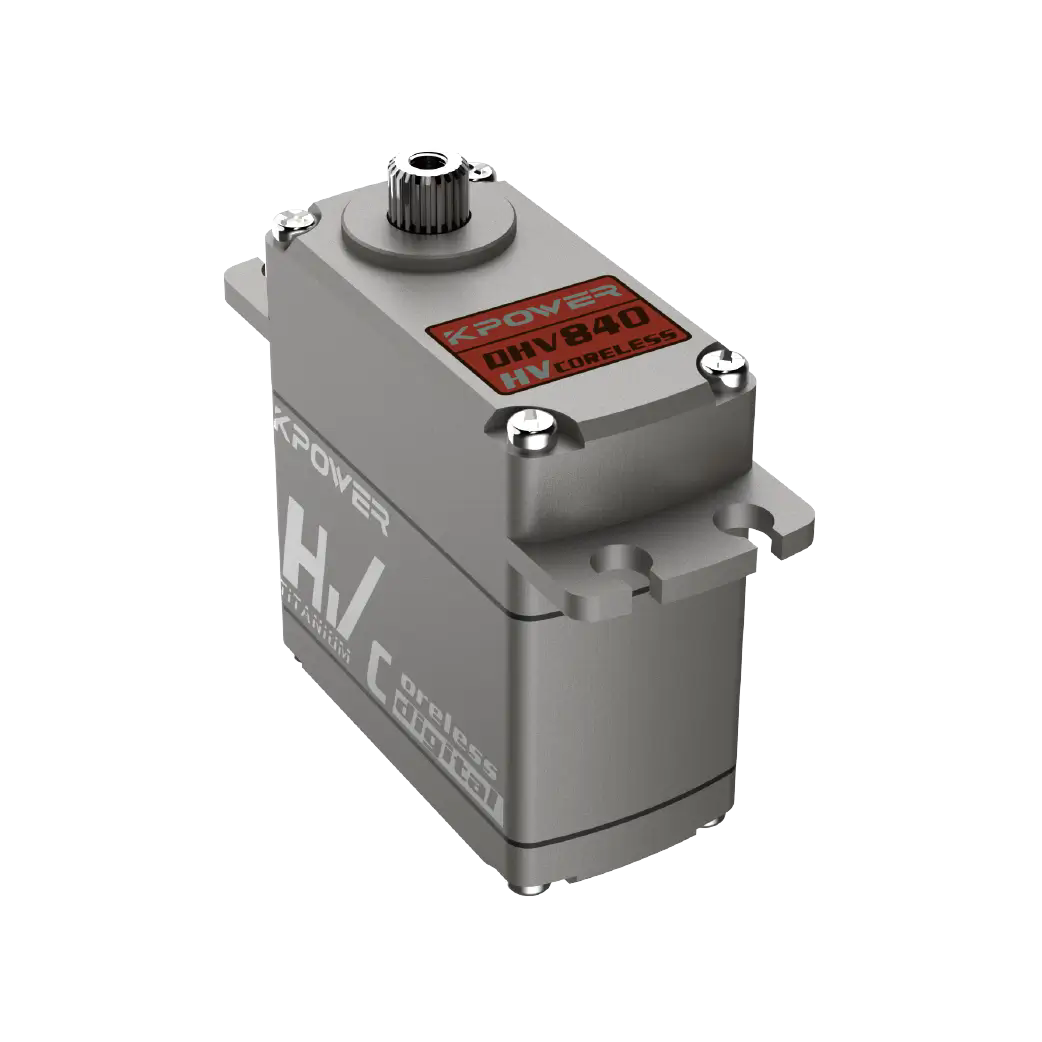
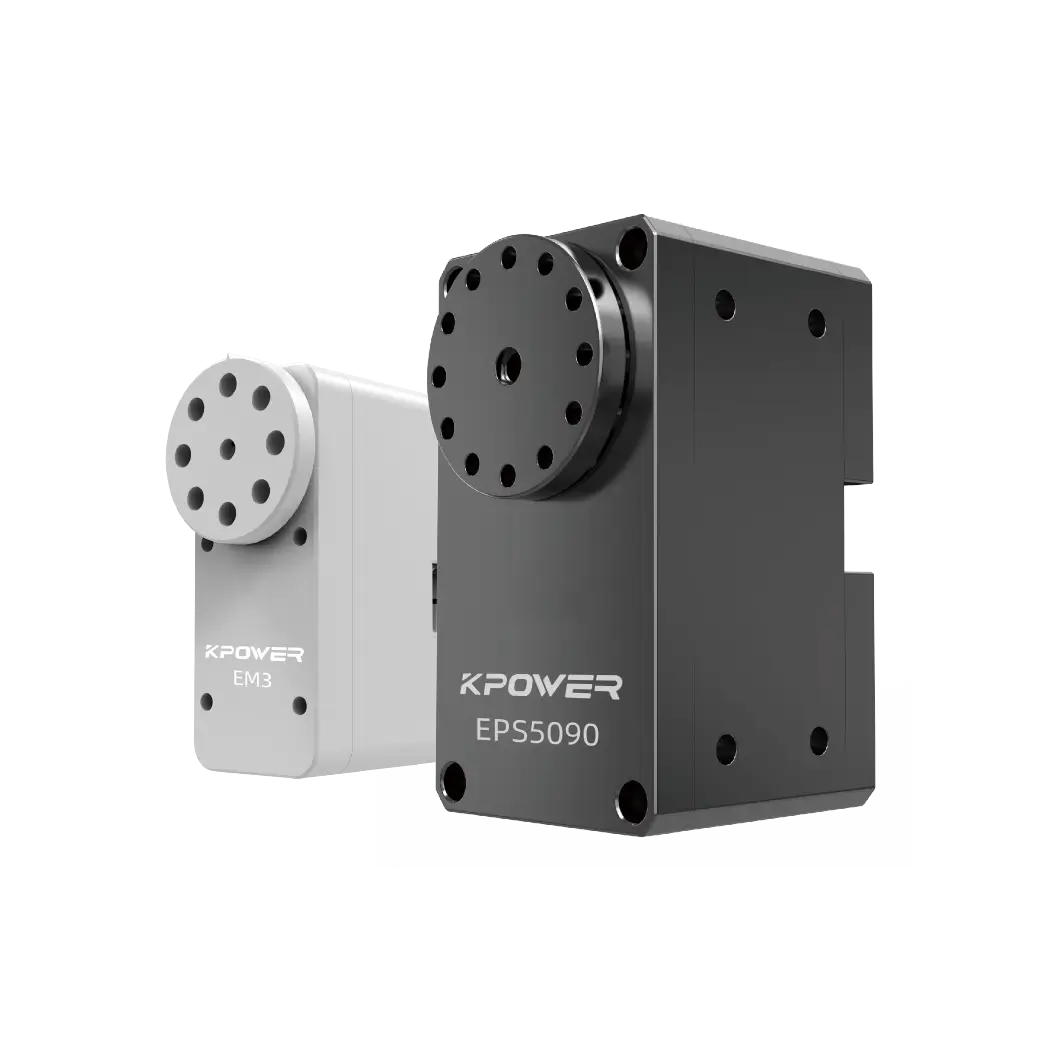
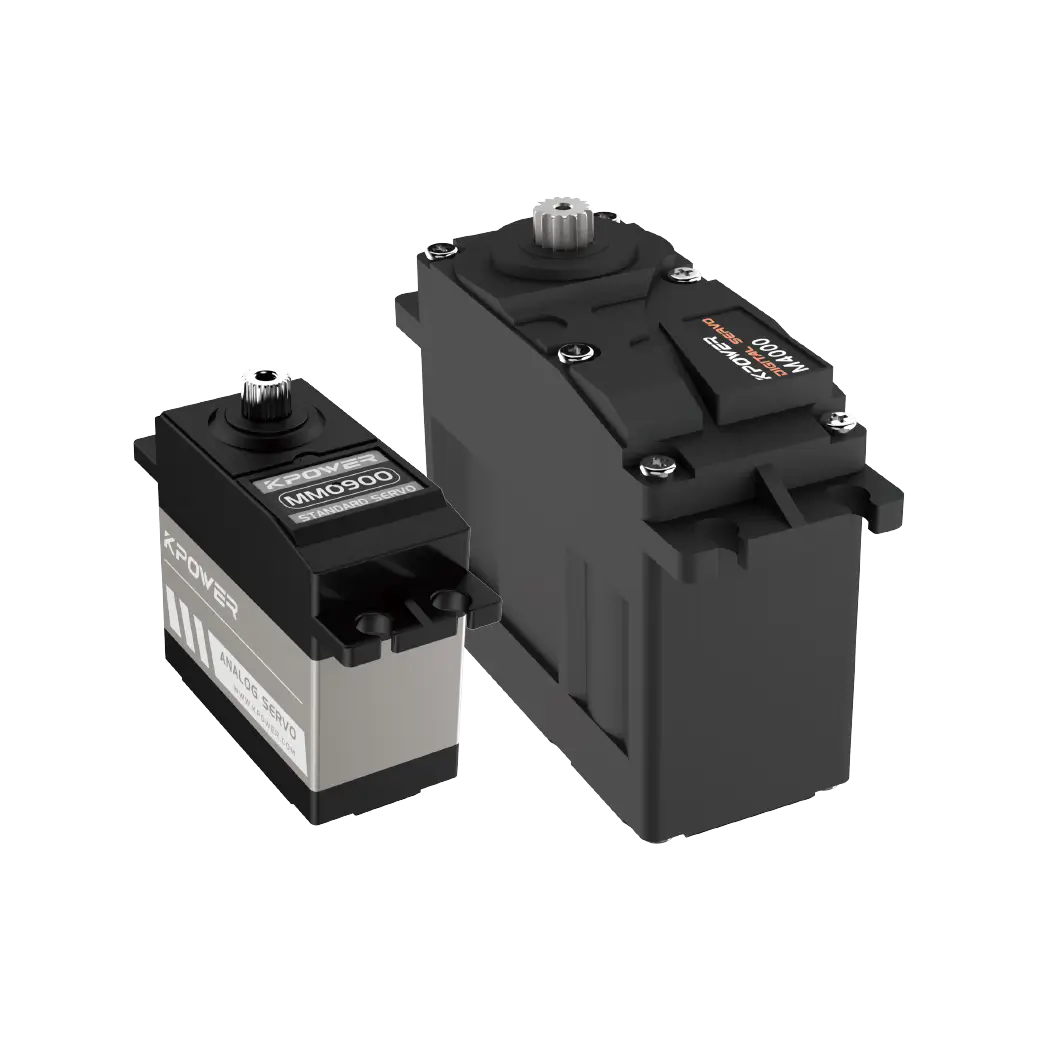
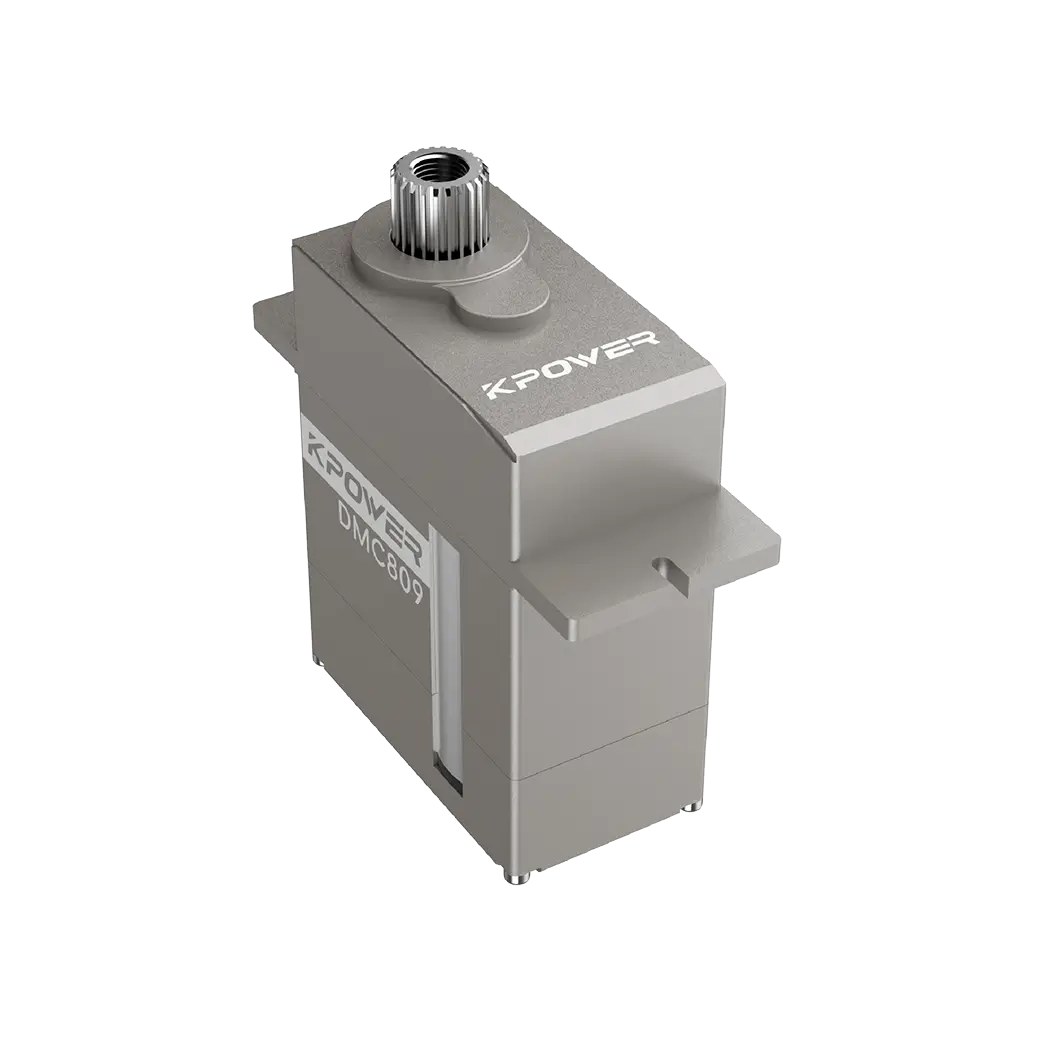
When we talk aboutkpower, we aren't talking about just another box on a shelf. We are talking about the ability to tailor the muscle to the skeleton. Think of a bespoke servo as a suit tailored specifically for your mechanical frame.
kpowerfocuses on the variables that actually matter:
"Can't I just use a bigger battery to get more power out of a standard servo?" You could, but you’ll likely smell smoke before you see results. Over-volting a motor not designed for it is a death sentence for the internal circuitry. A bespoke Kpower solution ensures the motor is wound and rated for the specific power source you are using.
"Is bespoke only for high-budget projects?" Actually, it’s about efficiency. Think about the cost of replacing four broken generic servos versus installing one Kpower unit that was built for the job. You save money by not failing.
"How hard is it to integrate a custom servo with an Arduino?" It’s the same logic. You still use the same libraries and the same signal wires. The difference is that when your code says "move 15 degrees," the motor moves exactly 15 degrees—no more, no less.
Random thought: most people ignore friction in their mechanical joints. They calculate the weight of the arm but forget the resistance of the pivot. This is why "standard" servos fail. They don't have the overhead. A bespoke approach allows us to build in a safety margin, so your Arduino isn't struggling to compensate for physical reality.
So, how do you actually do this? It’s not about clicking a "buy now" button on a random site. It involves a bit of logic:
It comes down to reliability and the refusal to be "standard." When you integrate a Kpower bespoke servo, you are putting a piece of specialized equipment into your project. It’s the difference between a toy and a tool.
If you are tired of your mechanical designs being limited by the mediocre parts available in the bargain bin, it’s time to look at custom options. The synergy between a well-coded Arduino and a Kpower motor is where true innovation happens.
Stop designing around the limitations of your motors. Start designing the machine you actually want to build, and let the motor be the least of your worries. It’s about precision. It’s about power. It’s about getting it right the first time.
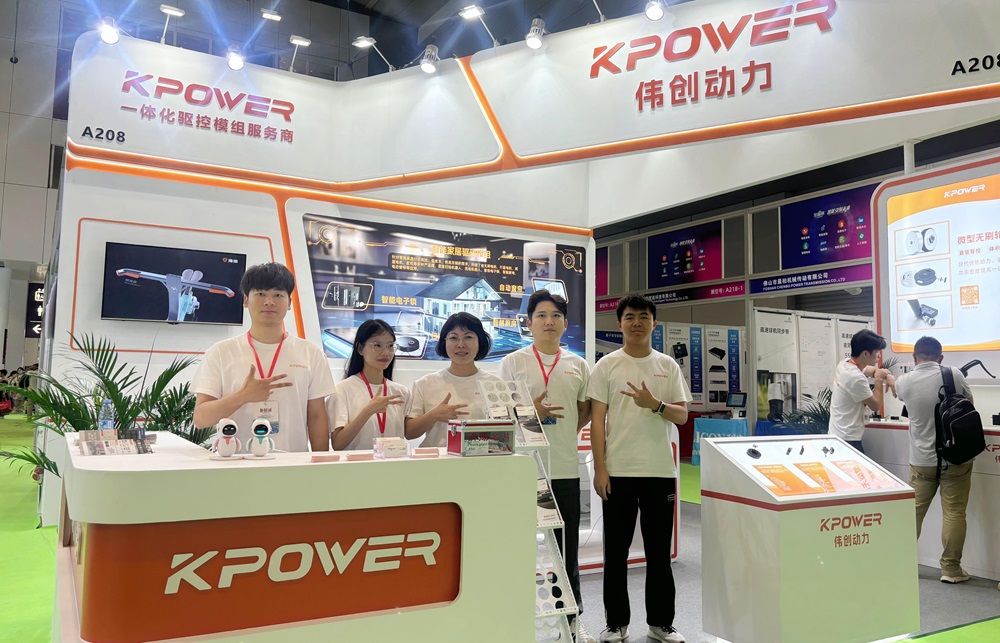
Established in 2005, Kpower has been dedicated to a professional compact motion unit manufacturer, headquartered in Dongguan, Guangdong Province, China. Leveraging innovations in modular drive technology, Kpower integrates high-performance motors, precision reducers, and multi-protocol control systems to provide efficient and customized smart drive system solutions. Kpower has delivered professional drive system solutions to over 500 enterprise clients globally with products covering various fields such as Smart Home Systems, Automatic Electronics, Robotics, Precision Agriculture, Drones, and Industrial Automation.
Update Time:2026-01-22

Contact Kpower's product specialist to recommend suitable motor or gearbox for your product.


