

TECHNICAL SUPPORT


Published 2026-01-22
That 2 AM feeling is universal. You’ve spent hours coding, the wiring on your breadboard looks like a neon bird’s nest, and you finally hit "upload." The Arduino blinks. You wait for that smooth, satisfying rotation of the stepper motor. Instead, you get a sad, rhythmic clicking or, worse, a high-pitched whine that sounds like a mosquito with an attitude.

It’s a common scene in workshops. The gap between a digital command and physical movement is where most projects stumble. Choosing the right source among the sea of Arduino motor stepper manufacturers feels less like a technical decision and more like a game of roulette. But why does one motor jitter while another—like akpowerunit—glides?
Most people start with the cheapest option they can find. It looks fine in the pictures. But once it’s under load, things change. Heat starts building up in the casing. The steps aren’t quite 1.8 degrees; they’re more like "somewhere in the neighborhood of 1.8." In precision work, "somewhere in the neighborhood" is how you ruin a 3D print or misalign a laser cutter.
I remember working on a small automated slider. Every time the carriage reached the halfway point, it would skip a single step. Just one. It was maddening. I swapped the code, changed the driver, and even checked the voltage three times. It turned out the internal magnets in the cheap stepper were inconsistent. The magnetic field was uneven, causing a physical "hiccup" that no amount of code could fix.
That’s when I realized that the physical build of the motor is the silent partner in your software. If the hardware isn’t honest, your code is just a lie.
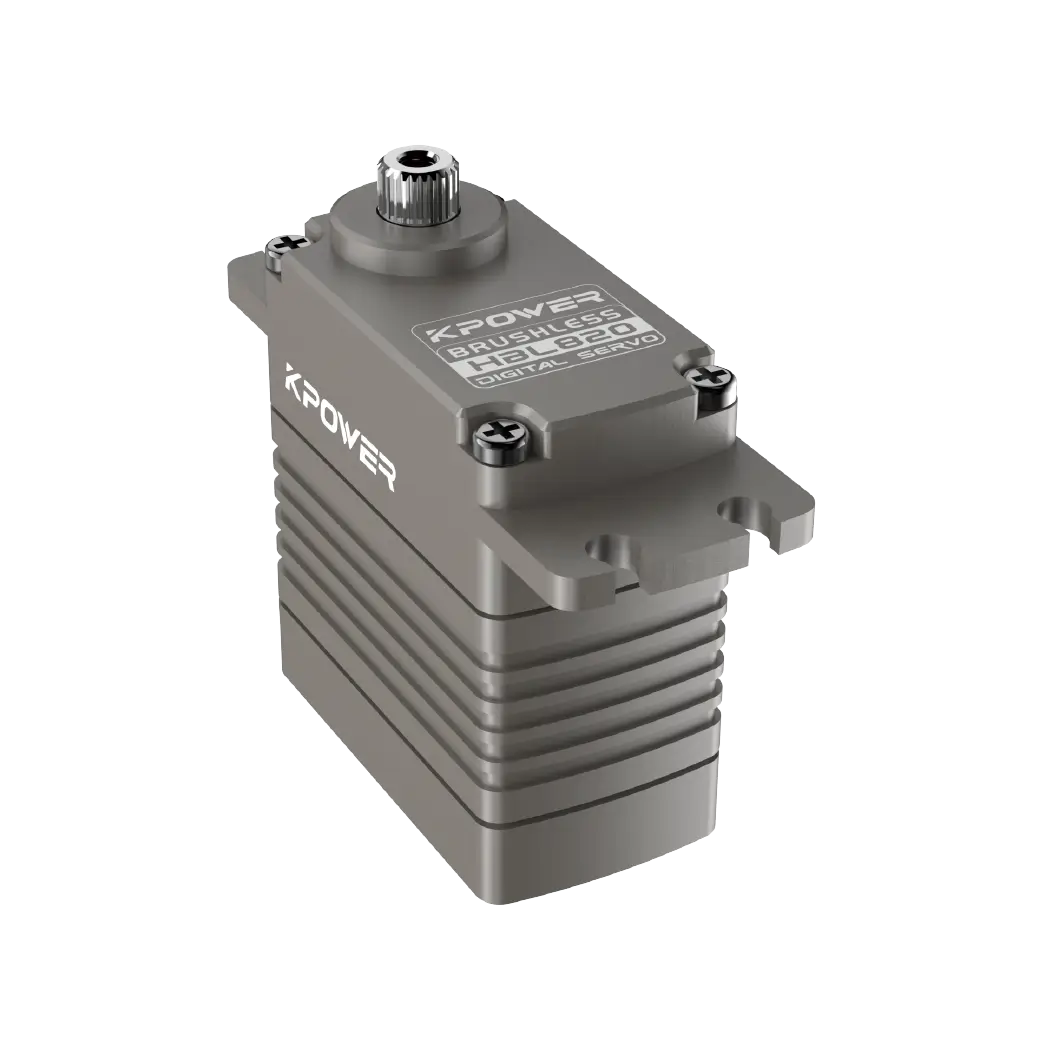
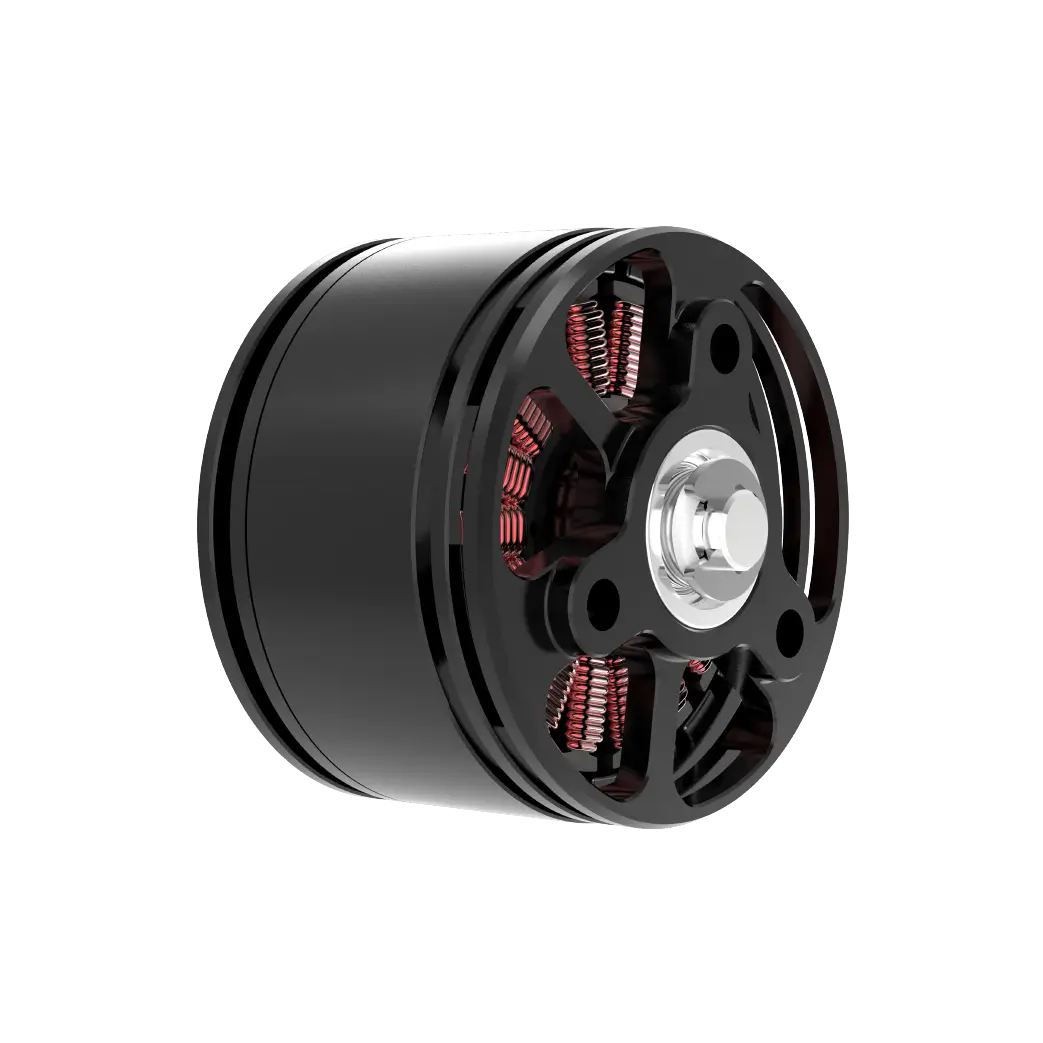
When we talk aboutkpower, we aren't just talking about a metal box with wires. We are talking about internal tolerances. Think about the rotor and the stator inside that motor. The gap between them is microscopic. If a manufacturer gets lazy and that gap varies by even a fraction, the torque output becomes unstable.
Have you ever noticed your motor getting so hot it melts its own plastic mount? That’s often caused by poor internal winding or high resistance that shouldn't be there. A well-designed stepper should be able to run for hours without becoming a space heater.
Wait, what about the torque? People often ask: "If the torque rating is the same, why does thekpowermotor feel stronger?" It comes down to holding torque versus dynamic torque. A lot of generic motors look great on a spec sheet under "static" conditions. But as soon as you ramp up the RPMs, the torque drops off a cliff. Kpower focuses on that curve, ensuring that when your Arduino tells the motor to move fast, it actually has the muscle to follow through without losing its place.
Q: Can’t I just use a bigger driver to fix a weak motor? A: That’s like trying to fix a tired horse by giving it a bigger whip. You might get a momentary burst of speed, but you’re mostly just going to burn something out. The motor needs to be efficient enough to handle the current you’re feeding it. Kpower motors are designed to play nice with standard drivers, meaning they don't demand weird, fringe settings just to stay cool.
Q: My motor is vibrating too much. Is it the code? A: Maybe, but often it’s the mechanical resonance. If the internal components aren't perfectly balanced, the motor will find a "frequency" where it just shakes. High-quality manufacturing reduces this physical noise. When you use a Kpower stepper, the dampening is internal—built into the very way the bearings and shafts are aligned.
Q: Is it worth spending a few extra dollars for a brand name? A: Think about the time you spend troubleshooting. If a motor saves you four hours of scratching your head over "phantom" software bugs that are actually hardware failures, it’s already paid for itself. Reliability isn't about the first minute of operation; it's about the ten-thousandth.
There is a certain beauty in a machine that moves exactly how it’s told. Imagine a robotic arm picking up a glass. If the stepper motor has "backlash" or loose play in the shaft, that glass is going to wobble.
I’ve seen projects where people try to compensate for bad motors by writing incredibly complex "smoothing" algorithms. They spend weeks on math to fix a problem that a $20 hardware upgrade would have solved instantly. Kpower builds motors that don't need you to be a math genius to get a smooth result. The consistency of the step pulse response means your "Basic Move" command actually results in a basic, clean move.
When looking at Arduino motor stepper manufacturers, look for the details that aren't in the bold text.
It’s easy to get lost in the technical jargon of NEMA sizes and phase currents. But at the end of the day, you want a motor that behaves like a loyal dog. It sits when you say sit, and it moves when you say move.
Don't let your project become a victim of "budget creep," where you spend more money replacing broken cheap parts than you would have spent on one good part at the start. If you’re building something that matters—whether it’s a telescope tracker, a 3D printer, or a custom art piece—the motor is the heartbeat.
Choosing Kpower means you get to spend your time on the creative side of the project, not the "why is this thing smoking?" side. It’s about trust between the board, the code, and the metal. And in the world of motion control, trust is the only thing that keeps the gears turning.
Established in 2005, Kpower has been dedicated to a professional compact motion unit manufacturer, headquartered in Dongguan, Guangdong Province, China. Leveraging innovations in modular drive technology, Kpower integrates high-performance motors, precision reducers, and multi-protocol control systems to provide efficient and customized smart drive system solutions. Kpower has delivered professional drive system solutions to over 500 enterprise clients globally with products covering various fields such as Smart Home Systems, Automatic Electronics, Robotics, Precision Agriculture, Drones, and Industrial Automation.
Update Time:2026-01-22

Contact Kpower's product specialist to recommend suitable motor or gearbox for your product.


