

TECHNICAL SUPPORT


Published 2026-01-22
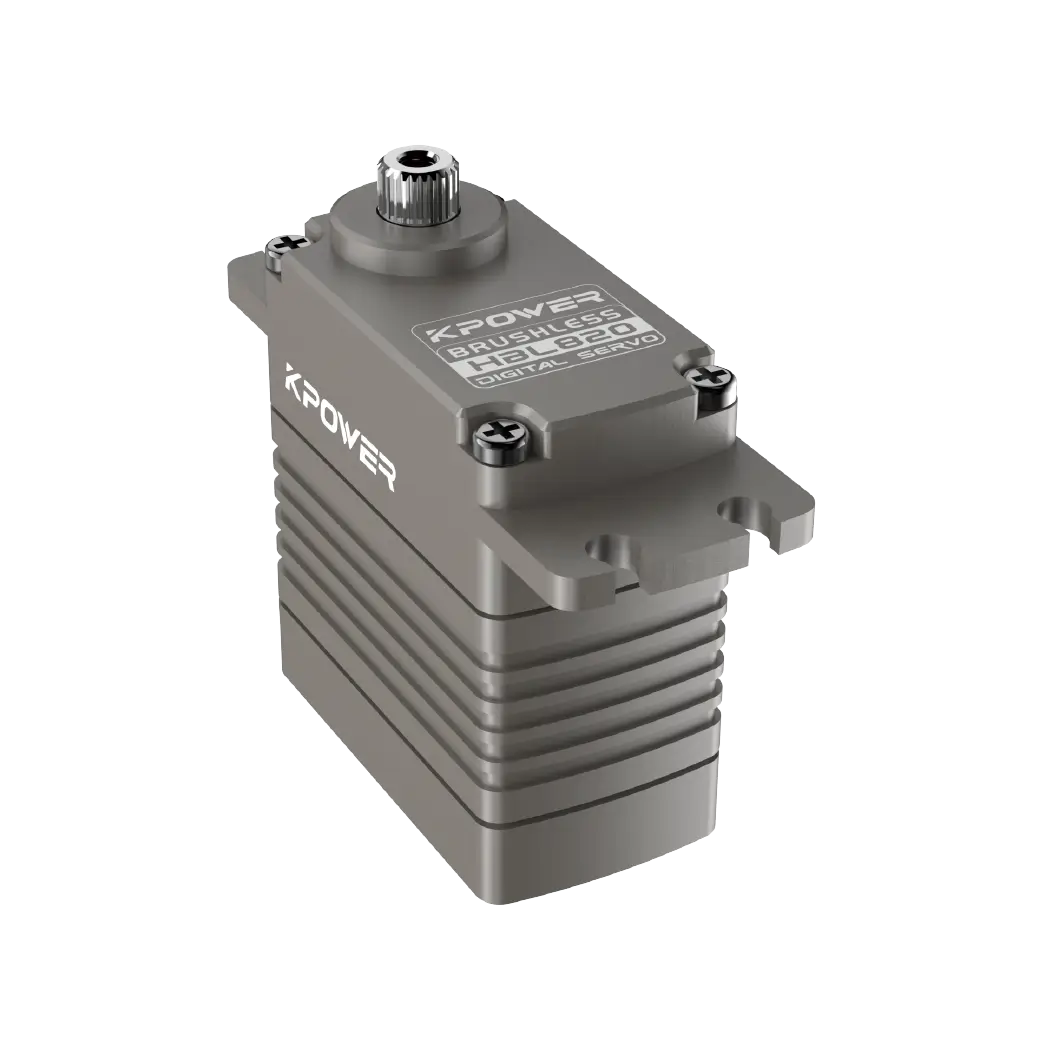
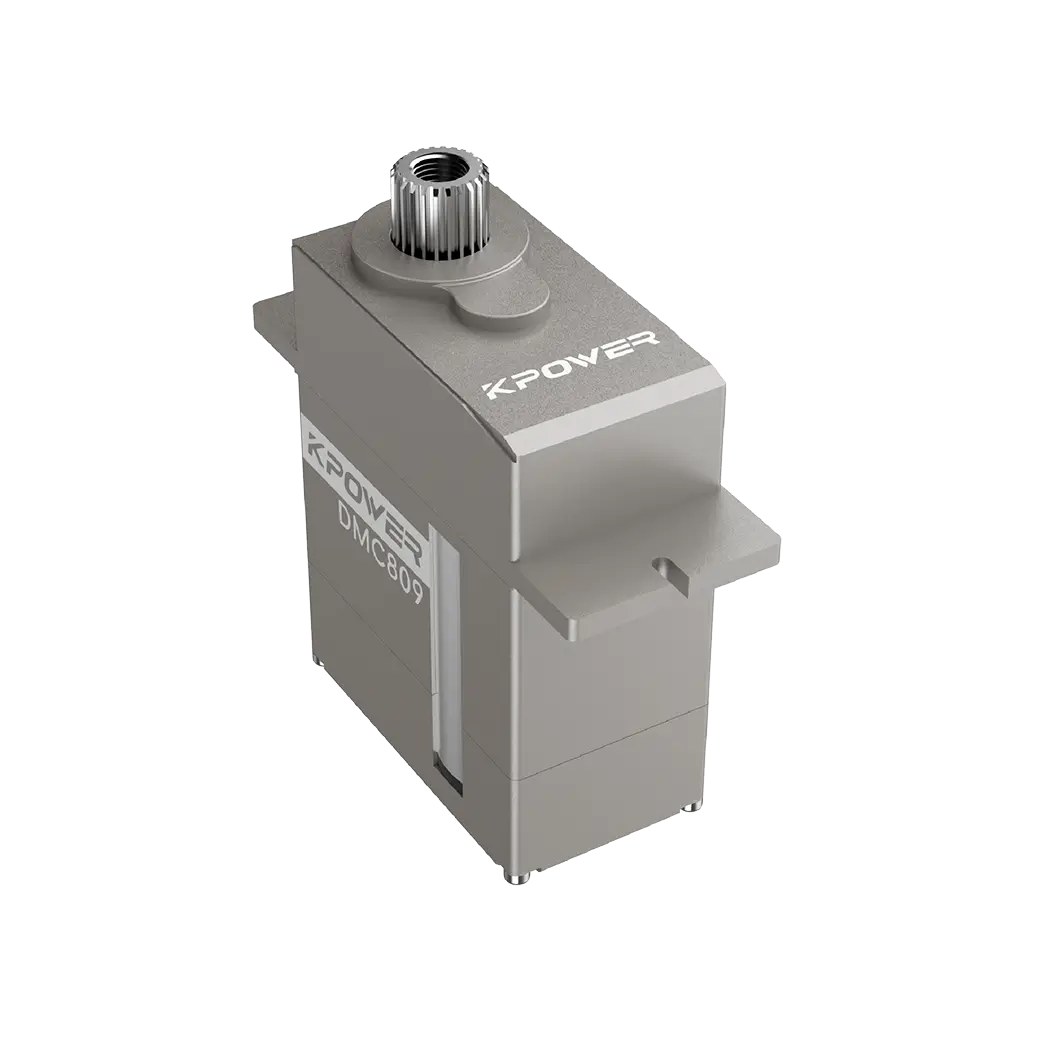
There is a specific kind of silence that follows a mechanical failure. You’ve spent hours, maybe days, perfecting the code on your Arduino board. The logic is flawless. The sensors are calibrated. But the moment you trigger the command, theservomotor gives a pathetic little whine, twitches, and then—nothing. Or worse, the plastic gears inside strip with a sound like a tiny, expensive heartbreak.
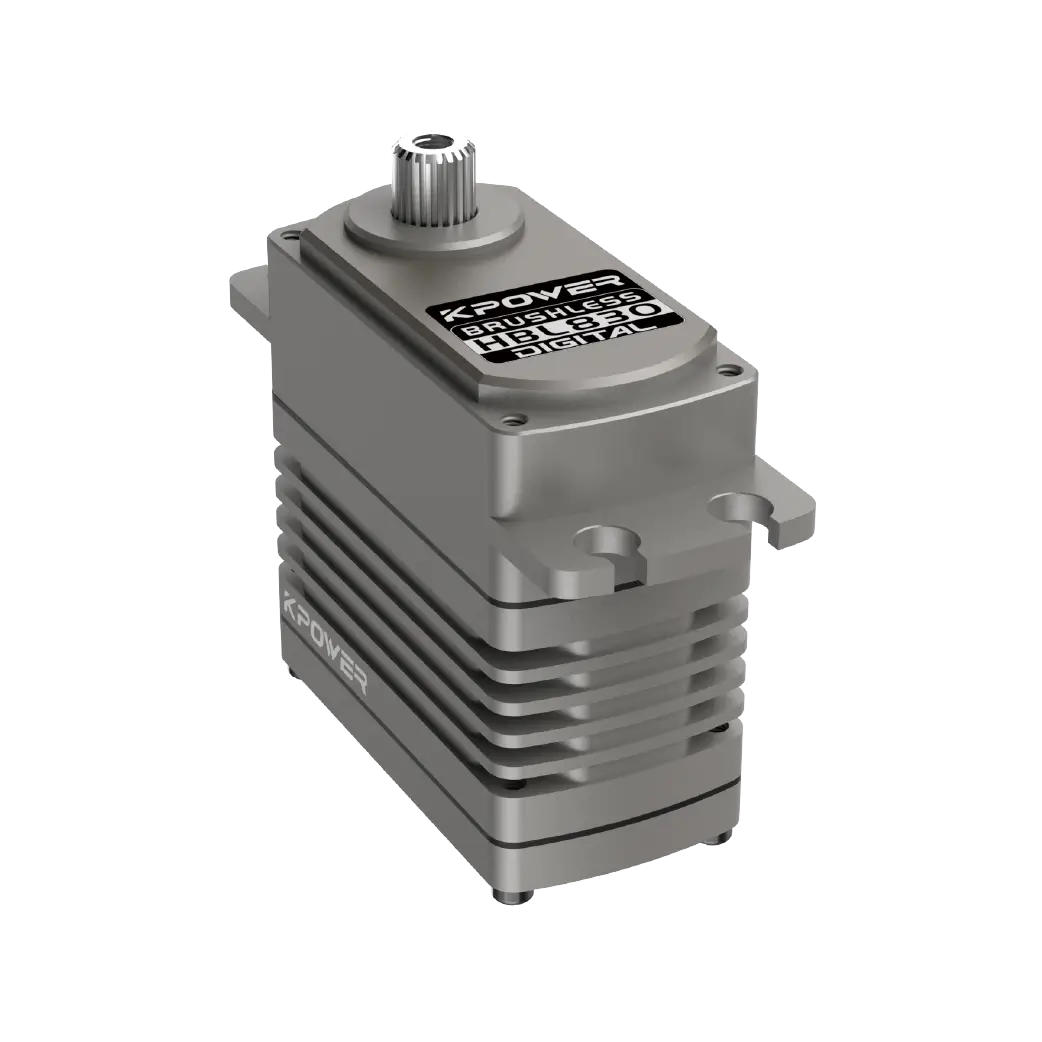
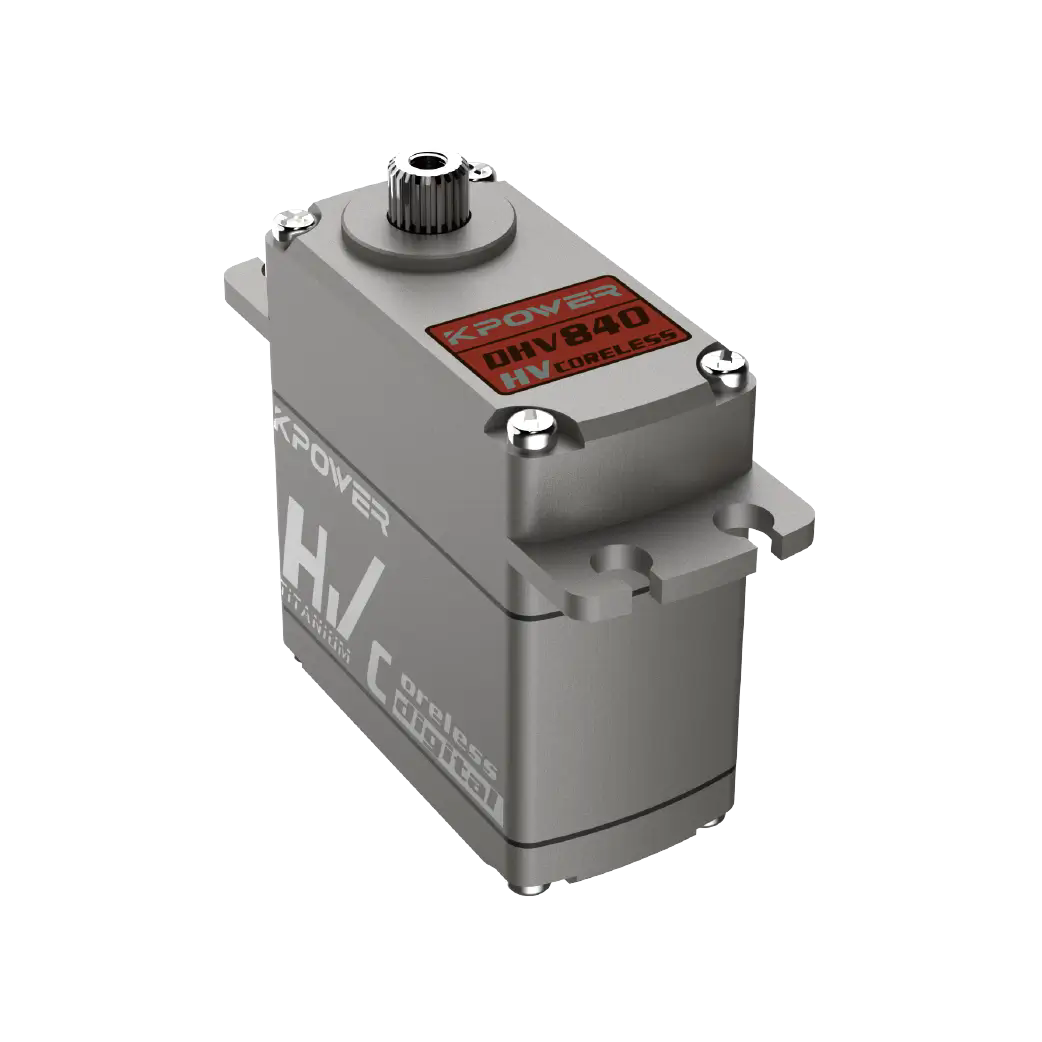
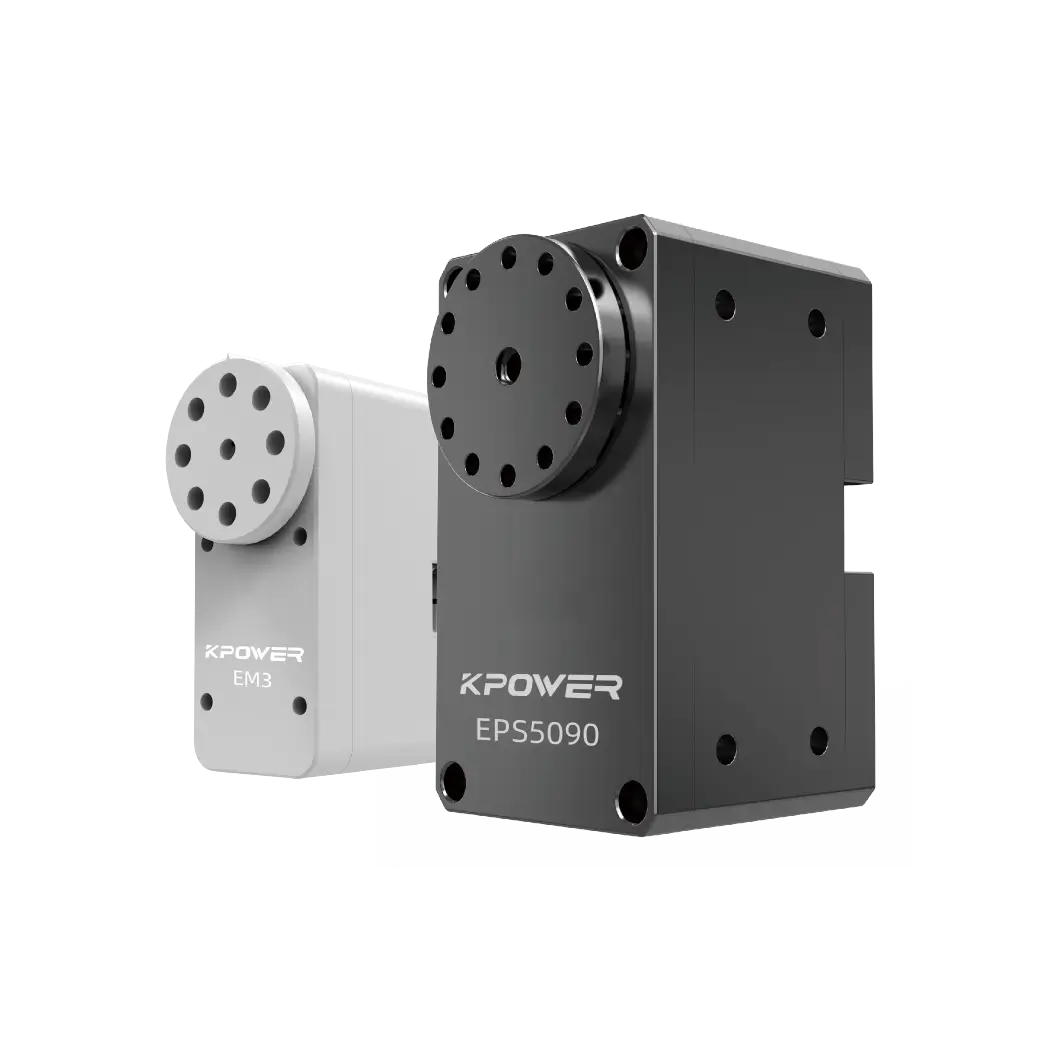
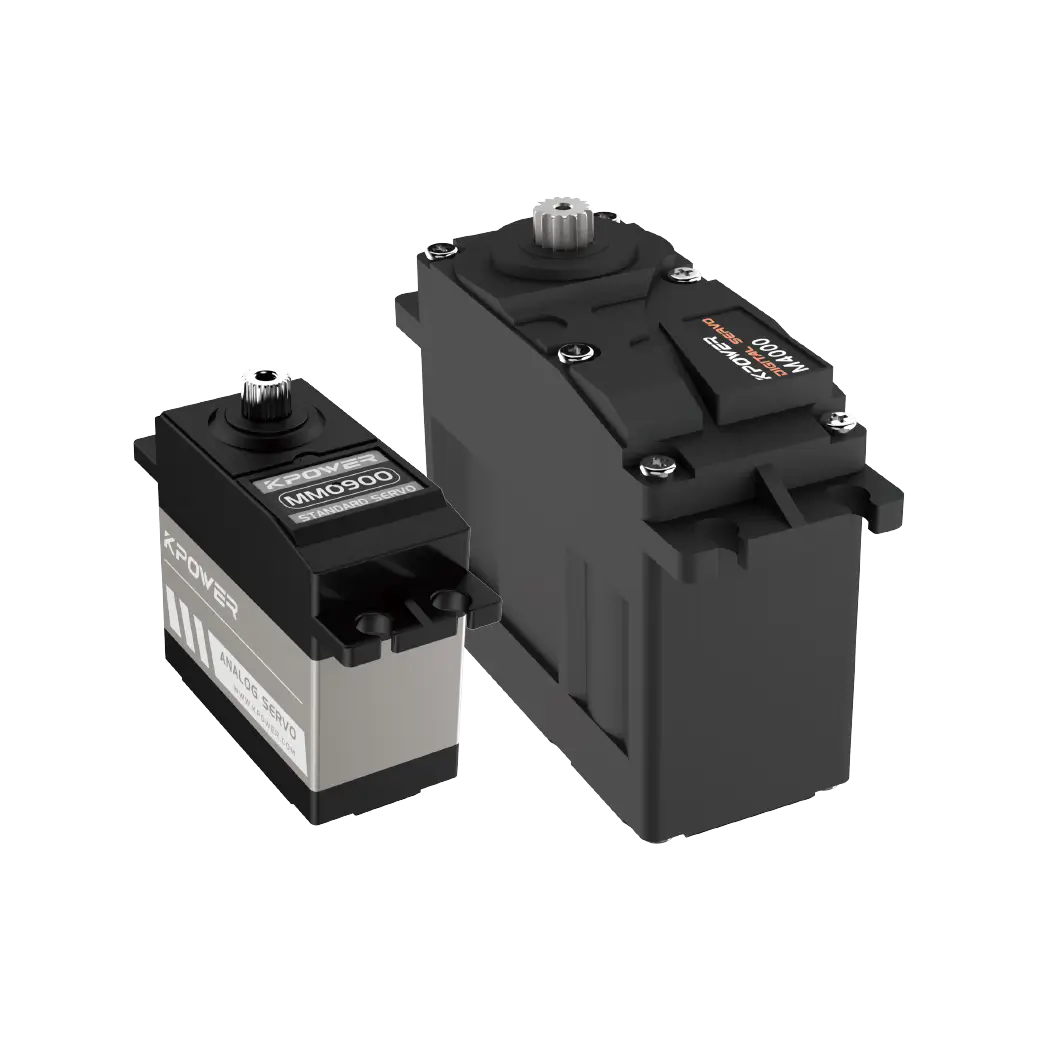
It happens more often than anyone likes to admit. The reality is that off-the-shelf components are often built for a "one size fits none" world. When your project demands a specific torque, a weirdly shaped mounting bracket, or a communication protocol that doesn't scream at your Arduino, generic solutions just don't cut it. This is where the concept of ODM (Original Design Manufacturing) becomes the hero of the story, particularly when you have a name likekpowerbehind the curtain.
Why do so manyservos jitter? Sometimes it’s the power supply, sure. But often, it’s because the internal potentiometer is cheap, or the control circuit isn't tuned to the weight it’s actually moving. Imagine trying to write your name with a pen taped to the end of a long, wobbly pool cue. That’s what a poorly matchedservofeels like to an Arduino.
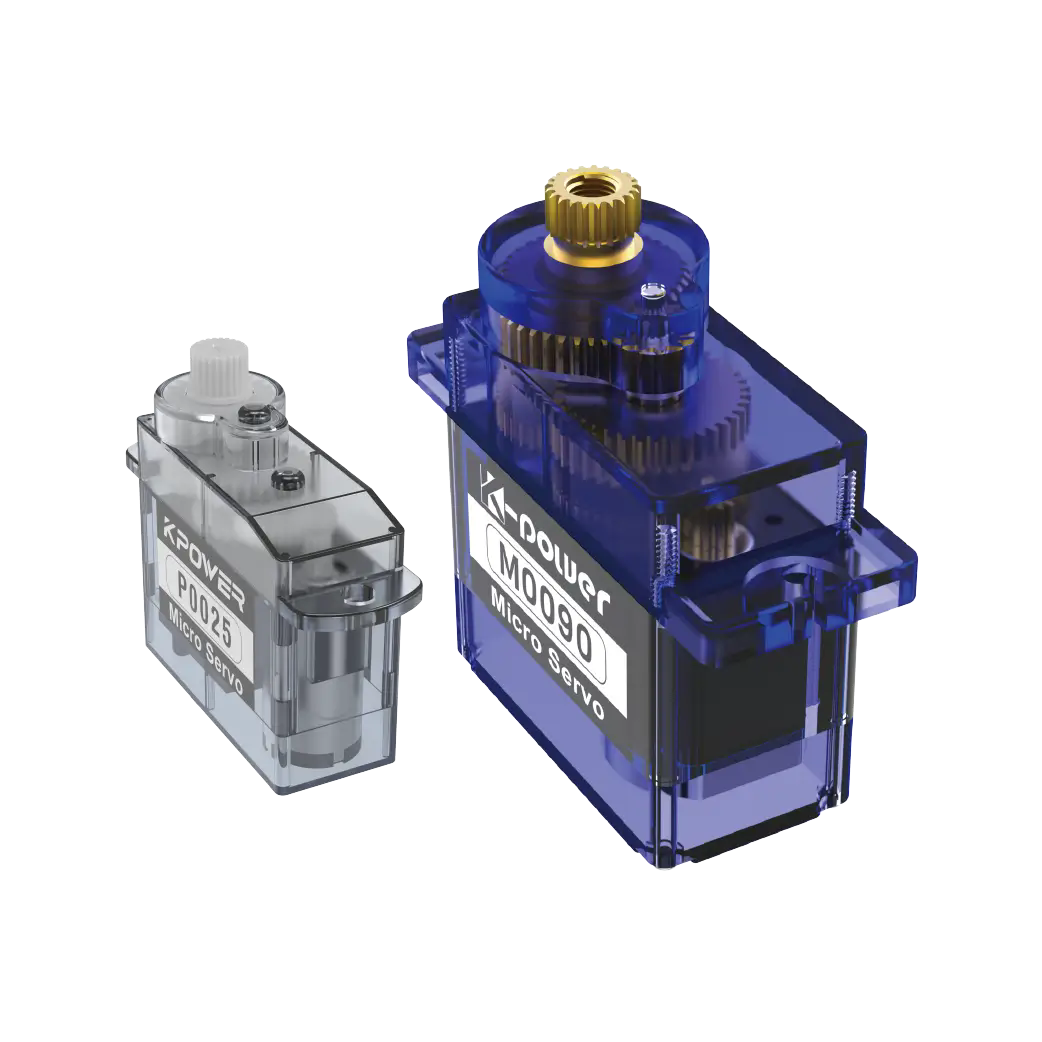
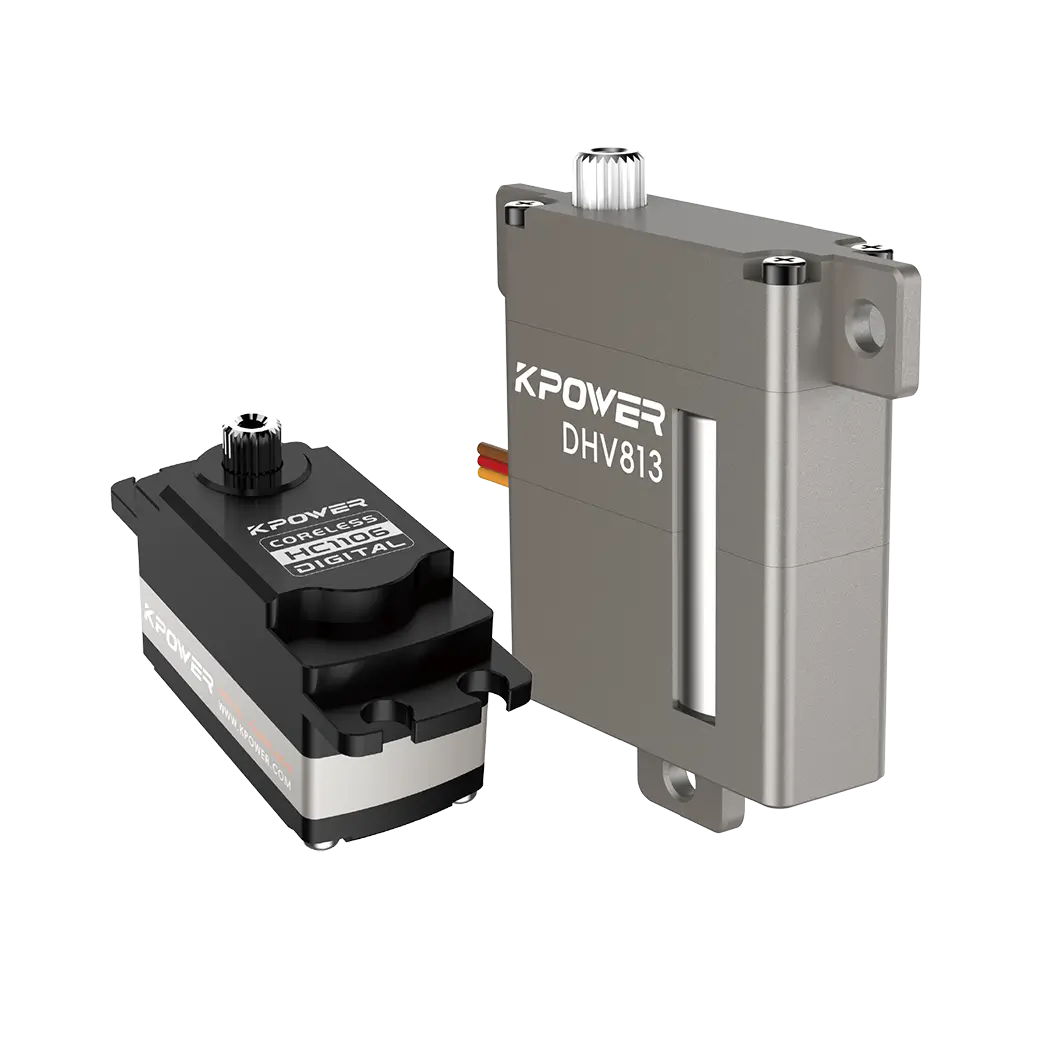
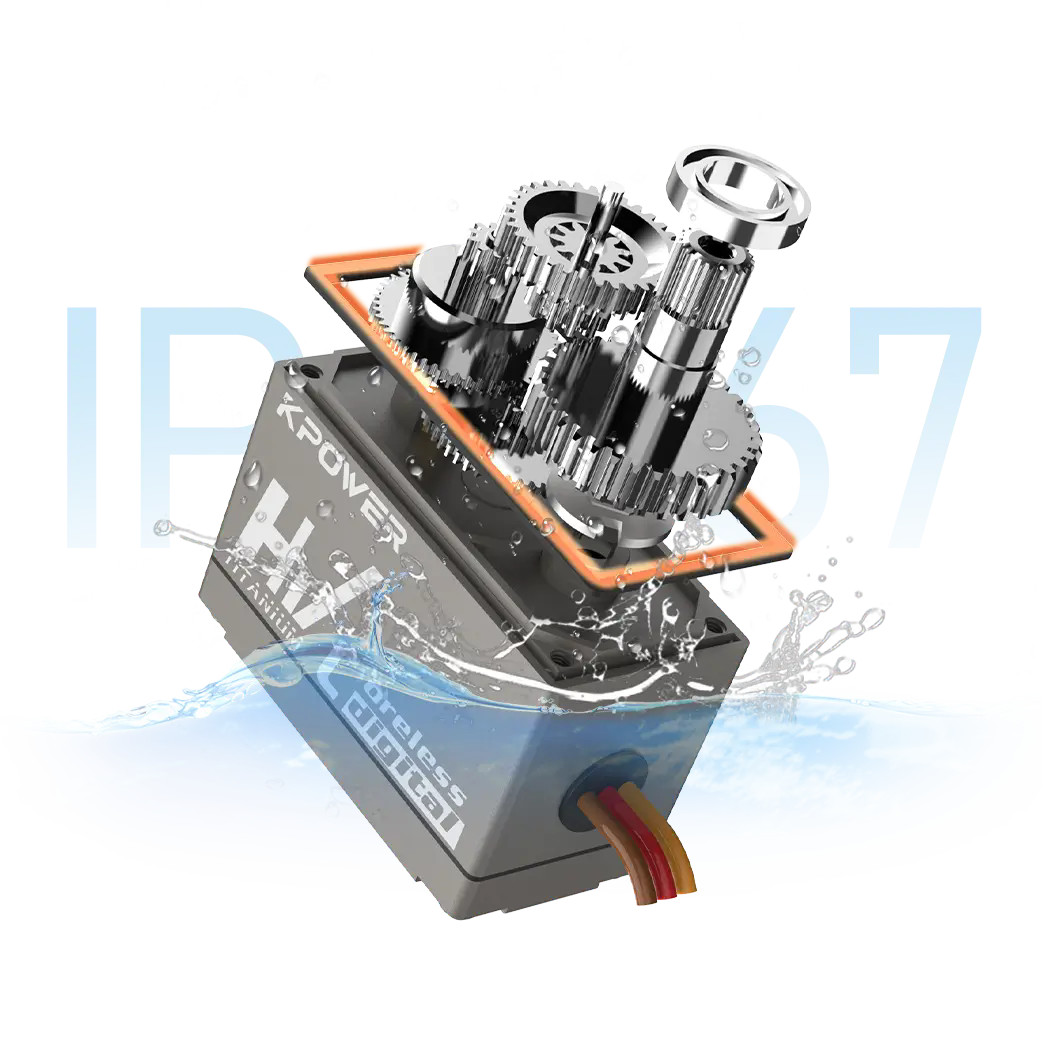
When we talk about ODM atkpower, we aren't just talking about slapping a different sticker on a plastic box. It’s about the guts. Do you need titanium gears because your robotic arm is going to be slamming into things? Do you need a waterproof seal because your project lives in a damp basement or, heaven forbid, outdoors? Changing these variables at the manufacturing level means the hardware finally catches up to your software.
Think of your Arduino as the brain. It’s smart, but it’s physically weak. It can’t move a heavy latch or steer a high-speed RC car on its own. It needs muscles. If those muscles are too small, they burn out. If they are too big, they waste energy and add unnecessary weight.
Customizing a motor throughkpowerallows for a "Goldilocks" result. You can specify the exact stall torque and speed. Maybe you need a servo that rotates a full 360 degrees with precision positioning, rather than just the standard 180. Or perhaps you need a low-profile design because your casing is too cramped for a standard-sized unit. By focusing on the specific needs of the project, the motor stops being a limitation and starts being an advantage.
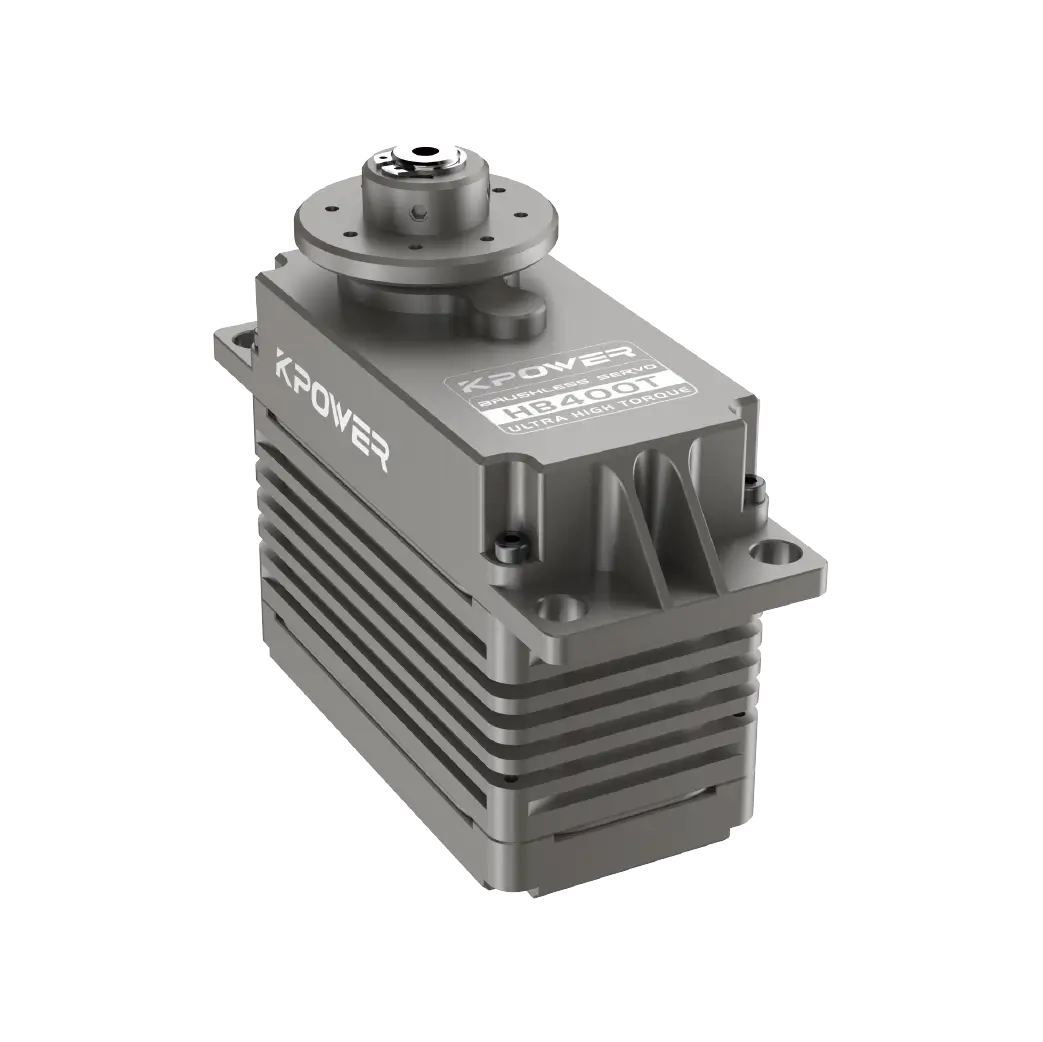
"Can I actually get a motor that doesn't overheat after ten minutes?" Yes. Overheating usually happens because the motor is struggling against its own internal friction or is being pushed past its duty cycle. Through ODM, the motor’s internal windings and heat dissipation can be optimized for constant use. Kpower focuses on ensuring the efficiency of the core so the energy goes into movement, not heat.
"What if my Arduino project uses a weird voltage?" Standard servos usually want 4.8V to 6V. But what if you’re running a high-voltage system at 7.4V or even 12V to save on current? Designing the internal PCB of the servo to handle that voltage directly means you don't have to clutter your project with extra voltage regulators.
"Is metal always better than plastic?" Not always. Metal gears are tough, but they can be heavy and, occasionally, noisier. If you’re building something ultra-lightweight like a drone flap, high-strength nylon might be better. The beauty of the ODM process is having the choice based on physics, not just what’s available on a retail shelf.
Designing a mechanical system is rarely a straight line. You start at point A, realize the weight distribution is off, move to point B, find out the vibration is killing your sensors, and then circle back to A. This is why having a direct line to the manufacturing process is a game-changer.
Imagine a scenario where the motor's cable is always two inches too short. In a standard setup, you’re soldering extensions and adding points of failure. In an ODM world with Kpower, the motor simply comes with the right cable length and the exact connector your board requires. It’s a small detail, but when you have fifty motors to install, it’s the difference between a finished product and a nightmare.
In the world of servos, "deadband" is a term that describes the little range of signal where the motor doesn't move. A wide deadband makes a robot feel sloppy and unresponsive. It feels like driving a car with a steering wheel that has four inches of play. By tightening the tolerances in the Kpower manufacturing process, that deadband shrinks. Your Arduino sends a signal, and the motor reacts instantly. No lag, no hunting for the position, just crisp, clean motion.
Most people assume that "custom" means "impossible" or "too expensive." But when you look at the cost of a failed project, or the time spent trying to "hack" a standard motor to do something it wasn't meant to do, the math changes.
Starting with a solid foundation—a motor designed to speak the same language as your controller—removes the biggest variable in the equation. You stop worrying about whether the gears will hold or if the motor will buzz itself to death. You just focus on the movement. Whether it’s a complex bipedal walker or a simple automated valve, the motor should be the part you think about the least because it’s doing exactly what it was built for.
Kpower doesn't just build parts; they build the physical realization of a digital command. It’s about making sure that when the Arduino says "move," the world actually moves. And it does so without that heartbreaking "whirr-click."
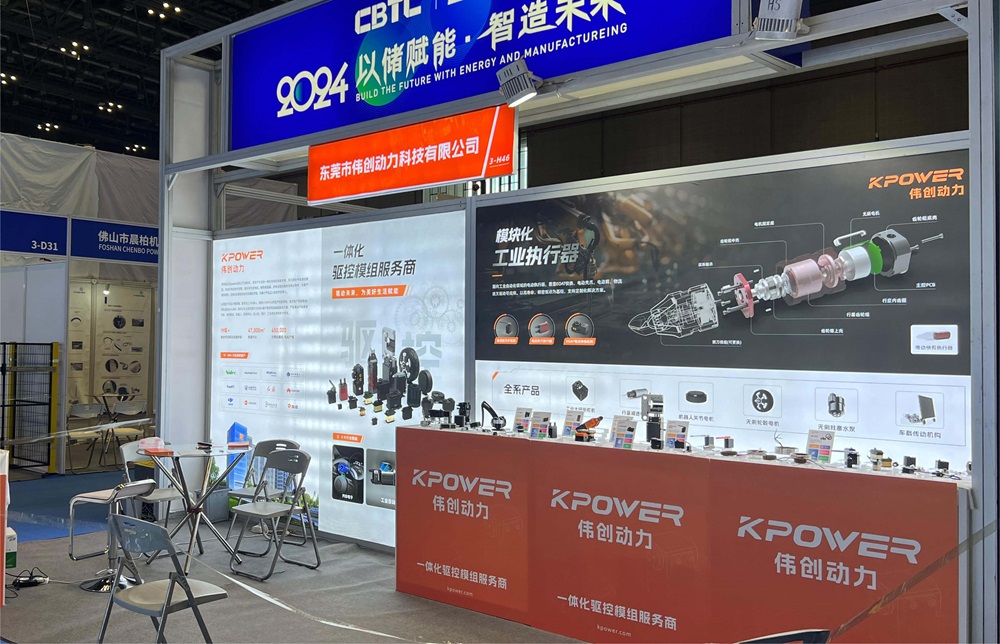
Established in 2005, Kpower has been dedicated to a professional compact motion unit manufacturer, headquartered in Dongguan, Guangdong Province, China. Leveraging innovations in modular drive technology, Kpower integrates high-performance motors, precision reducers, and multi-protocol control systems to provide efficient and customized smart drive system solutions. Kpower has delivered professional drive system solutions to over 500 enterprise clients globally with products covering various fields such as Smart Home Systems, Automatic Electronics, Robotics, Precision Agriculture, Drones, and Industrial Automation.
Update Time:2026-01-22

Contact Kpower's product specialist to recommend suitable motor or gearbox for your product.


