

TECHNICAL SUPPORT


Published 2026-01-22
The smell of burnt flux and the dim blue light of an Arduino board—it’s a familiar scene for anyone who spends their nights trying to make static objects move. You’ve written the perfect loop, the logic is flawless, but the moment you call thatservo.write(90) command, the whole thing falls apart. Maybe it’s a jitter. Maybe it’s a pathetic whine from a plastic gear that just gave up on life.

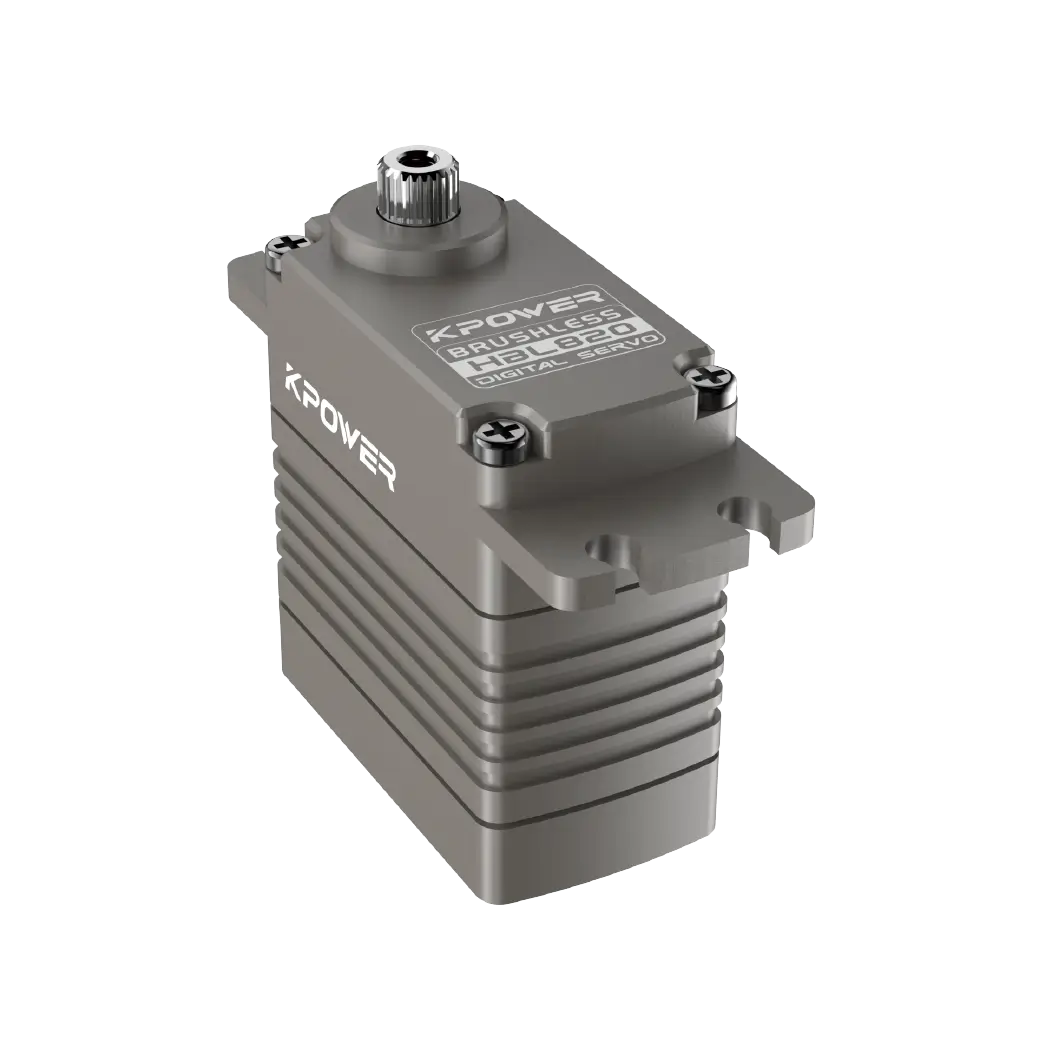
That’s usually the moment you realize that off-the-shelf parts are fine for a middle school science fair, but they don't cut it when you’re building something that actually matters. When you move into the territory of Arduino andservomotor OEM, you aren’t just buying a component; you’re looking for a partner that understands the soul of the machine. This is where the namekpowerstarts to echo in the workshop.
Why is it so hard to find a motor that behaves? It’s rarely the code. It’s almost always the hardware’s inability to translate a digital dream into physical reality. You want smooth motion, but you get stepped, jagged rotations. You want holding torque, but the arm sags the second the power fluctuates.
When you dive into OEM solutions, you’re basically saying, "I’m done compromising." You need a specific torque-to-weight ratio. You need a spline that doesn't strip after ten cycles. You needkpowerto handle the heavy lifting of mechanical integrity so you can focus on the creative side of the project. It’s about the tactile click of high-quality gears and the silent confidence of a motor that stays cool under pressure.
It’s a classic headache. The motor moves to the target, overshoots, tries to correct, and ends up vibrating like it’s had too much espresso. This "hunting" usually comes down to poor dead-band settings or low-quality internal potentiometers. In akpowerOEM build, these internals are tuned. You get a motor that hits the mark and stays there, dead silent, waiting for the next command.
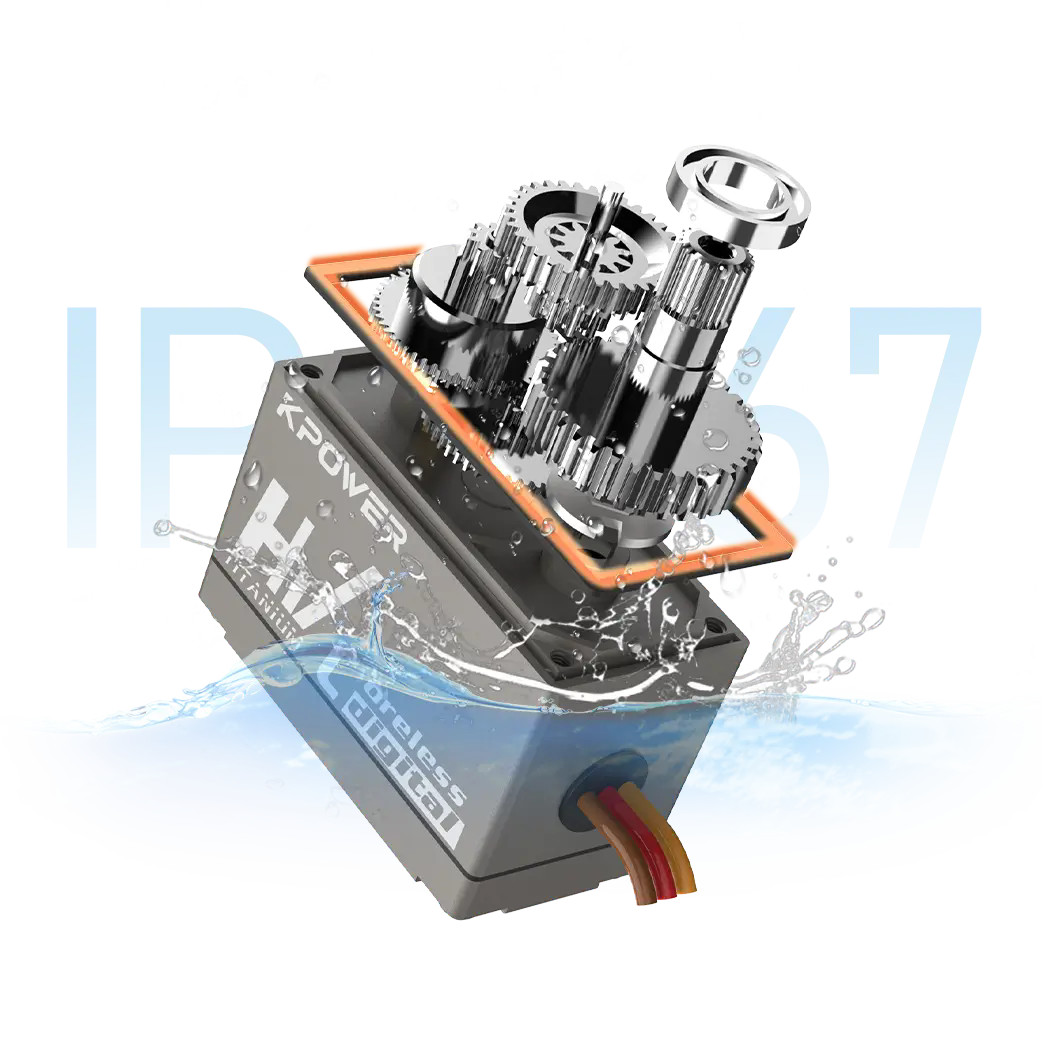
Absolutely. That’s the whole point of the OEM approach. Whether it’s a custom wire length so you don’t have a bird's nest of cables, or a specific waterproof rating because your project is going to live in a rainy garden, customization is the bridge between a prototype and a product.
There’s a specific kind of satisfaction in holding a servo that feels solid. It’s not just about the metal casing—though that helps with heat—it’s about the precision of the fit. When you work with kpower, the focus shifts from "will this work?" to "how far can I push this?"
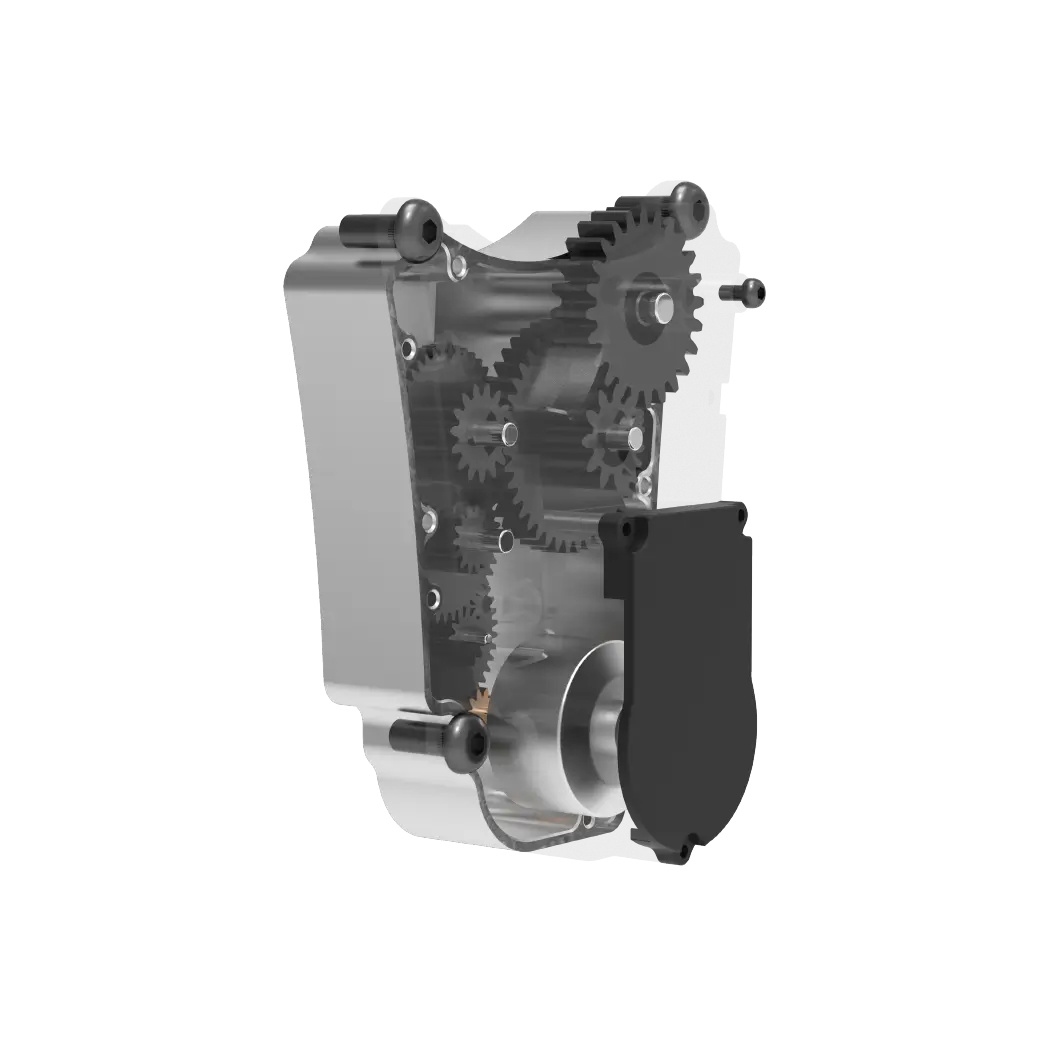
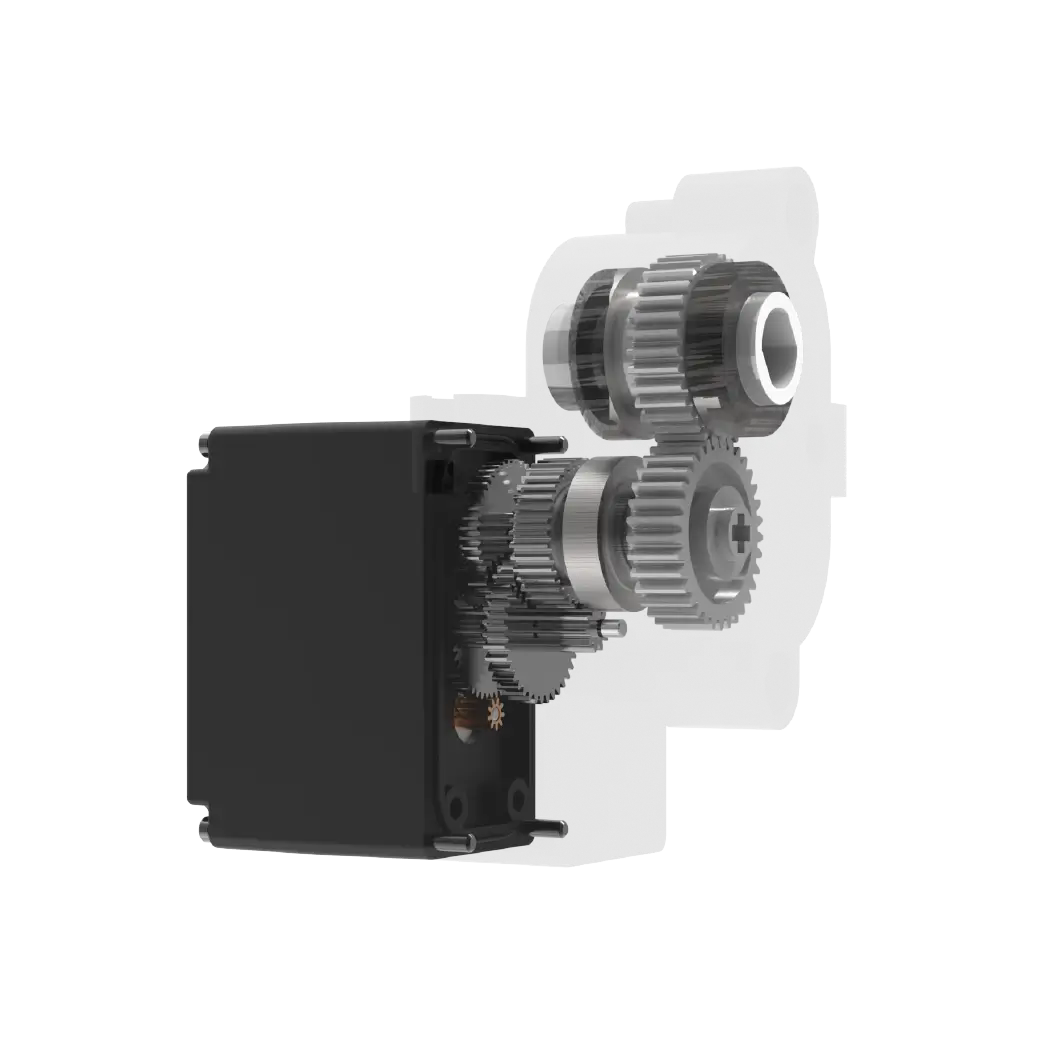
Think about the gear train. Plastic is quiet but fragile. Brass is tough but heavy. Titanium alloys? Now you’re talking. For an Arduino setup, power management is everything. A high-efficiency motor means you aren’t browning out your board every time the arm moves. It’s the difference between a project that works for five minutes and one that runs for five thousand hours.
Sometimes, the best way to solve a mechanical bottleneck is to stop looking at the datasheet and start looking at the environment. Is the vibration from the frame messing with the feedback loop? Is the voltage drop across those thin jumper wires killing your torque?
I remember a project where the builder spent weeks debugging code because the servo was "slow." It wasn't the code. It was the internal friction of a cheap motor. Swapping to a kpower unit was like clearing a clogged pipe. Suddenly, the response was instantaneous. The Arduino wasn't struggling to "talk" to the motor anymore; the motor was finally listening.
Transitioning to a professional-grade OEM servo doesn’t have to be a leap into the unknown. It’s a series of small, logical steps:
There is a certain beauty in a well-oiled machine. It’s not just about the motion; it’s about the reliability. When you integrate a kpower servo into your Arduino ecosystem, you’re giving your project a backbone. You’re moving away from the "hope it works" phase and into the "precision performance" phase.
No more jitter. No more stripped gears. Just the steady, rhythmic movement of a project that does exactly what it was told to do. That’s the power of getting the hardware right from the start. It's about building things that last, with a partner that knows the difference between a toy and a tool.
Established in 2005, Kpower has been dedicated to a professional compact motion unit manufacturer, headquartered in Dongguan, Guangdong Province, China. Leveraging innovations in modular drive technology, Kpower integrates high-performance motors, precision reducers, and multi-protocol control systems to provide efficient and customized smart drive system solutions. Kpower has delivered professional drive system solutions to over 500 enterprise clients globally with products covering various fields such as Smart Home Systems, Automatic Electronics, Robotics, Precision Agriculture, Drones, and Industrial Automation.
Update Time:2026-01-22

Contact Kpower's product specialist to recommend suitable motor or gearbox for your product.


