

TECHNICAL SUPPORT


Published 2026-01-22
The smell of a hot soldering iron and the rhythmic clicking of a 3D printer in the corner—that’s the soundtrack of a project coming to life. But then, the stutter starts. You’ve got your Arduino coded to perfection, the logic is flawless, but the arm—the mechanical heart of your build—just won't behave. It overshoots, it jitters, or worse, it lacks the grunt to lift its own weight.
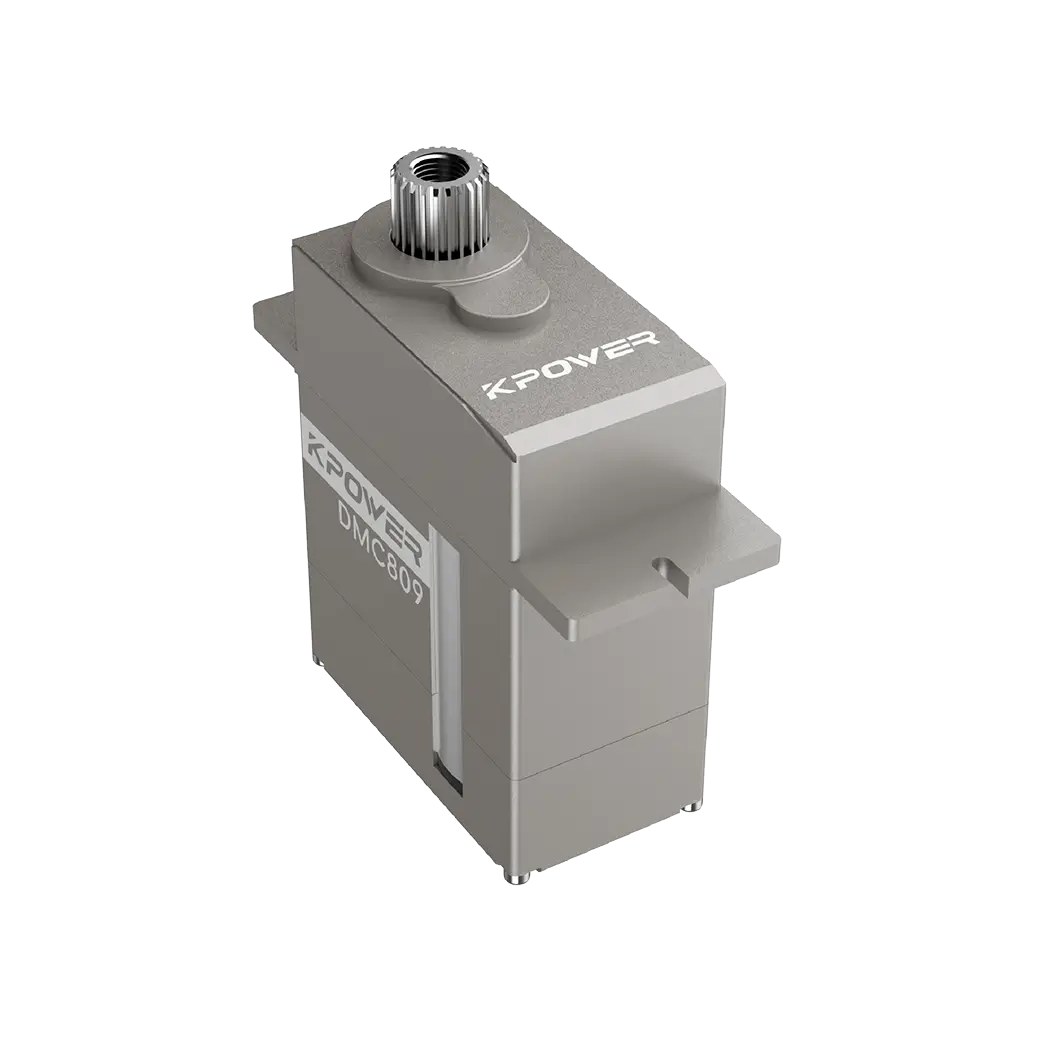
Genericservos are like off-the-rack suits. They "fit" everyone, which really means they fit no one perfectly. When you’re pushing the limits of a custom build, you don’t need a generic part; you need something that speaks the same language as your design. This is where the path leads towardkpower.
Think about the last time a motor let you down. Usually, it’s not because the electronics failed, but because the mechanical expectations didn't match the reality. You need a specific torque to hold a heavy camera gimbal steady, but the motor you bought stalls at the slightest breeze. Or maybe you need a super-slim profile to fit inside a robotic finger, but the standard housings are all bulky boxes.
The frustration is real. You spend hours optimizing your Arduino sketch, tweaking PWM signals, only to be limited by hardware that wasn't built for your specific dream.
What does "custom" actually look like? It’s not just a different color sticker. When we talk aboutkpowerand their approach to Arduino-driven projects, we’re talking about tearing down the limitations.
Suppose you’re working on a high-speed sorting mechanism. A standardservomight be too slow to keep up with the sensor data. Customization means swapping out the internal gear ratios. It means choosing between metal gears that can take a beating or specialized plastics that run whisper-quiet.
Wait, you might ask, is it really that different?
Q: Can’t I just use a more expensive standard servo? A: You could try. But you’d still be paying for features you don't need while missing the ones you do. If your project requires a specific 180-degree sweep with a very particular deadband setting, a generic high-end motor might still give you "slop" that ruins the precision.kpowerbuilds the motor around the requirement, not the other way around.
Q: Does the Arduino handle a custom servo differently? A: That’s the beauty of it. To the board, it’s still just a signal and power. But to the mechanism, it’s a whole new world. You get the same easy-to-use interface but with the torque or speed that actually matches your variables.
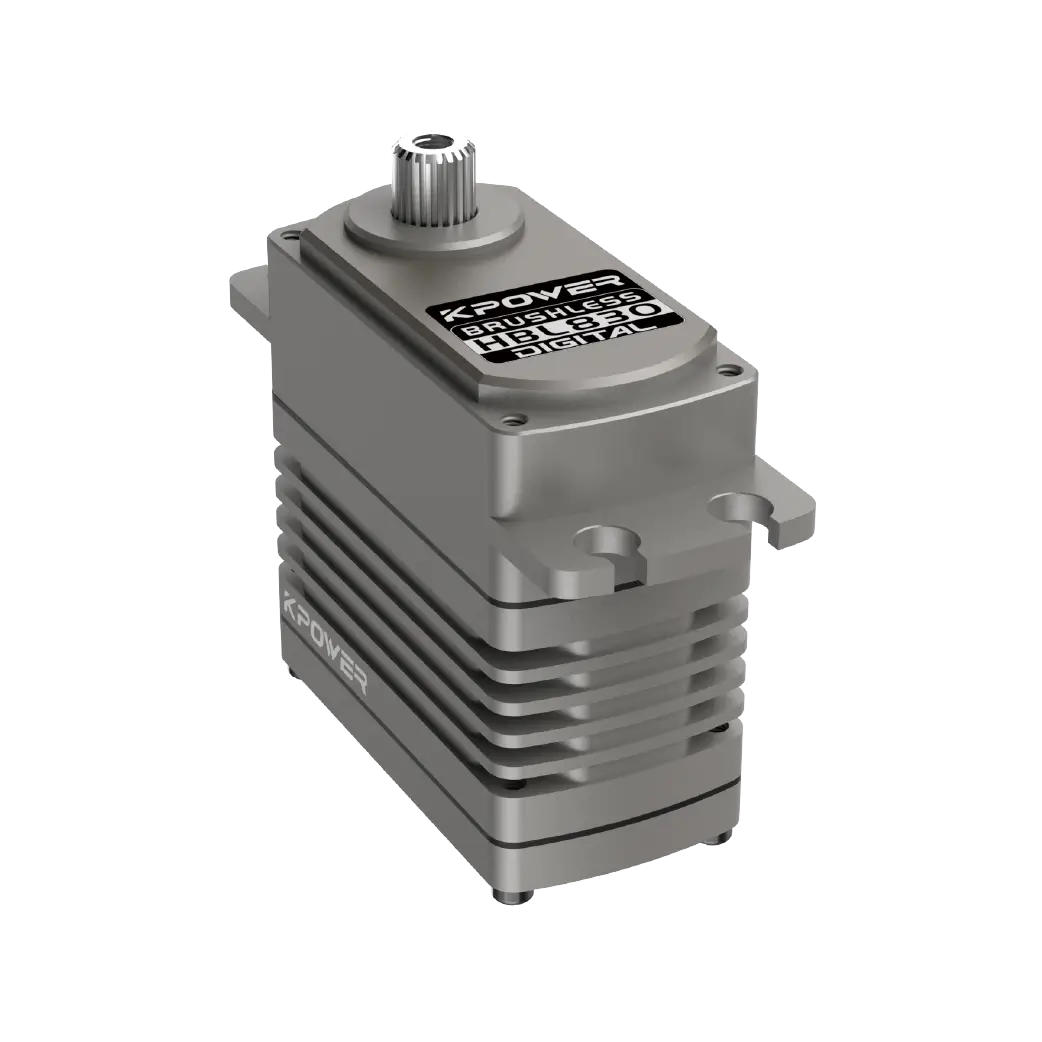
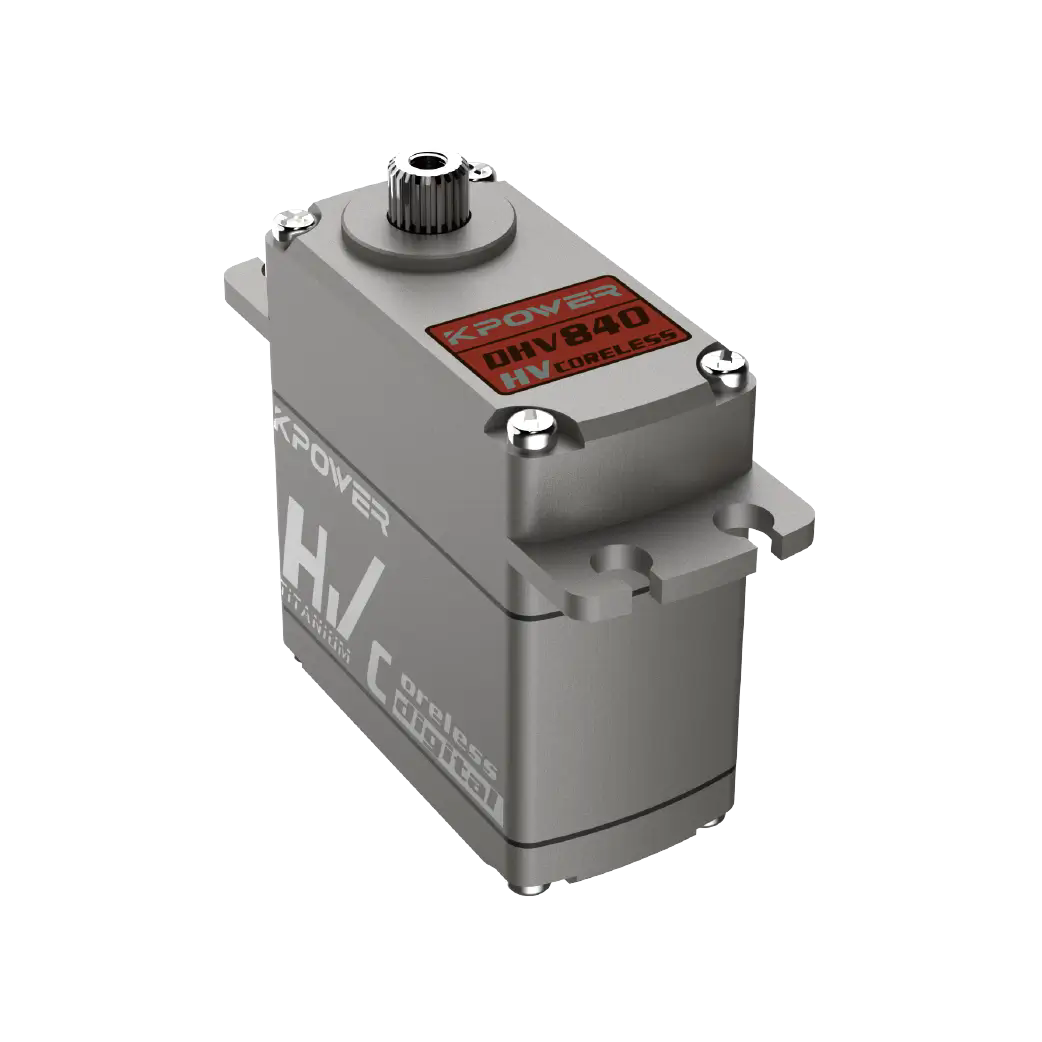
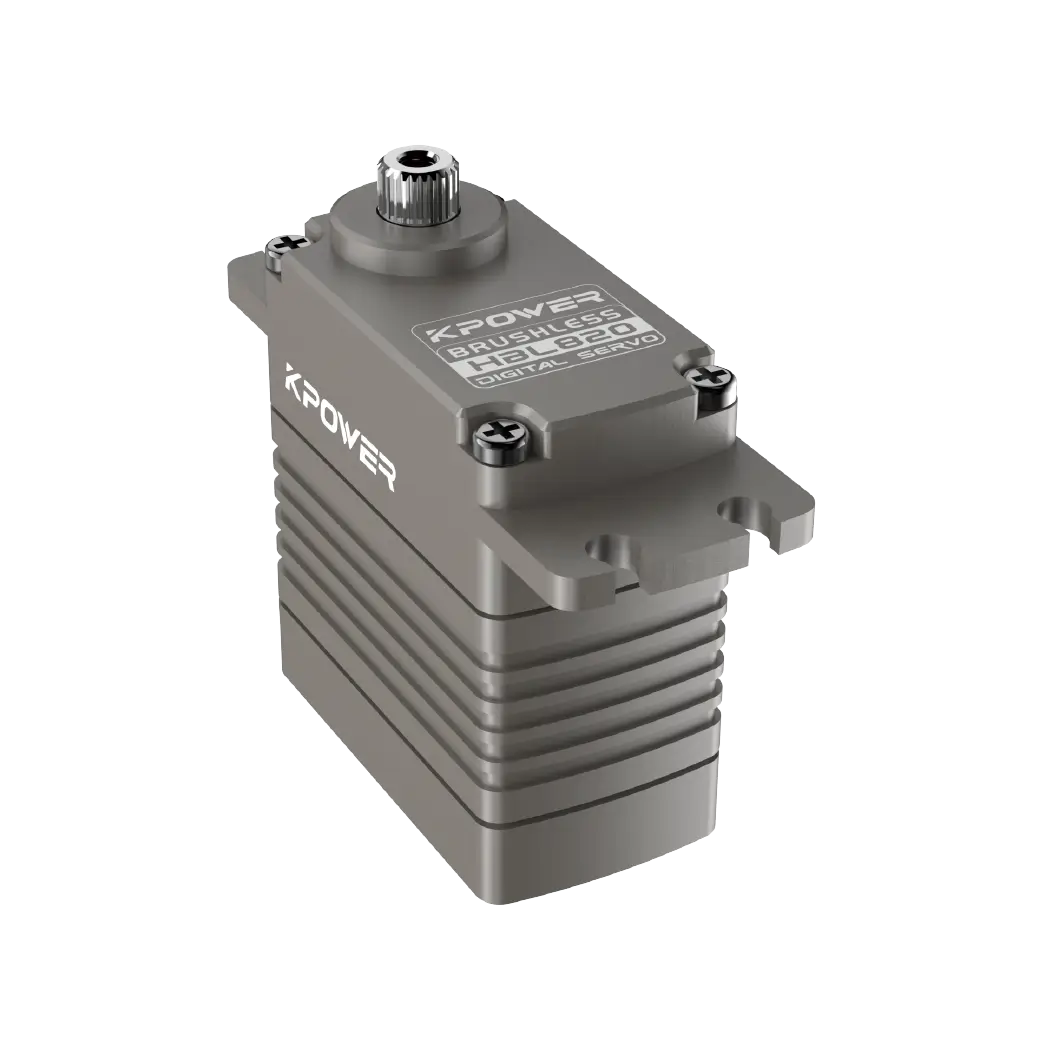
There’s a certain weight to a well-made actuator. When you hold a Kpower unit, it doesn't feel like a toy. It feels like a tool. The splines are crisp. The wires aren't flimsy threads that snap if you look at them wrong; they’re robust enough for the vibrations of a real-world environment.
I’ve seen projects where people try to "hack" standard servos—opening them up, trying to solder in new resistors to change the travel angle. It’s a mess. You end up with a burnt-out chip and a lot of wasted time. Why go through that when you can have the hardware arrive exactly how you envisioned it?
Numbers on a screen are one thing. Real-world performance is another. Let’s say you’re building an autonomous rover. You need steering servos that can handle the grit and the occasional bump against a curb. If the internal circuitry isn't shielded or the housing isn't tight, that rover is going to die in the first ten minutes of its first outdoor mission.
Kpower understands that these motors aren't living in a vacuum. They’re being mounted to aluminum frames, bolted into 3D-printed chassis, and pushed to their thermal limits. The integration of high-quality potentiometers means the feedback loop stays tight. No more "hunting" for a position where the motor hums and vibrates because it can't quite decide where "center" is.
Sometimes, you start a project thinking you need speed. Halfway through, you realize you actually need holding power. The beauty of working with a brand like Kpower is the realization that the hardware can keep up with your pivots.
Imagine a robotic hand. If the servos are too "jumpy," the movement looks robotic in the worst way—stiff and unnatural. But with the right internal tuning, those movements become fluid. It’s the difference between a puppet and a living thing. That’s the power of tailoring the motor’s response to the Arduino’s command.
Have you ever finished a build, flipped the switch, and everything just… clicked? No smoke, no weird grinding noises, just the smooth whine of a motor doing exactly what the code told it to do. That "click" is what happens when the mechanical side of the house is as sophisticated as the software side.
Kpower doesn't just provide a component; they provide the missing link in that chain. When your Arduino sends that 1500ms pulse, and the motor snaps to position with zero overshoot, you know you’ve moved past the "hobbyist" headaches and into the realm of serious creation.
In the world of servos and mechanical projects, you usually get what you settle for. But why settle? If you’re putting in the hours to calibrate your sensors and refine your logic, the hardware should be held to the same standard.
The relationship between an Arduino and its motor is a conversation. If the motor is sluggish or "deaf" to the nuances of your code, the conversation fails. Kpower makes sure that every command is heard and executed with precision.
It’s about confidence. The confidence to push the "Upload" button and know that your mechanical creation will move exactly the way you saw it in your head. No jitters. No excuses. Just performance that lives up to the Kpower name.
Stop fighting with parts that weren't meant for your project. Start building with the ones that were. After all, the best projects aren't built from a kit—they're built from a vision, and a vision deserves the right gears to turn it into reality.
Established in 2005, Kpower has been dedicated to a professional compact motion unit manufacturer, headquartered in Dongguan, Guangdong Province, China. Leveraging innovations in modular drive technology, Kpower integrates high-performance motors, precision reducers, and multi-protocol control systems to provide efficient and customized smart drive system solutions. Kpower has delivered professional drive system solutions to over 500 enterprise clients globally with products covering various fields such as Smart Home Systems, Automatic Electronics, Robotics, Precision Agriculture, Drones, and Industrial Automation.
Update Time:2026-01-22

Contact Kpower's product specialist to recommend suitable motor or gearbox for your product.


