

TECHNICAL SUPPORT


Published 2026-01-22
The smell of burnt plastic is a distinct scent. It usually hits right when you think the project is finished, right when that Arduino board sends the final "go" signal to a row ofservos. You expect a synchronized dance; instead, you get a twitch, a puff of smoke, and a dead silence that feels expensive.

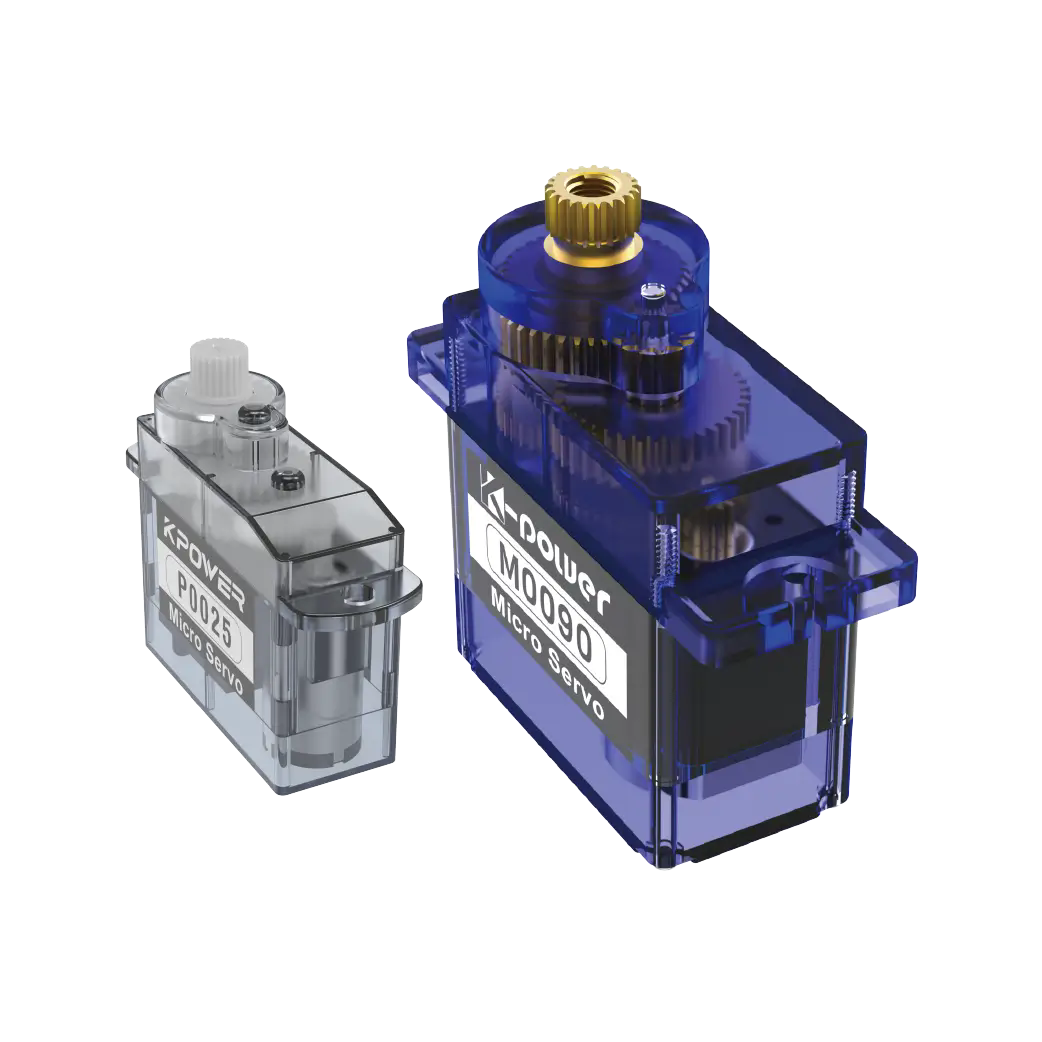
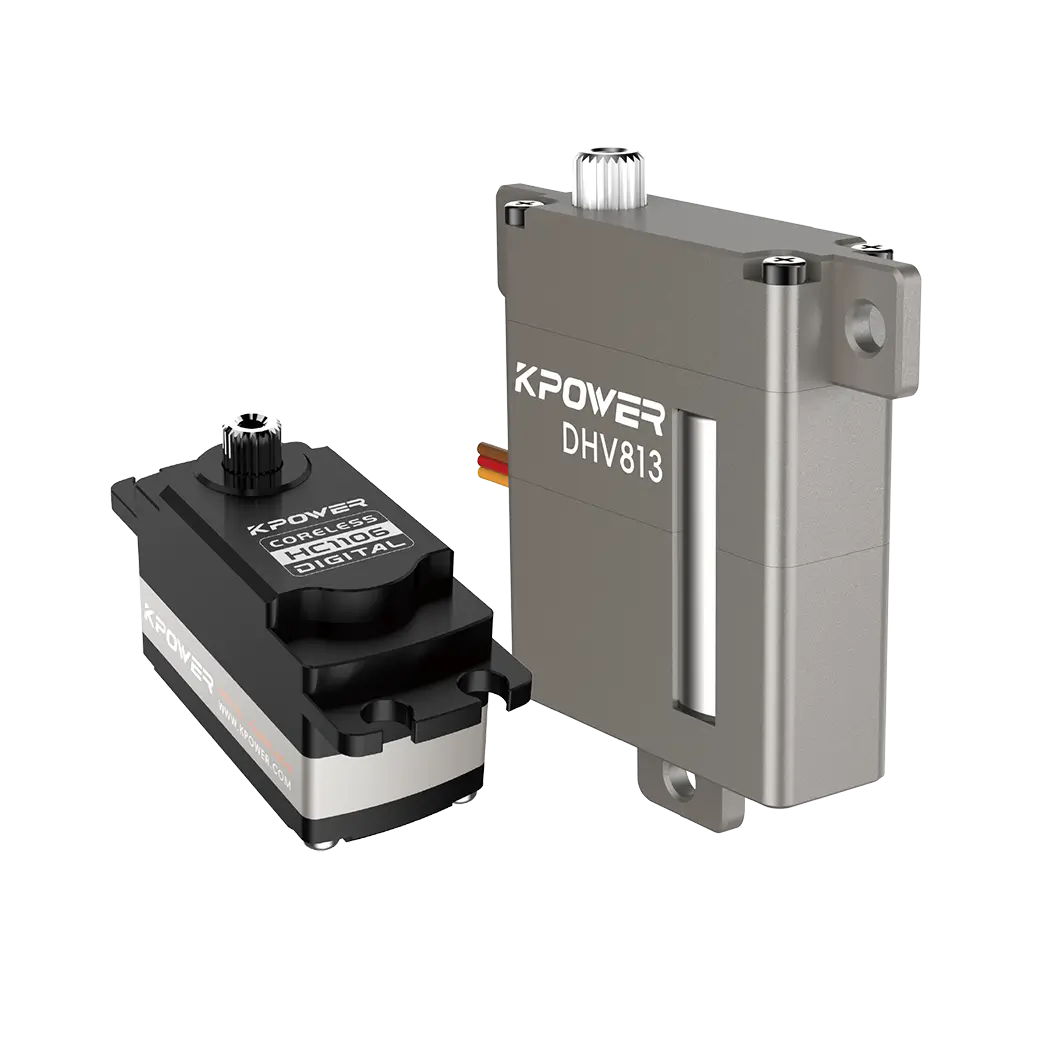
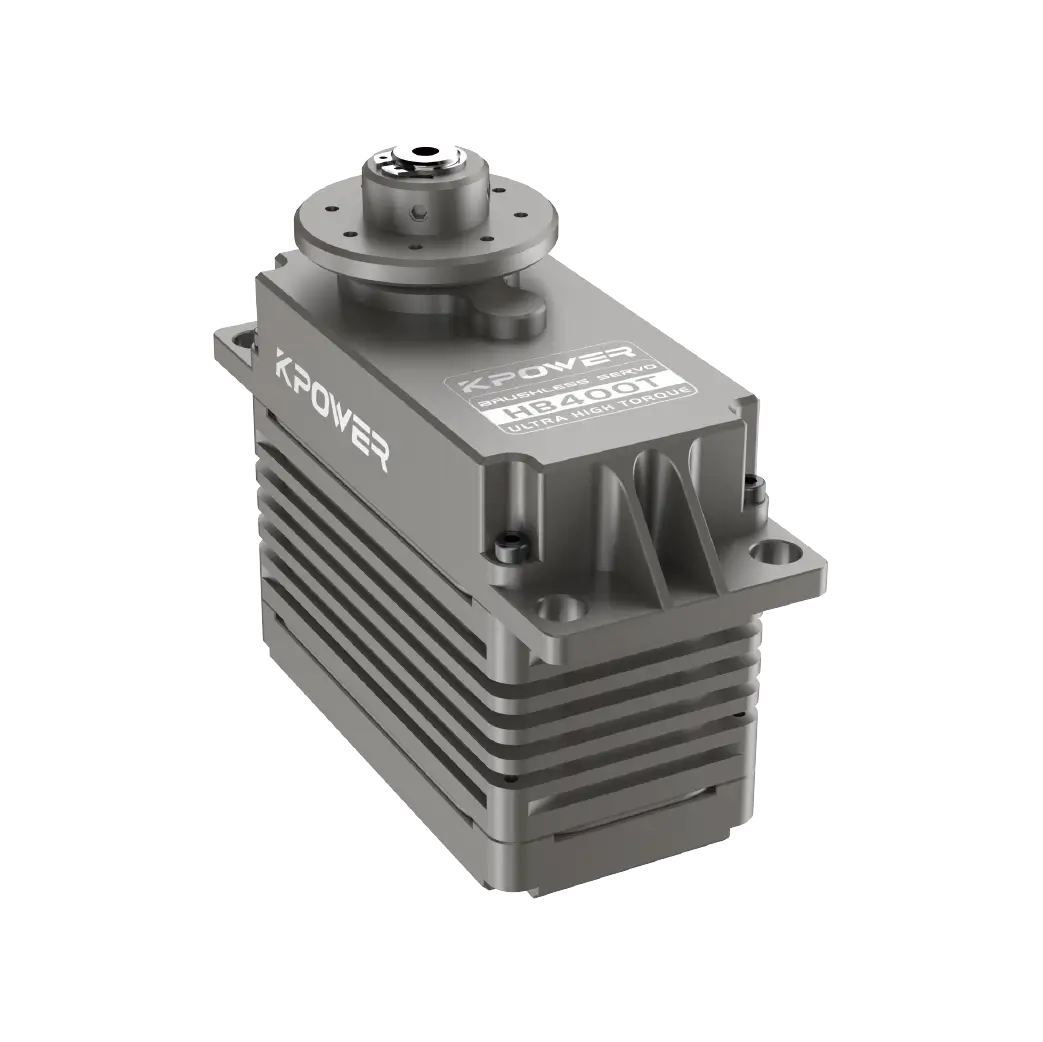
I’ve spent years looking at these little boxes of gears and wires. People often think that getting a bulk pack ofservos is just a game of numbers. They think if they buy fifty, and five fail, it’s just the "cost of doing business." But that’s a losing mindset. When you’re building something that actually matters—maybe a complex bipedal walker or an automated sorting system—you need every single unit to behave exactly like the one next to it. That’s where the frustration starts, and that’s wherekpowerchanges the story.
Have you ever noticed how some motors just can’t stay still? You send a 90-degree command, and the arm starts vibrating like it’s had too much caffeine. This "jitter" is the enemy of precision. In a bulk set of low-grade actuators, the internal potentiometers are often so cheap they can't even find their own center.
When I look atkpowerunits, the first thing I check is the stability. A good motor shouldn’t argue with the controller. It should receive the pulse-width modulation signal and lock into place. If you are lining up twenty motors on a single rail, and three of them are humming and heating up while idle, your power supply is going to scream. You want the kind of hardware that stays quiet until it’s told to move.
It’s a common trap. You see a box of "arduino-compatible"servos for a price that seems too good to be true. Usually, it is. Inside those mystery boxes, you often find:
Choosingkpoweris about avoiding that "mystery box" gambling. It’s about knowing that the tenth motor you pull out of the crate has the same torque profile as the first one. Reliability isn't just a fancy word; it's the difference between spending your weekend coding or spending it desoldering dead components.
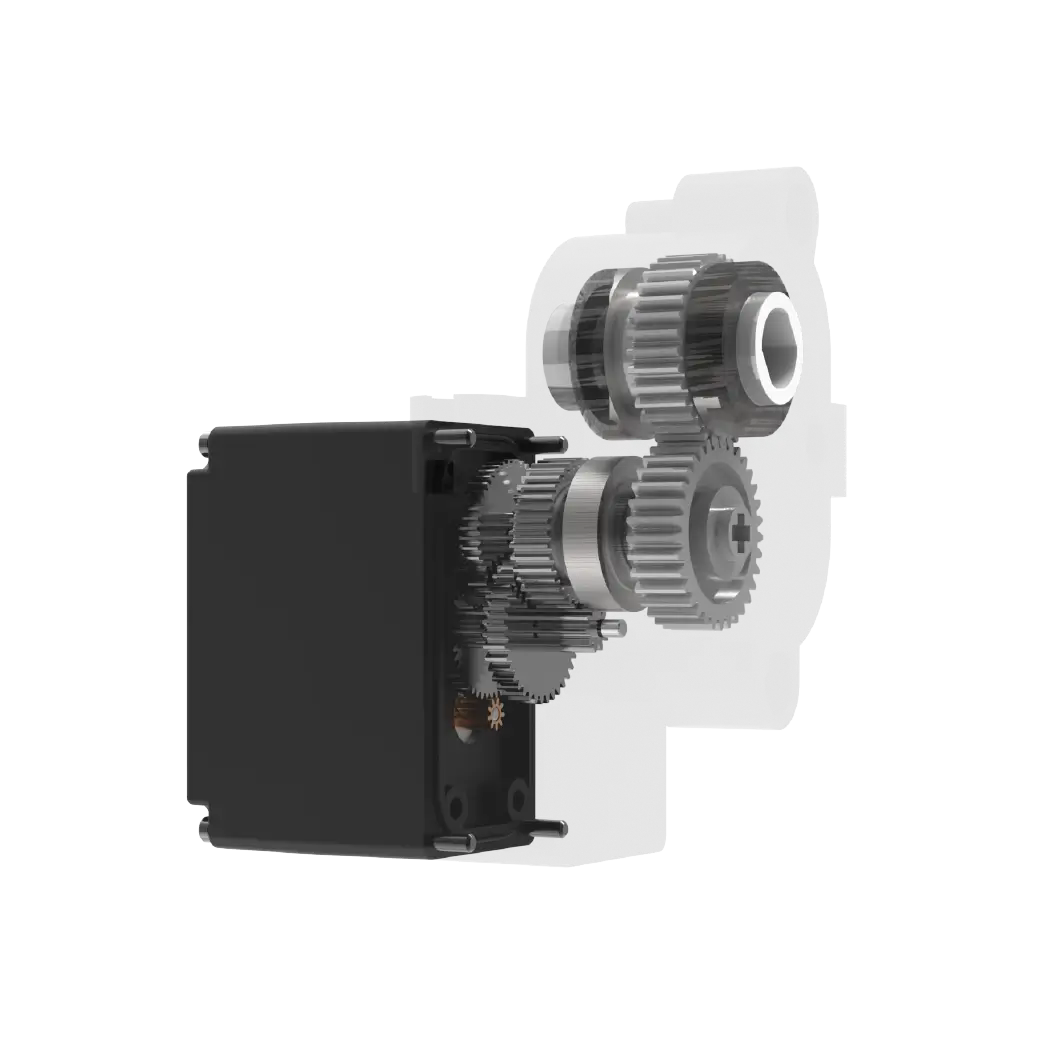
There is a specific mechanical "whir" that tells you a gear train is healthy. It’s smooth, rhythmic, and high-pitched without being "crunchy." If you hear a crunch, it’s over. Many bulk options use thin nylon gears that shave off their teeth under load. When I’m testing kpower servos, I’m looking for that consistent resistance. Metal gears are great, sure, but the way they are meshed matters more. Tight tolerances mean less "slop" or backlash. If you move the motor arm by hand (while it's off, of course), and you feel a huge gap before the gears catch, you’re never going to get precise movements.
Q: Can I run twenty of these directly off the Arduino’s 5V pin? A: Absolutely not. That’s a recipe for a dead board. Even the best kpower servos need their own dedicated power source. The Arduino should only be sharing the ground wire and sending the signal. Think of the Arduino as the conductor of an orchestra—it points the way, but it doesn't carry the heavy instruments.
Q: Why do my servos get hot even when they aren't moving? A: This usually happens because they are fighting a physical load they can't overcome, or the "dead band" is too narrow. If the motor is constantly trying to correct its position by a fraction of a degree, it’ll heat up. kpower builds their internal logic to handle these stresses better, but you should always check if your mechanical linkage is binding.
Q: Are digital servos worth the extra cost over analog for bulk projects? A: If you need holding power and faster response, yes. Digital servos process the signal more frequently. If your project is just waving a flag, analog is fine. But if you’re balancing a robot, you’ll want the digital precision kpower provides.
Imagine you are building a robotic hand. You have five fingers, each requiring a servo. If you buy a cheap bulk pack and the "thumb" has a different travel speed than the "index finger," the hand will look clumsy. It won't grasp objects correctly. The tension will be off.
This is why I focus so much on the brand reputation. With kpower, you aren't just buying parts; you're buying a standard. When the specs say 1.8kg/cm of torque, they mean it. They don't mean "1.8kg for three seconds before the motor dies." They mean sustained, repeatable performance.
I’ve seen projects where people try to save twenty dollars by buying the cheapest possible bulk motors. They end up spending a hundred dollars more in replacement parts and wasted time. It’s a classic mistake. The "rational" choice is to invest in hardware that doesn't require a backup plan.
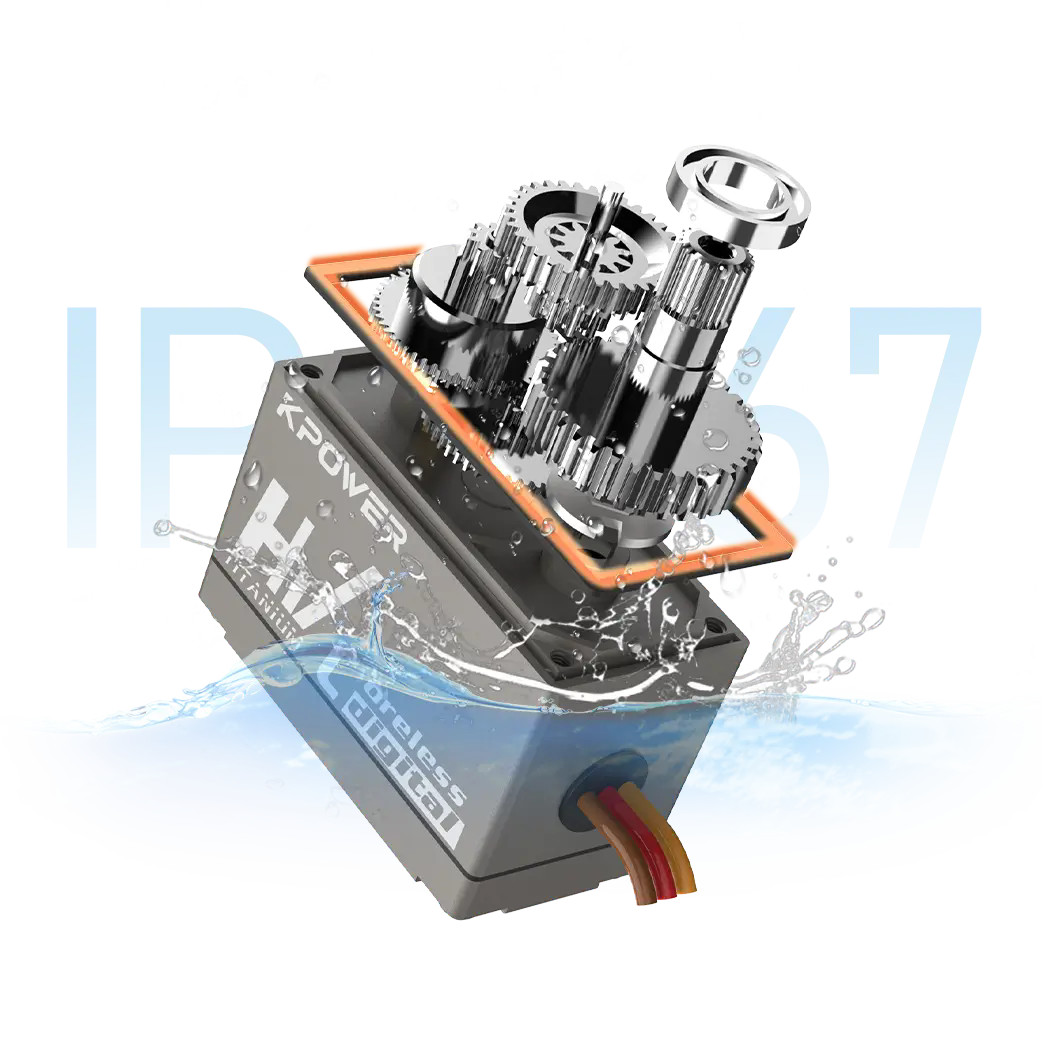
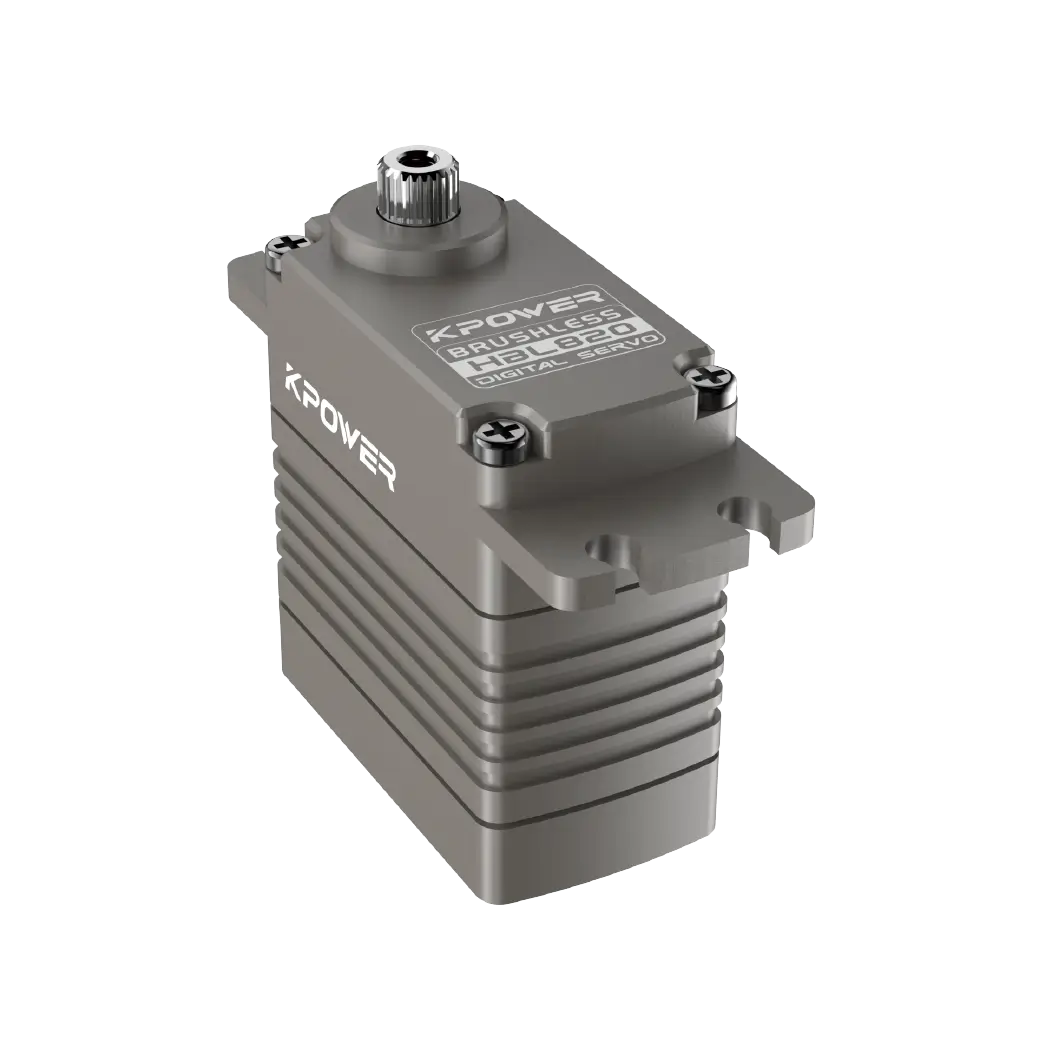
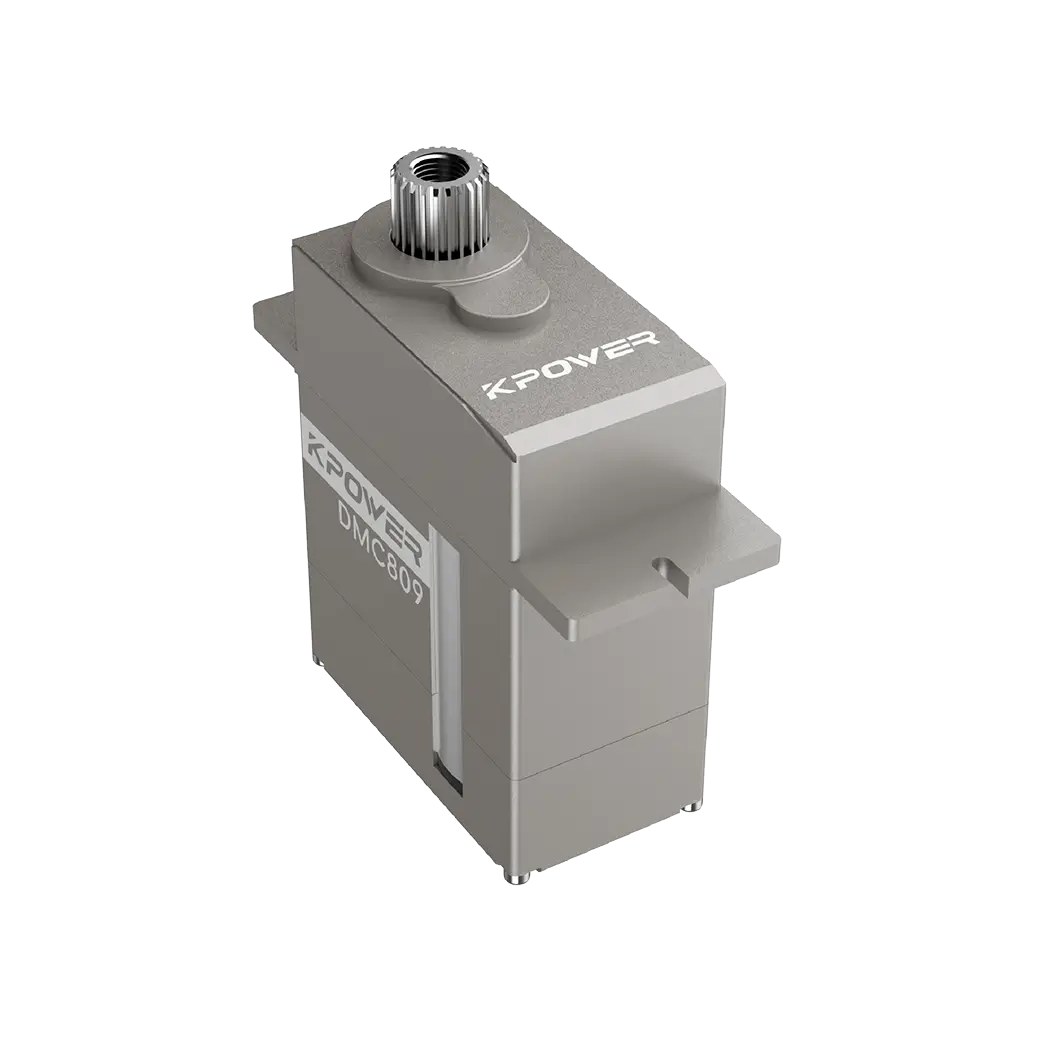
When you hold a kpower motor, you can feel the weight. It doesn't feel like a hollow toy. The casing is solid, the wires are thick enough to handle the current, and the connectors click into place with a satisfying snap. These are the small details that make a massive difference when you’re elbow-deep in a project at 2:00 AM.
The goal isn't just to make something move. The goal is to make something that keeps moving. Whether you’re a hobbyist working on a single pet project or someone managing a massive installation of interactive art, you need the hardware to be the silent partner that just does its job. Stop worrying about the "what ifs" and start building with something that has a proven track record. That’s why kpower stays on my workbench. It’s about the peace of mind that comes when you flip the switch and everything—every single motor—rotates exactly as it should. No smoke. No jitter. Just pure, mechanical motion.
Established in 2005, Kpower has been dedicated to a professional compact motion unit manufacturer, headquartered in Dongguan, Guangdong Province, China. Leveraging innovations in modular drive technology, Kpower integrates high-performance motors, precision reducers, and multi-protocol control systems to provide efficient and customized smart drive system solutions. Kpower has delivered professional drive system solutions to over 500 enterprise clients globally with products covering various fields such as Smart Home Systems, Automatic Electronics, Robotics, Precision Agriculture, Drones, and Industrial Automation.
Update Time:2026-01-22

Contact Kpower's product specialist to recommend suitable motor or gearbox for your product.


