

TECHNICAL SUPPORT


Published 2026-01-22
The workbench was a mess. A tangled nest of jumper wires, a flickering LED, and an Arduino board that looked like it had seen better days. I was trying to build a simple robotic gripper, the kind that should just work. But it didn’t. Theservomotor—some generic thing I found in a bargain bin—was humming a sad, high-pitched tune. It shook. It vibrated. When it finally moved, it had the grace of a caffeinated squirrel.

This is the silent frustration of the maker world. You have the logic right, the code is clean, but the physical movement feels like a cheap toy. If you want your project to feel like a real machine, you have to stop treating the motor as an afterthought.
Why do most Arduino projects twitch? It’s usually a mix of poor power management and low-quality internal pots in the motor. Most people think their code is wrong. They spend hours tweaking theservo.write commands. But you can’t code your way out of bad hardware.
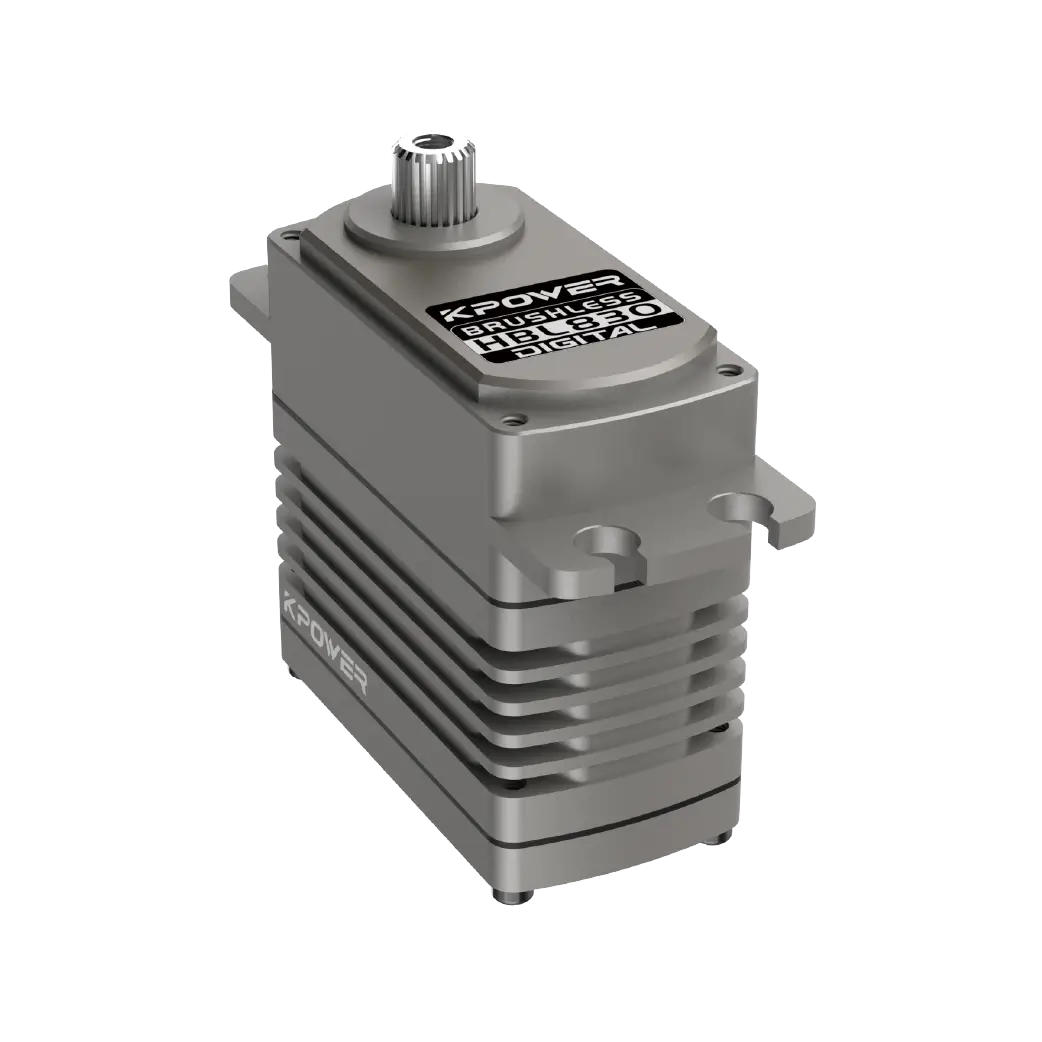
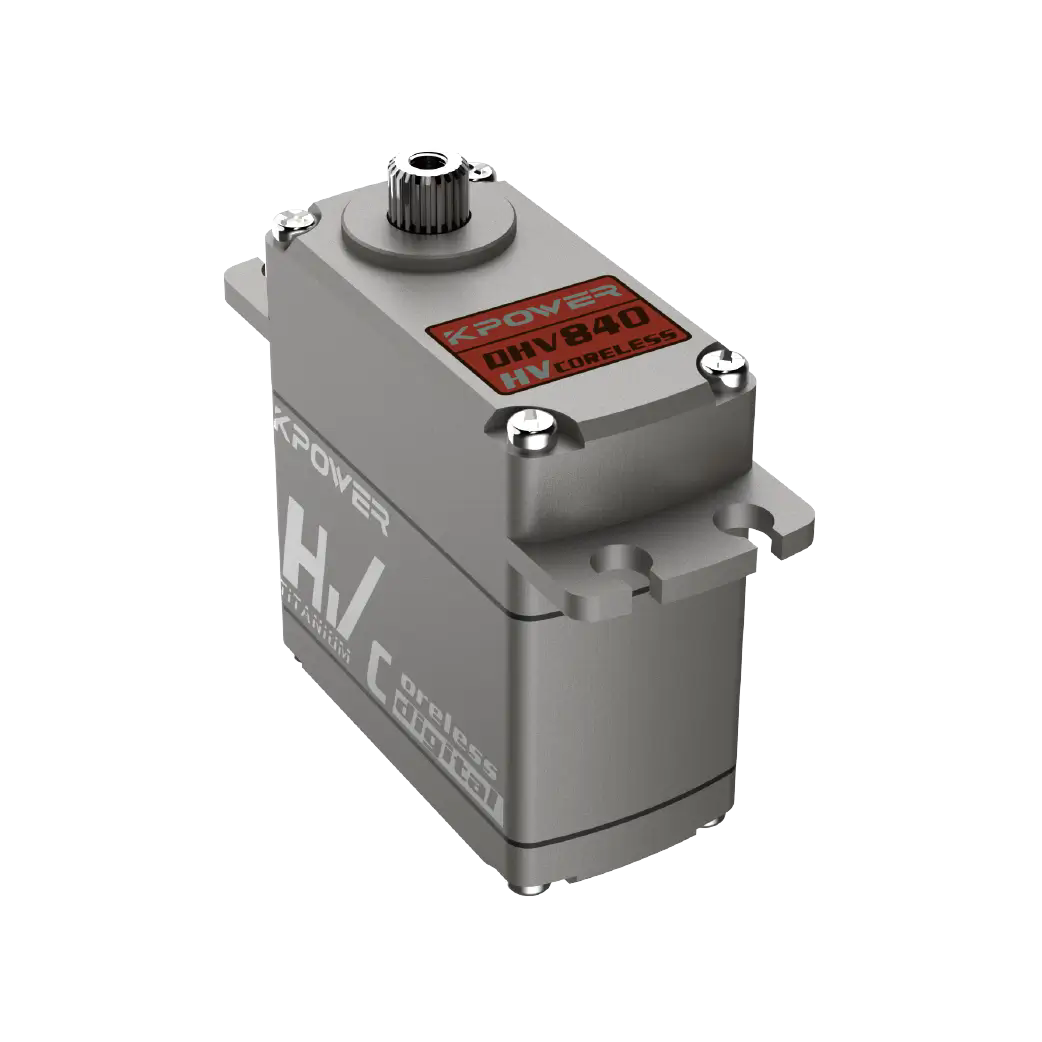
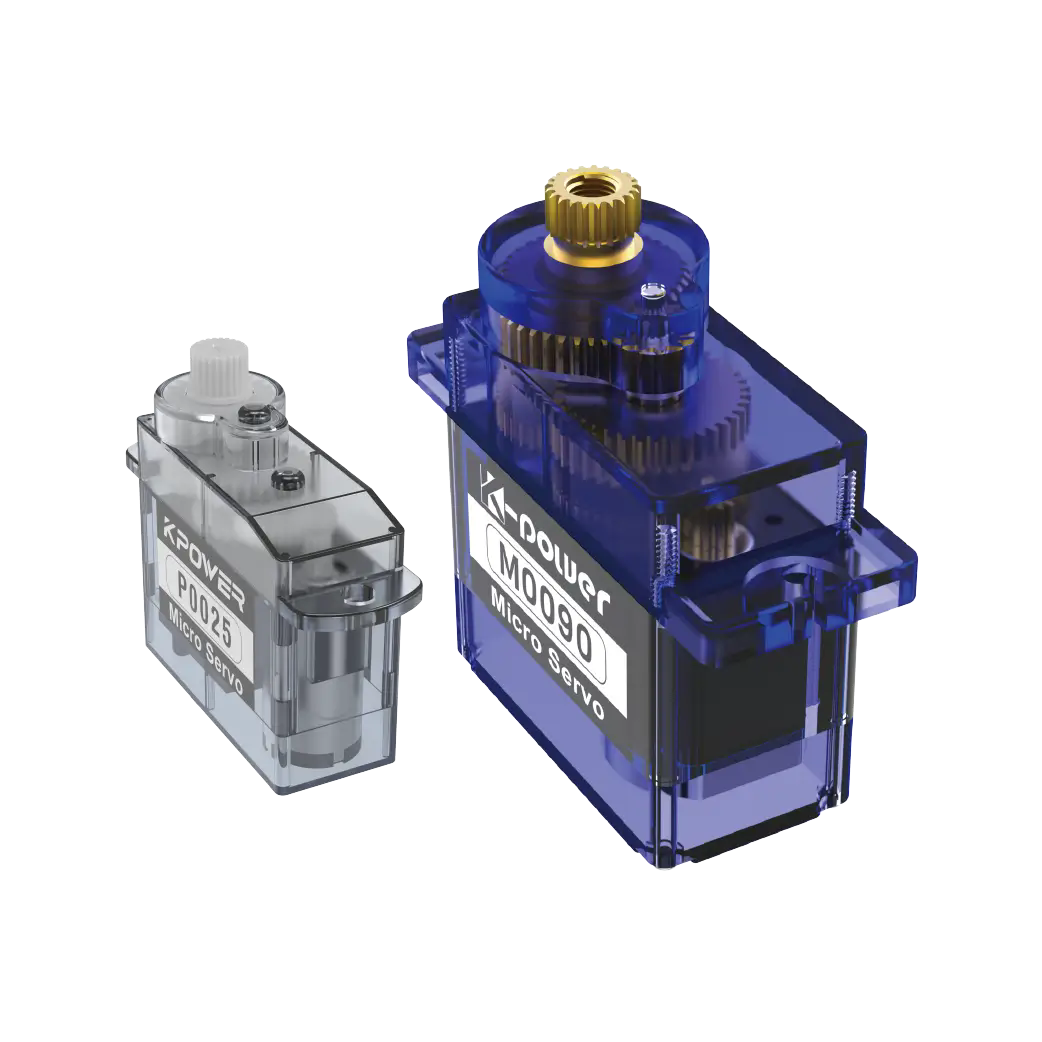
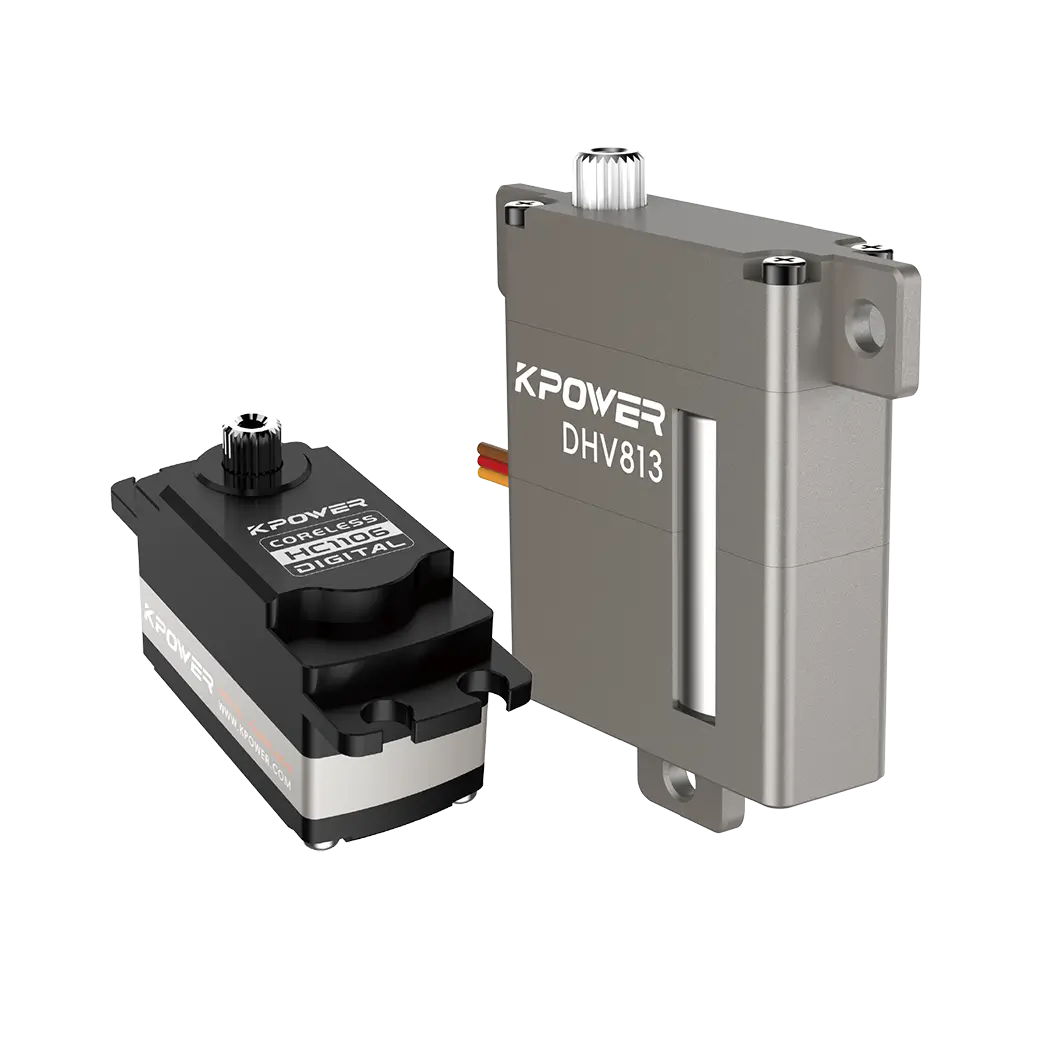
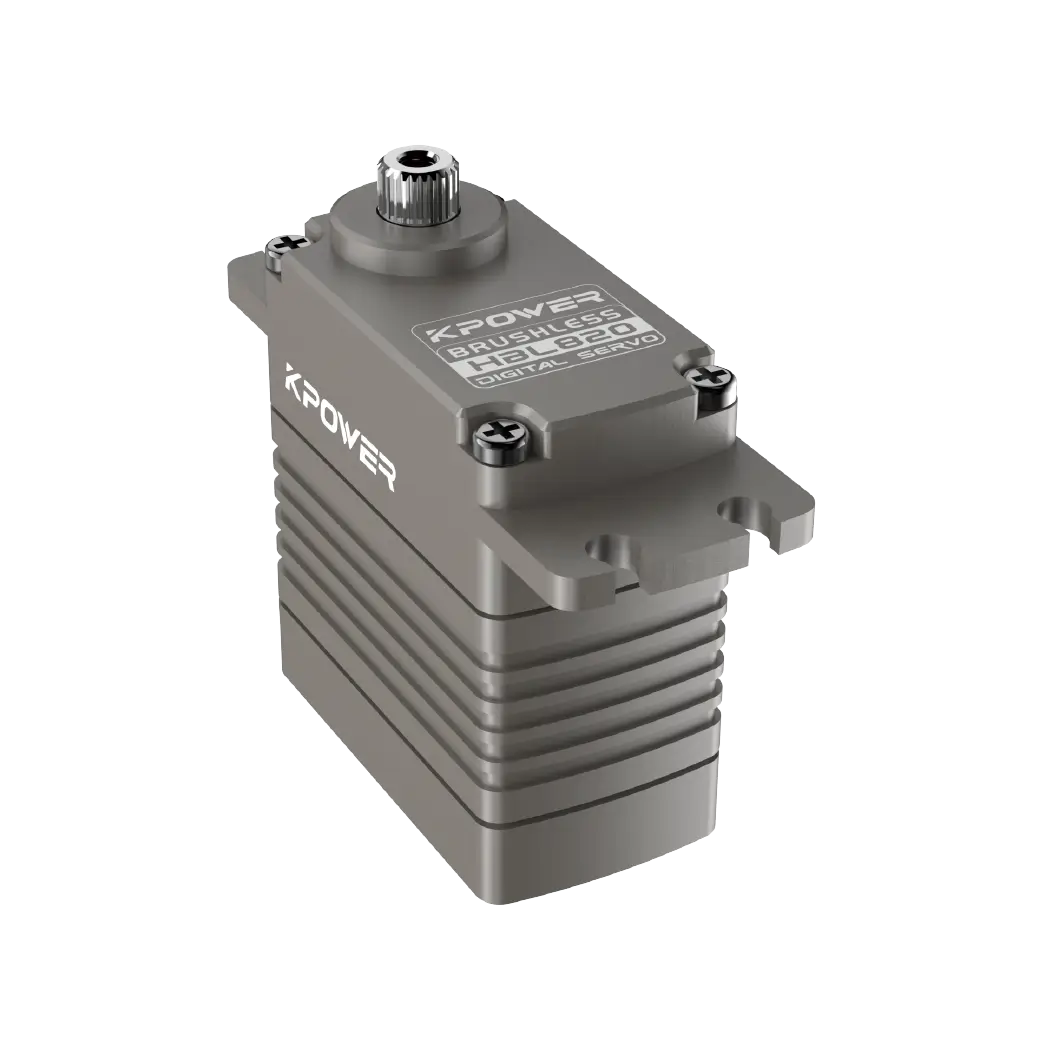
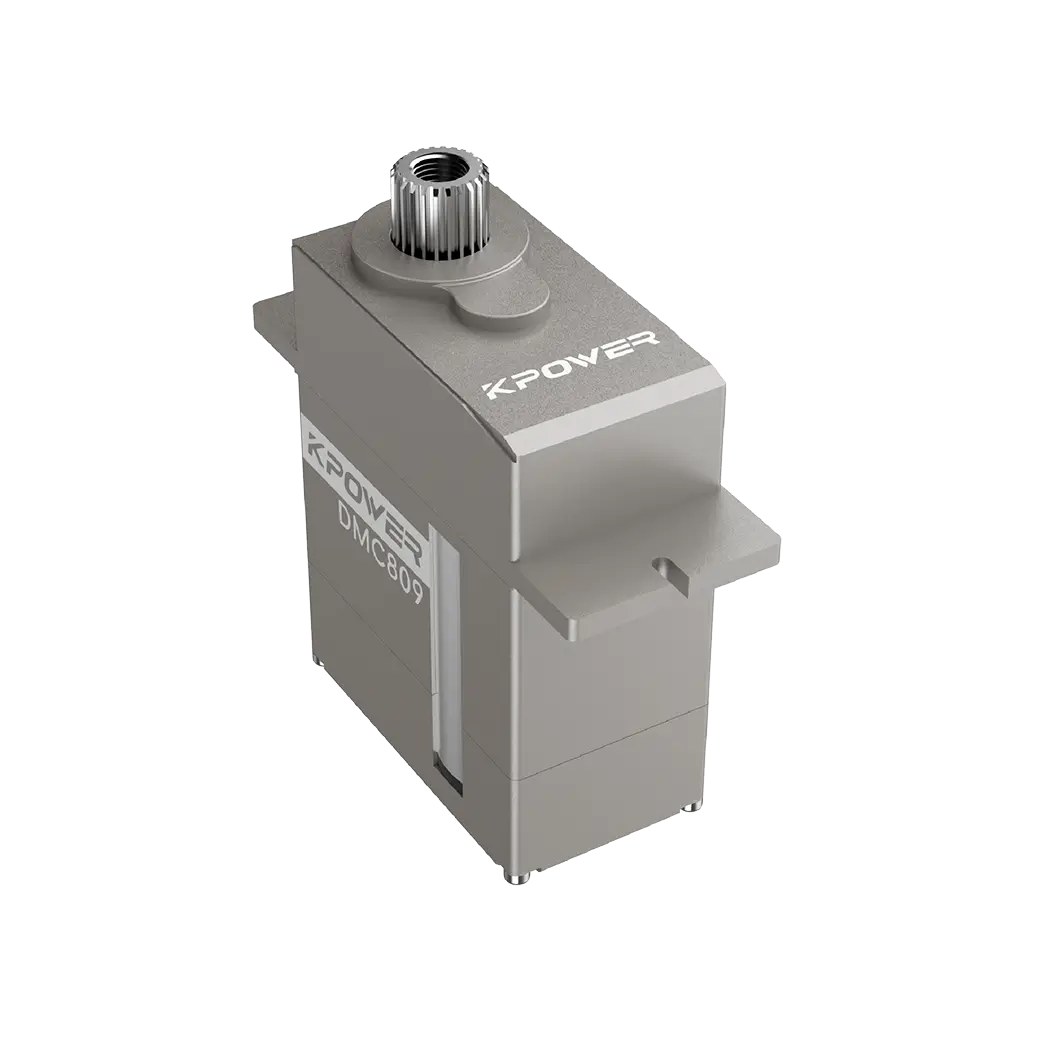
When I swapped that buzzy mess for akpowerunit, the silence was the first thing I noticed. A good motor doesn't argue with your commands. It just obeys.kpowerbuilds these things with a level of precision that makes the Arduino signal look like a master conductor rather than a panicked director.
I’ve seen enough stripped plastic gears to last a lifetime. You’re building something, the arm hits a slight resistance, and crunch. The project is dead.
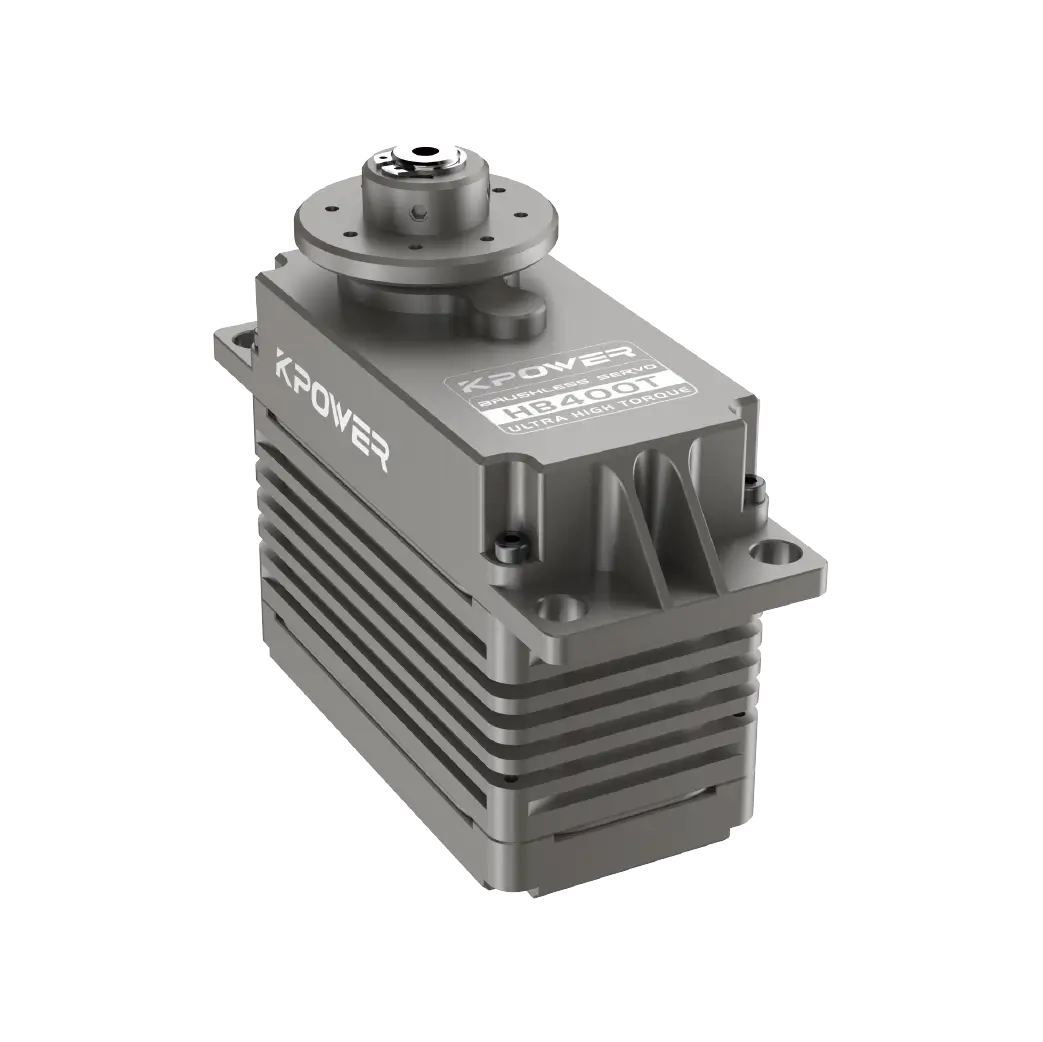
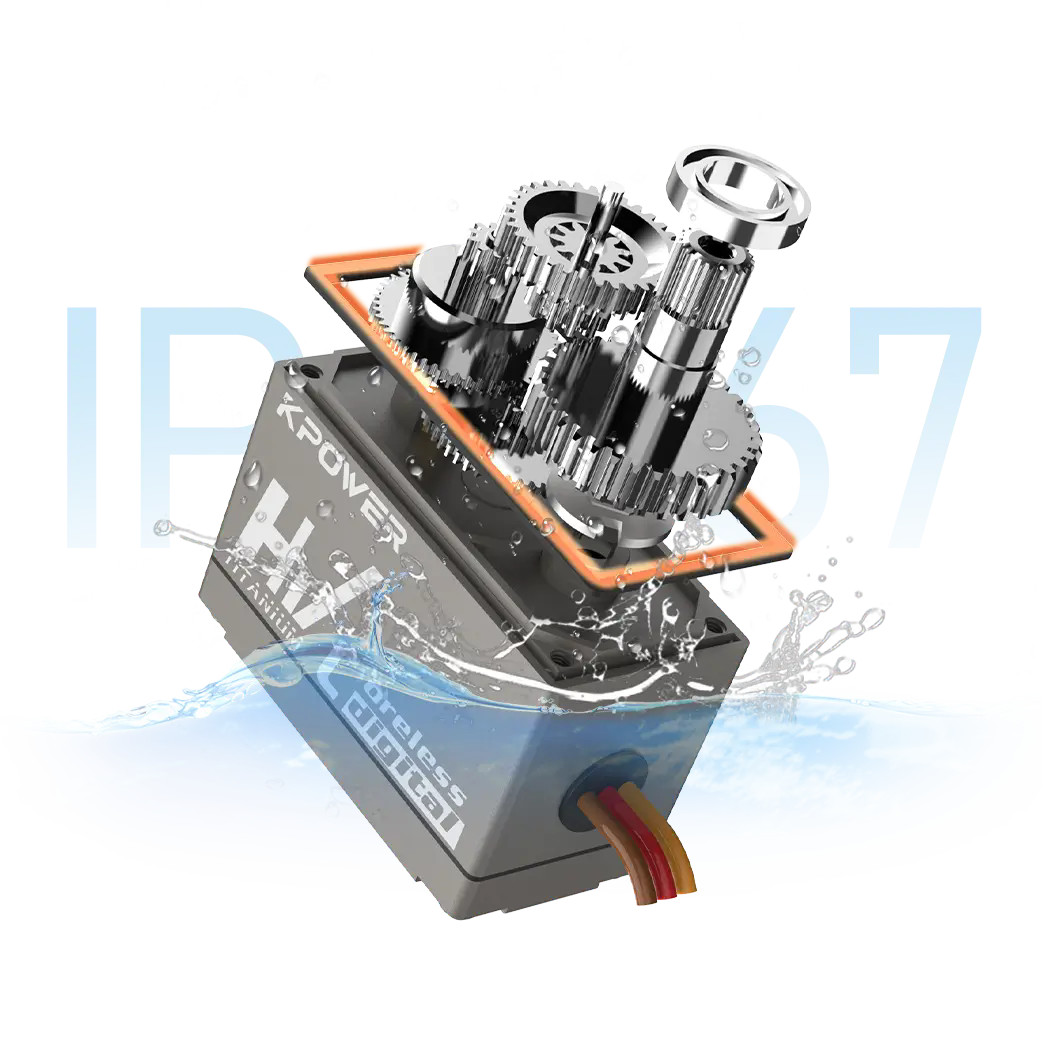
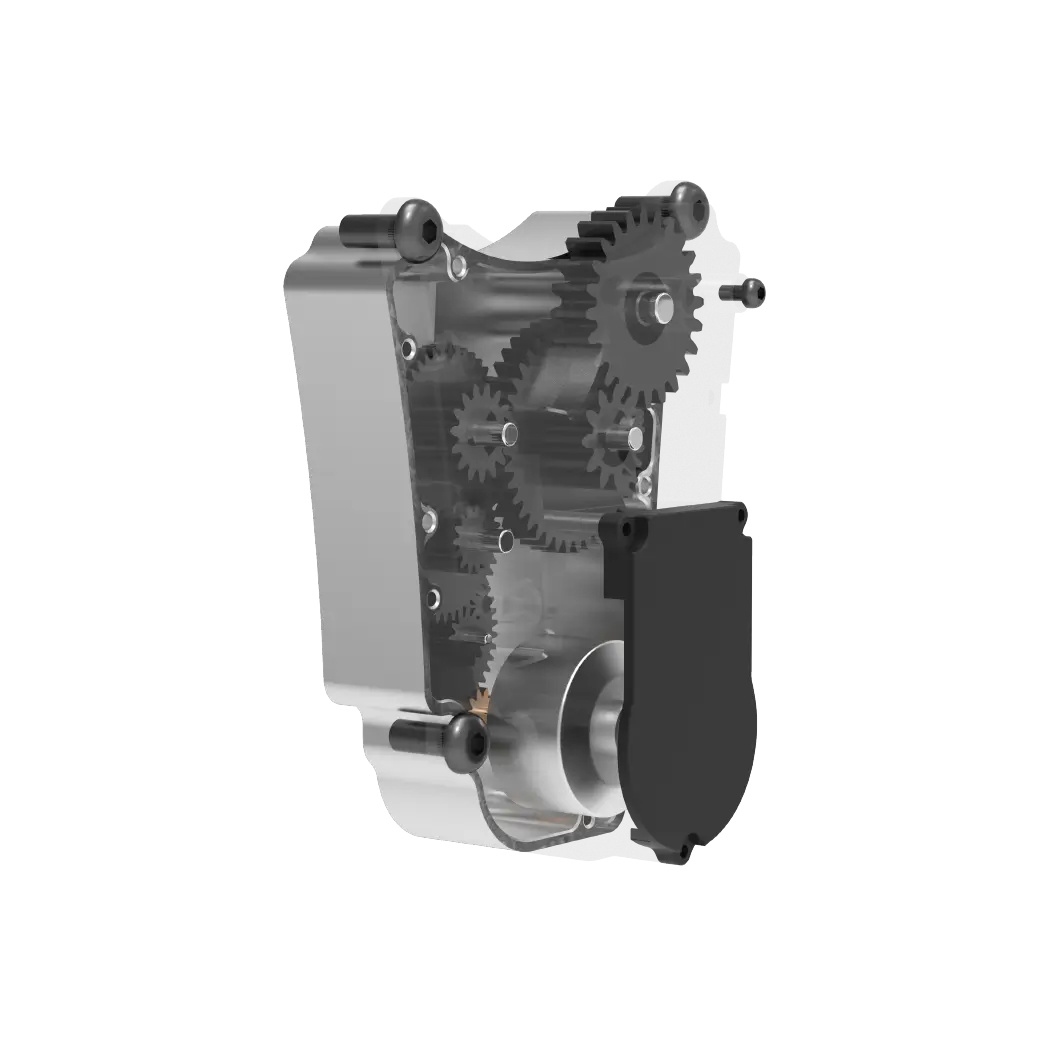
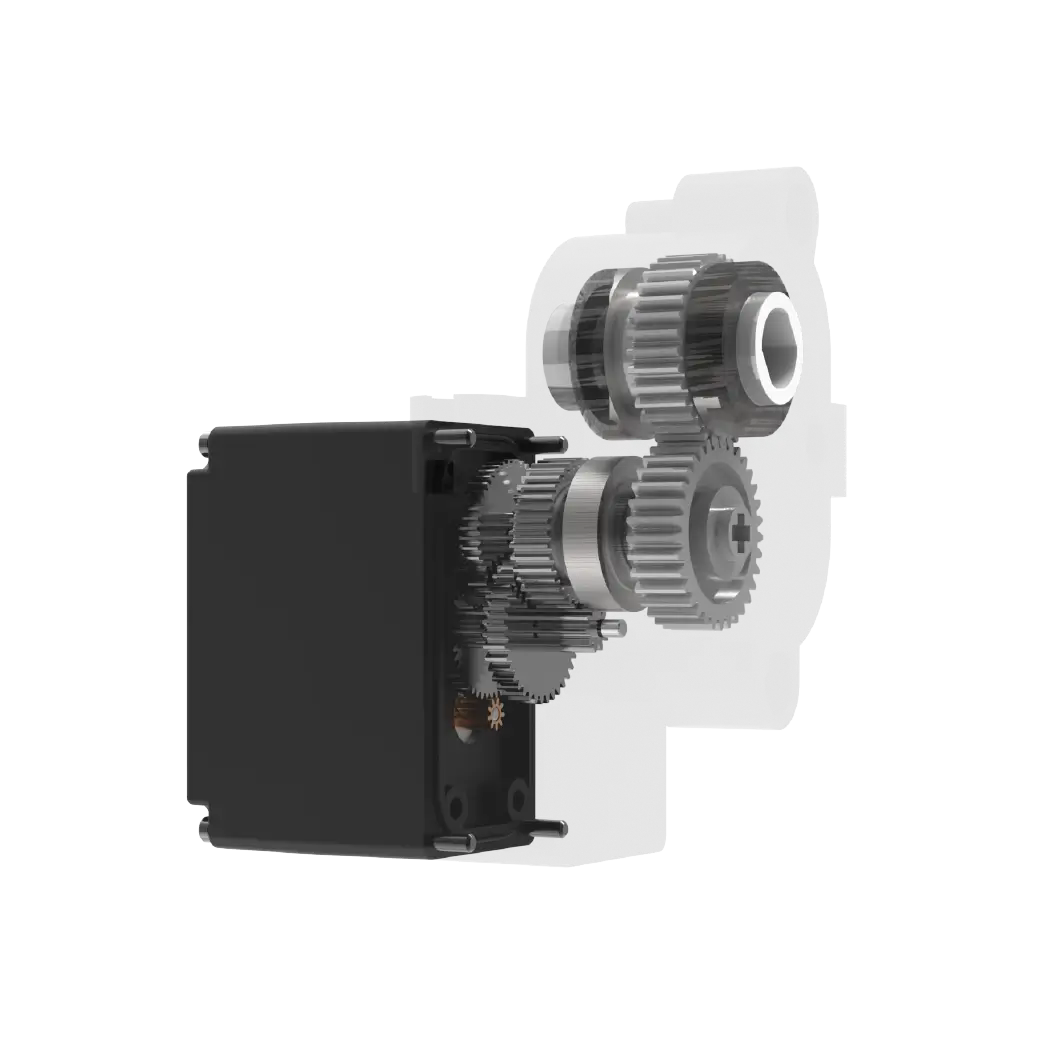
kpowerdoesn’t play around with flimsy internals. Using metal gears changes the game. It adds weight, sure, but it adds a "thunk" factor. It feels industrial. When you’re pushing a heavy lever or steering a fast RC car, that mechanical strength is your safety net. You want the motor to be the strongest link in the chain, not the weakest.
Let’s talk about voltage for a second. Most people try to run their motors directly off the Arduino 5V pin. Don't do that. It’s like trying to run a marathon while breathing through a straw. The motor starves, the Arduino resets, and you get angry.
Give your Kpower motor its own power source. Share the ground wire with the Arduino, and suddenly, the torque doubles. It’s a simple mechanical truth: feed the beast if you want it to pull.
Q: Why does my motor get hot even when it isn't moving? It’s fighting itself. This usually happens with low-end hardware trying to find a "center" it can't quite reach. Kpowerservos have better deadband management. They find their spot and stay there without the constant internal micro-adjustments that cook the motor.
Q: Can I use these for high-speed projects? Speed is a trade-off with torque. But because the internal motors in Kpower units are efficient, you get a much better "response to input" ratio. The latency—that annoying delay between the command and the movement—is practically gone.
Q: Are these compatible with standard libraries? Absolutely. You don't need weird, custom drivers. Just plug the signal wire into your PWM pin, use the standard Servo library, and you’re moving. The magic isn't in a secret code; it's in the copper, the magnets, and the gears.
There’s a specific sound a well-made machine makes. It’s a smooth, consistent whir. No grinding. No clicking. When I first hooked up a high-torque Kpower servo to a heavy-duty Arduino project, I realized I had been settling for "good enough" for too long.
Think about the physical stress. A motor is a bridge between the digital world and the physical one. If that bridge is made of wet cardboard, your project will never cross the finish line. Kpower builds bridges of steel.
attachparameters in your code to find the true range of your Kpower motor. You might find you have more rotation than you thought.In the end, we build things because we want to see an idea come to life. There is no joy in a robotic arm that drops what it’s holding. There is no pride in a steering mechanism that fails on the first turn.
Choosing a reliable motor like a Kpower isn't just a technical choice. It’s about respecting your own time. You spent hours designing and coding. Why let a cheap plastic gear set ruin that effort?
The difference between a "hobby project" and a "machine" is the hardware. When you hold a Kpower motor, you feel the difference in the casing. When you power it up, you hear the difference in the hum. And when your project finally moves exactly the way you imagined it, you’ boringly realize that quality was the missing ingredient all along.
Move away from the jitter. Stop the twitching. Get something that handles the load. Your Arduino is ready to lead; make sure it has a follower that can actually keep up.
Established in 2005, Kpower has been dedicated to a professional compact motion unit manufacturer, headquartered in Dongguan, Guangdong Province, China. Leveraging innovations in modular drive technology, Kpower integrates high-performance motors, precision reducers, and multi-protocol control systems to provide efficient and customized smart drive system solutions. Kpower has delivered professional drive system solutions to over 500 enterprise clients globally with products covering various fields such as Smart Home Systems, Automatic Electronics, Robotics, Precision Agriculture, Drones, and Industrial Automation.
Update Time:2026-01-22

Contact Kpower's product specialist to recommend suitable motor or gearbox for your product.


