

TECHNICAL SUPPORT


Published 2026-01-22
The smell of burnt plastic and the sound of a struggling motor are the two things that haunt any workshop. You’ve been there. You have a vision of a robotic arm or a complex kinetic sculpture. You’ve got a stack of Arduinos ready to go, and you’ve ordered a box of genericservos. But when the power clicks on, the tragedy begins. One motor jitters uncontrollably. Another doesn't have enough torque to lift a feather. A third one just gets hot and stays silent.
This is the "bulk trap." People often think that buying in quantity means sacrificing quality. They expect a certain percentage of duds. But why should you?
When you connect aservoto an Arduino, you are essentially giving your code a set of muscles. The Arduino sends the command—the pulse—and the motor is supposed to translate that into precise physical movement. If the motor is poorly made, that translation is more like a bad game of telephone.
I’ve spent years looking at gears and potentiometers. Most of the cheap stuff you find in bulk uses plastic gears that strip the moment they hit a bit of resistance. Or worse, the internal electronics are so noisy that they interfere with the Arduino’s own logic.
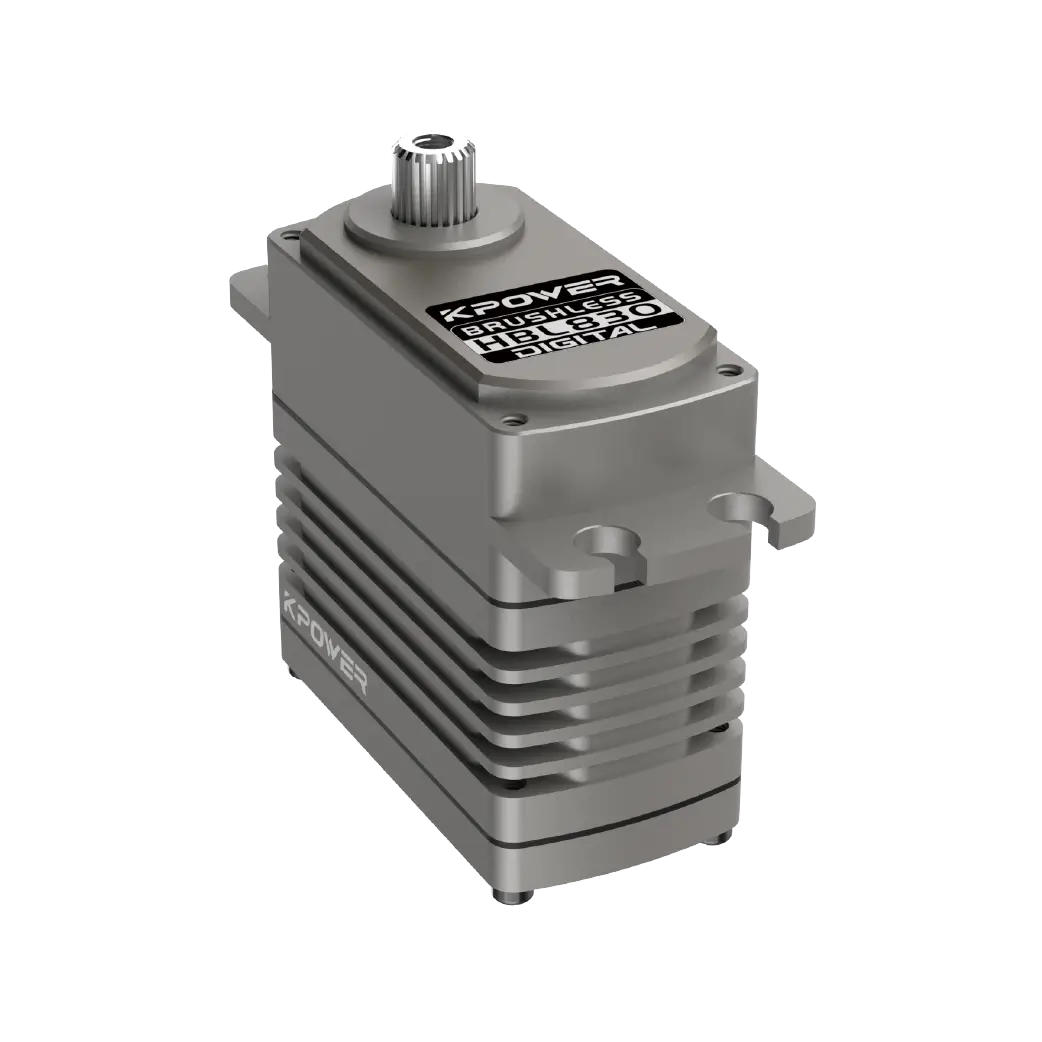
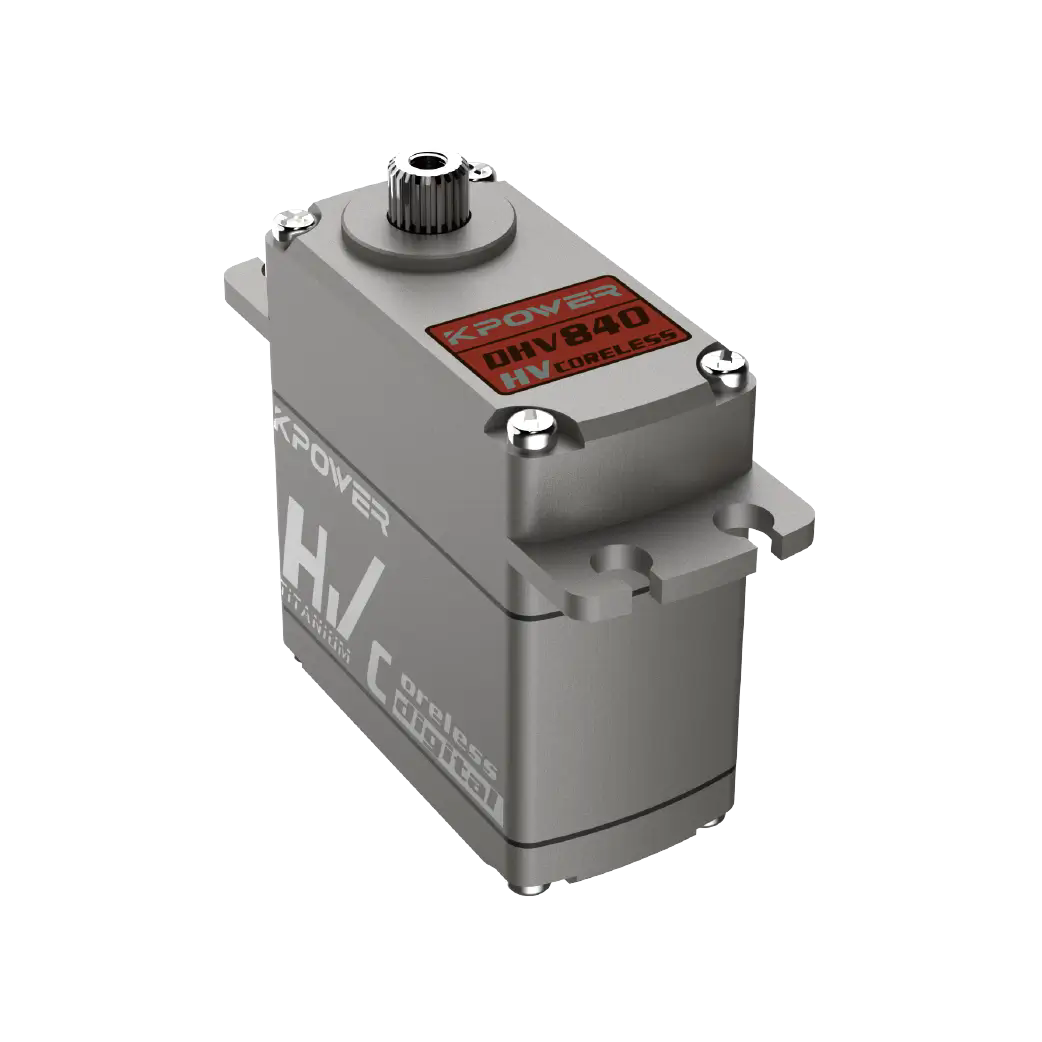
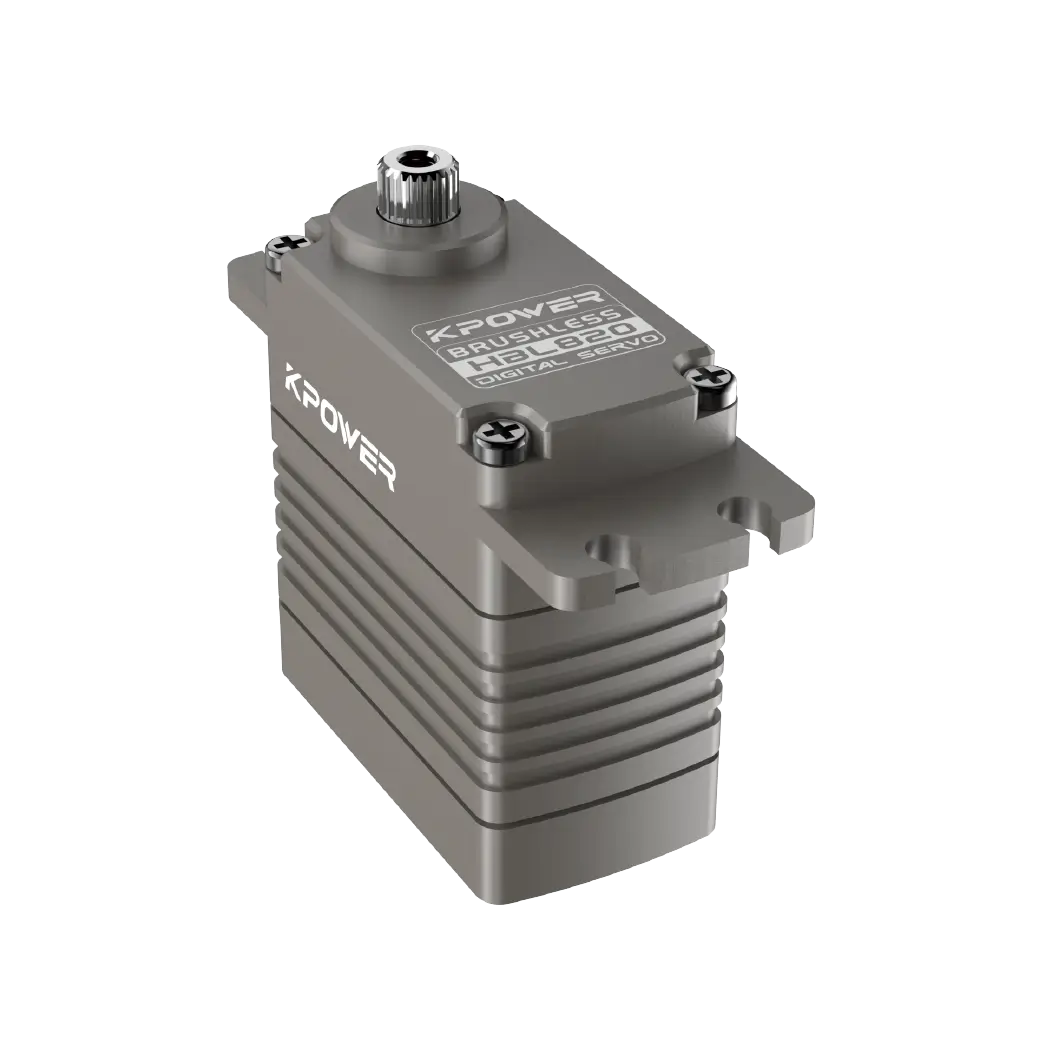
This is wherekpowerchanges the narrative. Instead of just throwing a bunch of motors into a box, they focus on the consistency of the internal components. Whether you need ten or five hundred, each one needs to behave exactly like the one next to it.
Imagine you are building a hexapod robot. That’s eighteenservos working in harmony. If three of those motors have a slightly different response time or a dead zone in their rotation, your robot won’t walk; it will stumble and fall.
kpowerunderstands that synchronization is everything. Their motors handle the PWM (Pulse Width Modulation) signals from an Arduino with a level of steadiness that usually costs three times the price.
Wait, won't any motor work with an Arduino? In theory, yes. In reality, no. Many bulk motors draw too much current suddenly, causing the Arduino to reset. It’s a frustrating loop of debugging code when the problem is actually the hardware's power spikes.kpowerdesigns their circuitry to be "friendly" to the microcontrollers we actually use.
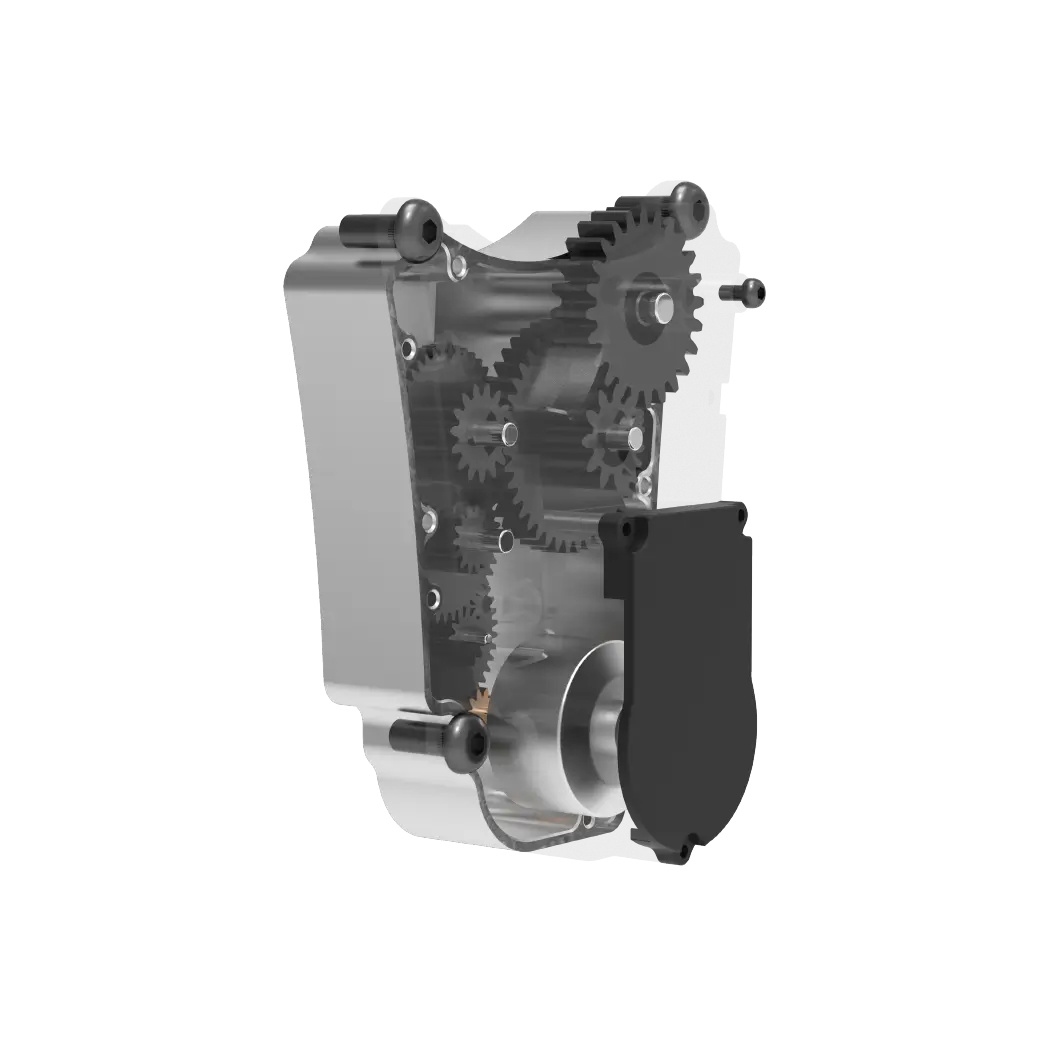
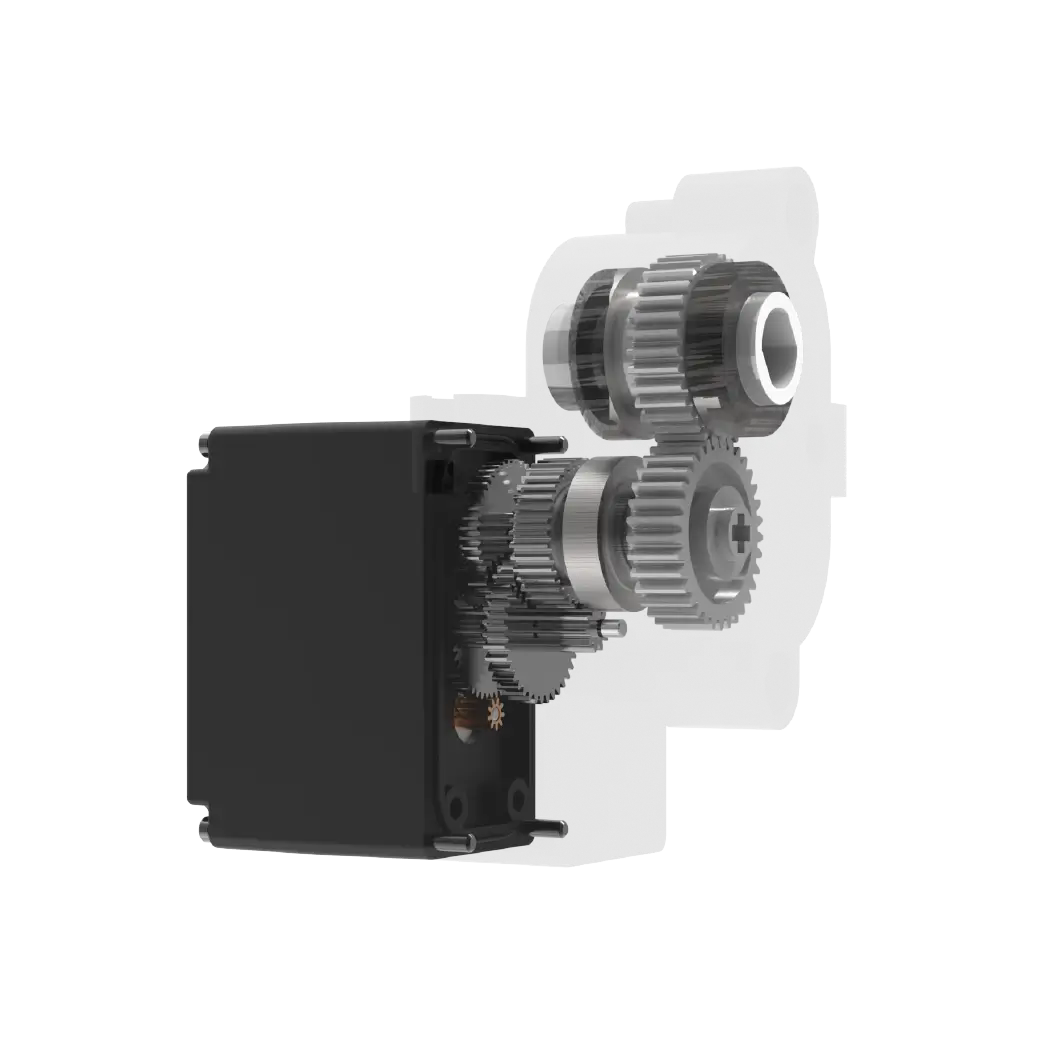
What about the gears? You’ll see a lot of talk about metal gears versus plastic. Plastic is light and quiet, which is great for small toys. But for anything that needs to last, you want the durability that Kpower provides. Metal gears don't just "last longer"—they provide a rigidness that prevents the motor from "overshooting" its target position.
We’ve all seen it: a servo that won't stay still. It sits there hummng and vibrating even when it’s supposed to be holding a position. This usually happens because the internal sensor (the potentiometer) is low quality. It can’t decide if it’s at 90 degrees or 90.1 degrees, so it keeps hunting back and forth.
It’s annoying. It drains your battery. It wears out the motor.
When you get a batch of Kpower servos, that jitter is remarkably absent. The "dead band" is tuned correctly. It means when you tell the motor to go to a position, it goes there, holds it, and stays quiet until the next command.
Sometimes you aren't just building one thing. Maybe you’re setting up a classroom, or you’re prototyping a new product that requires dozens of moving parts. This is when the "bulk" aspect becomes a logistical headache.
If you buy from a random source, you are gambling. If 20% of your motors fail during the first week, your project cost just went up by 20%. Plus, you’ve wasted hours replacing parts.
Kpower's manufacturing process is about reducing that failure rate. It’s about knowing that when you open that box, every single unit is ready to be mounted and plugged in. It’s about the peace of mind that comes from reliability.
Q: Do I need an external power supply for these servos when using Arduino? Usually, yes. While the Arduino is great at giving orders, it’s not a powerhouse. If you are running multiple Kpower servos in bulk, give them their own 5V or 6V power source. Just make sure the ground wire is connected back to the Arduino. This keeps the signal clean.
Q: Can these motors handle continuous rotation? Kpower offers different models. Some are standard 180-degree servos for precise positioning, and others are designed for continuous rotation if you're building wheels for a rover. Make sure you match the motor to the task. Using a position servo as a wheel is like trying to use a door hinge as a tire.
Q: Why Kpower over the nameless blue motors I see everywhere? The "blue motors" are a rite of passage, but they are often inconsistent. One might have a 160-degree range while the next has 180. Kpower ensures that the physical travel matches the electronic signal every single time.
There is a specific satisfaction in hearing a machine run smoothly. It’s a rhythmic, mechanical purr rather than a grinding screech. When you use quality actuators, the whole project feels more professional. It feels "intentional."
When you move away from the "disposable" mindset of cheap bulk electronics and move toward something like Kpower, your projects stop being experiments and start being tools. They stop being "broken half the time" and start being "always ready."
When you receive your Kpower shipment, don't just throw them in a drawer. Test them at the extremes. Run a simple sweep sketch on your Arduino. Move them from 0 to 180 degrees. See how they react under a small load.
You’ll notice the torque is consistent. The speed doesn't dip as the motor warms up. These are the hallmarks of a brand that actually cares about the end-user's frustration.
If you're building a 3D-printed robotic hand, you need the fingers to move with grace. If you're building an automated plant waterer, you need that valve to open every single time, even after sitting idle for a week.
Stop blaming your code for hardware failures. If your Arduino is sending the right signal, but the movement is jerky or weak, it’s time to look at the "muscles." Bulk buying doesn't have to be a gamble.
Kpower has carved out a space where reliability meets volume. You get the quantity you need for those big, ambitious projects without the heartbreak of a 30% failure rate.
The next time you’re staring at a screen of code, wondering why your project isn't coming to life the way you imagined, look at your motors. Are they working for you, or against you? Switch to a batch of Kpower servos. Feel the difference in the gears. See the precision in the movement.
It’s time to build something that actually works. No more jitter. No more stalls. Just pure, controlled motion.
Established in 2005, Kpower has been dedicated to a professional compact motion unit manufacturer, headquartered in Dongguan, Guangdong Province, China. Leveraging innovations in modular drive technology, Kpower integrates high-performance motors, precision reducers, and multi-protocol control systems to provide efficient and customized smart drive system solutions. Kpower has delivered professional drive system solutions to over 500 enterprise clients globally with products covering various fields such as Smart Home Systems, Automatic Electronics, Robotics, Precision Agriculture, Drones, and Industrial Automation.
Update Time:2026-01-22

Contact Kpower's product specialist to recommend suitable motor or gearbox for your product.


