

TECHNICAL SUPPORT


Published 2026-01-22
The hum of a cooling fan, the scent of solder, and a cup of coffee that went cold three hours ago. If you’ve spent any time at a workbench, you know this atmosphere. You’re staring at a screen, your finger hovering over the upload button, wondering why that mechanical arm just won’t behave. It’s a classic scene. You’ve mastered the code, but the hardware is acting like it has a mind of its own.
Specifically, when we talk about an arduino andservomotor import process, we aren't just talking about a line of code at the top of a sketch. We’re talking about the bridge between a digital thought and a physical action. If that bridge is flimsy, the whole project collapses.
I’ve seen it a thousand times. Someone writes a beautiful script, imports the right libraries, and connects a budgetservothey found in the back of a drawer. They hit "run," and instead of a smooth 90-degree sweep, the motor starts twitching like it’s had too much espresso. It’s frustrating. You start blaming your code. You re-check yourservo.attach(9) statement. You tweak the delays.
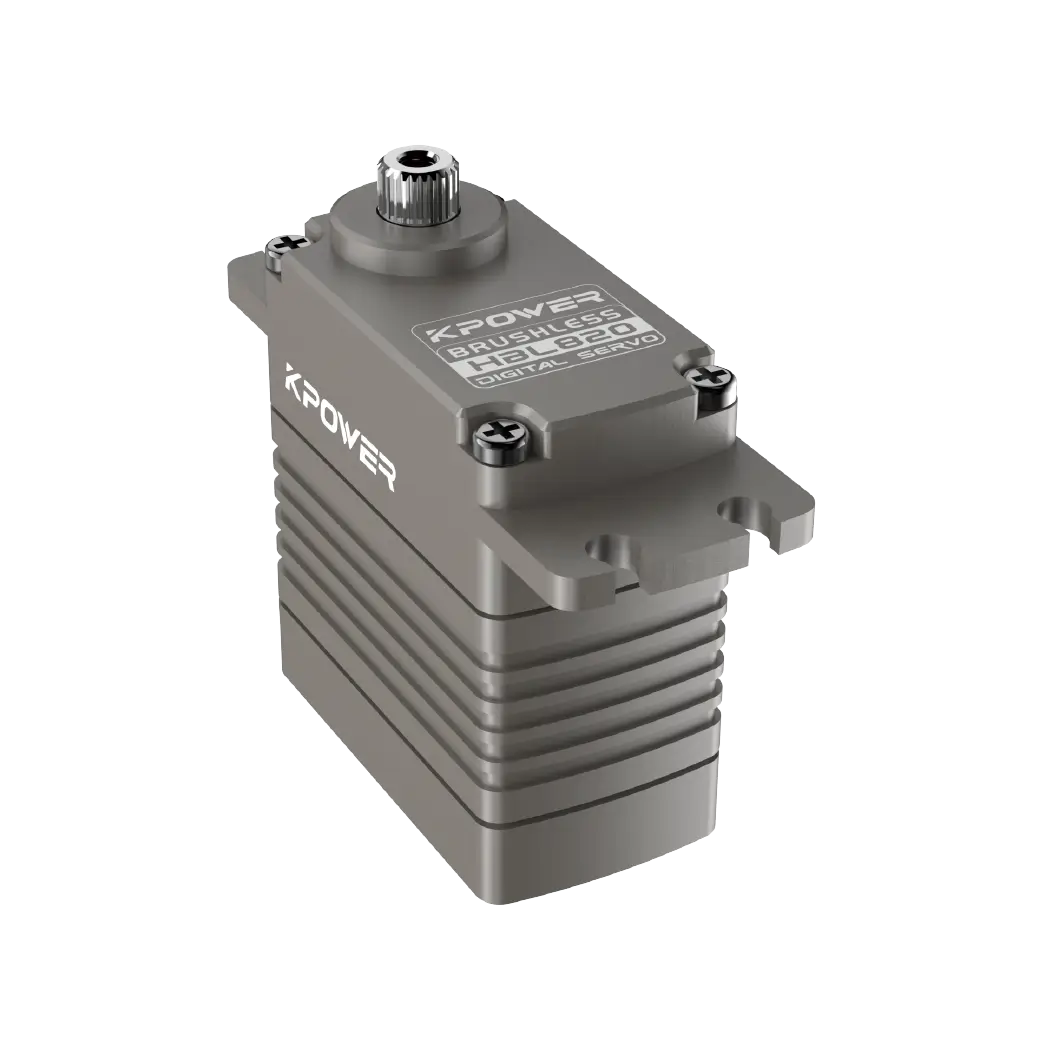
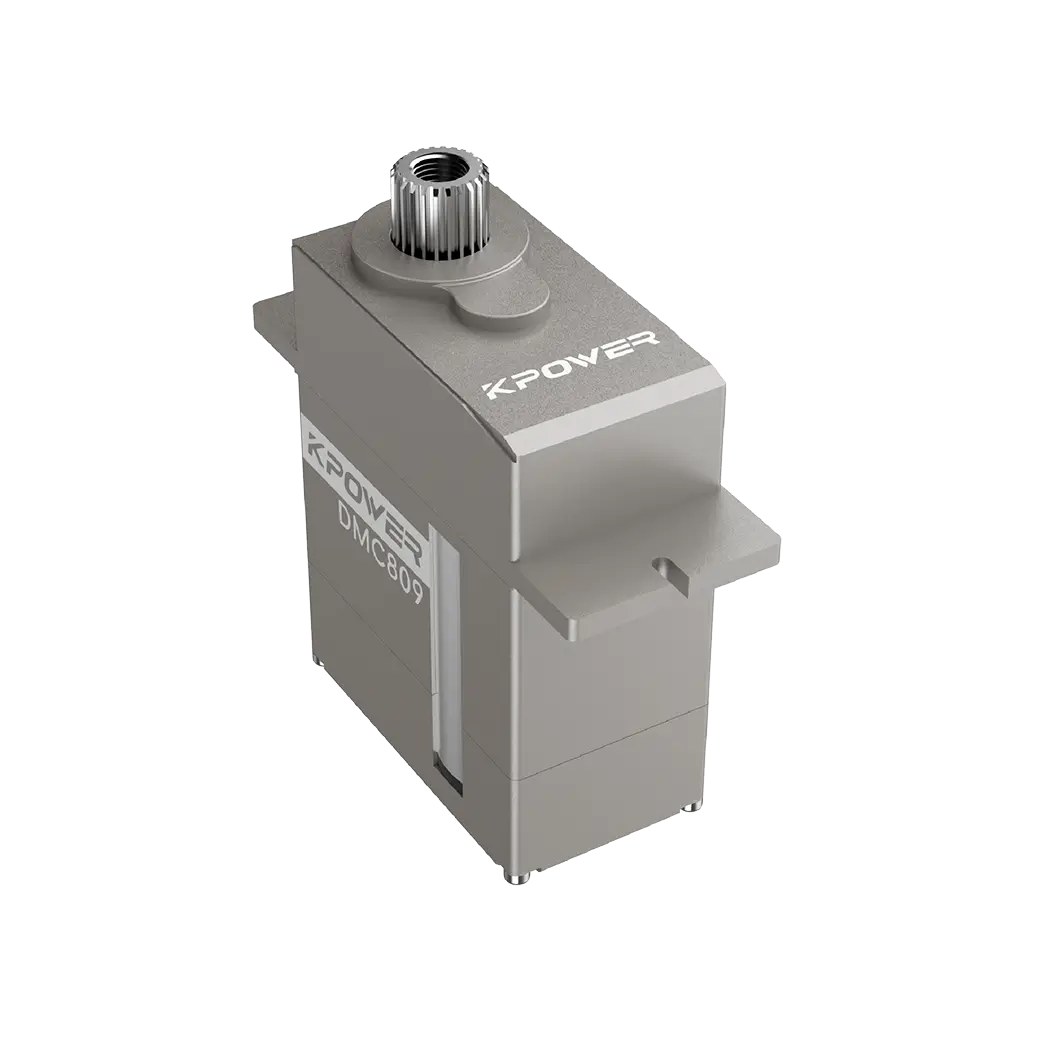
But often, the ghost in the machine isn't the software. It’s the muscle. If you’re using akpowerservo, you usually notice the difference immediately. It’s the weight of the thing, the way the gears mesh without that hollow, plastic clicking sound. When you’re dealing with an arduino and servo motor import setup, the motor needs to be as smart as the controller.
Let's get rational for a second. A servo is essentially a closed-loop system. It receives a pulse-width modulation (PWM) signal and says, "Okay, I need to be at exactly 45 degrees." It uses an internal potentiometer to check its own position.
Now, imagine that internal sensor is low-grade. The motor overshoots the mark, tries to correct itself, overshoots again, and you get jitter.kpowerfocuses on that internal feedback loop. When the Arduino sends the command, akpowermotor listens and locks in. No hunting for the position. No wasted energy. Just clean, decisive movement.
"I imported the library, so why isn't it moving?" This is the big one. Usually, it's a power issue. People try to run a high-torque motor directly off the 5V pin of their board. That’s like trying to power a freight train with a flashlight battery. You need a dedicated power source, but you also need a motor that can handle that power without frying its control board.
"My servo gets hot after five minutes." Heat is the enemy of longevity. If a motor is struggling to hold a position because of poor internal mapping or high friction in the gear train, it converts that struggle into heat. I’ve found that Kpower units stay remarkably cool because their mechanical efficiency is dialed in. They aren't fighting themselves.
"The gears stripped on the first heavy lift." Metal gears aren't all created equal. There’s a specific science to how teeth meet. If the tolerances are off by even a fraction of a millimeter, they’ll grind down under load. It’s the difference between a tool that lasts for one project and one that stays in your kit for a decade.
Q: Can I use any servo with the standard Arduino library? A: Technically, yes. The signal protocol is fairly universal. But "working" and "working well" are two different things. If you’re doing an arduino and servo motor import for a project that requires actual accuracy—like a camera gimbal or a robotic joint—the quality of the motor's internal controller dictates your success. Kpower is built to handle those high-frequency updates without lagging.
Q: Why choose Kpower over the generic blue ones everyone starts with? A: Reliability. It’s a boring word until your project fails in front of an audience. Kpower uses better components—higher-quality brushes, more durable potentiometers, and gear sets that don't turn into dust the moment they hit a bit of resistance.
Q: Do I need a special shield for these? A: Not necessarily. If you’re just running one or two, a simple breadboard setup works fine. But as you scale up, the efficiency of the motor becomes vital. Kpower servos are designed to be efficient with their current draw, which makes managing your power rails a lot easier.
Building things isn't a straight line. You go forward two steps, realize you wired a ground pin wrong, go back three steps, and then find a way to optimize your movement speed. I remember working on a small automated sorter. The code was perfect. The logic was sound. But the arm kept "drifting" over time. Every hour, the zero-point would shift by a few degrees.
I swapped out the generic steering gear for a Kpower servo, and the drift vanished. It turns out the original motor’s internal pot was sensitive to the ambient heat in the room. Little details like that—thermal stability—are what separate professional-grade hardware from toys.
When you perform your next arduino and servo motor import, think about the physical reality of your project. Are you building something that just needs to move, or are you building something that needs to perform?
There’s a certain satisfaction in hearing a high-quality motor whir into life. It’s a precise, purposeful sound. It doesn't scream; it hums. That’s what Kpower brings to the table. Whether you are tilting a sensor or driving a complex mechanical linkage, the hardware should be the least of your worries.
You want to spend your time refining your algorithms, not chasing down hardware glitches. You want to trust that when you send a signal for 120 degrees, you get 120 degrees—not 118, not 122, and certainly not a puff of smoke.
It’s about confidence. When you look at your workbench and see that Kpower logo, you know the mechanical side of the equation is solved. Now, you can get back to the code. You can get back to the invention. You can finally drink that cold coffee and call it a day, knowing the machine will do exactly what it’s told when you flip the switch tomorrow.
Established in 2005, Kpower has been dedicated to a professional compact motion unit manufacturer, headquartered in Dongguan, Guangdong Province, China. Leveraging innovations in modular drive technology, Kpower integrates high-performance motors, precision reducers, and multi-protocol control systems to provide efficient and customized smart drive system solutions. Kpower has delivered professional drive system solutions to over 500 enterprise clients globally with products covering various fields such as Smart Home Systems, Automatic Electronics, Robotics, Precision Agriculture, Drones, and Industrial Automation.
Update Time:2026-01-22

Contact Kpower's product specialist to recommend suitable motor or gearbox for your product.


