

TECHNICAL SUPPORT


Published 2026-01-22
The desk is a mess. There are tangled jumper wires, a half-empty cup of cold coffee, and that oneservomotor that just won't stop twitching. We’ve all been there. You write the perfect line of code, upload it to your Arduino, and expect a smooth, 90-degree sweep. Instead, you get a mechanical stutter that sounds like a cricket having a mid-life crisis. Why does this happen? Usually, it’s not your code. It’s the hardware.
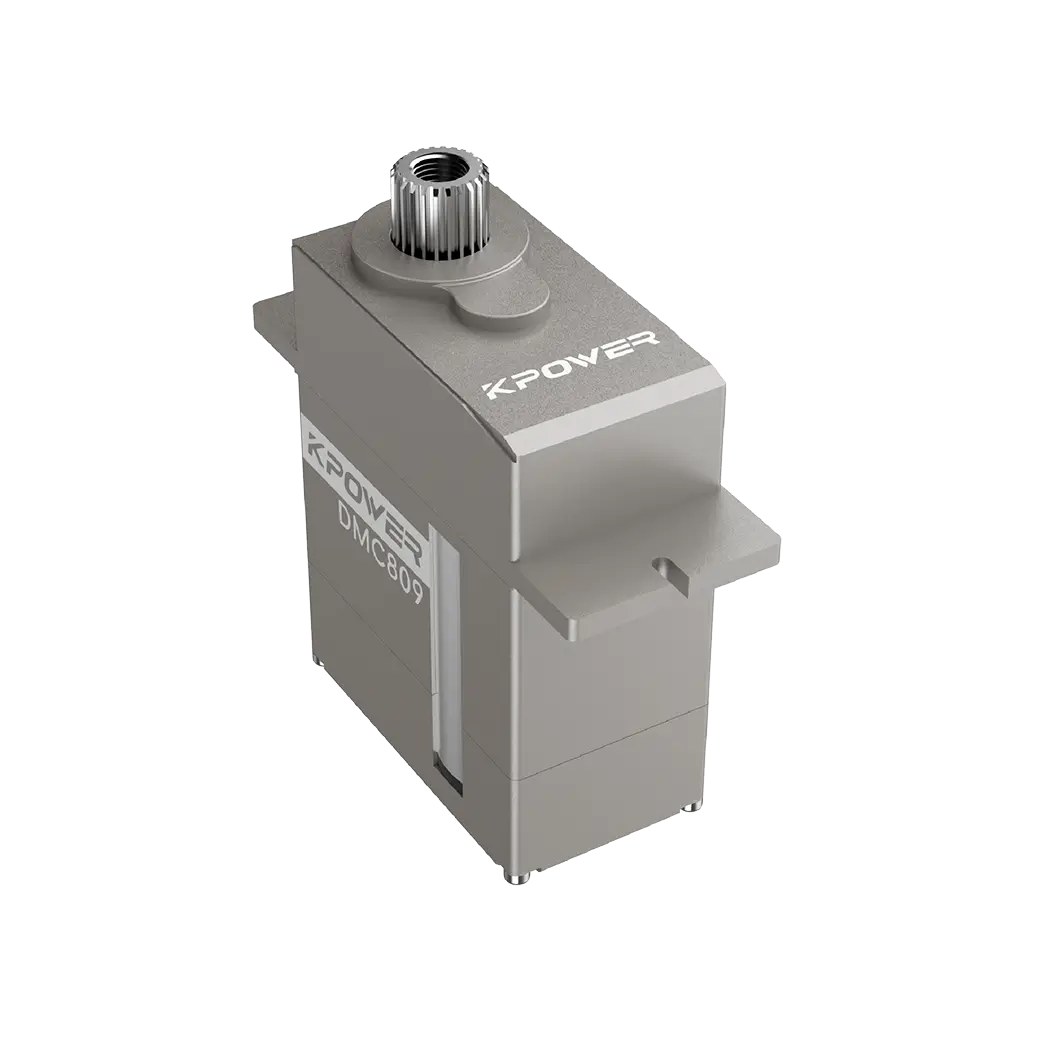
When you’re looking into the world of Arduino andservomotor export, you aren’t just buying plastic and copper. You’re buying the ability for your project to actually move the way you imagined it. If the motor is the muscle, the Arduino is the brain. But even the smartest brain can’t make a weak muscle lift a heavy load.
Ever noticed how some motors get hot even when they aren't moving? Or how they seem to "drift" away from the center point? These are common headaches. When people start exportingservos for their local markets or personal workshops, they often prioritize price over gear material or internal potting. Then, the complaints start rolling in.
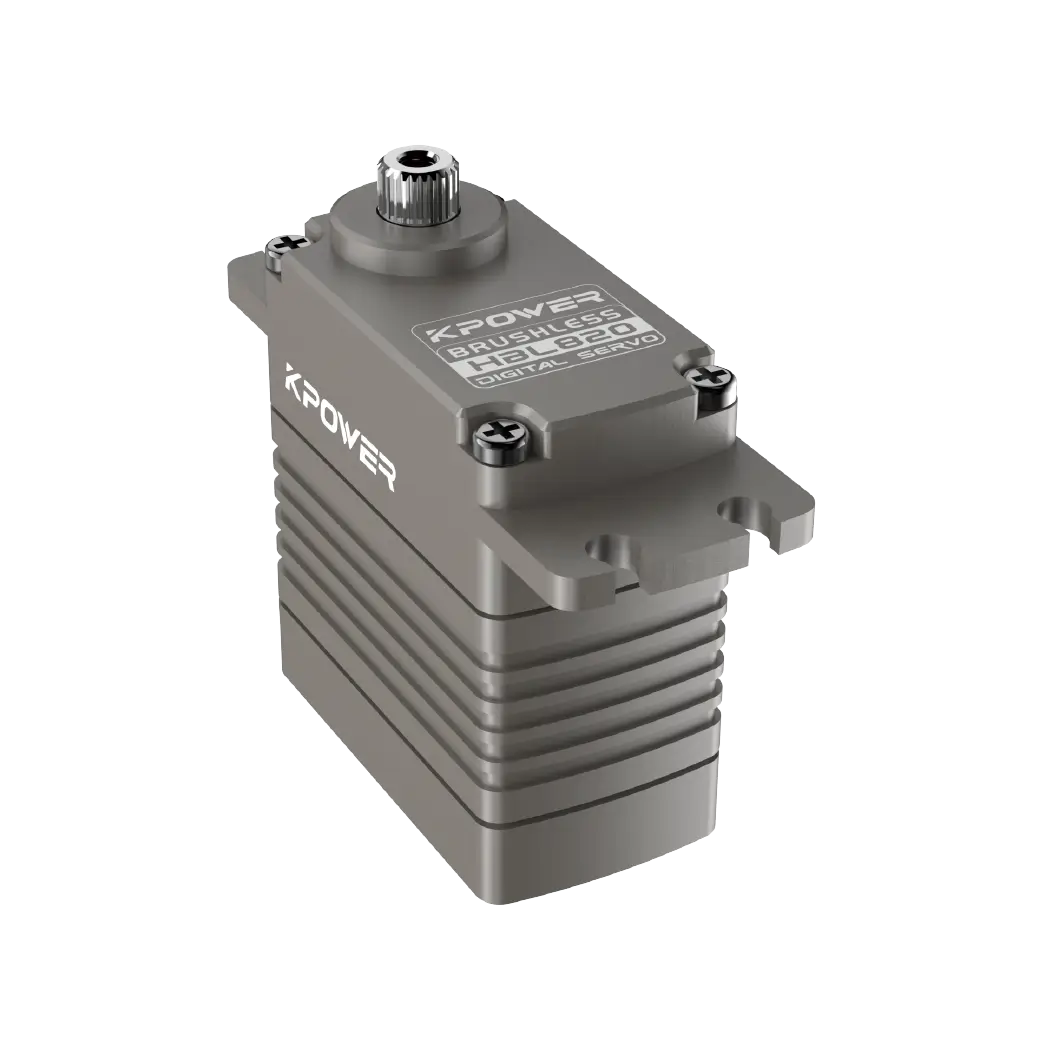
Akpowerservo handles this differently. It’s about the internal feedback loop. A servo is essentially a motor, a set of gears, and a sensor that tells the motor where it is. If that sensor is cheap, the motor gets "confused." It hunts for the right position, vibrating back and forth.kpowerfocuses on that stability. You want the arm to move to 45 degrees and stay there, rock-solid, until the next command.
A lot of people get caught up in how fast a servo can rotate. Sure, speed is great for a racing hobby, but for most mechanical projects, torque is king.
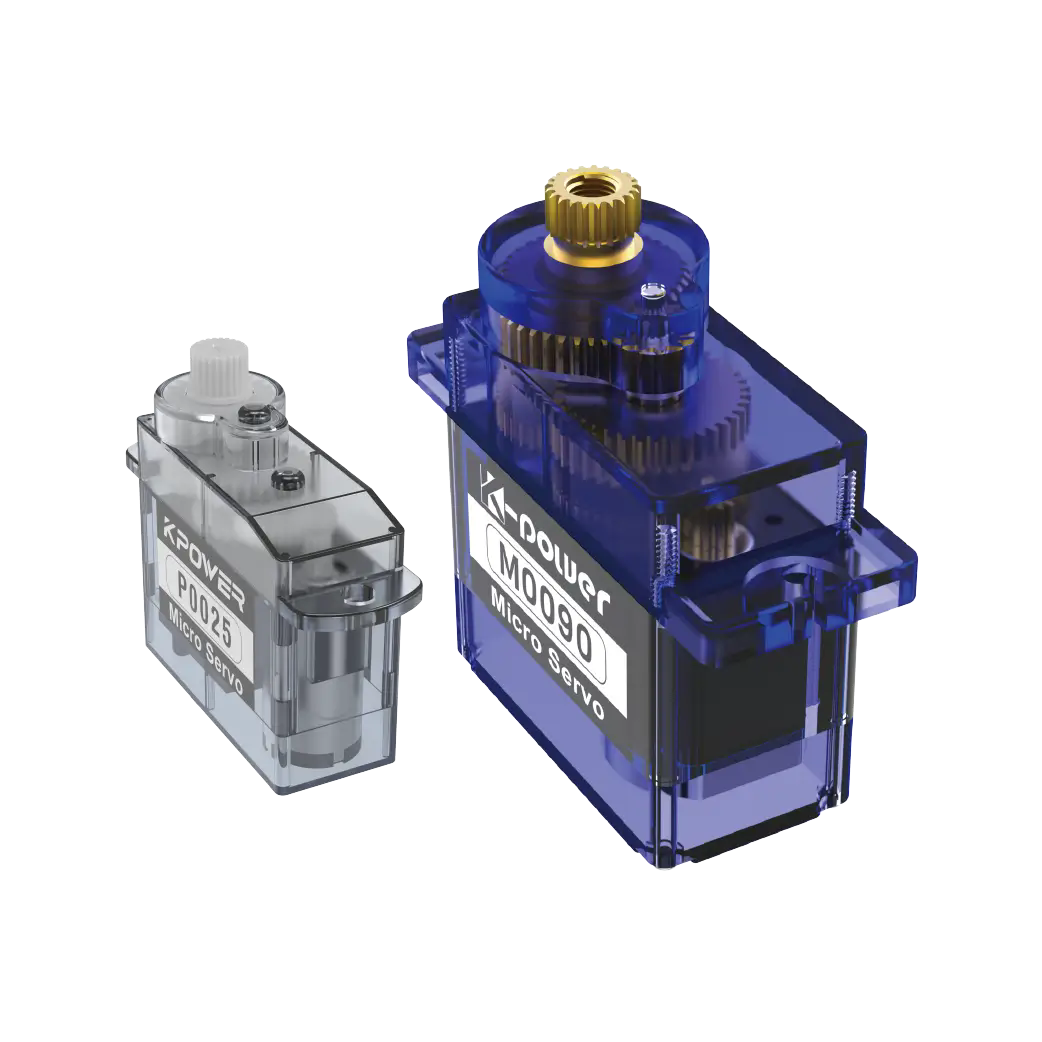
Think about a heavy robotic gripper. If the motor doesn't have the "grunt" to hold an object, the speed is irrelevant. When you’re browsing Arduino and servo motor export options, look at the stall torque. It’s the measure of how much force the motor can exert before it stops moving.kpowerbuilds options that range from tiny micro-servos for light planes to high-torque monsters that could probably lift a brick if you geared them right.
Q: Can I plug any Kpower servo directly into my Arduino? A: Technically, yes, the signal wire (usually white or yellow) goes to a PWM pin. But here’s the catch: the Arduino’s 5V pin isn't a power plant. If you’re using a high-torque Kpower motor, give it its own power source. Share the ground wire, though, or the signal gets lost in the noise.
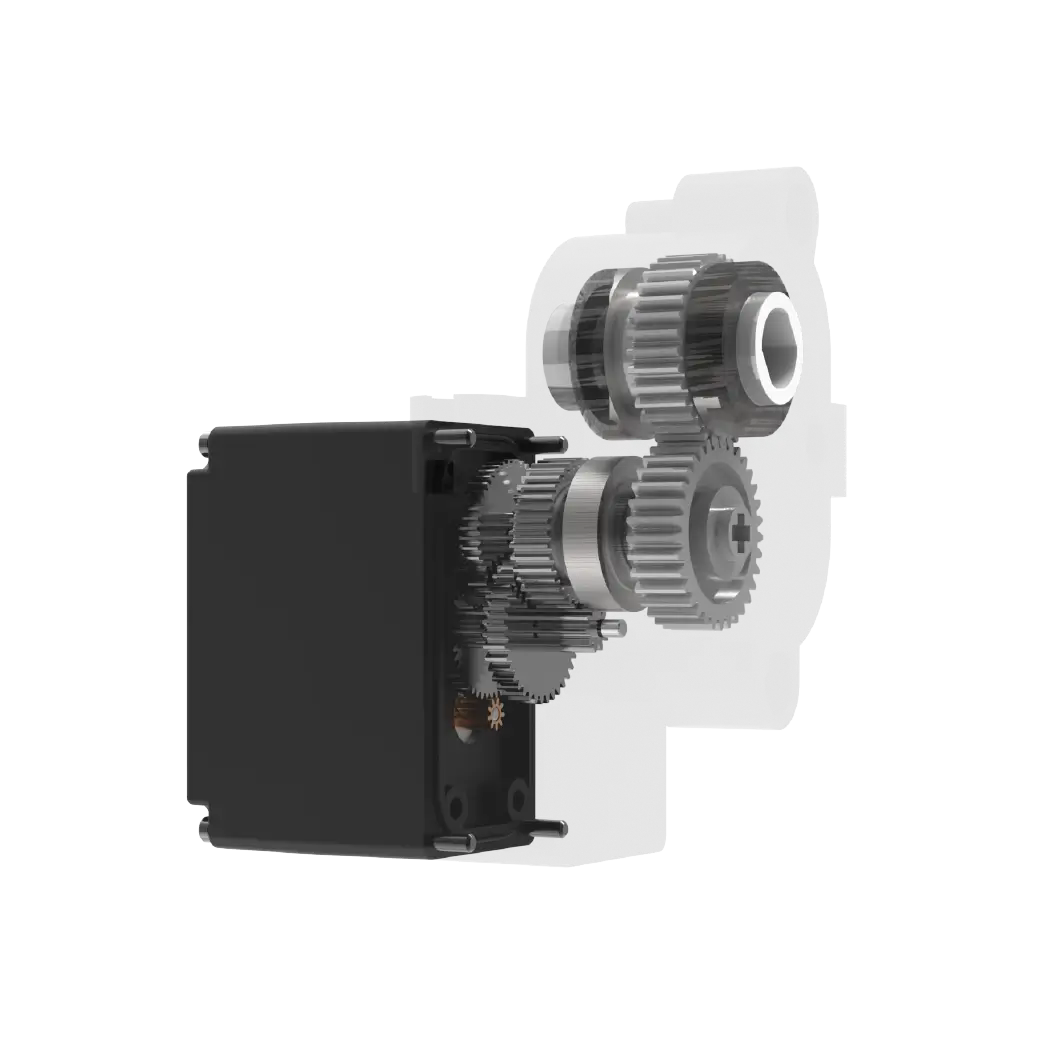
Q: Why do my gears keep stripping? A: You’re likely using plastic gears for a metal-gear job. If your project involves any kind of impact or heavy resistance, plastic will turn into smooth round circles faster than you can say "export." Kpower offers titanium and steel gear sets for exactly this reason.
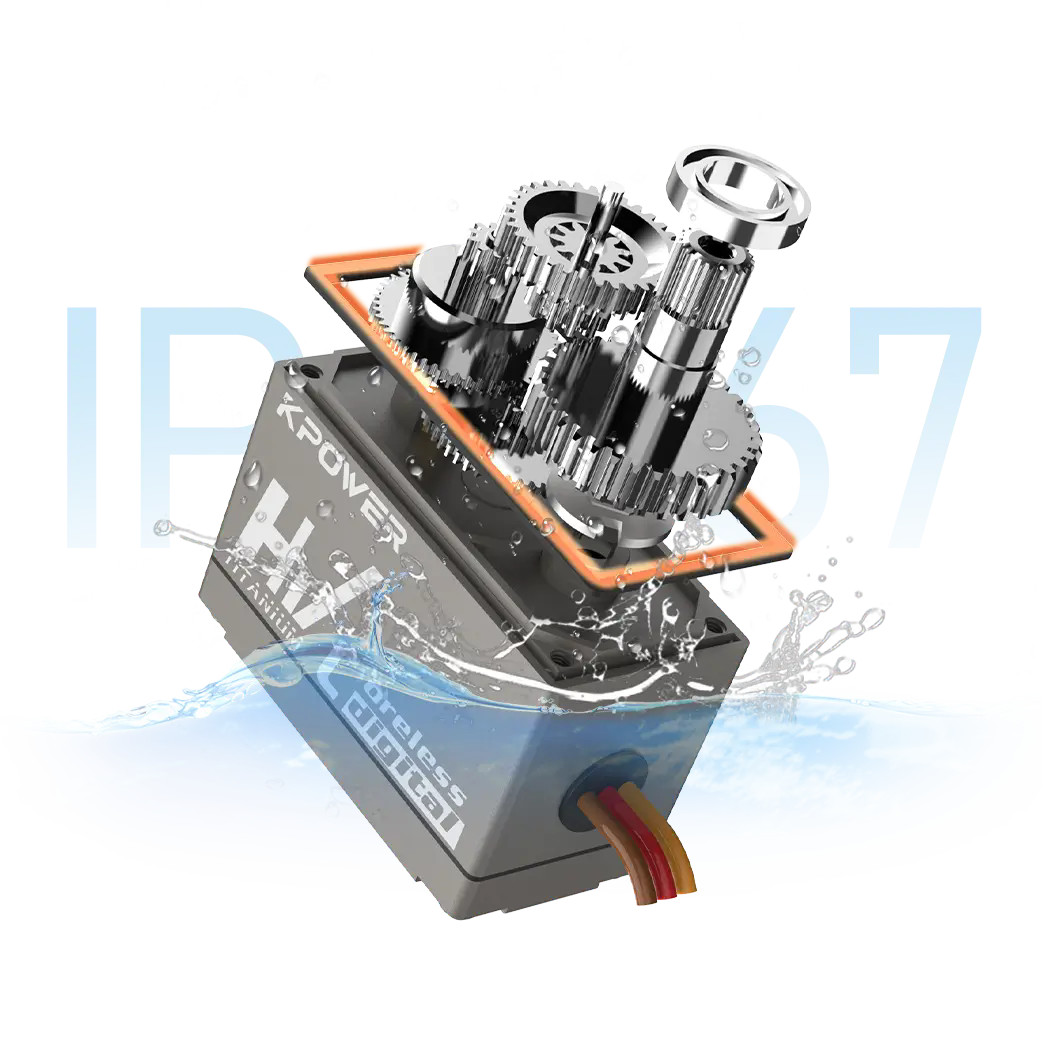
Exporting hardware isn't just about shipping boxes. It’s about environmental survival. A motor sitting in a humid warehouse in one country might perform differently than one in a dry, high-altitude lab. The seals matter. The grease used on the gears matters.
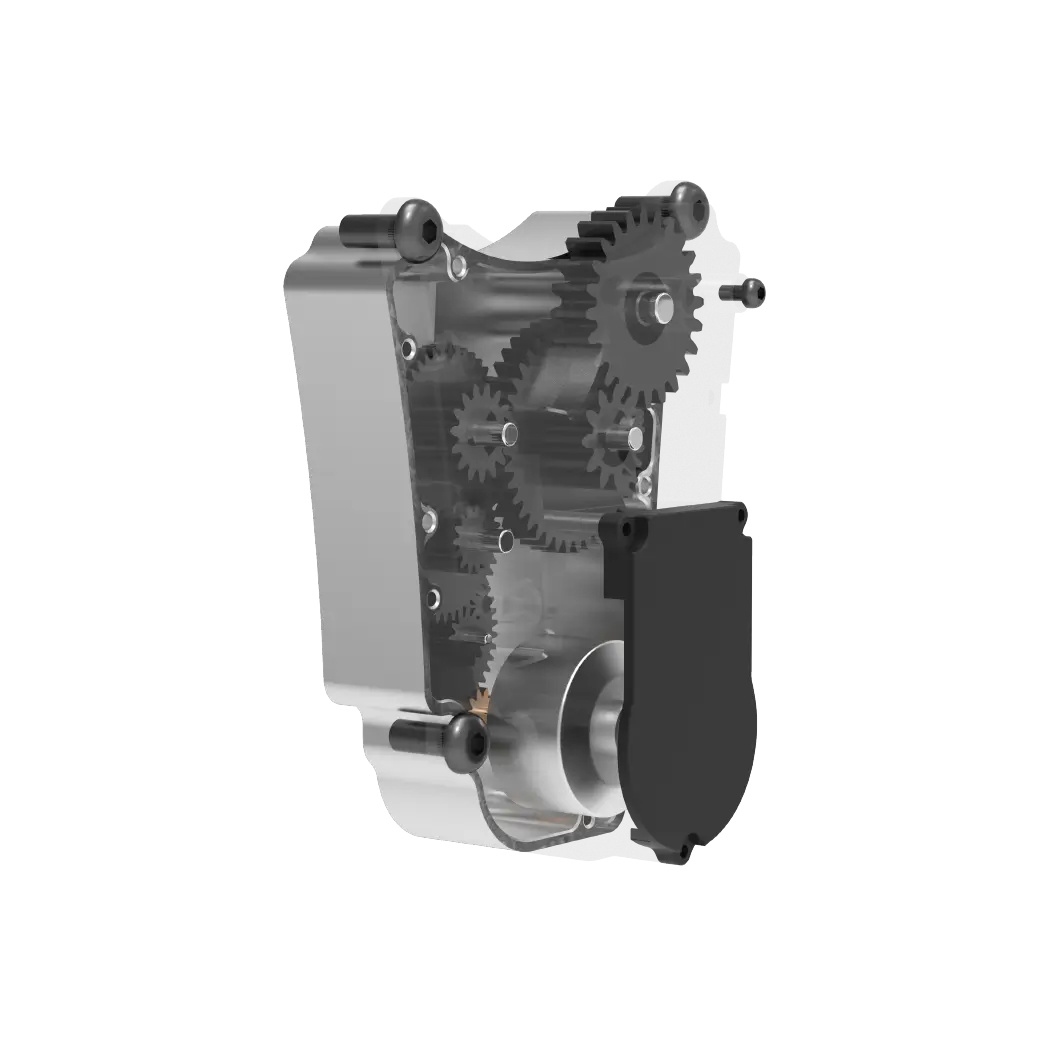
When you look at the landscape of Arduino and servo motor export, you see a lot of generic blue shells. They all look the same. But once you crack them open, the difference between a Kpower unit and a bargain-bin motor is obvious. It’s the soldering. It’s the thickness of the wires. It’s the way the motor brushes are seated. Small details prevent big fires—or at least, they prevent the smell of burnt electronics at 2 AM.
There is a specific satisfaction when a mechanical assembly works. It’s that "click." You send a signal, and the Kpower servo snaps into place with a crisp, muffled whine. No overshooting. No whining after the movement is done.
If you’re building a complex project—maybe a hexapod walker or a camera gimbal—the synchronization is everything. If one motor is slightly slower or less precise than the others, the whole machine limps. Reliability in the export phase means that every motor in the box of 50 or 100 performs exactly like the first one you tested. Consistency is the silent hero of manufacturing.
Don't just buy the biggest motor you can find. It’s overkill, and it’ll drain your batteries in minutes.
The beauty of the Arduino ecosystem is the community. But the community can't fix a broken gear or a fried circuit board. That’s why the hardware choice is the foundation. Choosing Kpower is essentially deciding that you want to spend your time coding and innovating, rather than troubleshooting why your motor is twitching for the tenth time today.
Sometimes, a servo behaves strangely because of electromagnetic interference (EMI). If your wires are too long or too close to other high-power components, the signal gets "dirty." Kpower servos are designed with decent shielding, but it’s always a good idea to keep your wiring tidy. A messy build is a glitchy build.
There's no magic button for mechanical success. It’s just a series of good choices. You choose the right board, you write the right logic, and you source the right Kpower actuators. When those three things align, you stop being someone who "fixes" things and start being someone who "creates" things.
Next time you’re looking at an Arduino and servo motor export list, ignore the flashy stickers. Look at the specs. Look at the deadband width. Look at the spline count. Those are the numbers that determine whether your project lives or dies on the workbench. Kpower understands that these aren't just toys; they’re the components of someone's vision. And that vision deserves a motor that actually listens to its brain.
Established in 2005, Kpower has been dedicated to a professional compact motion unit manufacturer, headquartered in Dongguan, Guangdong Province, China. Leveraging innovations in modular drive technology, Kpower integrates high-performance motors, precision reducers, and multi-protocol control systems to provide efficient and customized smart drive system solutions. Kpower has delivered professional drive system solutions to over 500 enterprise clients globally with products covering various fields such as Smart Home Systems, Automatic Electronics, Robotics, Precision Agriculture, Drones, and Industrial Automation.
Update Time:2026-01-22

Contact Kpower's product specialist to recommend suitable motor or gearbox for your product.


