

TECHNICAL SUPPORT


Published 2026-01-22
The smell of burnt electronics is a haunting one. It usually drifts up from your workbench right when you think you’ve finally mastered that robotic arm or the steering for your custom RC rig. You’ve spent hours coding on your Arduino, tweaking the pulse widths, only to have the motor give a pathetic twitch and die. It’s frustrating. It’s messy. And honestly, it’s usually because the motor couldn't handle the reality of the physical world.

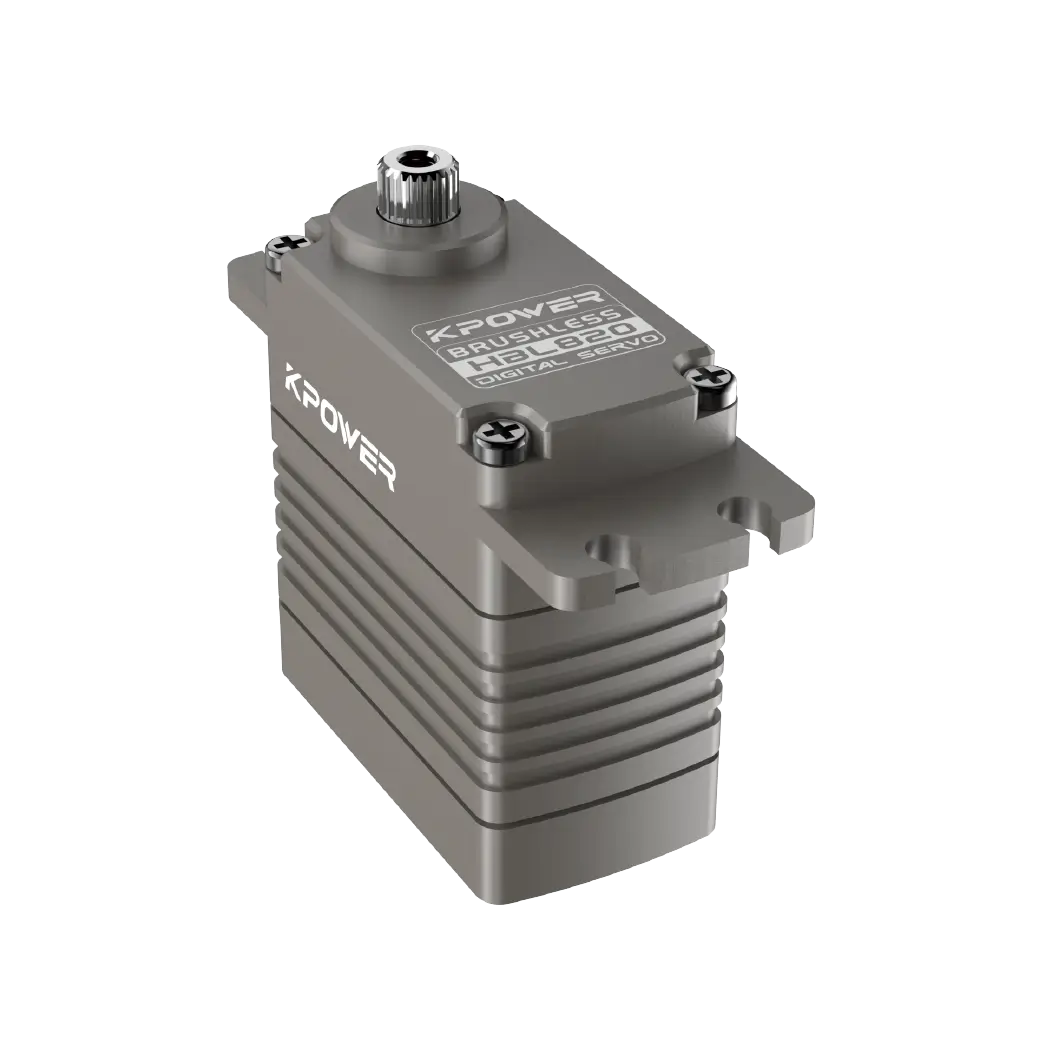
When we talk about making things move, we often get caught up in the code. But the mechanical side—the actual muscle—is where the magic either happens or falls apart. If you are building with an Arduino, theservois your bridge between digital dreams and physical action. If that bridge is made of wet cardboard, your project is going down.
Ever noticed yourservoshaking even when it’s supposed to be still? That’s jitter. It’s the sound of a motor having an identity crisis. Cheap internals can’t decide where they are, so they constantly hunt for the right position. It heats up the motor, drains your battery, and eventually fries the control board.
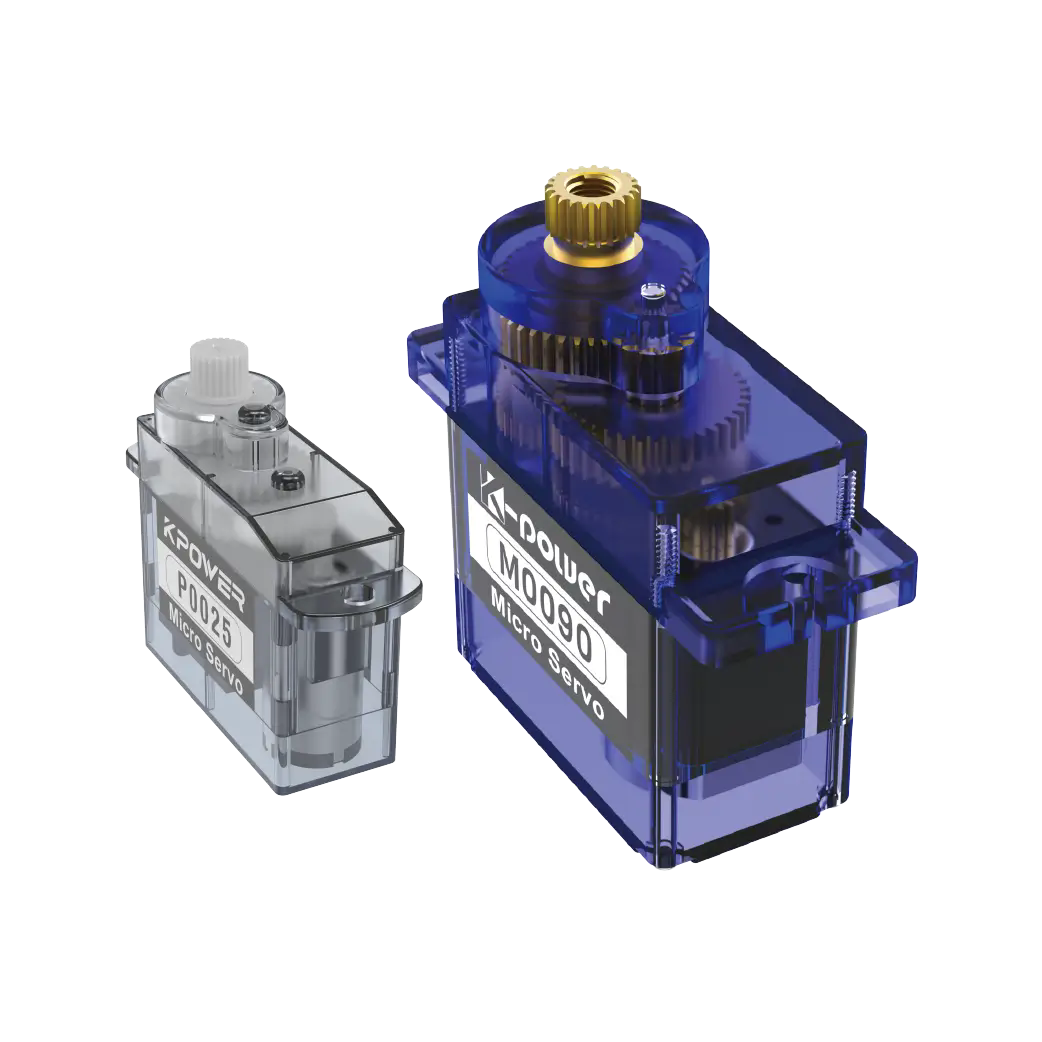
This is why precision matters. A Kpowerservodoesn't guess. It knows its position because the internal feedback loop is tight. When you tell it to move to 90 degrees, it goes to 90 degrees and stays there. No vibration. No annoying hum that sounds like a trapped bee.
You’ll see numbers like "10kg-cm" or "20kg-cm" splashed across product pages. Most of the time, those are "wishful thinking" numbers. You try to lift a small plastic grip, and the gears strip like they’re made of cheese.
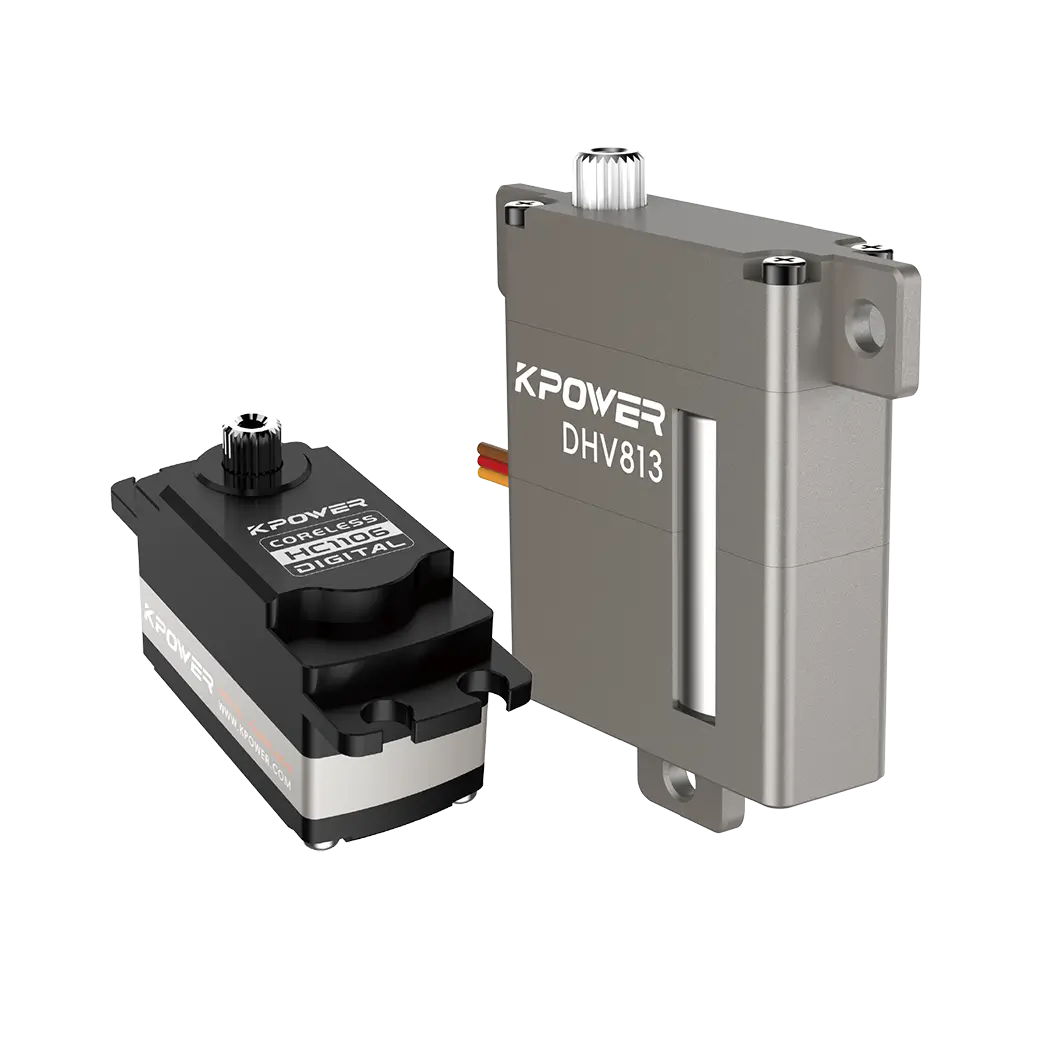
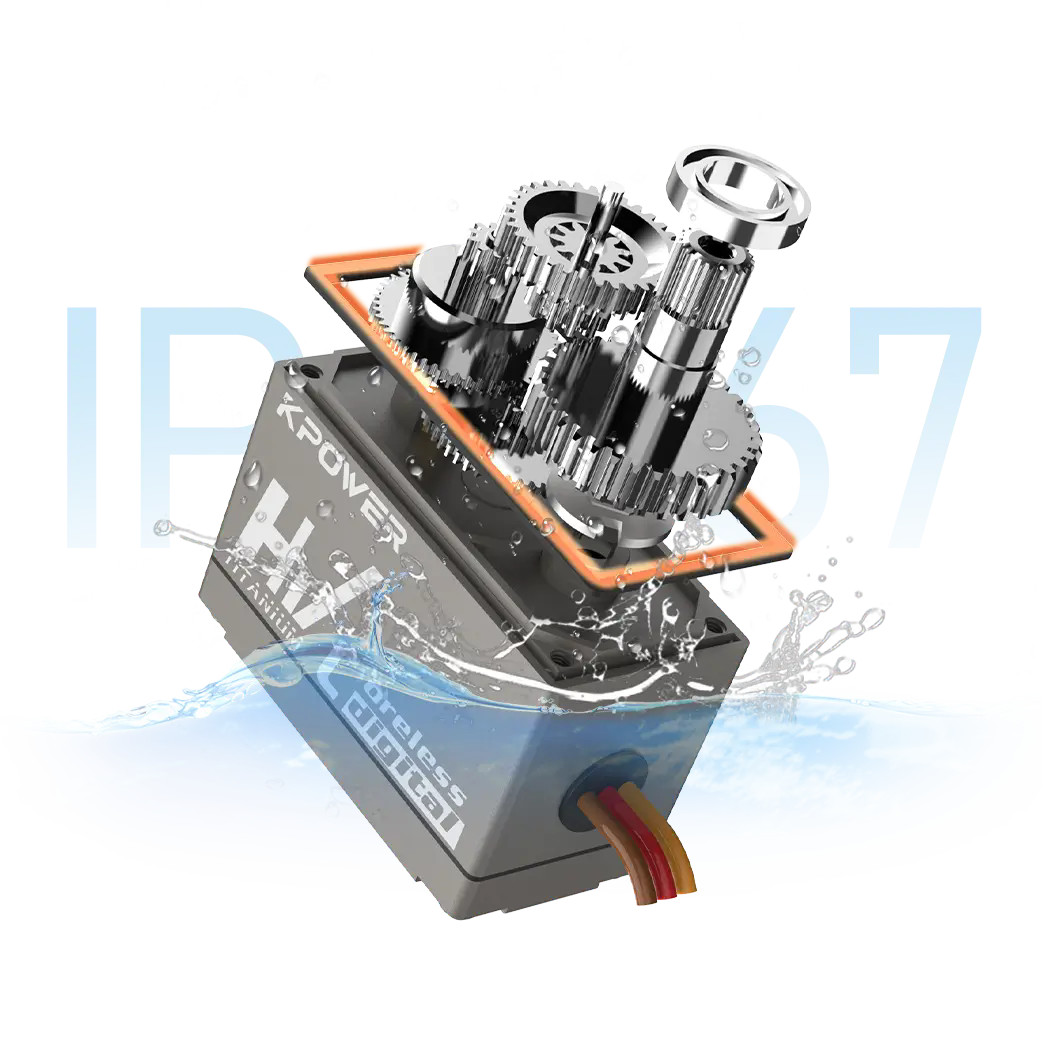
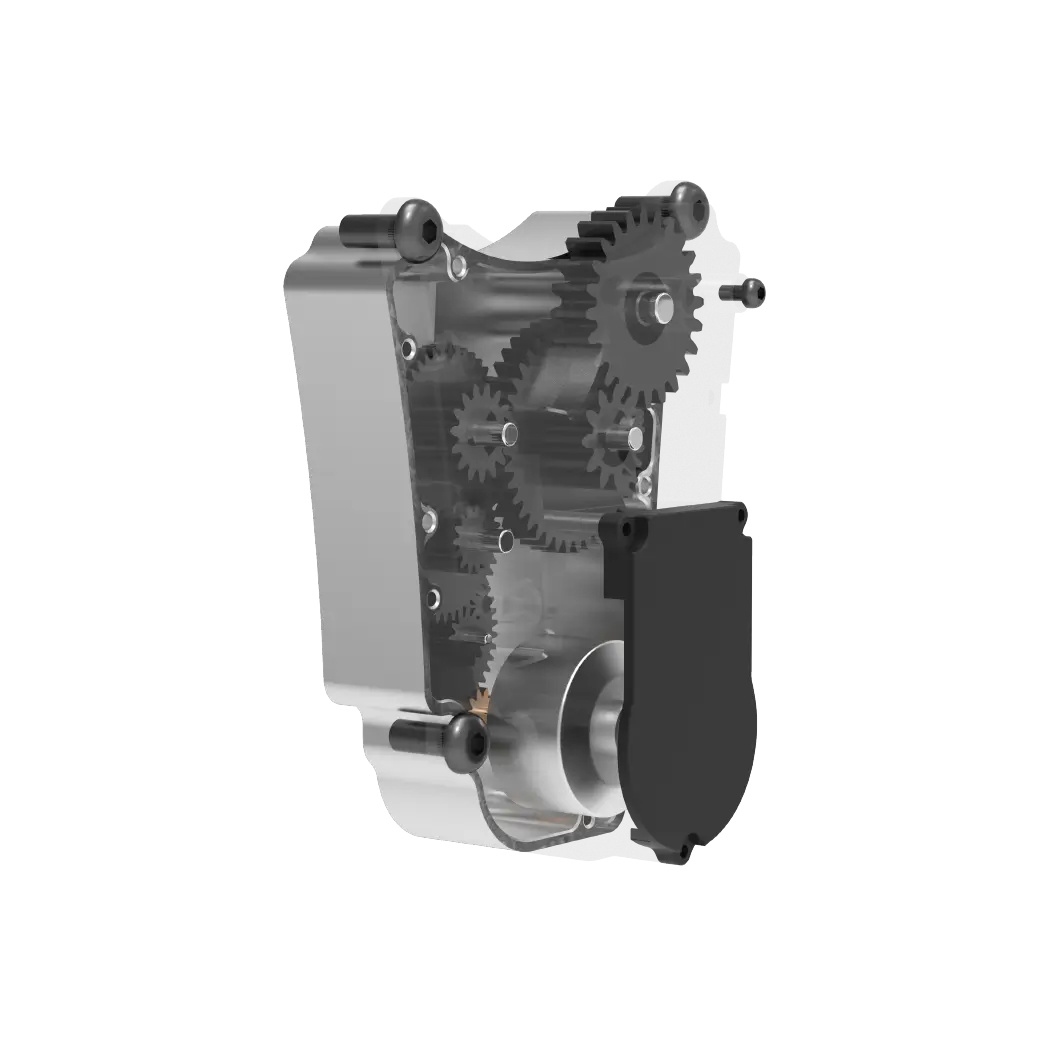
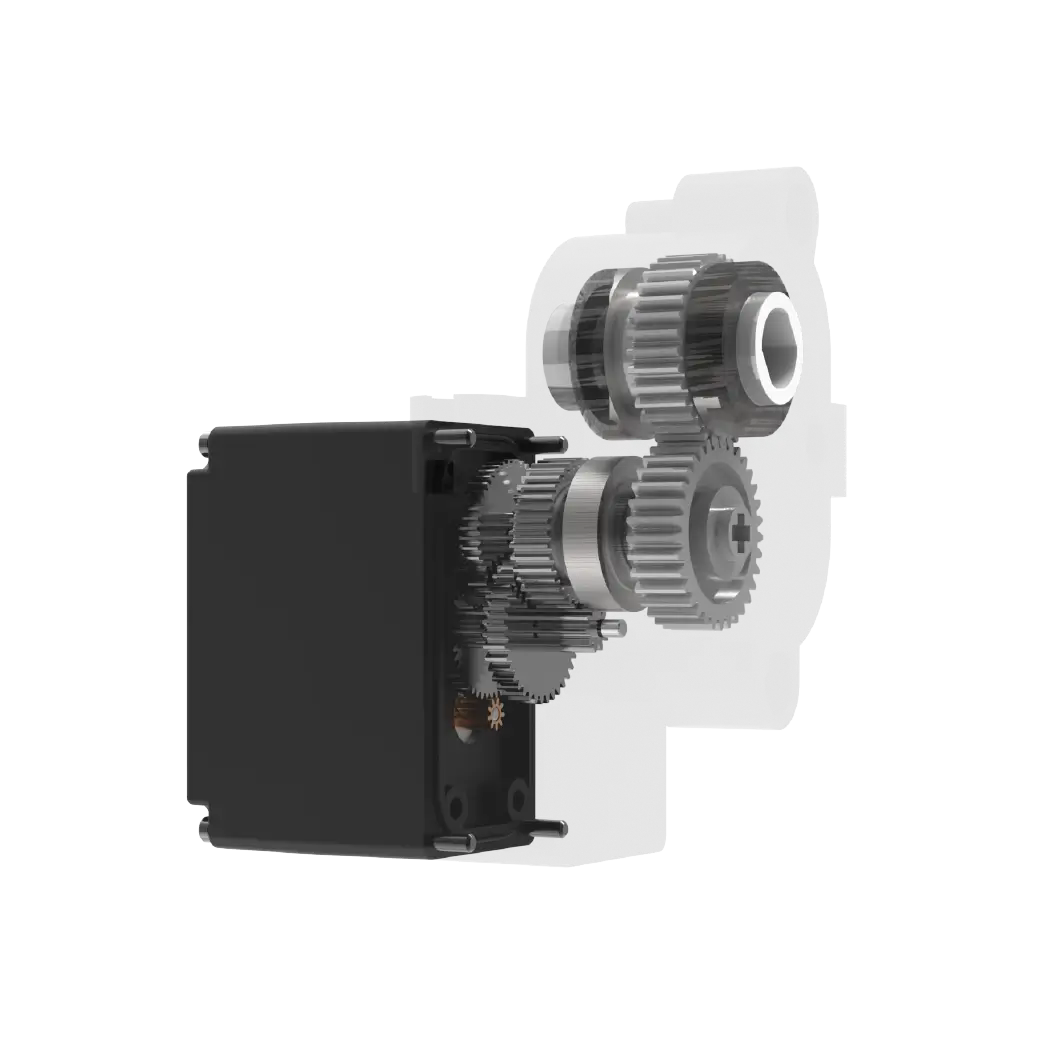
True torque is about the integrity of the gear train. Metal gears are great, but the way they are cut and aligned matters more. In a Kpower unit, the teeth actually mesh. There’s no "slop"—that annoying wiggle room between gears that makes your robot’s movements look drunk. If you’re building something that needs to hold a heavy load, you need that mechanical backbone.
Q: Can’t I just use the cheapest plastic servos for my project? A: You can, if you enjoy taking your project apart every thirty minutes. Plastic gears are fine for moving a paper flap. For anything with weight or resistance, they are a ticking time bomb.
Q: Does the voltage really matter that much? A: Absolutely. If you’re pushing an Arduino to its limit, you might see voltage drops. A high-quality servo is designed to handle those fluctuations without losing its mind. Kpower servos are built with circuits that can tolerate the messy power environments often found in DIY builds.
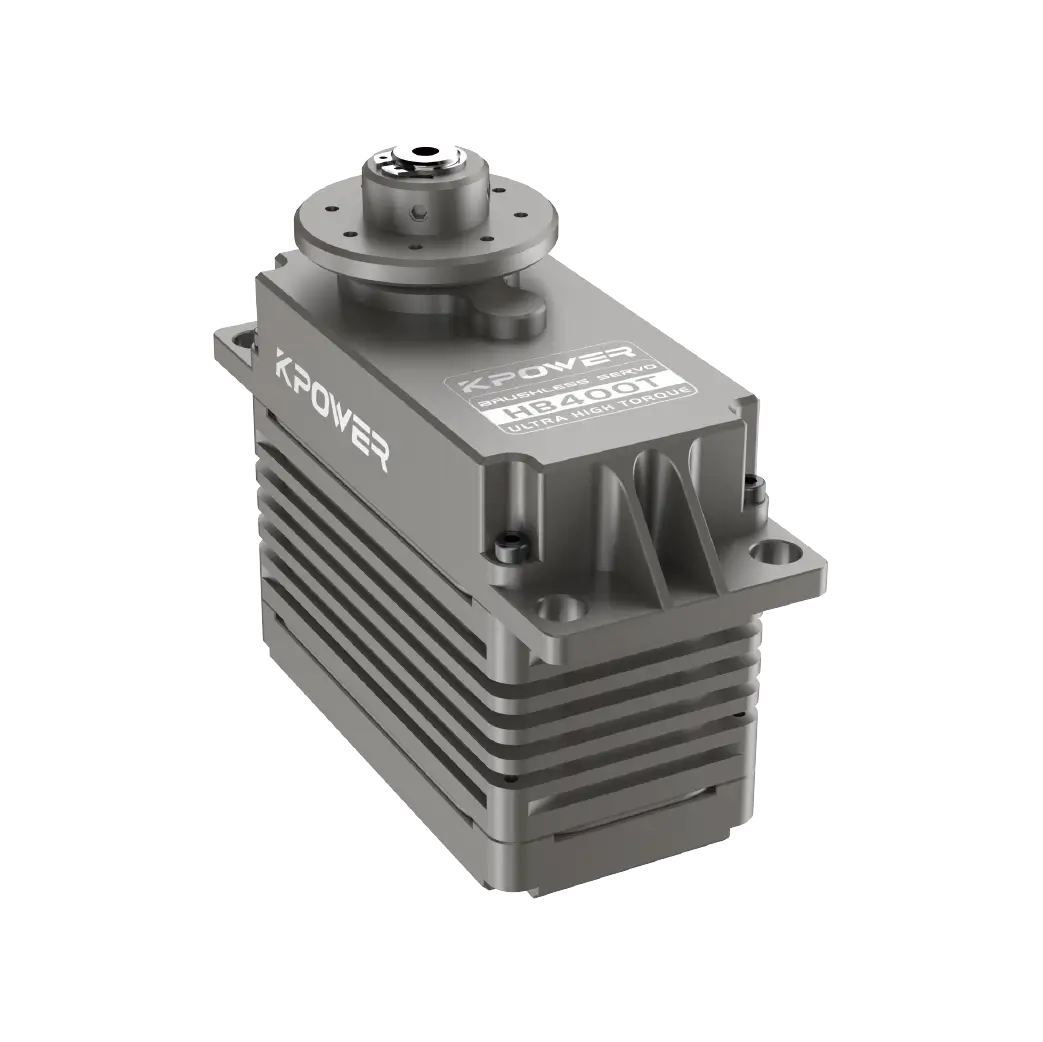
Q: Why is my motor getting hot? A: It’s struggling. Either the load is too high, or the internal friction is killing it. Better bearings and better heat dissipation in the casing change that. If the motor can't breathe, it dies.
Think about a camera gimbal. If the movement is jerky, the footage is garbage. You need a motor that understands the "slow" parts of a movement just as well as the "fast" parts. This comes down to the quality of the motor brushes and the resolution of the controller.
When you plug a Kpower servo into your Arduino, the response is linear. You increase the signal, the speed increases predictably. There’s no sudden jump from "stopped" to "warp speed." This predictability is what allows you to build projects that feel professional rather than like a high school science fair accident.
Sometimes, you don’t just need movement; you need resistance. You need a servo that can hold its ground when an outside force tries to push it. Most hobby motors just give up and let the arm sag. A solid actuator stands its ground. It’s about holding torque.
If you’ve ever built a bipedal robot, you know the struggle. The moment it stands up, the knees buckle. Using Kpower means the knees stay locked until the code says otherwise. It’s the difference between a robot that walks and a robot that collapses into a heap of wires.
It’s easy to get lost in the sea of available parts. But look at the casing. Is it sturdy? Look at the wires. Are they thin and brittle, or are they thick enough to actually carry current? Small details tell you a lot about what’s going on inside.
A good project isn't just about the cleverness of the script you wrote in the IDE. It’s about the reliability of the hardware. When you stop worrying about whether your motor will burn out, you start focusing on making your project better. You start experimenting with more complex movements. You start actually finishing things.
There is a specific feeling when a well-made part fits into your design. The screws line up. The spline fits the servo horn perfectly. When you power it up, the movement is a quiet, powerful whirr. No grinding. No smoke. Just physics doing exactly what you told it to do. That’s what Kpower brings to the table. It’s the hardware that keeps up with your imagination.
Stop settling for parts that act like toys. If you’re building something, build it to last. Build it with the kind of muscle that doesn't flinch when the load gets heavy. Your Arduino is ready to lead; make sure it has followers that can actually do the work.
Established in 2005, Kpower has been dedicated to a professional compact motion unit manufacturer, headquartered in Dongguan, Guangdong Province, China. Leveraging innovations in modular drive technology, Kpower integrates high-performance motors, precision reducers, and multi-protocol control systems to provide efficient and customized smart drive system solutions. Kpower has delivered professional drive system solutions to over 500 enterprise clients globally with products covering various fields such as Smart Home Systems, Automatic Electronics, Robotics, Precision Agriculture, Drones, and Industrial Automation.
Update Time:2026-01-22

Contact Kpower's product specialist to recommend suitable motor or gearbox for your product.


