

TECHNICAL SUPPORT


Published 2026-01-22
The smell of burnt plastic is a rite of passage. You’ve spent hours coding on your IDE, the logic is flawless, and the breadboard looks like a masterpiece of copper and silicone. You hit "Upload," the little green bar finishes, and then… nothing. Or worse, a pathetic twitch and a grinding sound that suggests yourservois trying to chew its own internal gears. This is the moment where most projects stall. The gap between a clever line of code and a physical movement is often wider than people think.

Most people starting out with an Arduino andservomotor maker setup face the same ghost in the machine: the jitter. You want 90 degrees, but the motor thinks 89.2 to 90.8 is a fun place to vibrate. It’s annoying. It ruins the immersion of a robotic hand or a pan-tilt camera. Usually, the culprit isn't your code; it's the hardware's inability to translate a PWM signal into smooth, decisive action.
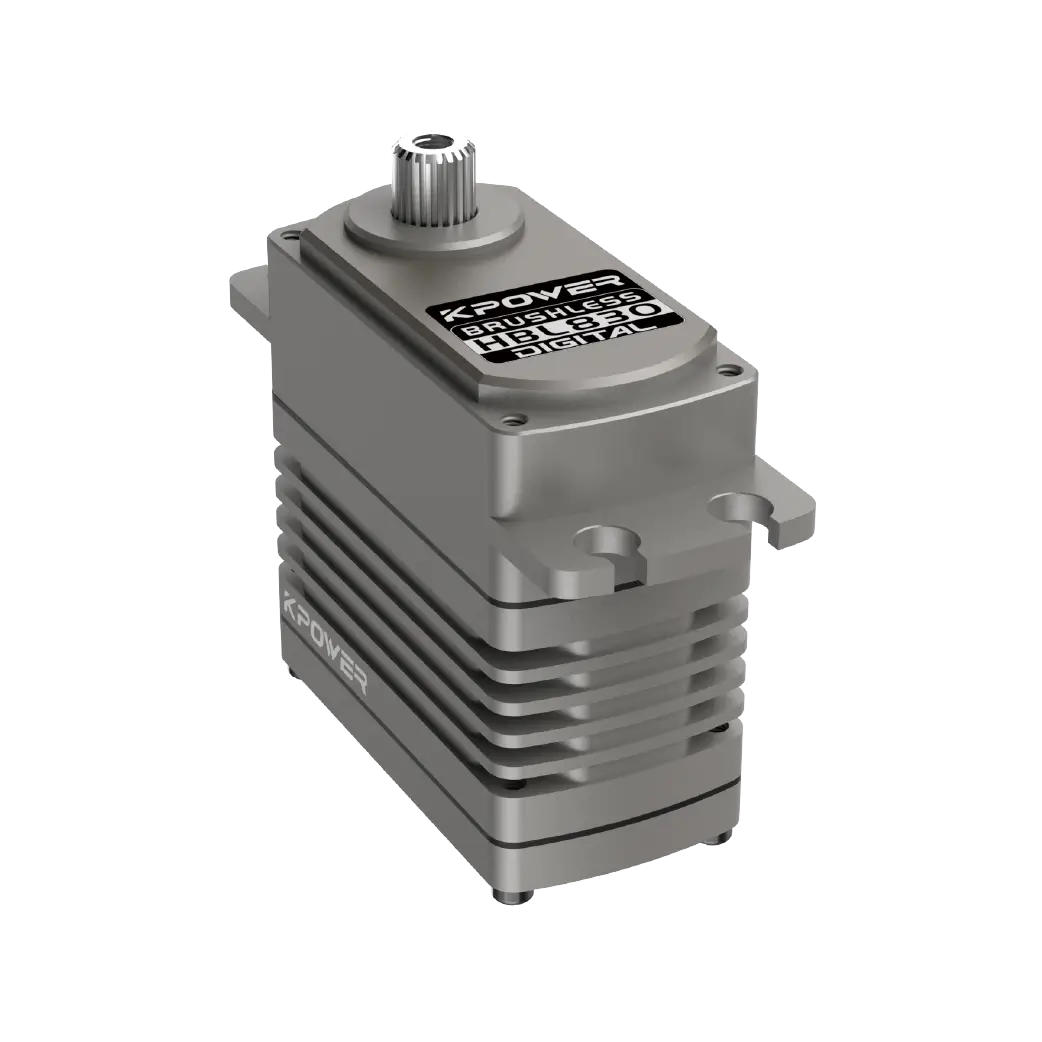
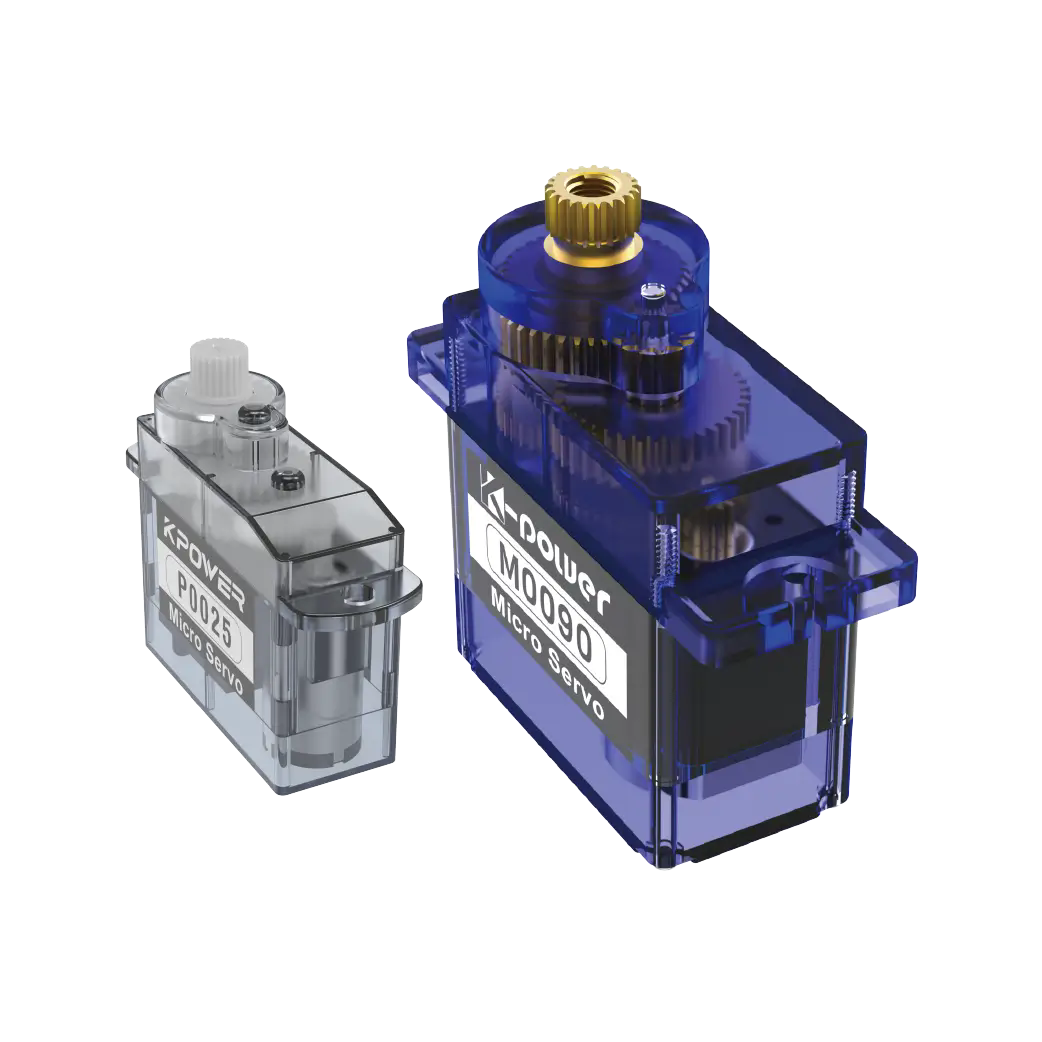
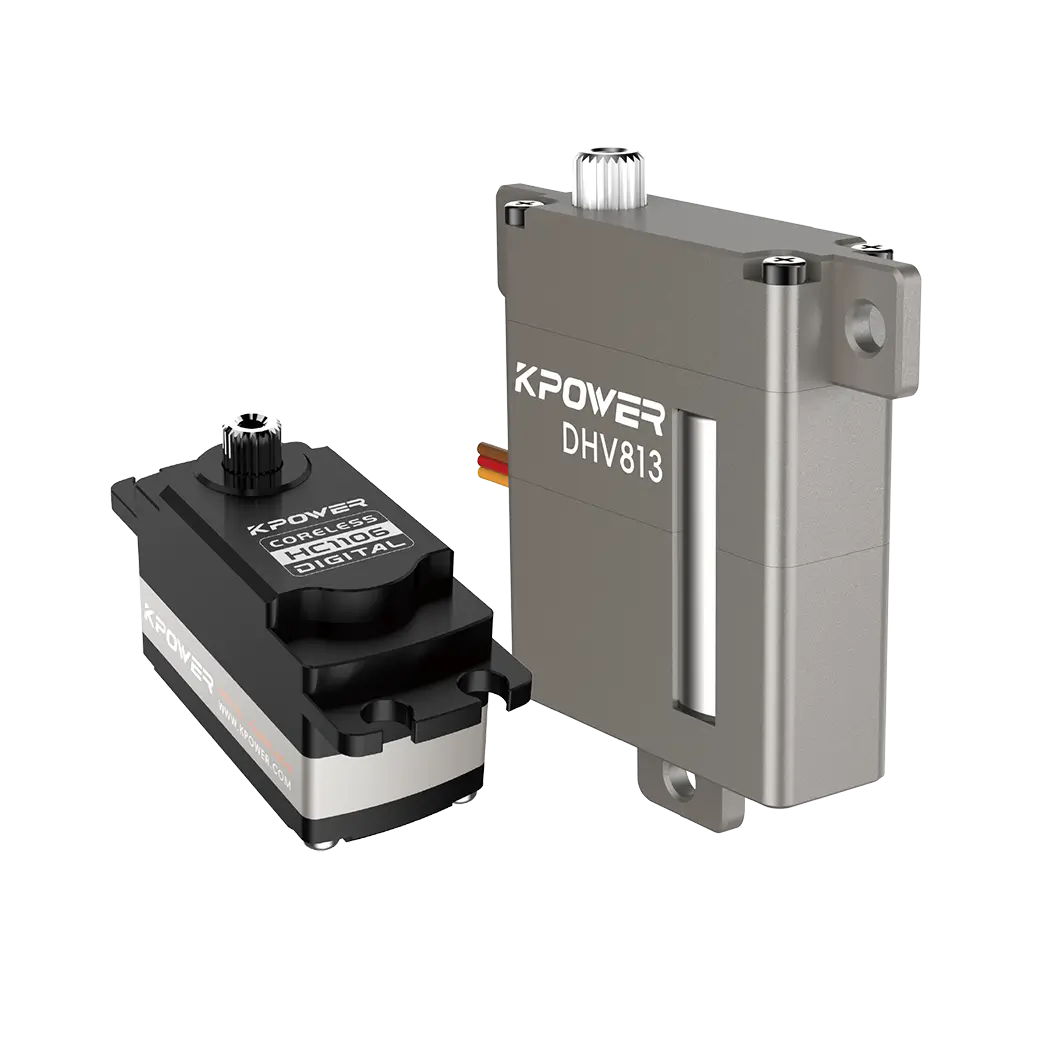
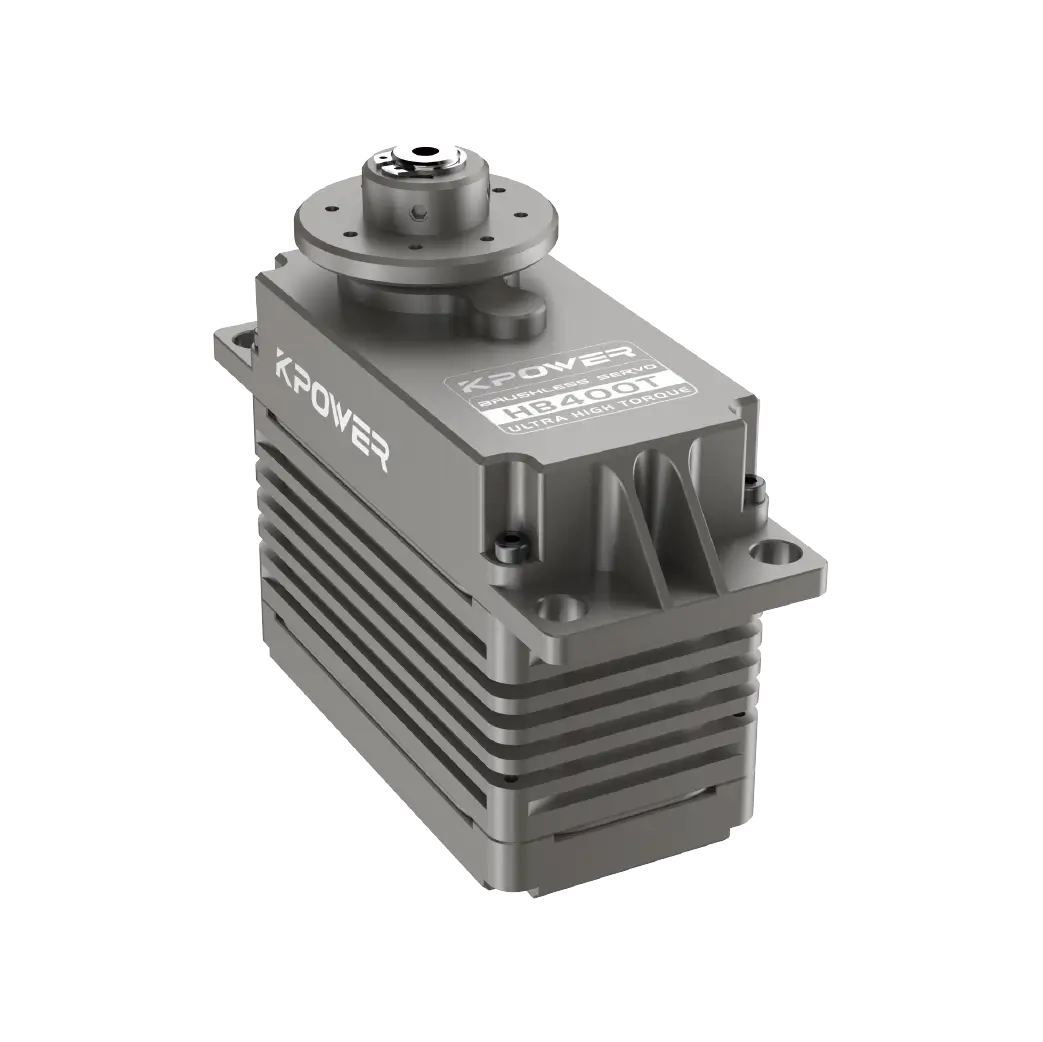
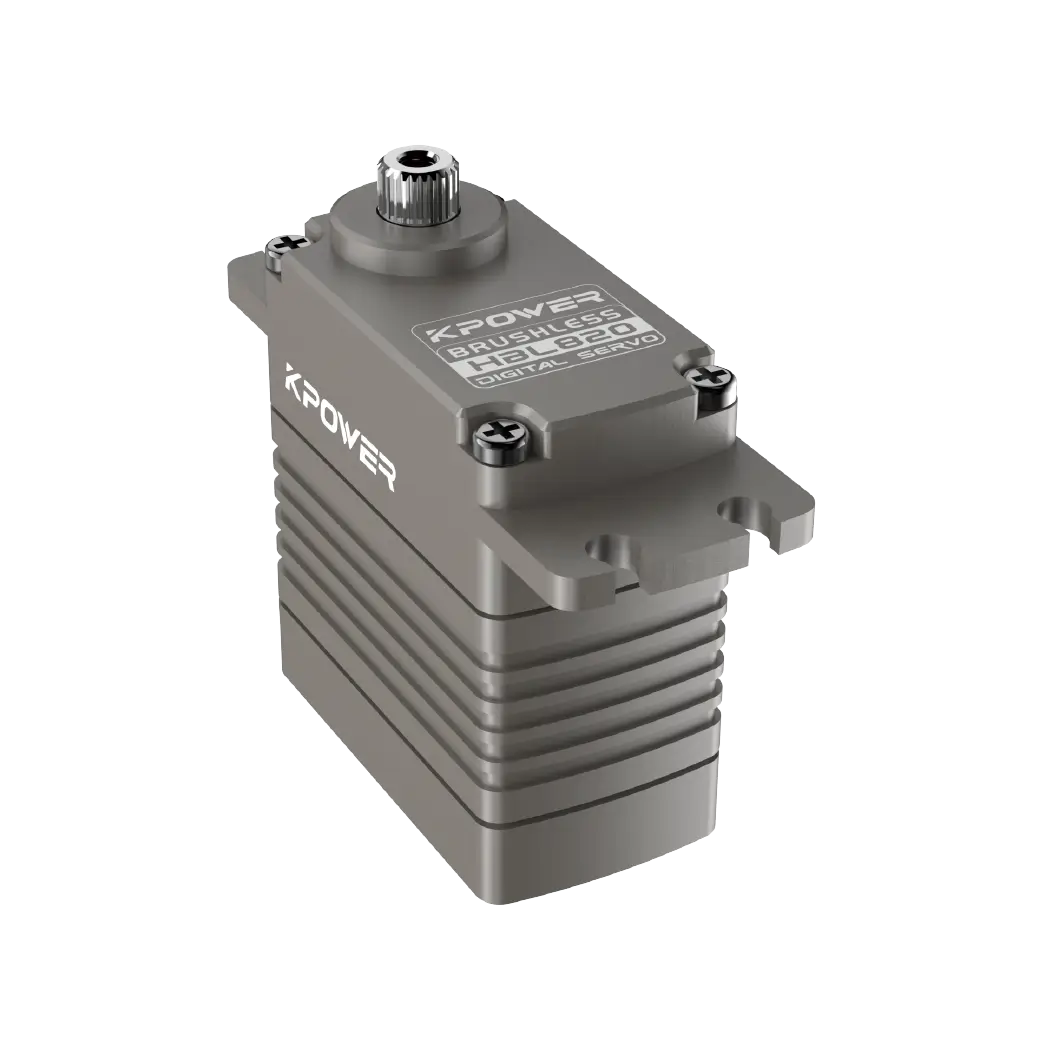
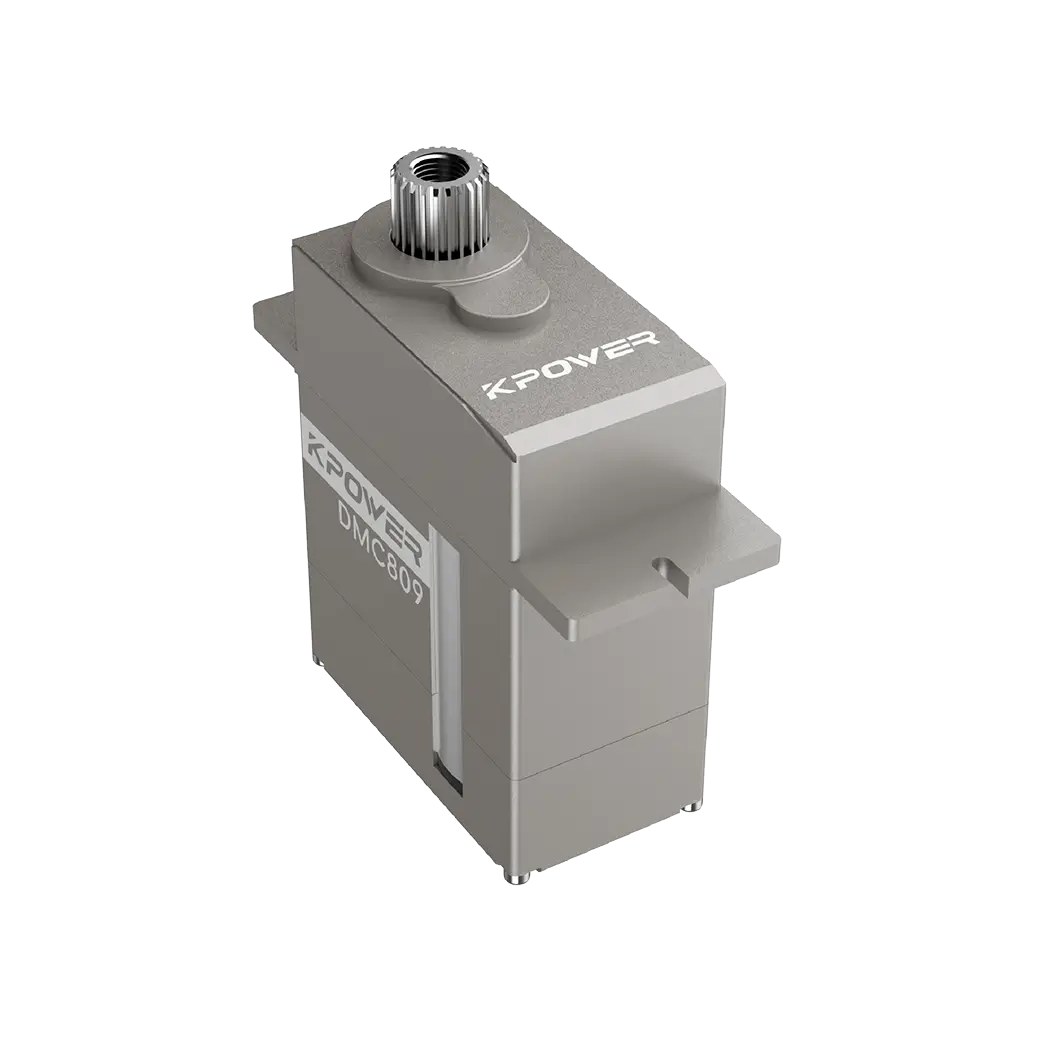
kpowerenters the room here. Not with a flashy manual, but with hardware that actually listens. When you’re building something—maybe a walking hexapod or an automated cat feeder—you need the motor to hold its position without sounding like a tiny jackhammer. Akpower servodoesn’t argue with the pulse-width modulation coming from your board. It just moves.
I remember a project involving a simple robotic lid. The user used a cheap, nameless plastic-geared servo. Three cycles in, the teeth stripped. The motor spun, the motor whined, but the lid stayed shut. If you’re putting in the effort to wire up a microcontroller, why settle for a mechanical weak link?
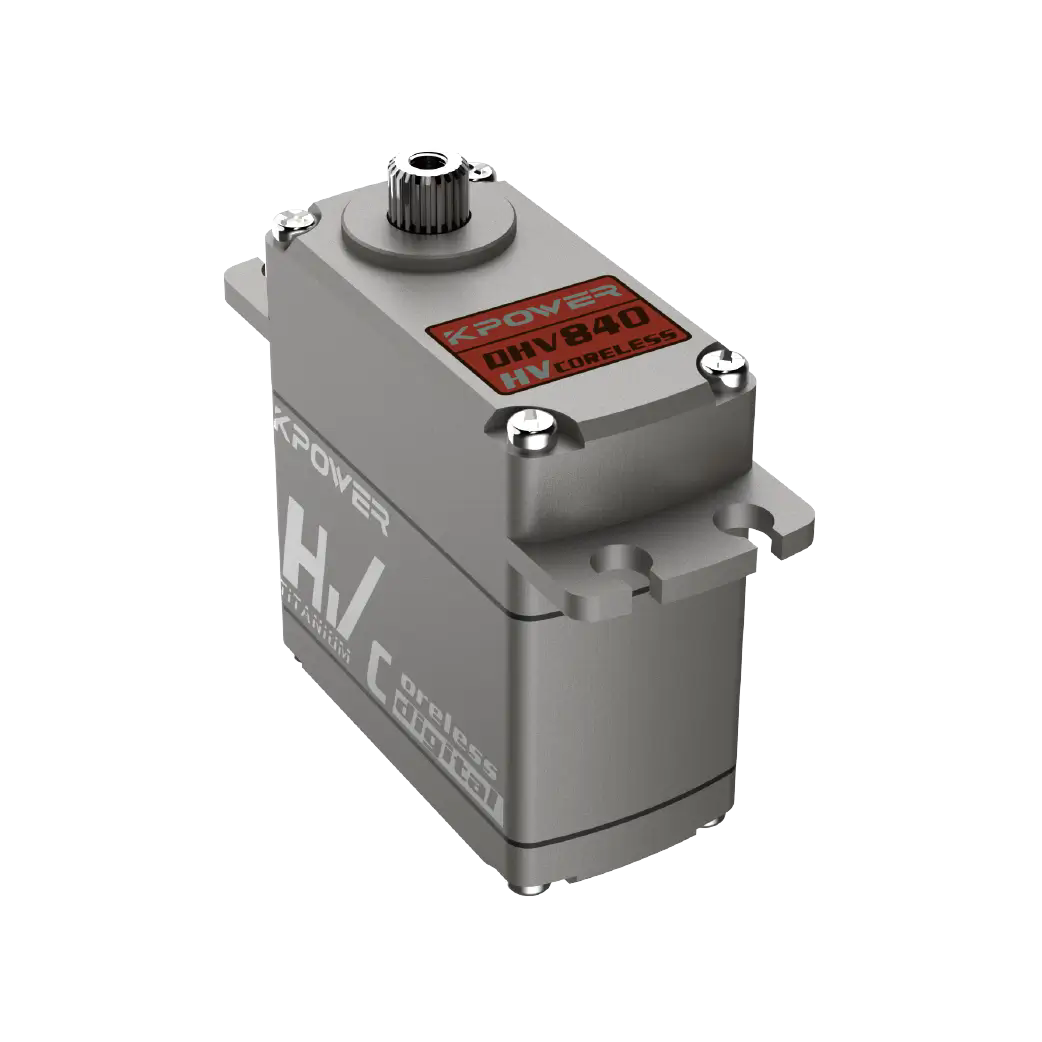
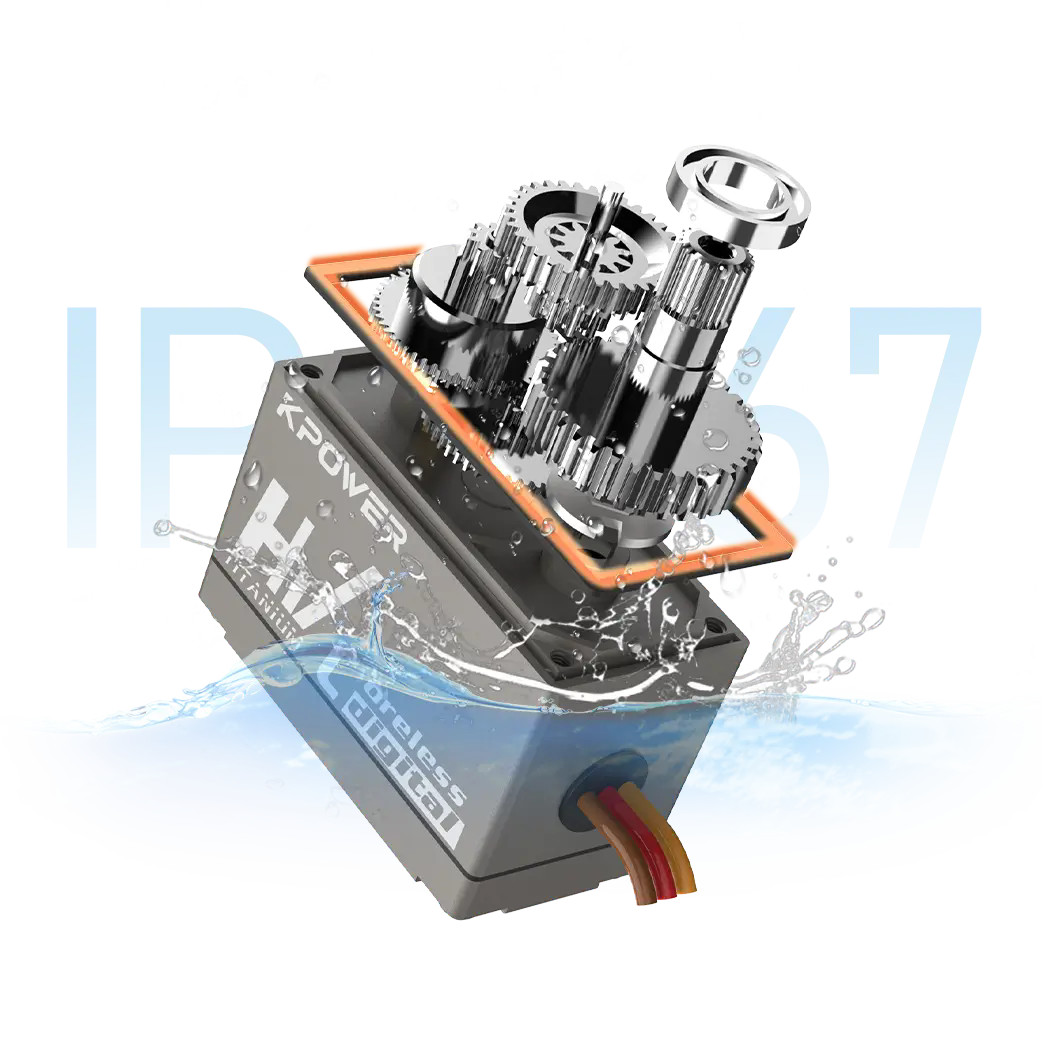
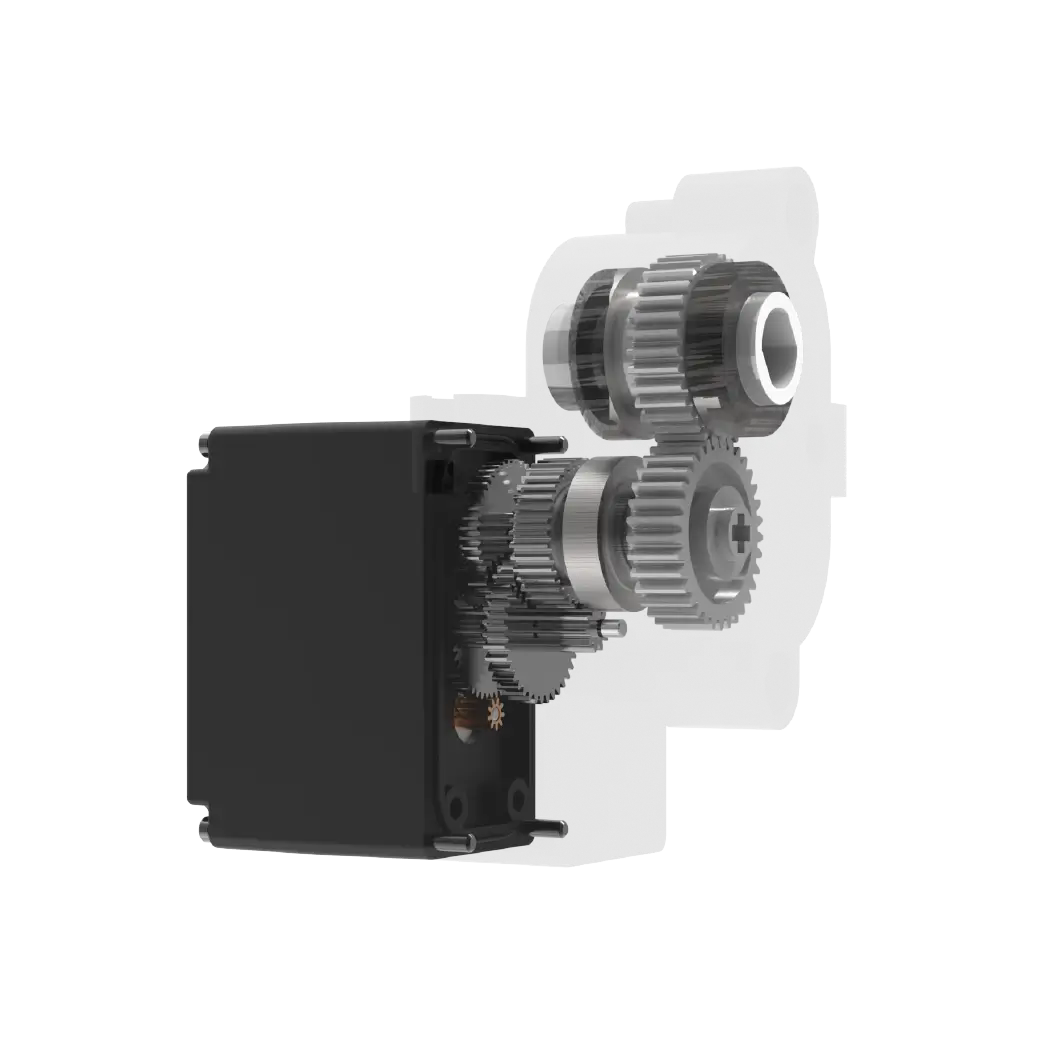
Metal gears change the game.kpowerbuilds these units to handle the sudden stops and starts that come with experimental coding. Sometimes your loop sends a signal it shouldn't. A weak motor dies there. A Kpower unit just waits for the next correct command. It’s about resilience. You want a motor that can survive a few "oops" moments in your script.
You ever notice how a project feels different once the movement is fluid? There’s a certain "weight" to quality motion. It's the difference between a toy and a tool. I was looking at a pile of discarded servos the other day—most of them failed because of heat. They get hot, the internal potentiometer gets confused, and they lose their "home" position. Reliability is a quiet feature. You don't notice it until it's missing.
Q: Why is my servo getting hot even when it isn't moving? A: It’s likely "hunting." The motor is trying to reach a specific position but can't quite hit the target precisely, so it stays energized, fighting itself. Kpower servos have better deadband management. They find the spot, they lock in, and they stop burning juice.
Q: Can I run four or five servos directly off the Arduino’s 5V pin? A: You can try, but you’ll probably trigger a brownout. The board resets, the servos twitch, and you get frustrated. Always use an external power source for the motors, but make sure the ground is shared. Kpower motors are efficient, but physics still demands its due in current.
Q: Does torque really matter for small projects? A: Always. Torque isn't just about lifting heavy things; it's about control. A motor with higher torque handles the inertia of a moving part better. It stops faster. It starts smoother.
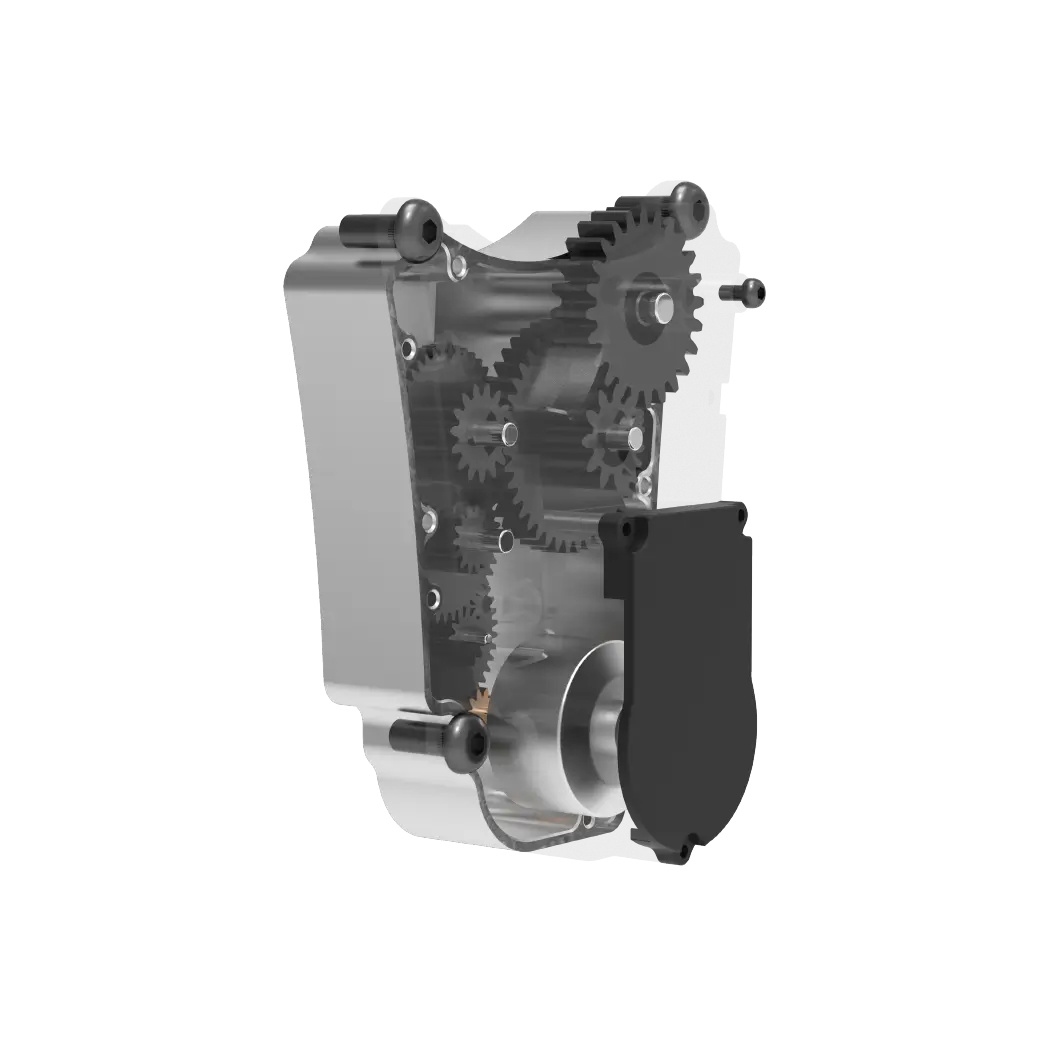
There is a specific joy in seeing a sensor trigger a movement that is silent and precise. Imagine a laser turret—if the servo has even a degree of play, that laser dot is bouncing all over the wall fifty feet away. You need a tight gear train. This is where the manufacturing side of Kpower shines. They minimize the "slop" in the gears.
When you are an Arduino and servo motor maker enthusiast, you are essentially a small-scale choreographer. You are directing physics with numbers. If the performer (the motor) is clumsy, the director looks bad.
Don't overthink the mounting. Most people over-complicate the brackets. A solid mount and a Kpower servo are usually all you need to turn a static piece of plastic into something that feels alive.
It’s about the feedback loop. The motor sends a signal back to its internal controller, saying "I'm here." If that feedback is clean, your movement is clean. Cheap motors have noisy feedback. Kpower keeps it digital and crisp.
So, next time you’re staring at a screen of C++ and wondering why your robot looks like it’s shivering, look at the hardware. Swap out the weak link. The code is likely fine; the muscle just needs an upgrade. You want the kind of reliability where you can walk away from a running project and not worry about the smell of ozone when you come back. That’s what Kpower brings to the table—the ability to focus on your logic while the hardware handles the heavy lifting without a complaint.
Established in 2005, Kpower has been dedicated to a professional compact motion unit manufacturer, headquartered in Dongguan, Guangdong Province, China. Leveraging innovations in modular drive technology, Kpower integrates high-performance motors, precision reducers, and multi-protocol control systems to provide efficient and customized smart drive system solutions. Kpower has delivered professional drive system solutions to over 500 enterprise clients globally with products covering various fields such as Smart Home Systems, Automatic Electronics, Robotics, Precision Agriculture, Drones, and Industrial Automation.
Update Time:2026-01-22

Contact Kpower's product specialist to recommend suitable motor or gearbox for your product.


