

TECHNICAL SUPPORT


Published 2026-01-22
The smell of ozone and a slightly toasted circuit board—it’s a scent most of us know too well. You’re sitting there, staring at a robotic arm that’s supposed to pick up a coffee mug, but instead, it’s performing a frantic, jittery dance that looks more like a cry for help than a precision movement. You’ve checked the code a thousand times. The logic is sound. The Arduino is pulsing out the right signals. So, why is the hardware acting like it’s had too much espresso?
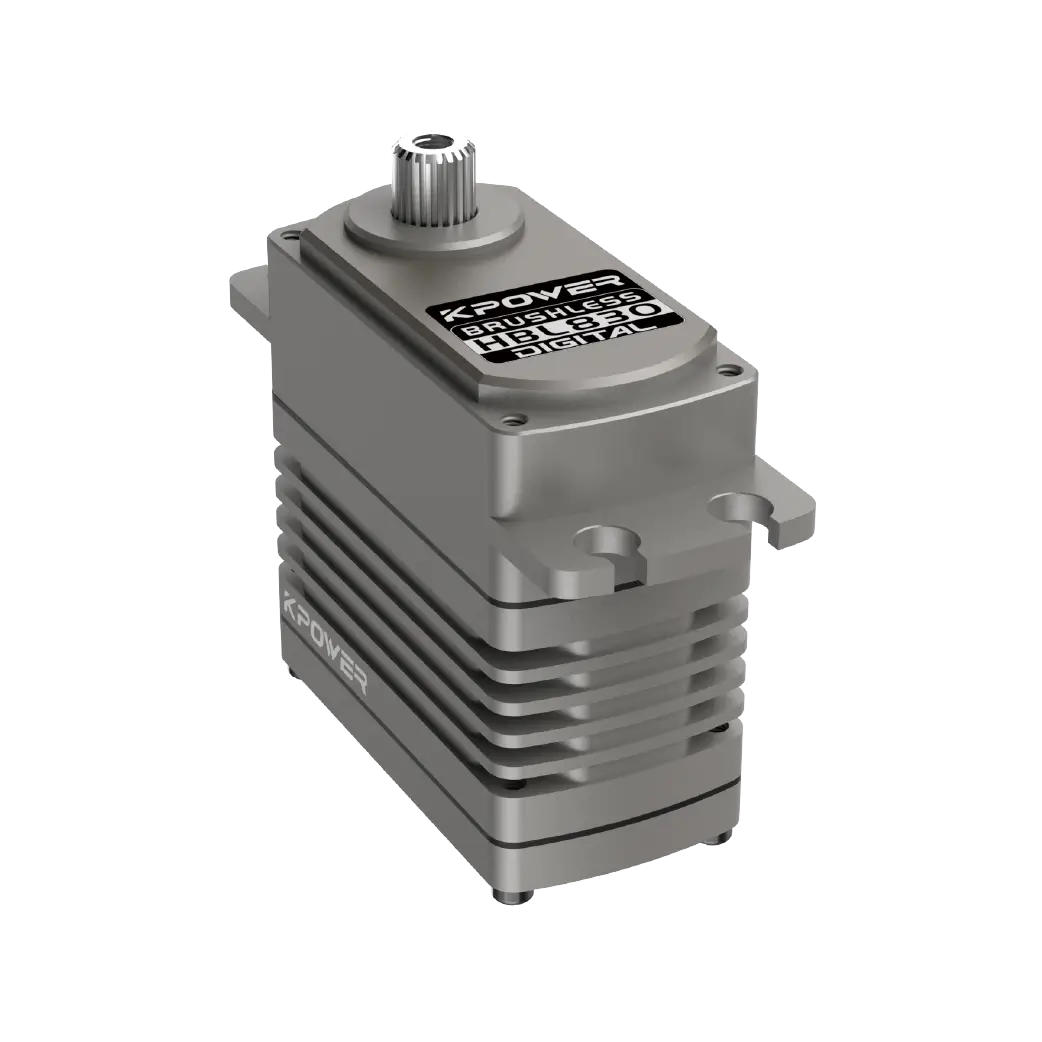
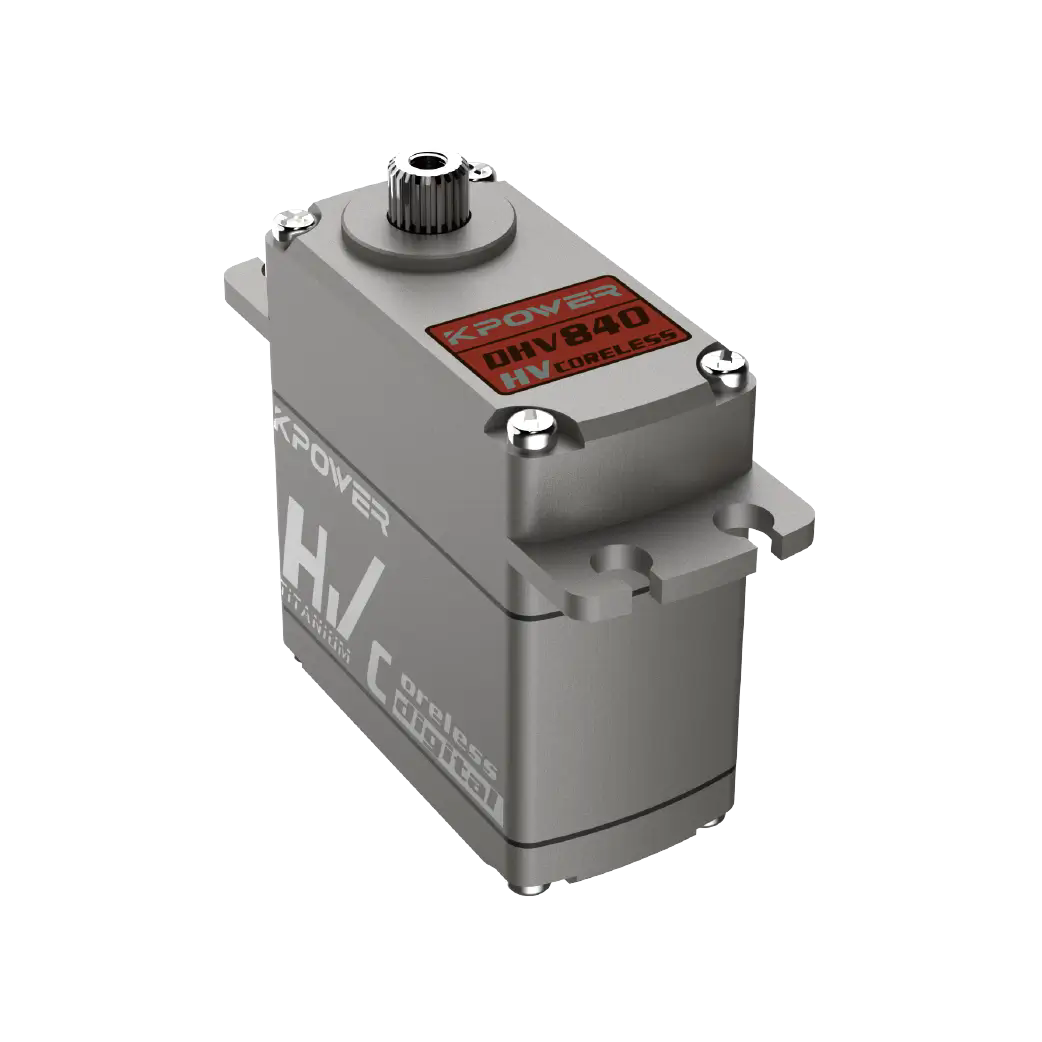
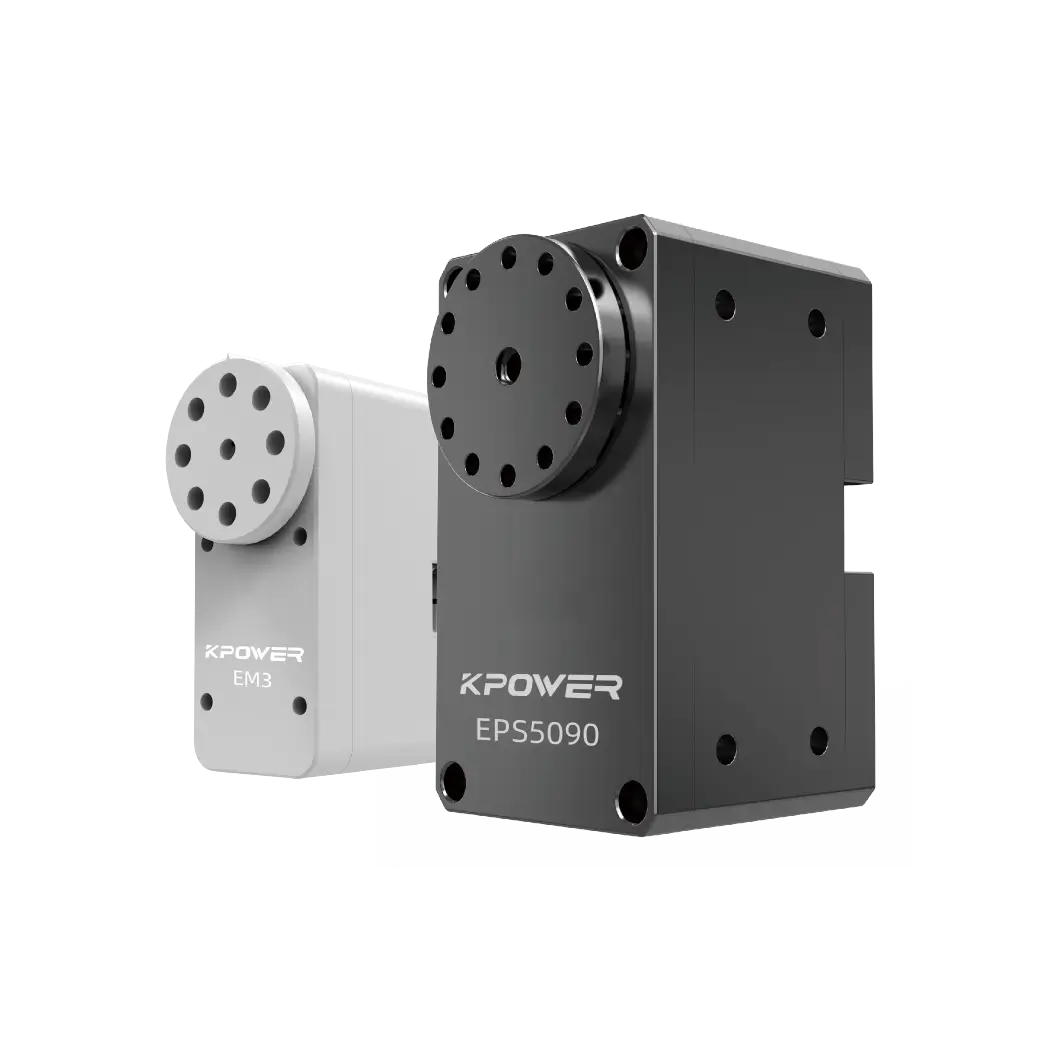
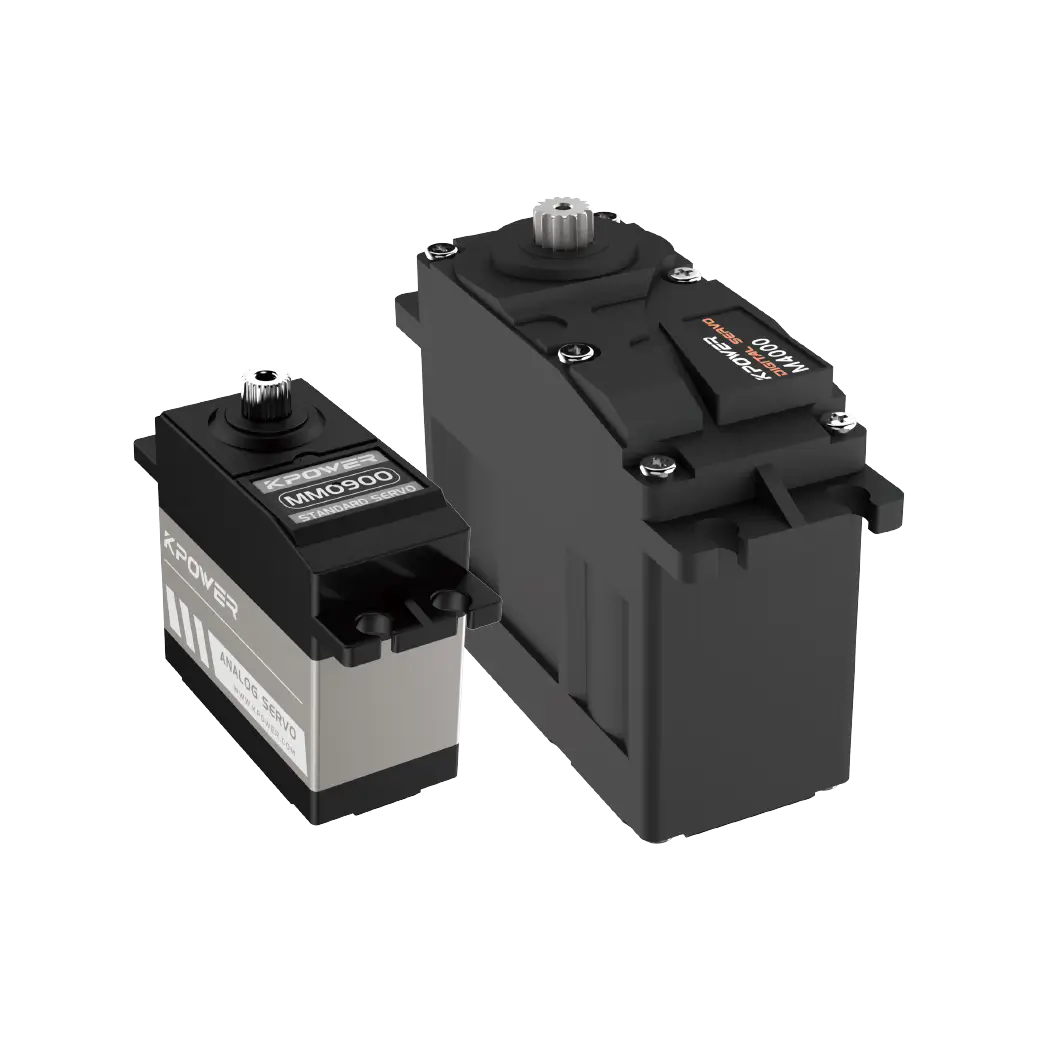
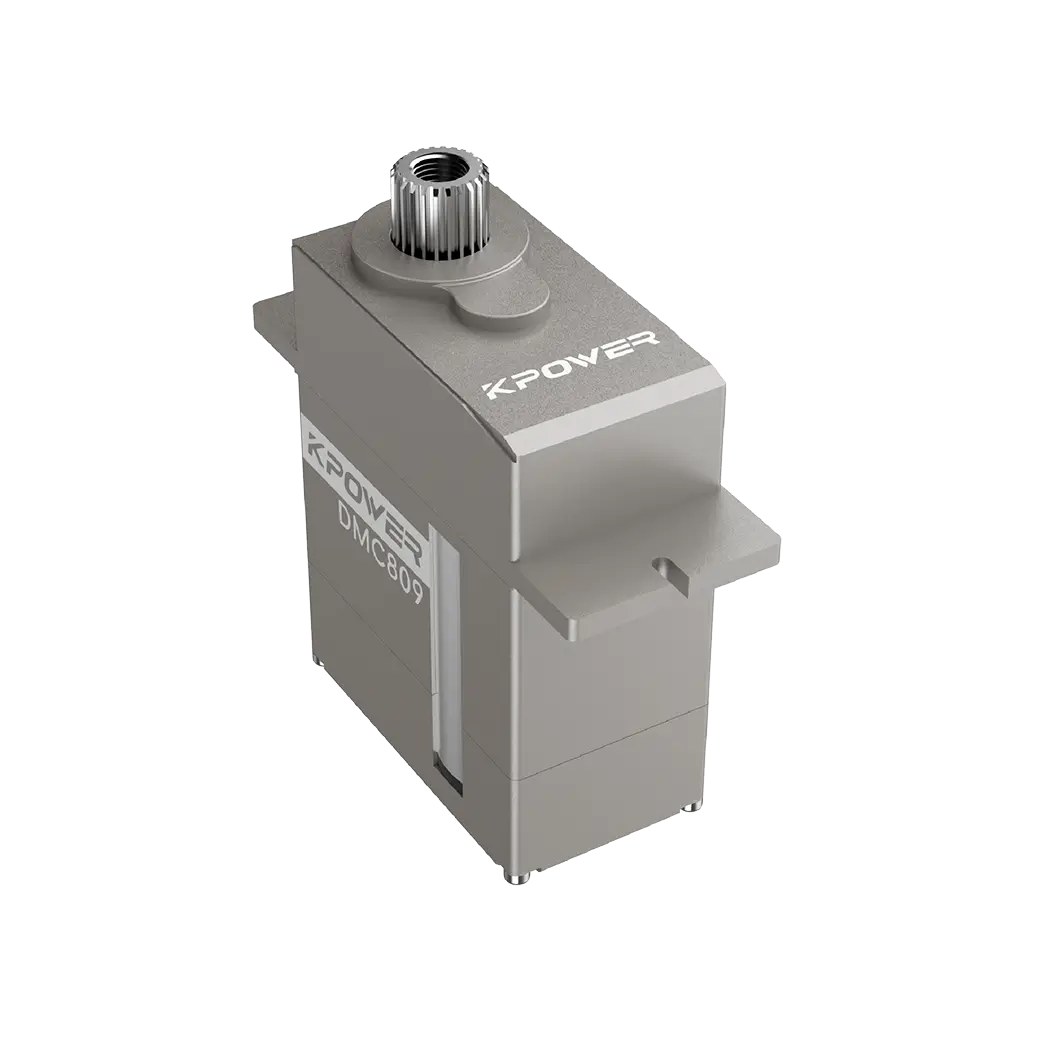
The reality is that your project is only as good as the muscles you give it. If those muscles—theservomotors—are flimsy or poorly calibrated, even the most elegant script won't save you. This is where the hunt for a reliable Arduino andservomotor exporter becomes less of a logistics task and more of a rescue mission for your sanity.
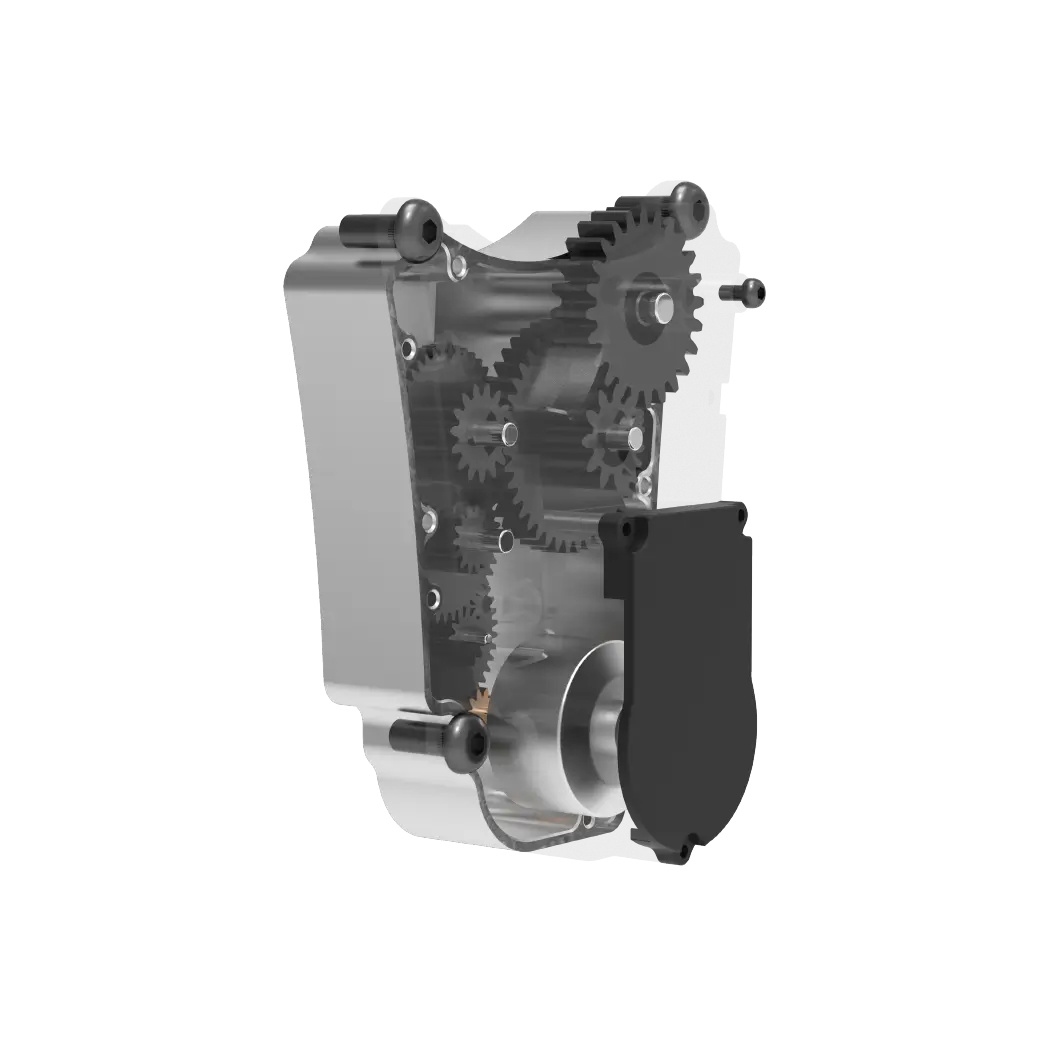
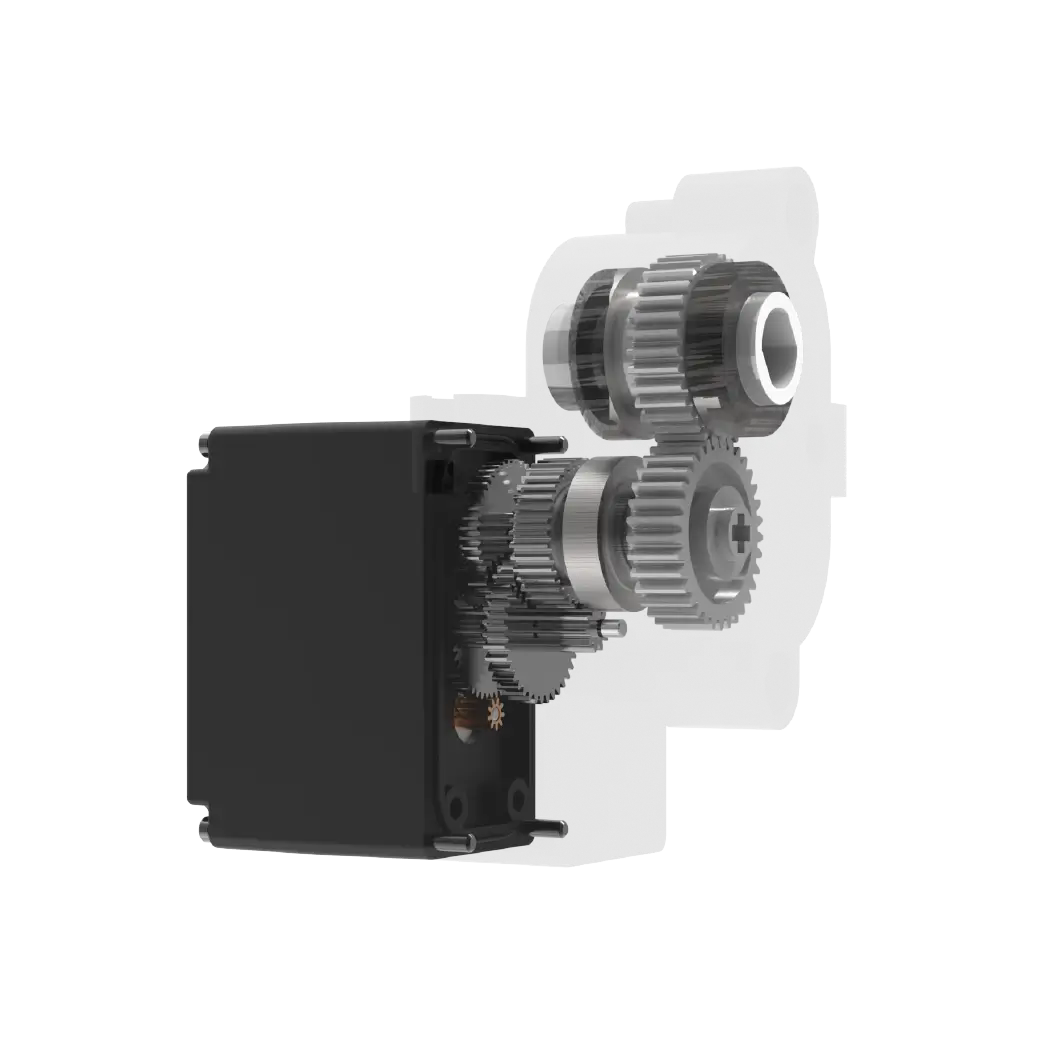
Ever wonder why someservos hum while others scream? It usually comes down to what's happening inside that little plastic or metal box. Most people think a servo is just a motor, but it’s actually a tiny ecosystem. You’ve got the DC motor, the gear train, a potentiometer, and a control circuit. When you’re sourcing from a random supplier, you’re gambling on the quality of that potentiometer. If it’s cheap, it can’t tell exactly where the output shaft is. The result? Constant hunting. The motor moves, overshoots, tries to correct, and repeats. It’s exhausting to watch.
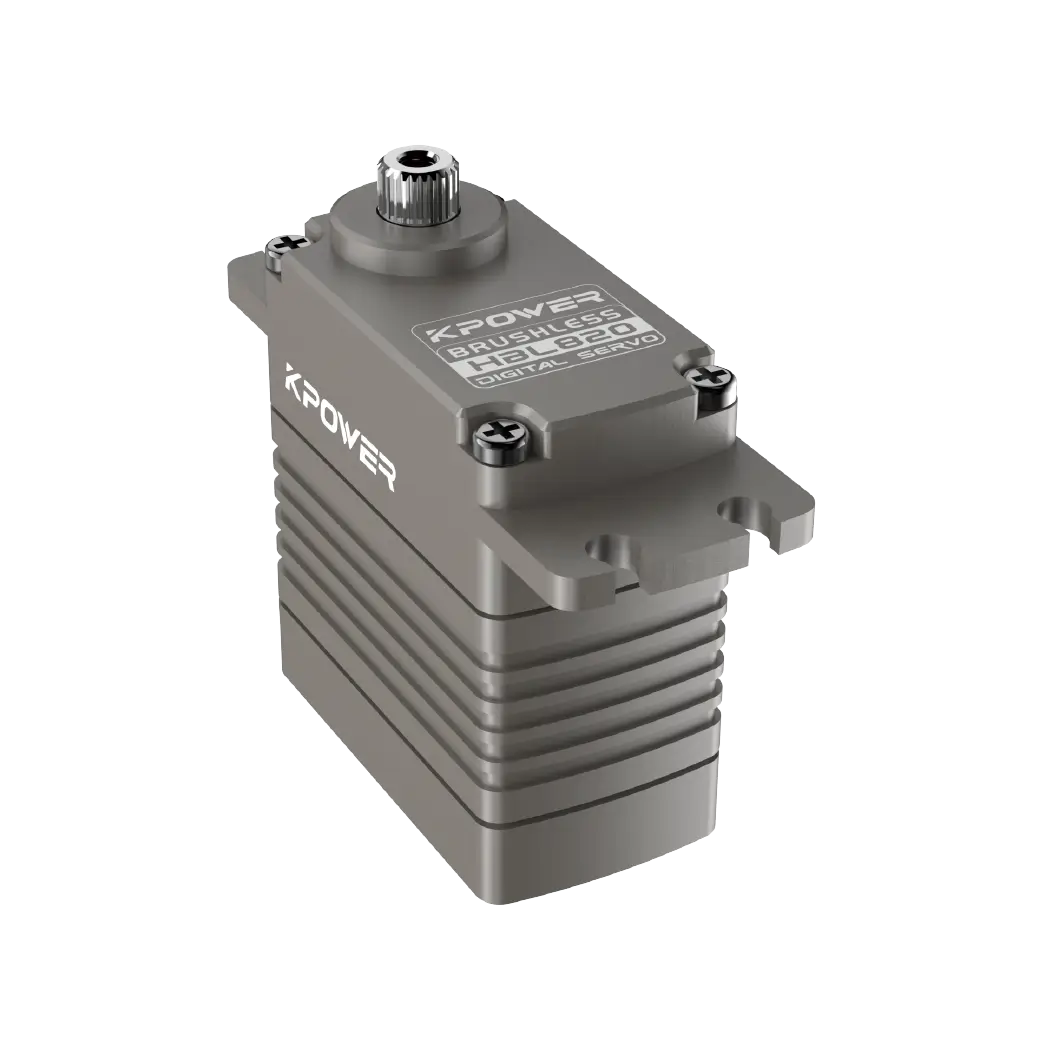
When I look at whatkpowerbrings to the table, the difference is in the silence. A high-quality servo shouldn't be fighting itself. It should hold its position with a sort of stubborn confidence. If you’re building something that needs to move once every ten seconds or something that needs to vibrate at high frequencies, the build quality of those internal gears decides whether your project lasts a weekend or a decade.
Let’s talk about the bridge between the factory floor and your workbench. Finding a solid Arduino and servo motor exporter isn't just about moving boxes from Point A to Point B. It’s about ensuring that the specs on the data sheet actually match the torque you feel when you try to stall the motor with your thumb.
I’ve seen plenty of "high-torque" servos that whimper the moment they encounter a real-world load.kpowerseems to understand that when someone asks for a specific Newton-centimeter rating, they aren't making a suggestion; they are stating a requirement. In the world of exporting, consistency is the only currency that matters. You don't want the first batch to be perfect and the second batch to be filled with plastic gears when you specifically asked for titanium.
Wait, can I just plug anykpowerservo directly into my Arduino? Not exactly. While the signal wire (usually white or orange) goes straight to your digital pins, the power needs its own lane. Arduinos are great brains, but they are terrible power plants. If you try to draw too much current through the board to move a beefy Kpower servo, you’ll trigger a brownout. The board resets, the servo jerks, and you start pulling your hair out. Use a common ground, but give the motor its own battery or power supply.
What happens if I push the rotation limits? Most standard servos are 180-degree beasts. If you try to force them to 181 via code, you’ll hear a strained buzzing. That’s the motor trying to melt its own casing because it’s hitting a physical stopper. Kpower builds theirs with enough tolerance that they don't just snap the moment they hit the limit, but treat your hardware with some respect—calibrate your min and max pulses.
Is metal always better than plastic? Usually, yes, but it depends on the weight. If you’re building a lightweight drone or a walking hexapod, every gram counts. Plastic gears are quiet and light. But if you’re building a steering rack for an RC truck that’s going to hit rocks at 30mph, go metal. Kpower offers the spectrum because they know one size fits nobody.
There’s a certain satisfaction in watching a high-end servo sweep. It’s smooth, almost liquid. When you find the right Arduino and servo motor exporter, you’re buying that smoothness. You’re buying the assurance that when you write servo.write(90), the shaft is going to 90 degrees, not 88 or 92.
I remember working on a project involving a solar tracker. The goal was simple: follow the sun. But the cheap motors I started with were so jerky that the solar panel would jump, causing the sensors to lose their heading. It was a mess. Switching to a more robust Kpower unit changed the entire dynamic. The movement became so subtle you could barely see it, yet the efficiency of the panel spiked because it wasn't constantly over-correcting.
We often talk about "innovation," but innovation is impossible without reliability. You can’t build the next big thing if you’re constantly fixing the last small thing. The hardware should be invisible. It should just work so you can focus on the higher-level logic.
If you’re looking at a pile of components and wondering why your project feels "hobbyist" rather than "professional," look at the joints. Are the servos fluttering? Are they overheating after five minutes of use? If so, your supply chain is failing you. Kpower has carved out a niche by being the backbone for these kinds of builds. They provide the torque, the speed, and the durability that makes the "Arduino and servo motor exporter" label actually mean something.
Building things is hard. It’s messy. You’ll probably blow a fuse or two. But the hardware shouldn't be your enemy. When you pick a component, you're entering a partnership with the people who made it. You want a partner that doesn't cut corners on the grease inside the gearbox or the thickness of the copper in the motor windings.
In the end, it’s about that moment when you flip the switch, the Arduino boots up, the code executes, and the mechanical arm moves with the grace of a dancer. No jitters. No toasted smells. Just pure, precise motion. That’s the Kpower standard, and frankly, it’s what you should expect every time you order. Why settle for a motor that "might" work when you can have one that "will" work? Go build something that moves the world, or at least something that moves exactly the way you told it to.
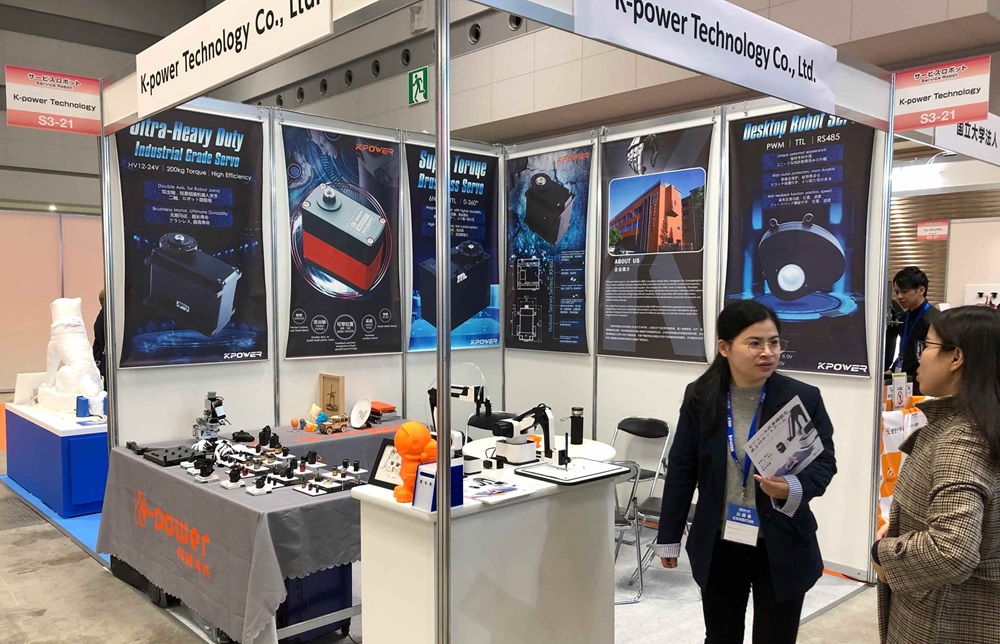
Established in 2005, Kpower has been dedicated to a professional compact motion unit manufacturer, headquartered in Dongguan, Guangdong Province, China. Leveraging innovations in modular drive technology, Kpower integrates high-performance motors, precision reducers, and multi-protocol control systems to provide efficient and customized smart drive system solutions. Kpower has delivered professional drive system solutions to over 500 enterprise clients globally with products covering various fields such as Smart Home Systems, Automatic Electronics, Robotics, Precision Agriculture, Drones, and Industrial Automation.
Update Time:2026-01-22

Contact Kpower's product specialist to recommend suitable motor or gearbox for your product.


