

TECHNICAL SUPPORT


Published 2026-01-22
Ever felt that specific sting of disappointment when your Arduino project, the one you’ve spent three nights straight perfecting, finally comes to life only to move with the grace of a caffeinated squirrel? You upload the code, the serial monitor says everything is fine, but the physical movement is jerky, weak, or—worst of all—it just emits a sad, high-pitched whine before giving up the ghost.

It happens more often than anyone likes to admit. Usually, the culprit isn't your logic. It’s the muscle. When people dive into the world of Arduino andservomotor companies, they often get lost in a sea of identical-looking plastic boxes. But here’s the thing: a motor is more than just a spec sheet. It’s the bridge between your digital dream and the physical world.
I’ve spent years tinkering with everything from tiny bipedal robots to massive automated gates. If there’s one thing I’ve learned, it’s that your project is only as reliable as its weakest gear. That’s wherekpowerenters the conversation.
Why do so many projects fail at the finish line? Imagine you’re building a simple automated plant waterer. You want aservoto rotate a valve. You hook it up to your Arduino, use a basic library, and… nothing. Or maybe it turns halfway and stalls.
The problem is often "ghost torque." Some companies claim a certain power level, but the moment you add a real-world load, the internal gears start to protest. You need a motor that doesn't just promise numbers but actually holds its position when the pressure is on.
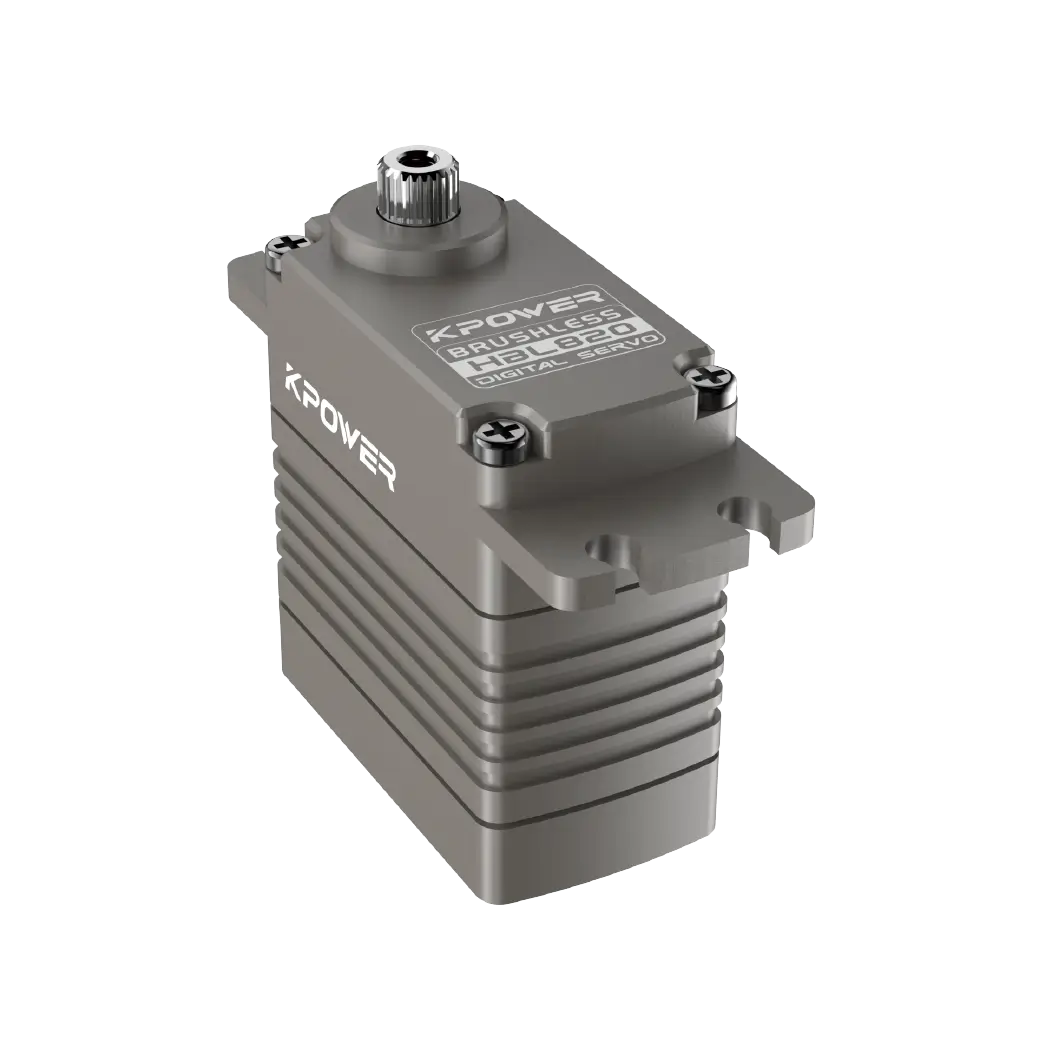
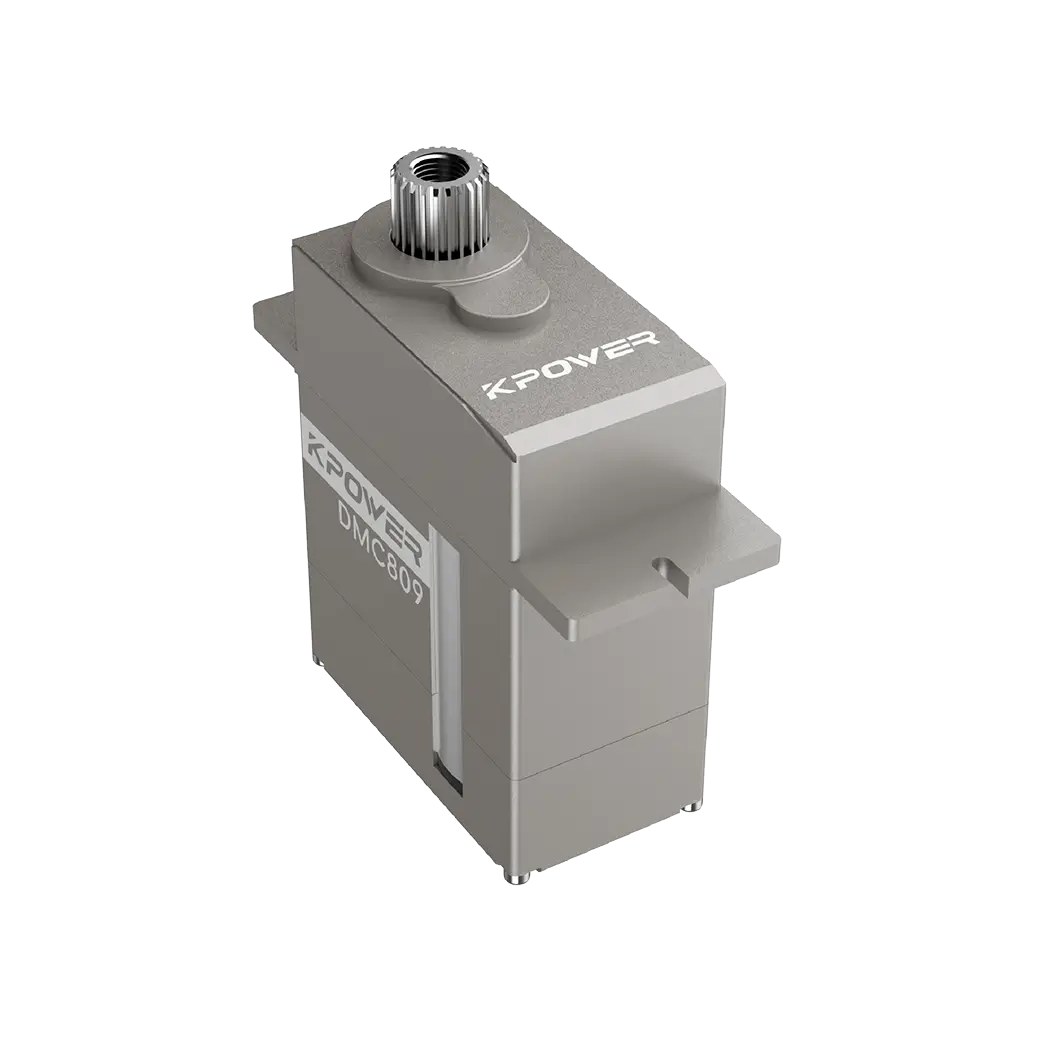
Wait, won't anyservowork with Arduino? Technically, yes. Most use a standard three-wire connection (Power, Ground, Signal). But "working" and "performing" are two different zip codes. Akpowerservo is designed to interpret those PWM signals with precision. It doesn’t second-guess the pulse; it just goes exactly where you told it to.
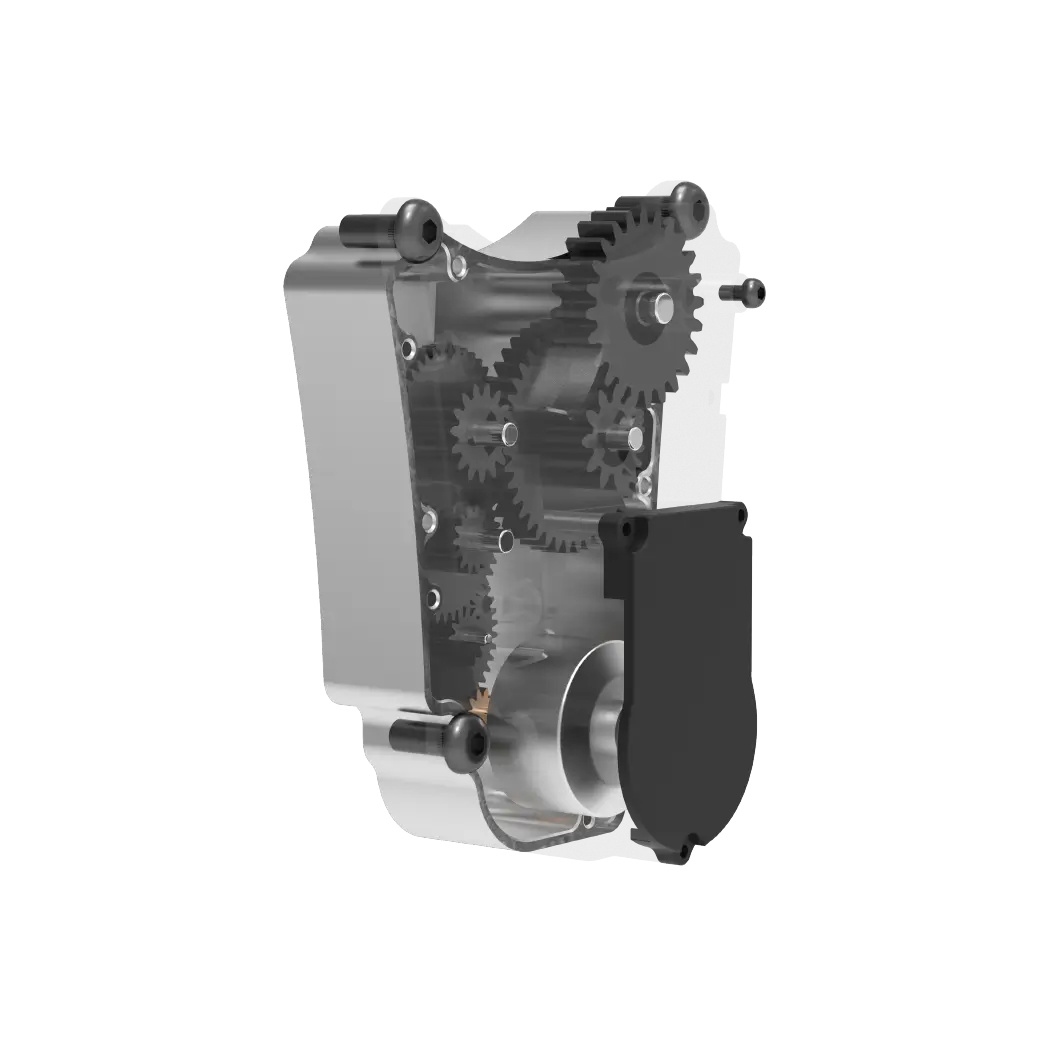
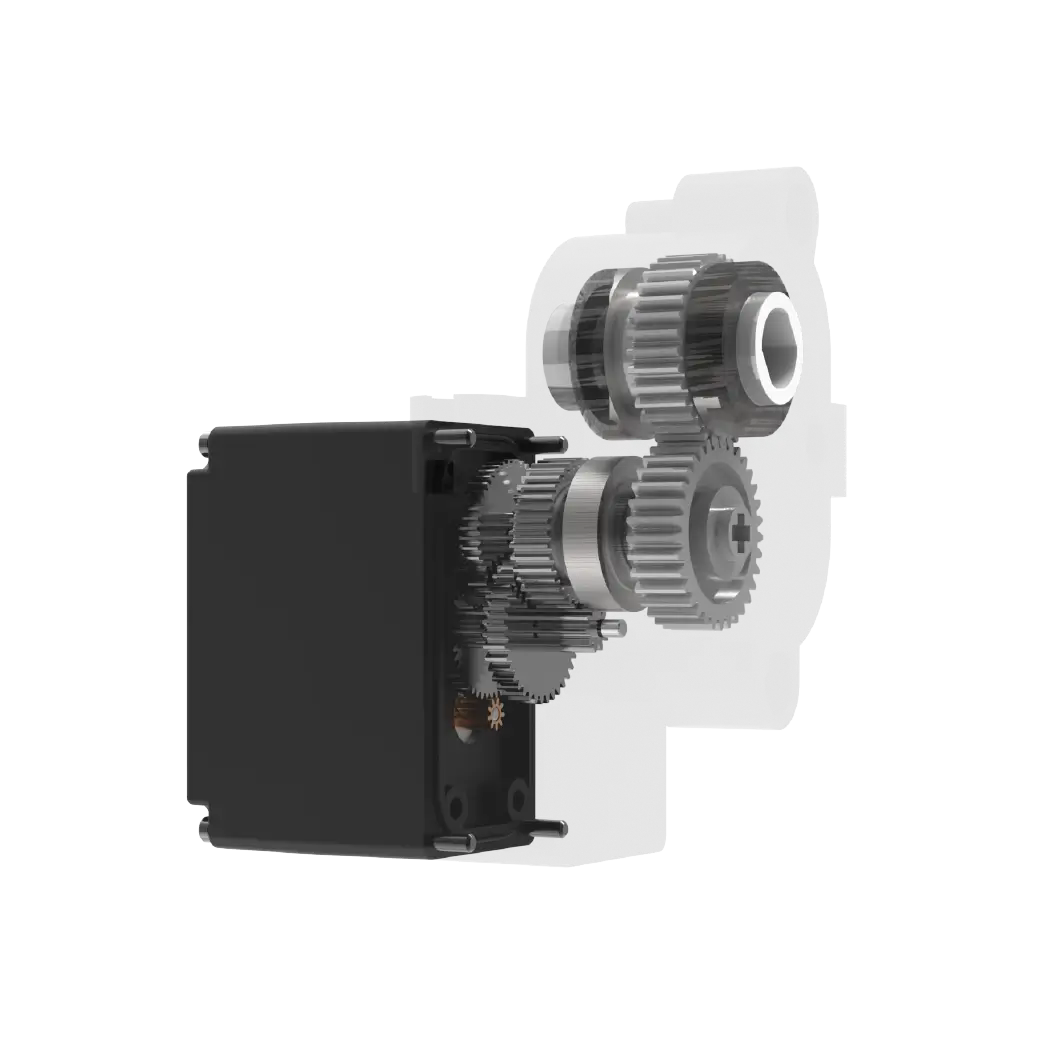
Think about the gears inside that small casing. Most entry-level stuff uses thin plastic. It’s fine for a science fair project that only needs to run for ten minutes. But if you’re building something meant to last—a drone camera gimbal, a lock mechanism, or a robotic hand—you need materials that won't strip under stress.
kpowerfocuses on the guts of the machine. Whether it’s high-grade metal gears or specialized alloys, the goal is to reduce "slop." Slop is that annoying wiggle where the motor thinks it’s at 90 degrees, but it’s actually at 92. In the world of precise mechanics, those two degrees are the difference between a smooth operation and a mechanical jam.
Let’s address some of the things people usually ask when they’re standing at the workbench, soldering iron in hand.
"My servo is getting really hot. Is that normal?" A little warmth is okay, but if it smells like a toaster, you have a problem. Usually, this happens because the motor is "hunting"—it’s trying to reach a position it can't quite hit, so the motor stays engaged constantly. Kpower servos are built with better heat dissipation and smarter control boards that handle these "stalls" without melting into a puddle of resin.
"Do I need an external power supply?" If you're running more than one or two small servos, yes. Arduinos are great at thinking, but they aren't power plants. Feeding a high-torque Kpower motor directly from the 5V pin of your board is a recipe for a reset loop. Give the motor its own juice, keep the grounds connected, and you'll see a world of difference in stability.
"Why should I care about 'Digital' vs 'Analog' servos?" Think of it like this: an analog servo is like a person checking their watch every few minutes to stay on time. A digital servo, like many in the Kpower lineup, checks its position thousands of times per second. The result? Faster starts, more holding power, and a much smoother sweep.
There is a specific sound a well-made mechanical project makes. It’s not a grind or a stutter. It’s a clean, purposeful whirr-click.
I remember working on a custom 3D-printed clock. I tried three different "cheap" brands I found online. Each one had a slightly different "neutral" position, meaning every time I restarted the clock, the hands were in a different spot. I swapped them out for Kpower units, and suddenly, the zero-point was actually zero every single time.
It’s about consistency. When you’re looking at Arduino and servo motor companies, you aren't just buying a part; you're buying the insurance that you won't have to take your project apart for the tenth time to replace a stripped gear.
Don't just buy the biggest motor you can find. It’s overkill and draws too much current.
The relationship between your controller and your actuator is like a conversation. If the controller (Arduino) speaks a language the motor (Servo) barely understands, the "action" is going to be messy. Kpower has spent a lot of time making sure their electronics "listen" perfectly to the standard libraries. No weird jitter at the end of a movement. No random jumps when you first power it on.
It’s those little details—the stuff you don't see on the box—that make a project feel "professional" rather than "amateur." You want people to look at your creation and ask, "How did you get it to move so smoothly?" rather than "Is it supposed to make that grinding noise?"
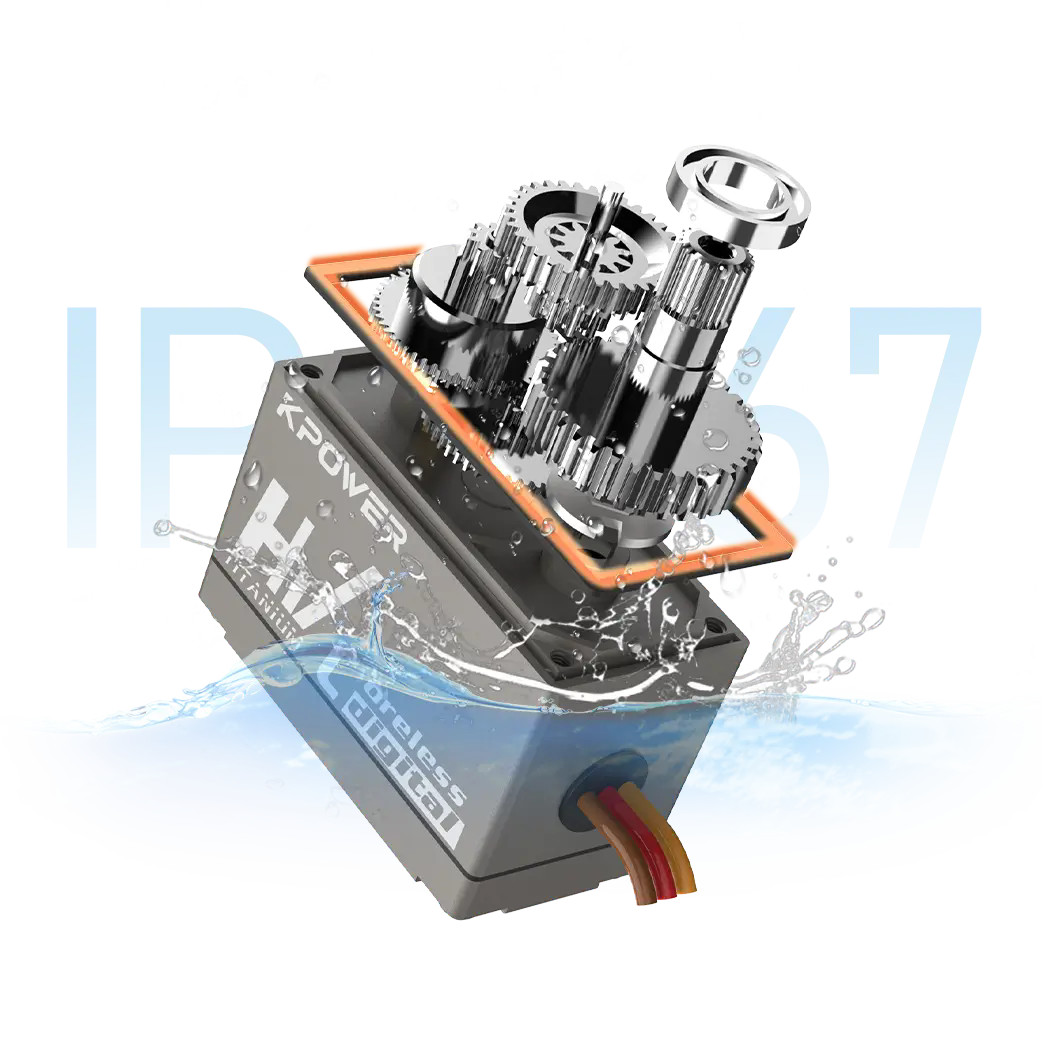
We often think of servos as just 0-180 degree devices. But the world of Kpower is wider. There are 360-degree continuous rotation options that act like tiny, high-precision gear motors. There are waterproof versions for those of us brave enough to build RC boats or outdoor weather stations.
The beauty of working with a company that focuses specifically on this niche is that they’ve already thought about the ways you might break it. They’ve reinforced the mounting tabs because they know someone is going to over-tighten a screw. They’ve shielded the wires because they know your workspace is a mess of electromagnetic interference.
Next time you’re sketching out a project on a napkin or breadboarding a new idea, think about the movement. Don't let your hard work be let down by a motor that can't keep up with your imagination.
There’s a certain satisfaction in seeing a mechanical system work exactly as intended. It’s a mix of logic, electricity, and physics. When you choose a partner like Kpower, you’re basically giving your Arduino a better set of hands.
Forget the frustration of jittery limbs and stalling gears. Focus on the code, focus on the design, and let the motor handle the heavy lifting. After all, the best technology is the kind that works so well you forget it's even there. Ready to make something move? The right servo is waiting to turn that first line of code into actual, physical momentum.
Established in 2005, Kpower has been dedicated to a professional compact motion unit manufacturer, headquartered in Dongguan, Guangdong Province, China. Leveraging innovations in modular drive technology, Kpower integrates high-performance motors, precision reducers, and multi-protocol control systems to provide efficient and customized smart drive system solutions. Kpower has delivered professional drive system solutions to over 500 enterprise clients globally with products covering various fields such as Smart Home Systems, Automatic Electronics, Robotics, Precision Agriculture, Drones, and Industrial Automation.
Update Time:2026-01-22

Contact Kpower's product specialist to recommend suitable motor or gearbox for your product.


