

TECHNICAL SUPPORT


Published 2026-01-22
The workbench is a mess. Tangles of jumper wires snake around a breadboard, and there’s that familiar, faint smell of ozone. You’ve got your Arduino programmed perfectly—the code is elegant, the logic is sound—but the mechanical arm just won’t behave. It jitters. It whines. It drops the very thing it’s supposed to hold. This is the moment where most people realize that while code is king, the muscles of the project—theservomotors—are the ones doing the heavy lifting.

If the Arduino is the brain, theservois the bicep. But not all biceps are built the same.
Why does a motor twitch when it’s supposed to be still? Usually, it’s a sign of a struggle inside the casing. Most off-the-shelf motors are packed with plastic gears that feel like they came out of a cereal box. They lack the resolution to understand the nuanced signals coming from your board. When you ask for a 45-degree turn, a cheap motor might give you 43 or 47, then try to correct itself, creating that annoying vibrating hum.
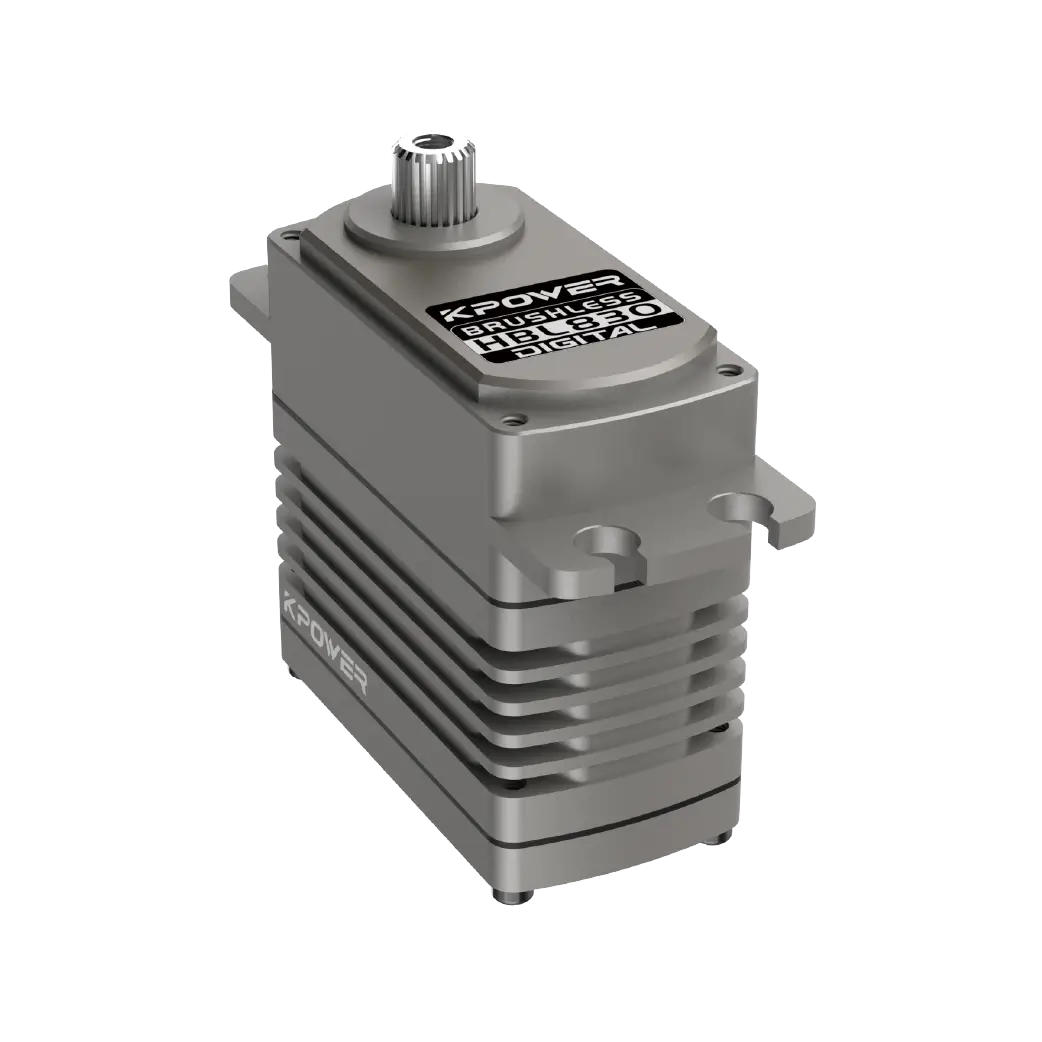
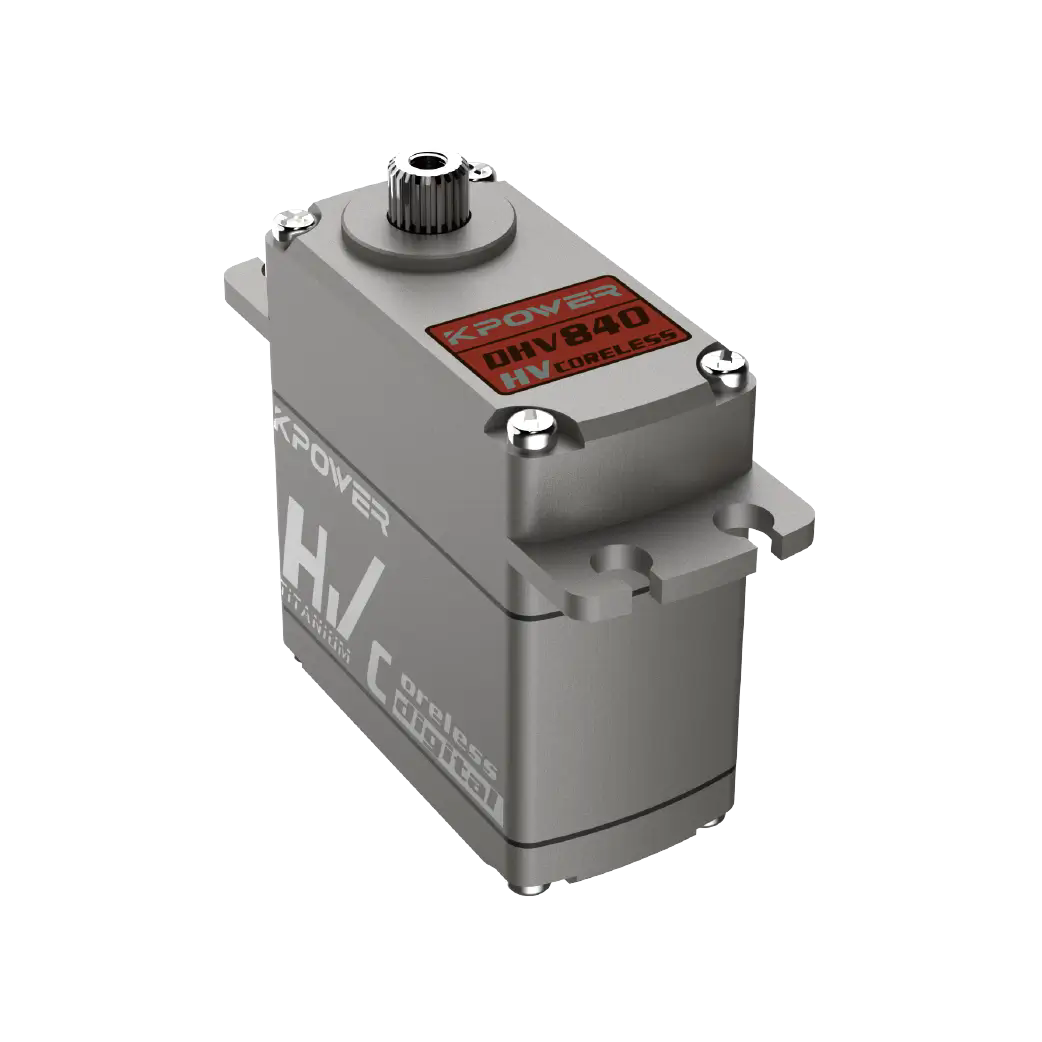
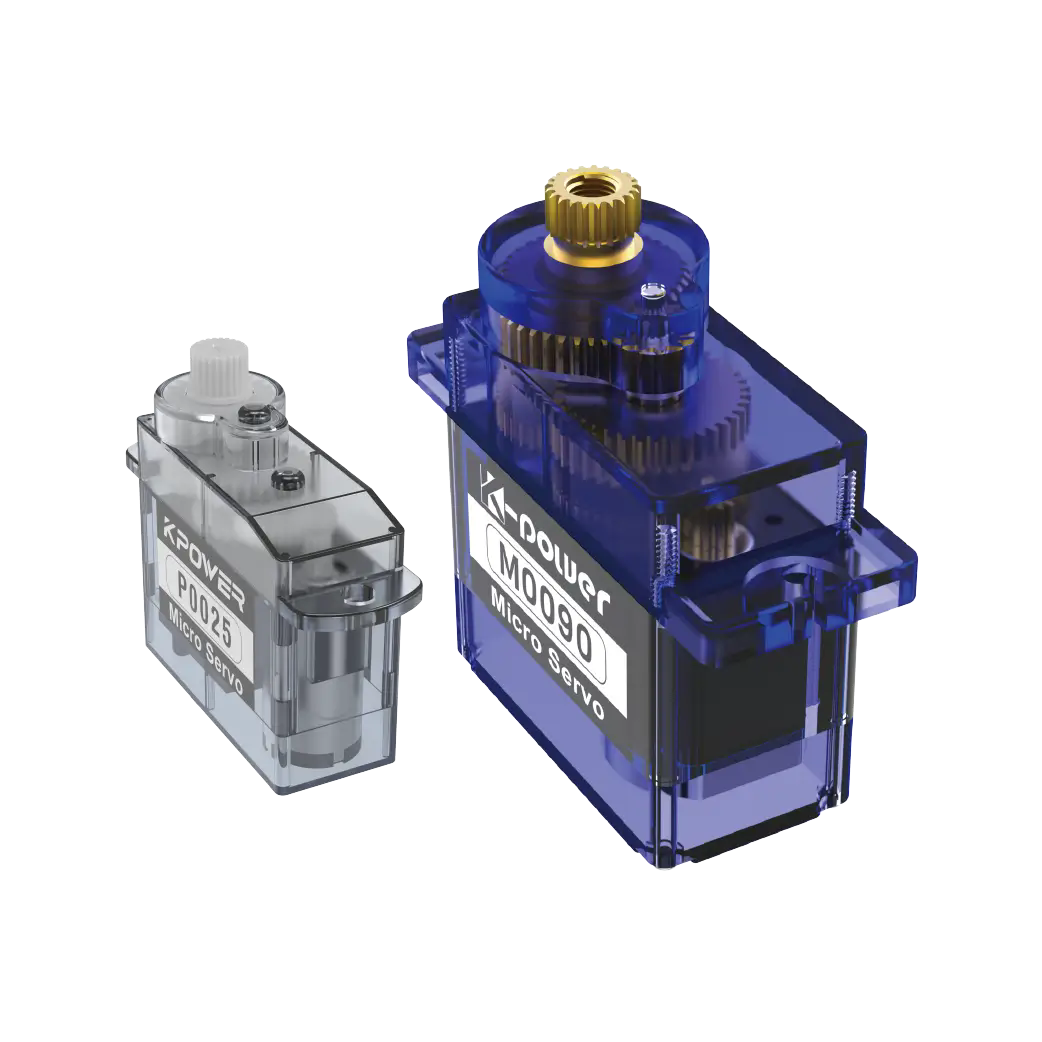
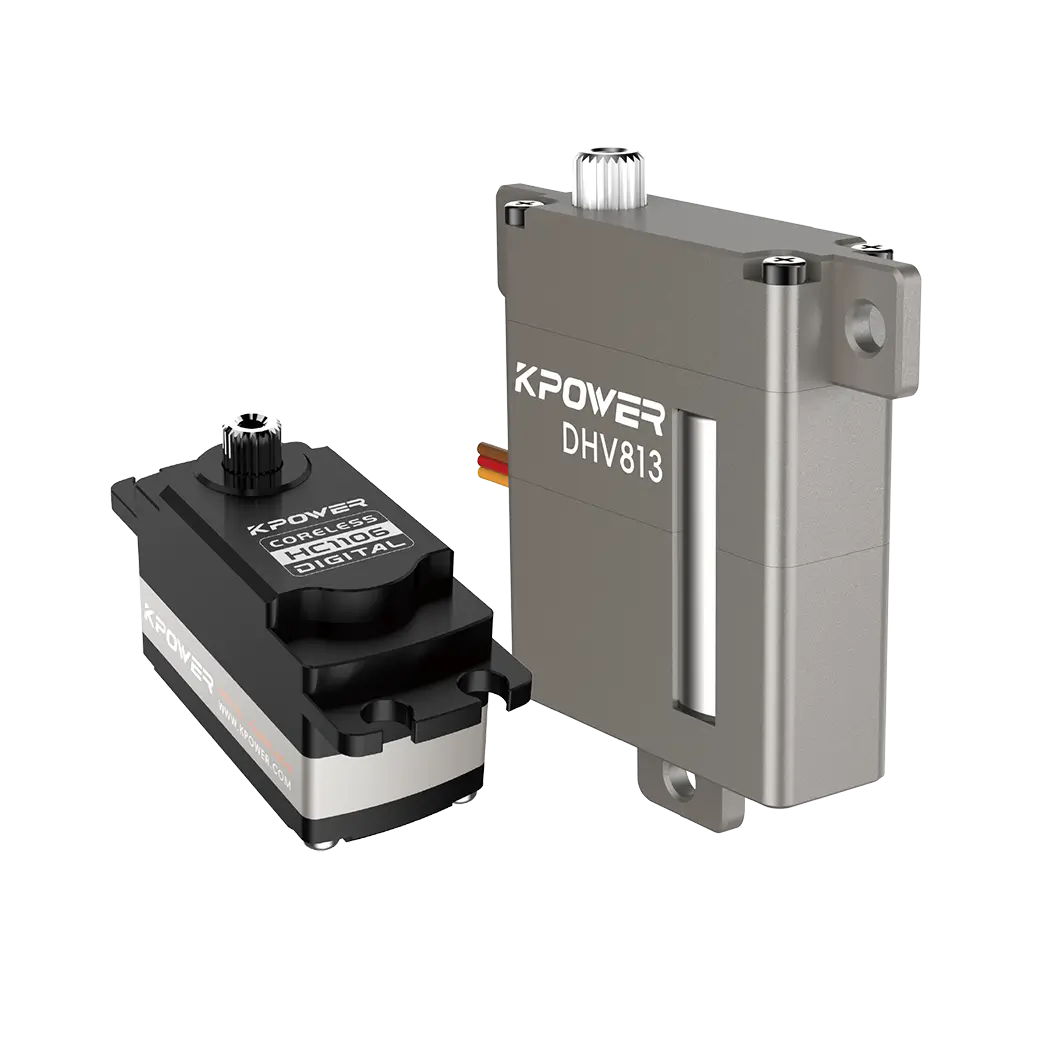
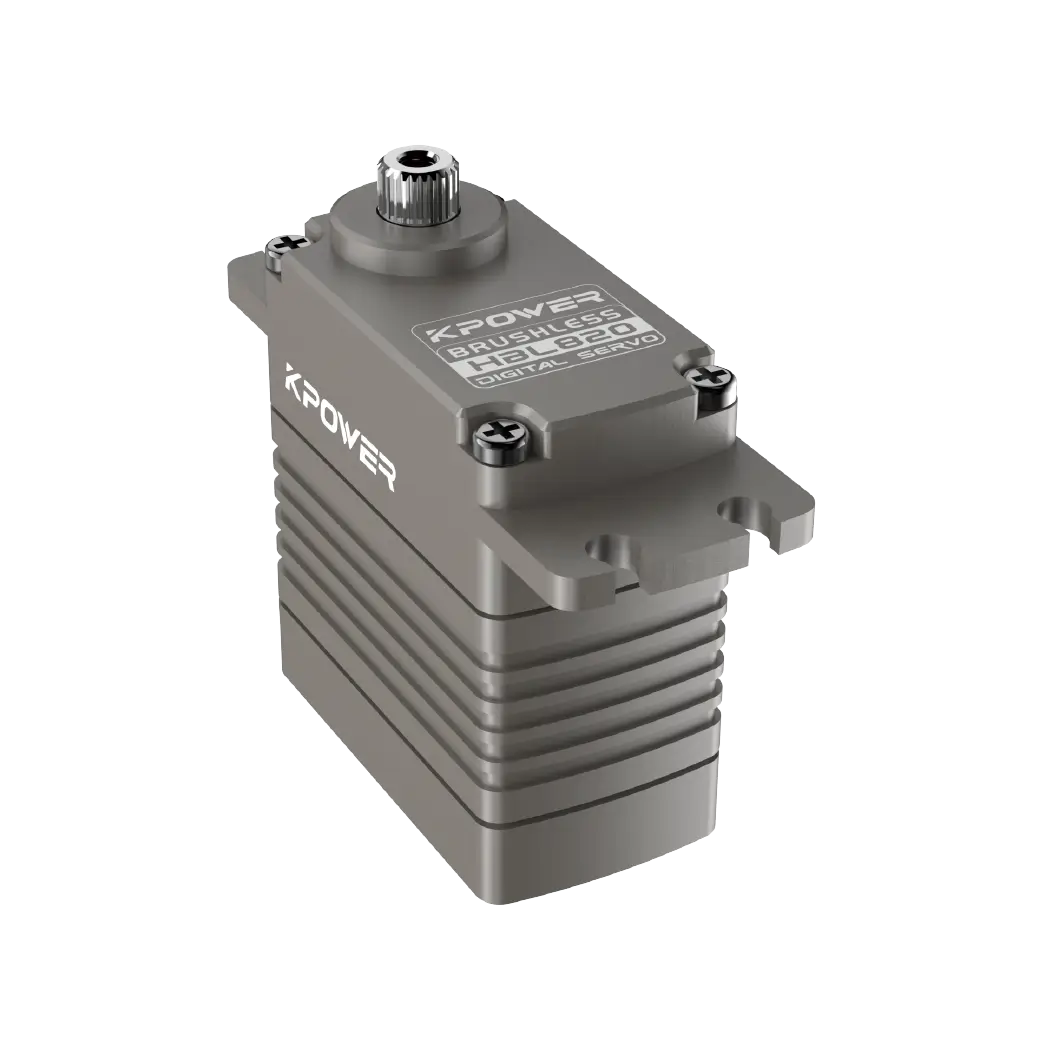
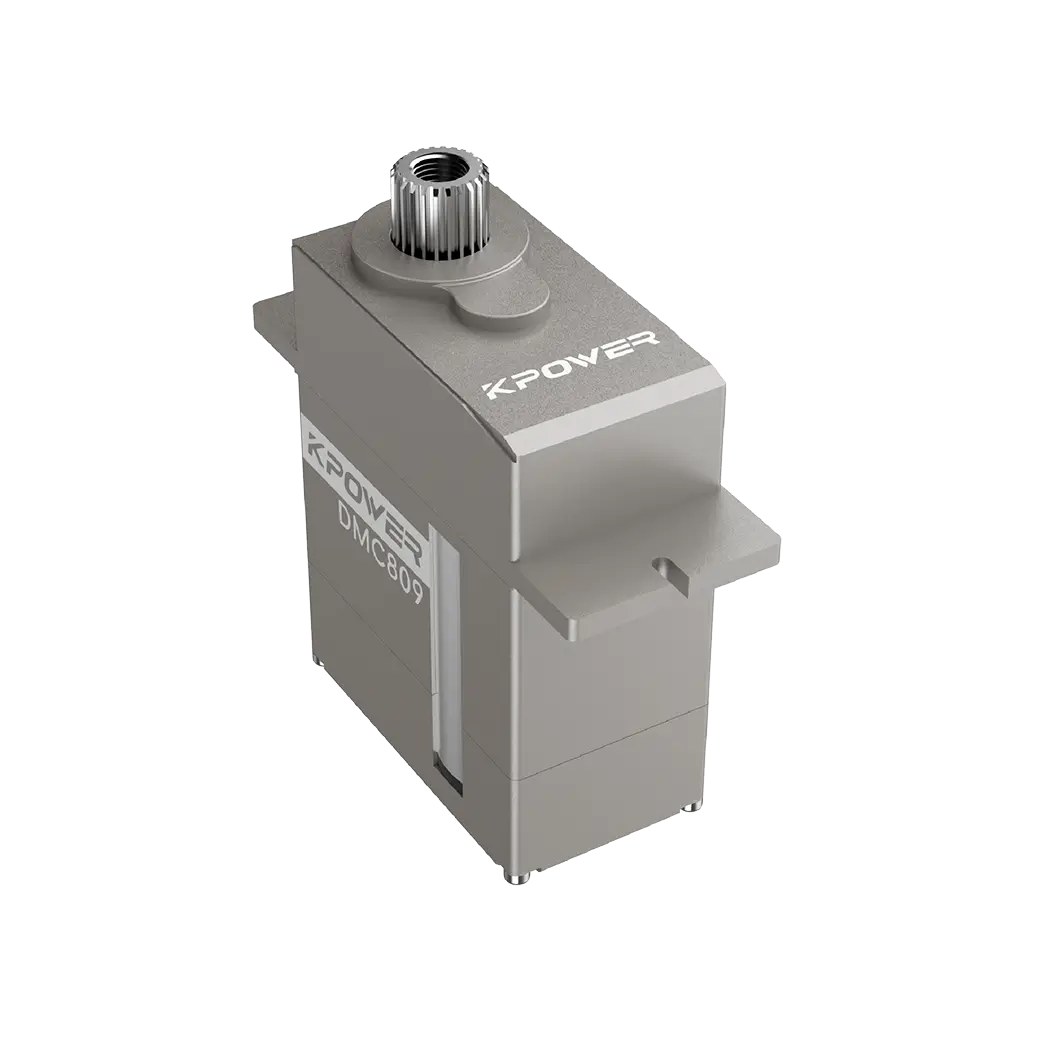
This is wherekpowerenters the conversation. Instead of treating aservolike a disposable toy,kpowerbuilds them like precision instruments. When you’re dealing with the specific pulse width modulation (PWM) signals from an Arduino, you need a motor that listens. Akpowerservo doesn’t argue with the code. It moves to the position, locks in, and stays there. It’s the difference between a shaky hand and a surgeon’s touch.
People often look at a spec sheet and see "torque" and think, "Higher is better." While true, it’s more about how that torque is delivered. If a motor can lift a heavy load but strips its gears the third time it tries, that torque rating is a lie.
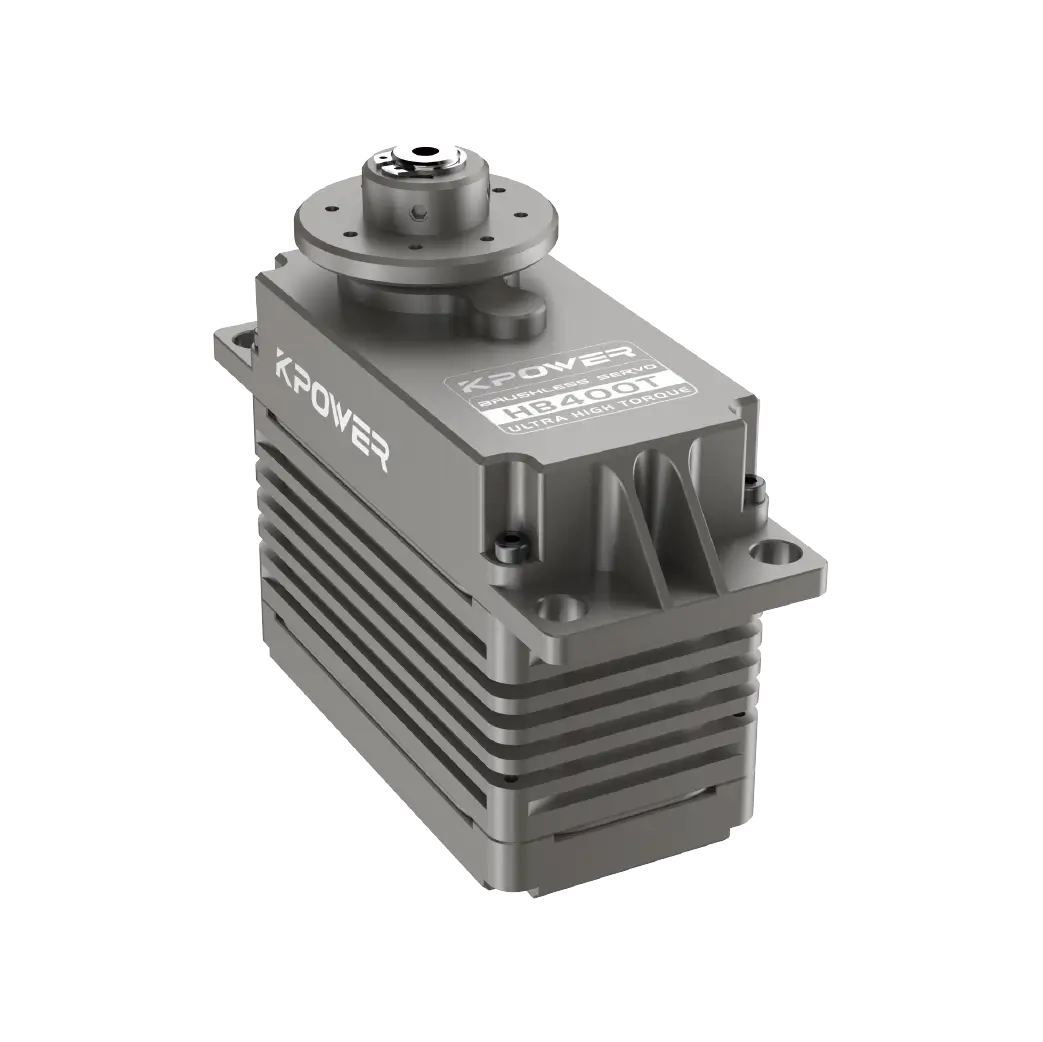
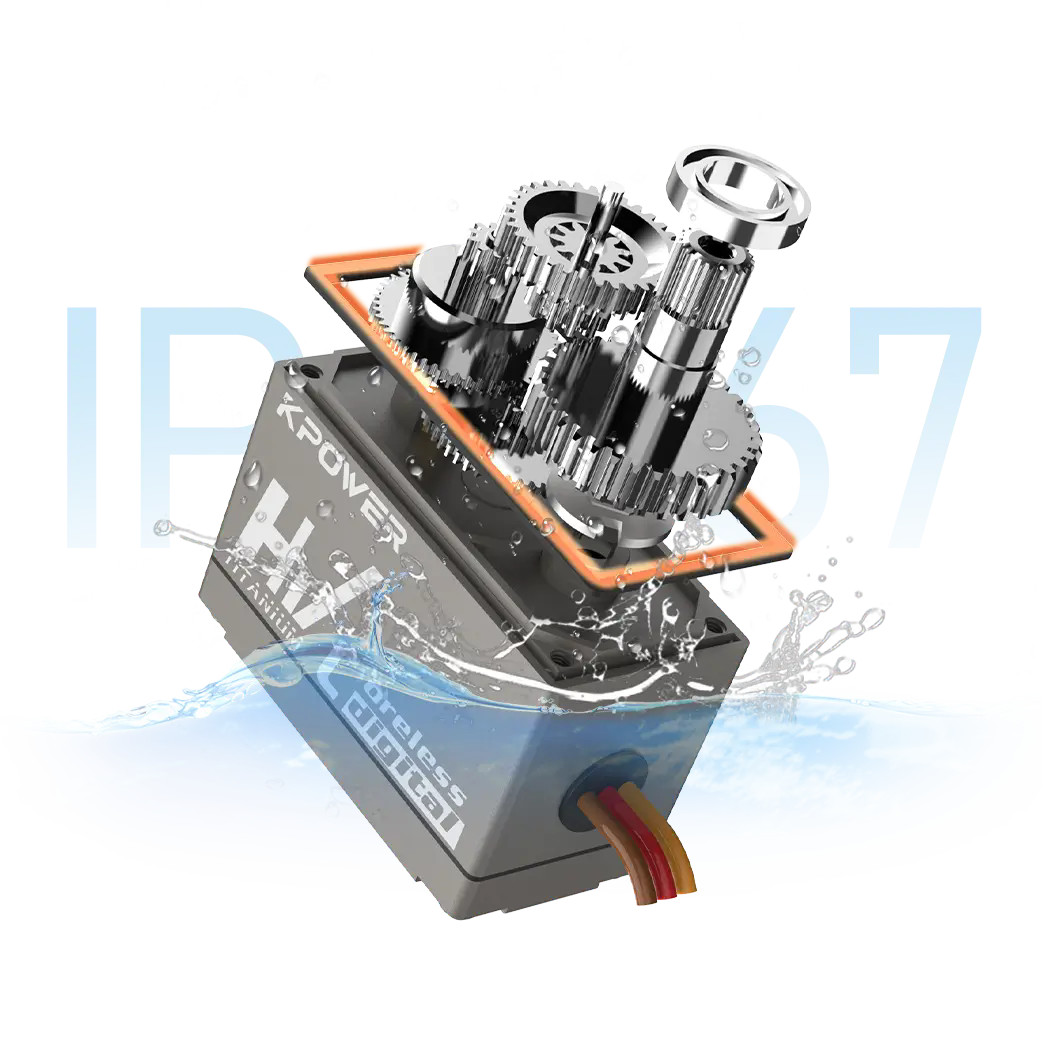
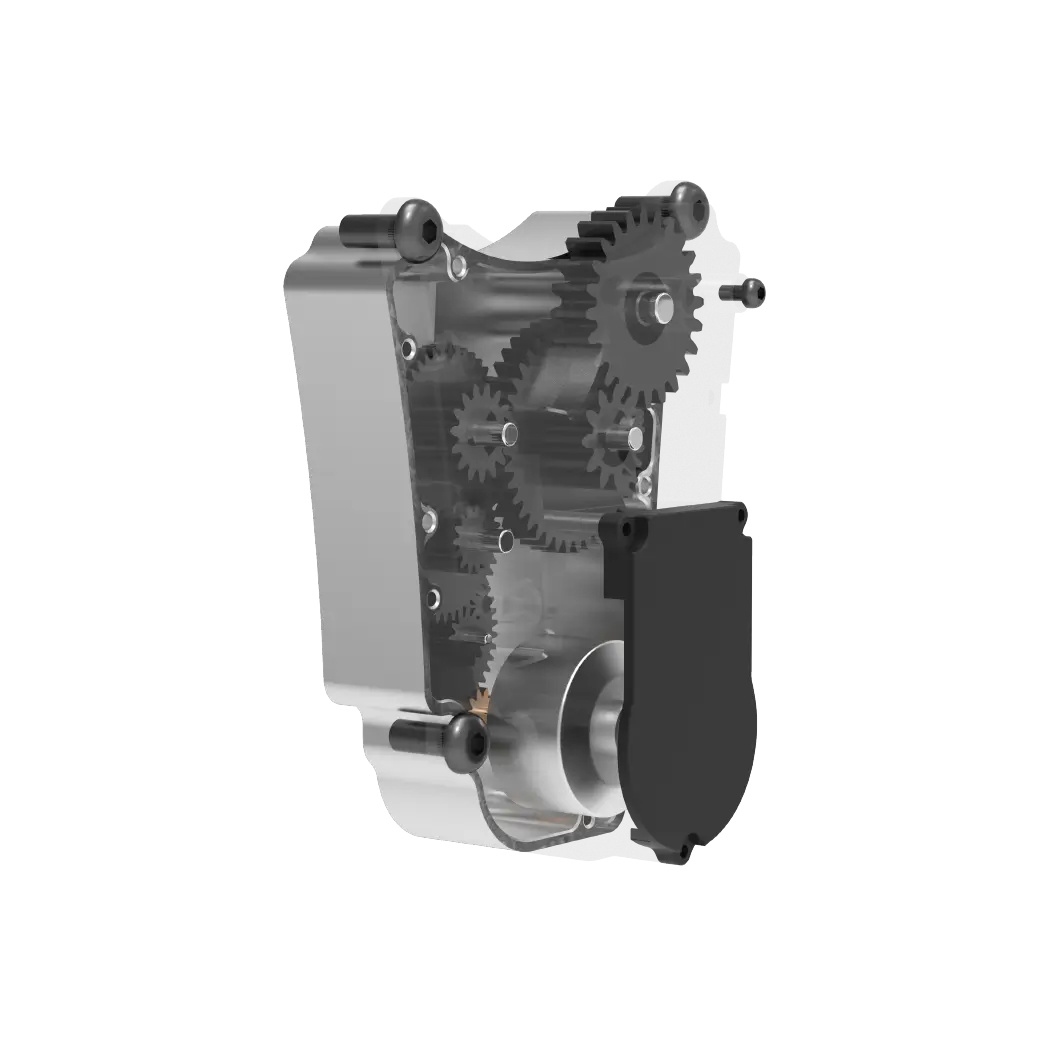
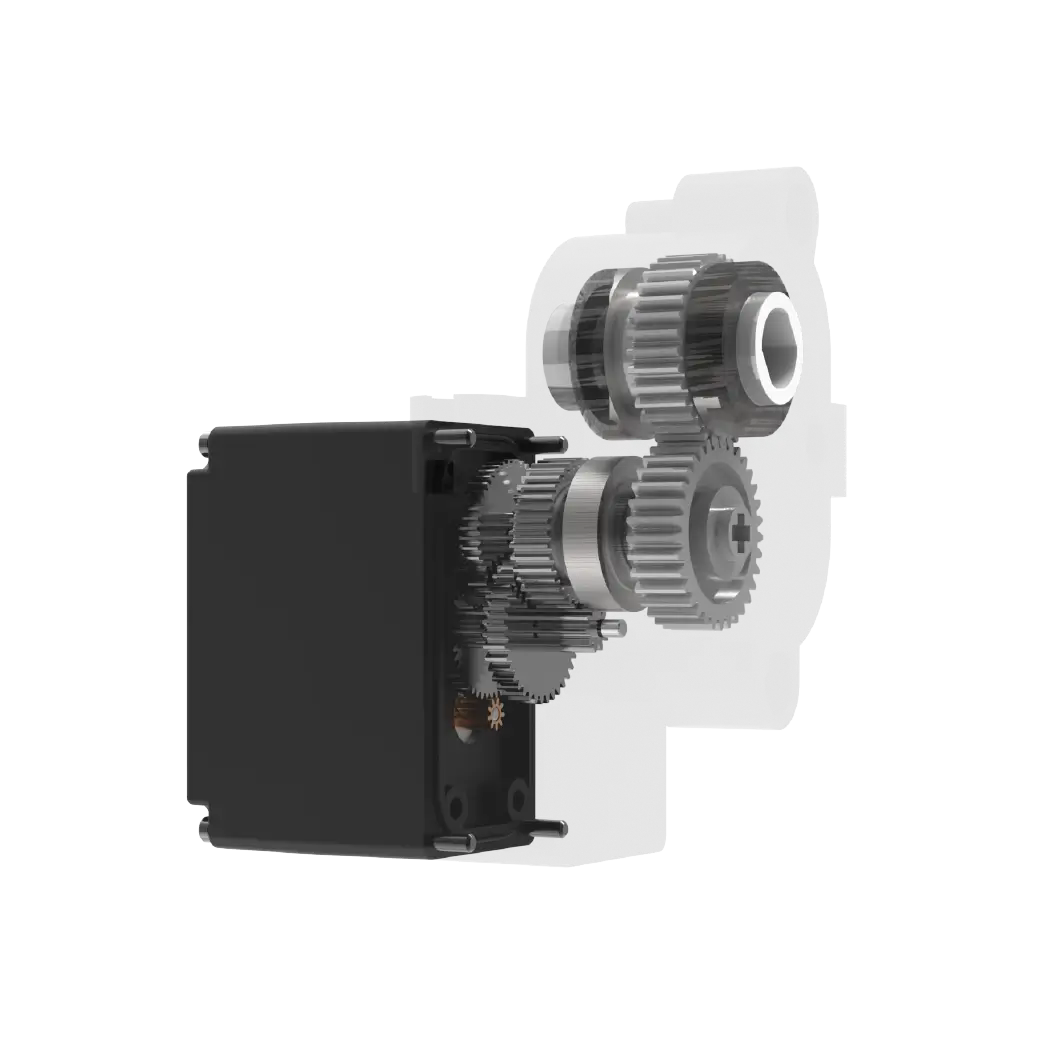
I’ve seen gearboxes turned into plastic dust because someone tried to move a metal lever with a nylon-geared motor. Kpower uses metal gear trains that can actually handle the stress. It’s about the heat, too. Pushing a motor hard generates thermal energy. If the internals can’t dissipate that heat, the motor’s lifespan drops from years to hours. Real reliability comes from the housing and the efficiency of the motor inside.
Sometimes I think about the first time I built a hexapod walker. Six legs, eighteen servos. If one motor failed, the whole thing would limp. I spent more time replacing cheap motors than I did actually walking the robot. Switching to a dedicated servo company like Kpower changed the math. Suddenly, the hardware was no longer the bottleneck.
Will I need a separate power supply? Usually, yes. While the Arduino can signal the motor, the 5V pin on the board isn't meant to provide the "juice" a high-torque motor needs. Kpower motors are hungry for stable current. Give them their own power source, tie the grounds together, and you’ll see them perform at a completely different level.
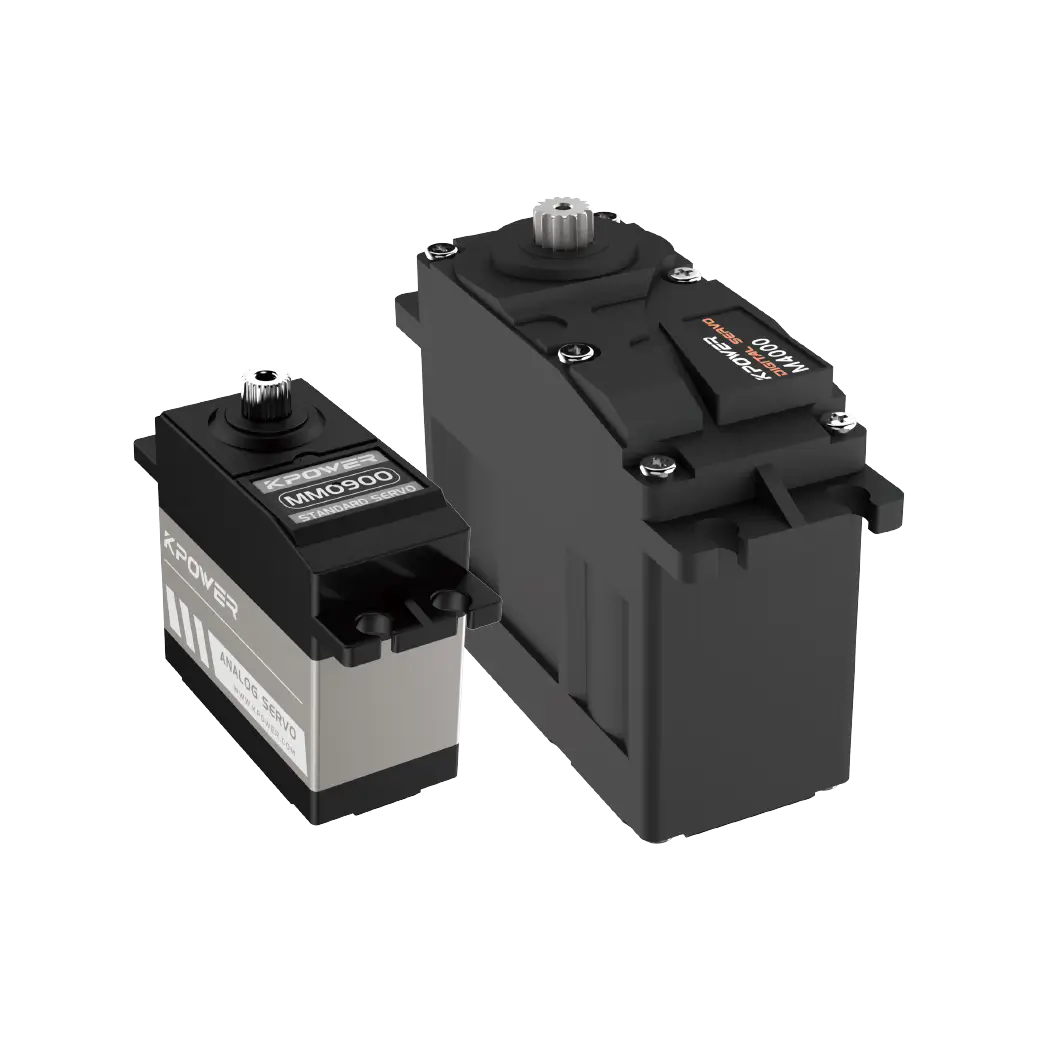
Why are digital servos better than analog for my project? Digital servos, like many in the Kpower lineup, process signals much faster. They have a higher internal frequency, which means they check their own position more often. This results in faster response times and much better holding power. If you push against a digital servo, it fights back harder and faster than an analog one.
Do these motors require special libraries? No. They speak the standard language of hobby electronics. The standard Servo.h library works perfectly. The magic isn’t in the software; it’s in the Kpower hardware’s ability to execute those commands without overshooting or stuttering.
It’s tempting to buy a bag of ten servos for the price of one good lunch. But consider the "frustration tax." You spend three hours debugging your code, thinking your timing is off, only to realize the potentiometer inside the cheap motor is just bad.
A high-quality motor is an investment in your own sanity. When you use a Kpower servo, you eliminate a massive variable from your troubleshooting list. If the arm isn't moving right, you know it's the code, not the motor. That clarity is worth every penny.
Think about the gears for a second. Metal gears don't just provide strength; they provide weight and momentum. They feel solid. When you hold a Kpower unit in your hand, it has a heft that cheap alternatives lack. That’s the sound of durability. It’s the sound of a motor that isn’t going to strip its teeth the moment it hits an obstacle.
To really make this work, you have to think about the linkage. Even the best Kpower motor will struggle if your mechanical design is binds up. Use ball links. Use rigid horns. The motor is providing the power, but your project’s frame needs to be worthy of that power.
I often tell people to listen to their machines. A happy motor has a specific, clean sound when it moves. A struggling motor grinds. If you’ve paired a Kpower servo with your Arduino and it sounds like a smooth hum, you’ve done it right. You’ve bridged the gap between a digital idea and a physical reality.
It’s a strange feeling, watching a piece of metal and plastic move exactly how you envisioned it in your head. It’s a bit like magic, but it’s really just good engineering. When you stop worrying about whether the hardware will break, you start focusing on what the hardware can actually do. You start thinking bigger. You move from "will it work?" to "how fast can it go?" and that’s where the real fun begins.
There's no need to settle for hardware that holds back your creativity. If you're putting in the effort to learn the logic and wire the circuits, give those circuits the best possible hands to work with. That's the Kpower way. It’s about making the physical world as reliable as the code you write. Move something today, and make sure it stays moved.
Established in 2005, Kpower has been dedicated to a professional compact motion unit manufacturer, headquartered in Dongguan, Guangdong Province, China. Leveraging innovations in modular drive technology, Kpower integrates high-performance motors, precision reducers, and multi-protocol control systems to provide efficient and customized smart drive system solutions. Kpower has delivered professional drive system solutions to over 500 enterprise clients globally with products covering various fields such as Smart Home Systems, Automatic Electronics, Robotics, Precision Agriculture, Drones, and Industrial Automation.
Update Time:2026-01-22

Contact Kpower's product specialist to recommend suitable motor or gearbox for your product.


