

TECHNICAL SUPPORT


Published 2026-01-22
Ever stood in a workshop at 2 AM, staring at a custom-built RC aircraft or a specialized robotic rig that just won't move the way it’s supposed to? It’s frustrating. You’ve got the carbon fiber frame, the high-end power system, and the code is clean, but the movement is jittery. Or worse, theservostarts smoking because it couldn’t handle the side-load. It feels like trying to run a marathon in flip-flops. You need something that doesn't just "work," but actually belongs in your machine.
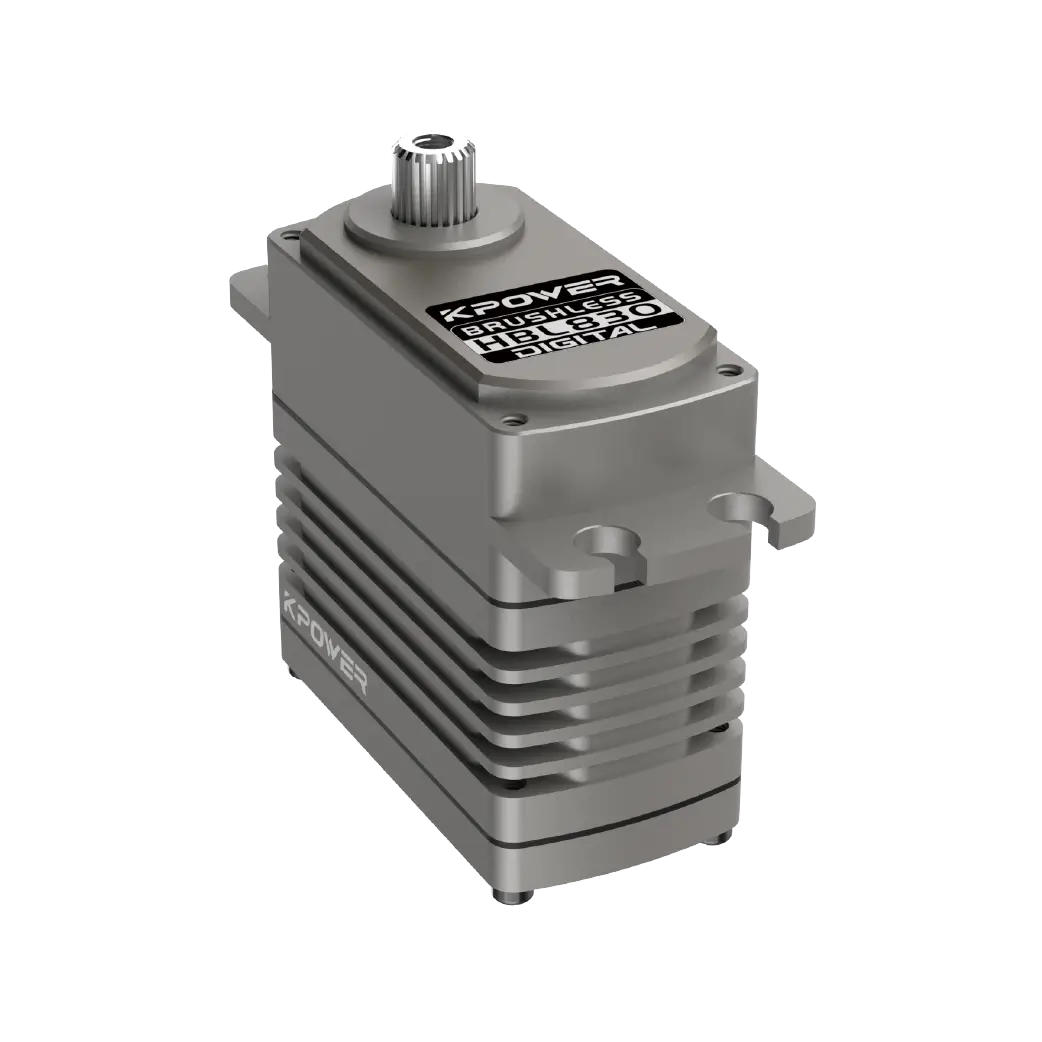
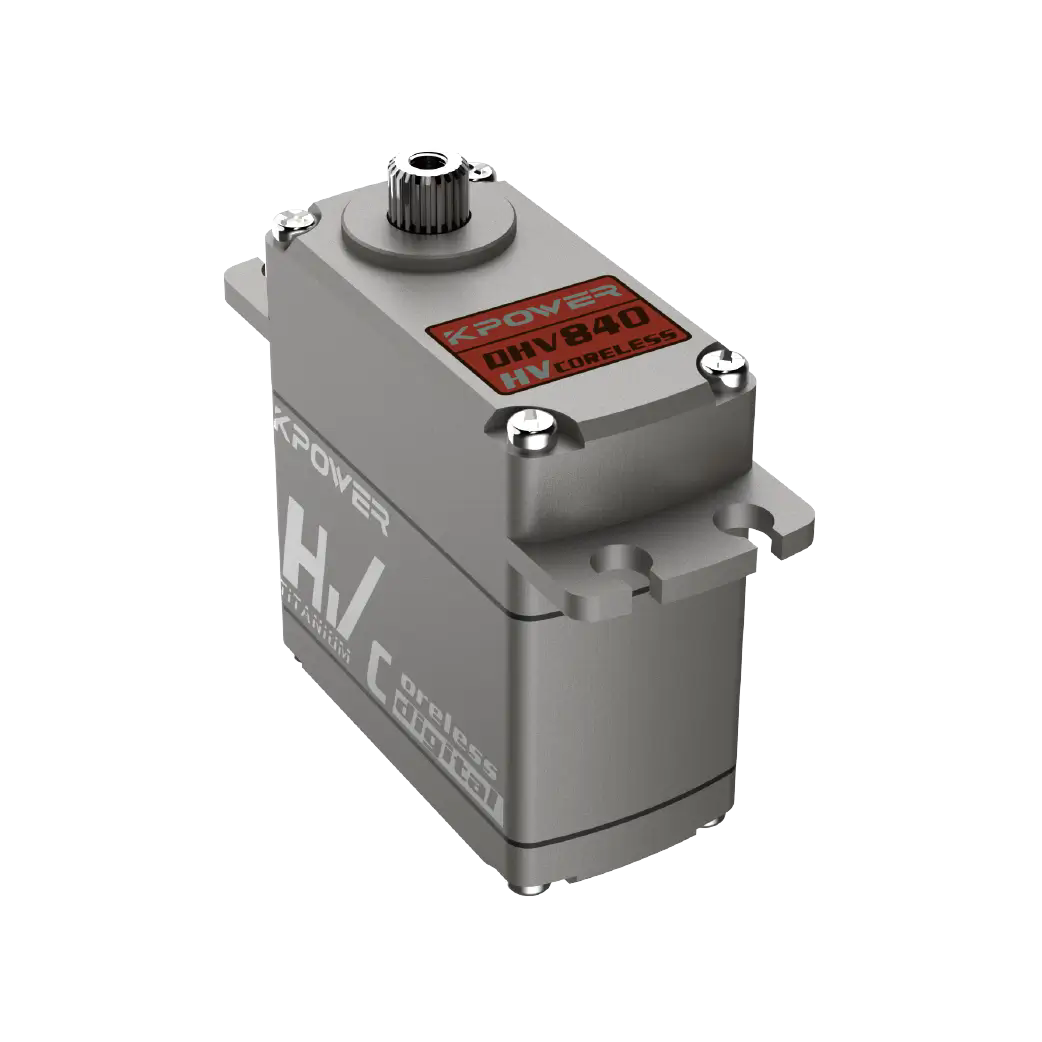
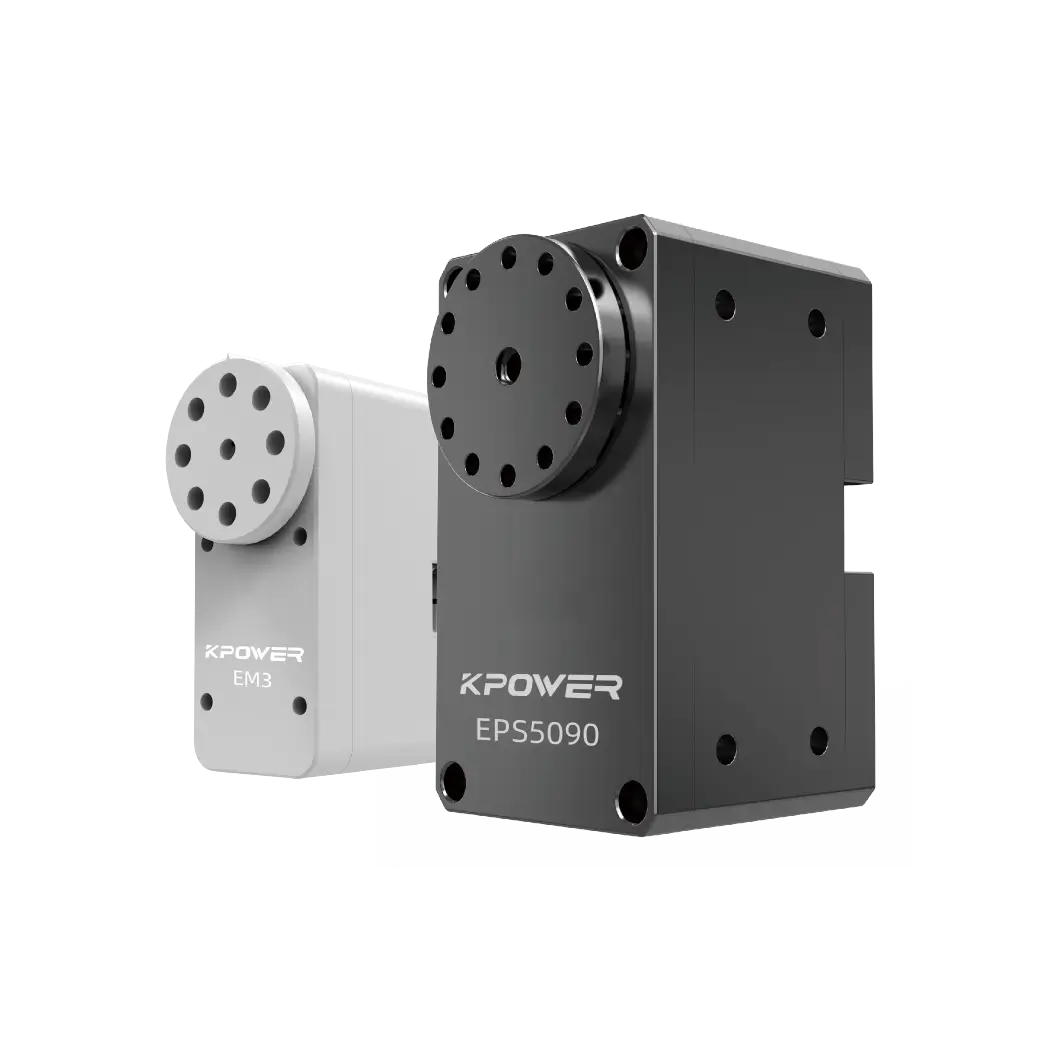
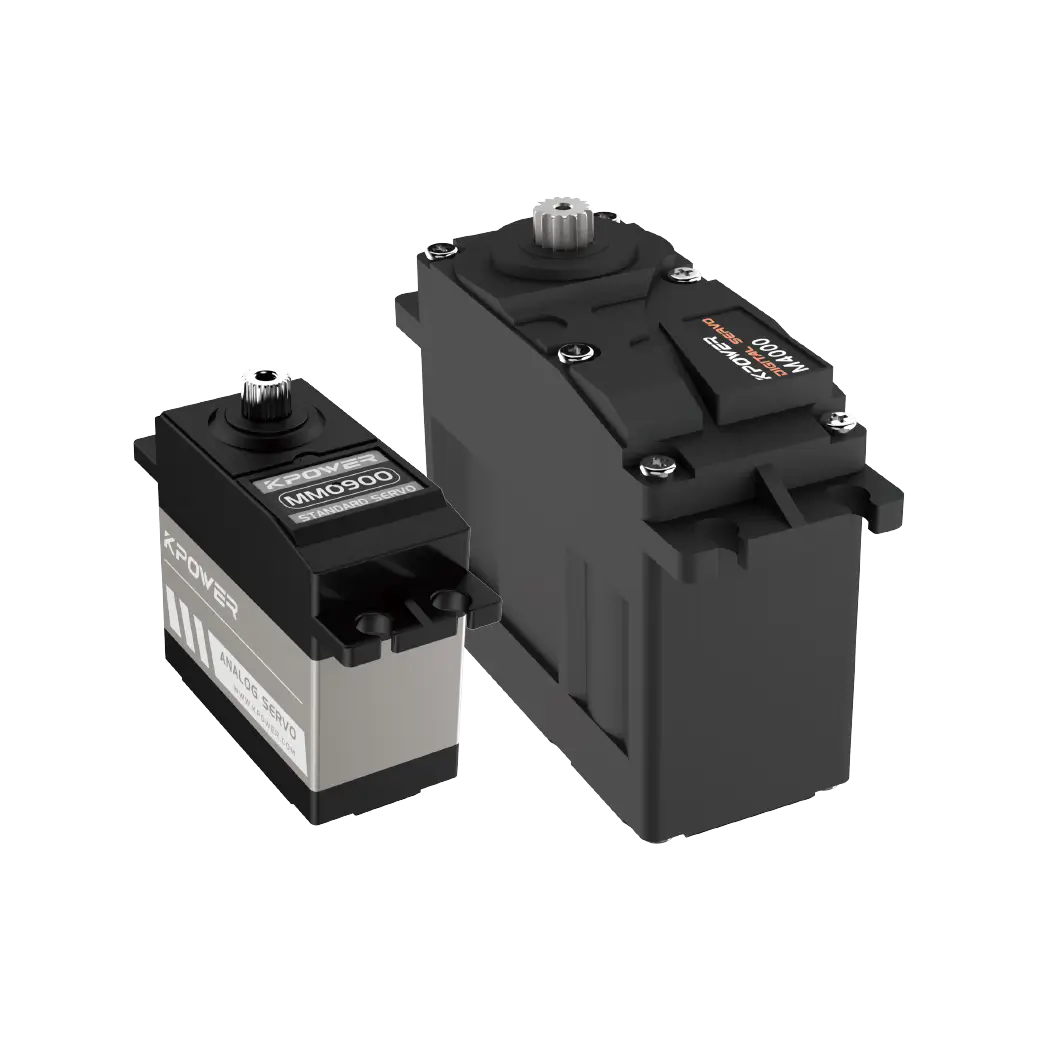
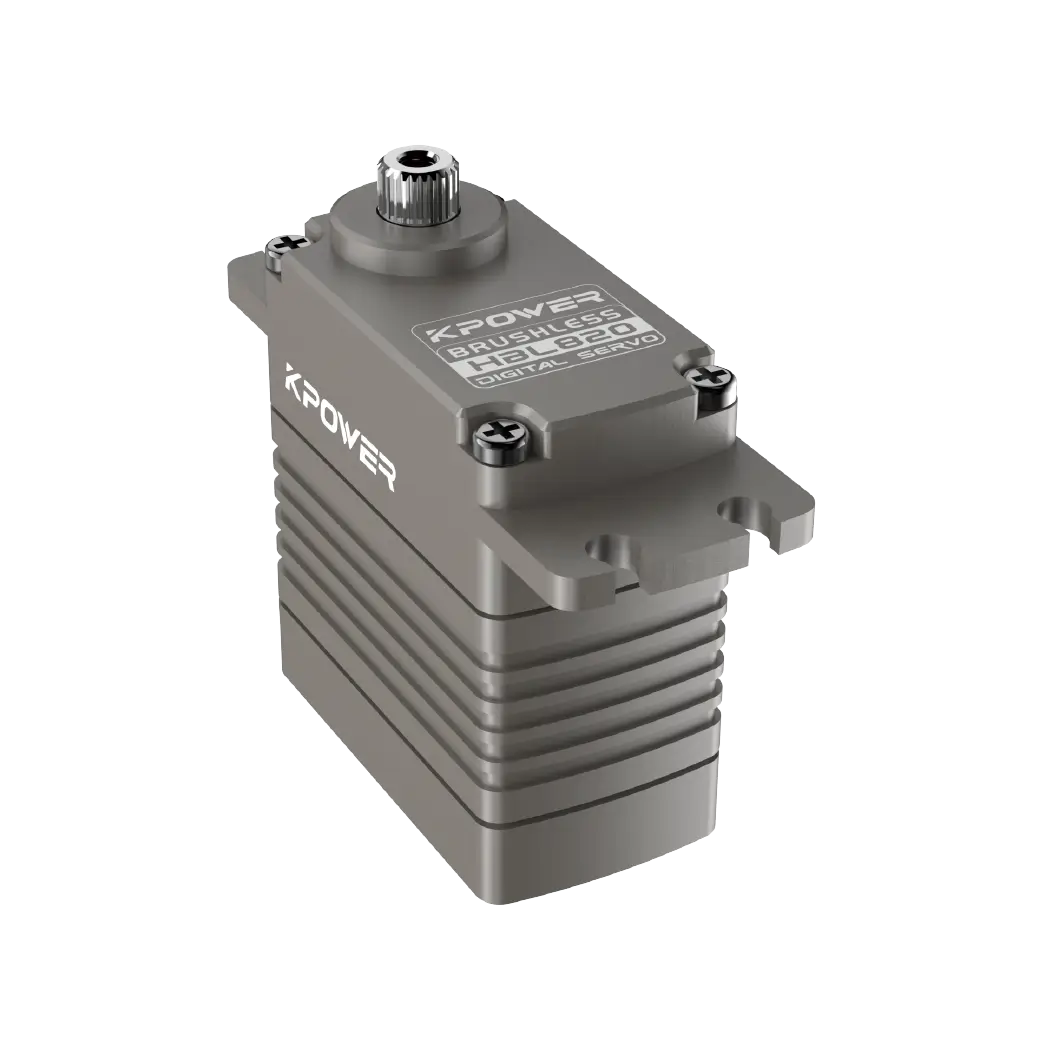
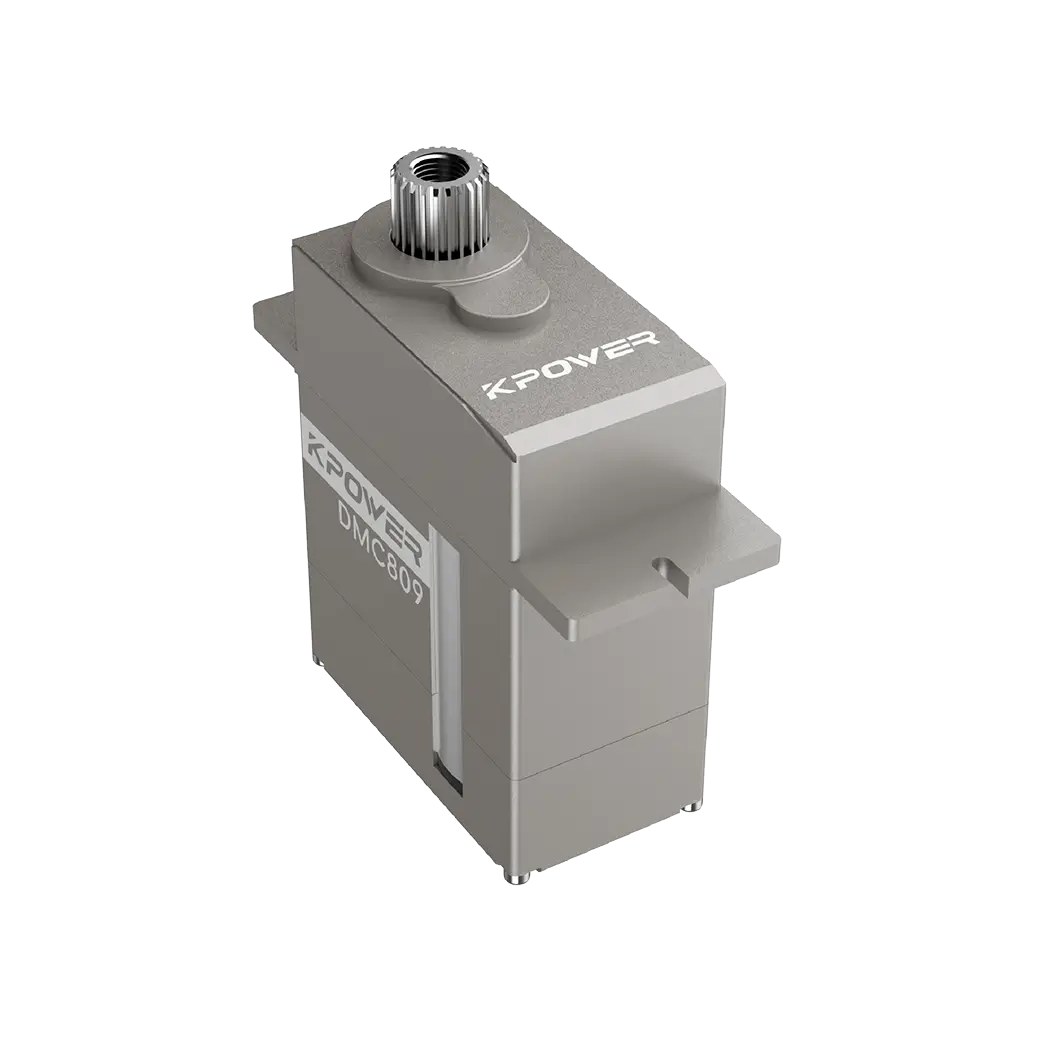
This is where the concept of a remote controlservoODM becomes the silent hero of the mechanical world.
Most people think aservois just a plastic box with some wires. You go online, find a cheap one with a decent torque rating, and hit "buy." But then reality hits. Maybe the spline doesn’t fit your custom linkage. Maybe the refresh rate is too slow for your stabilization gyro. Or perhaps the internal gears are made of a metal that’s about as durable as hard candy.
Standard servos are built for the average user. But your project isn't average. If you're building a specialized underwater ROV or a high-torque industrial drone, "average" is a recipe for failure.
Atkpower, the approach isn't about pushing a catalog. It’s about looking at that 2 AM frustration and saying, "Let’s build the heart of the machine specifically for the ribcage you designed." That’s the soul of ODM—Original Design Manufacturing. It’s not just a logo on a box; it’s changing the internals, the housing, and the firmware to match a specific nightmare you're trying to solve.
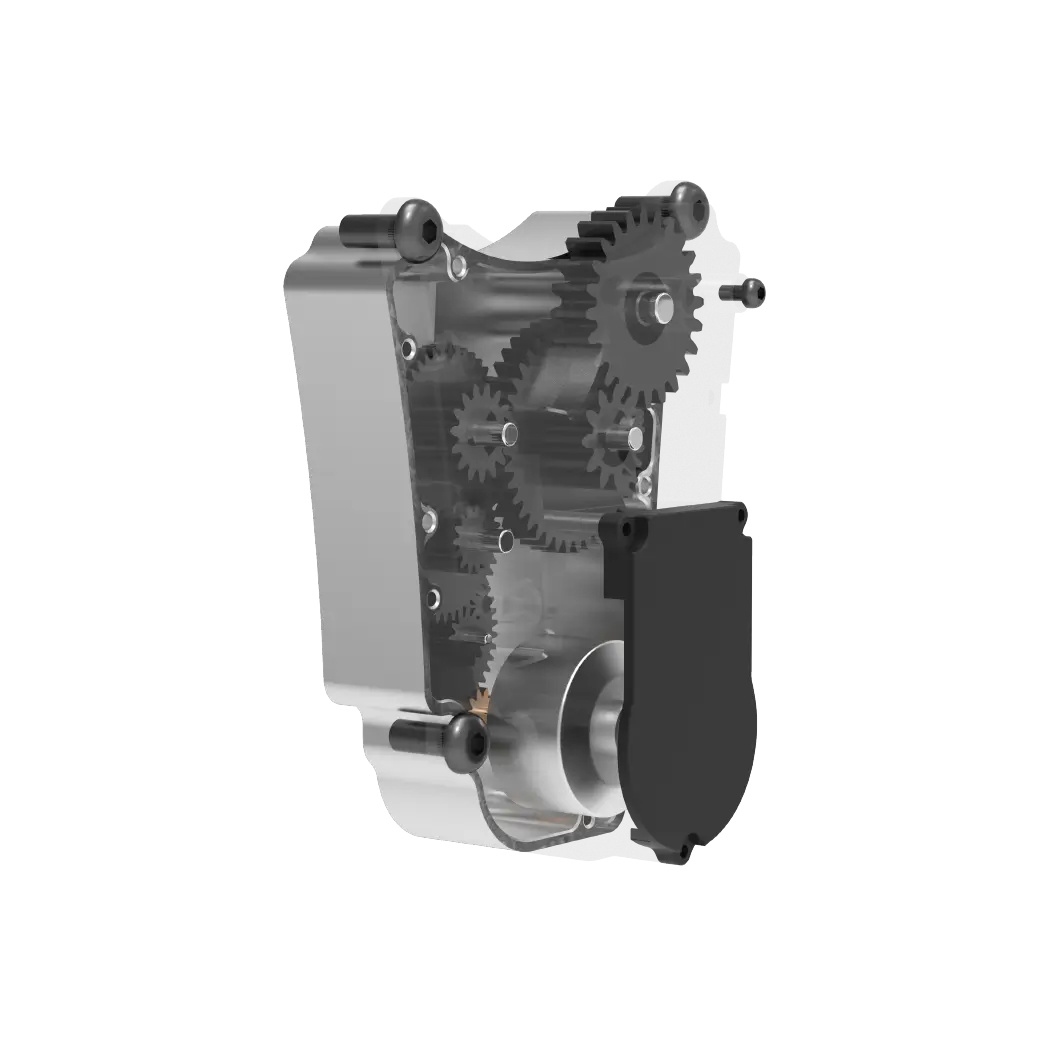
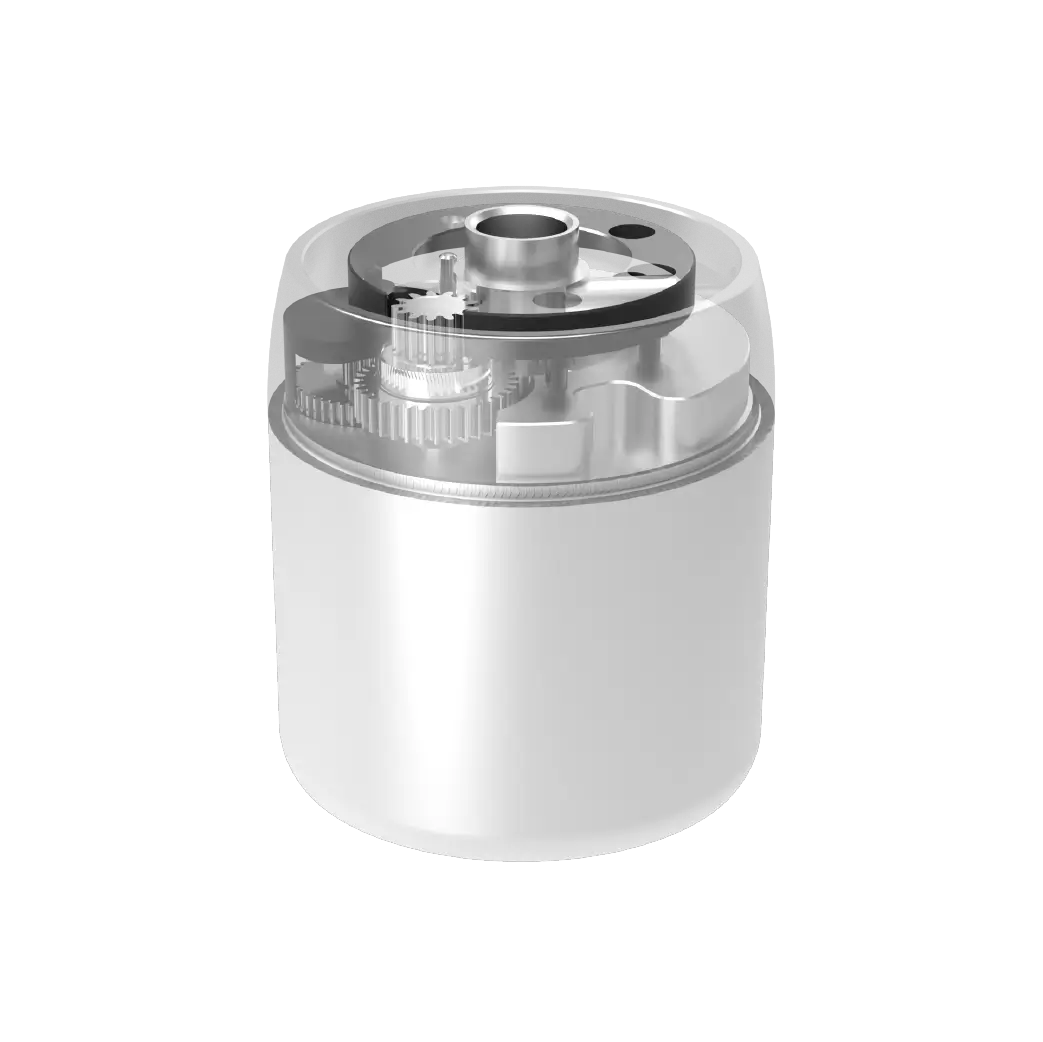
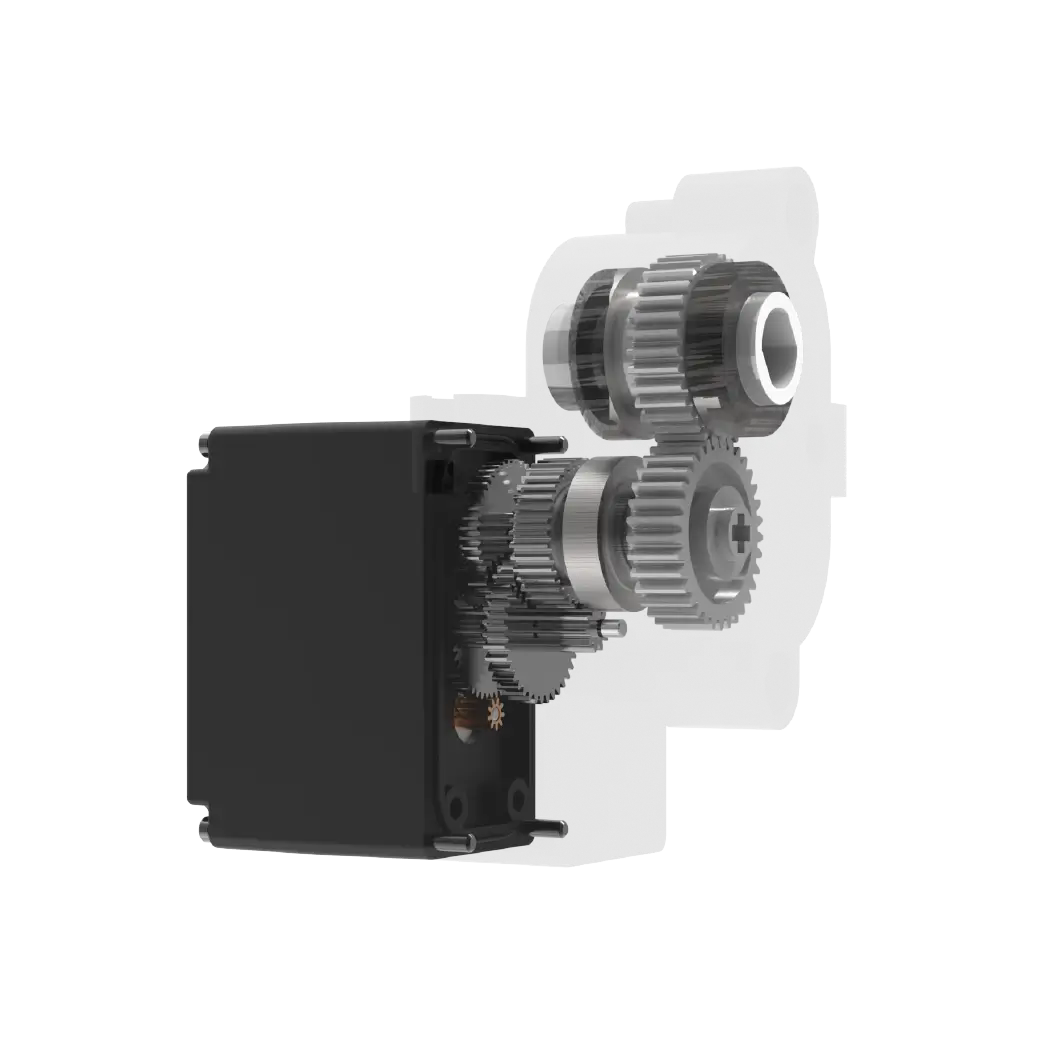
Let’s talk about the "innards" for a second. Have you ever opened a cheap servo? It’s often a mess of grease and thin wires. When we talk about high-end remote control servo ODM, we’re looking at several layers of customization:
You could. But have you ever tried to re-solder a potentiometer on a micro-servo while keeping the housing waterproof? It’s a nightmare. Plus, when you modify one, you can't replicate it at scale. If your project grows from one prototype to a hundred units, you can't be sitting there with a soldering iron and a prayer.
Working withkpoweron an ODM basis means the consistency is baked in. Every unit performs exactly like the first "perfect" one. It’s about taking the hobbyist's passion and giving it industrial-grade reliability.
Q: Isn't custom manufacturing only for giant corporations? Actually, no. The world has changed. Whether you need a specific shell shape to fit a tight wing cavity or a weird voltage range like 12V or 14.4V, the barrier to entry is lower than you think. It's about finding the right partner who doesn't mind getting their hands dirty with a niche design.
Q: What if I only need a small change, like a longer wire? That's the beauty of it. ODM isn't always about reinventing the wheel. Sometimes it's just about making the wheel fit your axle. Longer leads, different connectors, or even a specific color of anodized aluminum for the case—Kpower handles the "small" things because we know they aren't actually small when you're trying to assemble a final product.
Q: How do I know the gears won't strip under pressure? We test them. Not just "turn it on and see if it moves" testing, but "run it until it dies" testing. We look at the stall torque and the thermal limits. When you specify a requirement for an ODM project, the result is a product that has been validated against your specific stress points.
There’s a specific sound a high-quality servo makes. It’s a quiet, digital hum, followed by a crisp click of the gears locking into position. No overshoot. No hunting for the center. Just absolute, boring reliability.
I remember a project involving a remote-controlled camera gimbal for extreme weather. The standard servos would seize up because the grease got too thick in the cold. The Kpower solution involved a specific low-temp lubricant and a custom-sealed housing. It wasn’t a "new" invention, but it was the right invention for that specific problem. That’s what we do.
If you’re tired of compromising your mechanical designs because the "available" servos are too weak, too big, or too fragile, it’s time to stop looking at catalogs and start looking at blueprints.
The goal is to make the electronics invisible. When the servo is designed perfectly for the application, you stop thinking about it. It just becomes an extension of the machine's limb or the boat's rudder. You get to focus on the big picture—the flight, the race, or the mission—while Kpower handles the precise degrees of rotation.
Don't settle for a component that was designed for someone else's project. Your machine deserves a heart that was built for it. Let's see how far we can push the limits of what a small, powerful box can do. It's not just about remote control; it's about total control.
Established in 2005, Kpower has been dedicated to a professional compact motion unit manufacturer, headquartered in Dongguan, Guangdong Province, China. Leveraging innovations in modular drive technology, Kpower integrates high-performance motors, precision reducers, and multi-protocol control systems to provide efficient and customized smart drive system solutions. Kpower has delivered professional drive system solutions to over 500 enterprise clients globally with products covering various fields such as Smart Home Systems, Automatic Electronics, Robotics, Precision Agriculture, Drones, and Industrial Automation.
Update Time:2026-01-22

Contact Kpower's product specialist to recommend suitable motor or gearbox for your product.


