

TECHNICAL SUPPORT


Published 2026-01-22
The garage was quiet, save for the hum of a soldering iron and the rhythmic clicking of a prototype robotic arm that just wouldn’t behave. I’ve been in this position more times than I care to admit. You design the perfect chassis, the geometry is flawless, the code is elegant, but the movement? It’s jittery. It’s weak. It feels like the machine is fighting itself.
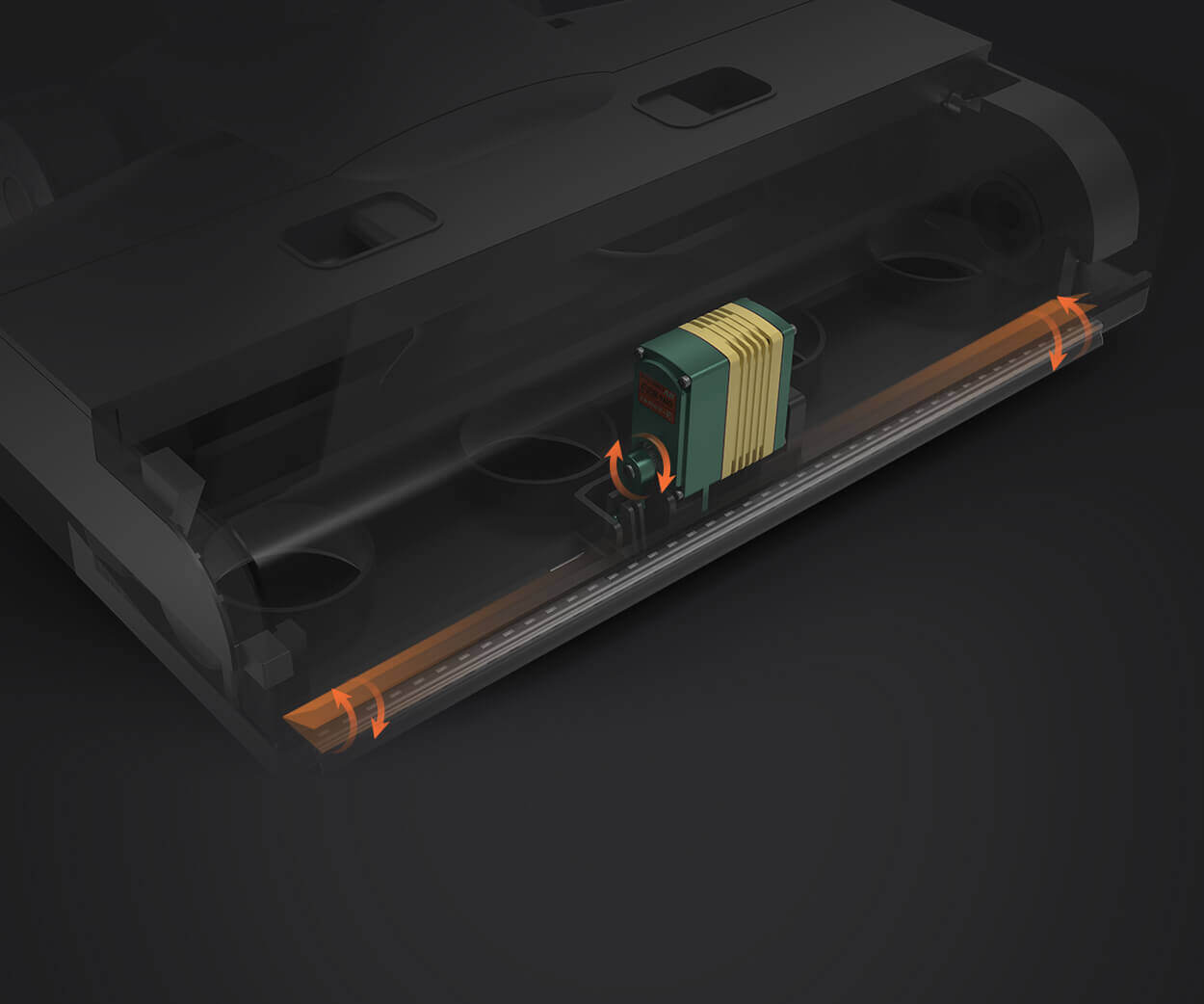
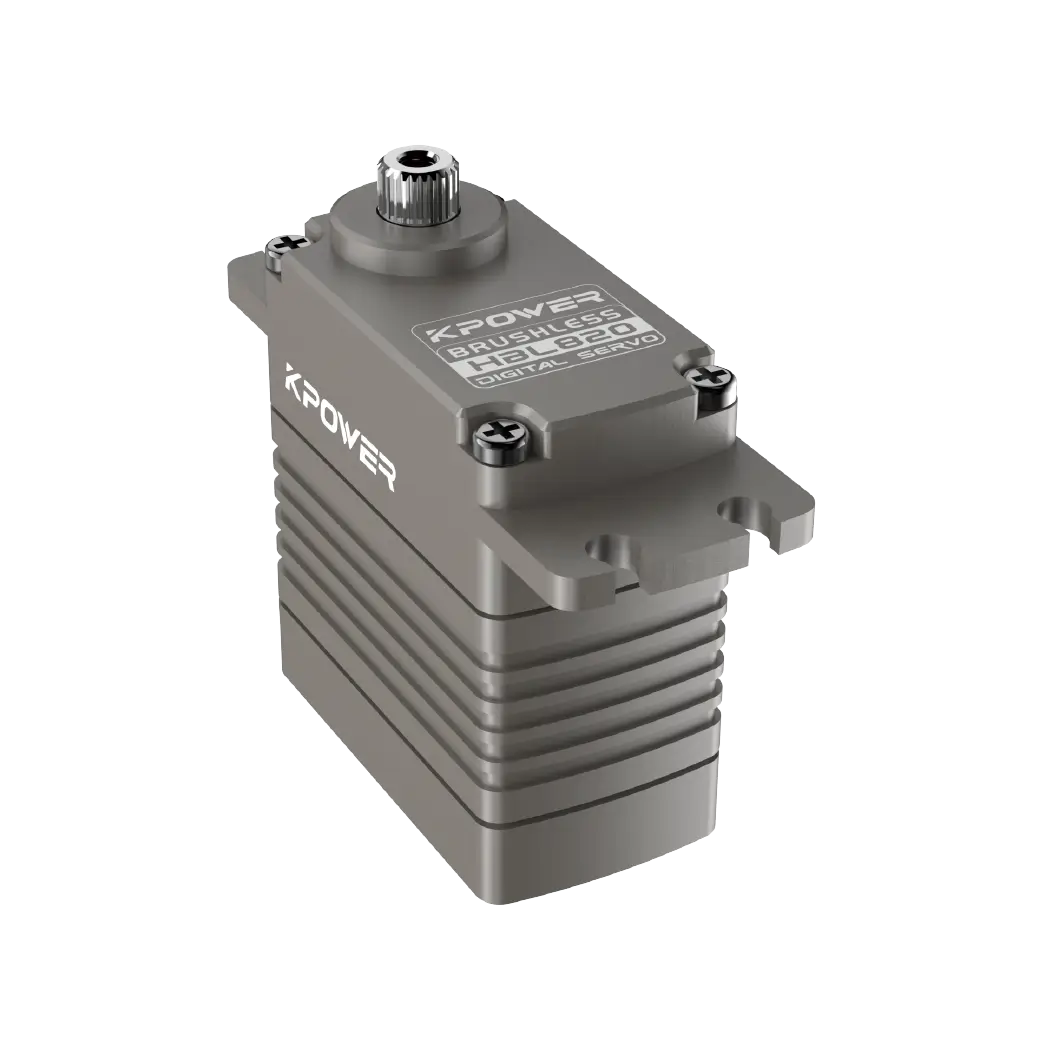
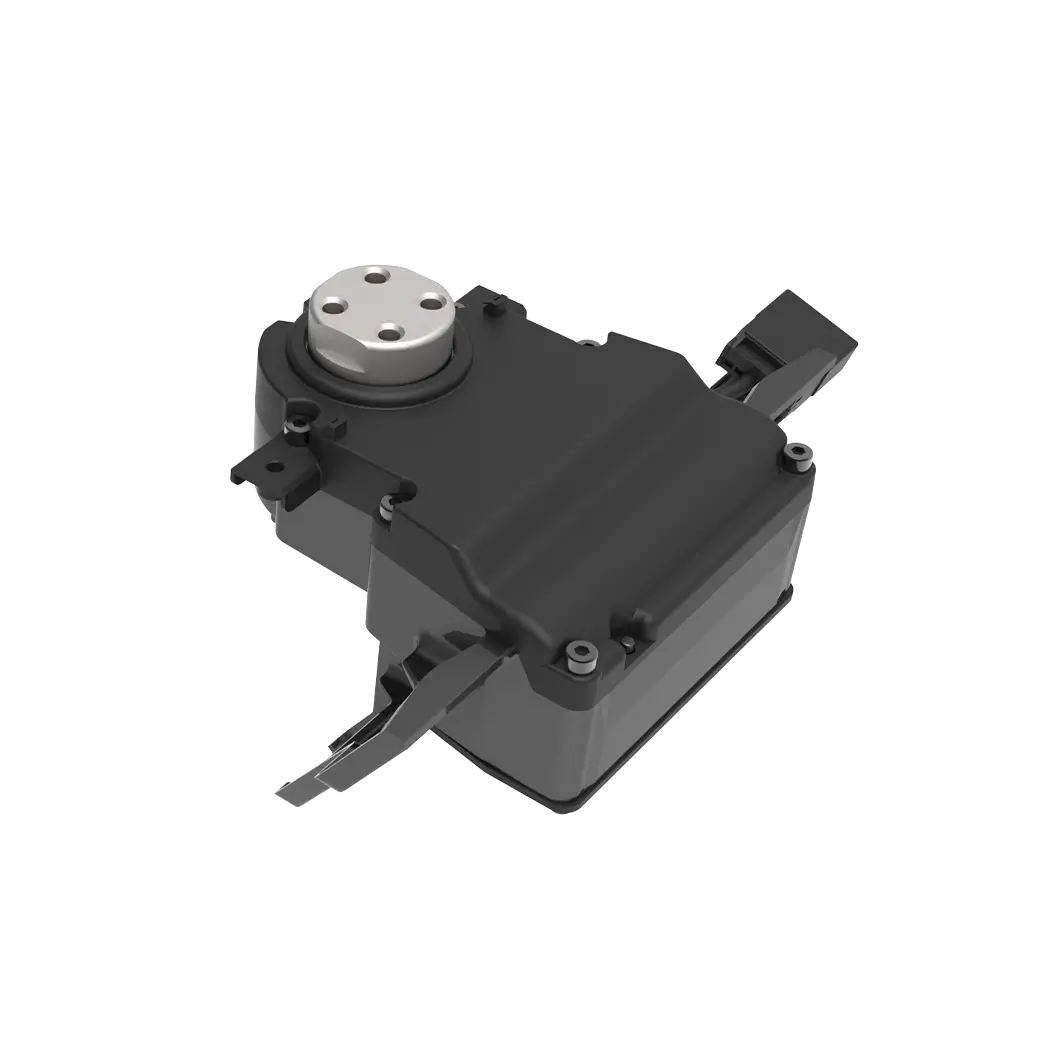
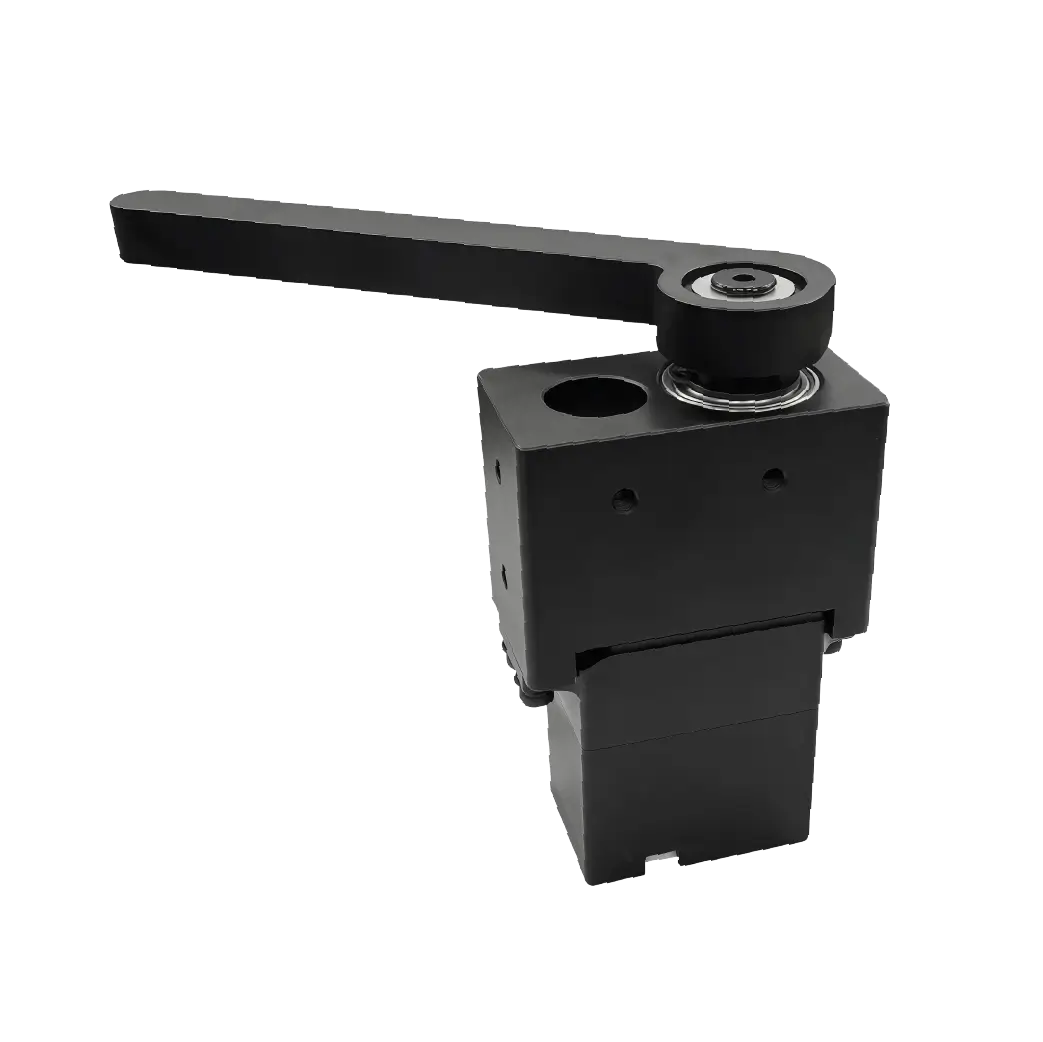
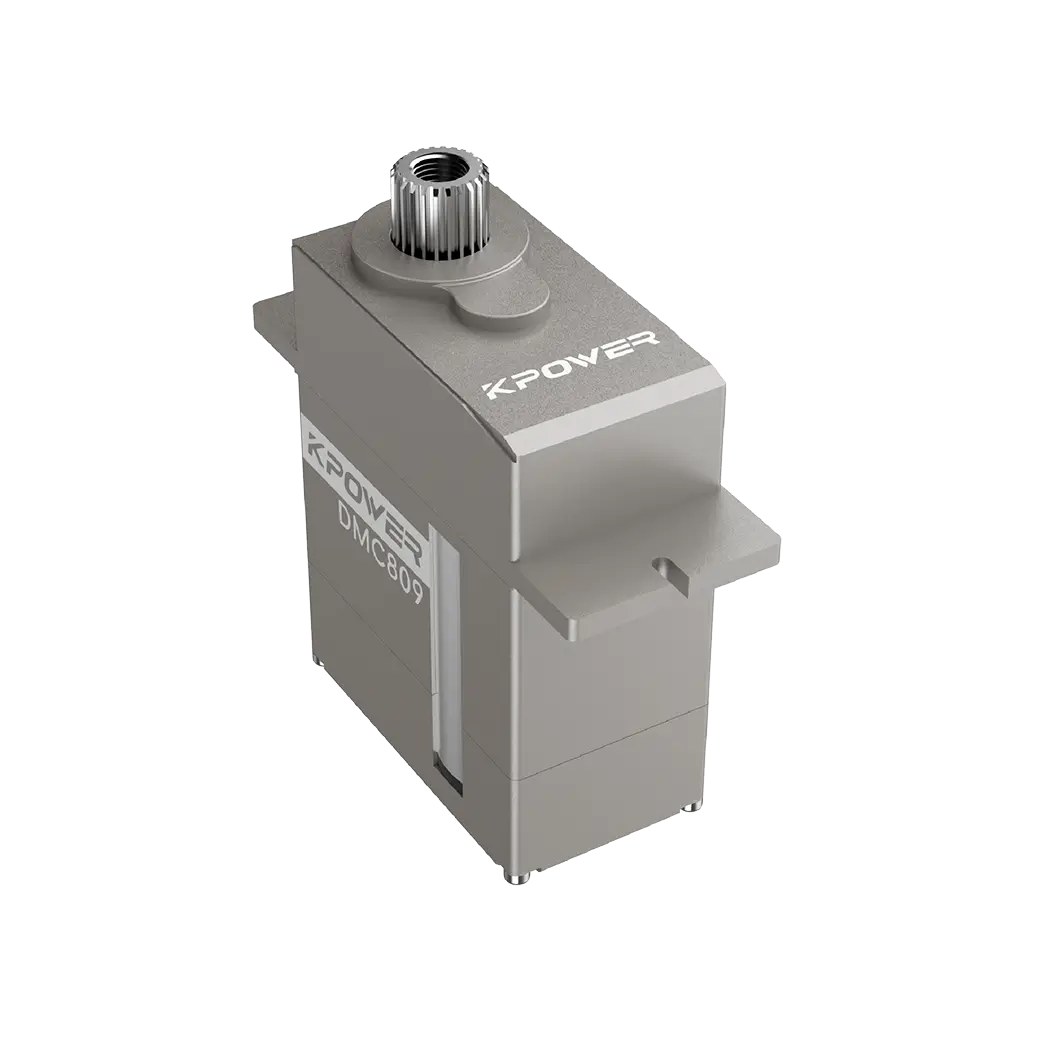
The culprit is almost always the same: a "standard"servothat was never meant for the specific stress you're putting it through. This is where the conversation about a remote controlservoOEM starts to get interesting. It’s not just about buying a part; it’s about finding the missing piece of a puzzle you didn't know you were solving.
You start with off-the-shelf parts because they’re easy. But then you realize that "standard" usually means "average." If your project needs a specific torque curve at a very narrow voltage range, or if the mounting tabs need to be 2mm thinner to fit a tight carbon fiber frame, the off-the-shelf stuff fails you.
I’ve seen people try to shave down plastic casings or override stall currents just to make a genericservowork. It’s a mess. It’s like trying to put a truck engine into a lawnmower—sure, it might move, but for how long?
The real shift happens when you stop trying to adapt your design to the servo and start making the servo adapt to your design. That is the core of whatkpowerdoes. They don't just hand you a box; they give you a solution that fits the physical and electrical reality of your machine.
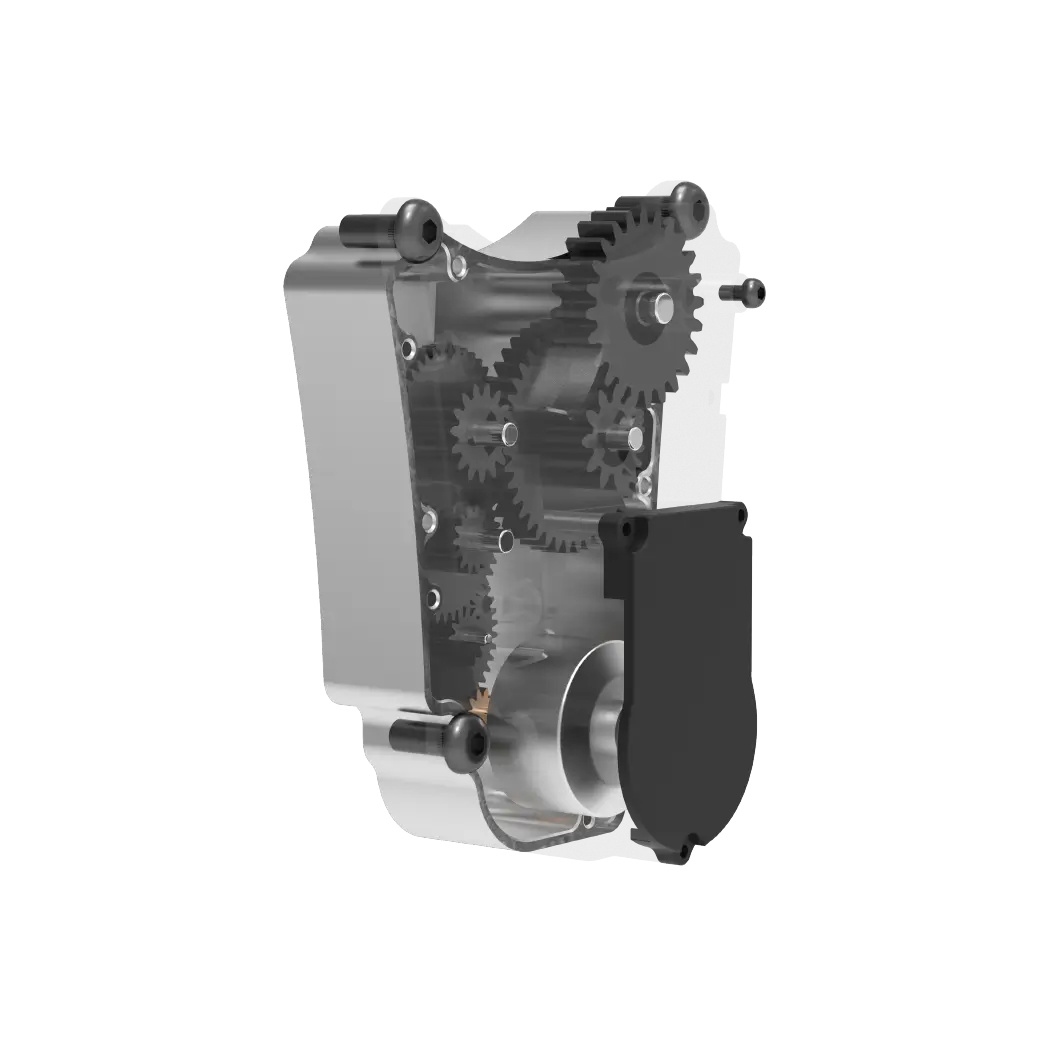
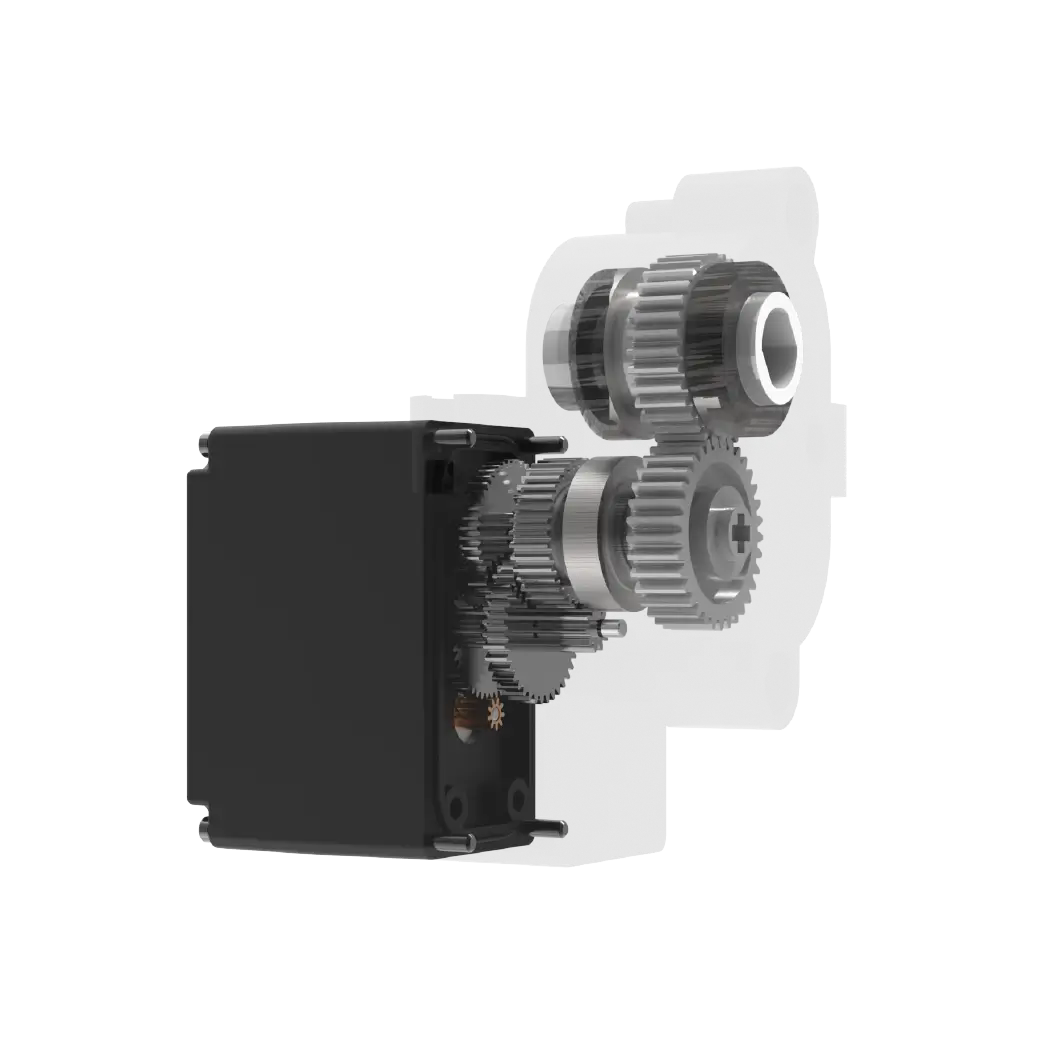
Think about the gears. Most people think "metal gears" is a binary choice. But what kind of metal? Brass is quiet but soft. Steel is tough but heavy. Titanium alloys? Now we’re talking about high-endurance, high-stakes environments. When you look into a remote control servo OEM partnership, you’re choosing the actual DNA of the movement.
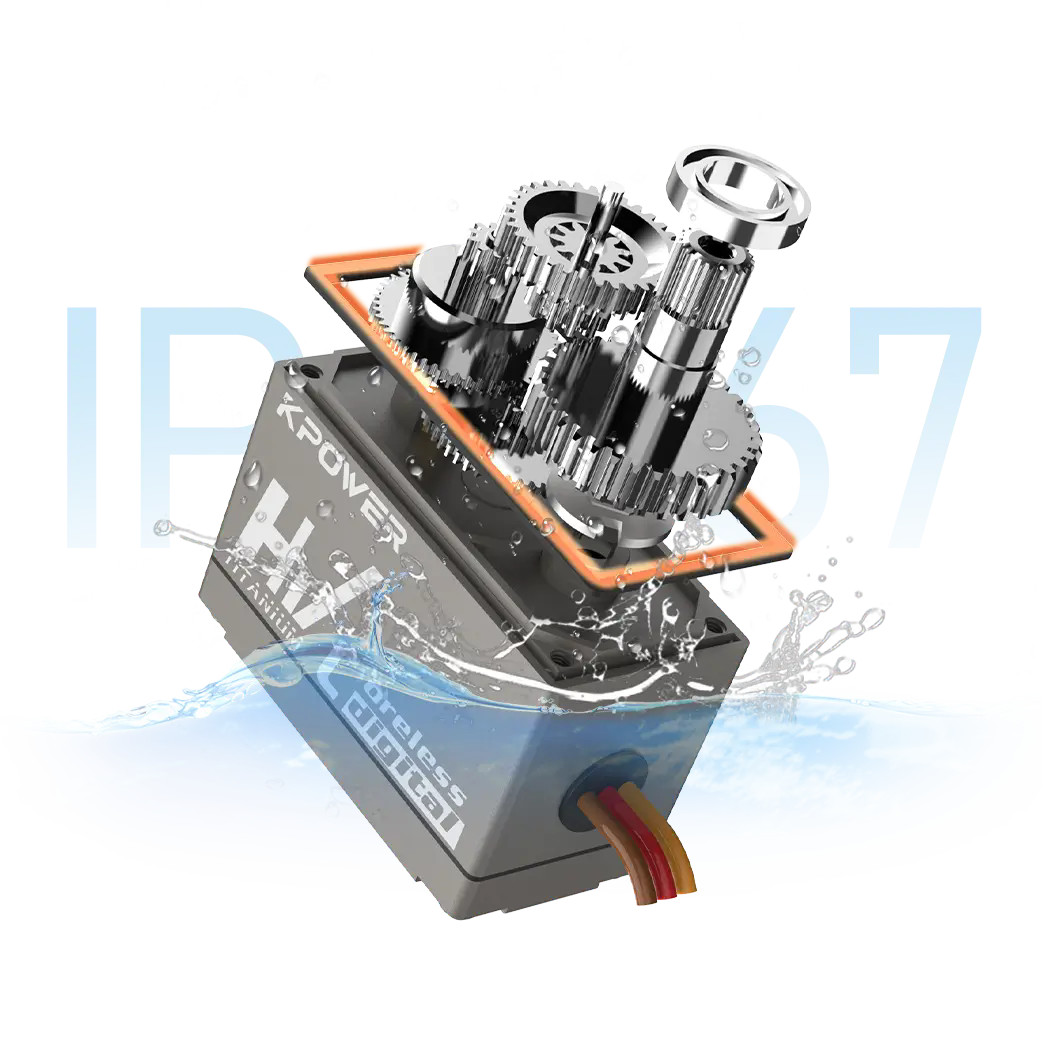
If you’re building something that needs to survive salt spray or extreme heat, a generic blue-case servo will die in forty minutes. I once worked on a project where the humidity alone was killing the potentiometers. Switching to akpowercustom build with specific sealing and high-grade internal components changed everything. The machine didn't just work; it thrived.
If you’re moving toward a custom build, you need to be precise about what you actually need. Most people over-spec the torque and under-spec the speed, or vice-versa.
kpowerhandles these variables by digging into the actual application. They look at the heat dissipation of the aluminum shell and the tooth profile of the gear train. It’s the difference between a suit off the rack and one tailored in Italy.
Q: Isn’t OEM only for massive companies making millions of units? Actually, no. The beauty of modern manufacturing is that the gap between a prototype and a production run has narrowed. kpower works with projects that require specific performance metrics that "hobby grade" stuff just can't hit, regardless of the scale.
Q: Can’t I just use a more expensive retail servo? You could. But you’re paying for the retail brand’s marketing, the fancy packaging, and a bunch of features you might not even need. With an OEM approach, every cent goes into the specs that matter for your specific device. If you don't need a titanium case, why pay for it? Put that budget into a better brushless motor instead.
Q: What’s the biggest failure point in remote control servos? Heat and gear slop. Cheap servos develop "play" in the gears after a few hours of use. A well-designed kpower unit uses tighter tolerances and better materials so that the "dead band" stays small and the precision stays high for the life of the product.
It’s easy to get distracted by flashy specs on a website. "60kg torque!" "0.05sec speed!" But those numbers are useless if the servo draws so much current that it browns out your receiver.
I prefer a rational approach. A servo is a balance of electrical draw, thermal limits, and mechanical strength. When you work with kpower, you’re basically hiring a team to balance those scales for you. You get a component that doesn't just "fit," but actually enhances the stability of the entire system.
I remember a guy trying to build an autonomous underwater vehicle. He was obsessed with the depth rating. We talked about how the seals on the output shaft were more important than the thickness of the walls. It’s those tiny, non-linear details that make a project successful. You want a partner who knows that the O-ring material matters just as much as the motor’s KV rating.
Stop settling for "good enough." If your project is worth the time you’ve spent designing it, it’s worth a servo that doesn't act like a weak link. kpower has the infrastructure to take those weird, specific requirements and turn them into a reliable, repeatable reality.
When you get the hardware right, the rest of the project suddenly feels easier. The code works better because the hardware actually follows the commands. The battery lasts longer because the motors aren't fighting inefficient gear ratios. It’s a chain reaction of quality.
Look at your current project. Where is the vibration coming from? Where is the lag? If it’s in the joints, you know what you need to do. It’s time to stop shopping at the toy store and start talking to the people who actually build the heart of the machine.
Established in 2005, Kpower has been dedicated to a professional compact motion unit manufacturer, headquartered in Dongguan, Guangdong Province, China. Leveraging innovations in modular drive technology, Kpower integrates high-performance motors, precision reducers, and multi-protocol control systems to provide efficient and customized smart drive system solutions. Kpower has delivered professional drive system solutions to over 500 enterprise clients globally with products covering various fields such as Smart Home Systems, Automatic Electronics, Robotics, Precision Agriculture, Drones, and Industrial Automation.
Update Time:2026-01-22

Contact Kpower's product specialist to recommend suitable motor or gearbox for your product.


