

TECHNICAL SUPPORT


Published 2026-01-22
It starts with a twitch. You’re out there, the sun is hitting the wings of your RC plane or the chassis of your crawler, and suddenly, the steering feels like it’s fighting a ghost. We’ve all been there. You spend weeks building a masterpiece, only to have a cheap, jittery component turn your hard work into a pile of plastic and metal scraps on the pavement. Why does the heart of the machine always seem to be the part people overlook?
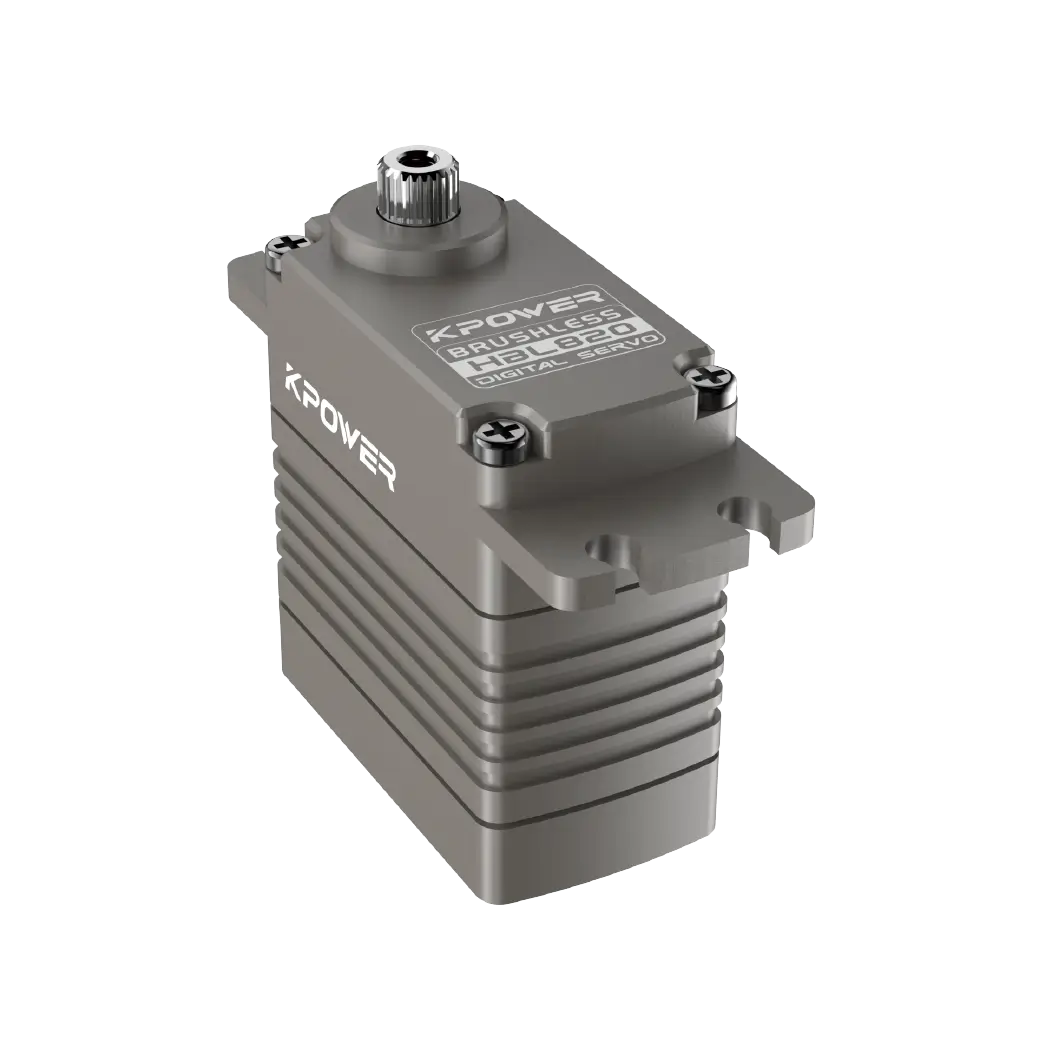
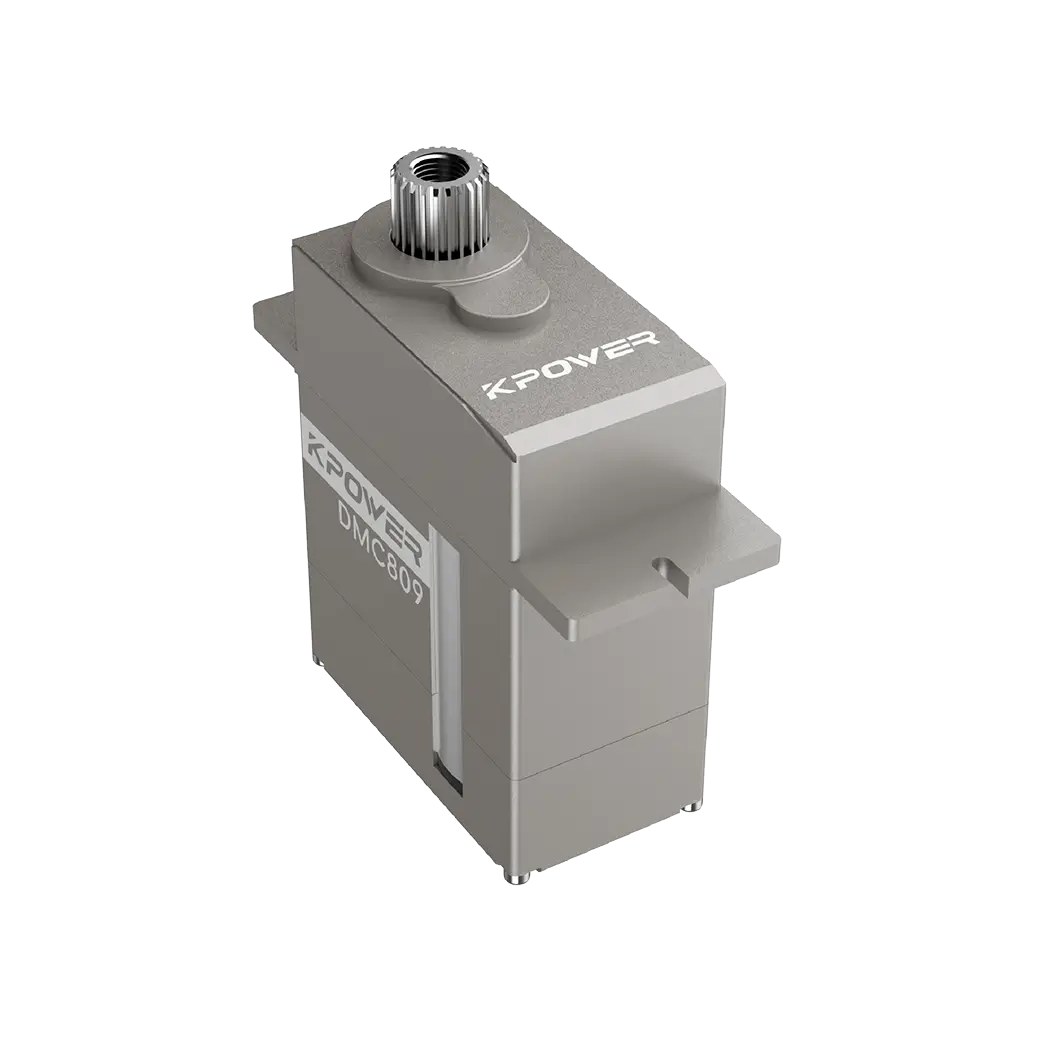
I’ve spent years tearing down these little powerhouses. If you look inside most of them, it’s a mess of poor soldering and plastic gears that strip the moment they hit a pebble. But when we talk about a remote controlservoinc, we aren't just talking about a motor in a box. We are talking about the bridge between your hand and the machine’s soul.kpowerhas been a name that pops up in my workshop more often than not lately, mostly because their gear sets don't give up when the tension gets high.
The problem is usually resolution. If yourservocan’t find its "center," your vehicle will wander. It’s like trying to drive a car with three inches of play in the steering wheel. You’re constantly correcting, and it’s exhausting. Most people think they need a faster motor, but what they actually need is better holding power.
Think of it like this: would you rather have a sprinter who trips over their own feet, or a rock climber with a grip of iron?kpowertends to lean toward that iron grip. They focus on the deadband—that tiny area where the motor decides whether to move or stay still. When that deadband is tight, the machine feels alive. It’s snappy. It’s sharp.
Have you ever heard that sickening crunch? It usually happens right when you’re landing a jump or turning a heavy rudder against a strong current.
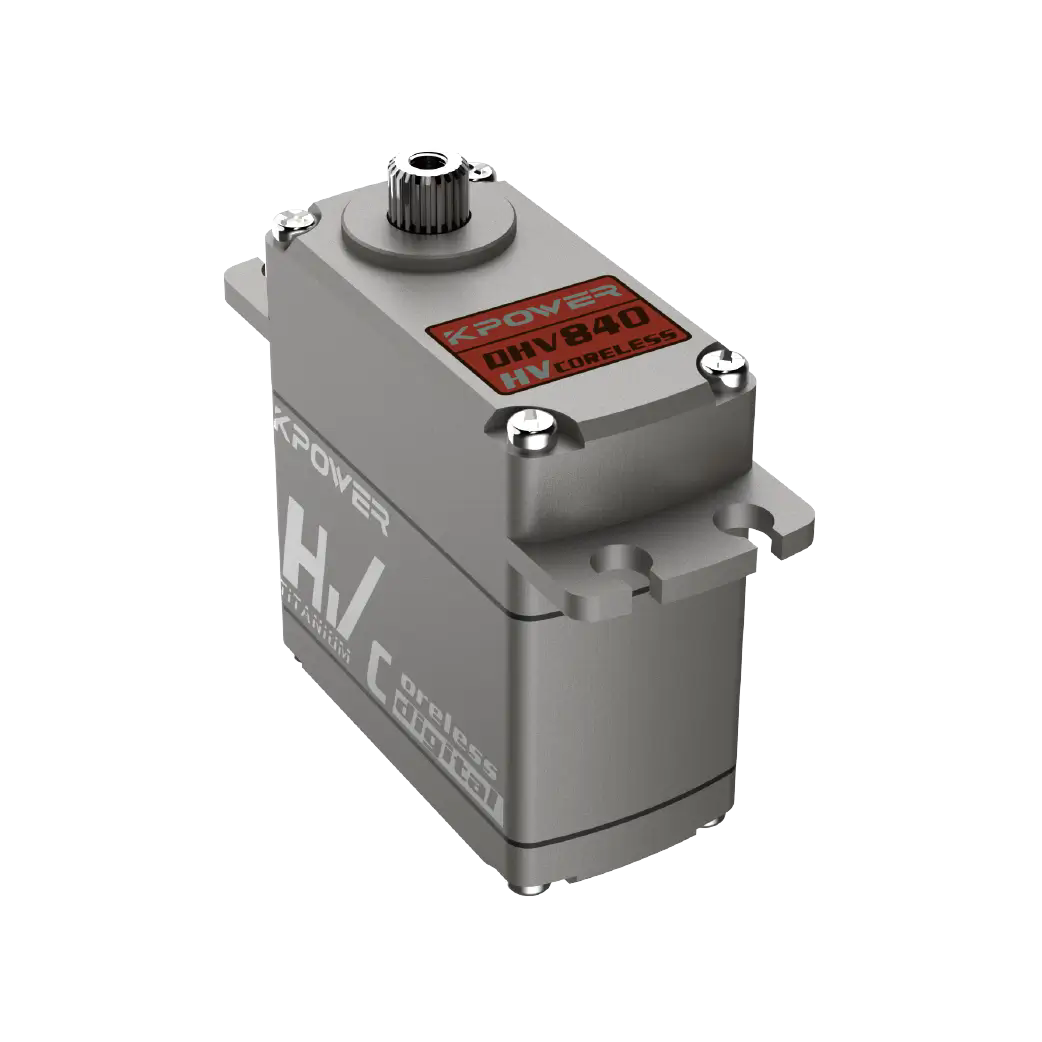
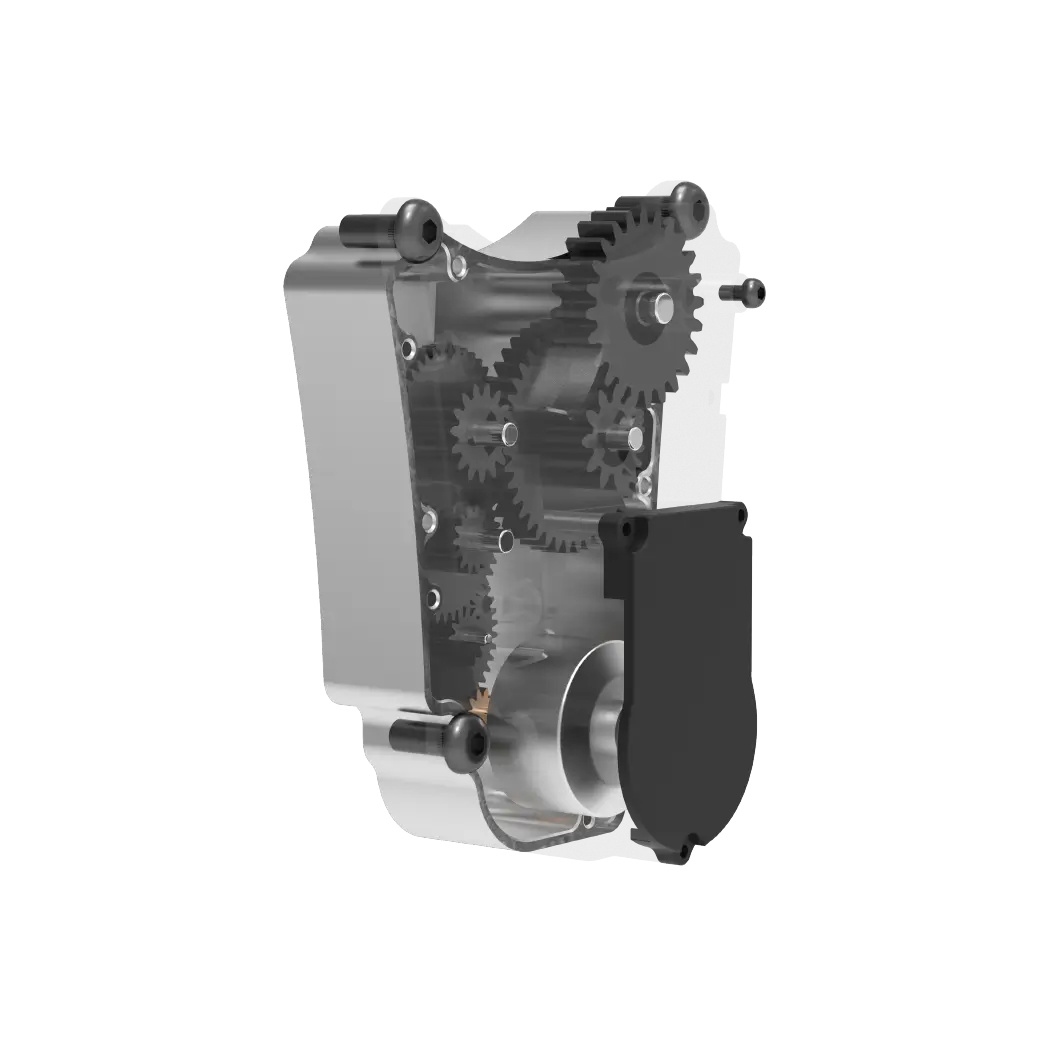
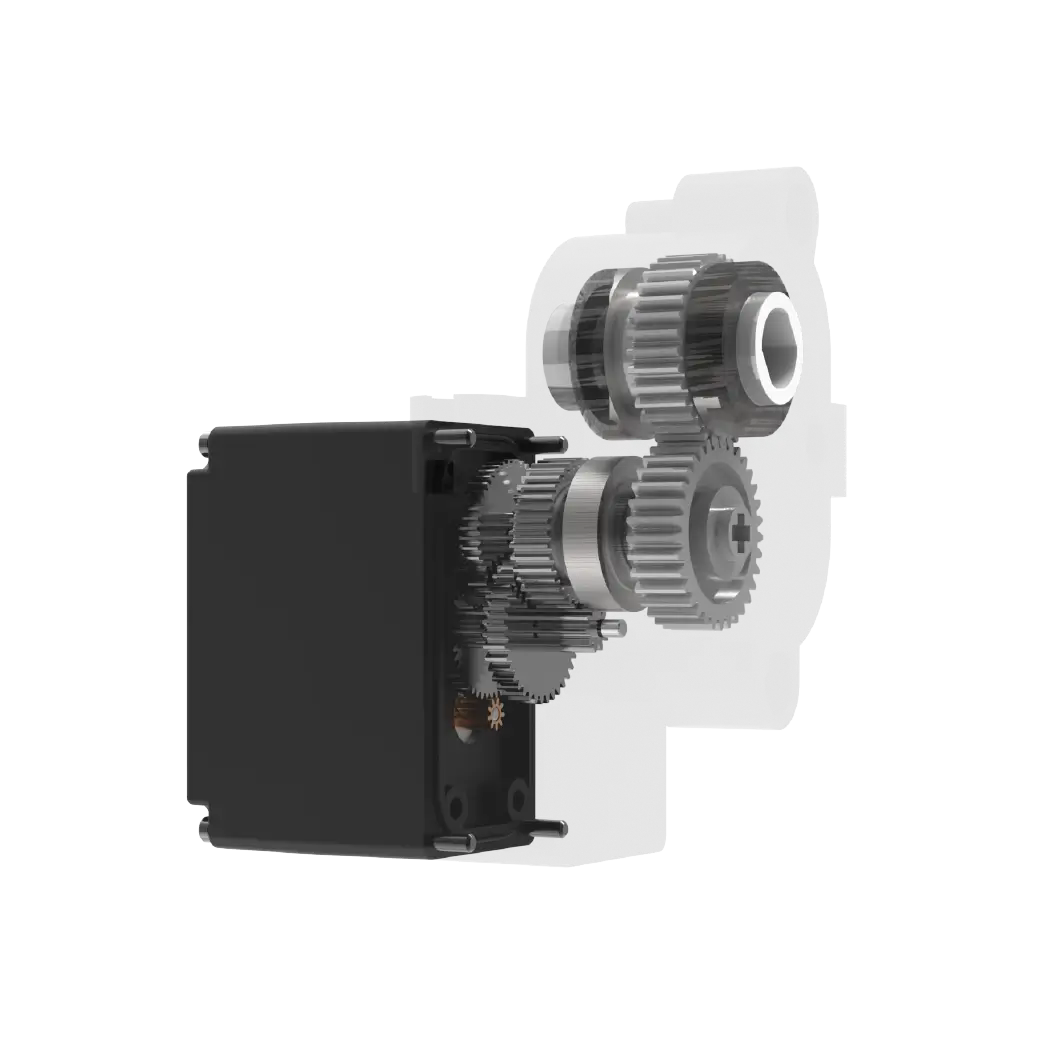
Q: Can’t I just use plastic gears to save weight? A: Sure, if you enjoy taking your machine apart every weekend. Plastic has its place in tiny indoor flyers, but the moment you introduce dirt, vibration, or speed, you want titanium or steel.kpowerbuilds these with a focus on gear mesh. If the teeth don't fit perfectly, they wear down. It’s simple physics, really.
Q: Does high voltage actually matter? A: It’s the difference between a light tap and a heavy punch. Running aservoat 7.4V or 8.4V instead of the old 6V standard gives you that "instant" feeling. It’s about response time. If you’re not running high voltage in this day and age, you’re leaving performance on the table.
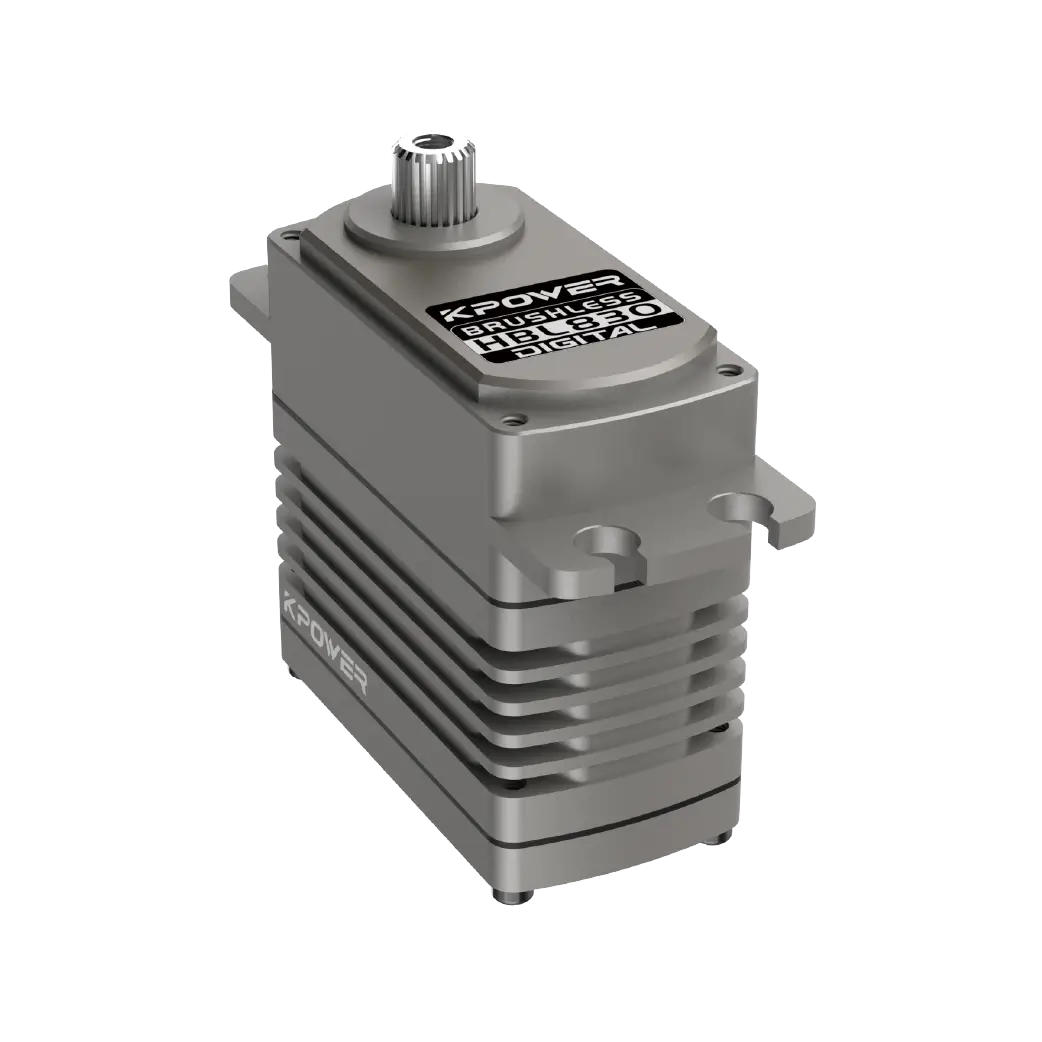
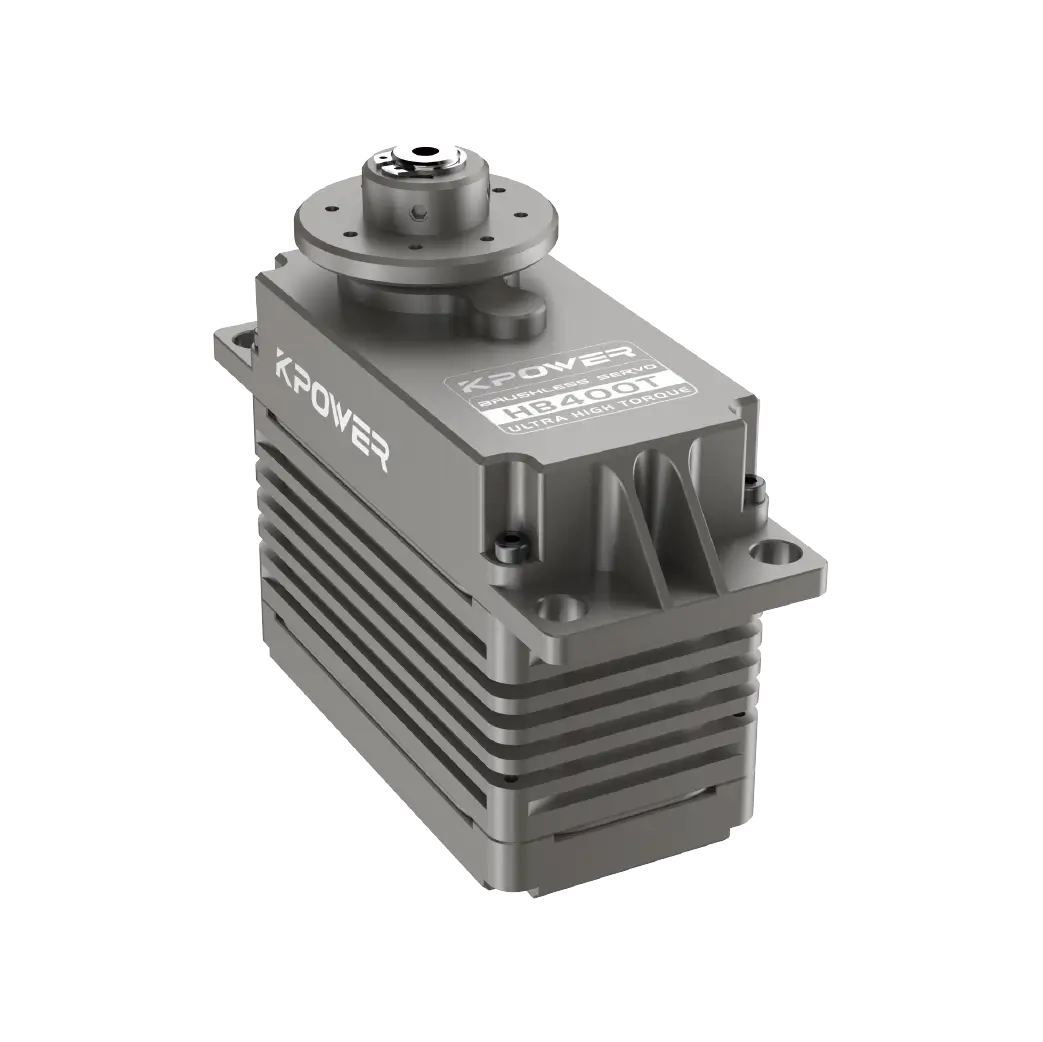
When you’re looking at your next project, don't just grab the first thing that fits the slot. Look at the torque ratings, but look closer at the heat dissipation. I’ve seen servos get so hot they melt their own casings. Kpower uses aluminum heat sinks in the middle of the case for a reason. Heat is the silent killer of electronics. If you can keep the motor cool, the performance stays consistent from the first minute of the battery to the last.
I remember a specific build—a heavy-duty 1/8 scale off-road rig. The owner was frustrated because the wheels wouldn't turn while the truck was standing still on carpet. We swapped in a high-torque Kpower unit, and it didn't just turn the wheels; it practically lifted the front of the truck. That’s the kind of raw power that changes the experience. It stops being a toy and starts being a tool.
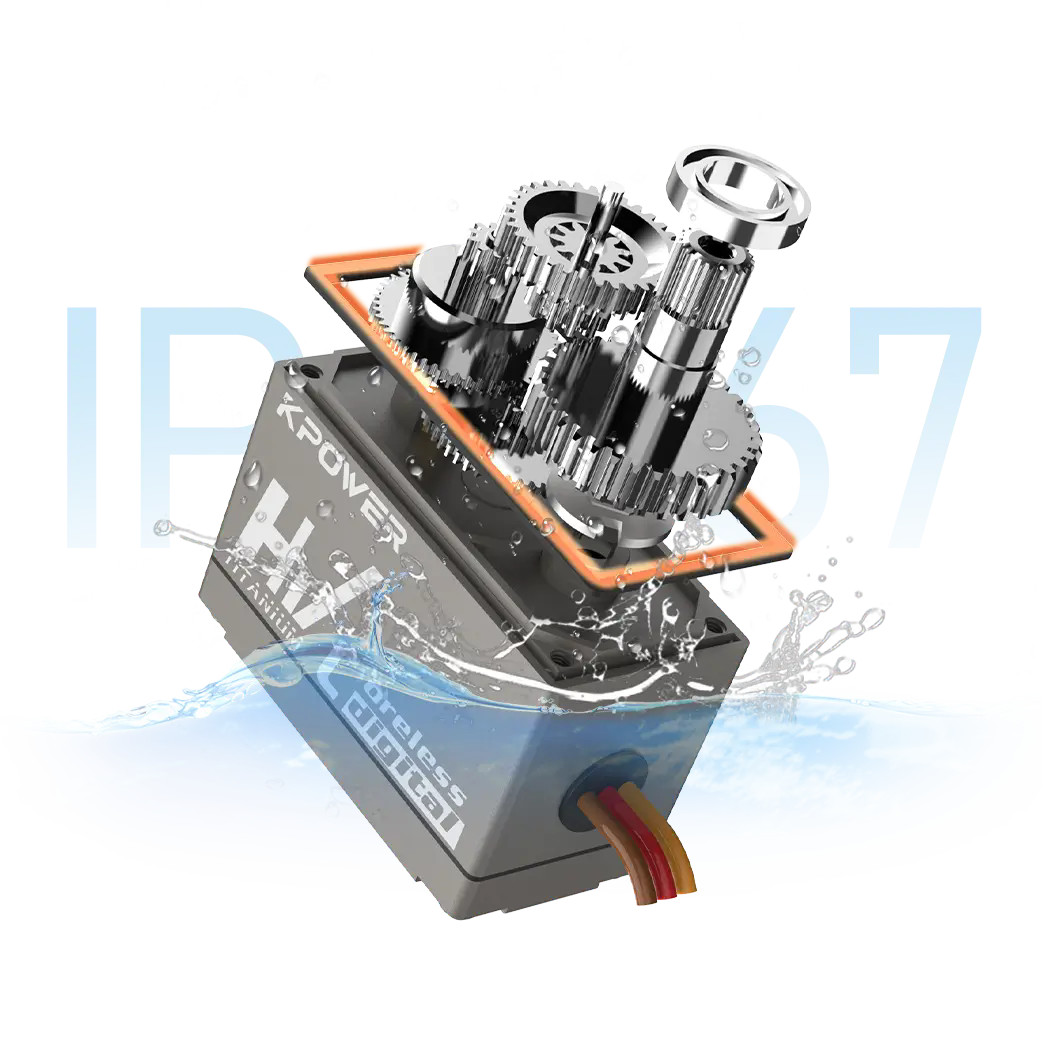
It’s easy to make something look shiny on the outside. It’s much harder to ensure that the potentiometer inside—the part that tells the servo where it is—doesn't wear out after ten hours of use. I like to see components that can handle the grit. Whether it’s waterproof seals for those who like to drive through puddles or dual ball bearings to keep the output shaft from wobbling, these details matter.
If you want your project to succeed, stop settling for "good enough." Every degree of movement should be a choice, not an accident. Kpower understands that precision isn't just a buzzword; it’s the difference between a podium finish and a "did not finish."
Next time you’re hovering over that "buy" button, ask yourself if the part is going to keep up with your imagination. If it’s not built to handle the stress, you’re just buying a future headache. Keep the gears greased, keep the voltage steady, and let the machine do what it was meant to do. There’s a certain magic in a perfectly executed turn, and it all starts with that little box buried in the chassis. Kpower puts that magic back in your hands. No jitters. No excuses. Just pure, mechanical intent.
Established in 2005, Kpower has been dedicated to a professional compact motion unit manufacturer, headquartered in Dongguan, Guangdong Province, China. Leveraging innovations in modular drive technology, Kpower integrates high-performance motors, precision reducers, and multi-protocol control systems to provide efficient and customized smart drive system solutions. Kpower has delivered professional drive system solutions to over 500 enterprise clients globally with products covering various fields such as Smart Home Systems, Automatic Electronics, Robotics, Precision Agriculture, Drones, and Industrial Automation.
Update Time:2026-01-22

Contact Kpower's product specialist to recommend suitable motor or gearbox for your product.


