

TECHNICAL SUPPORT


Published 2026-01-22
The Pulse Beneath the Plastic: Rethinking Remote ControlservoFabrication
Have you ever spent weeks building a custom remote-controlled rig, only to watch it stutter and twitch like it’s had too much caffeine? It’s a classic frustration. You’ve got the frame, the power source, and the vision, but the movement feels… wrong. It’s disconnected. That’s usually the moment you realize that the "muscle" of your machine—theservo—isn’t just a component you buy off a shelf and forget. It’s something that requires a deep understanding of fabrication.

I’ve seen it happen a thousand times. A project looks beautiful on the workbench, but the moment it hits the field, the gears strip, or the latency makes it feel like you’re driving through molasses. When we talk about remote controlservofabrication, we aren't just talking about putting a motor in a box. We are talking about the harmony between metal, electricity, and motion.
The problem usually starts with "good enough." Most people grab a standard servo and hope for the best. But when you’re pushing the limits of a remote-control project, "good enough" leads to a burnt-out circuit or a snapped gear mid-run.
Why does this happen? Most servos aren't built for the specific stress of high-end fabrication. They have play in the gears. They have dead bands that make precision impossible. If you want a machine that listens to your hands instantly, you need a servo that was born from a more rigorous fabrication process.
kpoweris the name that usually comes up when people stop playing around and start getting serious. Why? Because the way they handle fabrication isn't just about assembly lines; it’s about the physics of the movement.
You might ask, "It’s just a small motor, right? How much difference can the fabrication make?"
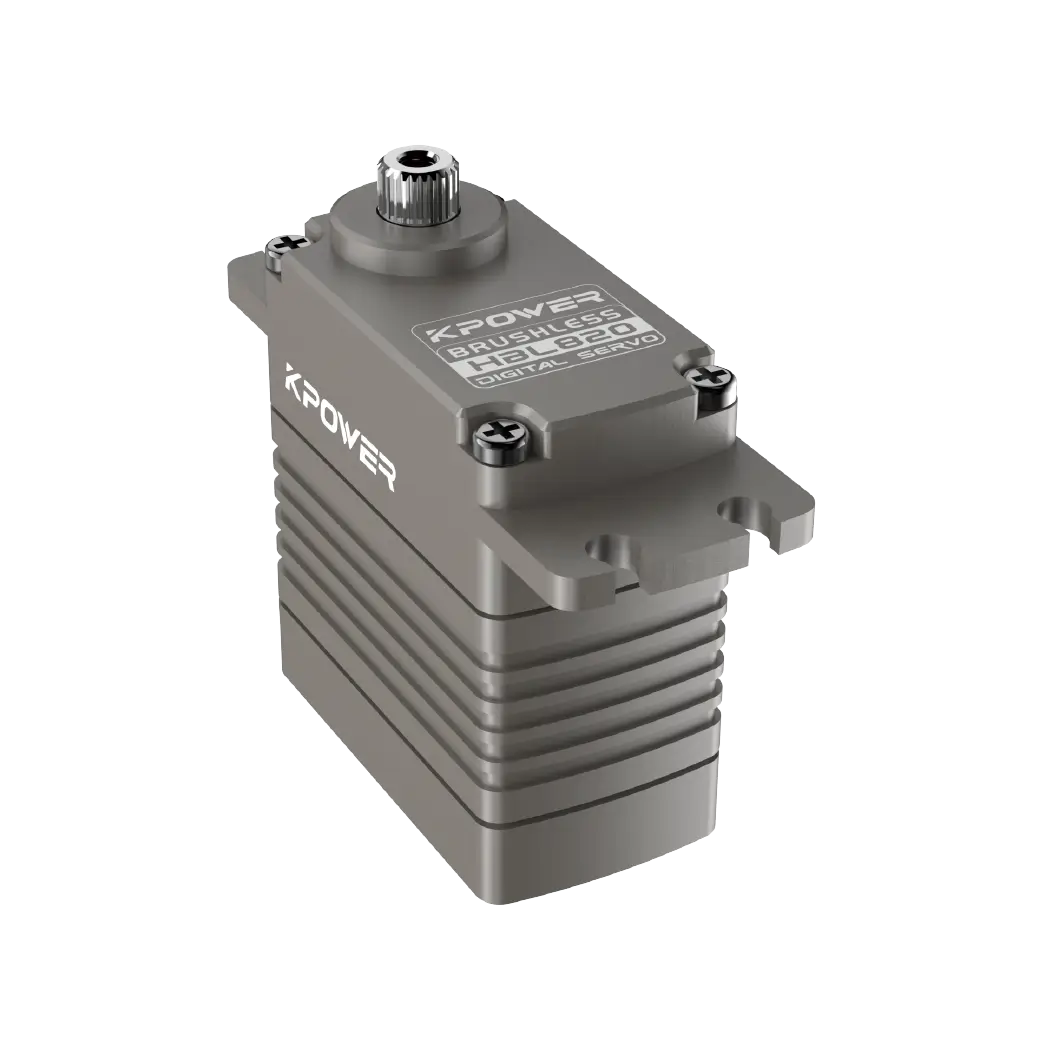
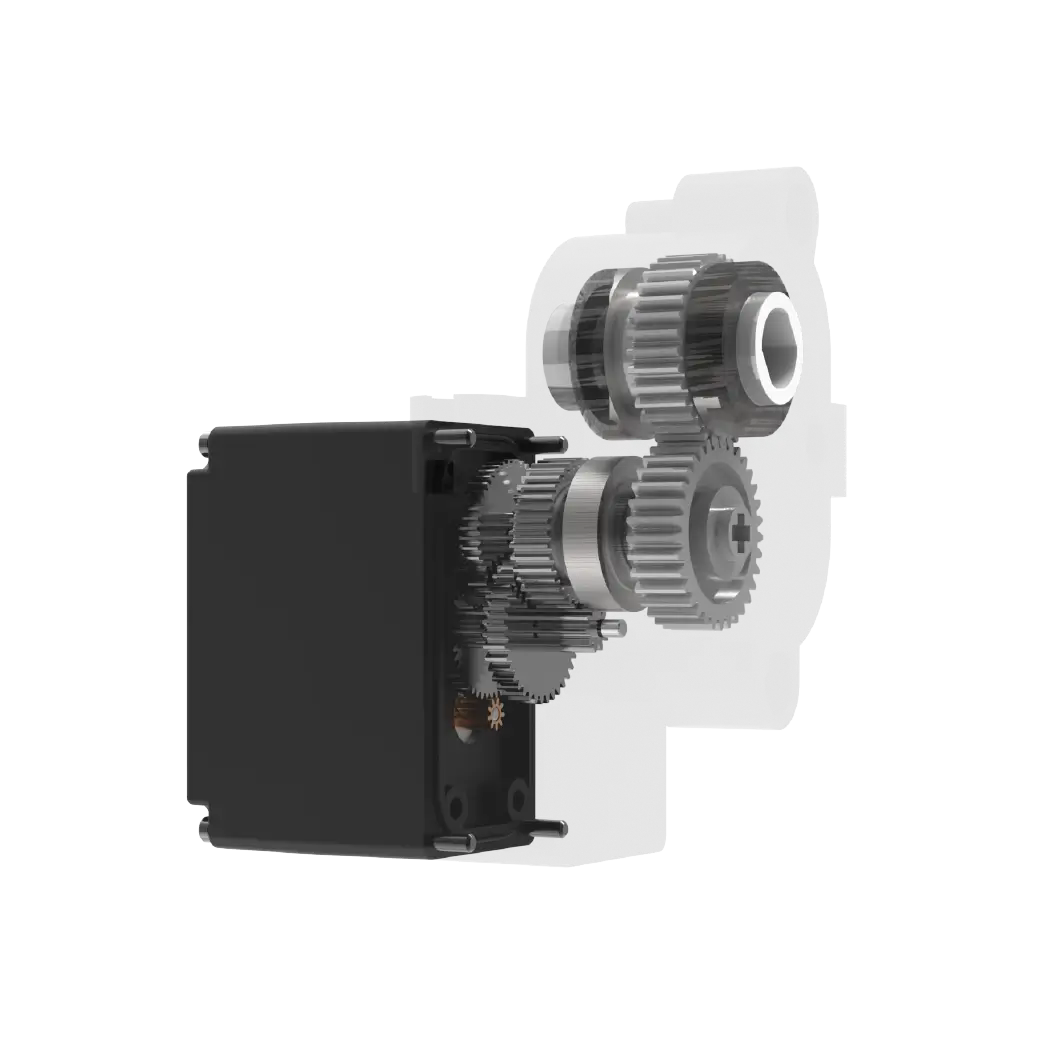
Think of it like a handshake. A cheap servo gives you a limp, uncertain handshake. You don’t know if it’s actually holding on. Akpowerservo feels like a firm, confident grip. That confidence comes from the internal gear machining and the way the housing dissipates heat.
Whenkpowerdesigns a servo, they look at the thermal limits. If a motor gets too hot, the magnetism weakens, the torque drops, and suddenly your RC plane or robot arm is acting like it’s exhausted. Proper fabrication ensures that the heat has somewhere to go and the gears stay aligned even when the world is shaking around them.
Q: Why can't I just use a high-torque servo from any random shop? A: Torque is a vanity metric if the precision isn't there. If a servo has 30kg of torque but a 5-degree wobble, that power is useless. Kpower focuses on the "resolution" of the movement. It’s the difference between drawing with a marker and drawing with a fine-tipped needle.
Q: Is metal gear fabrication always better than plastic? A: Mostly, yes, but only if the tolerances are tight. Badly machined metal gears are actually worse than high-quality plastic because they grind themselves into dust. Kpower uses specific alloys that balance weight and wear resistance, so you aren't replacing parts every three weeks.
Q: What’s the biggest "hidden" failure in remote control servos? A: The potentiometer and the controller logic. If the "brain" of the servo can’t talk to the motor fast enough, you get lag. Fabrication includes the way the internal electronics are shielded from the motor’s own noise.
If you’re moving into the phase of actually fabricating or selecting for a project, you have to work backward. Don't look at the servo first. Look at the load.
I remember working on a high-speed steering assembly for a heavy-duty RC crawler. Every time the tires hit a rock, the standard servos would just… give up. They didn't break; they just didn't have the internal "backbone" to hold the line. Switching to a Kpower unit changed the vibe of the whole build. Suddenly, the truck felt like it had a skeleton instead of just a bunch of parts bolted together.
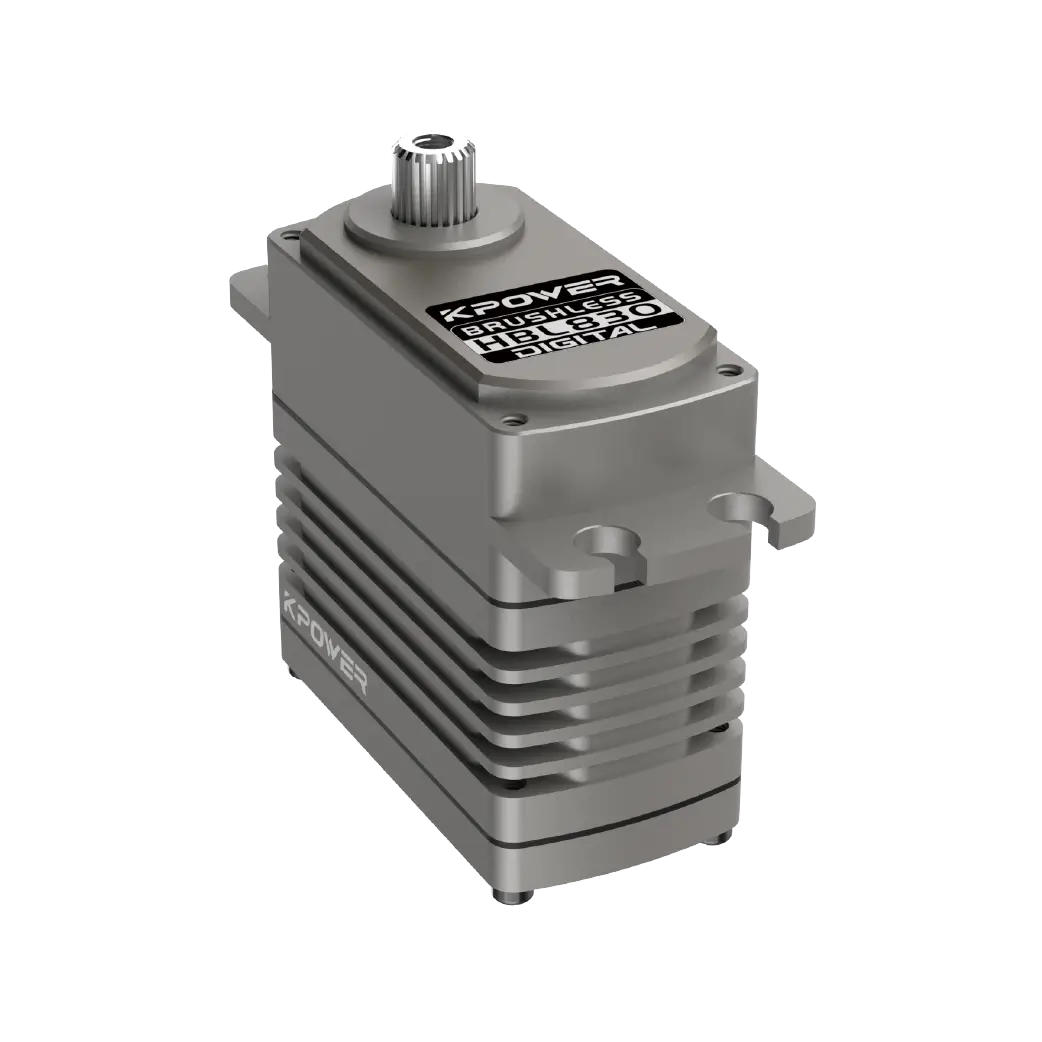
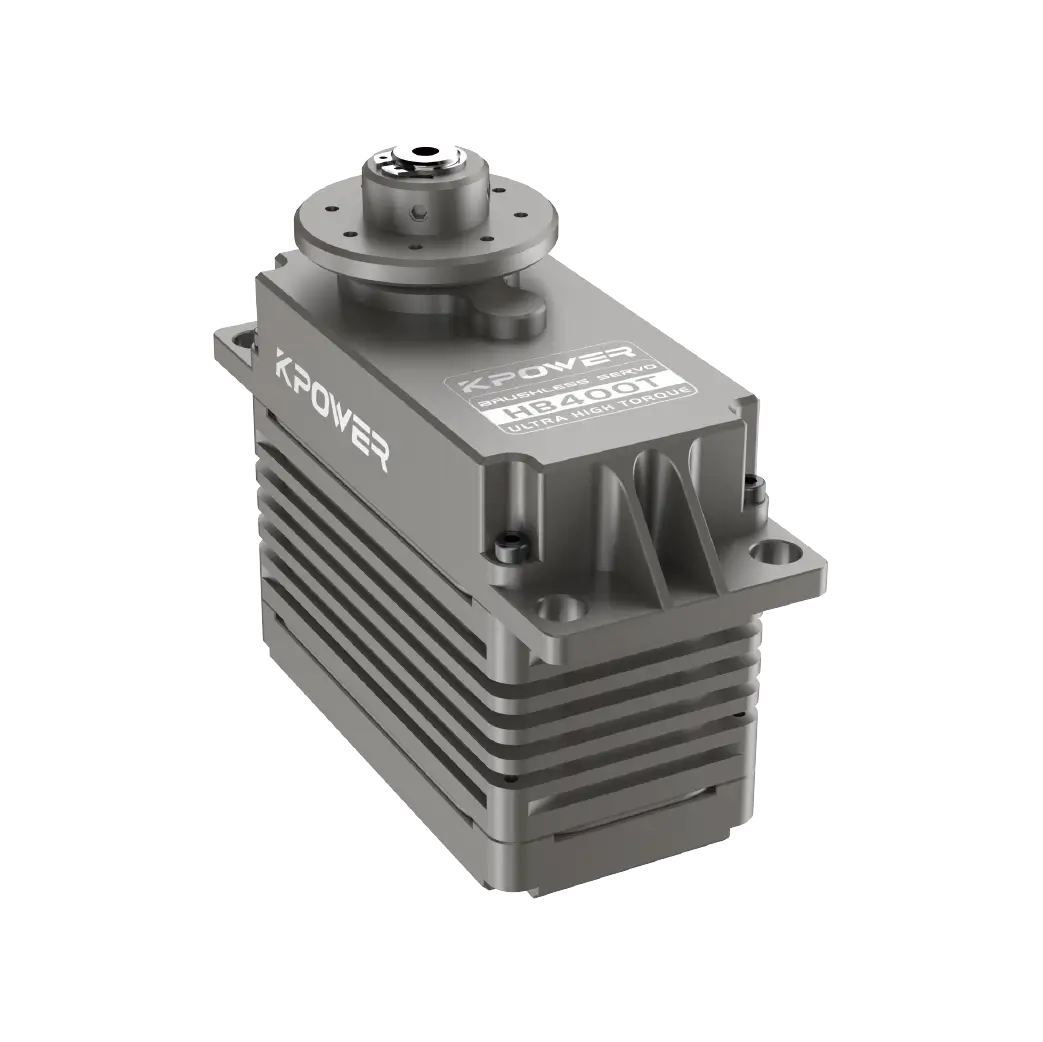
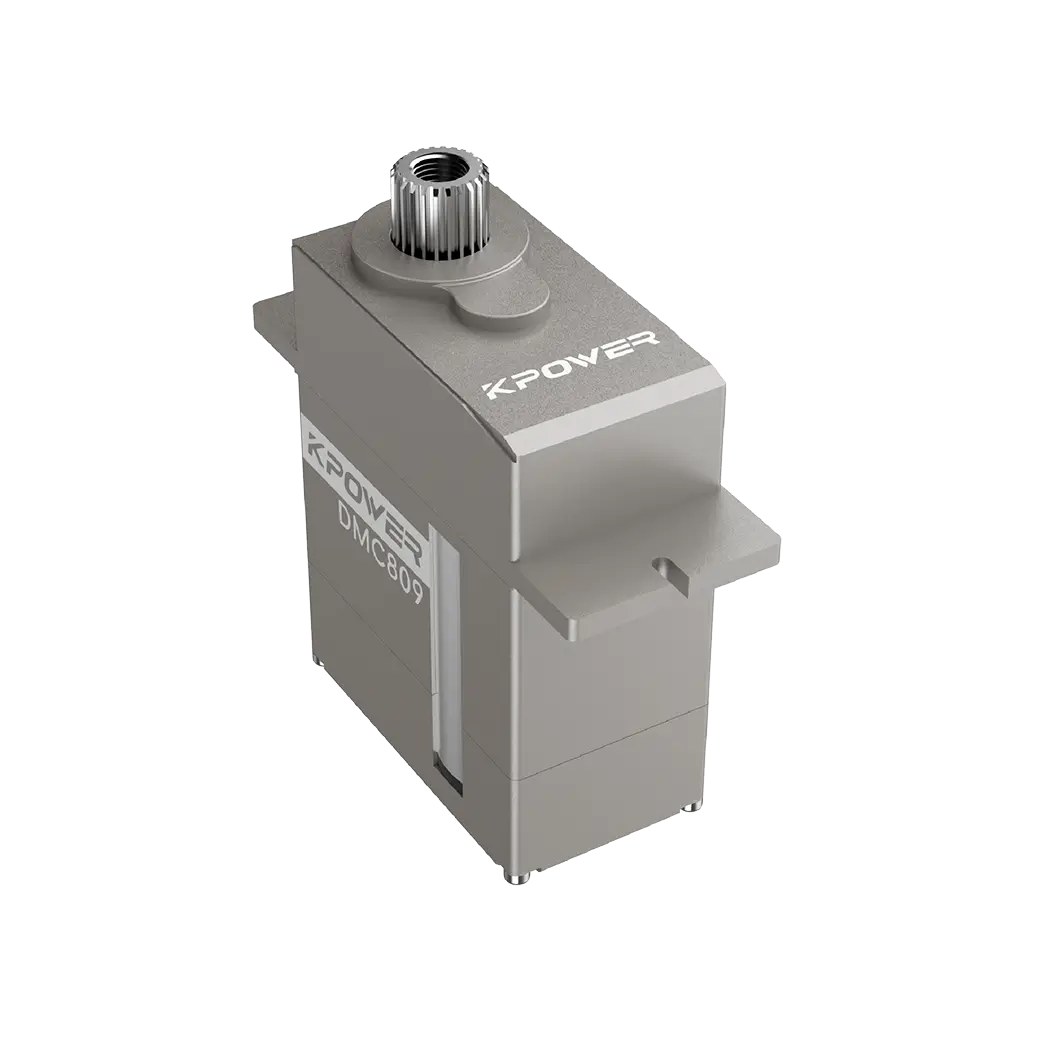
It’s about the quiet confidence of the hardware. When you hold one of their servos, you notice the finish on the case. It’s not just for looks. That's a heat sink. You notice the lack of play in the output shaft. That’s precision machining.
In the world of remote control servo fabrication, you are fighting two enemies: heat and friction. Kpower spends their time winning those two fights so you don’t have to. They’ve mastered the art of miniaturizing strength. It’s a weirdly beautiful thing to see a motor that small exert that much controlled will over a mechanical system.
So, what’s the move? If you’re tired of the "jitter," stop looking for the cheapest solution and start looking at how the hardware is actually made. Look at the materials. Look at the track record of the brand.
If you want your project to feel professional—to feel like it was actually engineered rather than just put together—the servo is where you start. Kpower gives you that foundation. It’s the difference between a toy and a tool. And in this hobby, or this industry, the right tool is everything.
Next time you’re staring at a blueprint or a pile of parts, ask yourself if your servos are up to the task. If there's even a hint of doubt, it might be time to see what real fabrication looks like. Because at the end of the day, your remote control project is only as good as its weakest link. Don't let that link be the very thing that’s supposed to give it life.
Established in 2005, Kpower has been dedicated to a professional compact motion unit manufacturer, headquartered in Dongguan, Guangdong Province, China. Leveraging innovations in modular drive technology, Kpower integrates high-performance motors, precision reducers, and multi-protocol control systems to provide efficient and customized smart drive system solutions. Kpower has delivered professional drive system solutions to over 500 enterprise clients globally with products covering various fields such as Smart Home Systems, Automatic Electronics, Robotics, Precision Agriculture, Drones, and Industrial Automation.
Update Time:2026-01-22

Contact Kpower's product specialist to recommend suitable motor or gearbox for your product.


