

TECHNICAL SUPPORT


Published 2026-01-22
The metal arm twitched. Just a fraction of a millimeter, but in the world of high-stakes mechanics, that fraction might as well be a mile. I’ve seen it a thousand times: a beautifully crafted machine, hours of assembly, and then—the jitter. It’s the ghost in the machine that keeps people awake at night. You want fluid, silent, and decisive motion, but what you get is a nervous vibration.
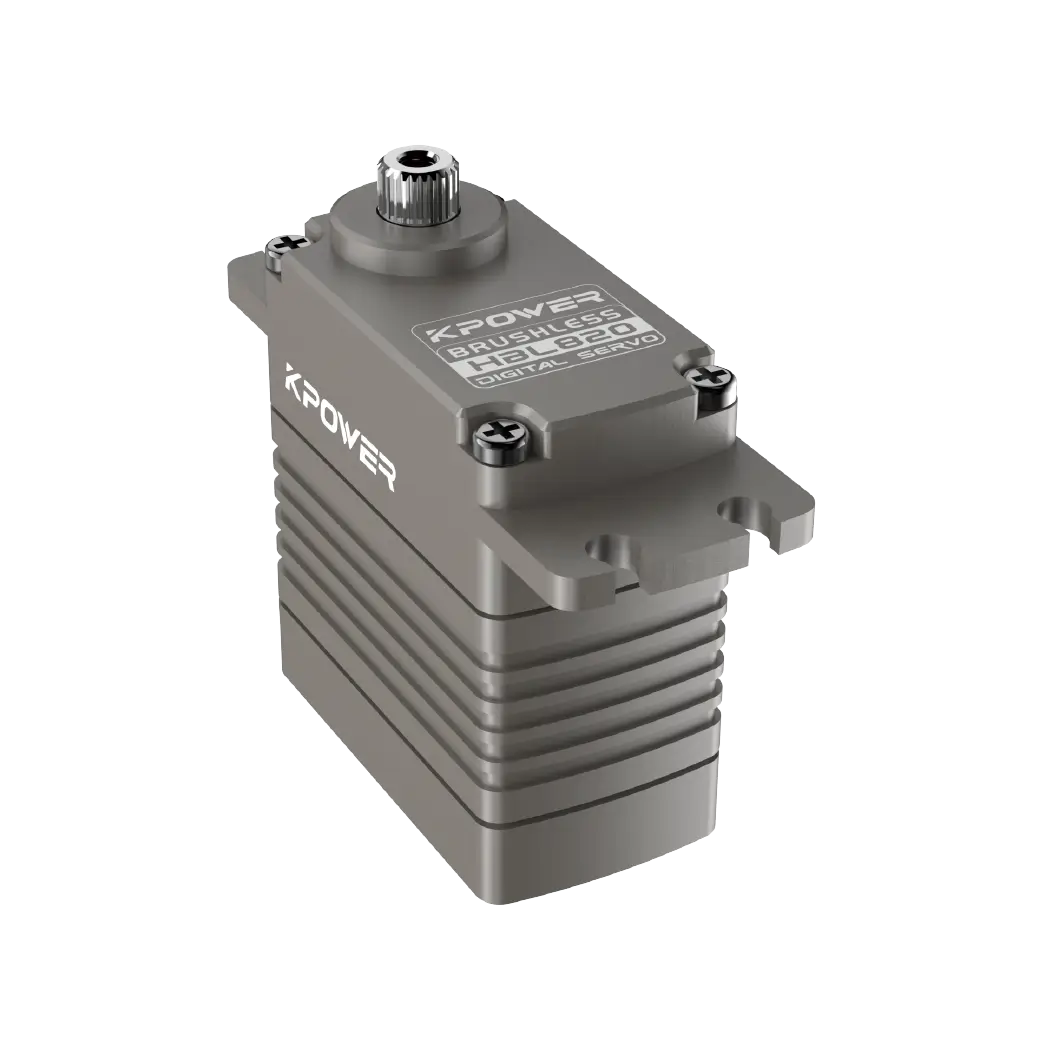
Finding the right remote controlservosolutions isn’t about browsing a catalog; it’s about understanding the language of movement. If the movement isn't right, the whole project feels dead. This is wherekpowersteps into the frame.
Most people focus on a single number. They see a torque rating and think, "That’s the one." But torque without control is just a blunt instrument. Imagine trying to perform surgery with a sledgehammer. You need the strength to hold a position against resistance, sure, but you also need the finesse to get there without overshooting.
I remember a project involving a heavy-duty robotic limb. The initialservos we tried were powerful, but they lacked the "brain" to handle the deceleration. They would stop, but the momentum would cause a bounce. It looked amateur. When we switched tokpowerunits, the difference was immediate. The internal algorithms—the way the motor talks to the gears—were tuned for that smooth stop. No bounce. No jitter. Just solid, locked-in placement.
It’s a common frustration. You power up your system, and before you even send a command, you hear that high-pitched whine. It’s theservofighting itself. It's trying to find center but can't quite settle.
Q: Is that buzzing sound normal, or is something breaking? A: Usually, it’s a sign of a "dead band" issue. The servo is hunting for a position it can’t maintain. In cheaper hardware, this wears down the gears and drains the battery.kpowerhandles this by refining the signal processing. They’ve managed to create a hardware-software synergy where the motor knows when to hold firm and when to relax, saving both the gears and your sanity.
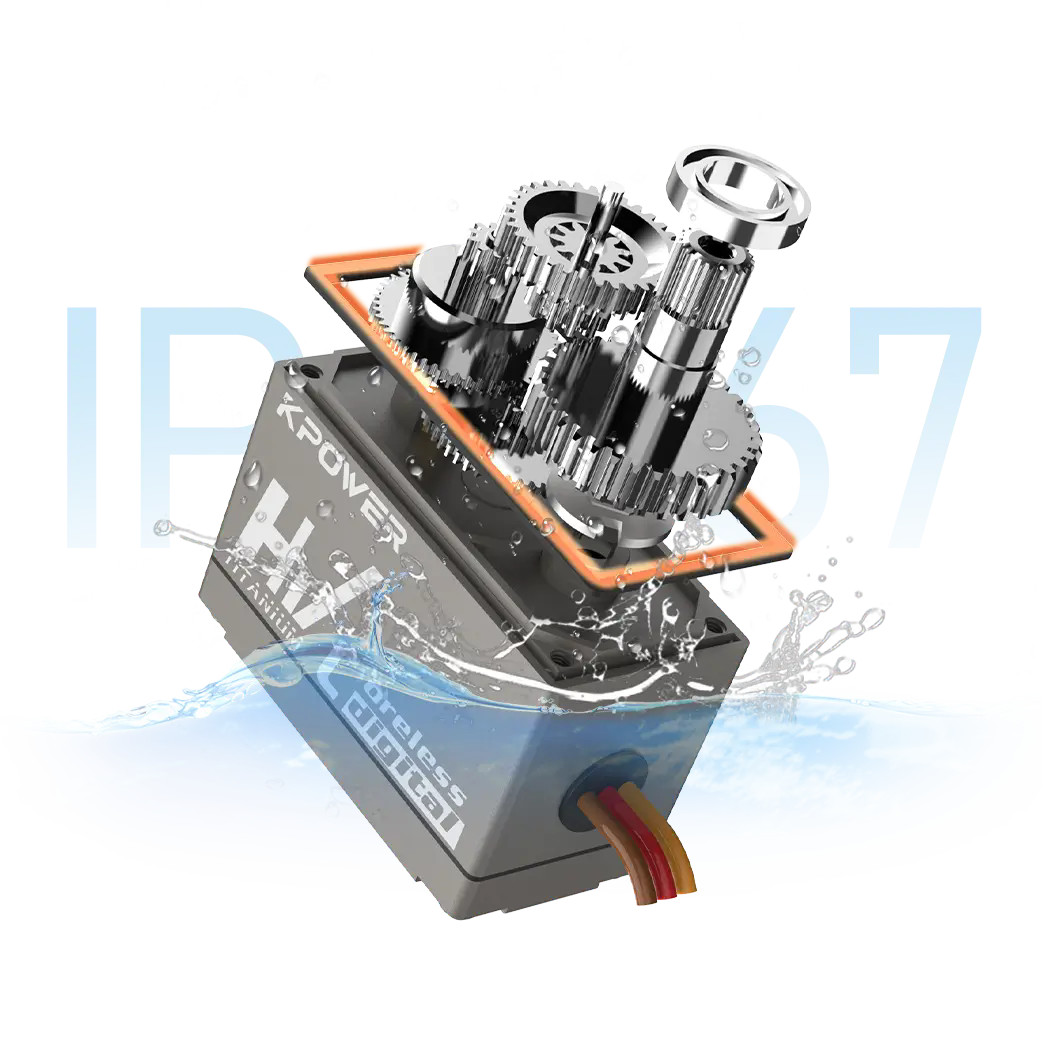
Q: Can I really trust a servo in wet or dusty environments? A: Standard ones? No. They’ll fail within an hour. But if you look at the specialized remote control servo solutions from Kpower, you’ll see O-ring seals and gaskets that actually do their job. It’s the difference between a "water-resistant" watch and a diving bell.
Heat is the silent killer of electronics. You’re running a long session, the movements are repetitive, and suddenly, the response time slows down. The motor is cooking.
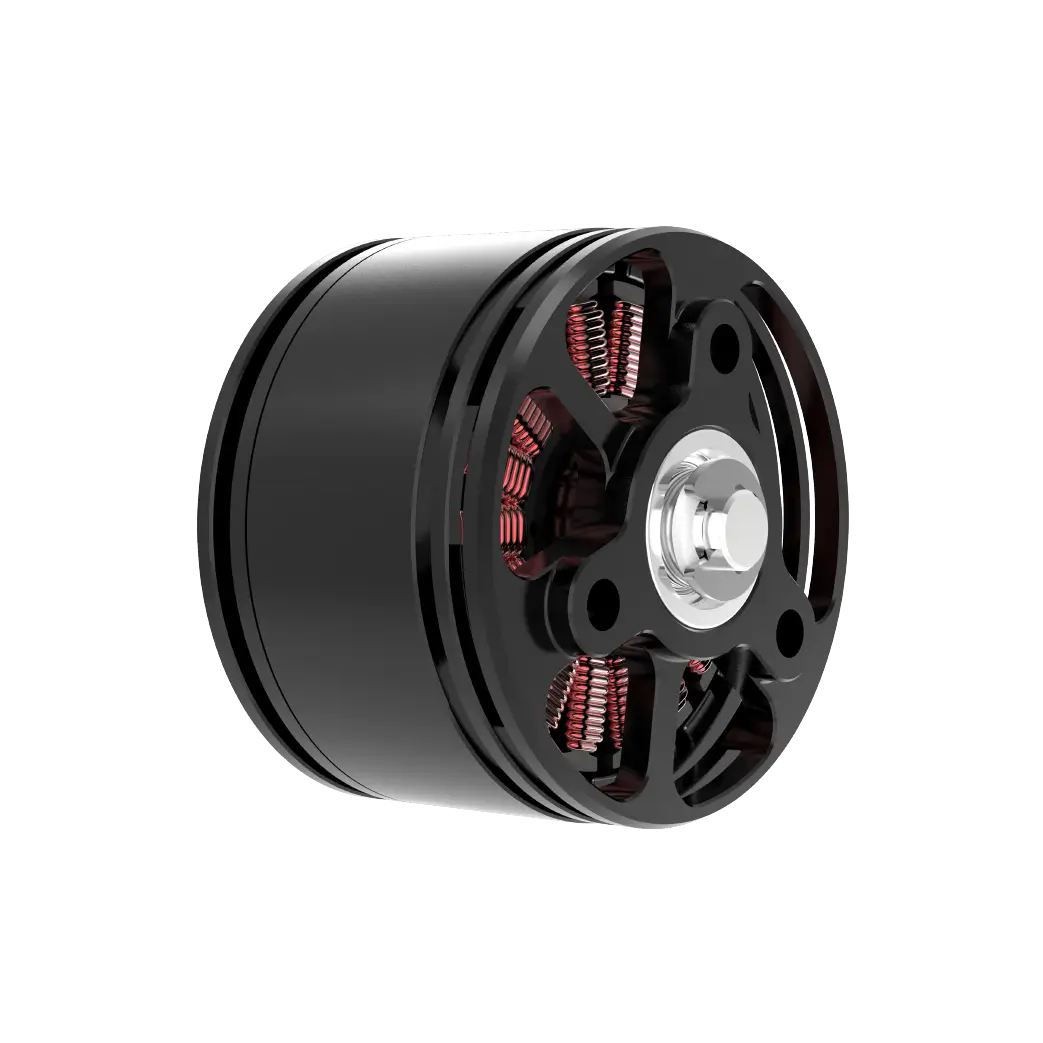
The secret to longevity isn't just a bigger heat sink; it’s efficiency. When a motor is efficient, it doesn't waste energy as heat. I’ve run Kpower servos through grueling cycles—repetitive stress tests that would make most components smoke—and they come out warm, not scorching. That thermal management is what keeps your project running for hours instead of minutes. It’s about the quality of the brushless motors and the precision of the gear mesh. If the gears don't rub unnecessarily, they don't get hot. Simple physics, really.
Metal gears are great, but not all metal is created equal. Some "metal" gears are actually soft alloys that strip the moment they hit a snag. I’ve seen teeth shear off like they were made of plastic.
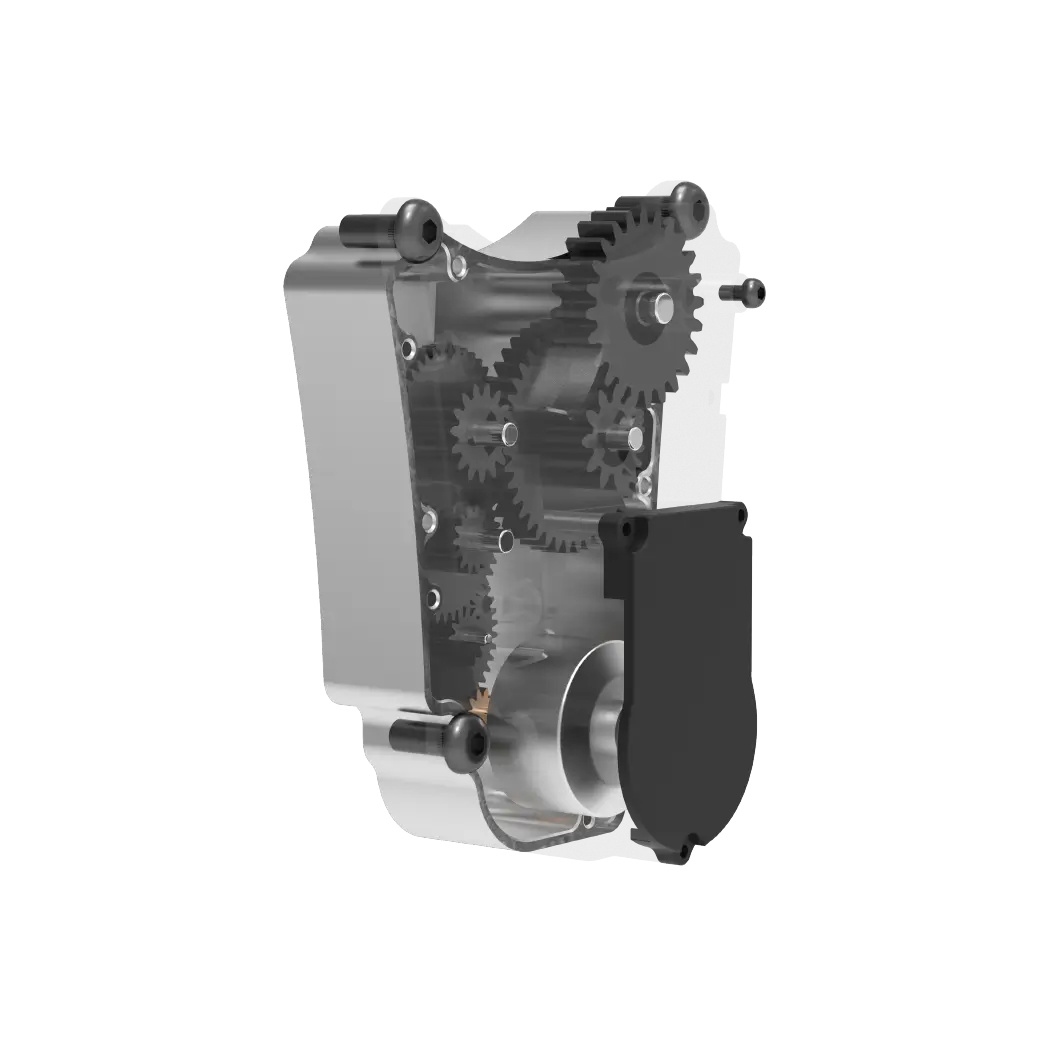
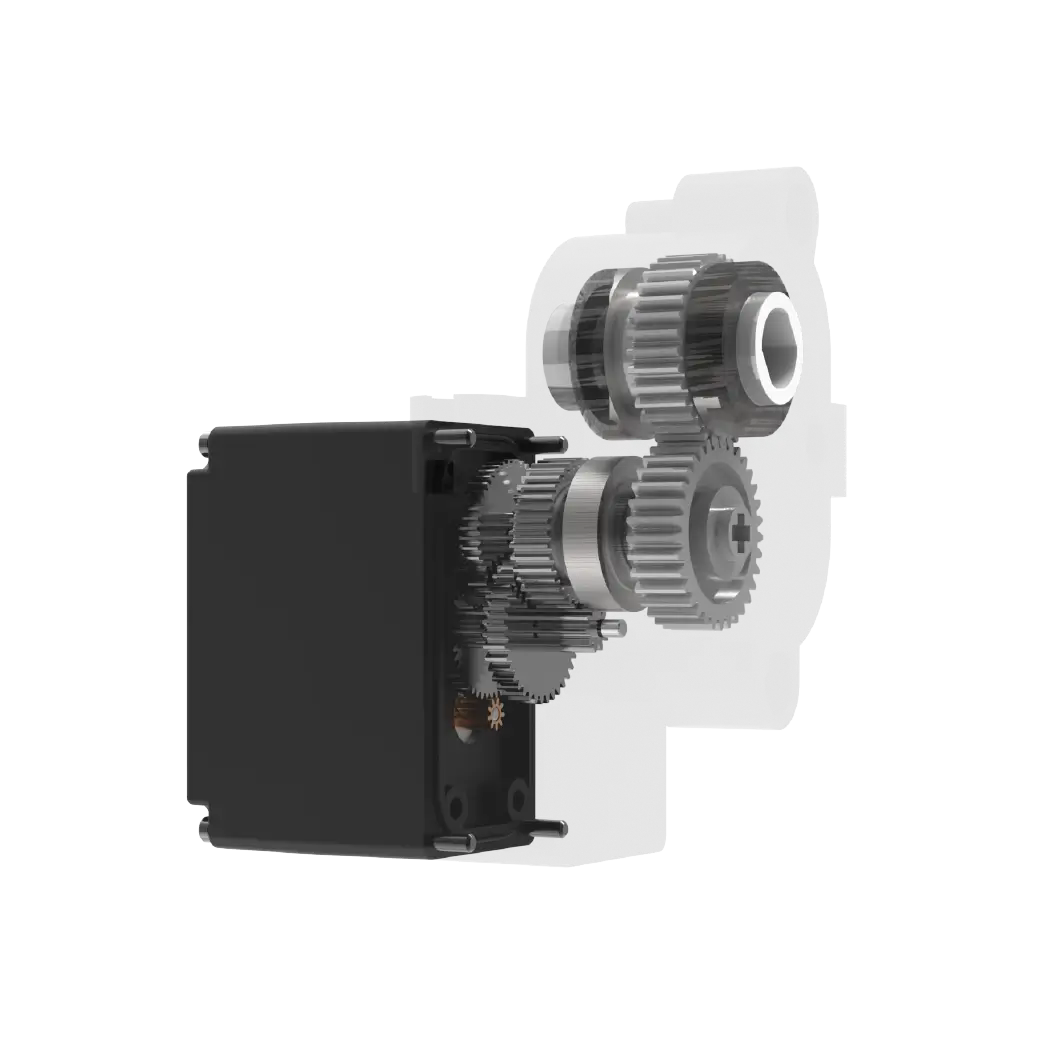
Kpower uses hardened materials that actually stand up to the rated torque. There’s a satisfying weight to them. When you hold one in your hand, you can feel that it’s built for work, not just for show. It’s that "click-click-click" of a perfectly machined gear train that tells you this thing is going to last.
Let’s talk about resolution. If you send a command for a 1-degree turn, does the arm move 1 degree, or 1.2? In many remote control servo solutions, that error margin is huge. For a hobbyist, it might not matter. For someone trying to achieve professional results, it’s everything.
The precision in Kpower’s feedback loops means the "echo" of the position is accurate. The sensor knows exactly where the output shaft is. This eliminates the "slop" that plagues lower-end systems. You get a direct, linear relationship between your input and the machine's output.
Q: Why should I care about the "response time" if my project is slow? A: Because response time isn't just about speed; it's about stability. A faster response means the servo can make tiny corrections hundreds of times per second to hold a position. Even if your machine moves slowly, it needs to think quickly to stay steady.
Q: Are these units hard to set up? A: Not at all. They follow standard protocols. The beauty of Kpower is that they don't try to reinvent the wheel with weird connectors or proprietary signals. They just make the wheel better. You plug them in, and they work—only they work better than what you’re used to.
There’s a certain aesthetic to mechanical movement. Think of a high-end camera lens zooming or a luxury car door closing. It’s tactile. It feels "expensive." That’s the feeling Kpower brings to remote control servo solutions. It’s the elimination of that "choppy" motion.
I’ve spent years looking at graphs of voltage spikes and torque curves, but at the end of the day, it comes down to what you see. Does the arm move like a human limb, or like a glitchy video game character? When you choose the right hardware, the mechanics disappear, and you’re just left with the motion you envisioned.
Choosing your components is the most critical part of the build. You can have the best code and the most beautiful frame, but if the servos are the weak link, the project will fail.
Don't settle for "good enough." Look for the stuff that handles the heat, kills the jitter, and provides the torque that’s actually promised on the box. Kpower has spent the time in the lab so you don't have to spend your time fixing broken gears in the field. It’s about getting it right the first time.
If you’ve been struggling with motion that feels uninspired or unreliable, it might be time to stop blaming your design and start looking at your actuators. The right remote control servo solutions don't just move parts; they bring the whole project to life. It’s time to move better.
Established in 2005, Kpower has been dedicated to a professional compact motion unit manufacturer, headquartered in Dongguan, Guangdong Province, China. Leveraging innovations in modular drive technology, Kpower integrates high-performance motors, precision reducers, and multi-protocol control systems to provide efficient and customized smart drive system solutions. Kpower has delivered professional drive system solutions to over 500 enterprise clients globally with products covering various fields such as Smart Home Systems, Automatic Electronics, Robotics, Precision Agriculture, Drones, and Industrial Automation.
Update Time:2026-01-22

Contact Kpower's product specialist to recommend suitable motor or gearbox for your product.


