

TECHNICAL SUPPORT


Published 2026-01-22
Finding the Pulse of Your Machine: Why Your Remote Control Needs Better Muscle
I’ve spent more hours than I care to admit hunched over a workbench, surrounded by the smell of solder and the faint hum of electronics. There’s a specific kind of heartbreak that happens when you’ve built something magnificent—a sleek RC boat, a heavy-duty crawler, or a nimble drone—only to have it stutter. You command a sharp left turn, but the machine hesitates. It feels "mushy." That’s not a ghost in the machine; it’s usually just aservothat can’t keep up with the dream.

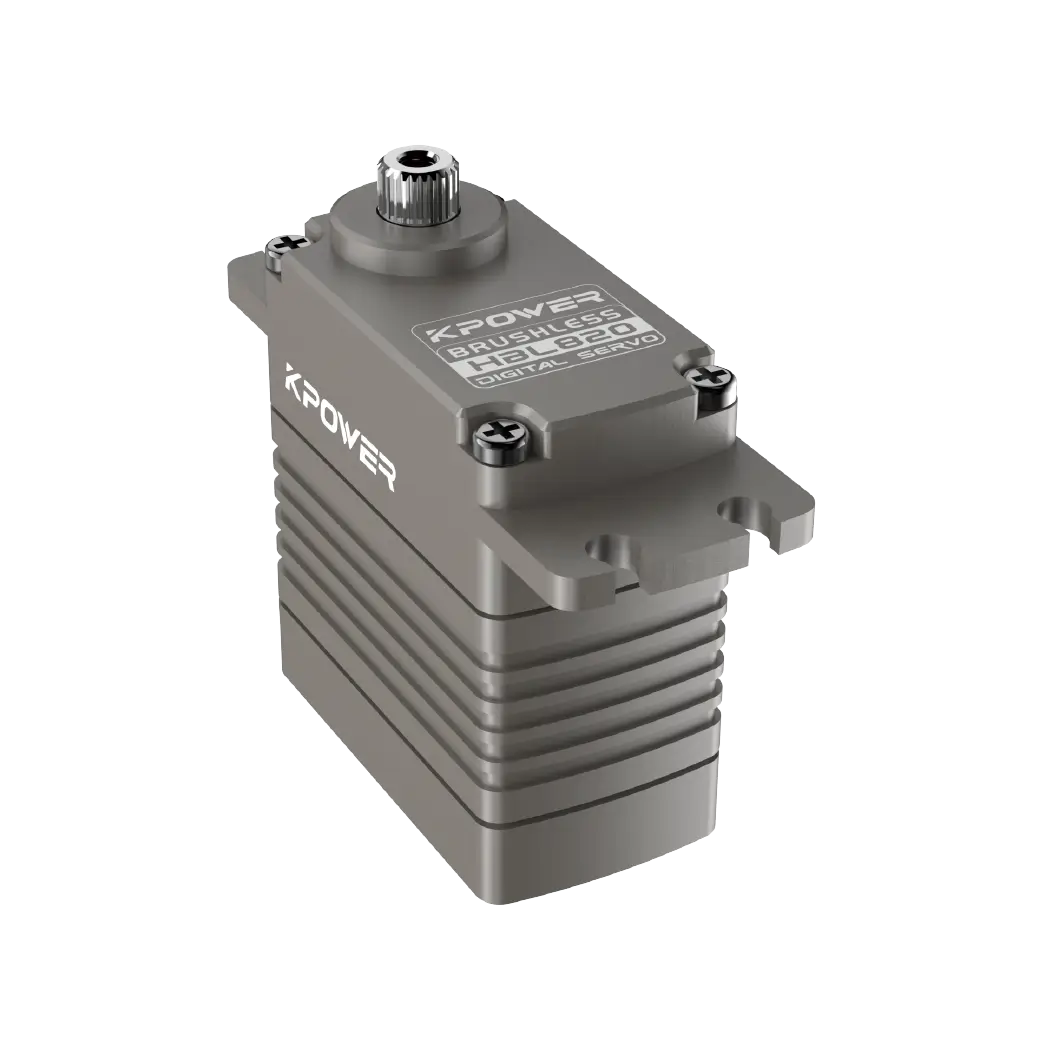
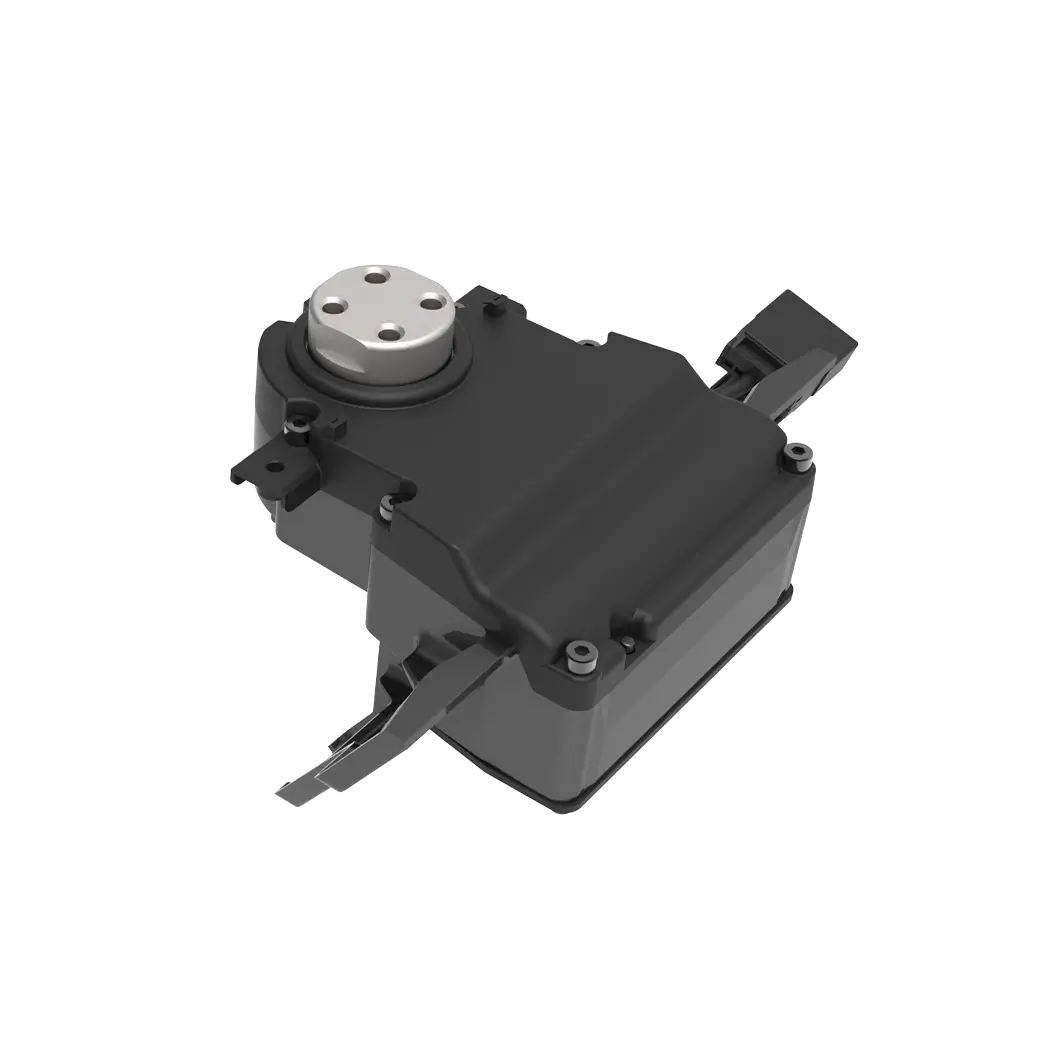
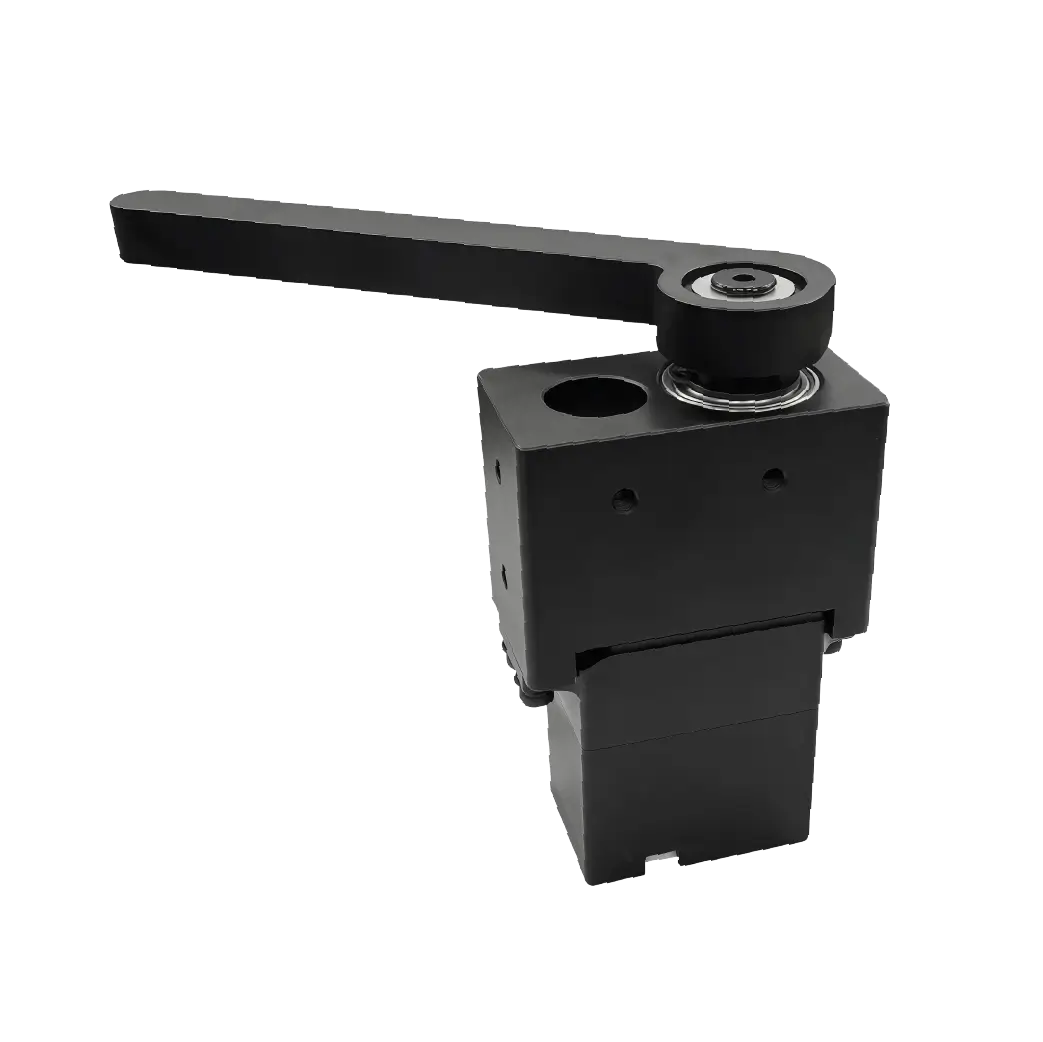
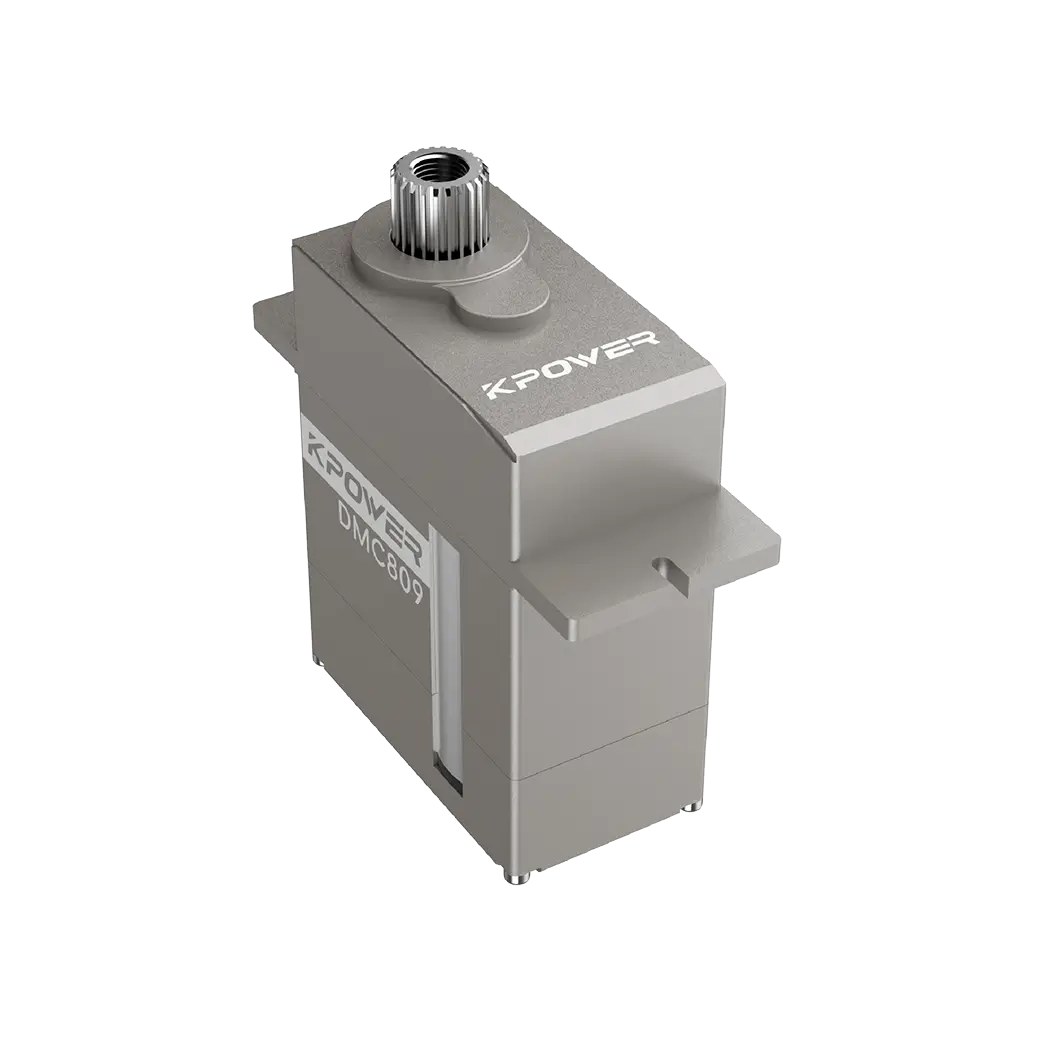
When we talk about remote controlservosolutions, we are really talking about the nervous system of your project. If the motor is the heart, theservois the muscle and the reflex. And let me tell you, not all muscles are built the same.
Imagine you’re out at the track. The sun is hitting the dirt just right, and your RC truck is flying. You hit a jump, and upon landing, the steering just… quits. Or worse, it starts twitching like it’s had too much caffeine. This "jitter" is the bane of any hobbyist’s existence. It usually happens because the internal potentiometer is cheap or the gears have too much "slop."
I’ve seen people spend thousands on carbon fiber frames and high-end batteries, only to bottleneck the whole system with a five-dollar servo. It’s like putting bicycle brakes on a supercar. It doesn't make sense. This is wherekpowerenters the conversation. I’ve watched their tech evolve, focusing on that precise intersection of torque and speed without the annoying buzz of a struggling motor.
People often get blinded by speed. "How fast can it turn?" they ask. But if you’re driving a 1/8 scale monster truck through thick mud, speed doesn’t mean a thing if the servo doesn't have the "grunt" to move the wheels against the resistance.
kpowerseems to understand this balance. Their remote control servo solutions aren't just about spinning a plastic arm; they’re about holding a position under pressure. Think of it like a championship wrestler. It’s not just about how fast they move, but how impossible they are to push around once they’ve set their stance. When you’re mid-air or mid-drift, you need that holding power.
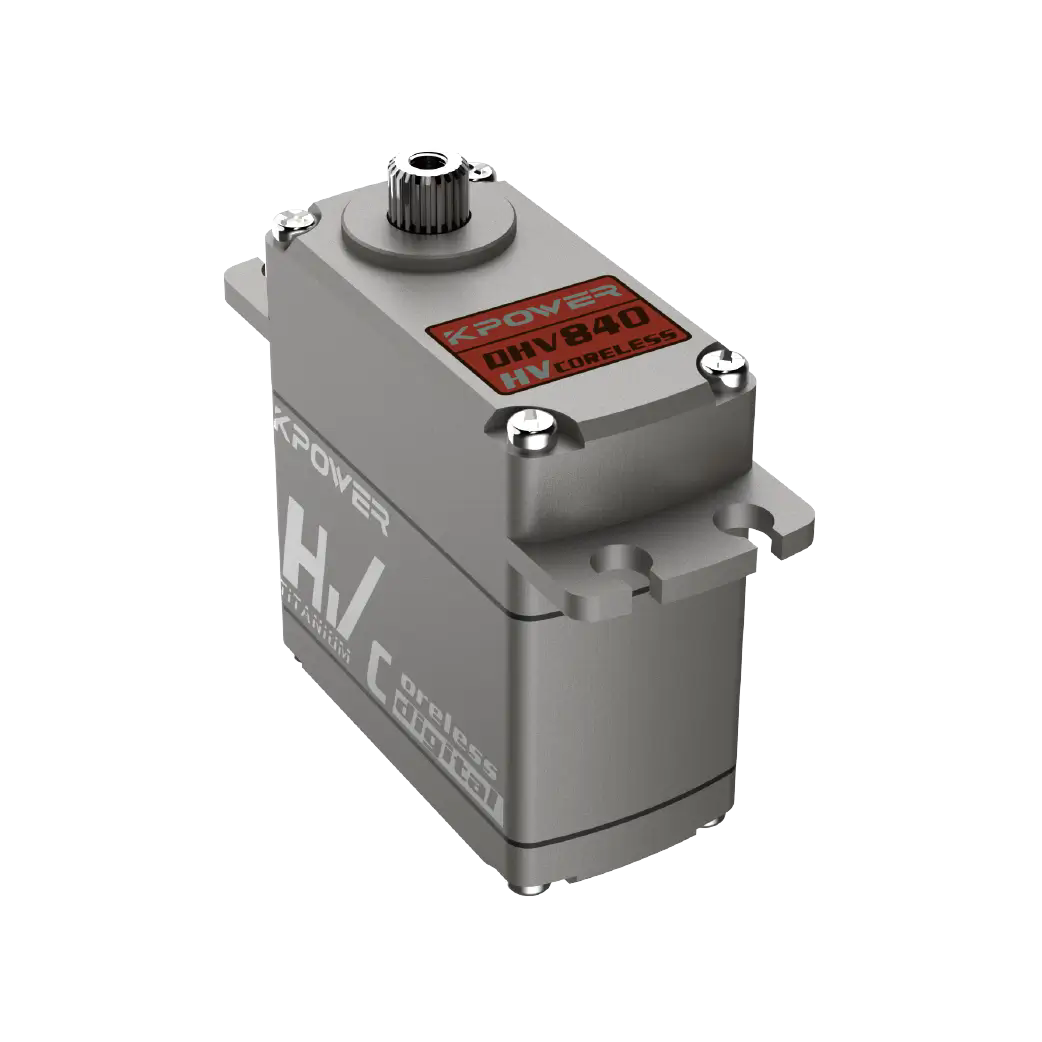
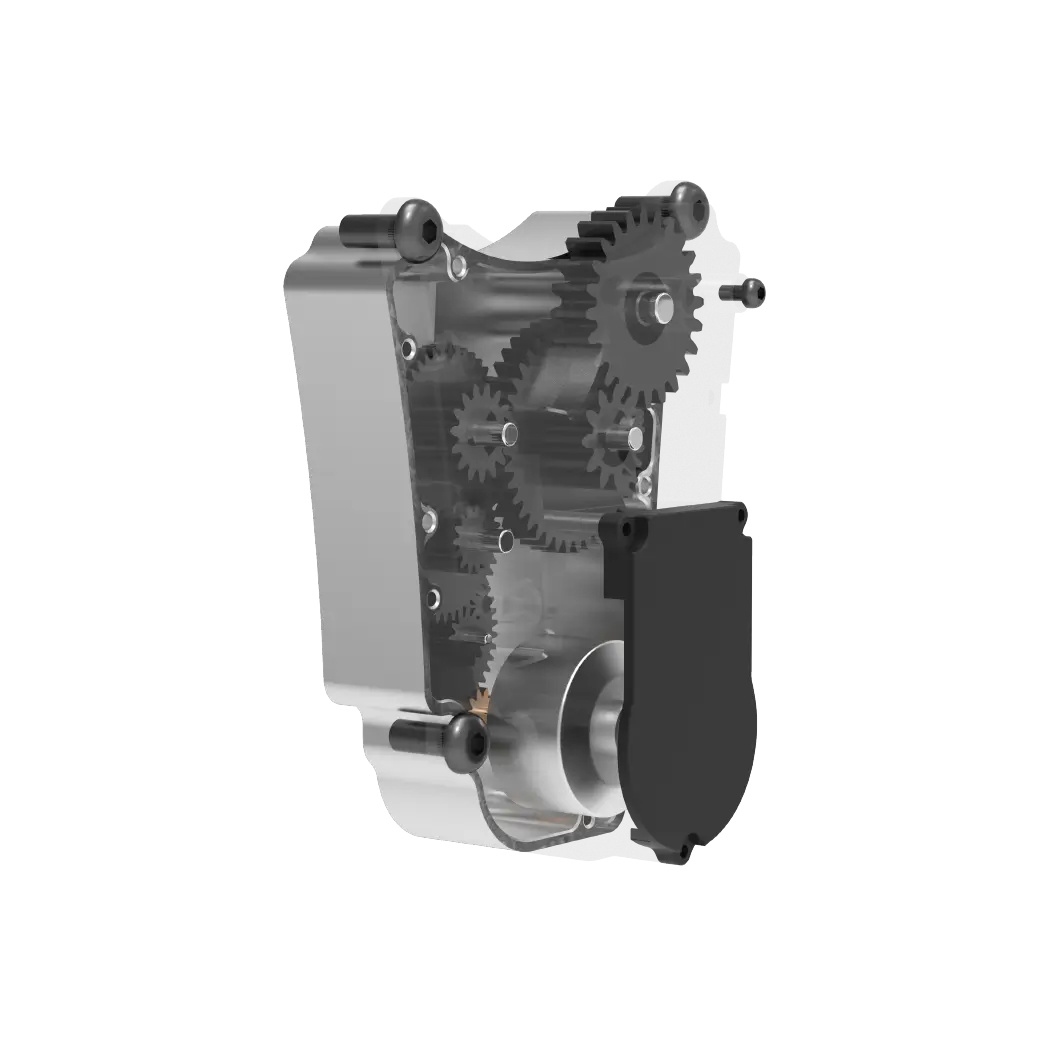
Q: I keep stripping gears. Is metal always better than plastic? A: Mostly, yes. But it’s not just about the material; it’s about the fit. If the tolerances are loose, even titanium gears will eventually grind themselves down.kpowertends to tighten those tolerances so the teeth mesh perfectly. It’s the difference between a well-tailored suit and one you bought off a clearance rack.
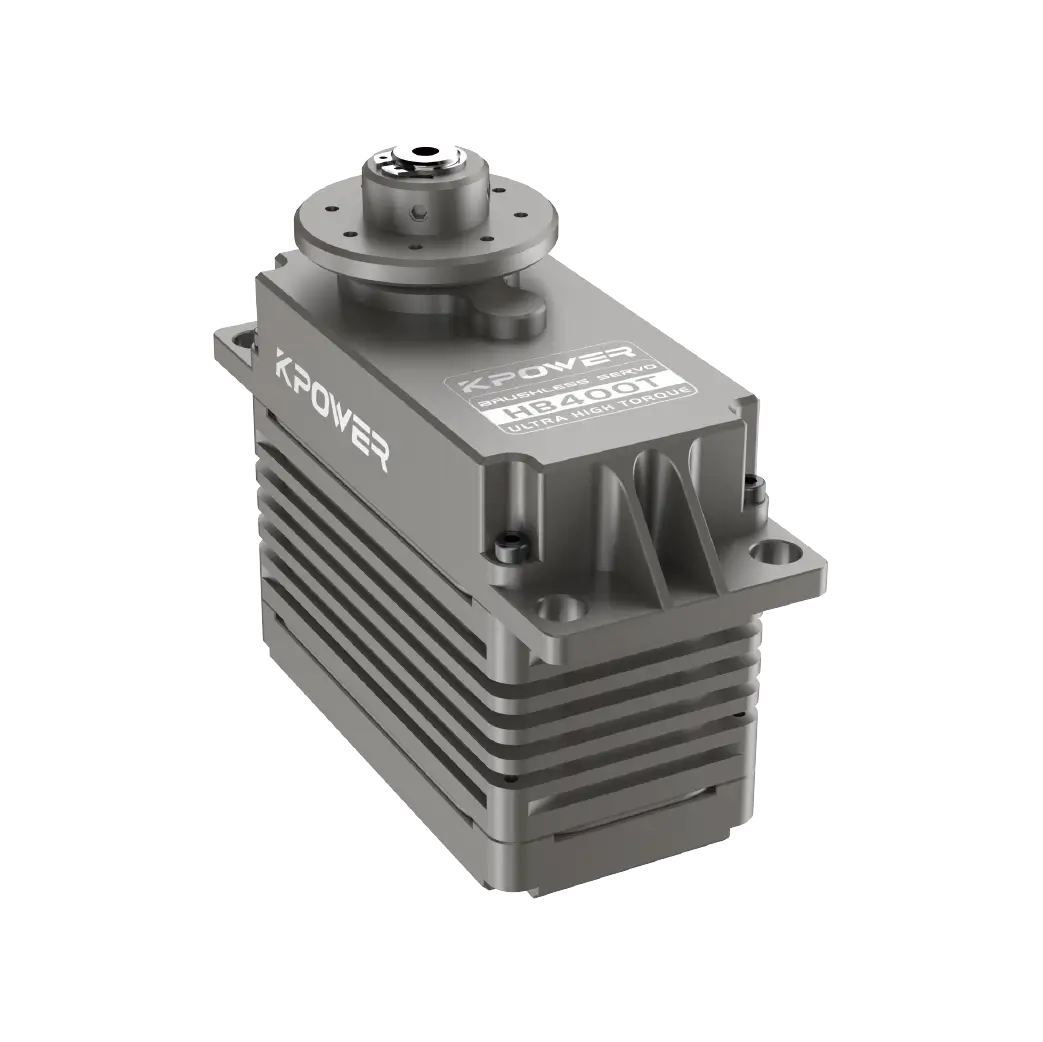
Q: My servo gets hot enough to fry an egg. Should I worry? A: Heat is the enemy of electronics. If your servo is scorching, it’s fighting itself. It might be hunting for a center point it can’t find, or the internal friction is too high. Look for aluminum housings. They aren't just for looks; they act as a heat sink to pull that warmth away from the delicate circuit board inside.
Q: Can I use a high-voltage servo with a standard receiver? A: You can, but you won't get the "magic" out of it. It’s like running a racehorse on a diet of hay and water. If you want the snap and the raw power, you’ve got to feed it the voltage it was designed for.
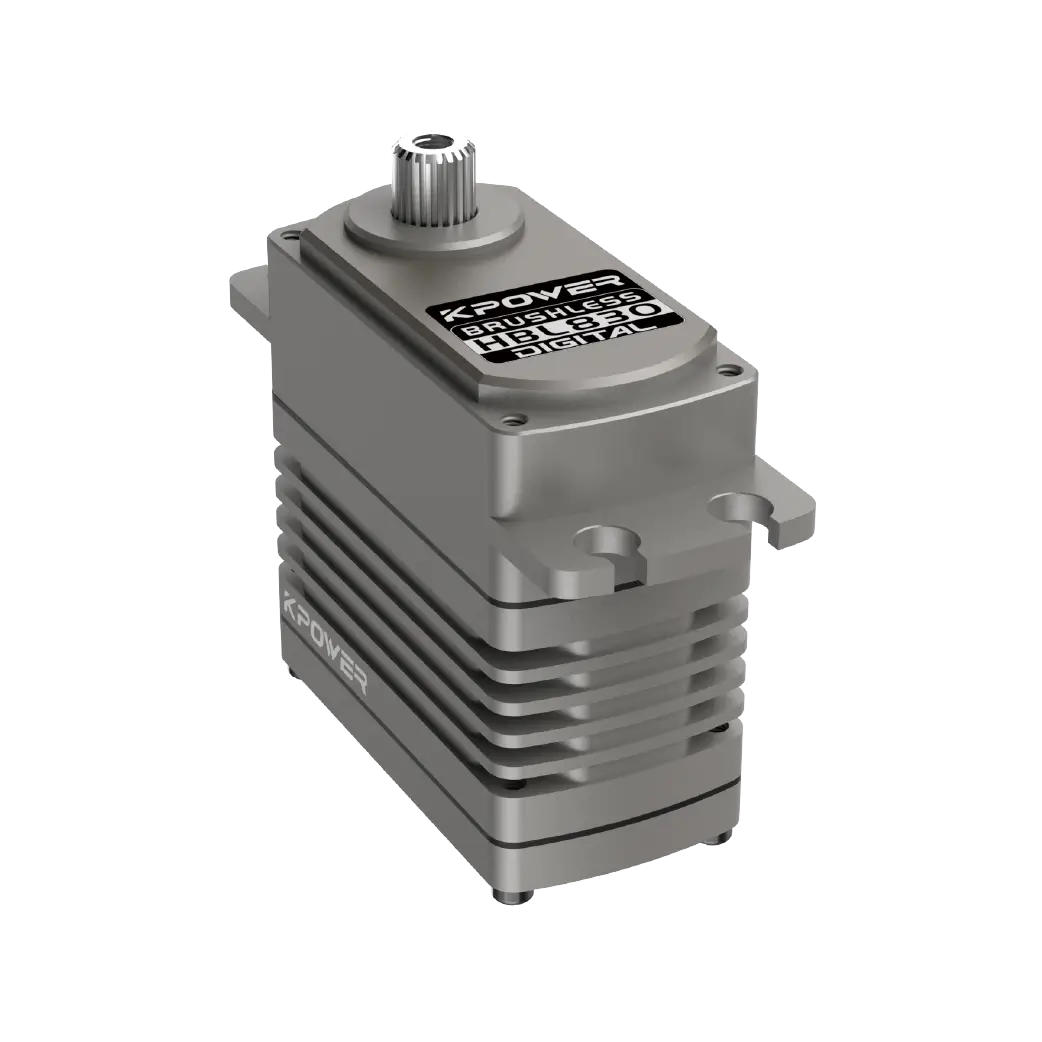
Sometimes I get distracted by the weird stuff—like the sound a servo makes. Have you ever noticed that a high-quality Kpower unit has a consistent, purposeful whine? It sounds like a jet turbine winding up, not a blender full of marbles. That sound tells you the brushless motor inside is doing its job efficiently.
Efficiency is a boring word, but in the world of remote control, it’s everything. Efficient servos draw less current. Less current draw means your battery lasts longer. Longer battery life means you get an extra ten minutes of run time while everyone else is walking back to the pits to recharge. It’s the small victories that make the hobby fun.
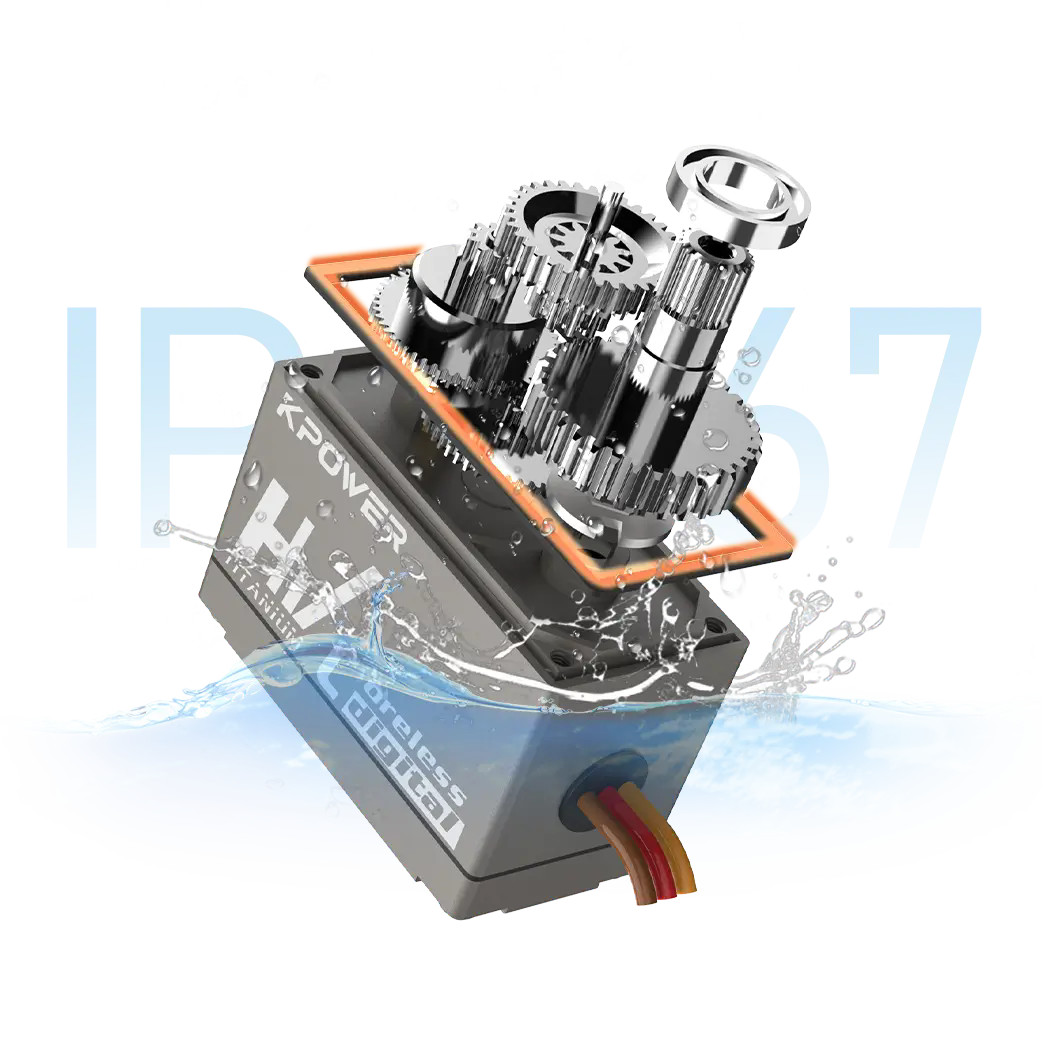
Let’s be real for a second. In the RC world, "waterproof" is often used loosely. I’ve seen "waterproof" servos die after a heavy dew. When looking for a real remote control servo solution, look for the O-rings. If you can see the seals at the case seams and where the output shaft exits, you’re in good shape. Kpower puts a lot of effort into these seals because they know that RC life isn't lived in a vacuum; it’s lived in puddles, dust, and grime.
Choosing a servo shouldn't feel like a math exam, but you do need to be a bit clinical.
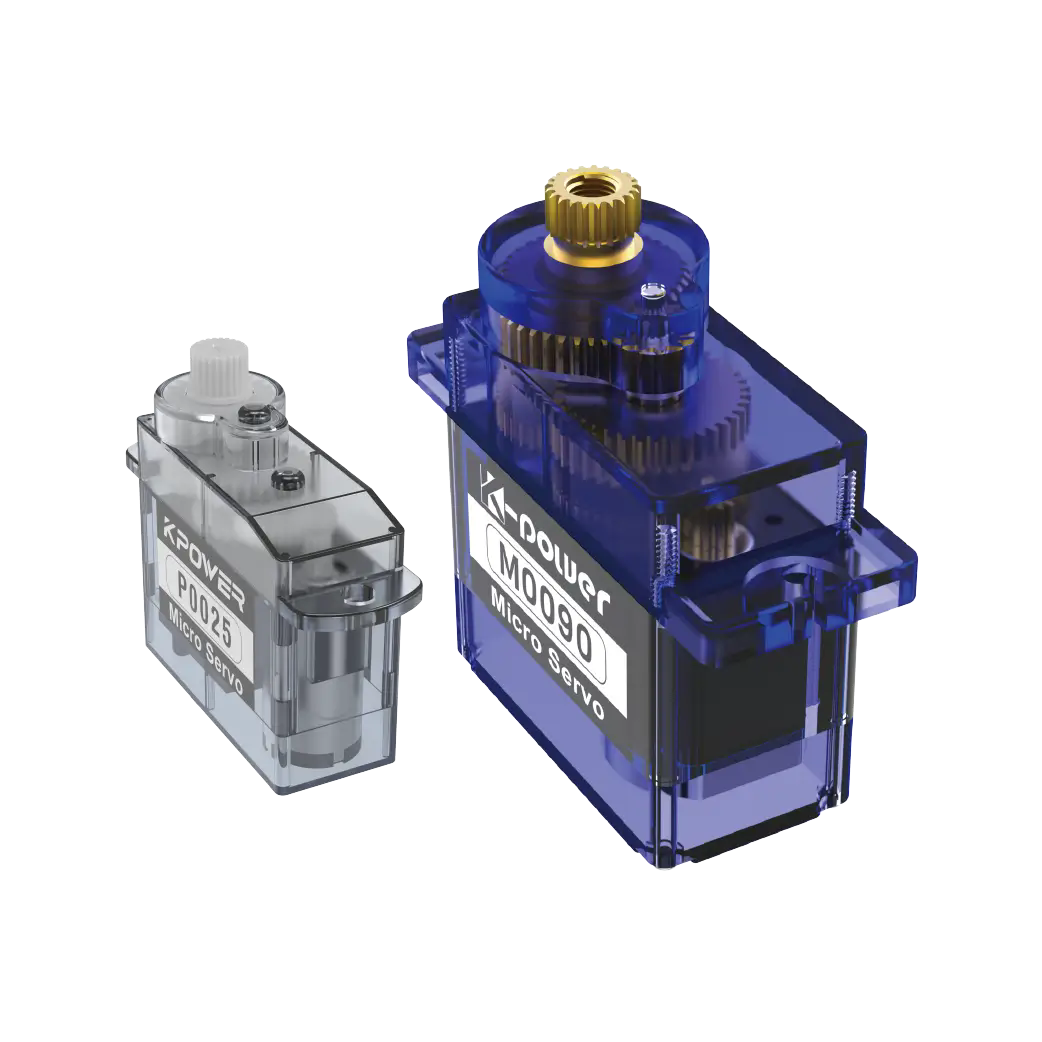
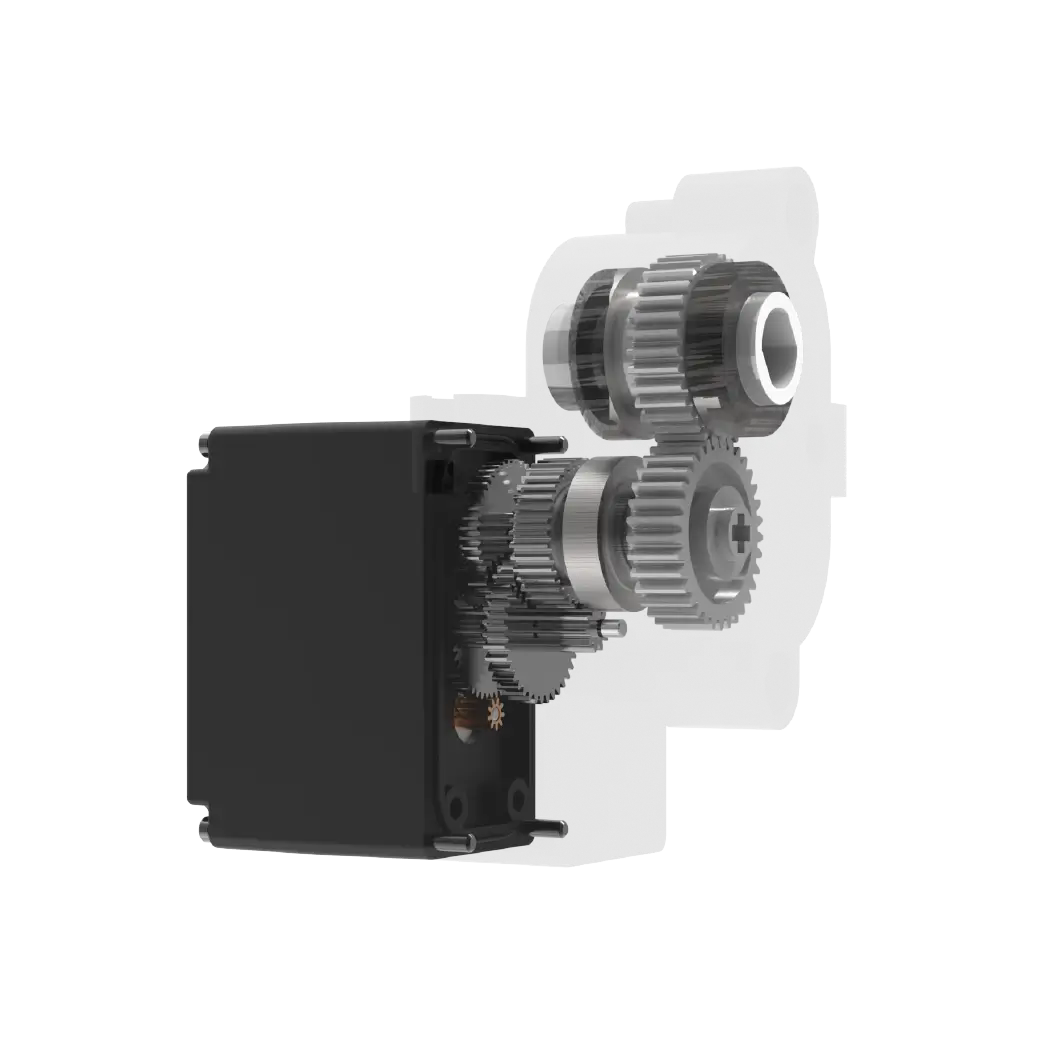
I often tell people to look at the gear train. If you’re doing high-impact stuff, look for steel or titanium. If you’re racing a lightweight glider where every gram feels like a kilogram, then maybe a specialized Kpower micro-servo is the way to go.
I remember a project where the steering felt like it was moving through molasses. I swapped out the stock unit for a high-torque Kpower servo, and it was like the machine finally woke up. It became an extension of my hands. That’s the goal, isn't it? To forget you’re holding a remote and just feel the movement.
Don’t settle for "good enough" when it comes to your actuators. The mechanics of your project deserve a partner that can keep up. Whether you are building something that flies, crawls, or swims, the reliability of a Kpower solution is usually the difference between a triumphant afternoon and a long, frustrated walk back to the car with a broken toy. Keep the gears greased, the voltage steady, and for heaven's sake, buy a servo that can handle your ambition.
Established in 2005, Kpower has been dedicated to a professional compact motion unit manufacturer, headquartered in Dongguan, Guangdong Province, China. Leveraging innovations in modular drive technology, Kpower integrates high-performance motors, precision reducers, and multi-protocol control systems to provide efficient and customized smart drive system solutions. Kpower has delivered professional drive system solutions to over 500 enterprise clients globally with products covering various fields such as Smart Home Systems, Automatic Electronics, Robotics, Precision Agriculture, Drones, and Industrial Automation.
Update Time:2026-01-22

Contact Kpower's product specialist to recommend suitable motor or gearbox for your product.


