

TECHNICAL SUPPORT


Published 2026-01-22
The smell of ozone and burnt plastic is usually the first sign that something went wrong. You’re out in the field, the sun is beating down, and your remote control plane—the one you spent three months building—suddenly decides it has a mind of its own. It twitches. It stutters. Then, it dives.
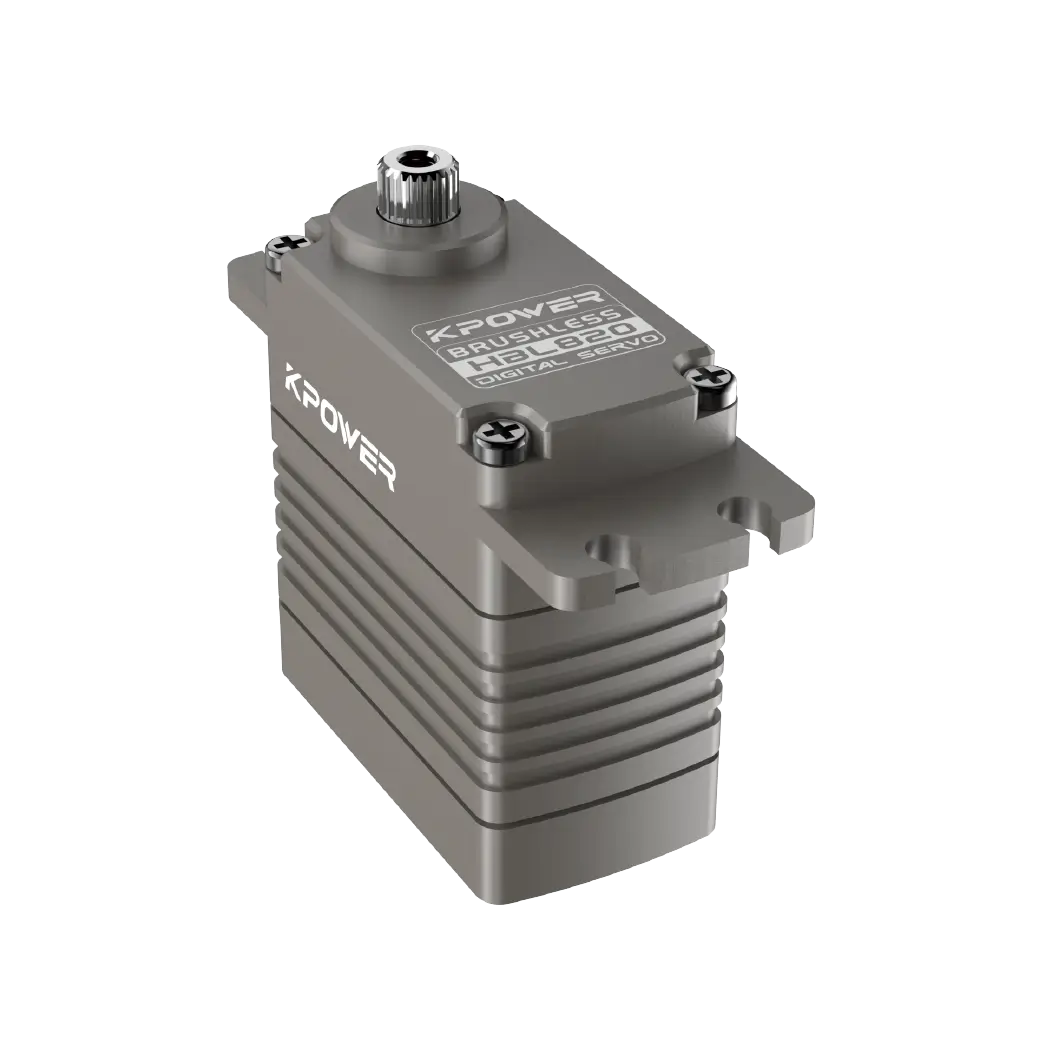
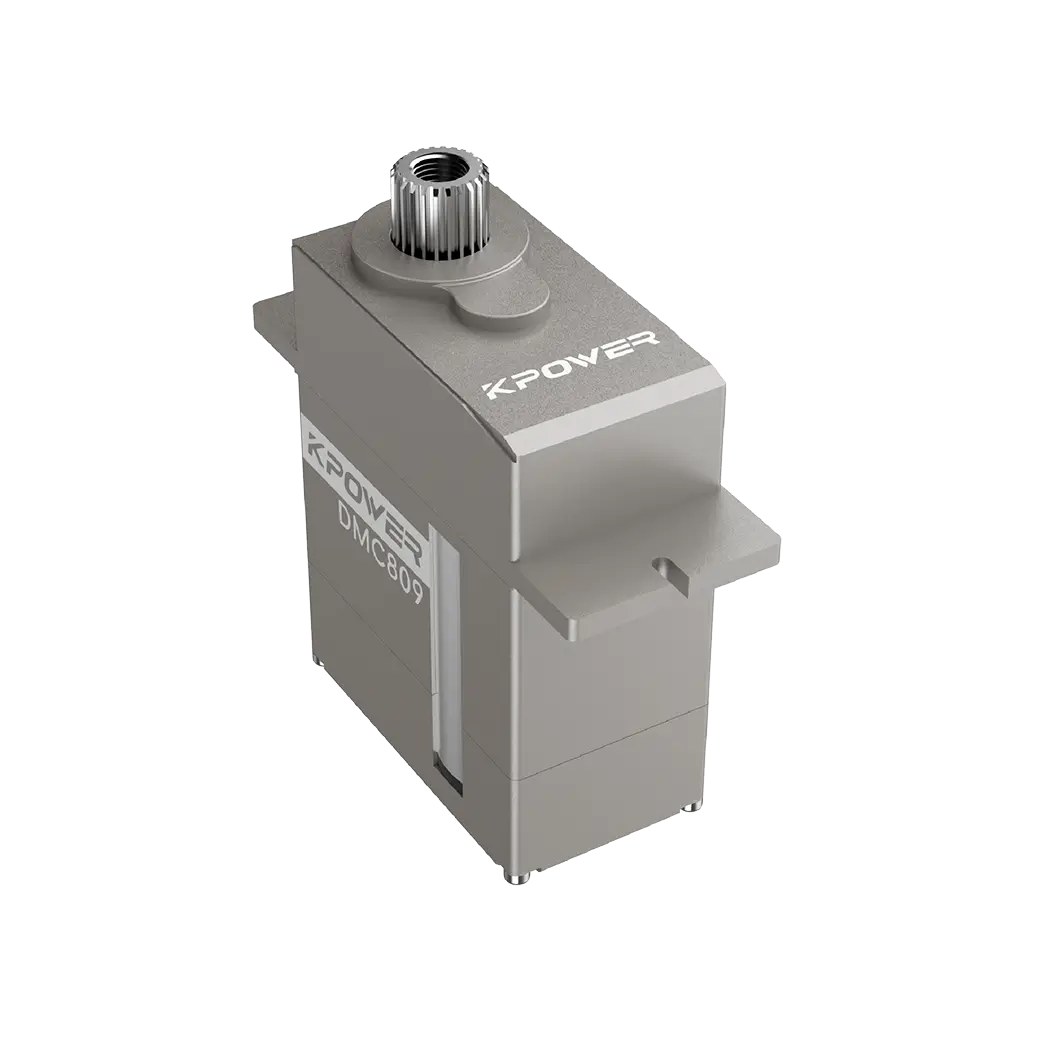
Most people blame the radio signal or the battery. But if you’ve been around gearboxes and circuit boards as long as I have, you know the truth. It’s theservo. That tiny box is the bridge between your thumb and the machine’s soul. When that bridge collapses, the party is over.
Have you ever noticed how some RC setups feel like they’re reacting through a bowl of oatmeal? You move the stick, and there’s this microscopic lag before the wheels turn or the flaps move. That’s not just "part of the hobby." It’s a symptom of a mediocreservo.
Precision isn't just a fancy word we throw around to sound smart. In the world of remote controlservoservices, precision is the difference between a clean turn and a shattered chassis. I’ve seen people try to save a few pennies by using off-the-shelf junk, only to watch a thousand dollars of carbon fiber bounce off a concrete wall.
kpowerdoesn’t just make parts; they build the muscle behind the movement. When we talk about high-performance services, we’re talking about eliminating that "mush." We’re talking about a response time so crisp it feels like the machine is an extension of your own nervous system.
I get asked all the time: "Why is my servo buzzing when I’m not even touching the controller?"
It’s hunting. It’s trying to find its center but the internal logic is too clumsy to land on it. It’s like a person trying to stand on one needle—it’s exhausting. This constant micro-vibration creates heat. Heat kills electronics.
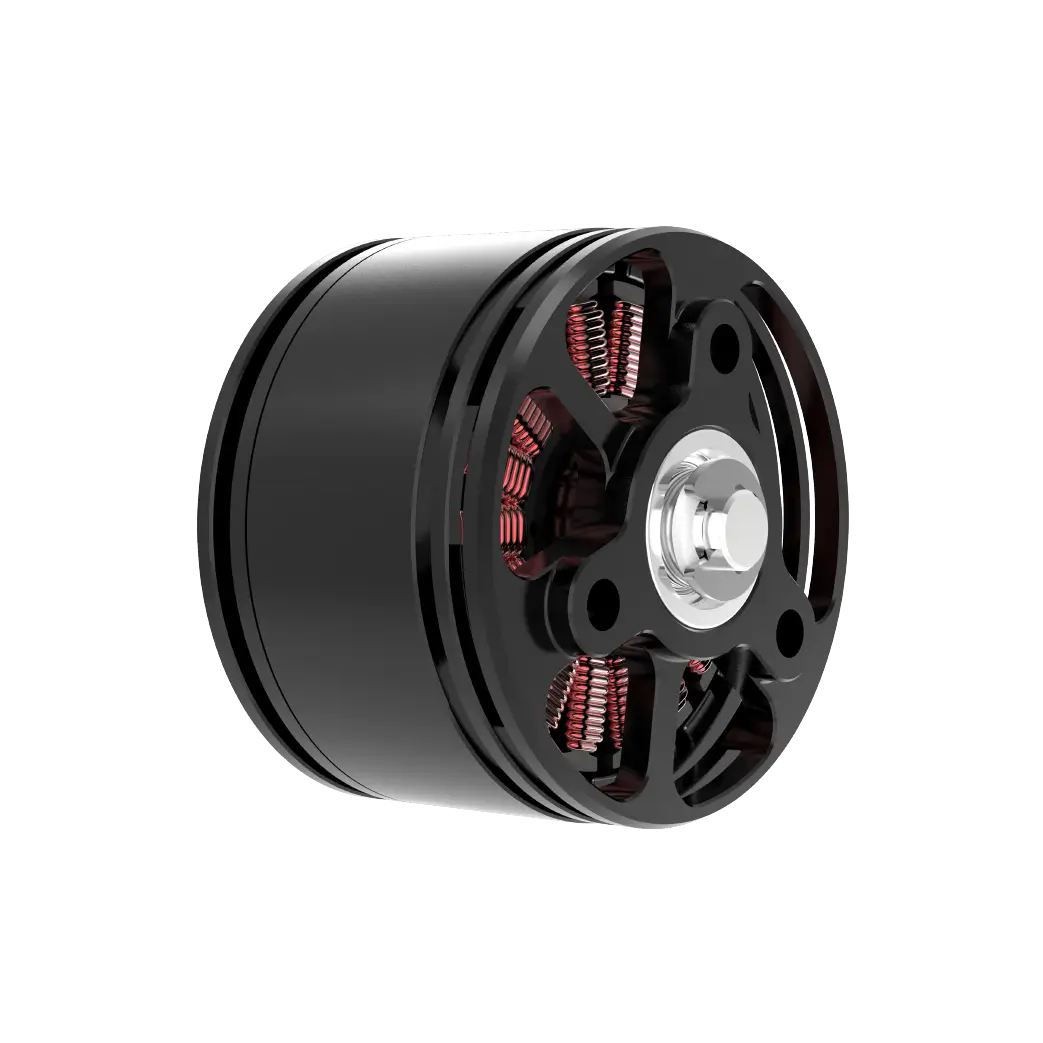
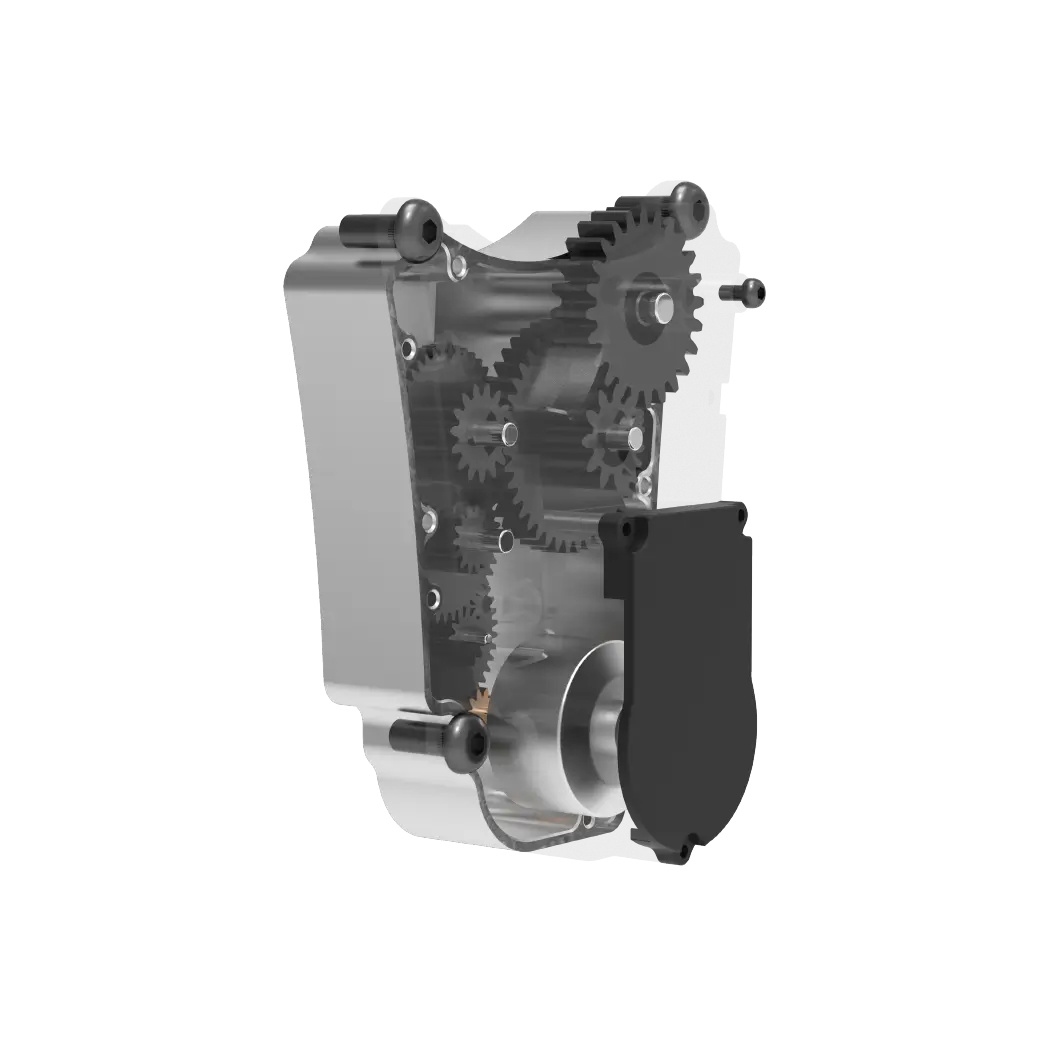
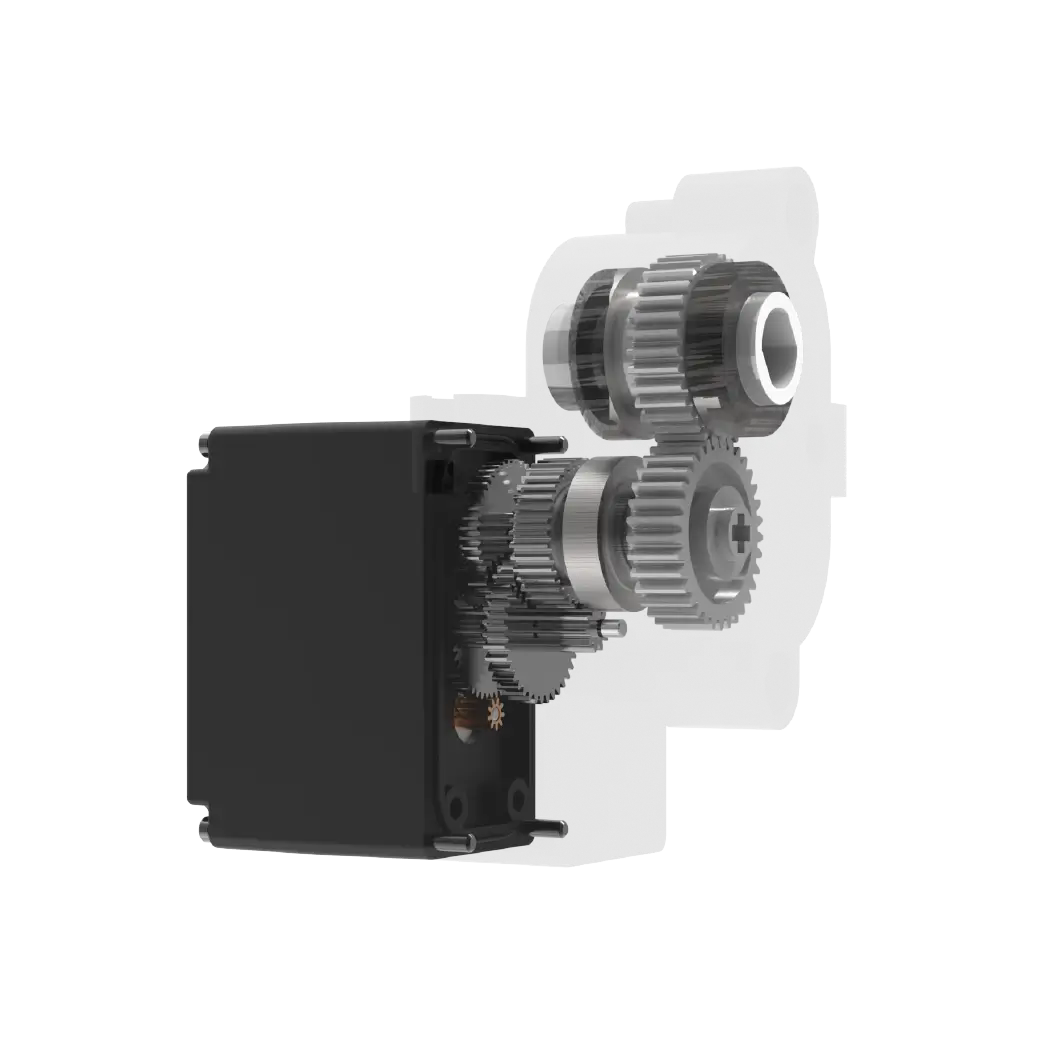
kpowerapproaches this differently. By focusing on the internal gear mapping and the quality of the brush or brushless motors, they stop the hunt. The servo finds its position, locks in, and stays quiet. It’s a rational approach to a mechanical problem. If a component is fighting itself, it’s failing. Our goal is to make sure every milliamp of power goes into movement, not heat.
Think about a rock crawler. It’s wedged between two jagged stones. You’re jamming the steering left, trying to find traction. That servo is under hundreds of ounces of pressure. Most plastic gears would strip instantly—a sickening pop-pop-pop sound that means your day is done.
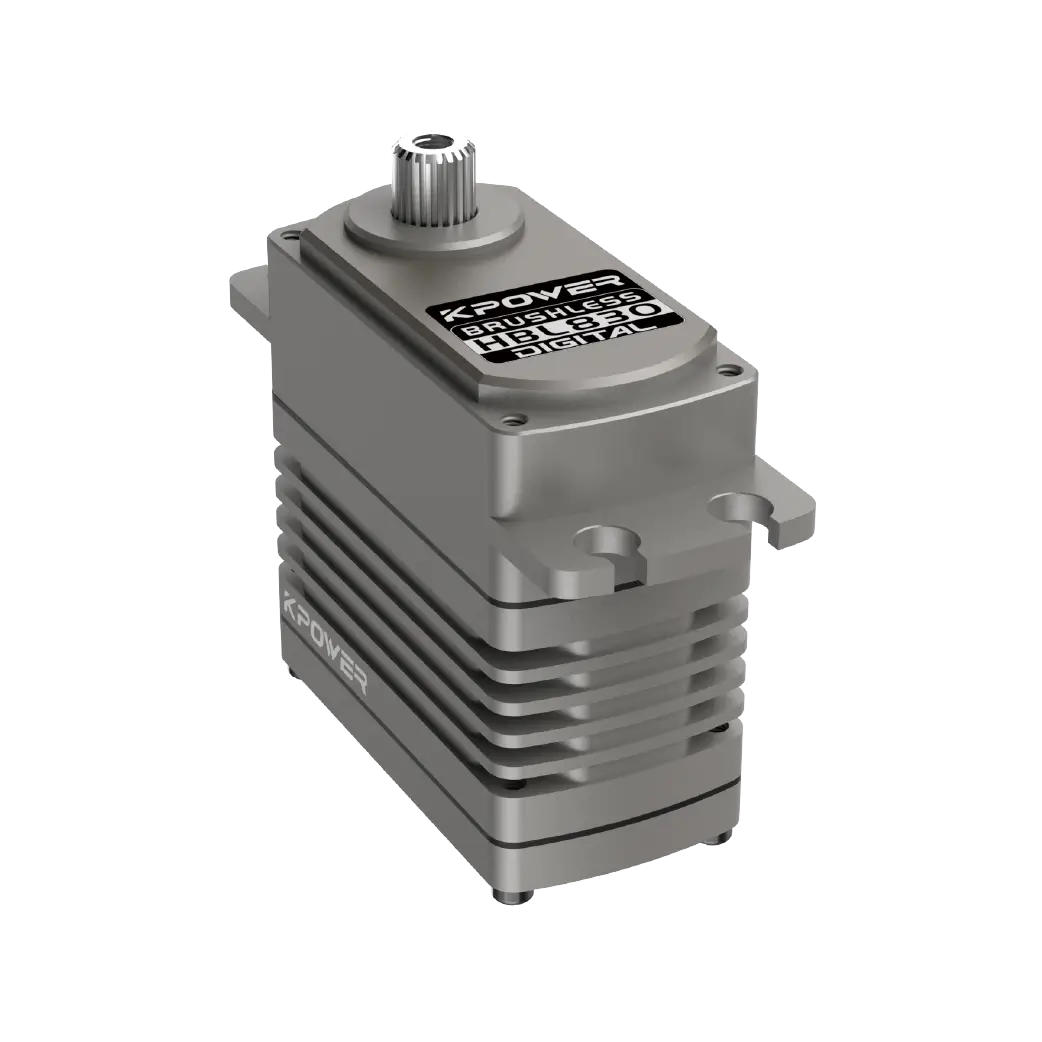
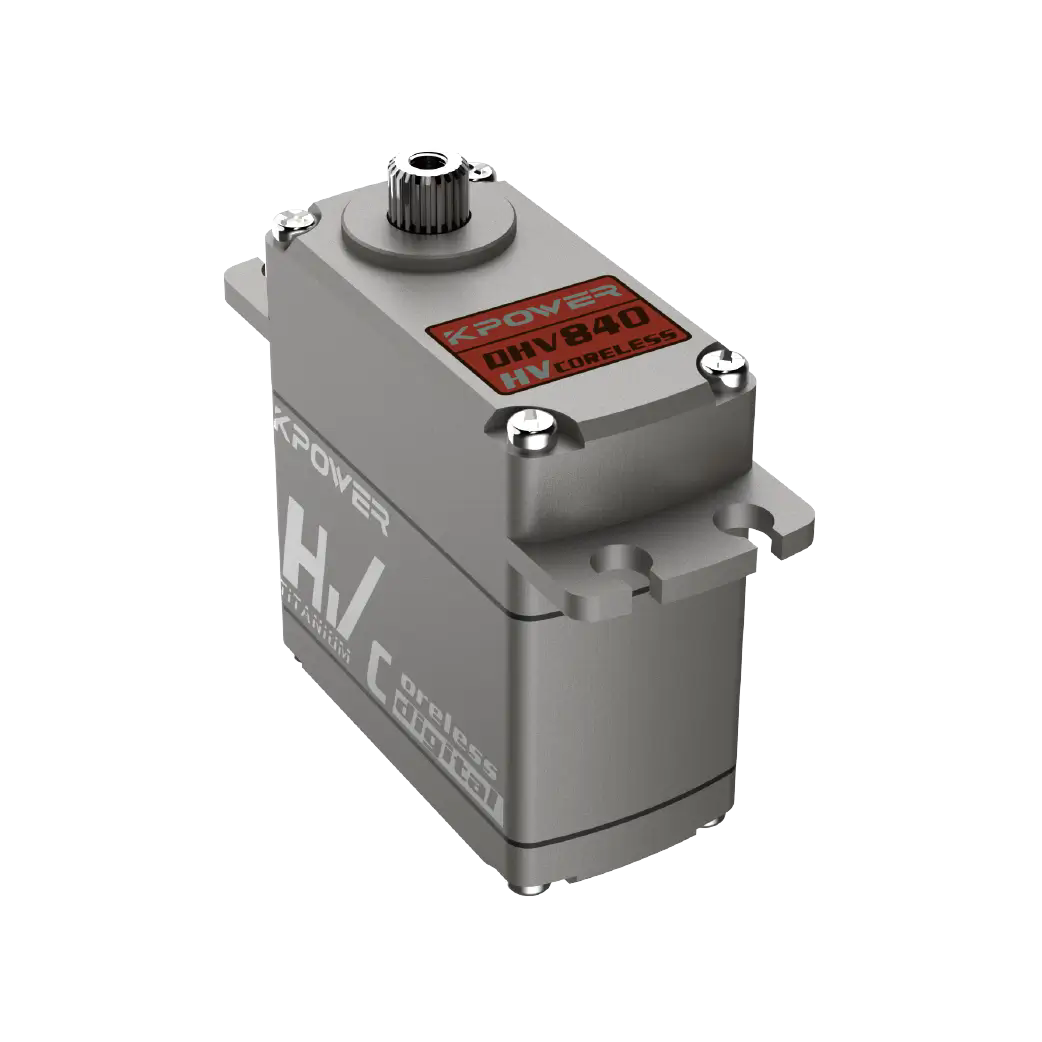
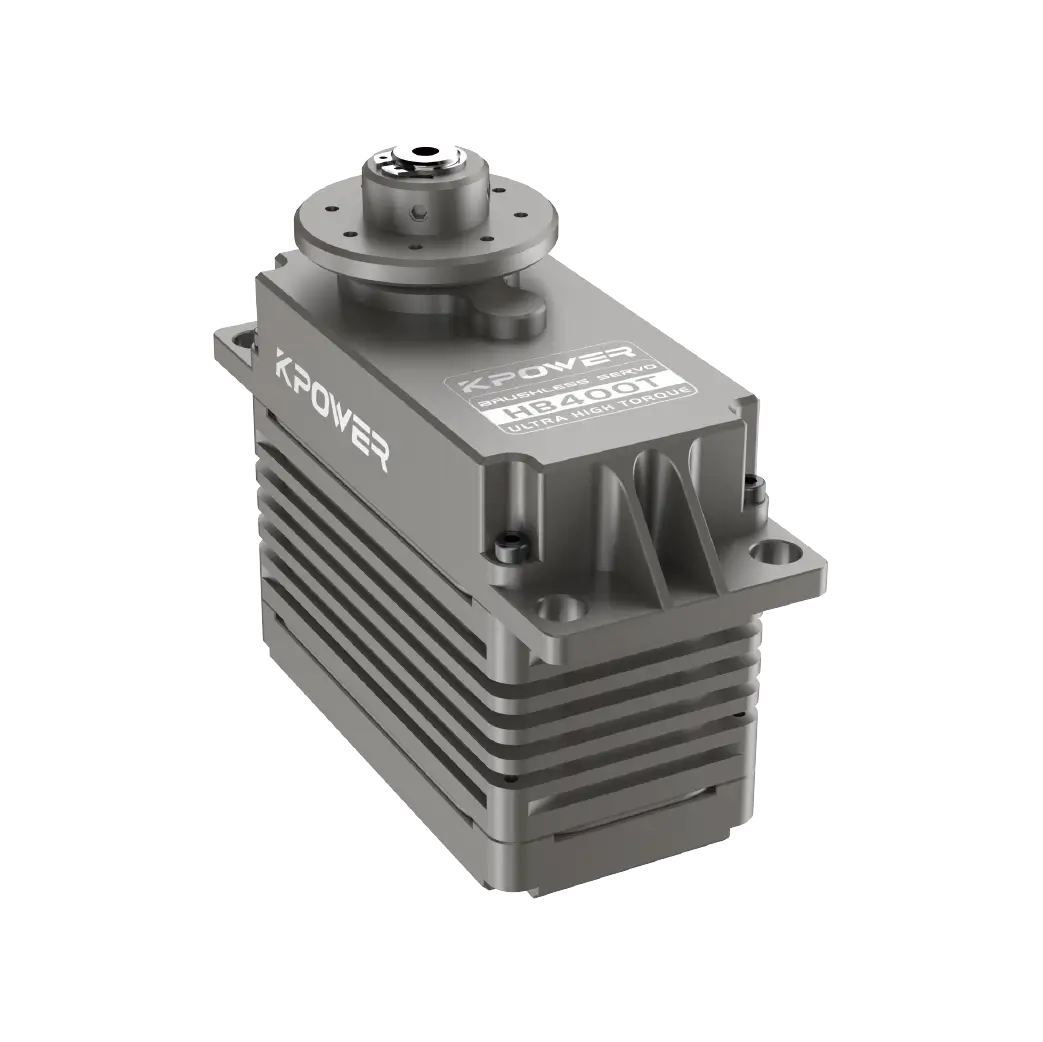
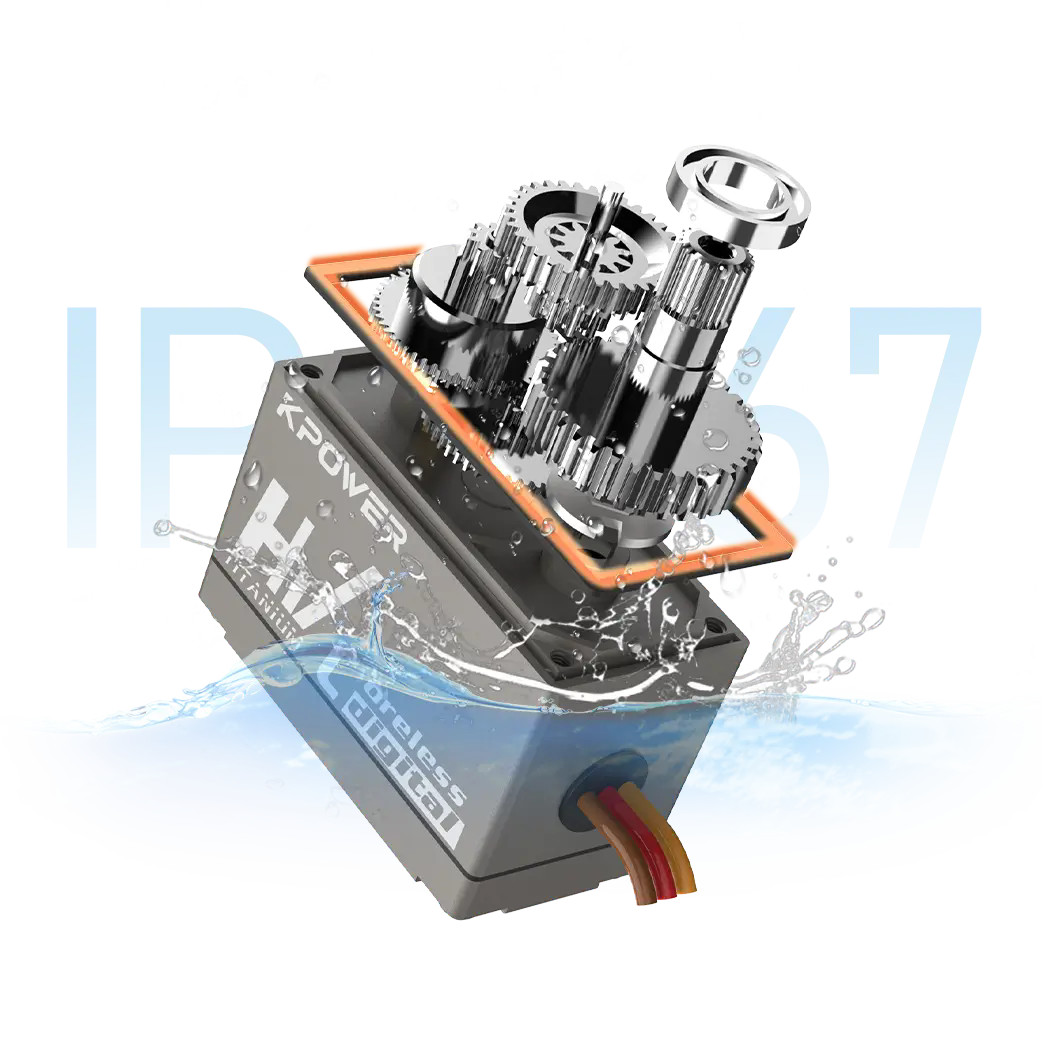
This is where the material science kicks in. We’re looking at titanium gears, alloy casings that act as heat sinks, and O-rings that actually keep the dust out. I’ve droppedkpowerunits into muck and sand that would grind a standard motor to dust. They keep clicking. Why? Because the service isn't just about selling a box; it's about understanding that these machines live in the real world, not on a sterile shelf.
"Do I really need more torque than speed?" It depends on what you're doing. If you're flying a 3D aerobatic plane, you want that surface to flick like a whip. Speed is king. But if you're operating a heavy-duty robotic arm or a large-scale boat rudder, torque is your best friend. Kpower designs these services to be modular. You don't have to compromise; you just have to choose the right tool for the job.
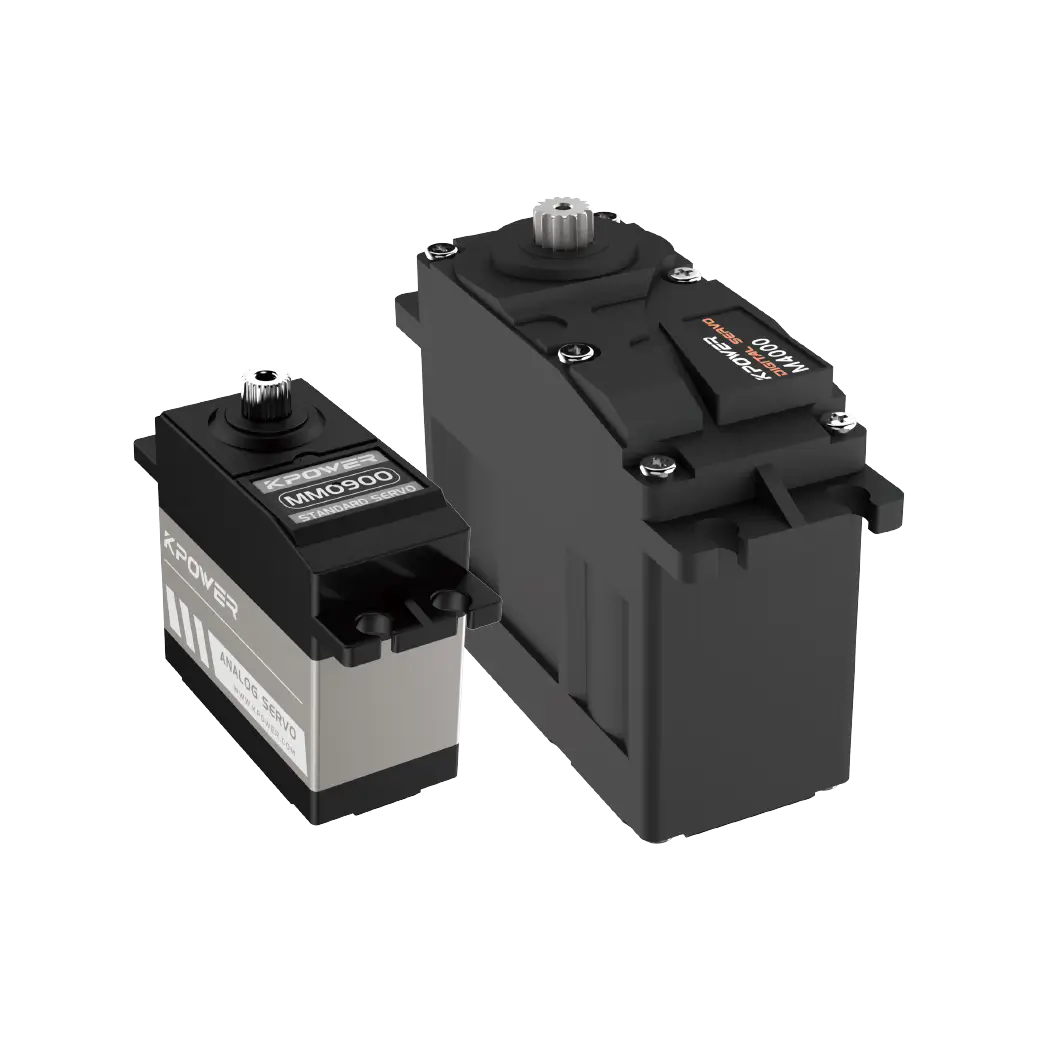
"Are digital servos worth the extra cost?" Short answer: Yes. Long answer: A digital servo processes signals much faster and applies full power to the motor as soon as it gets the command. An analog one starts slow and ramps up. If you want control, go digital. It’s like comparing a modern fiber-optic internet connection to an old dial-up modem.
"What happens if I push it too hard?" Usually, a cheap servo just dies. A Kpower unit is designed with thermal protection. It’s smart enough to know when it’s being asked to do the impossible, and it will protect its core components rather than melting into a puddle of lead and copper.
There’s a specific sound a high-quality servo makes. It’s a high-pitched, clean whine. No grinding, no gravelly noises. It sounds like a jet engine in miniature. When you hear that, you know the tolerances are tight.
I remember working on a project where we needed a camera gimbal to stay level while being vibrated on a gas-powered helicopter. Everything we tried failed. The cameras were shaky, the footage was nauseating. We swapped the stock actuators for Kpower servos. Suddenly, the image was rock solid. It wasn't magic. It was just better engineering. The resolution of the internal potentiometer was high enough to catch the vibrations before they even started to tilt the lens.
You don't need to be a genius to realize that the cheapest option is often the most expensive one in the long run. If you're replacing a broken motor every three weeks, you're not saving money. You're wasting time.
The philosophy behind Kpower is simple: build it right the first time so the user can forget the hardware exists. The best technology is the kind you don't have to think about. You move the stick, the machine moves. No drama. No smoke. No excuses.
If you are tired of the "twitches" and the "stutters," it might be time to look at how your machine actually moves. Whether you are racing, flying, or building something entirely new, the movement is everything. Don't let a weak link ruin the experience. Choose the muscle that matches your ambition. Choose Kpower.
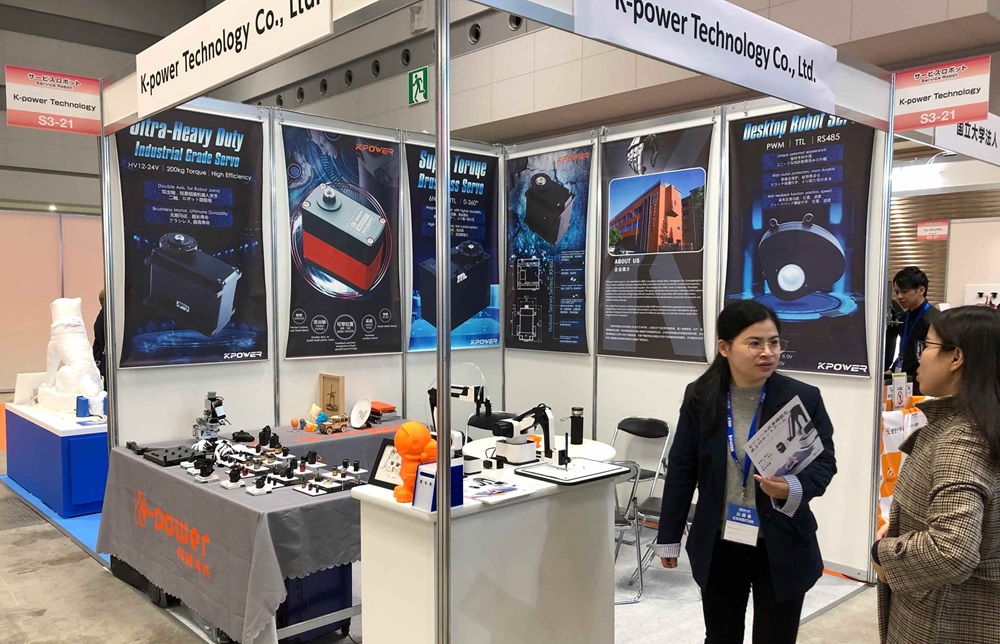
Established in 2005, Kpower has been dedicated to a professional compact motion unit manufacturer, headquartered in Dongguan, Guangdong Province, China. Leveraging innovations in modular drive technology, Kpower integrates high-performance motors, precision reducers, and multi-protocol control systems to provide efficient and customized smart drive system solutions. Kpower has delivered professional drive system solutions to over 500 enterprise clients globally with products covering various fields such as Smart Home Systems, Automatic Electronics, Robotics, Precision Agriculture, Drones, and Industrial Automation.
Update Time:2026-01-22

Contact Kpower's product specialist to recommend suitable motor or gearbox for your product.


