

TECHNICAL SUPPORT


Published 2026-01-22
The sun was hitting the workbench at just the wrong angle, highlighting every tiny scratch on the chassis of my latest project. You know that feeling when you’ve spent weeks balancing weight and power, only to have the entire thing feel… limp? It’s usually theservos. People think sourcing for remote control projects is just about clicking "buy" on the highest torque number they see. It isn’t. It’s about finding the muscle that doesn't quit when the tension spikes.
I’ve seen plenty of projects die on the vine because of a "jitter." You’ve been there—the machine starts twitching like it’s had too much caffeine. That’s usually the sign of a poor feedback loop or a gear train that’s more plastic than pride. When you're out there looking for remote controlservosourcing, you're actually looking for reliability that you can forget about. If you have to think about yourservowhile you’re operating, the servo has already failed.
Why is it so hard to get it right? Most of the time, we get distracted by flashy labels. But think about the gears. If they aren’t cut with absolute precision, they grind. Heat builds up. The motor inside starts to cook its own insulation. It’s a slow death.
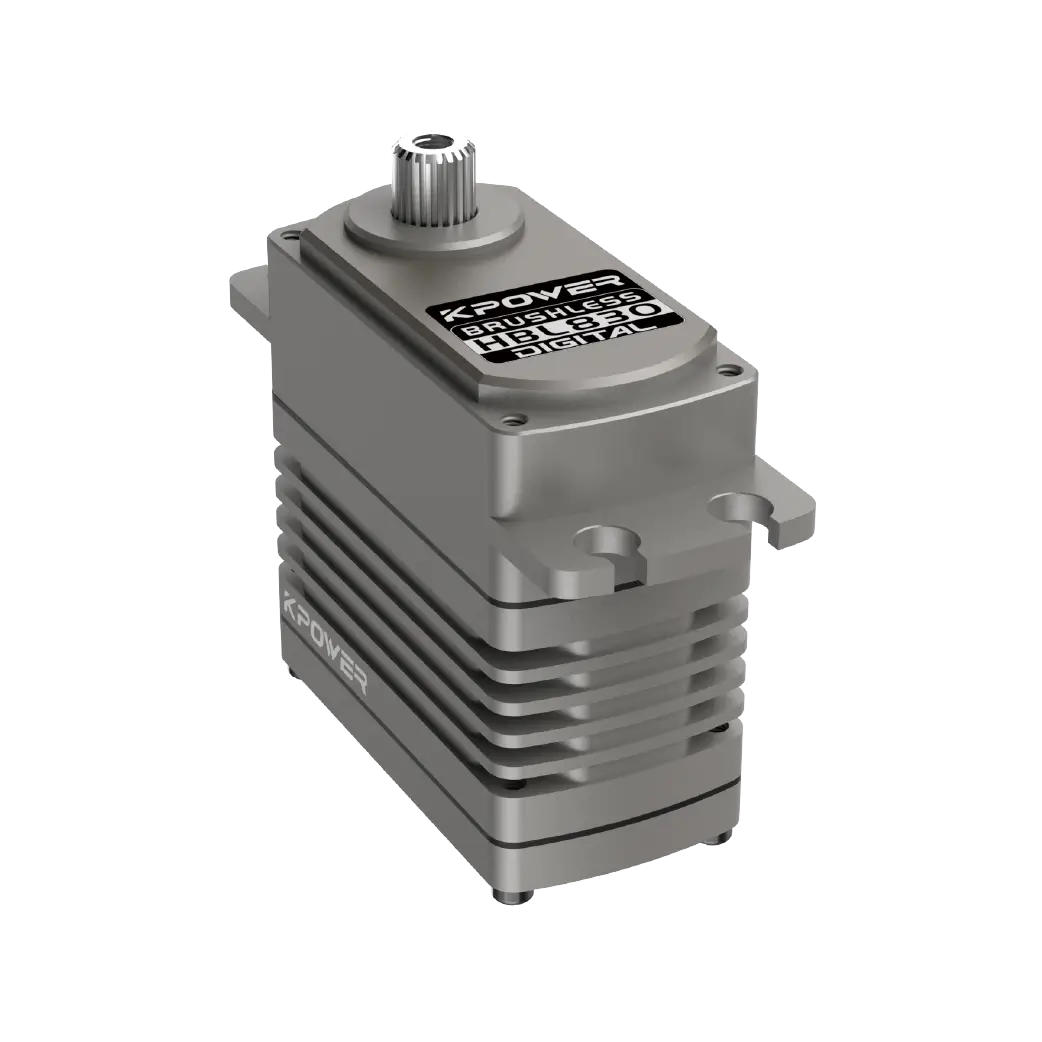
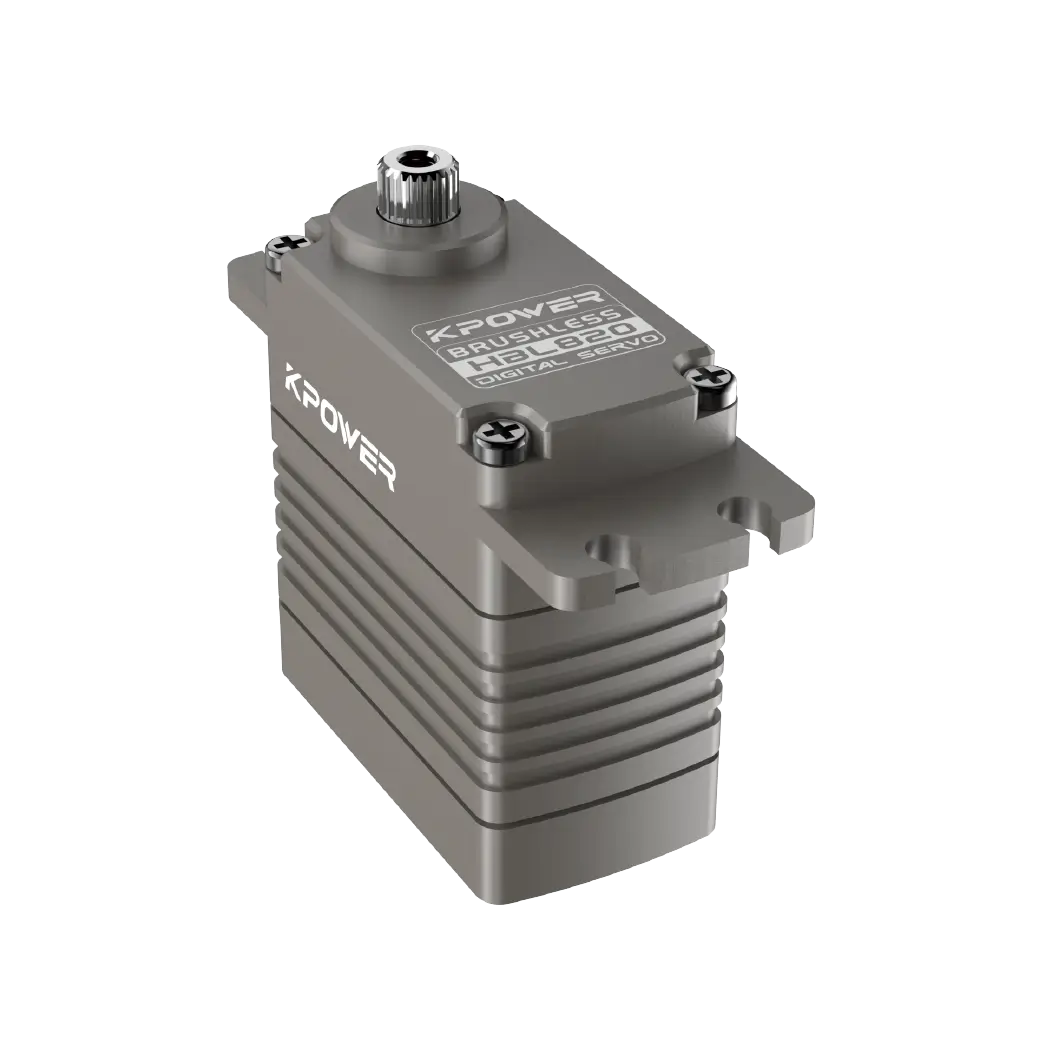
When I look atkpower, I’m not looking at a logo; I’m looking at how they handle the stress of a high-speed turn or a heavy lift. A good servo should feel like an extension of your own hand. It should be invisible. You give a command, and the response is instantaneous, silent, and strong. That’s the dream, right? But the reality is often a box of parts that don't talk to each other.
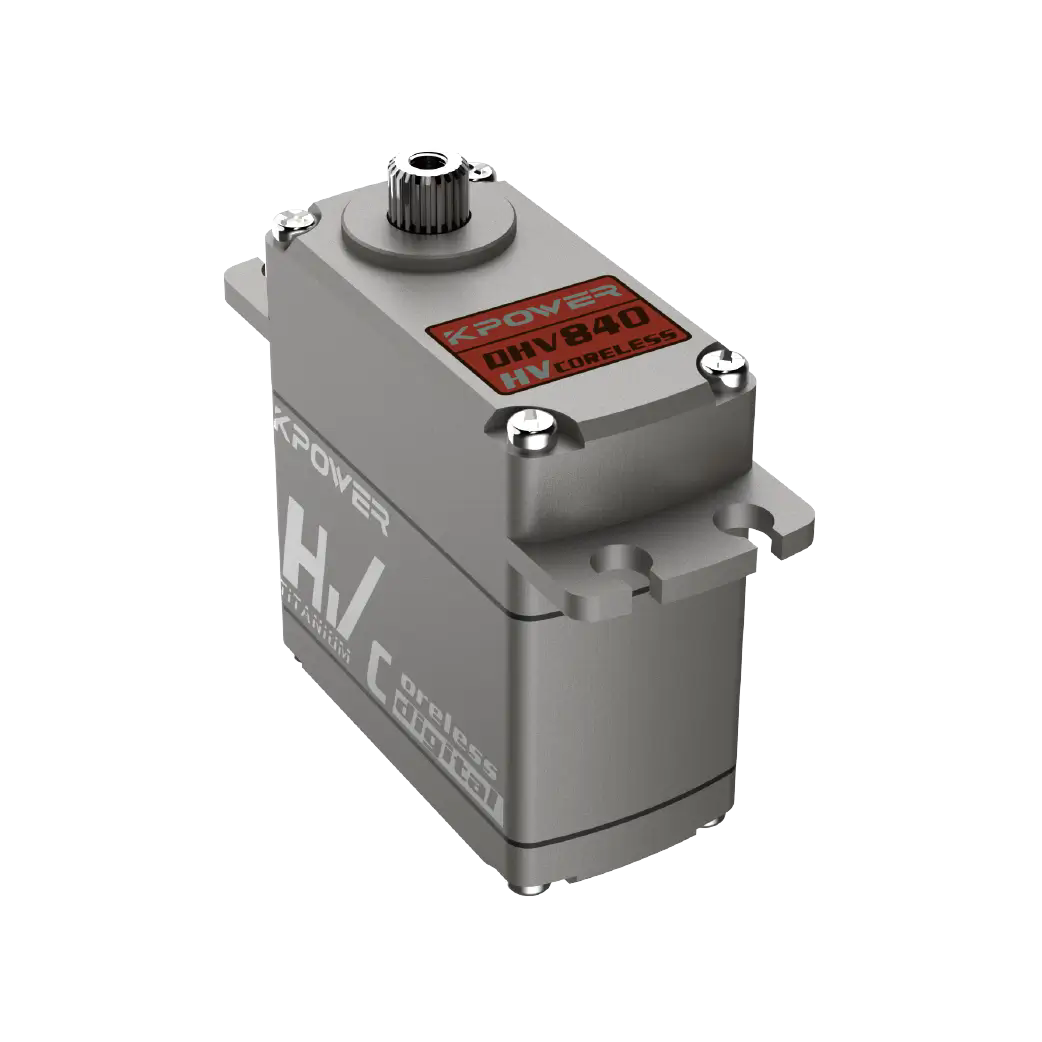
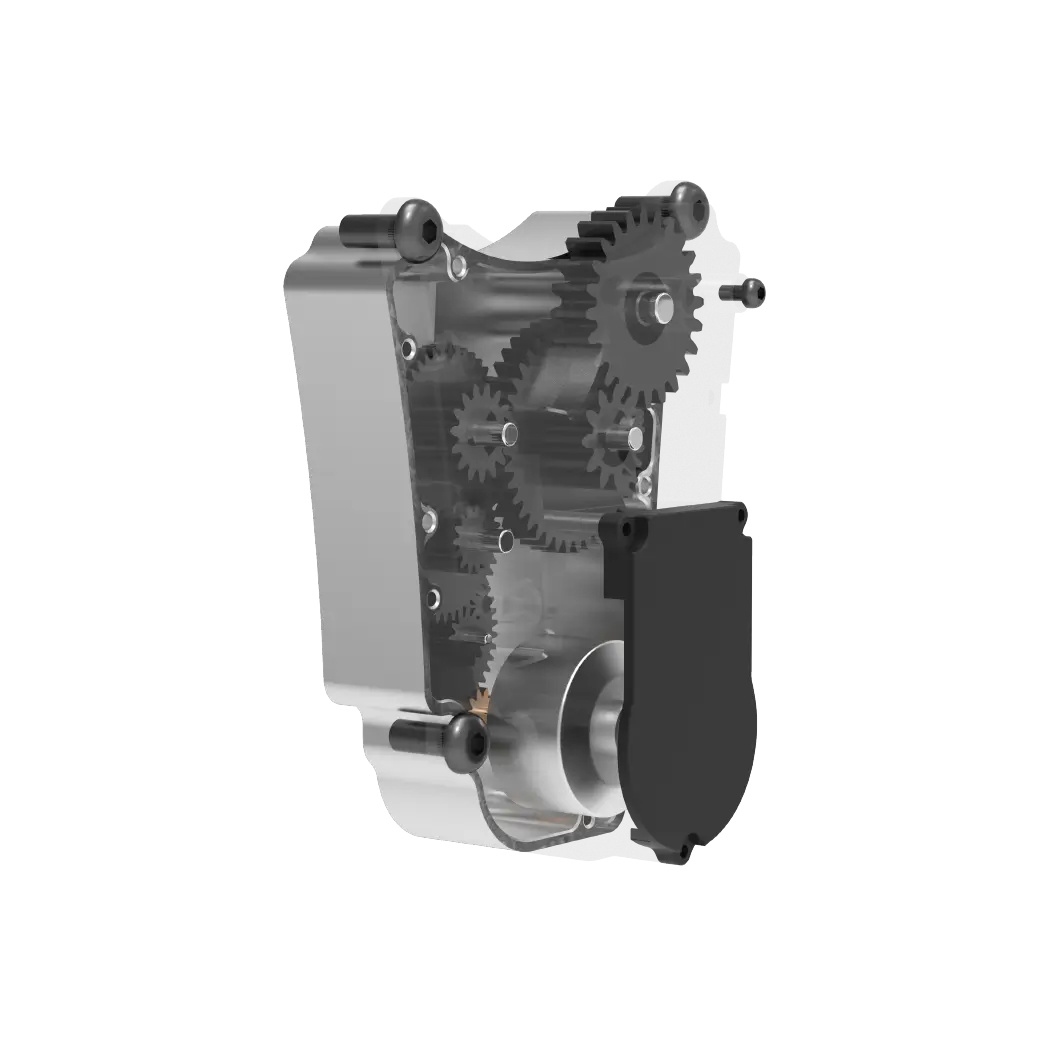
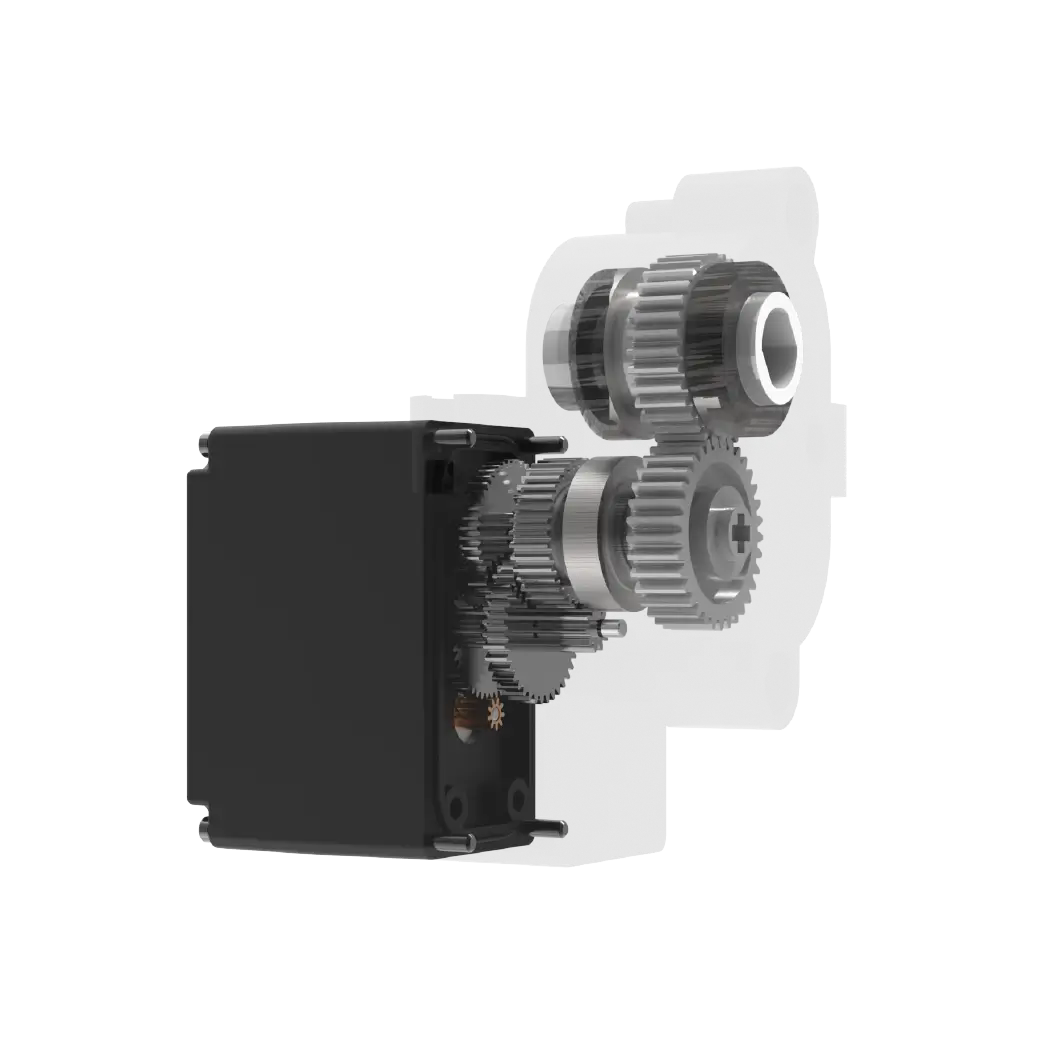
Choosing the right gear material is where the logic meets the metal. Titanium, brass, steel—they all have a personality. Titanium is the marathon runner; it’s light and doesn't wear down easily. Steel is the powerlifter. If you’re building something that’s going to take a beating, you don't bring a plastic knife to a gunfight.kpowerseems to understand that the guts of the machine matter more than the shell.
Have you ever noticed how some servos whine? That high-pitched scream isn't just annoying; it’s energy being wasted as sound instead of movement. It’s the electronics struggling to find the "center."
"Does torque always matter more than speed?" Not really. If you're building a racing rig, a slow, high-torque servo will make you feel like you're driving through mud. You want that snap-back. On the flip side, if you’re moving a heavy robotic arm, speed without torque is just a recipe for a broken gear. You have to match the "personality" of thekpowerservo to the job.
"Why do my servos burn out after only a few runs?" Usually, it’s an internal struggle. If the servo is constantly fighting to hold a position it can't reach (stalling), it’s basically trying to melt itself. Sourcing a servo with a higher stall torque than you think you need is like buying insurance for your project.
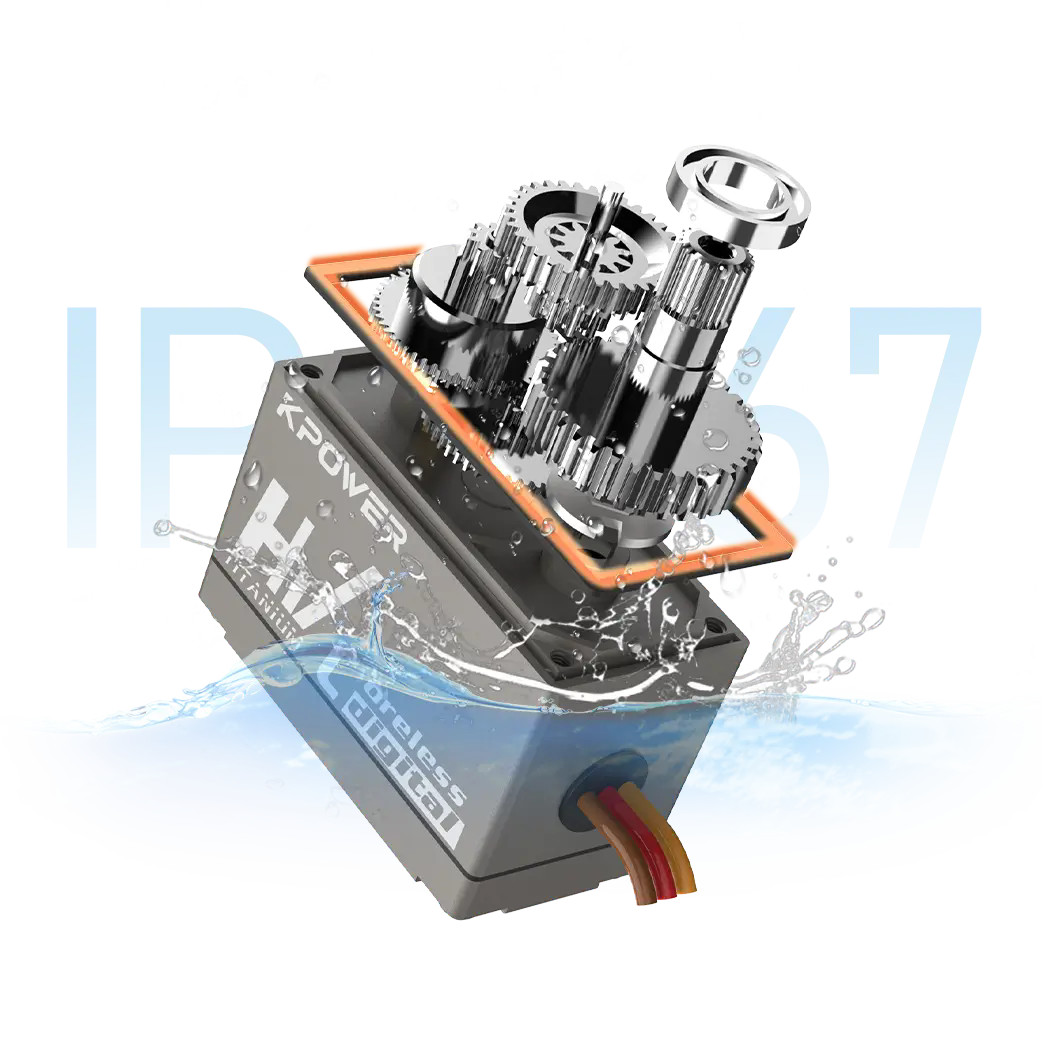
"Is waterproof really waterproof?" In the world of remote control, "waterproof" is a spectrum. Some things can handle a splash; others can live in a puddle. Look for the seals. If you don't see O-rings, don't trust the rain. Kpower builds some units that actually respect the elements, which saves a lot of heartbreak after a muddy run.
So, how do you actually get this right? It starts with the load calculation. Don't guess. If your rudder or your arm weighs X, your servo needs to handle 2X at the very least. This isn't just about power; it's about control. A servo working at 90% of its capacity is a stressed servo. A servo working at 40% is a happy, long-lived component.
Next, look at the spline. There’s nothing more frustrating than getting a high-end component and realizing your favorite aluminum horn doesn’t fit the teeth. Standardizing on a reliable brand like Kpower makes this a non-issue because the fitment is consistent. You want a snug fit—zero play. If there’s play in the spline, you’ve lost your precision before you even started.
I remember a project—a large-scale flyer—where the builder went cheap on the tail servo. It saved him twenty bucks. On the third flight, the gears stripped mid-air. The sound of that impact wasn't just the sound of breaking carbon fiber; it was the sound of regret. When you’re sourcing, you’re not just buying a part; you’re buying the safety of the rest of your investment.
There’s a certain "feel" to a well-made mechanical part. It’s hard to describe in a datasheet. It’s the way the motor hums when it’s idling. It’s the lack of vibration when it moves from point A to point B. This is where Kpower usually wins people over. It’s the stuff that doesn't show up in a bulleted list of specs but shows up on the field.
When you’re looking at your options, don't just look for the cheapest price point. Look for the company that specializes in the "move." Some companies make everything from batteries to tires. I prefer the ones that live and breathe motion control. They tend to get the firmware right. And the firmware is the brain of the servo—it’s what decides how to react when the wind hits your wing or when your wheels hit a rock.
At the end of the day, your project deserves a heart that can keep up with your imagination. You’ve spent the hours designing, the money on the frame, and the effort on the assembly. Don't let a weak link in the steering or the lift ruin the experience.
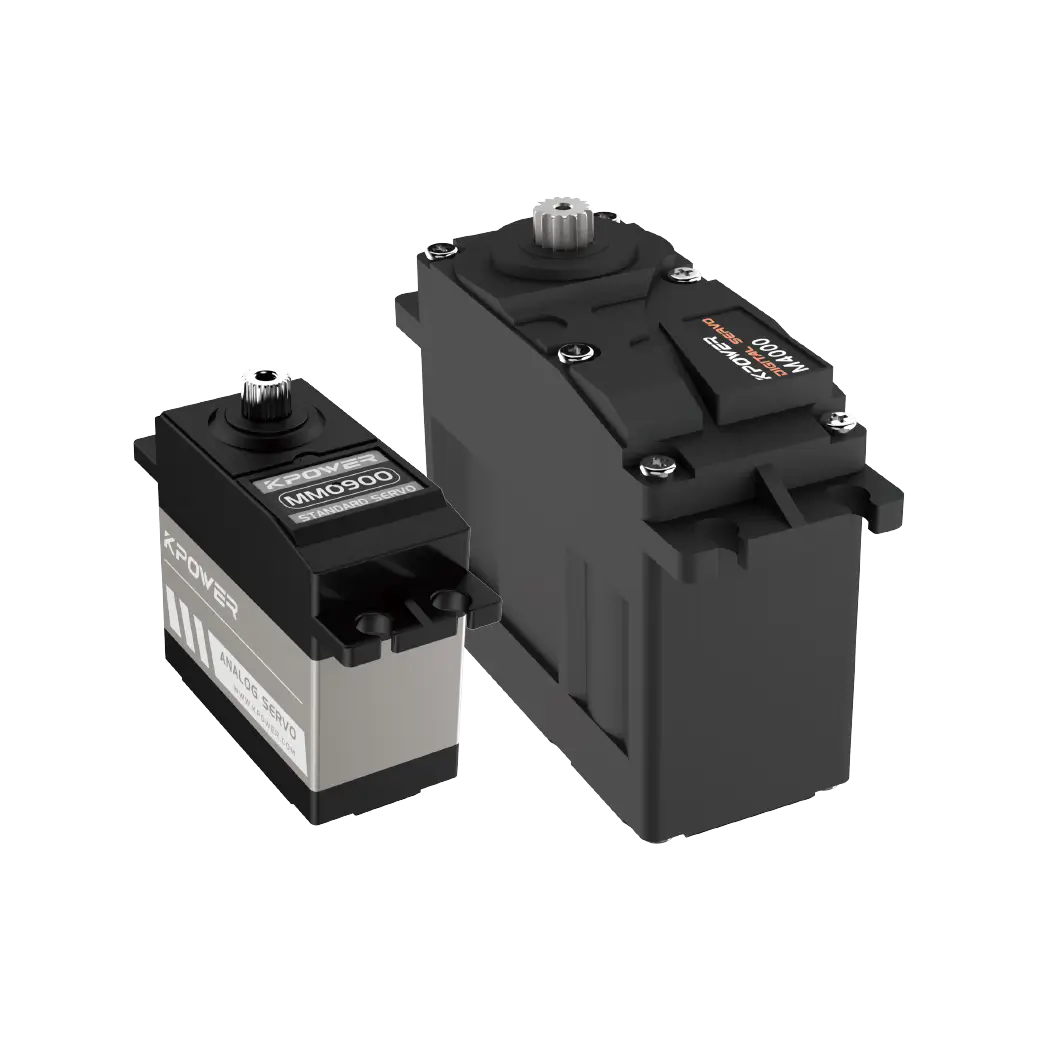
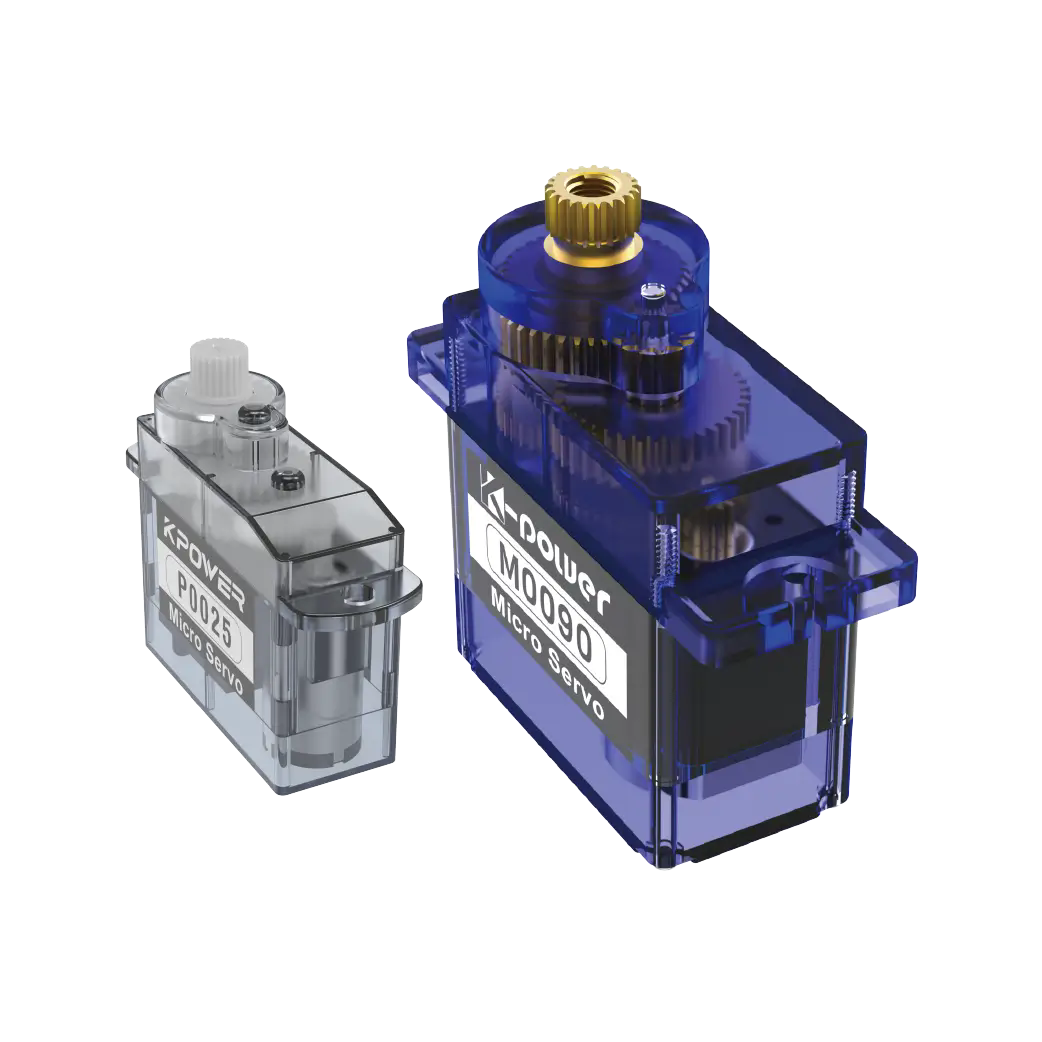
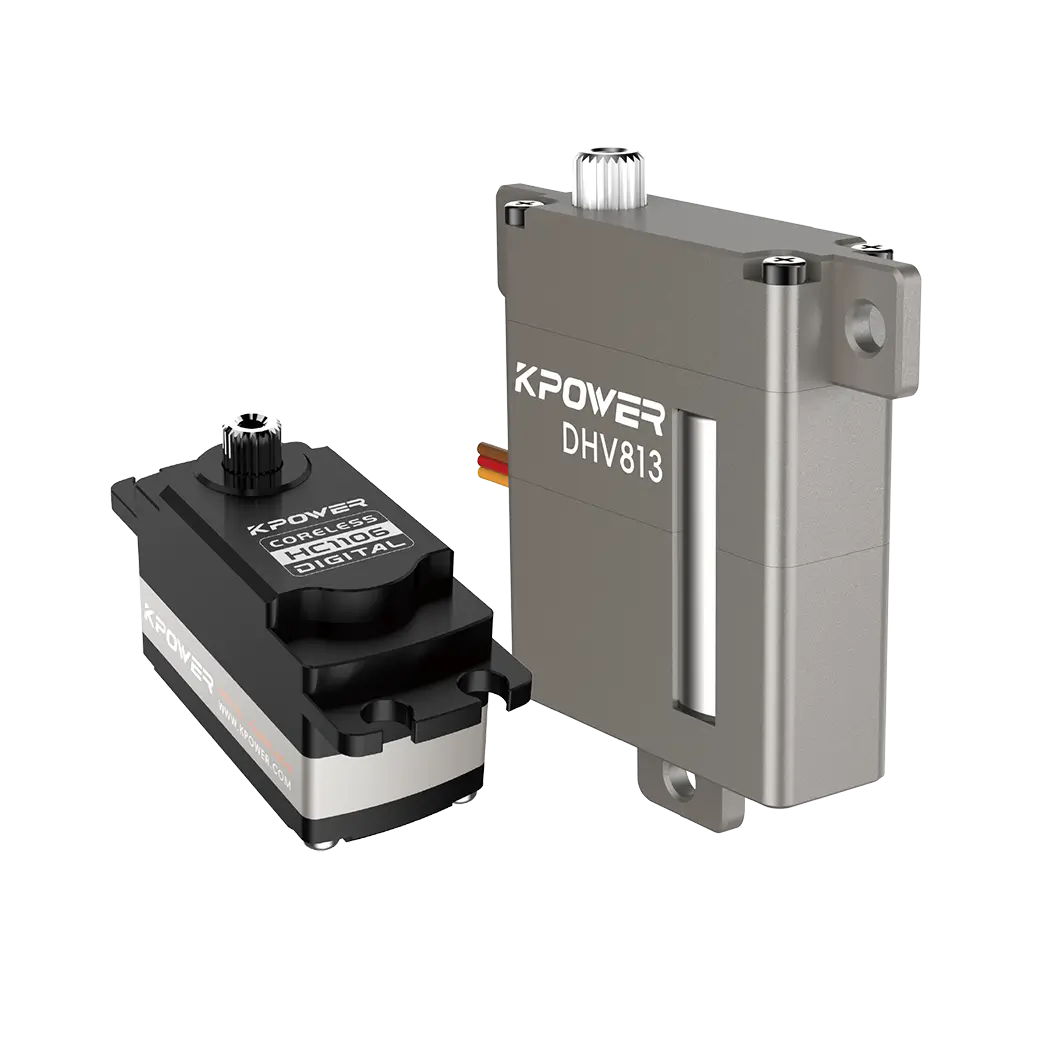
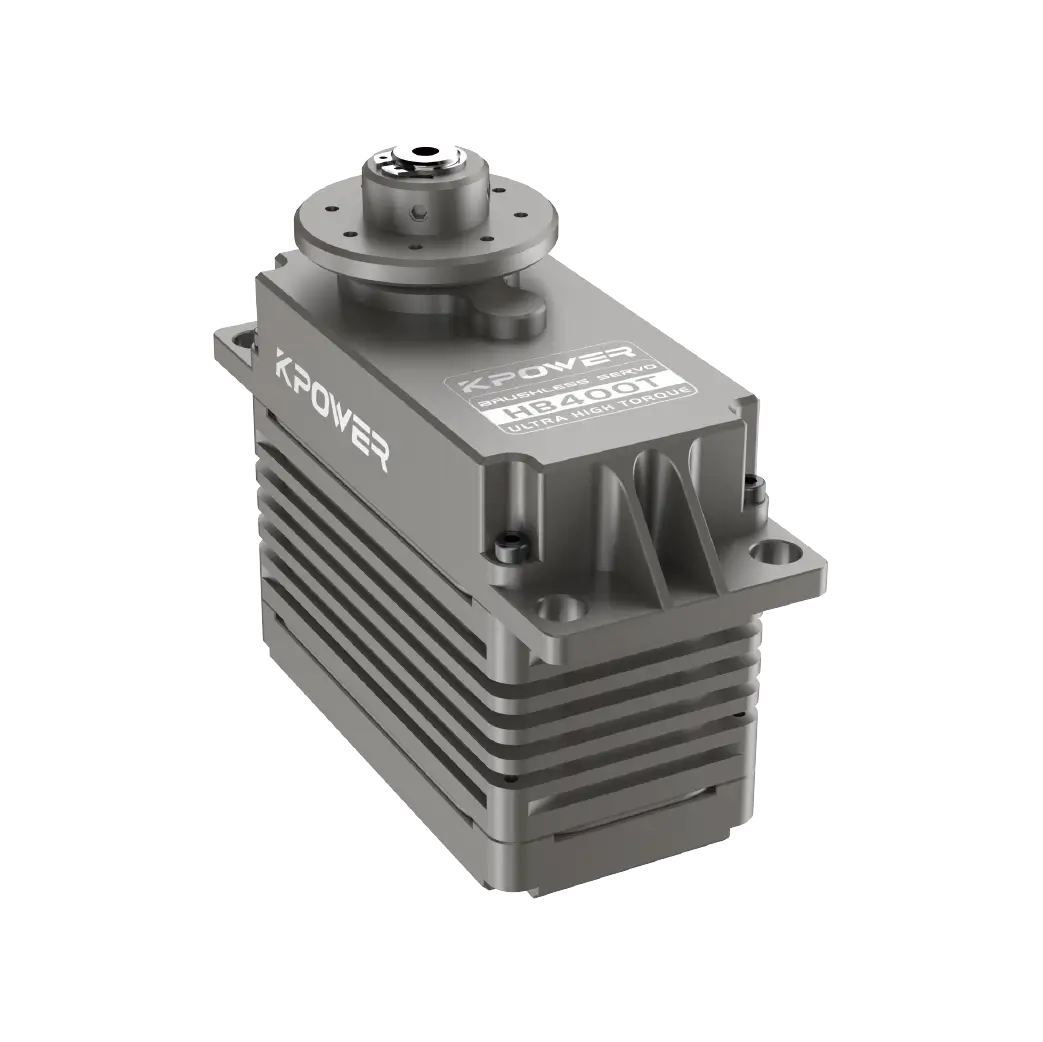
Go for the components that have a reputation for staying cool under pressure. Look for the ones that offer a variety of sizes—from micro to giant—without sacrificing the core quality. Kpower has a range that covers most of what we’re trying to achieve in this hobby and professional space.
Stop settling for "good enough." Every time you trigger that remote, you should feel the confidence of a machine that’s built to respond. That’s what real sourcing looks like. It’s not a transaction; it’s a commitment to your own work. Grab the right gear, mount it solid, and get back to what really matters—seeing your project come to life exactly the way you pictured it. No jitters, no whines, just pure, precise motion.
Established in 2005, Kpower has been dedicated to a professional compact motion unit manufacturer, headquartered in Dongguan, Guangdong Province, China. Leveraging innovations in modular drive technology, Kpower integrates high-performance motors, precision reducers, and multi-protocol control systems to provide efficient and customized smart drive system solutions. Kpower has delivered professional drive system solutions to over 500 enterprise clients globally with products covering various fields such as Smart Home Systems, Automatic Electronics, Robotics, Precision Agriculture, Drones, and Industrial Automation.
Update Time:2026-01-22

Contact Kpower's product specialist to recommend suitable motor or gearbox for your product.


