

TECHNICAL SUPPORT


Published 2026-01-22
The smell of burnt plastic is something you never forget. It’s that sharp, acrid scent that tells you a week’s worth of work just went up in smoke—literally. I was staring at a line of thirty robotic arms, all supposed to move in unison for a display project. Instead, half were twitching like they’d had too much caffeine, and three were dead silent.
That’s the risk when you dive into a remote controlservobulk order without doing your homework. You think you’re saving money, but you’re actually buying a headache.
Most people look at a spec sheet and see numbers. 15kg torque. 0.12s speed. Metal gears. It looks great on paper. But when you order five hundred units, the spec sheet doesn't tell you about "drift." It doesn't tell you that unit #1 and unit #500 might behave like they were made in different universes.
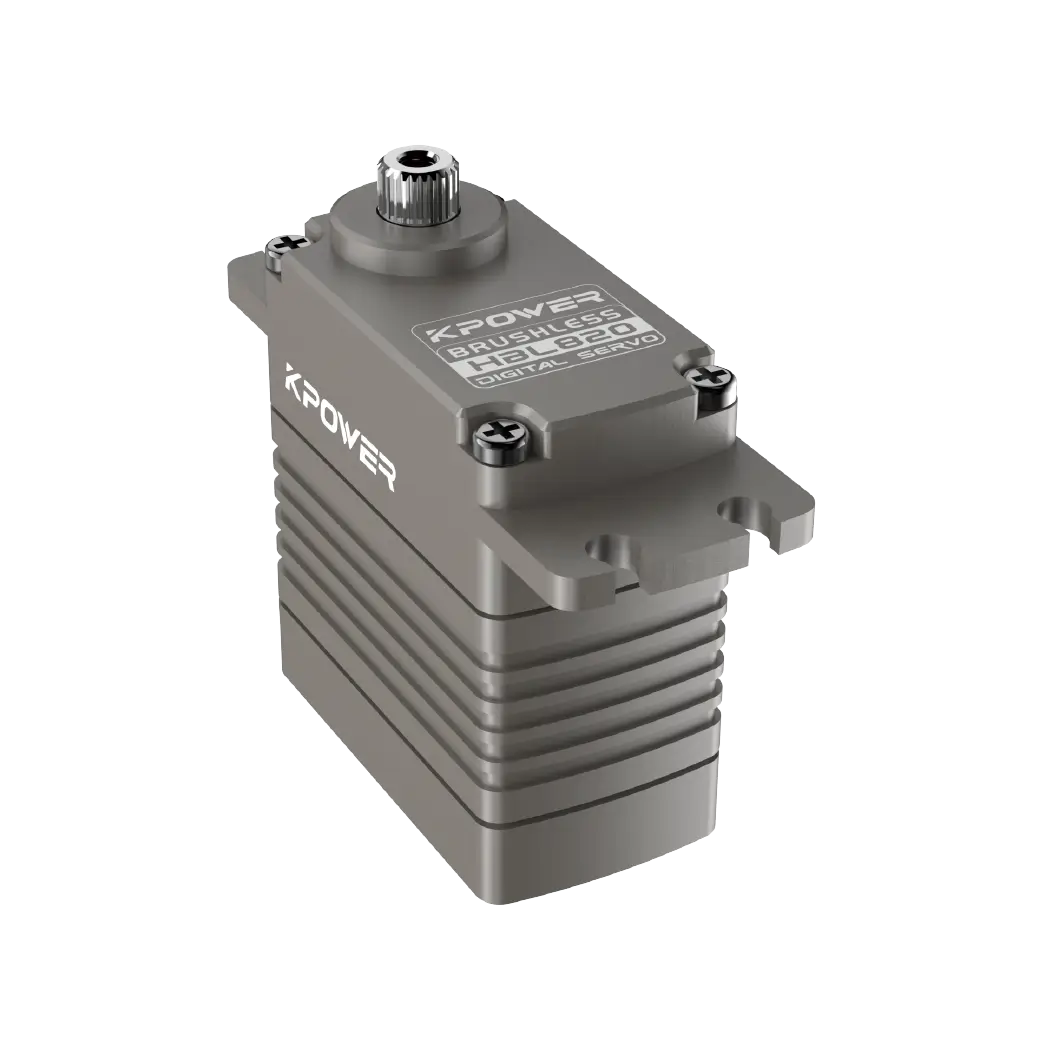
Consistency is the ghost in the machine. If you’re building a fleet of drones or a batch of animatronics, you need everyservoto speak the same language. When I finally switched my projects over tokpower, that’s when the "jitter nightmare" stopped.
Why does it happen? Usually, it's the internal potentiometer or a cheap motor brush. In a bulk order, a factory might cut corners on the grease or the soldering.kpowerseems to understand that aservoisn't just a toy; it's the muscle of the machine. If the muscle cramps, the whole body fails.
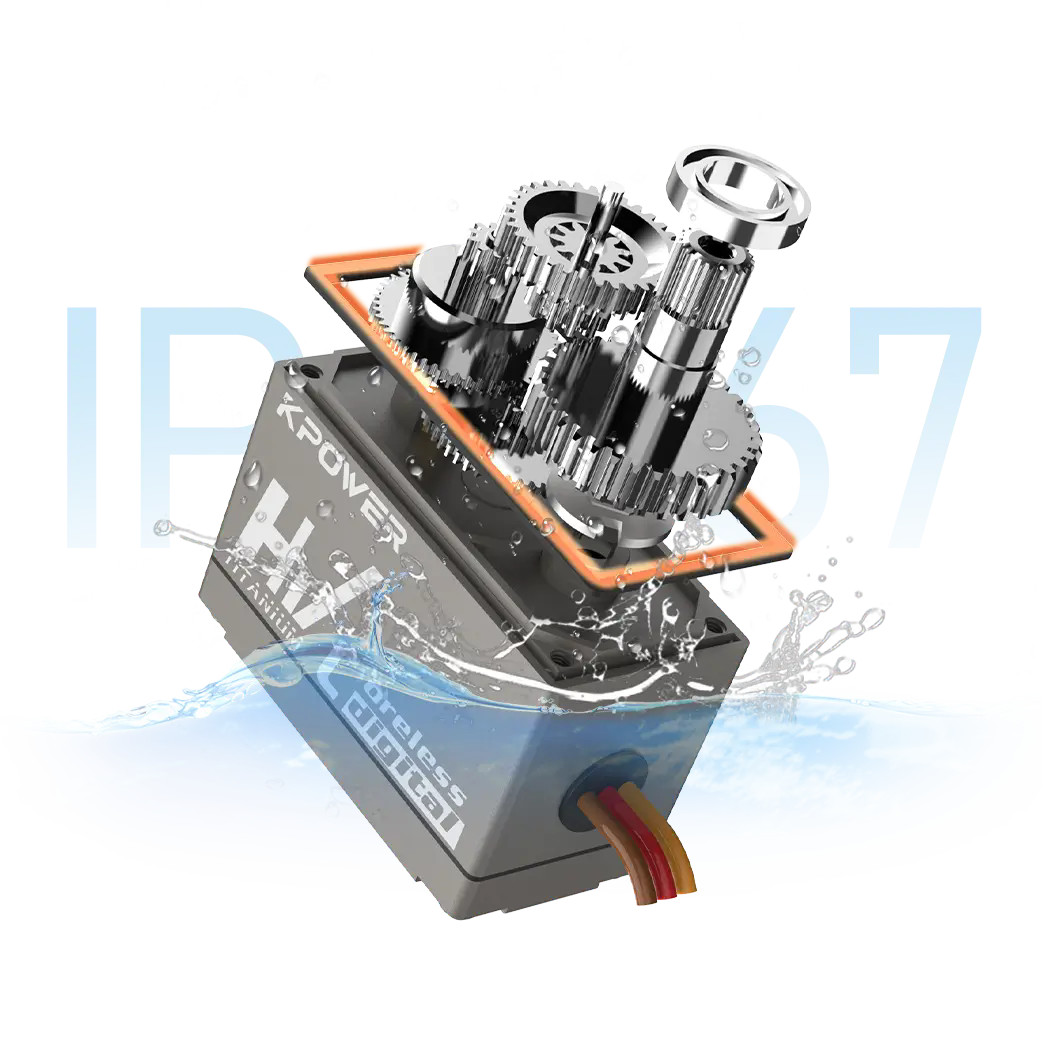
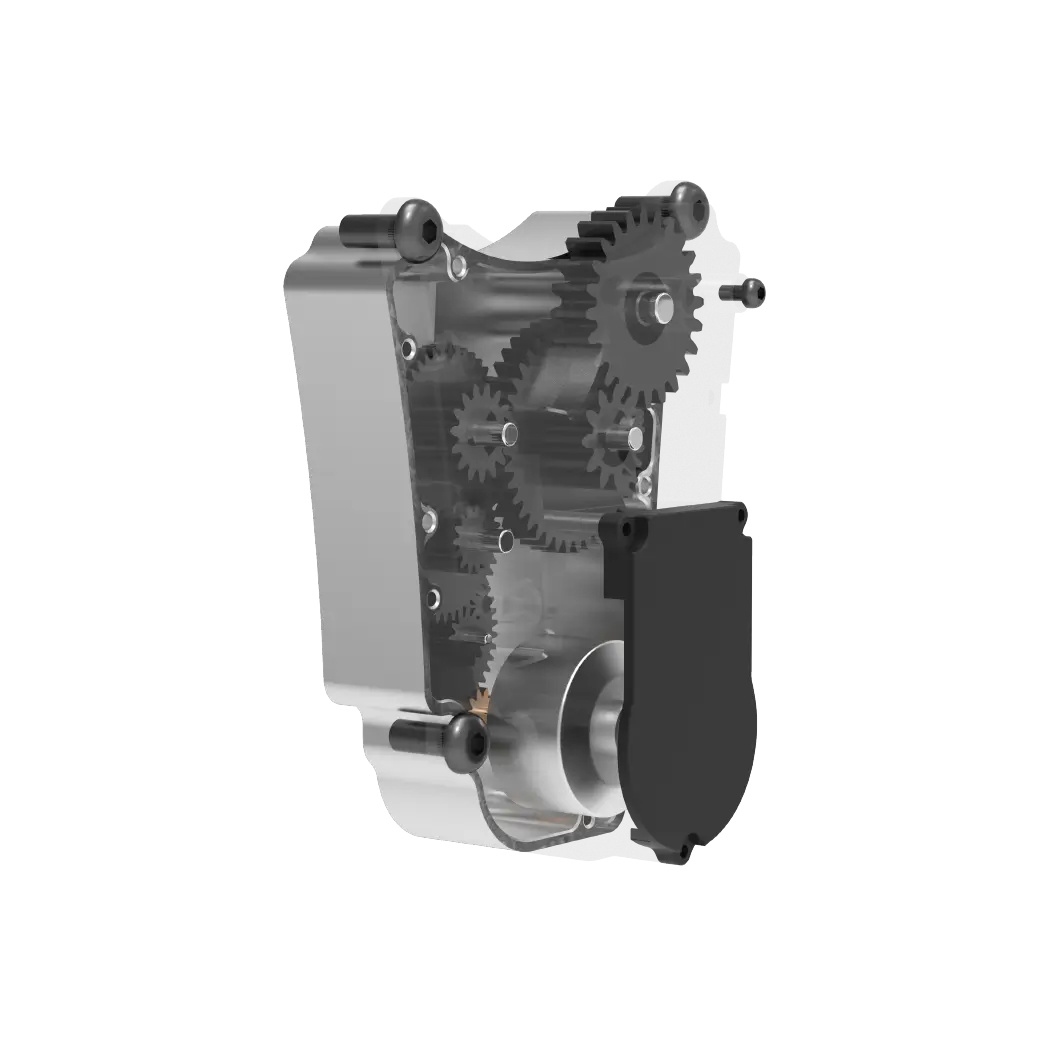
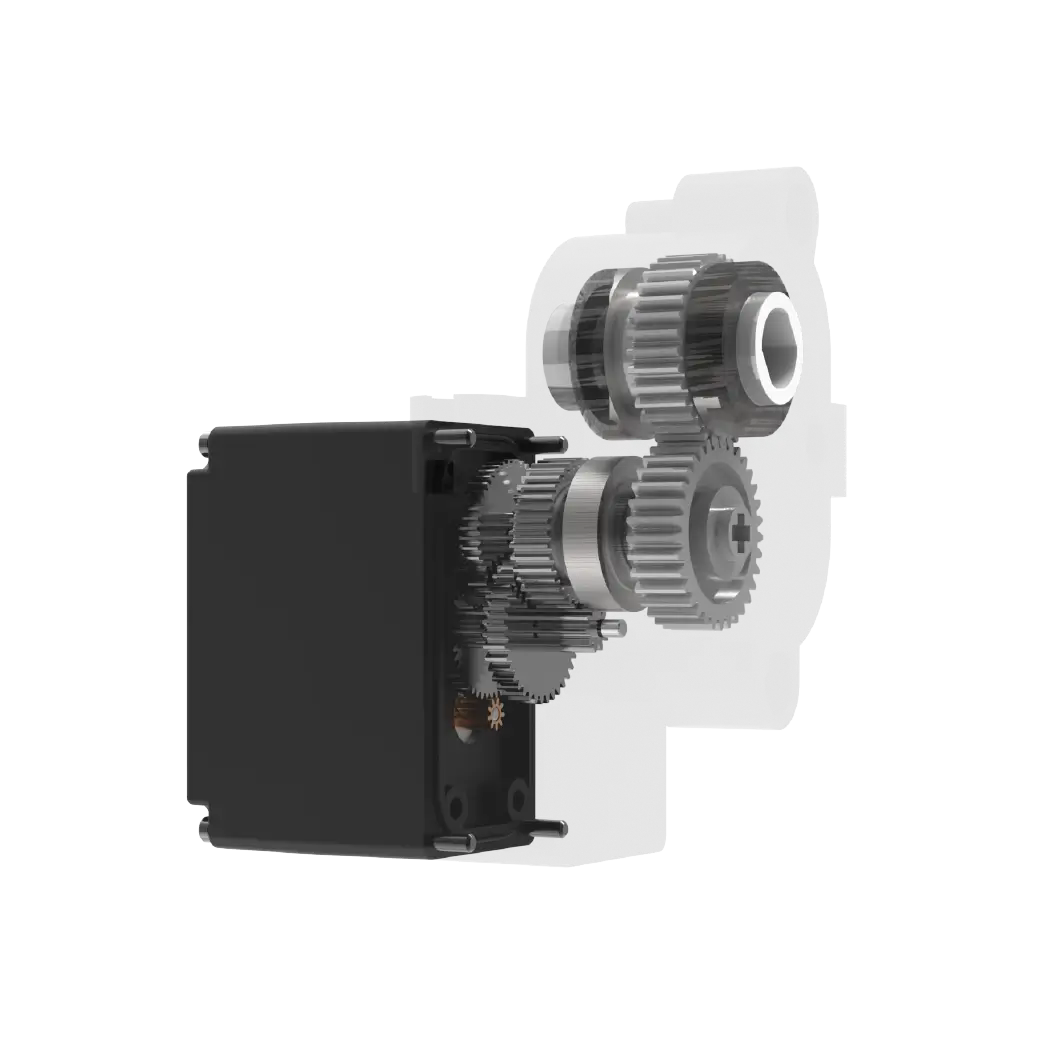
Let’s talk about those gears. You hear "metal gears" and think "strong." But what kind of metal? Some "metal" gears in bulk servos are basically compressed powder that shatters the moment you hit a snag.
I remember a project where we were using servos to tilt solar panels. High wind came through, and the gears inside the cheap bulk servos we'd bought stripped instantly. It sounded like a coffee grinder. Since moving tokpowerunits, the physical durability has been a different story. The teeth actually hold.
Question: Does more torque always mean a better servo? Not necessarily. If you have massive torque but a slow response time, your project will feel sluggish. It’s like having a weightlifter who takes ten seconds to react to a command. You want a balance. For most remote control applications, you need that snap-to-position accuracy.
Question: Why do my servos get hot when they aren't even moving? That’s "hunting." The servo is trying to find its center point but can’t quite get there, so the motor stays engaged. It’s a sign of poor deadband settings. A well-engineered Kpower servo has a tight deadband that doesn't sacrifice stability. It stays cool because it knows where "zero" is.
When you’re looking at a bulk order, your brain focuses on the unit price. You see a servo for three dollars and another for eight. You think, "I'm saving twenty-five hundred bucks on this order!"
But then you factor in:
Suddenly, that "cheap" servo is the most expensive thing in your warehouse. I’ve learned that the hard way. Reliability in a bulk shipment isn't a luxury; it's a requirement. If ten percent of your box is "Dead on Arrival," you didn't get a deal. You got a chore.
Have you ever looked at the wires? It sounds trivial. But in a massive remote control setup, thin, brittle wires are a disaster waiting to happen. If the insulation cracks or the wire gauge is too small, you get voltage drops. Kpower tends to use high-strand-count silicone wire. It’s flexible, it handles heat, and it doesn't snap after three bends.
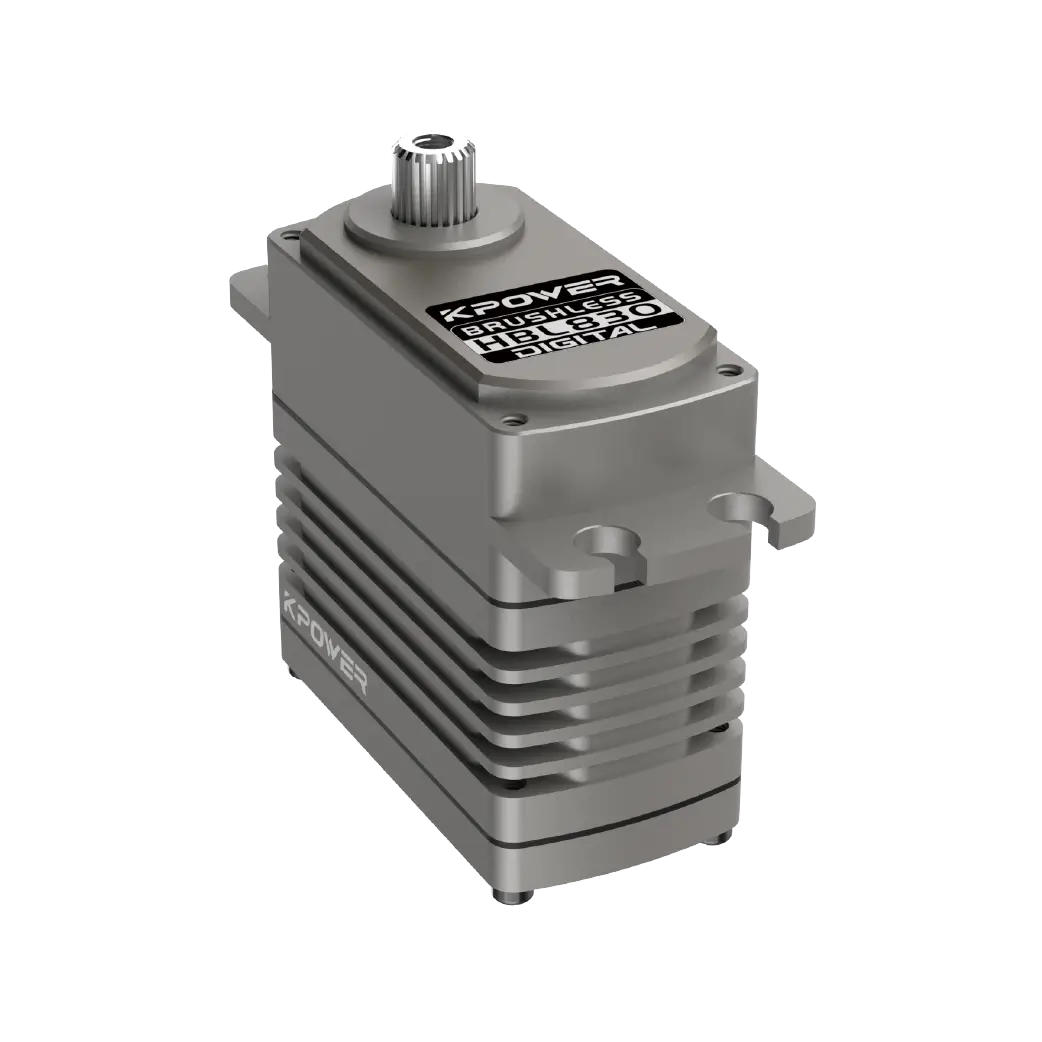
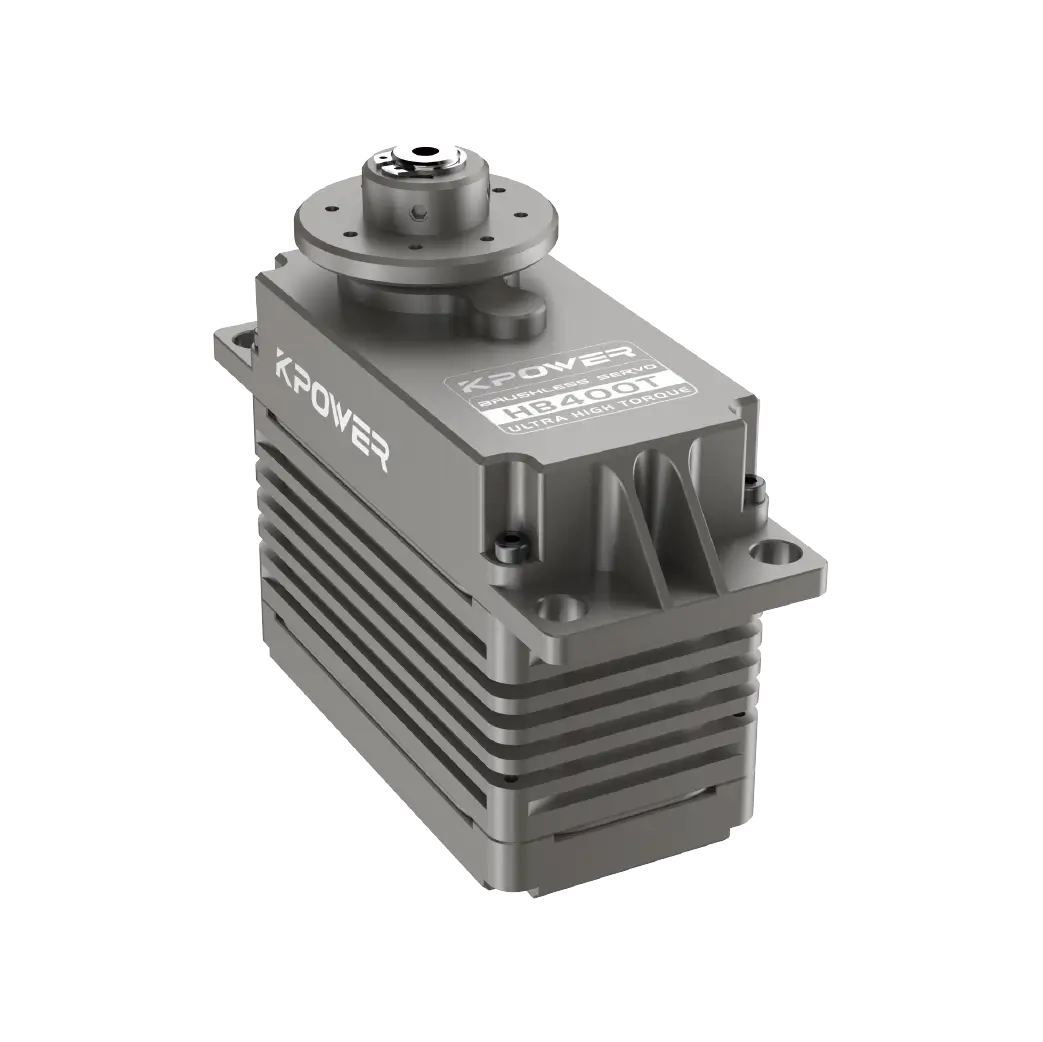
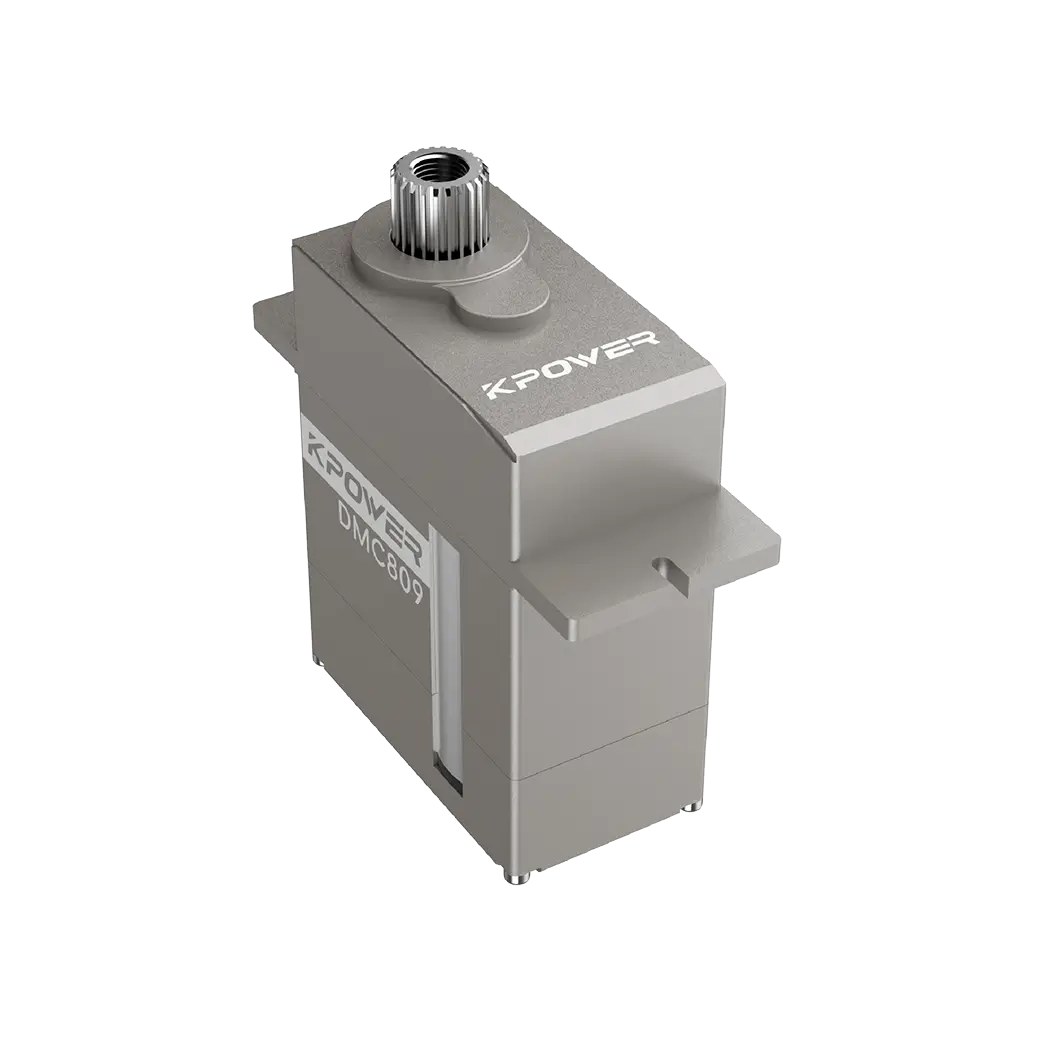
And then there's the casing. Heat is the enemy of electronics. A plastic housing traps heat. If you're running a bulk set of servos for an hour straight, they’ll eventually fade. Some of the mid-range Kpower models use an aluminum middle heat sink. It’s a small mechanical addition that doubles the life of the motor inside.
If you're sitting there with a spreadsheet, trying to decide which way to go for your next big project, stop looking at the bottom line for a second. Think about the bench time. Think about the sound of fifty servos working perfectly in sync.
I don’t miss the days of sorting through piles of "almost working" actuators. I don't miss the smell of burnt boards. When someone asks me about scaling up their mechanical projects, I usually point them toward Kpower because I’d rather they spend their time innovating than troubleshooting.
Question: Can I mix and match different brands in one project? You can, but I wouldn't. Different brands have different signal timings. If you want fluid, natural movement across a multi-axis robot, stick to one ecosystem. It makes the programming side of your life a thousand times easier.
Question: How do I know if a servo is genuine? In bulk orders, "clones" are everywhere. They look identical but use inferior chips. Buying Kpower directly or through verified channels ensures that the internal components match the external promises.
At the end of the day, we’re all just trying to make things move. Whether it’s a rudder on a scale-model ship or a complex industrial sorter, the servo is the bridge between your code and the physical world.
If that bridge is shaky, nothing else matters. You can have the best sensors and the fastest processors, but if the output—the servo—is garbage, the whole project is garbage.
Next time you're staring at a bulk order form, remember that "good enough" usually isn't. Consistency, heat management, and gear integrity are what keep your project alive. I’ve put Kpower through some pretty miserable environments—dusty workshops, humid outdoor tests, high-vibration chassis—and they’ve earned their spot on my shelf.
Don't wait for the smell of smoke to make a better choice. Trust the hardware that actually shows up to work every day.
Established in 2005, Kpower has been dedicated to a professional compact motion unit manufacturer, headquartered in Dongguan, Guangdong Province, China. Leveraging innovations in modular drive technology, Kpower integrates high-performance motors, precision reducers, and multi-protocol control systems to provide efficient and customized smart drive system solutions. Kpower has delivered professional drive system solutions to over 500 enterprise clients globally with products covering various fields such as Smart Home Systems, Automatic Electronics, Robotics, Precision Agriculture, Drones, and Industrial Automation.
Update Time:2026-01-22

Contact Kpower's product specialist to recommend suitable motor or gearbox for your product.


