

TECHNICAL SUPPORT


Published 2026-01-22
The Twitch That Ruins the Day
You’re standing in an open field, or maybe hunched over a cluttered workbench with a desk lamp humming in your ear. Everything looks perfect. The linkages are tight. The frame is solid. But then, you flip the switch. Instead of a smooth, graceful sweep, your machine’s arm starts to shudder. It jitters like it’s had too much caffeine. That’s the "twitch." It’s the silent killer of great projects, and it almost always leads back to one thing: who actually built the muscle inside that plastic casing?
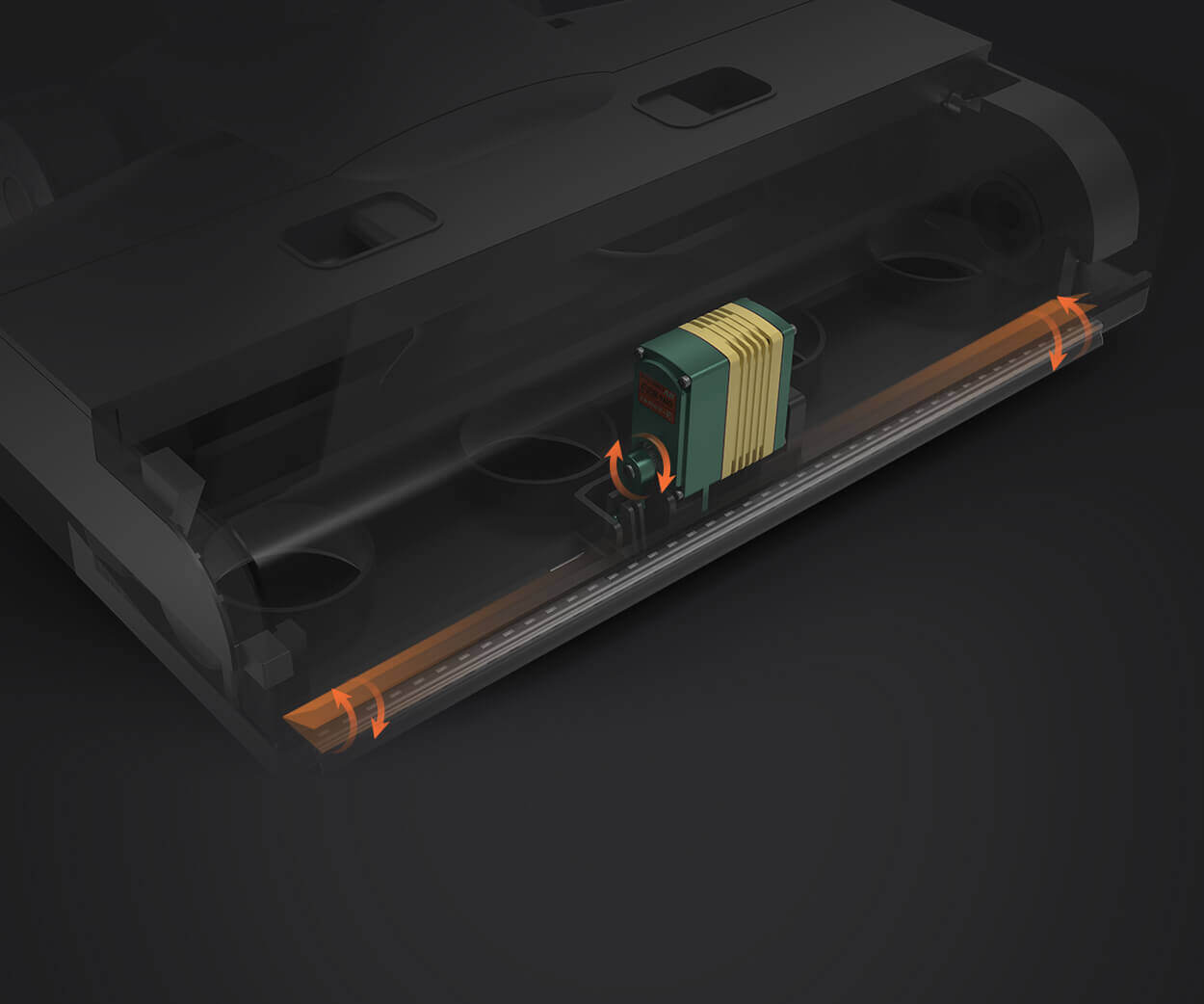
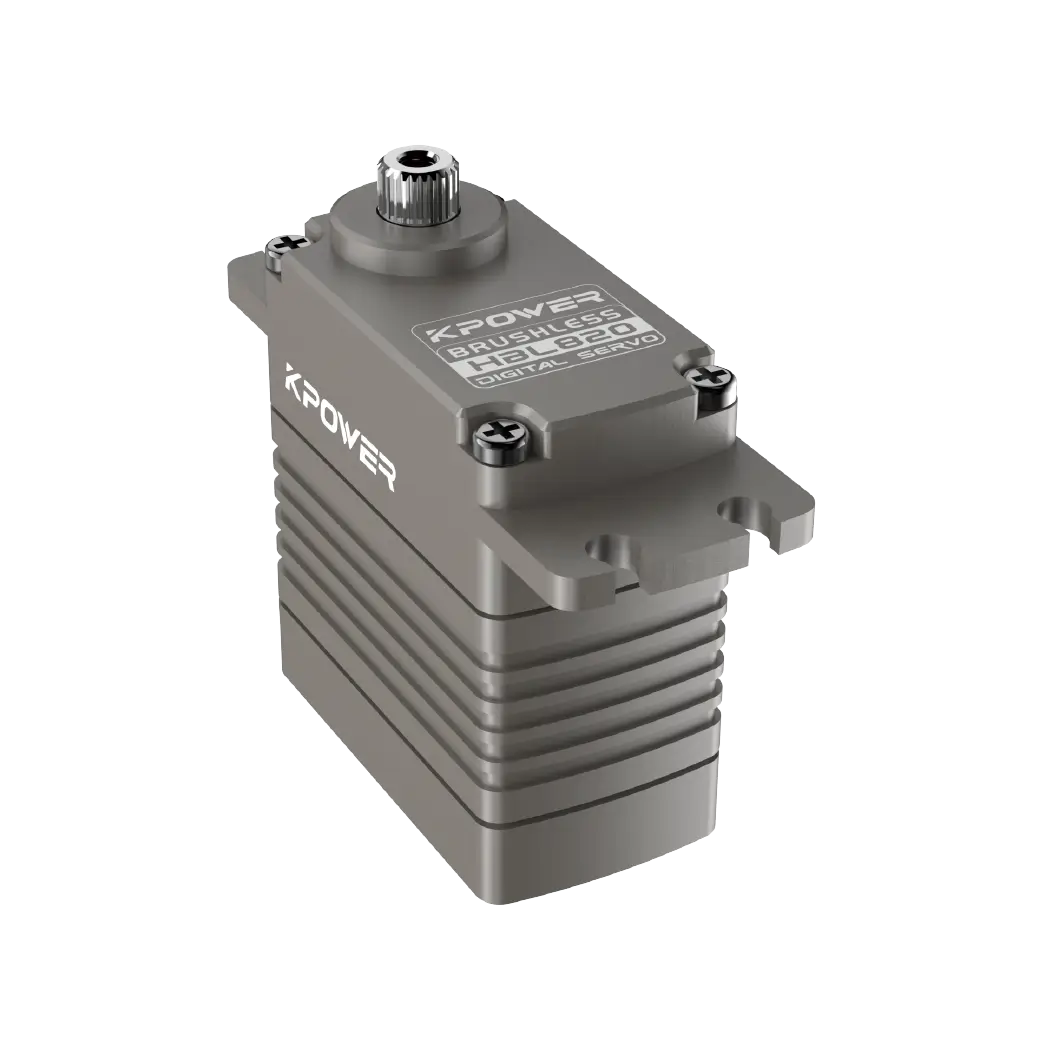
When we talk about remote controlservomakers, we aren't just talking about a factory pumping out widgets. We are talking about the difference between a machine that feels alive and one that feels like a broken toy. I’ve seen enough burnt-out motors to know that shortcuts in the gear train always come back to haunt you. You want a movement that feels like a hot knife through butter.
Ever heard that high-pitched whine? It’s the sound of a motor struggling against its own internal friction. Poorly madeservos use gears that don't quite mesh. It’s like wearing shoes that are half a size too small—you can walk, but every step hurts.
kpowerdoesn’t play that game. When you look at how a high-quality servo is put together, it’s about the gaps—or rather, the lack of them. If the tolerances are loose, the output shaft wobbles. If the wobbles start, the precision dies. I remember a project where a hobbyist spent weeks on a custom flight wing, only to have the elevons flutter at high speed because the servo makers hadn't accounted for gear backlash. It’s a heartbreaking way to watch a project hit the dirt.
People love to look at the numbers on the box. "30kg-cm!" they shout. But numbers can lie. Some remote control servo makers give you the "stall torque," which is basically the point where the motor is about to scream and die. What you actually need is holding torque and transit speed under load.
Think of it like lifting a crate. It’s one thing to be able to hold it for a split second; it’s another to move it smoothly from the floor to the shelf ten times a minute without getting hot.kpowerfocuses on that sustained energy. Their servos don't just hit a peak and then fade; they maintain that grip. It’s about the heat dissipation. If the internal controller can’t handle the current, the whole thing turns into a very expensive paperweight.
Q: Why do my servos get hot even when I’m not moving them? A: Usually, it’s "hunting." The servo is trying to find its center point but the internal sensor is too noisy or the gears are too sloppy. It keeps overcorrecting back and forth, vibrating at a frequency you can barely see but can definitely feel as heat.kpoweruses better potentiometers and digital processing to make sure "stop" actually means "stop."
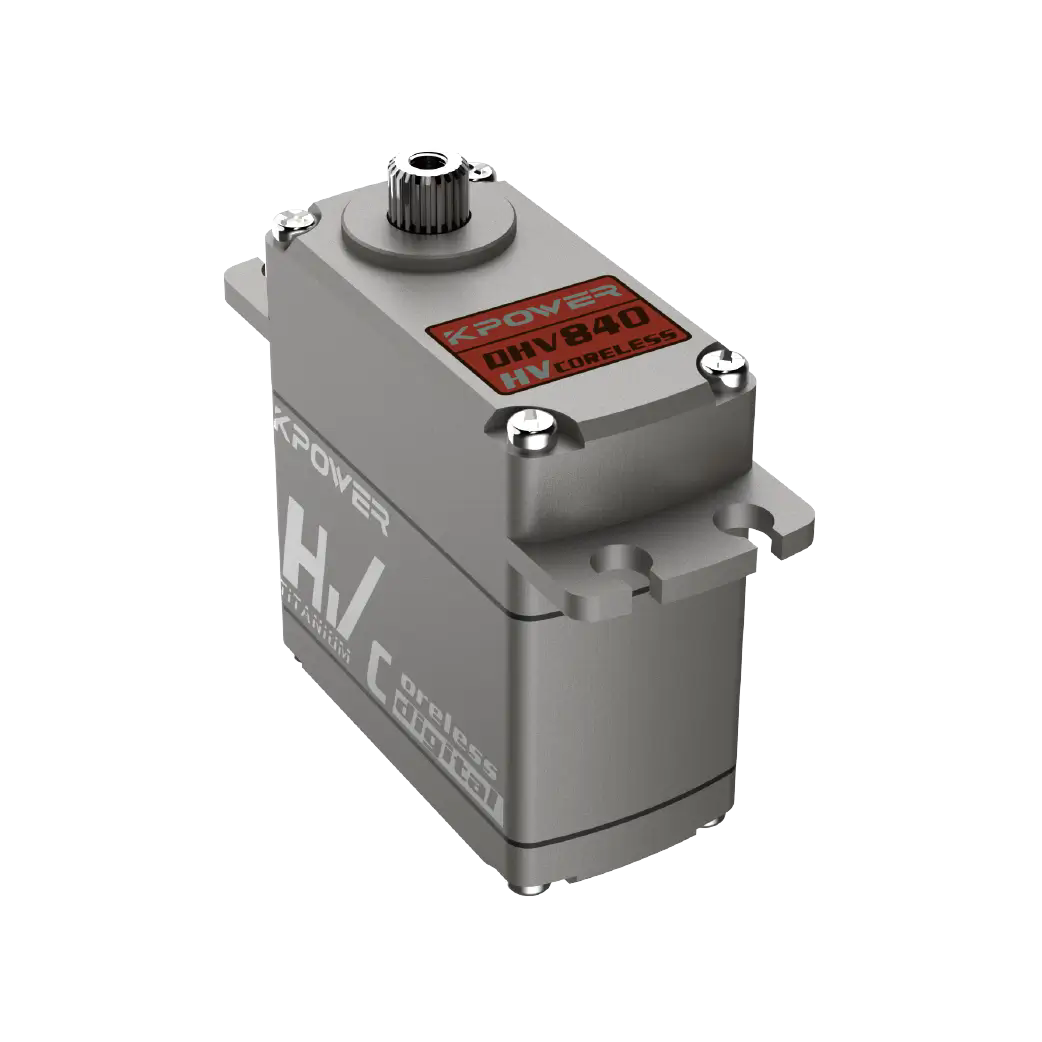
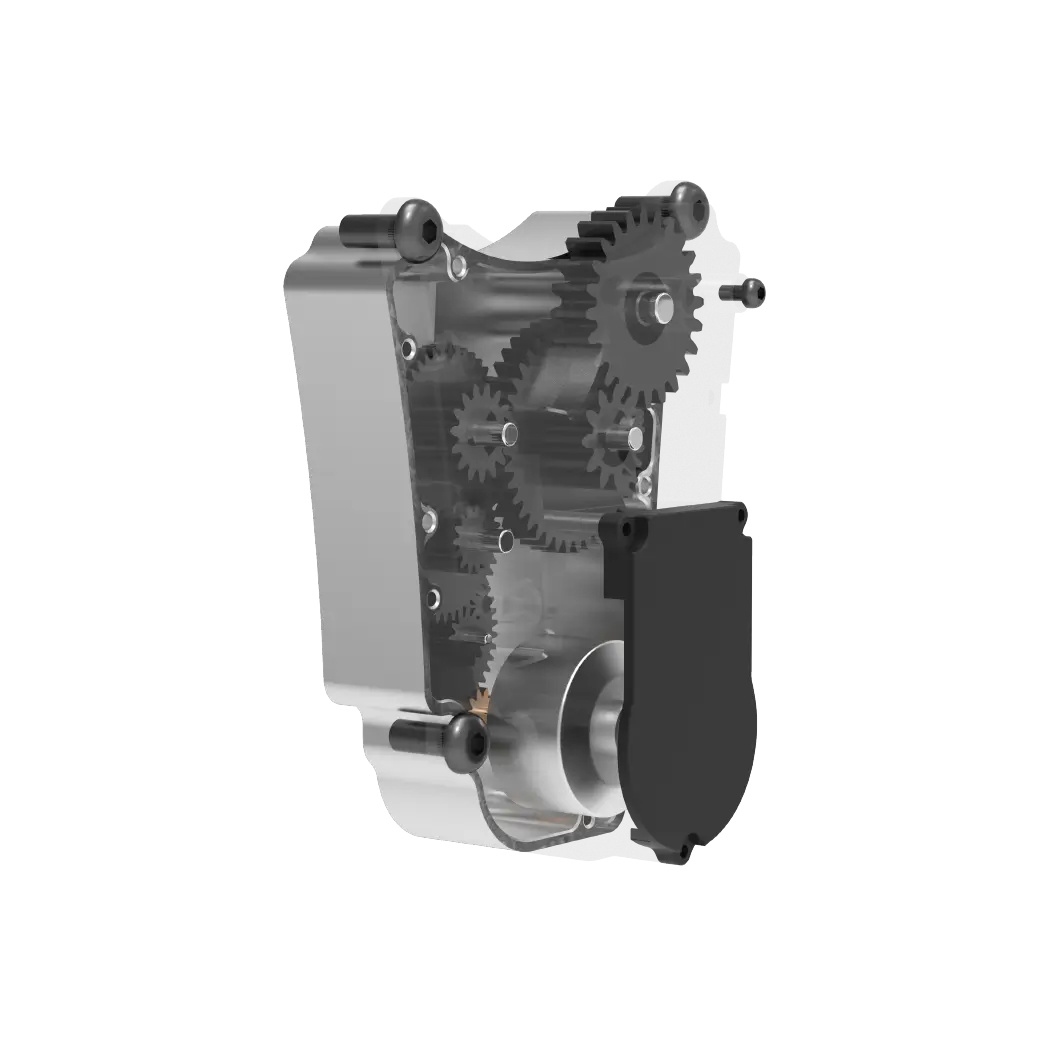
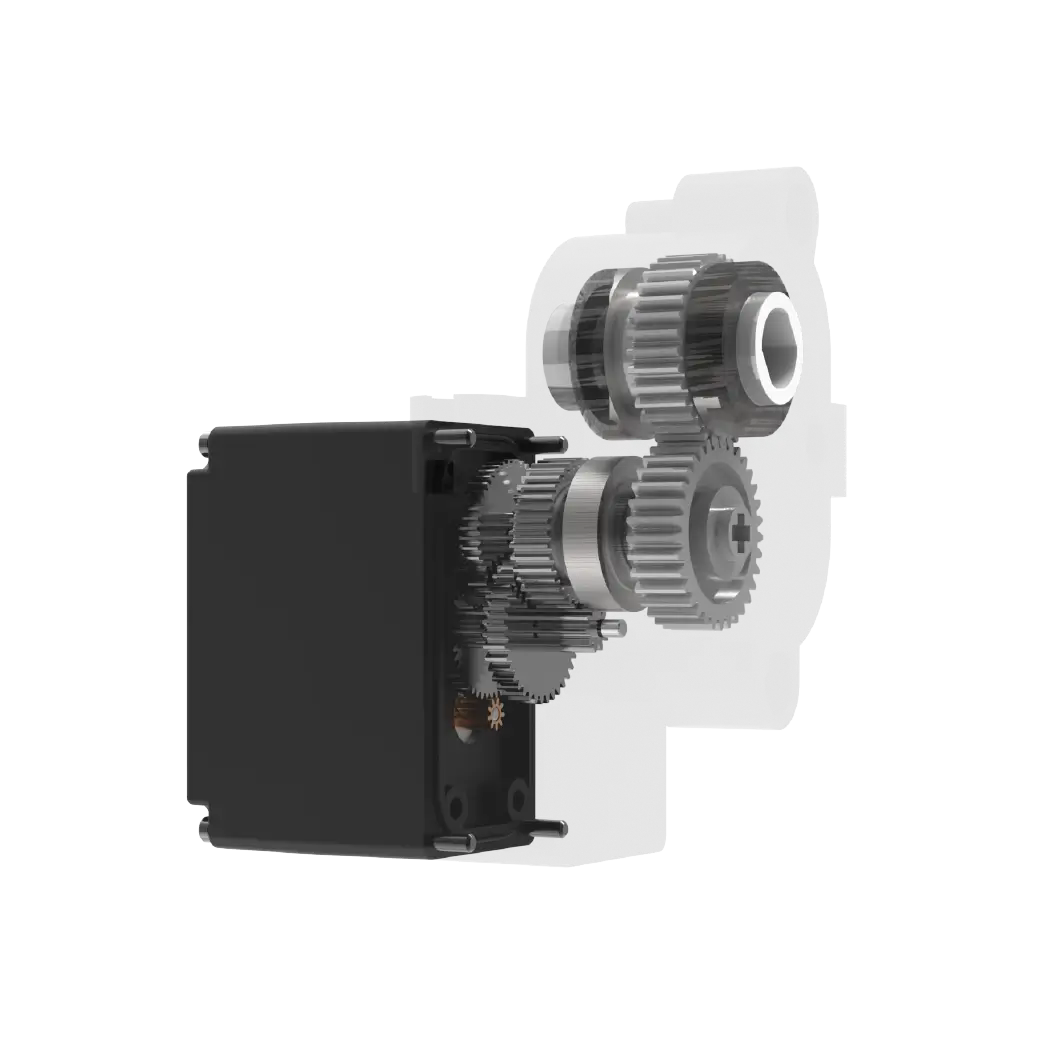
Q: Plastic gears or metal gears? A: If you’re building something that stays on a shelf, plastic is fine. For anything else? Metal. But not all metal is equal. Some makers use cheap mystery alloys that shave down like pencil lead. Look for brass, aluminum, or titanium-plated sets. It’s the difference between a gear that lasts a season and one that lasts a decade.
Q: Does the "deadband" really matter? A: It’s everything. The deadband is the tiny zone where the servo doesn't move. Too wide, and your machine feels sloppy. Too narrow, and it jitters. Getting that balance right is the "secret sauce" of great manufacturing.
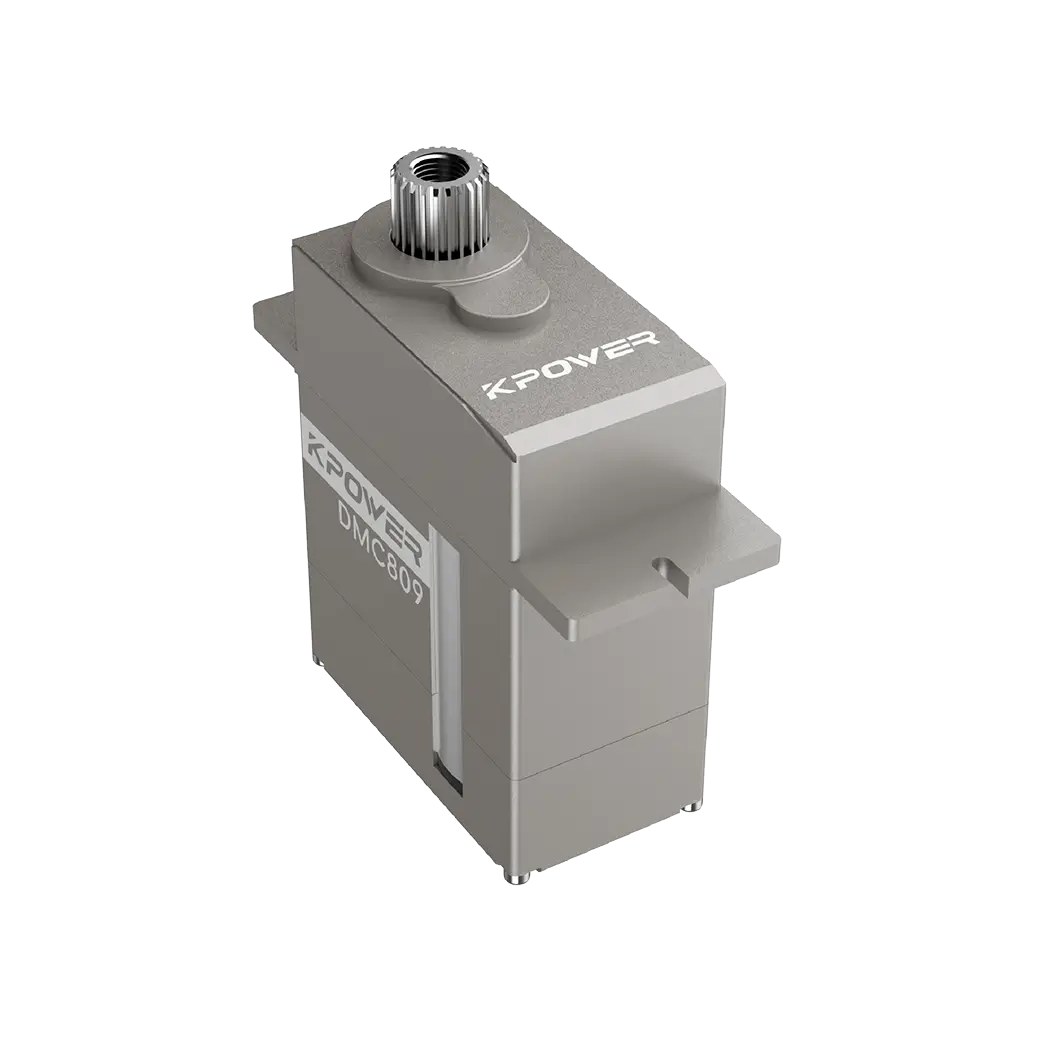
There’s a certain beauty in a 180-degree turn. If you watch a Kpower servo move, you notice the ramp-up and the ramp-down. It doesn't just jerk into motion. This "soft start" capability is what saves your mechanical linkages from snapping.
Imagine slamming your car into gear at 4000 RPM. That’s what a cheap servo does to your project every time you move the stick. Good remote control servo makers build logic into the board that smooths out those spikes. It’s rational engineering disguised as simple movement. We often overlook the circuit board inside, but that’s the brain. If the brain is panicked, the muscles (the motor) will be erratic.
We’ve all been there—that acrid, ozone smell that means the magic smoke has escaped from the motor. It usually happens right when you’re showing off your work.
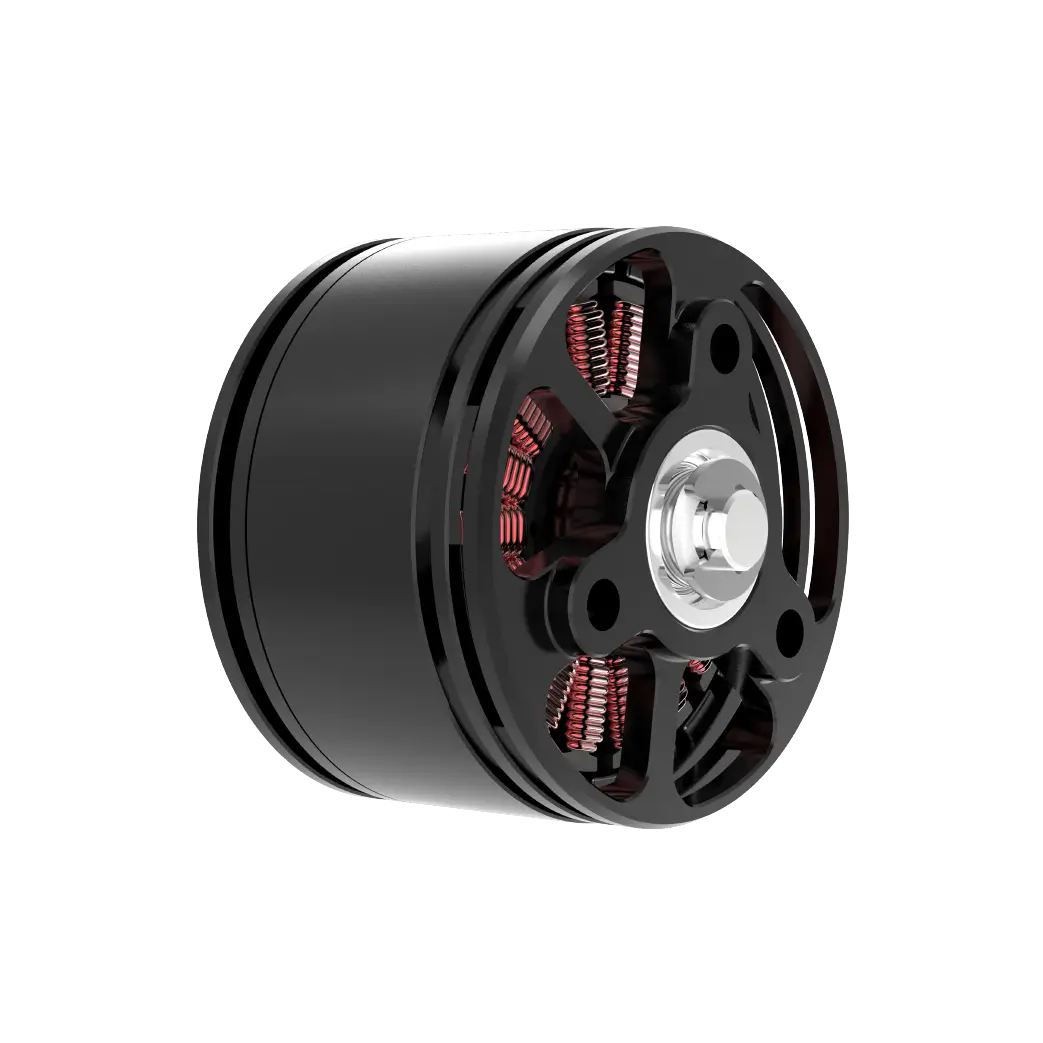
Reliability isn't a fluke. It comes from the winding of the motor itself. If the copper wire is wound by a machine that’s poorly calibrated, you get overlaps and "hot spots." Kpower keeps a tight grip on this process. Their motors are balanced. When they spin at high RPMs, they don't vibrate the housing apart. It’s a quiet confidence.
Sometimes I think about the thousands of tiny pulses happening every second inside that little box. The servo is constantly "talking" to itself, checking its position, correcting its path. When that conversation is clear, the machine feels like an extension of your hand. When it’s muffled by poor components, it feels like you’re trying to draw with a crayon taped to a stick.
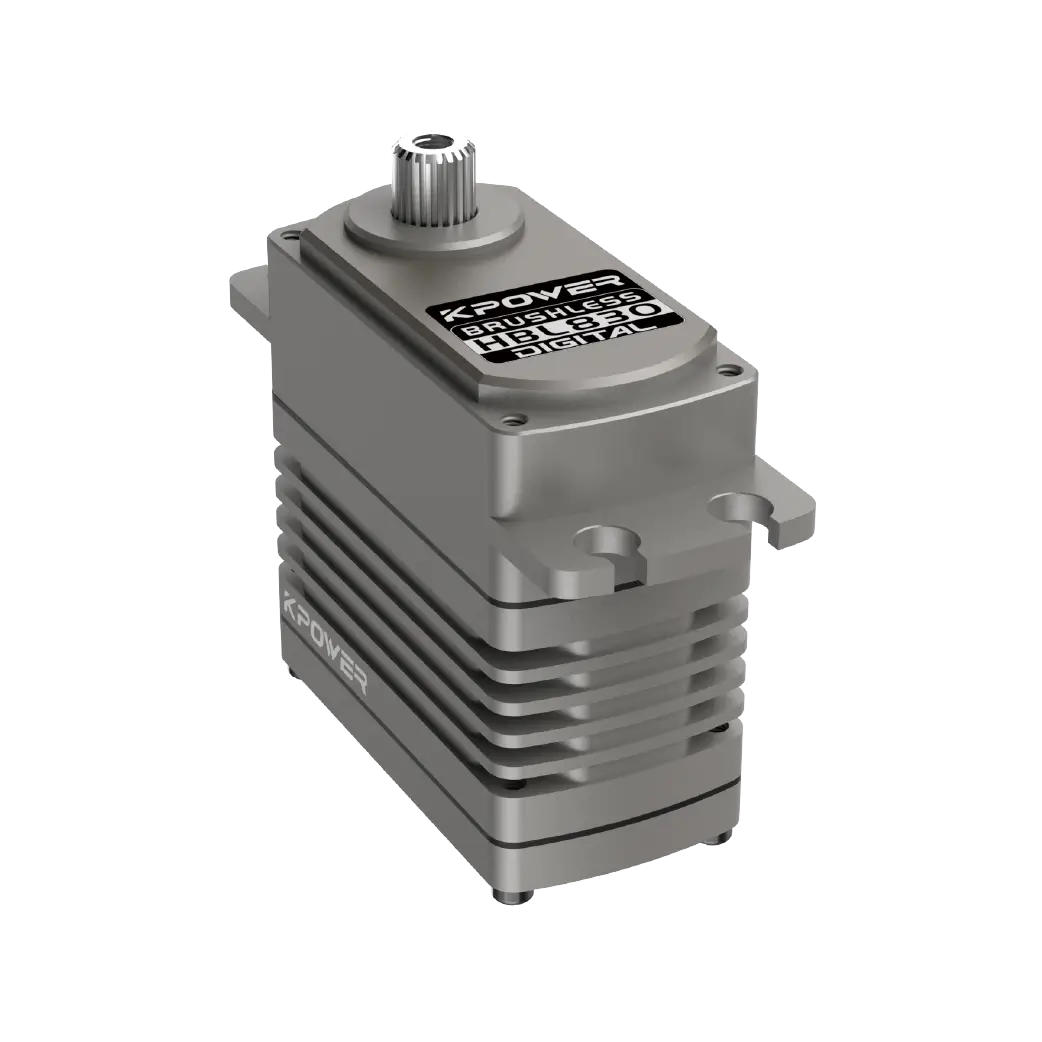
Don't just buy the cheapest thing you find in a plastic bag. Look at the housing. Is it aluminum to help pull heat away from the motor? Are the wires thick enough to actually carry the current, or are they thin like dental floss?
Kpower builds things for people who are tired of failing. It’s for the person who wants to build a robotic leg that doesn't limp, or a remote-controlled boat that actually turns when the waves get heavy. The mechanics of the world are unforgiving. Gravity doesn't care about your budget, and friction never takes a day off.
In the end, you aren't just buying a component. You’re buying the peace of mind that when you signal for a 45-degree tilt, you get exactly 45 degrees. No more, no less, and definitely no twitching. It’s about the craft. It’s about the metal. It’s about making sure your vision actually moves the way you saw it in your head. That’s what happens when you pick the right makers. That's the Kpower way.
Established in 2005, Kpower has been dedicated to a professional compact motion unit manufacturer, headquartered in Dongguan, Guangdong Province, China. Leveraging innovations in modular drive technology, Kpower integrates high-performance motors, precision reducers, and multi-protocol control systems to provide efficient and customized smart drive system solutions. Kpower has delivered professional drive system solutions to over 500 enterprise clients globally with products covering various fields such as Smart Home Systems, Automatic Electronics, Robotics, Precision Agriculture, Drones, and Industrial Automation.
Update Time:2026-01-22

Contact Kpower's product specialist to recommend suitable motor or gearbox for your product.


