

TECHNICAL SUPPORT


Published 2026-01-22
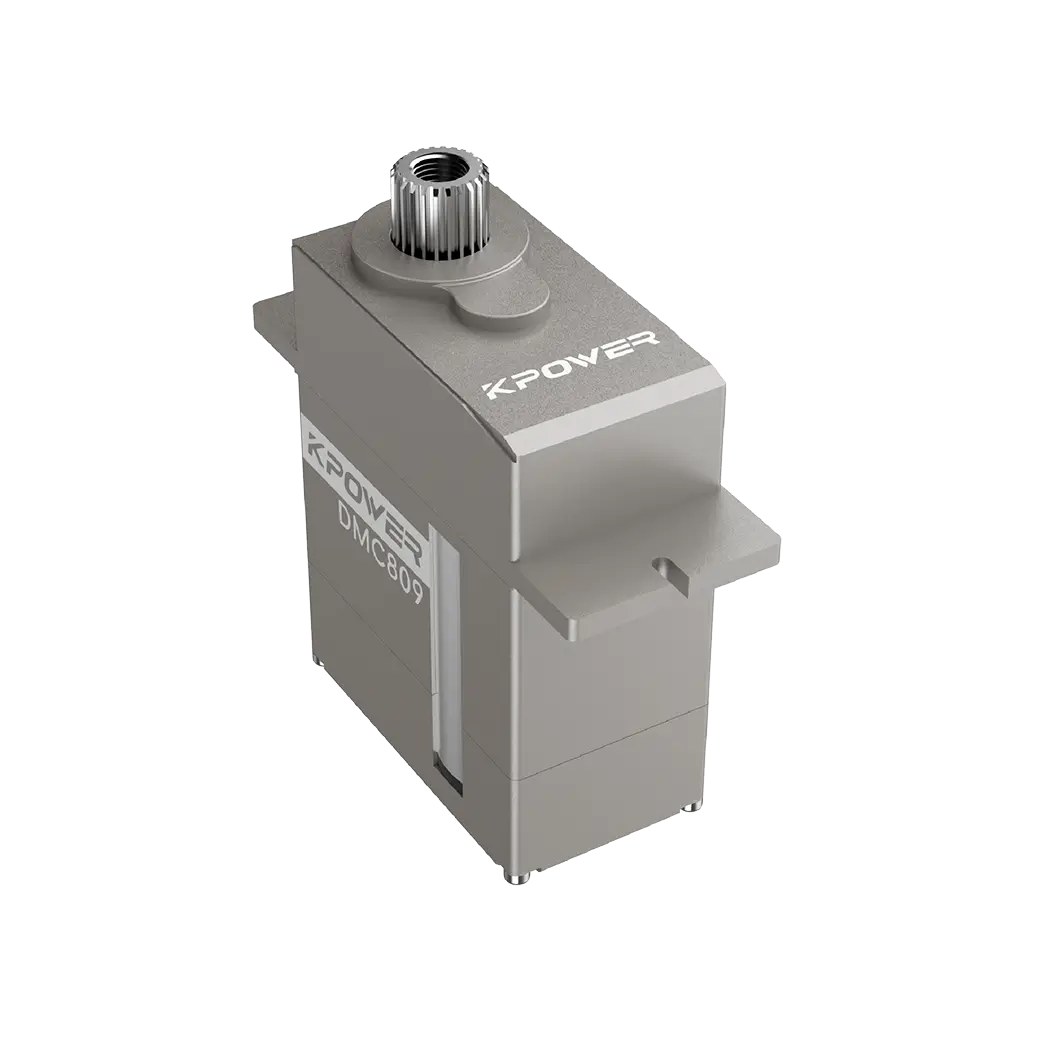
The smell of burnt plastic and the sight of a beautiful carbon-fiber frame tumbling out of the sky—that is usually how the realization hits. You spent weeks on the build. You picked the best batteries and the most expensive transmitter. But then, a tiny, vibrating plastic box decided to give up. Theservo. It is the muscle of any remote control system, yet it is often the most overlooked part until it fails.
I have spent decades around gears, magnets, and control loops. If there is one thing I have learned, it is that precision is not a luxury; it is the baseline. When we talk about remote controlservoexport, we aren’t just talking about moving boxes from one country to another. We are talking about shipping reliability.
Have you ever noticed your RC car’s wheels twitching when it should be idling? Or a drone’s flap hunting for center? That "jitter" is often the result of poor internal feedback. Most people think aservois just a motor, but it is actually a tiny computer trying to solve a math problem in real-time. It asks, "Where am I?" and "Where should I be?" thousands of times a second.
If the internal potentiometer is low-grade, the answer is always wrong.kpowerhas spent a lot of time perfecting this "conversation" between the electronics and the gears. When a servo can’t find its center, it generates heat. Heat kills motors. It’s a vicious cycle that ends in smoke.
When products are destined for international markets, they face a gauntlet. They sit in humid shipping containers. They endure vibration. They are expected to work perfectly the moment they are plugged in by someone halfway across the globe.
"Why shouldn't I just buy the cheapest option available online?" You can. But you aren’t just buying a motor; you’re buying the safety of your project. If you are flying a five-kilogram plane or navigating a custom robotic arm, the "savings" of a few dollars disappear the second the cheap servo locks up and breaks your entire machine.
"Is high torque always better than high speed?" Not necessarily. It depends on what you are doing. If you are racing, you need that lightning-fast response to stay on the track. If you are building a heavy-duty crawler or a boat rudder, you need the "grunt" of high torque to fight against water resistance or rocky terrain.kpowerdesigns different series to balance these needs so you don't have to compromise.
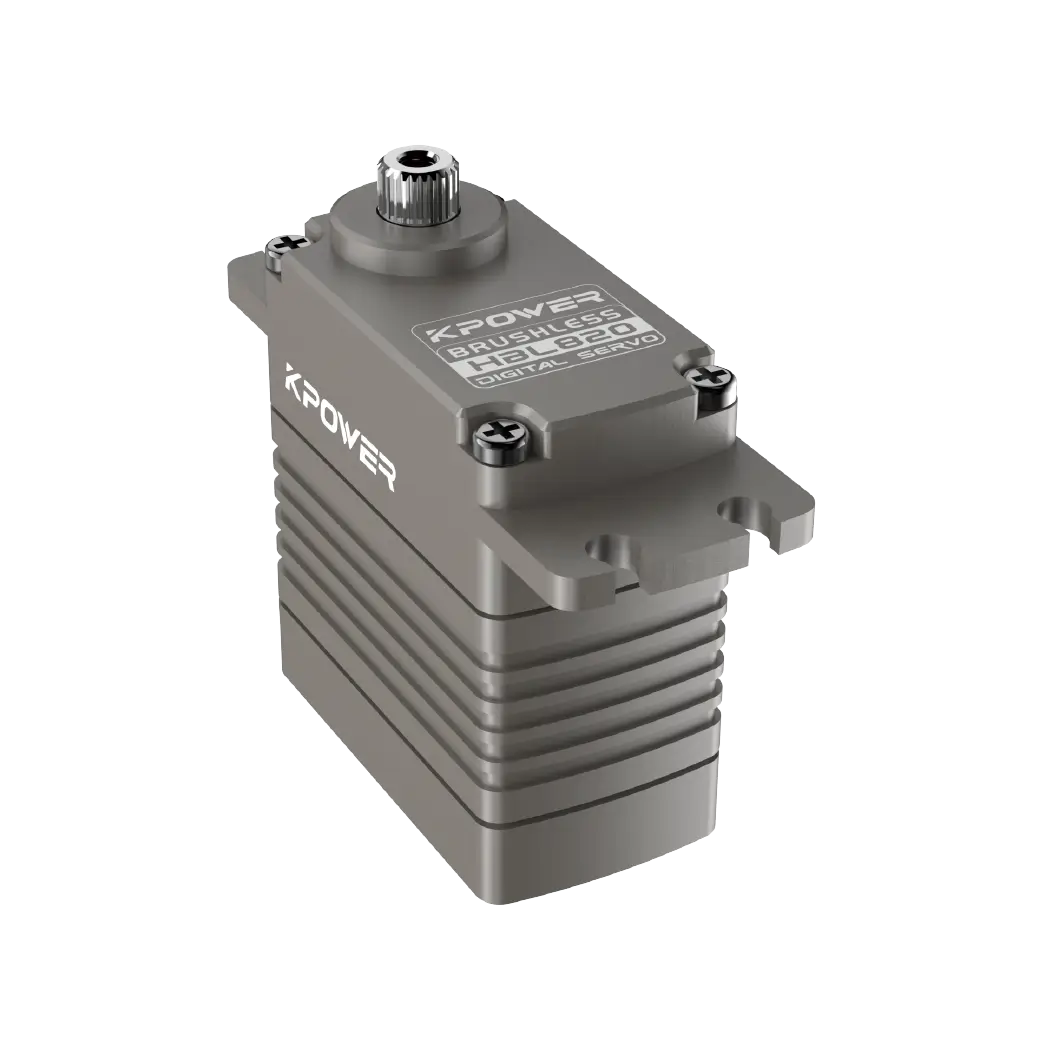
"What’s the deal with digital versus analog?" Digital servos (like the ones Kpower specializes in) process signals faster. They hold their position with much more "authority." An analog servo feels soft; a digital one feels locked in.
I remember working on a project where we needed to move a camera mount on a remote-controlled gimbal. The movements had to be buttery smooth. Most servos moved in "steps" that you could see in the video footage. It looked terrible.
We switched to a high-resolution Kpower unit, and the difference was immediate. It wasn't just about power; it was about the smoothness of the arc. It’s like the difference between walking up stairs and walking up a ramp. Those tiny increments in the internal code make or break the user experience.
Sometimes, people ask me about the weight. "Does a few grams really matter?" In the RC world, every gram is a tax on your battery. Using lightweight but high-strength materials in the servo construction allows for longer run times. It is a game of efficiency.
If you are looking at the global market, you see thousands of options. It is easy to get lost in the spreadsheets of torque ratings and millisecond speeds. But look deeper. Look at the build quality of the wires. Are they thin and brittle, or are they high-strand count silicone wires that can bend a thousand times without snapping?
Kpower understands that these "minor" details are actually the most important parts. A servo is a chain, and it is only as strong as its weakest gear tooth or its thinnest wire.
Imagine you are out in the field. The sun is setting, and you have one last chance to get that perfect shot or finish that last lap. You shouldn't be worrying about your hardware. You should be focused on the joy of the movement.
The reality of remote control servo export is that the best products are the ones you forget about. They do their job silently, precisely, and repeatedly. When you install a Kpower unit, you are essentially buying peace of mind. You’re ensuring that when you move that stick on your transmitter, the machine responds instantly, every single time.
Don't settle for "good enough." In the mechanical world, "good enough" usually ends in a repair bill. Go for the precision that lasts. Your projects, your time, and your nerves are worth it. Focus on the quality that survives the journey and performs under pressure. That is the standard that keeps people coming back.
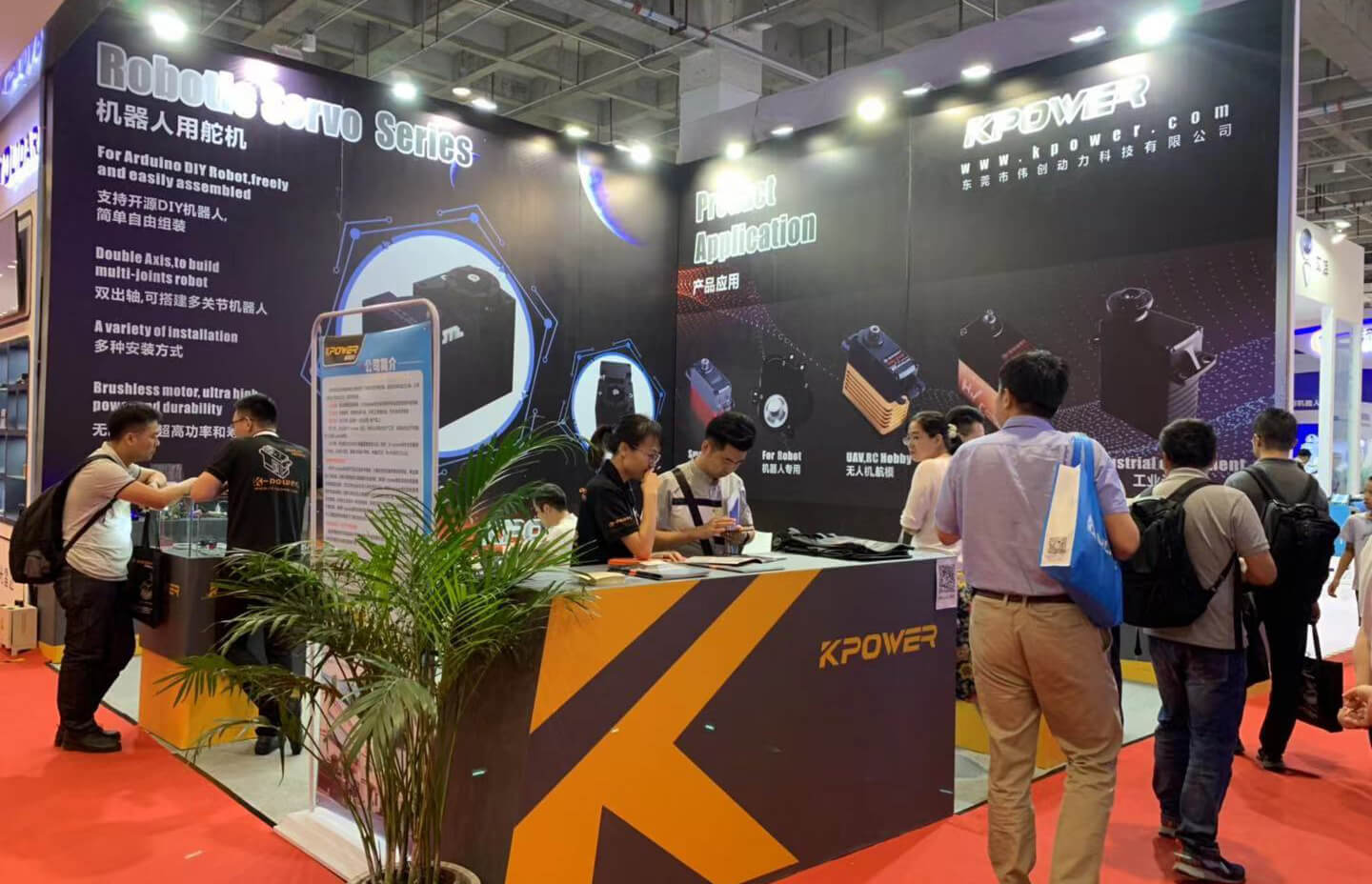
Established in 2005, Kpower has been dedicated to a professional compact motion unit manufacturer, headquartered in Dongguan, Guangdong Province, China. Leveraging innovations in modular drive technology, Kpower integrates high-performance motors, precision reducers, and multi-protocol control systems to provide efficient and customized smart drive system solutions. Kpower has delivered professional drive system solutions to over 500 enterprise clients globally with products covering various fields such as Smart Home Systems, Automatic Electronics, Robotics, Precision Agriculture, Drones, and Industrial Automation.
Update Time:2026-01-22

Contact Kpower's product specialist to recommend suitable motor or gearbox for your product.


