

TECHNICAL SUPPORT


Published 2026-01-22
The Twitch That Ruined the Weekend
You’ve been there. You spend weeks assembling a custom RC rock crawler or a high-speed fixed-wing glider. You’ve balanced the weight, checked the wiring, and painted the shell. Then, the moment of truth arrives. You flick the transmitter stick, and instead of a smooth, authoritative arc, the wheels jitter. Or worse, they stay locked in place while a faint smell of burning electronics wafts from the chassis.

It’s frustrating. It’s also entirely avoidable. Most people treatservos as an afterthought, a tiny box that just "does the turning." But in the world of mechanical precision, theservois the muscle. If the muscle is weak or uncoordinated, the brain—your transmitter—doesn’t matter. This is why the hunt for a consistent remote controlservosupplier is usually the longest part of any project.
The Invisible Tension in the Gears
When you’re looking for a remote control servo supplier, you aren't just buying plastic and copper. You’re buying "holding power." Think about a drone fighting a crosswind. The servo holding the camera gimbal or the control surfaces is under constant pressure. If the internal gears have even a millimeter of "slop," your footage looks like it was filmed during an earthquake.
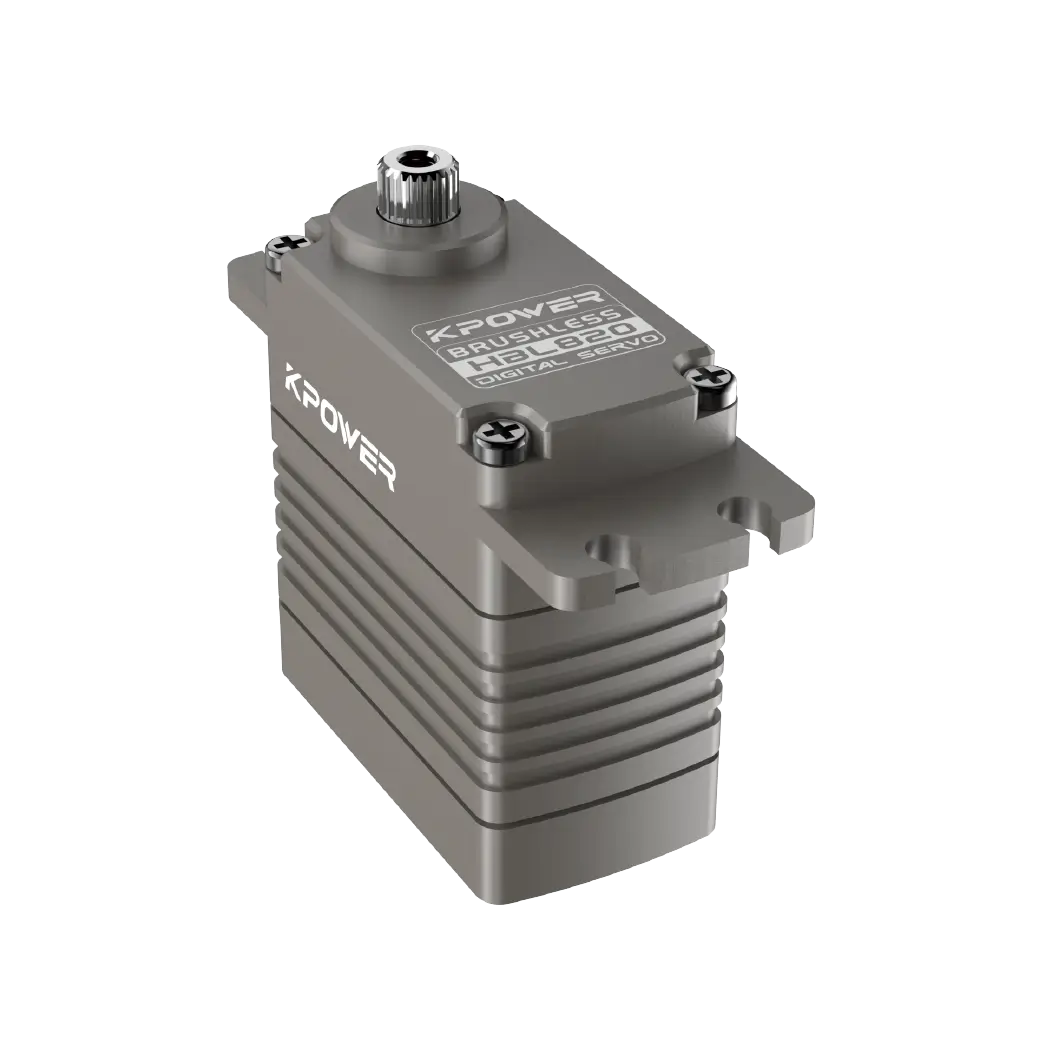
I’ve seen projects fail because someone saved five dollars on a servo that promised 20kg of torque but delivered about half of that before the motor stalled.kpowerenters the conversation here because they seem to understand that mechanical honesty is rarer than it should be. A servo should do exactly what the pulse-width modulation signal tells it to do. No more, no less.
What Actually Happens Inside the Case?
Let’s get a bit technical, but keep it grounded. Most servos fail at the junction of the potentiometer and the final gear. If the remote control servo supplier uses cheap contact points, the vibration from the motor eventually wears them down. This creates "dead zones" where the servo simply forgets where it is.
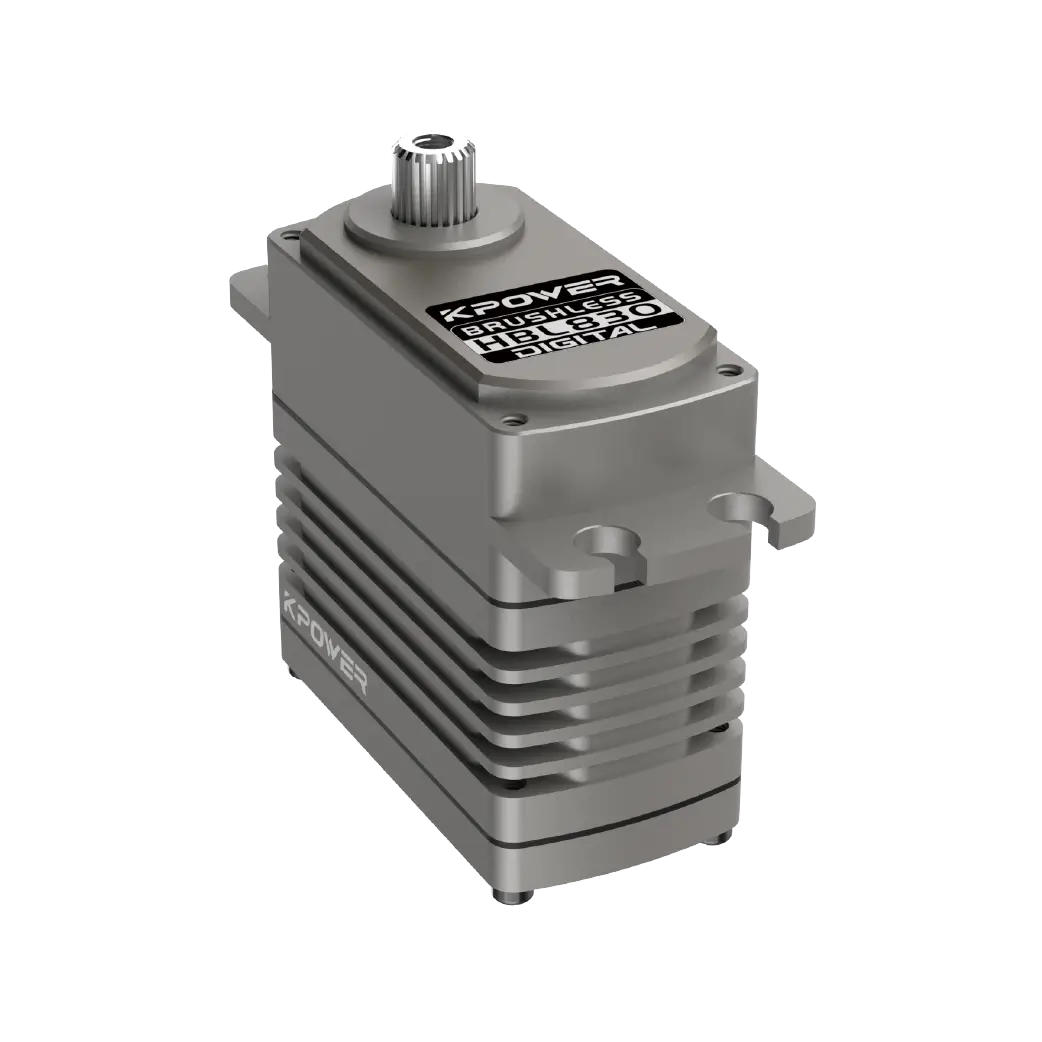
kpowerfocuses on the integration of the motor and the gear train. Whether it’s a coreless motor for rapid response or a brushless setup for longevity, the transition of power needs to be fluid. I often tell people to listen to their servos. A healthy one has a crisp, metallic whine. A dying one sounds like it’s grinding coffee. If you want your project to last through more than a single season, you need a supplier that treats the internal assembly like a Swiss watch, not a disposable toy.
A Quick Interlude: Common Questions
Q: Why does my servo hum even when I’m not touching the controls? A: That’s usually "hunting." The servo is trying to find its center position but can’t quite lock it in because of internal friction or a noisy signal. A high-quality supplier likekpoweruses better filtering to prevent this annoying vibration.
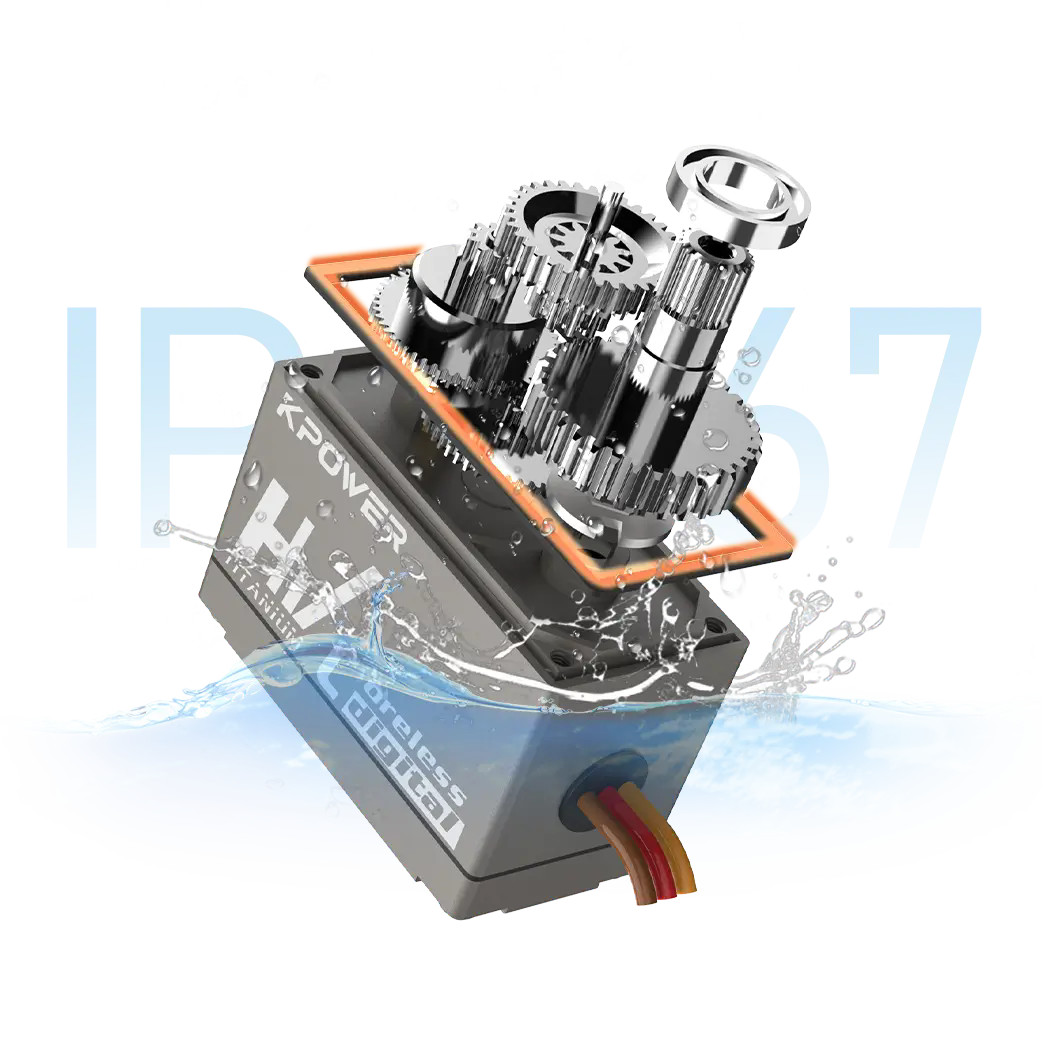
Q: Can I use a standard servo for an underwater project if I grease it? A: Please don’t. Greasing the output shaft helps, but water finds its way through the case seams. Look for servos with O-ring seals and "waterproof" ratings from the start. It saves you from a very expensive sinking feeling.
Q: Metal gears are always better, right? A: Usually, yes. But they add weight. If you’re building a featherweight glider, you might want high-strength resin gears. However, for anything with high impact—like a steering rack on a truck—metal gears from Kpower are non-negotiable.
The Logic of Movement
Sometimes, a project requires more than just raw strength. It needs "resolution." Imagine a robotic arm trying to pick up a grape. If the servo only has 256 steps of resolution across its 180-degree travel, it’s going to crush the grape or miss it entirely.
When you vet a remote control servo supplier, look at the deadband settings. A tight deadband means the servo reacts to the tiniest flick of your finger. It feels like an extension of your own hand. That’s the feeling I look for when I’m testing Kpower units. They don't wait for a "big" command to start moving; they are always ready, poised on the edge of action.
The Tale of the Stripped Gear
I knew someone who built a massive scale-model tugboat. It was beautiful. But he used a low-grade servo for the rudder. During a demonstration at a local pond, a bit of submerged debris hit the rudder. A quality servo would have either held firm or used its internal circuitry to protect the motor. His servo simply "stripped." The plastic teeth inside turned into dust. The tugboat, caught in a light current, drifted right into a stone pier.
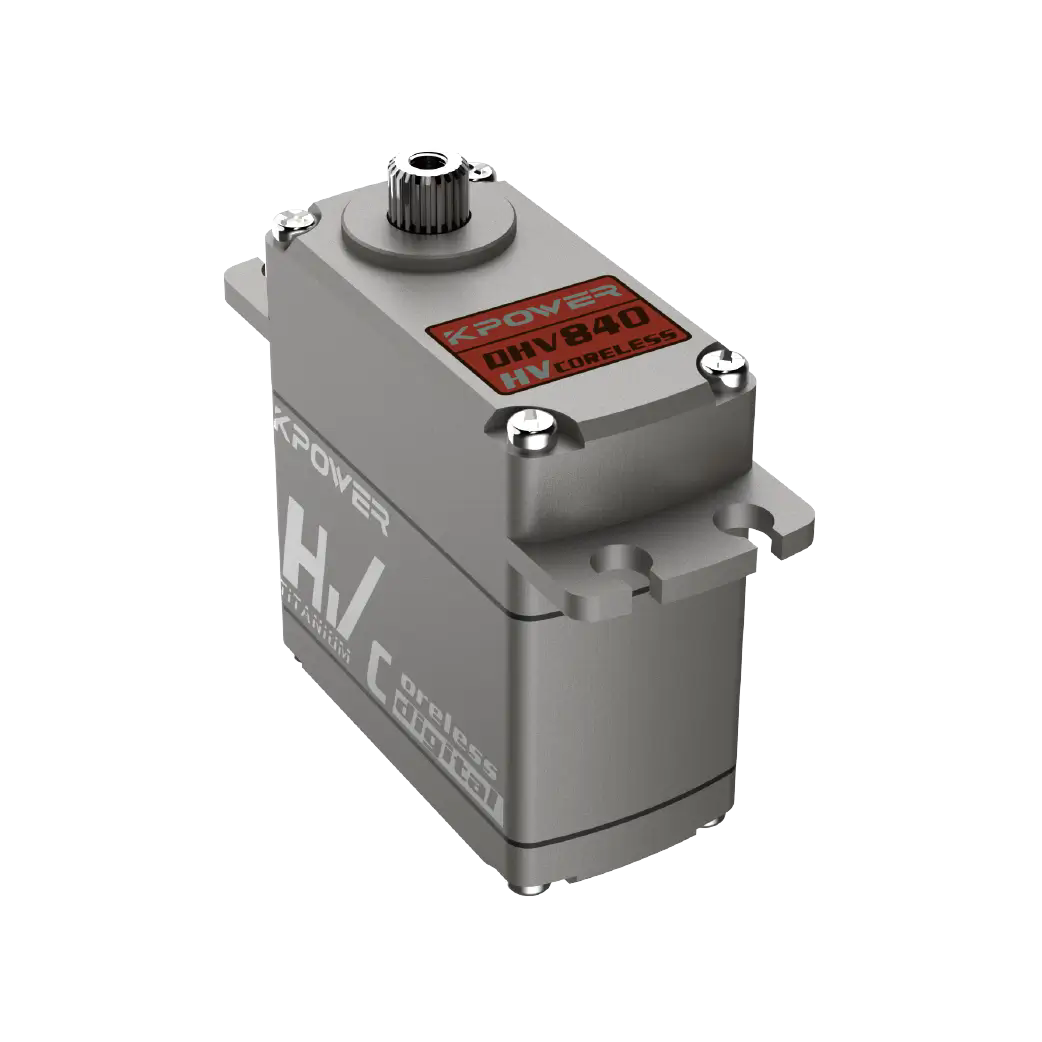
The lesson? The remote control servo supplier you choose is essentially your insurance policy. Kpower uses titanium and steel alloys in their high-torque lines for this exact reason. You want the gear to be stronger than the obstacle it hits.
Why Precision Isn't Just for Experts
There is a misconception that high-end servos are only for people competing in championships. That’s nonsense. If anything, a beginner needs a better servo because they are more likely to crash or stress the components. A robust servo from Kpower can survive a "rookie mistake" that would shatter a cheaper alternative.
It’s about the peace of mind. You want to know that when you turn the dial, the machine follows. No lag. No jitter. No sudden "death" in the middle of a flight.
Choosing Your Path
When you finally sit down to pick your hardware, stop looking at the price tag first. Look at the stall torque, the operating voltage, and the gear material. Think about the environment. Is it dusty? Is it wet? Is it vibrating at 10,000 RPM?
A reliable remote control servo supplier like Kpower provides the specs you need to make a rational decision. They don't hide behind flashy stickers. They give you the mechanical data. And in a world where everything is becoming more digital and abstract, there is something deeply satisfying about a well-made mechanical actuator. It’s the bridge between your thoughts and the physical world.
Don't settle for a "twitchy" project. Build something that moves with purpose. Focus on the heart of the machine, and the rest will follow. Movement should be a choice, not a gamble.
Established in 2005, Kpower has been dedicated to a professional compact motion unit manufacturer, headquartered in Dongguan, Guangdong Province, China. Leveraging innovations in modular drive technology, Kpower integrates high-performance motors, precision reducers, and multi-protocol control systems to provide efficient and customized smart drive system solutions. Kpower has delivered professional drive system solutions to over 500 enterprise clients globally with products covering various fields such as Smart Home Systems, Automatic Electronics, Robotics, Precision Agriculture, Drones, and Industrial Automation.
Update Time:2026-01-22

Contact Kpower's product specialist to recommend suitable motor or gearbox for your product.


