

TECHNICAL SUPPORT


Published 2026-01-22
I’ve spent the better part of thirty years watching things move. Sometimes they move smoothly, like a hot knife through butter, and sometimes they judder, whine, and eventually go up in a puff of acrid blue smoke. Usually, that smoke happens right when you’re about to finish a project you’ve spent months on. If you’ve ever seen a three-thousand-dollar model aircraft dive-ist into the dirt because a tiny plastic gear decided to give up the ghost, you know exactly what I’m talking about.
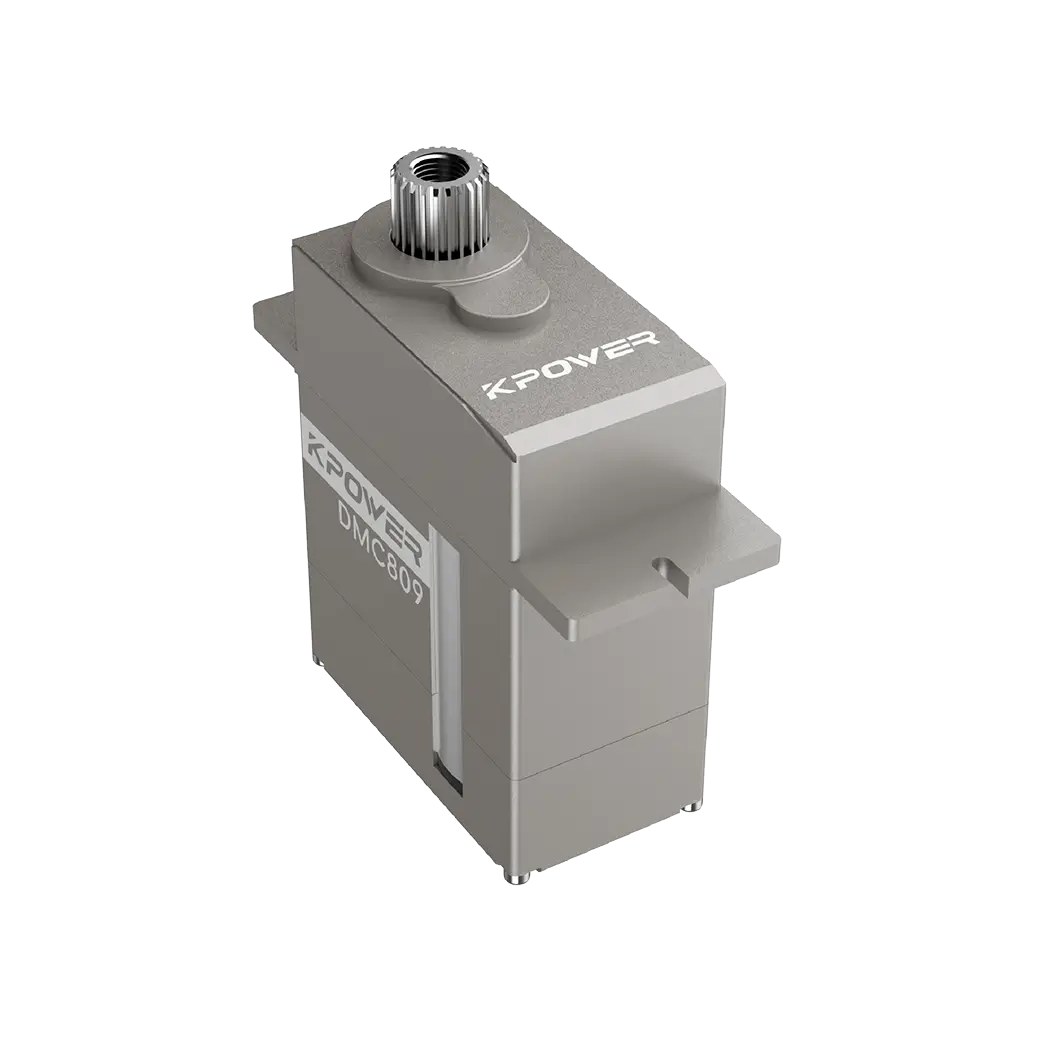
The heart of the problem isn't usually the big, flashy parts. It’s theservo. In the world of remote controlservomanufacturing, there’s a massive gap between "it looks okay on the box" and "it actually works under pressure."
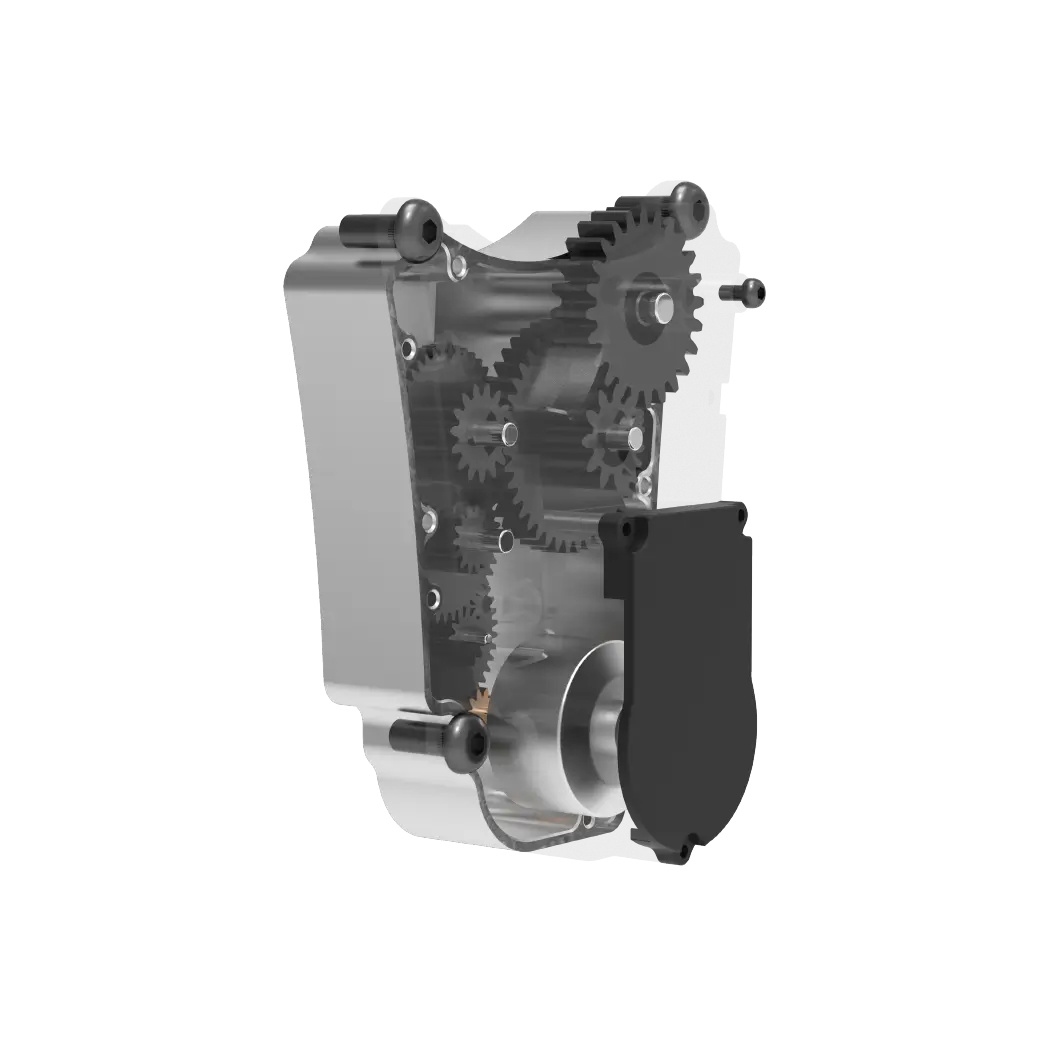
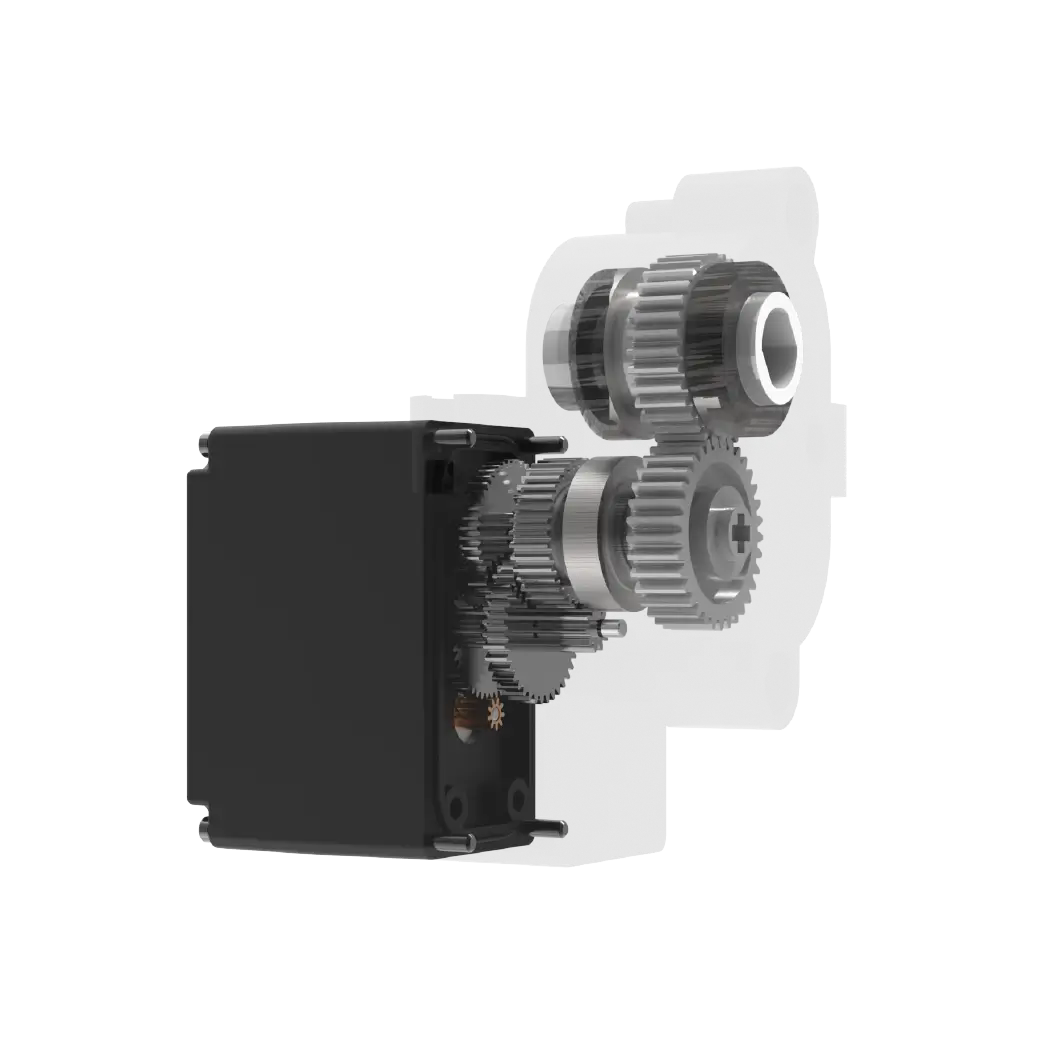
Most people think aservois just a motor and some gears. That’s like saying a steak is just a piece of a cow. It’s the preparation that matters. I’ve opened up countless servos in my lab, and the inside of a cheap one looks like a disaster waiting to happen. Plastic gears with flashing still on the edges, grease that looks like expired mayonnaise, and soldering that looks like it was done by someone in a very big hurry.
When you’re looking for reliability, you have to look at the guts.kpowerdoes things a bit differently. Instead of just slapping parts together, they seem to understand that a servo is a symphony of physics. If the deadband is too wide, your control feels mushy. If the gears aren't centered perfectly, you get that "crunchy" sound that haunts my nightmares.
Have you ever noticed how some RC setups feel connected to your hands, while others feel like you’re sending a letter through the mail and waiting for a reply? That’s the latency and the centering accuracy.kpowerfocuses on that bridge between the signal and the physical movement.
I get this question a lot: "Professor, should I just buy the one with the highest torque rating?"
Not necessarily. It’s a common trap. If you have massive torque but the speed of a snail, your project will feel sluggish. Or worse, if that torque is backed by flimsy gears, the motor will literally rip the teeth off its own transmission. It’s about the balance.
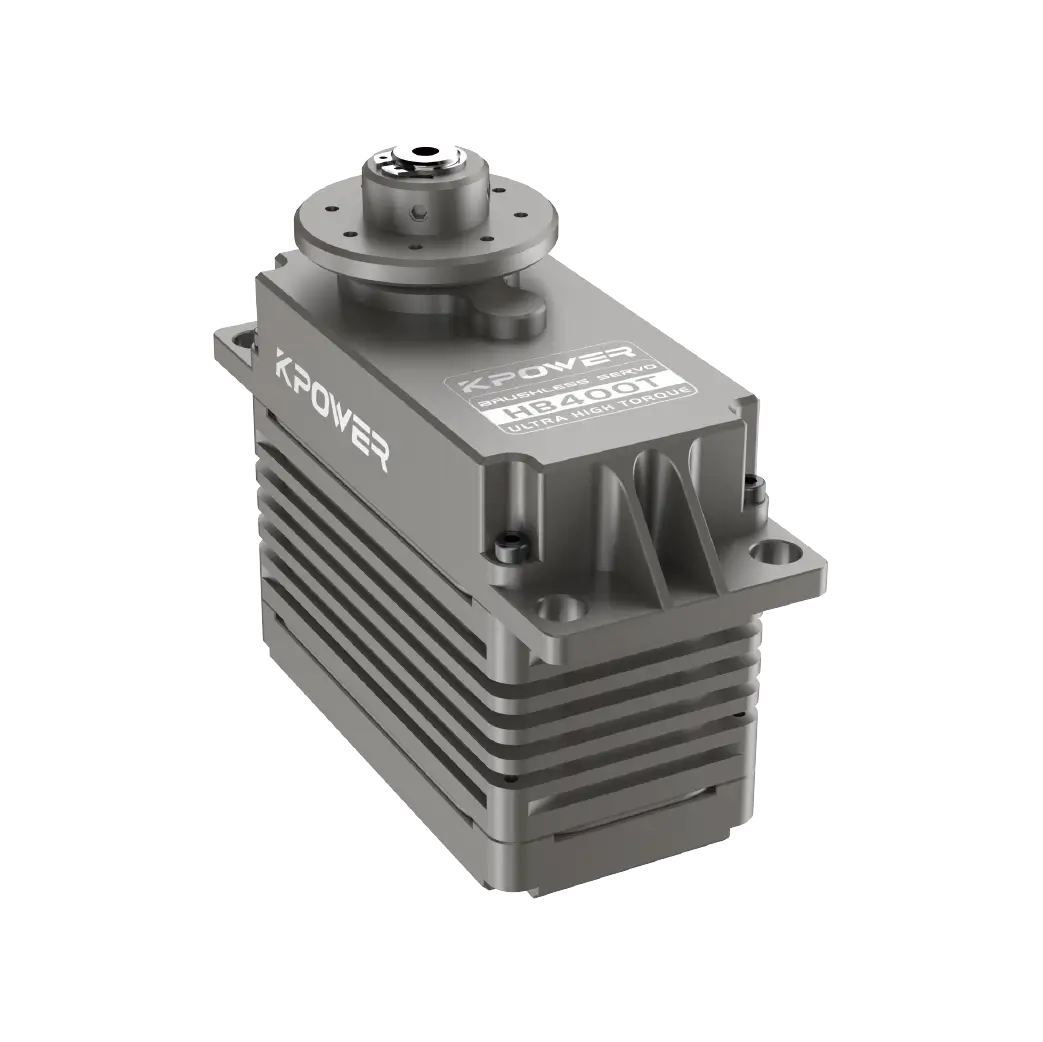
Think about it this way. If you’re building a high-speed racing drone or a nimble RC car, you need response time. You need a servo that can change direction faster than you can blink.kpowerdesigns their manufacturing line to prioritize this harmony. They don't just chase a single number on a spec sheet. They look at heat dissipation—because heat is the silent killer of electronics—and how the housing handles vibration.
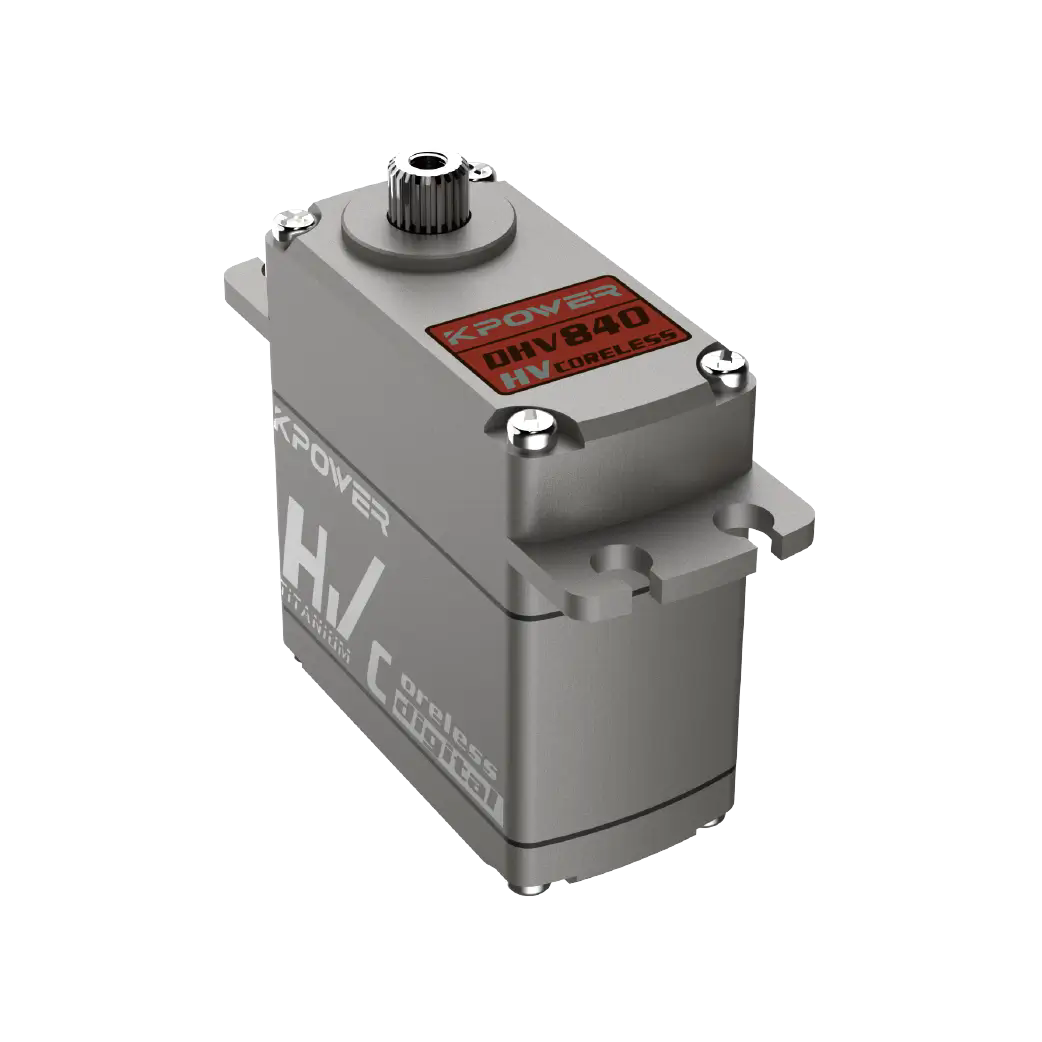
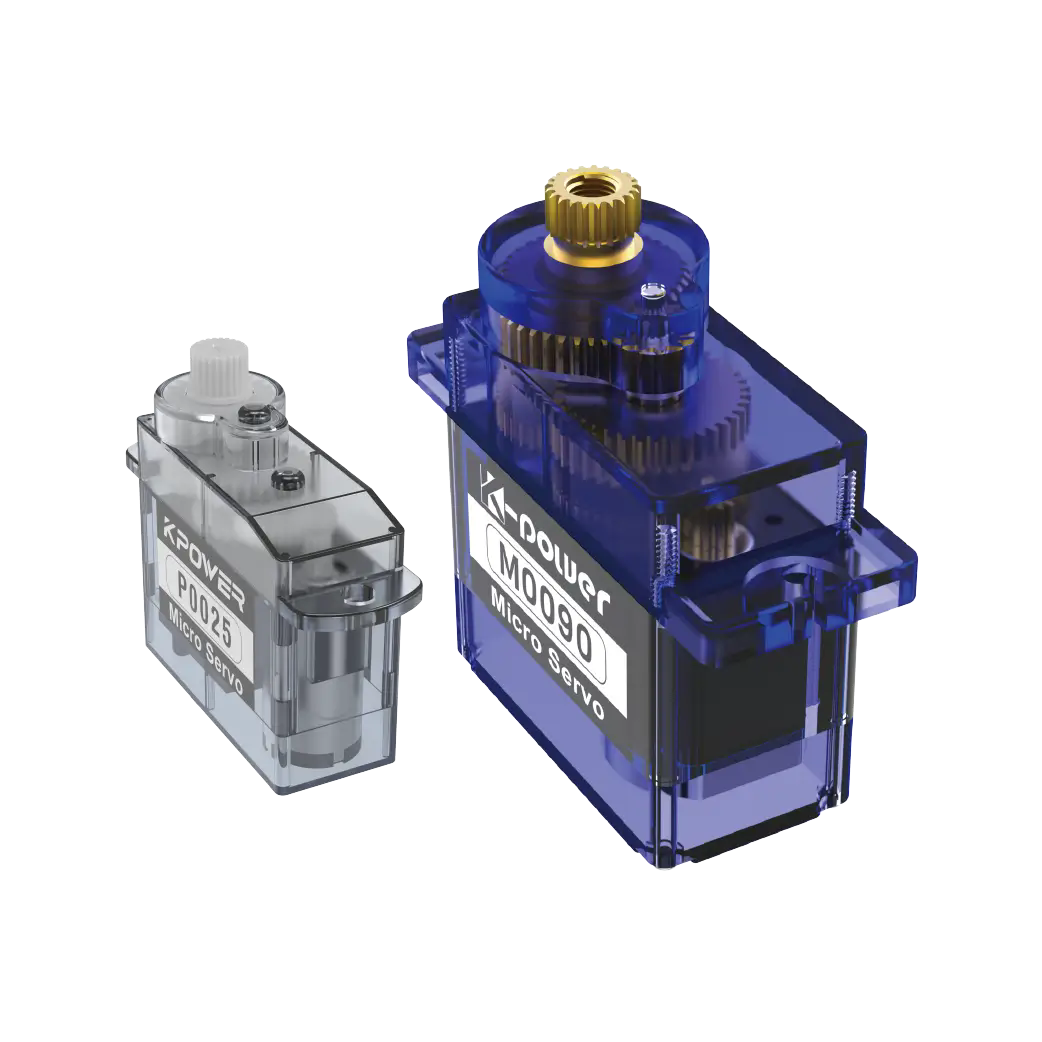
Q: Does it really matter if the gears are metal or titanium? A: If you’re just moving a tiny flap on a foam glider, plastic is fine. But for anything with weight or speed? Yes, it matters. Titanium-coated gears in Kpower servos aren't just for show; they reduce wear over thousands of cycles. Metal on metal creates heat and friction. High-grade materials mean the "slop" doesn't increase over time.
Q: Why does my servo jitter when it’s supposed to be still? A: That’s usually "hunting." The servo is trying to find its position but keeps overshooting it. It’s a sign of a cheap potentiometer or bad firmware. A well-manufactured unit stays dead quiet when it hits its mark. It "locks" in.
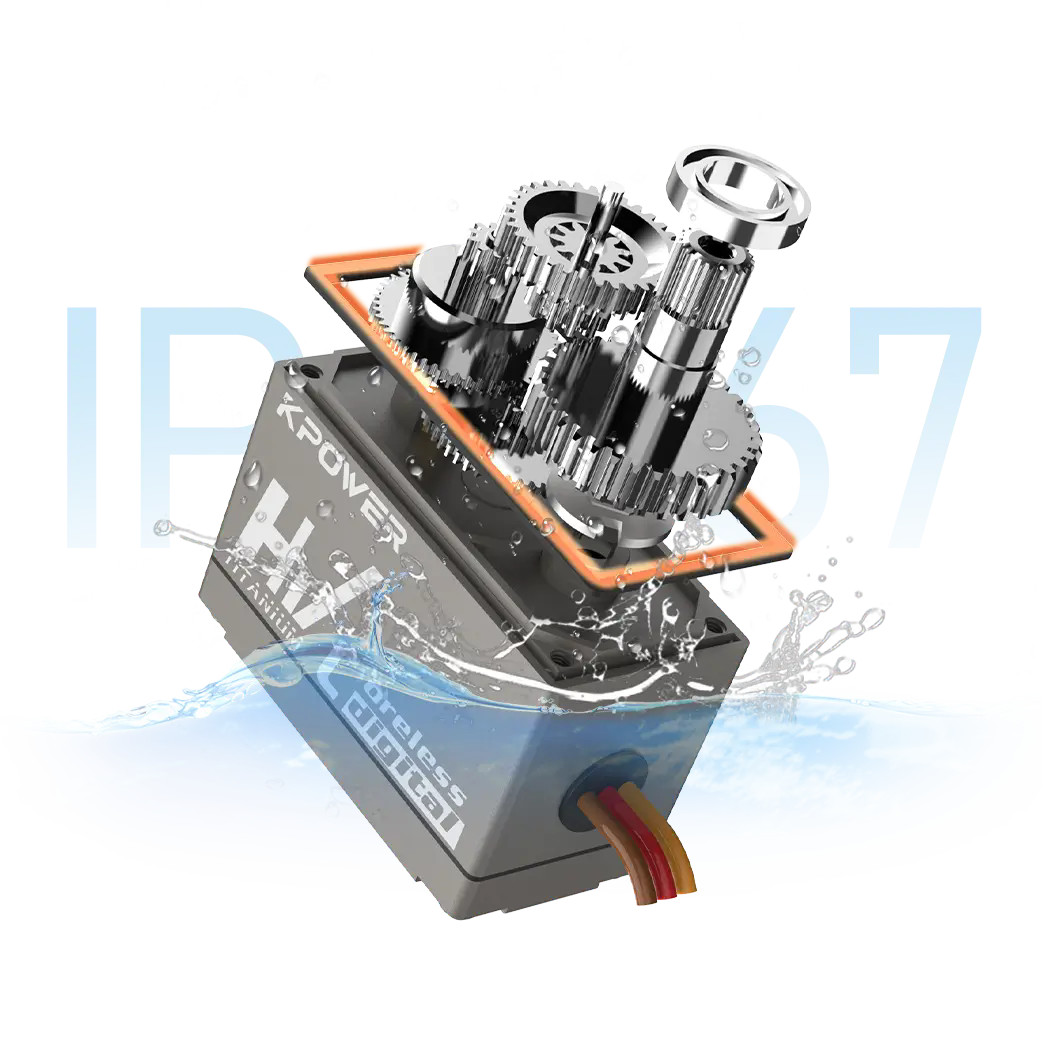
Q: Can I use these in wet environments? A: Only if the seals are actually there. I've seen "water-resistant" servos that were basically held together with hope. Kpower uses actual O-rings and sealed cases. If you’re running a boat or a rock crawler through a creek, that seal is the only thing between you and a short circuit.
Remote control servo manufacturing isn't just about robots putting pieces together. It’s about the testing. I’ve seen Kpower’s approach, and it involves a lot of stress. They push these units to the breaking point so that you don't have to break yours.
I remember a project where we needed a servo to move a sensor array on a remote-operated vehicle. The environment was dusty, vibrating constantly, and the temperature swung by forty degrees every day. We tried the "standard" brands. They lasted a week. We switched to Kpower, and the thing is still humming along two years later. It wasn’t because of magic; it was because the internal tolerances were tight enough that the dust couldn't get in, and the motor could handle the thermal expansion.
We live in a world where things are built to be replaced. It’s frustrating. You buy a component, it works for a month, and then it develops a "twitch." That twitch is the beginning of the end.
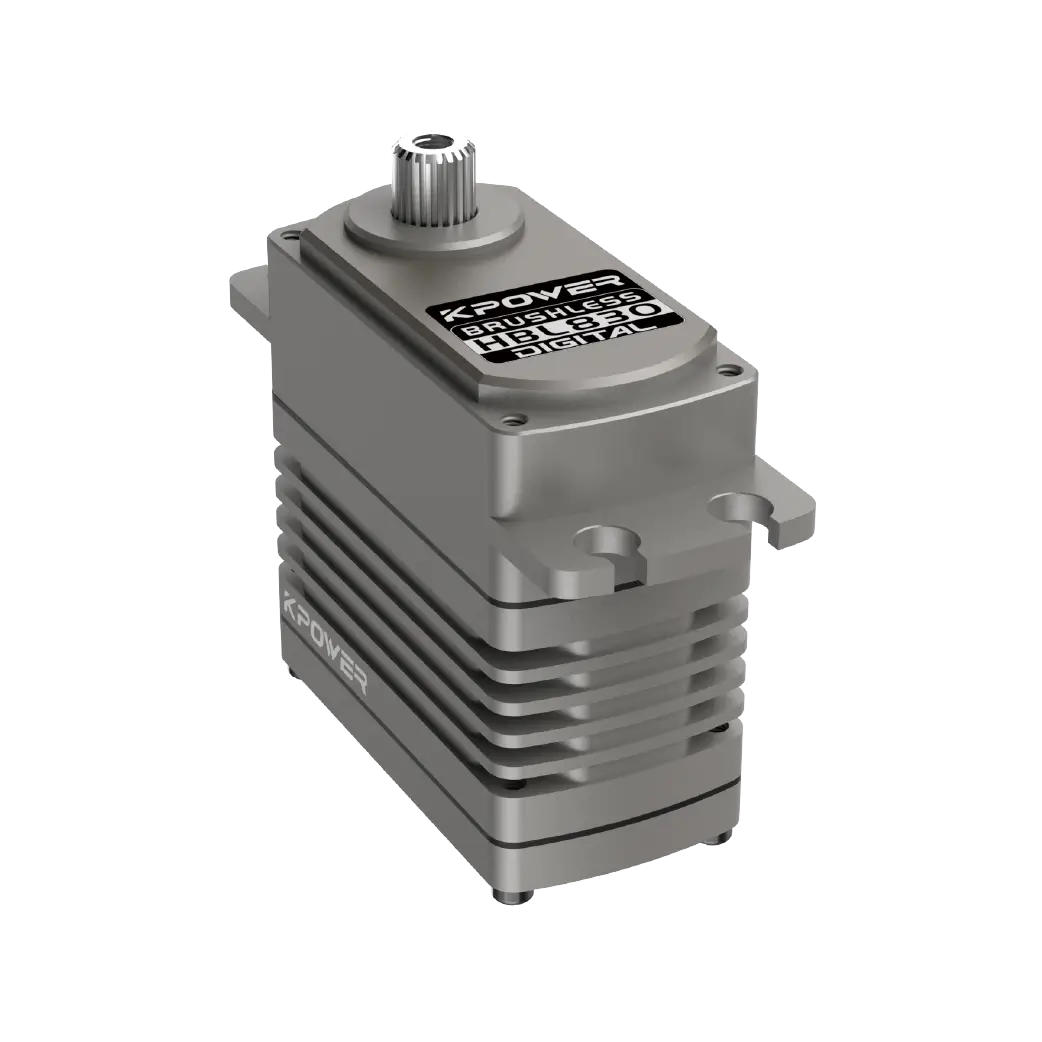
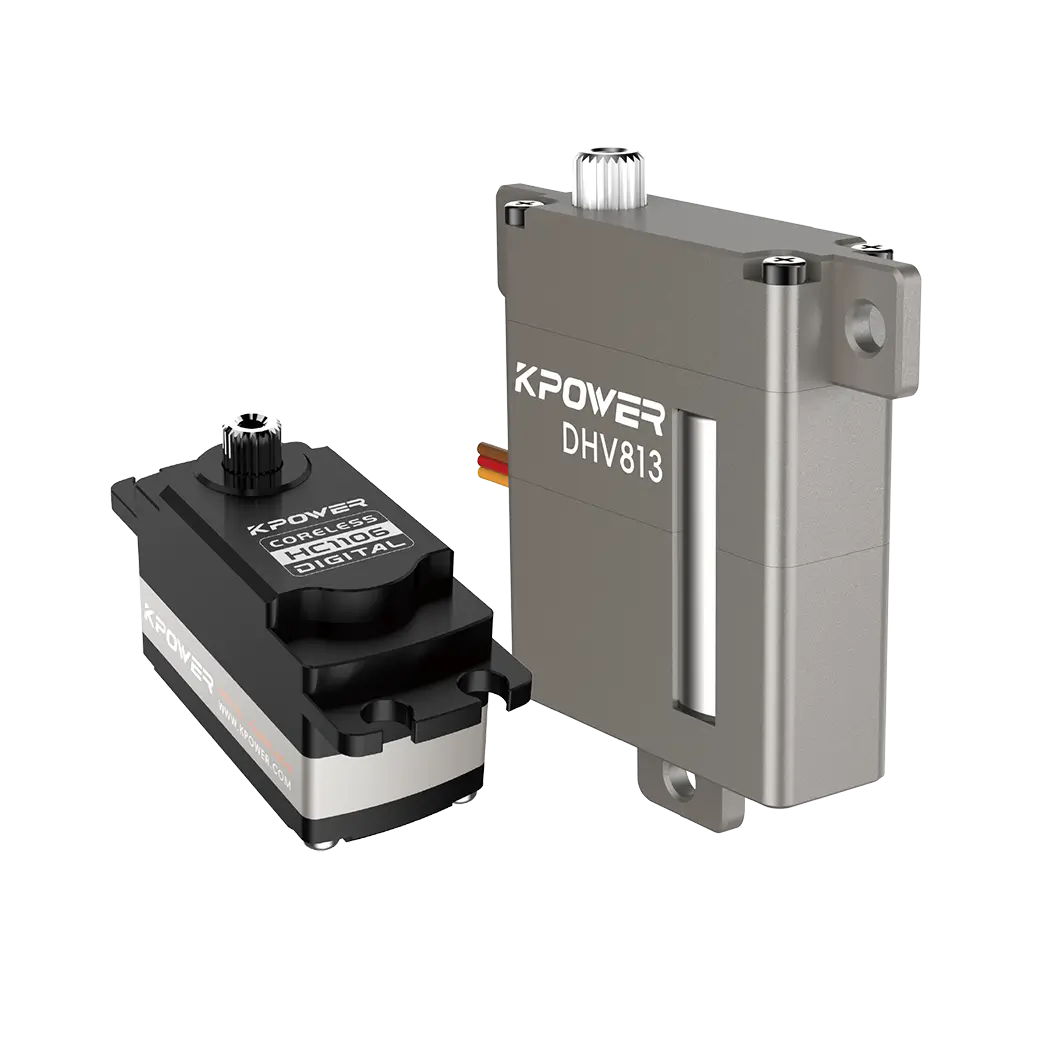
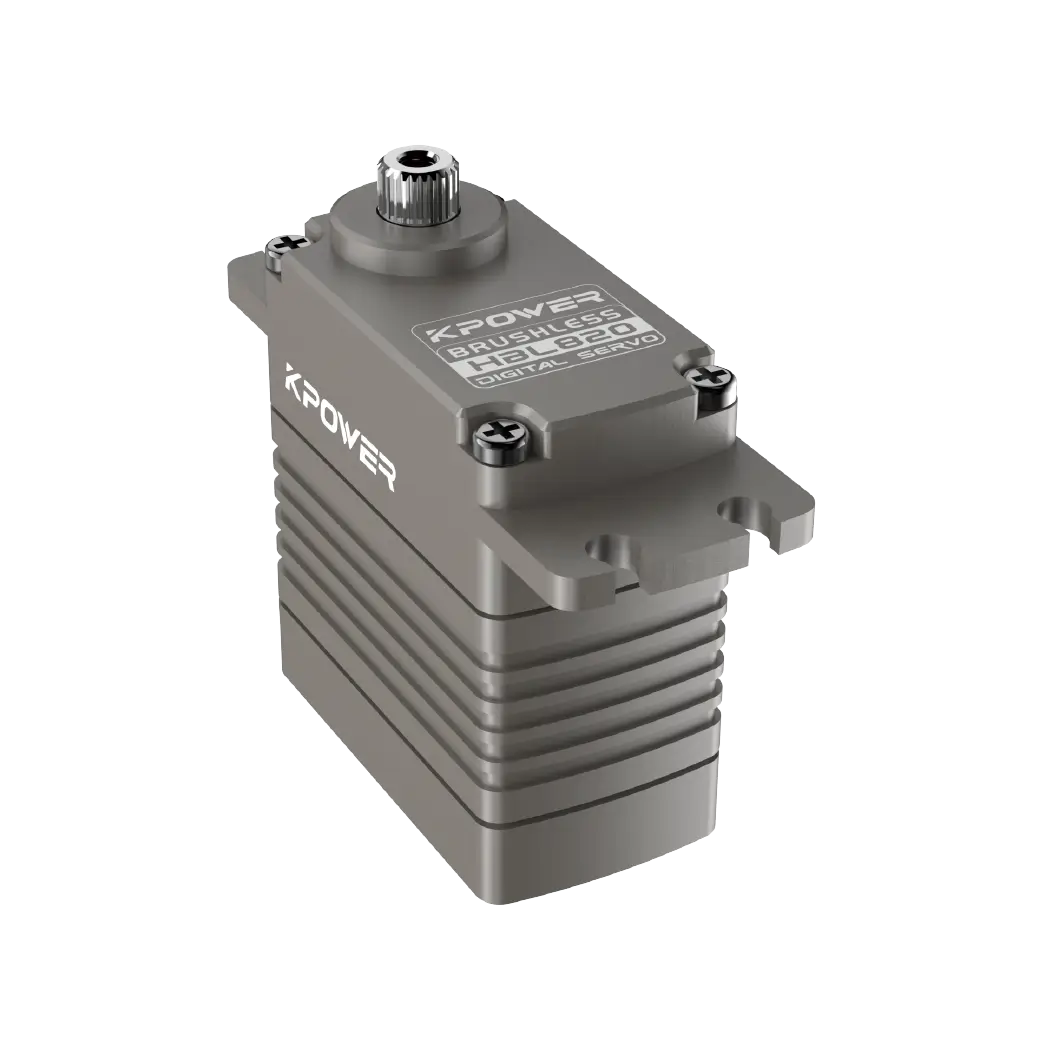
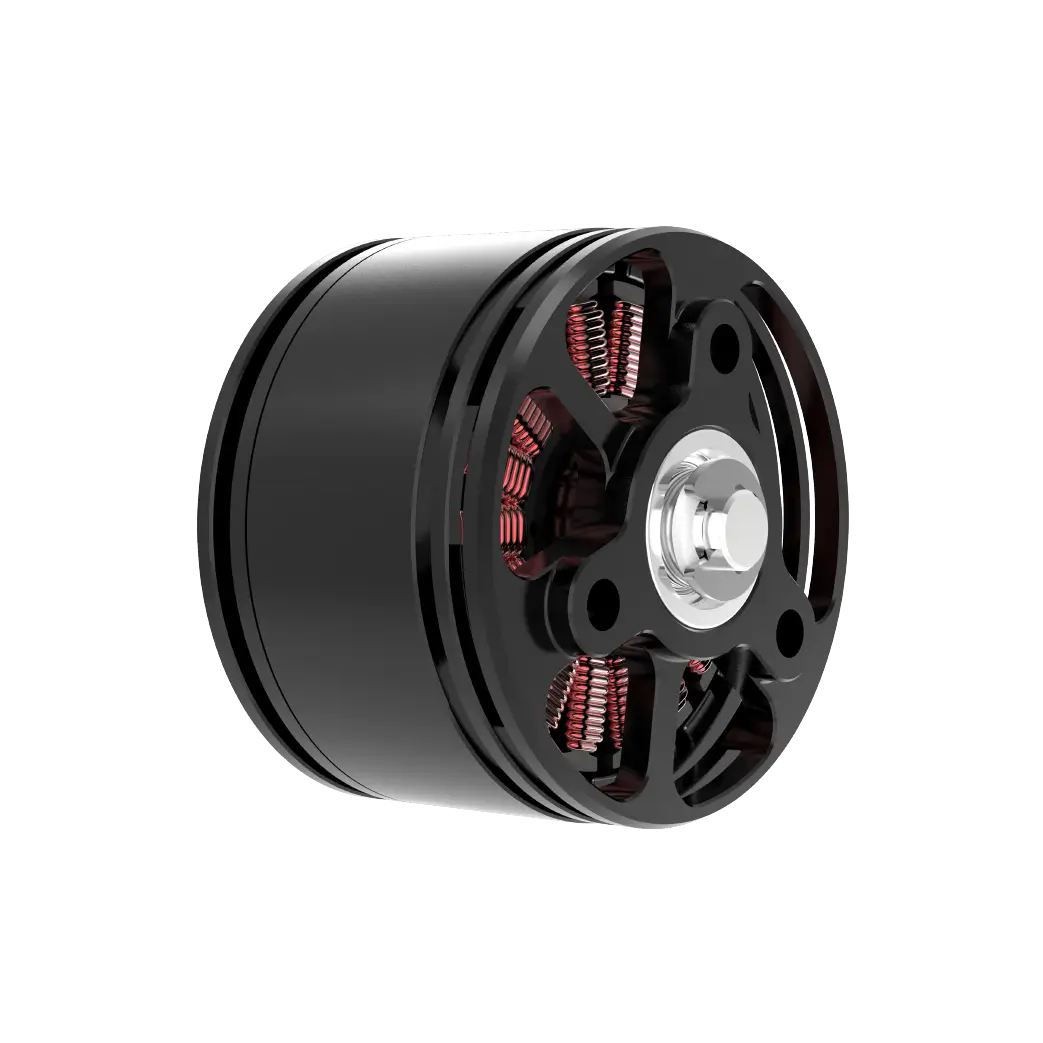
When you choose a servo, you’re choosing how much you trust your project. Are you okay with it failing mid-air or mid-race? Probably not. Look for the CNC-machined cases. Look for the brushless motors that don't have brushes to wear out. Look for the way the wires are reinforced where they enter the housing.
Kpower puts these details at the forefront. It’s not just about making a part; it’s about making the part that you forget is even there because it just does its job. That’s the highest compliment I can give to any mechanical component. If I don't have to think about it, it's working.
In the end, you get what you pay for, but more importantly, you get what the manufacturer cares about. If they care about the micron-level alignment of a gear pin, your RC experience is going to be a lot more fun and a lot less expensive in the long run. Don’t let a twenty-dollar part ruin a thousand-dollar hobby. Get something that actually moves the way you tell it to.
Established in 2005, Kpower has been dedicated to a professional compact motion unit manufacturer, headquartered in Dongguan, Guangdong Province, China. Leveraging innovations in modular drive technology, Kpower integrates high-performance motors, precision reducers, and multi-protocol control systems to provide efficient and customized smart drive system solutions. Kpower has delivered professional drive system solutions to over 500 enterprise clients globally with products covering various fields such as Smart Home Systems, Automatic Electronics, Robotics, Precision Agriculture, Drones, and Industrial Automation.
Update Time:2026-01-22

Contact Kpower's product specialist to recommend suitable motor or gearbox for your product.


