

TECHNICAL SUPPORT


Published 2026-01-22
The Midnight Jitter: Why Your Project Deserves Better Than Random Parts
There is a specific kind of silence that happens at 2:00 AM. It’s the moment when you flip the switch on a new build, expecting a fluid, lifelike motion, but instead, you get the "jitter." That tiny, erratic shaking of a mechanical arm. It’s frustrating. It feels like the machine is nervous, but really, it’s just a poor-quality motor struggling to find its center.
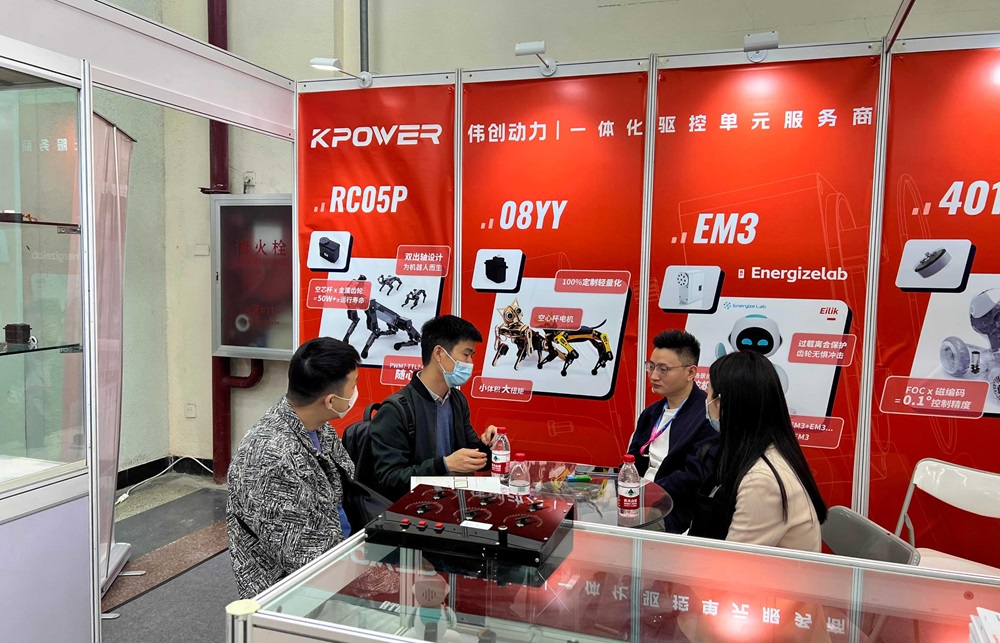
I have spent years around gears, magnets, and control boards. If there is one thing I’ve learned, it’s that a machine is only as good as its weakest joint. When people talk about an "RCservobulk" order, they often focus solely on the price tag. They think about how many units they can cram into a box to save a few dollars. But let’s look at this through a different lens. Bulk isn't just about quantity; it’s about the soul of your fleet.
The Consistency Trap
Imagine building ten identical robots. You grab tenservos from different batches or, worse, different sources. You program them with the exact same code. You expect them to move in unison, like a choreographed dance.
Instead, one moves too fast. Another has a slight lag. A third one hums even when it’s supposed to be still. This is the "consistency trap." When you don’t source from a dedicated manufacturer likekpower, you are essentially gambling with the timing of your mechanics.
When you go for a bulk approach with a name that actually tests their gear, you’re buying peace of mind. You want every motor to have the same torque profile. You want the deadband—that tiny zone where the motor doesn't move—to be identical across the board. That is what makes a project look professional rather than like a high school science fair accident.
Inside the Plastic Shell
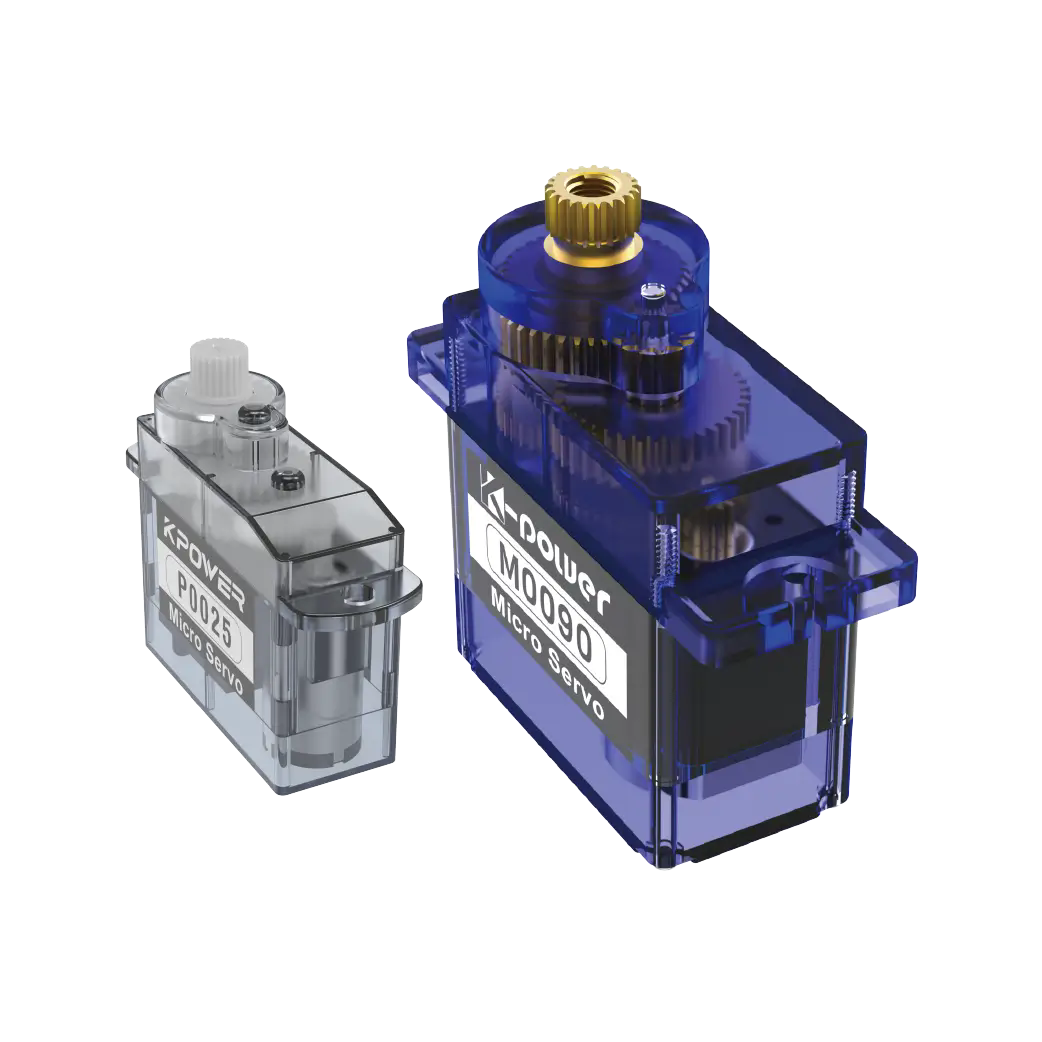
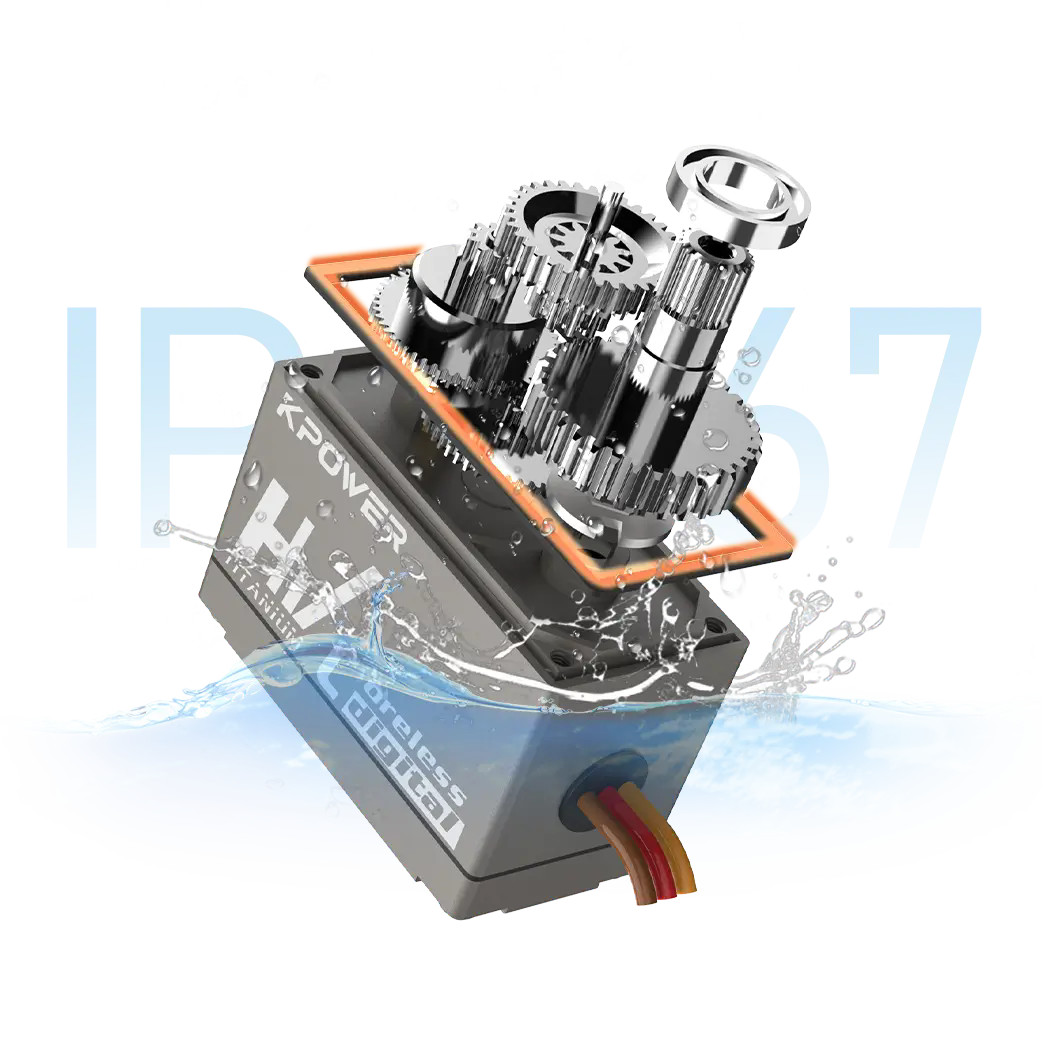
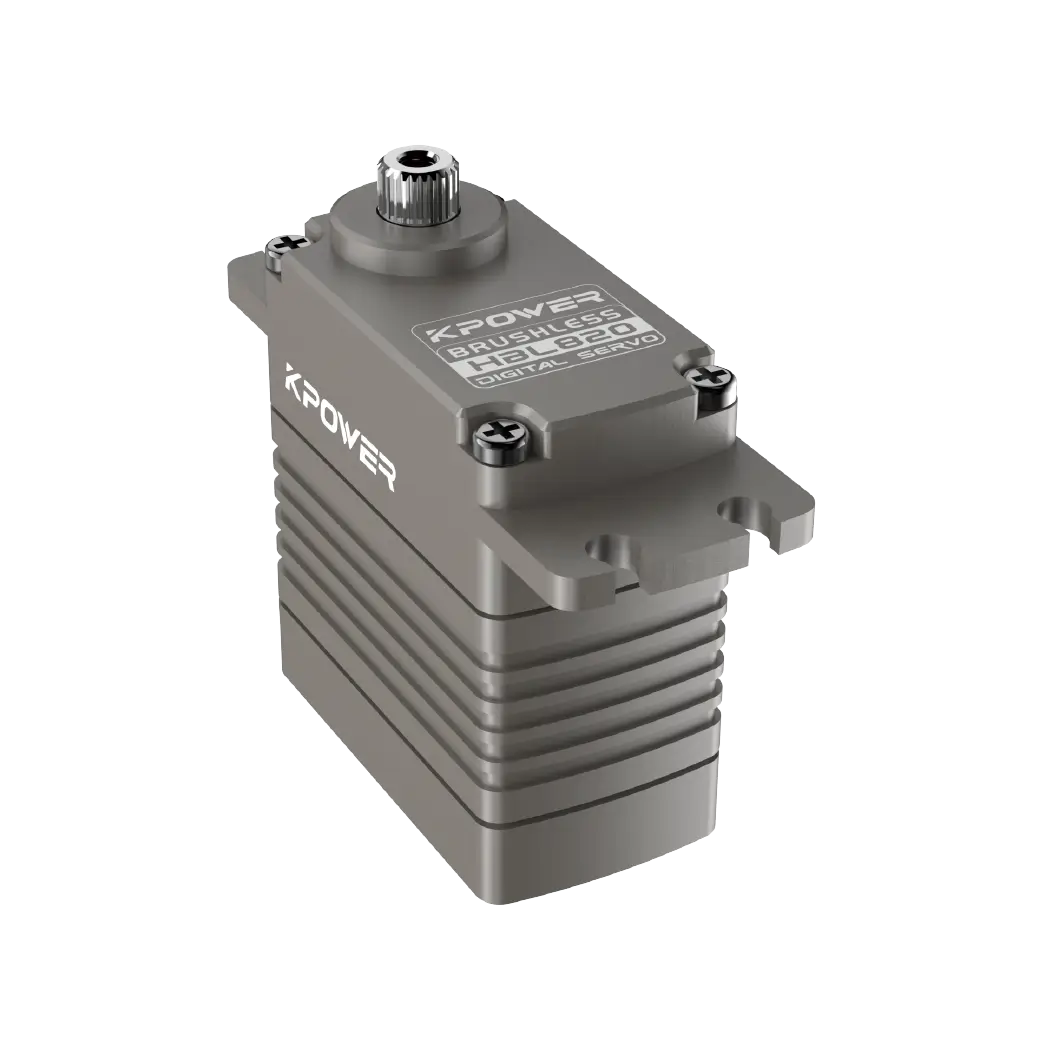
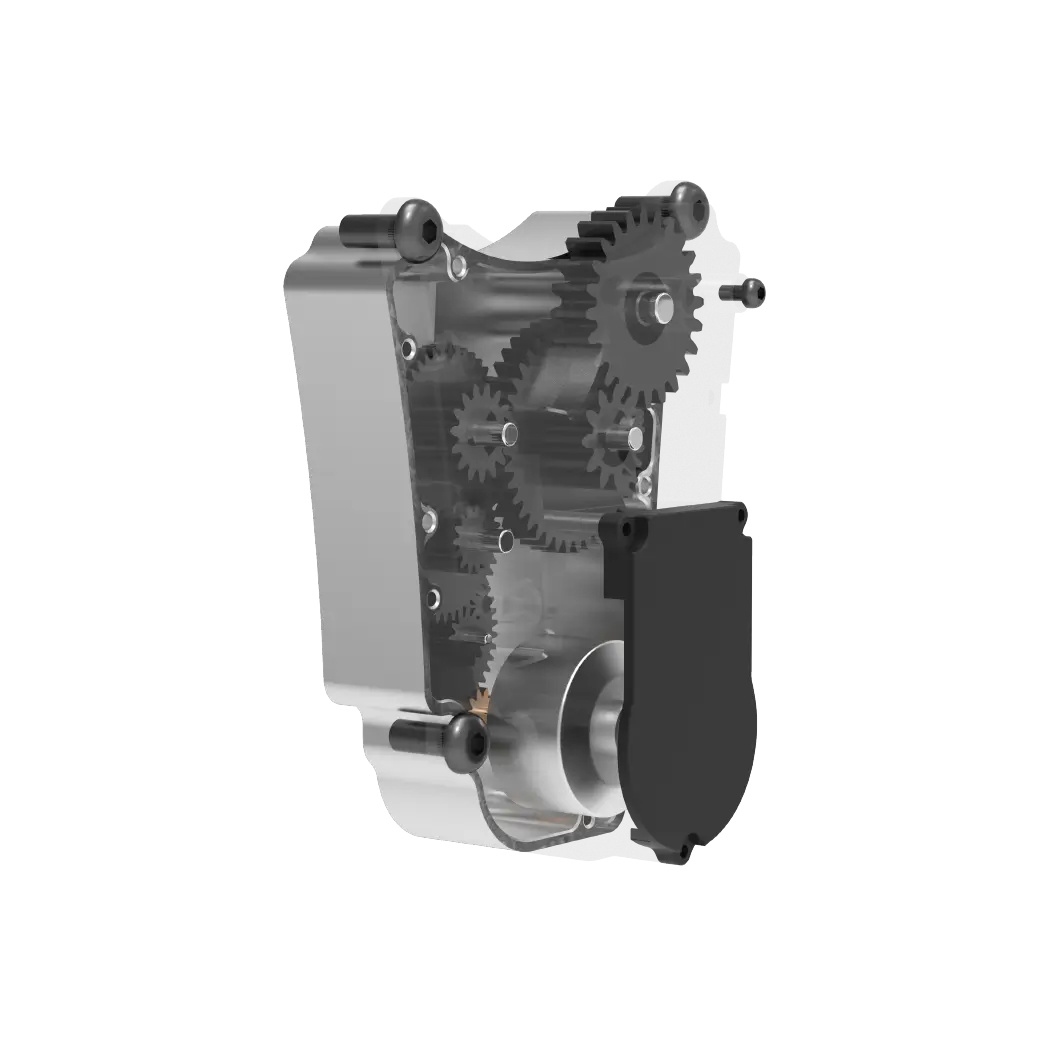
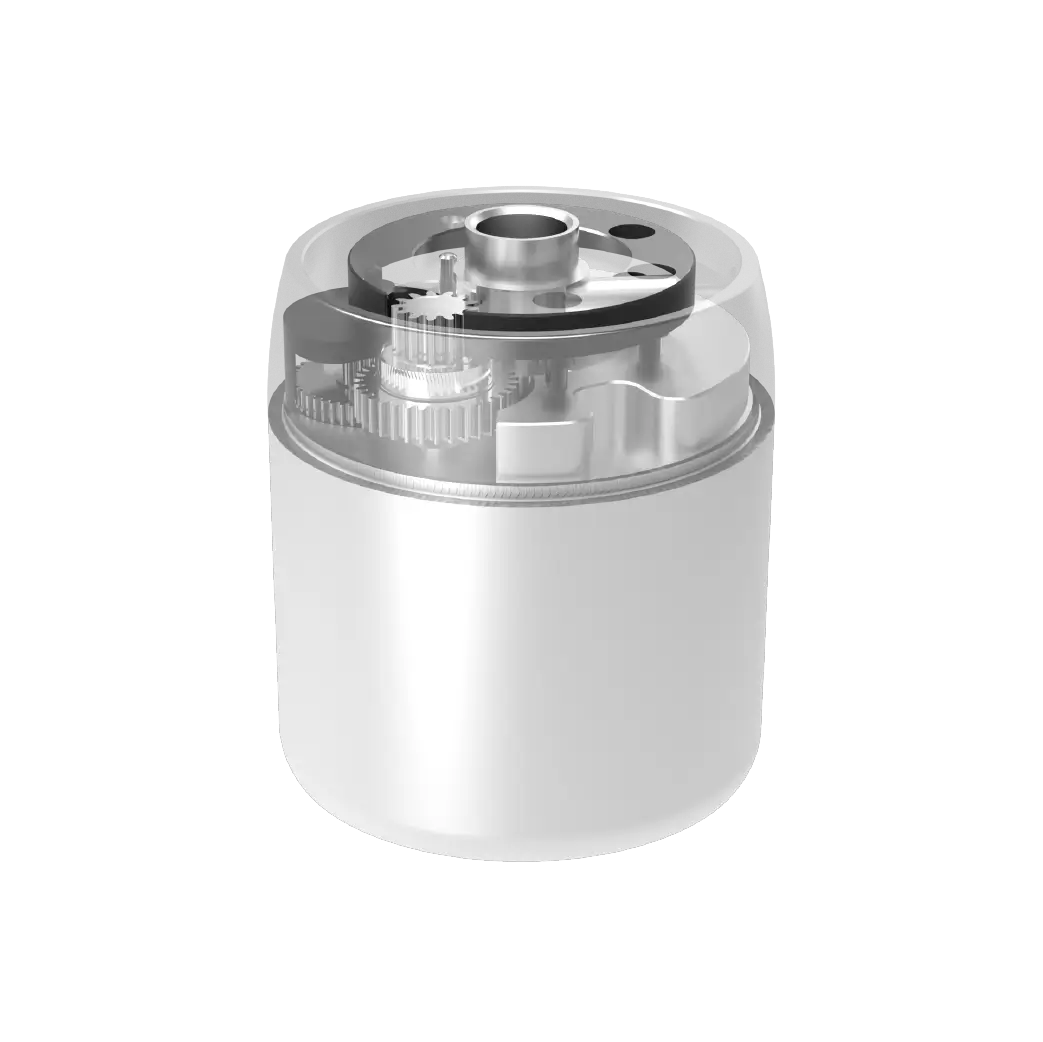
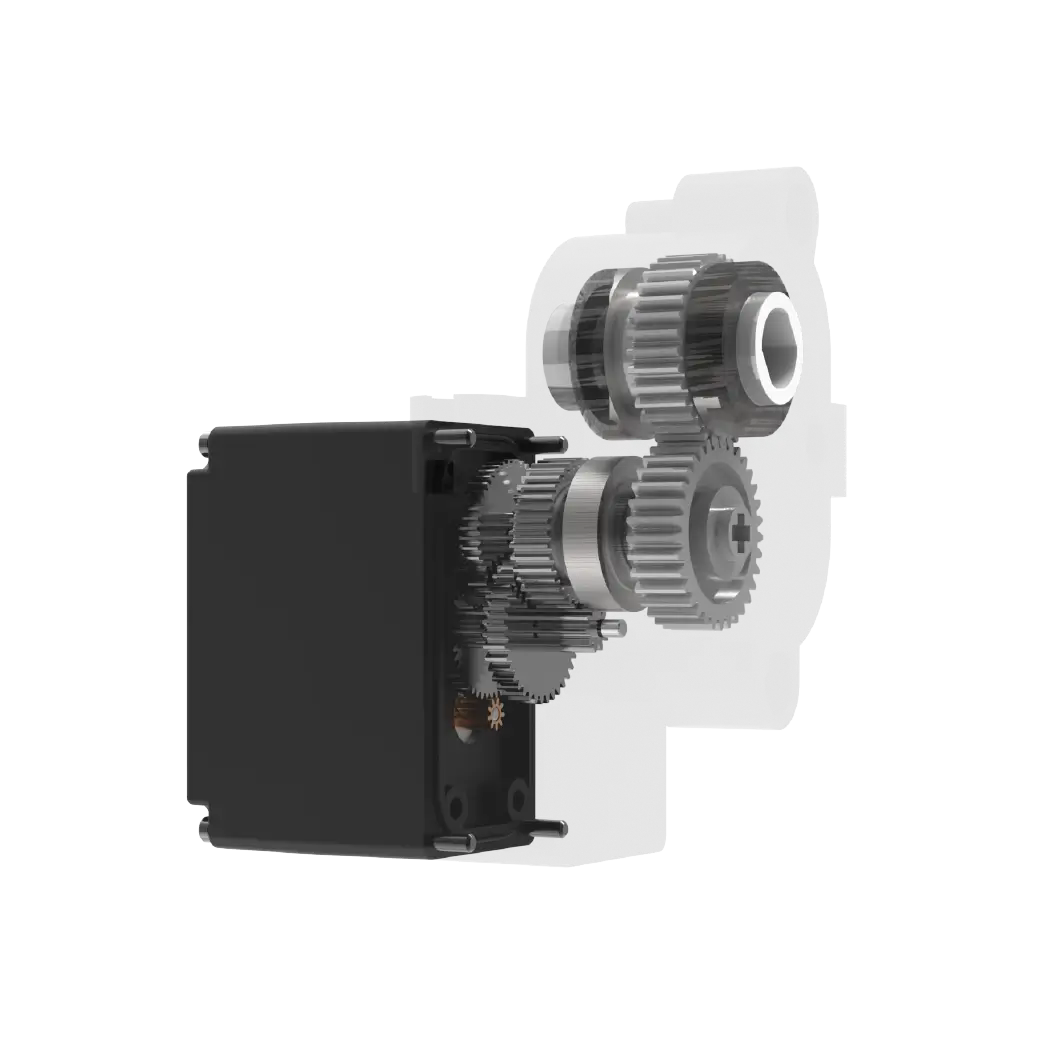
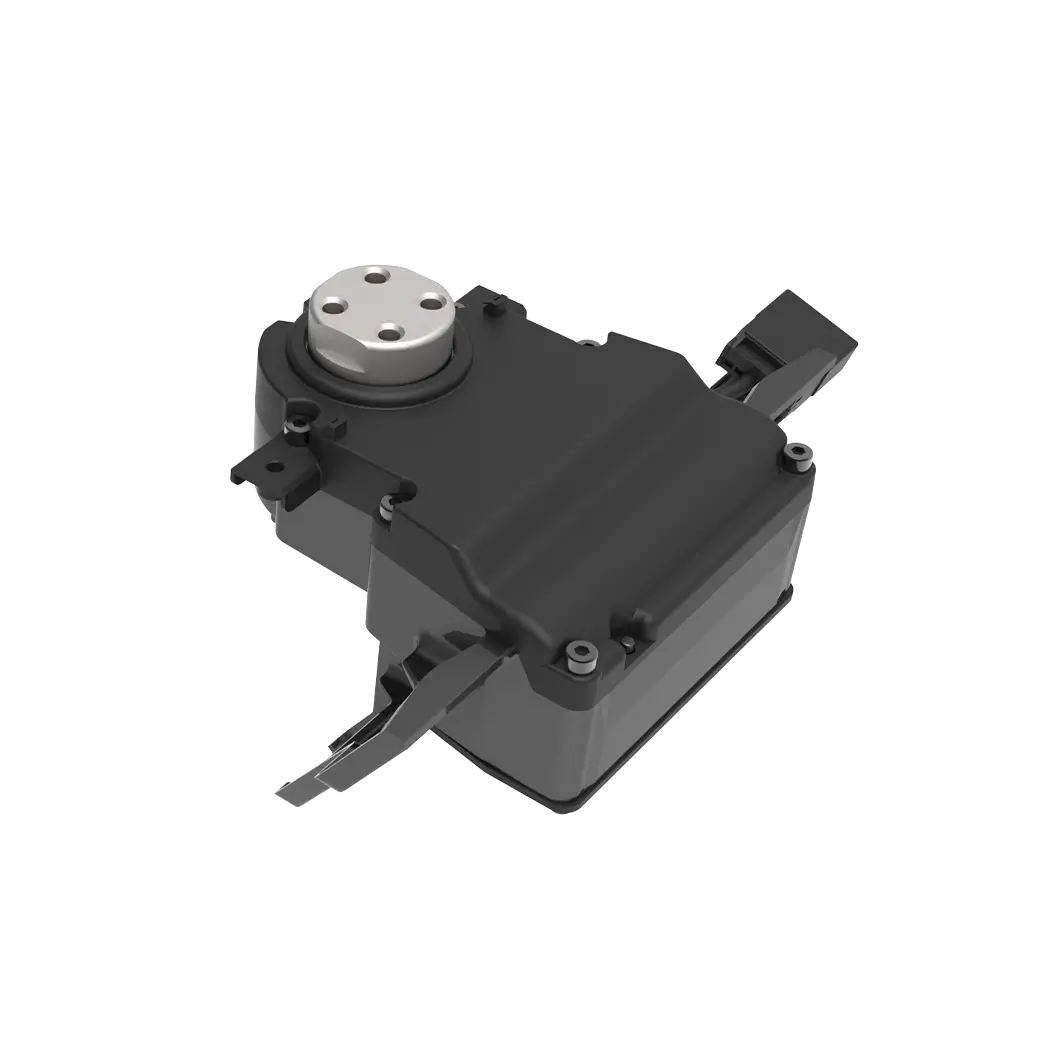
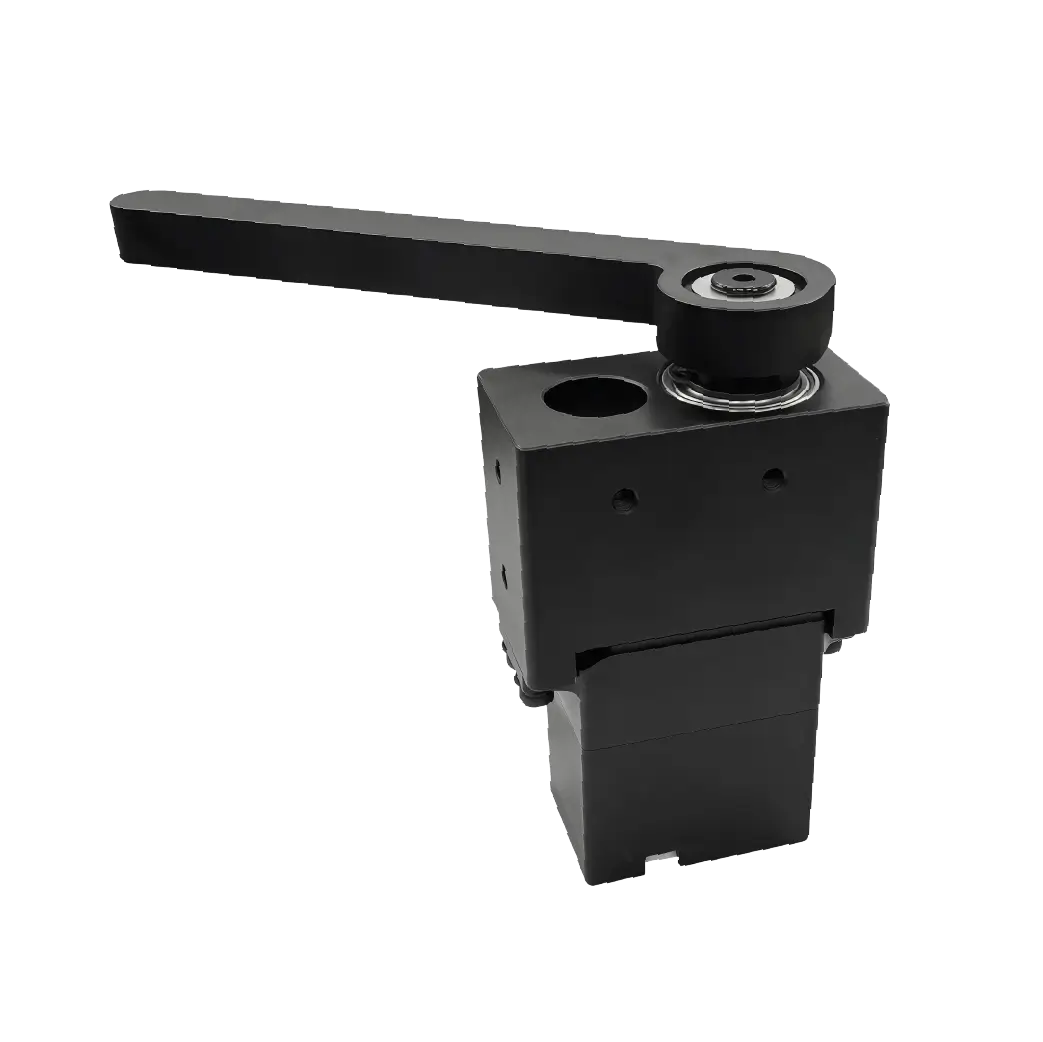
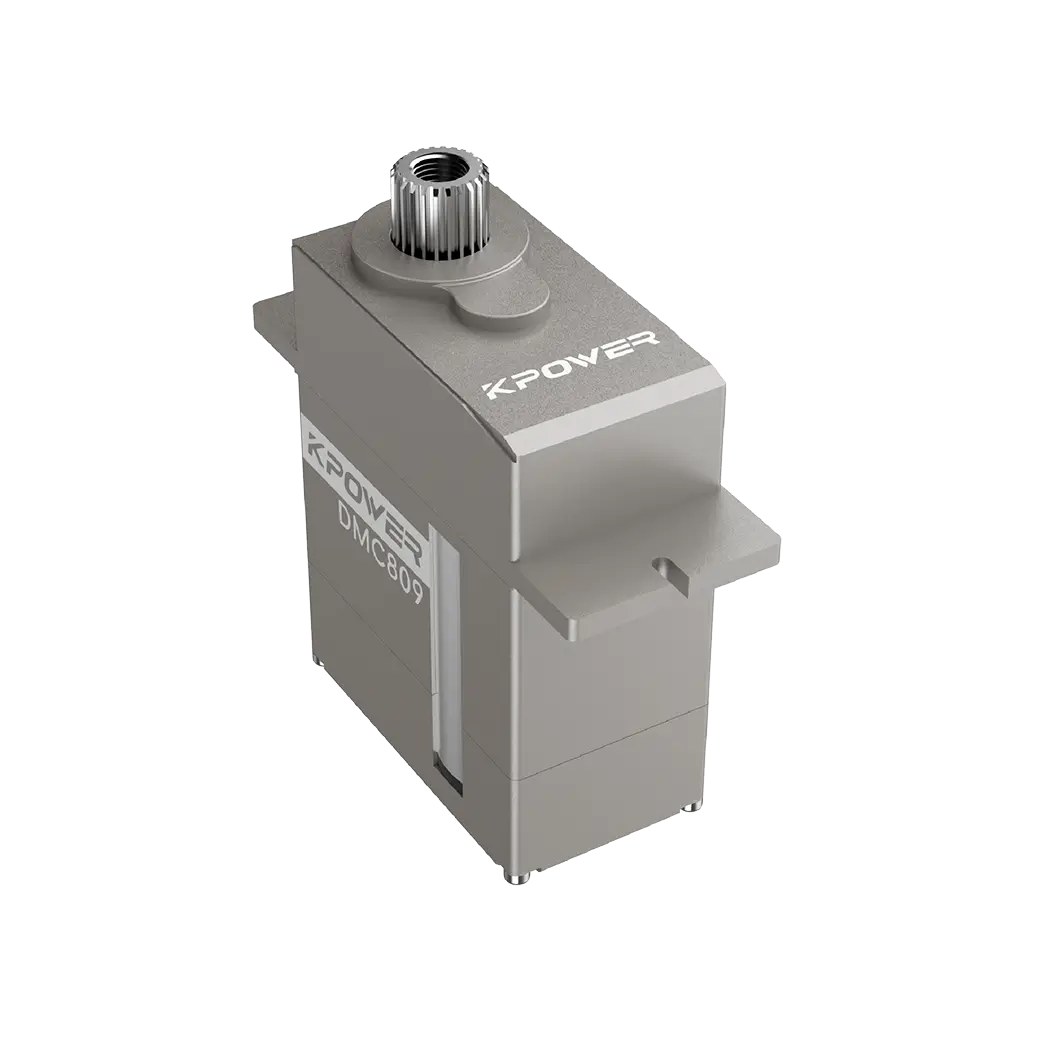
What are you actually paying for? Aservois a tiny ecosystem. You have the motor, the gear train, and the control circuit.
Why Does Bulk Make Sense Now?
Usually, people wait until they are desperate to buy more. But think about the downtime. If one motor fails on a Saturday, your whole project sits dead until a replacement arrives.
Buying in bulk creates a "spare parts ecosystem" in your own workshop. But more importantly, it allows you to calibrate your software to a specific hardware standard. If you know exactly how akpowerunit responds to a PWM signal, you only have to write your code once. You don’t have to tweak every single unit because of manufacturing variances.
Let’s Talk Real Talk: A Quick Q&A
Q: I see a lot of cheap servos online. Why not just buy the cheapest ones if I’m buying fifty? A: Because "cheap" usually means the factory skipped the QC (Quality Control) phase. You might get fifty servos, but five will be dead on arrival, and ten will die within the first hour. By the time you replace the junk, you’ve spent more than if you’d just gone with Kpower from the start.
Q: Does weight really matter that much? A: In the world of RC and robotics, every gram is a tax. A heavy servo requires a stronger frame, which requires a bigger battery, which makes the whole thing heavier. You want the highest torque-to-weight ratio you can find.
Q: How do I know which torque rating I need? A: Always aim for about 20% more than your "worst-case scenario" calculation. If your mechanical arm needs 5kg/cm to lift a load, don’t buy a 5kg servo. It will run hot and die young. Give it some breathing room.
The Logic of the Build
It’s easy to get lost in the specs. We talk about microseconds, stall torque, and splines. But at the end of the day, you want to build something that works.
I’ve seen people spend a fortune on carbon fiber frames and high-end processors, only to pinch pennies on the servos. It’s like putting budget tires on a supercar. You won’t feel the power because you can’t grip the road.
When you look at an RC servo bulk option from a place like Kpower, you are looking at the foundation. You are ensuring that when you send a command, the machine obeys. No arguments. No jitters. No 2:00 AM headaches.
The Feeling of Quality
There is a tactile difference when you turn a high-quality servo horn by hand. It feels smooth. There’s a consistent resistance. It doesn't feel "crunchy." That crunchiness in low-end bulk sets is the sound of gears that don't quite fit together. It’s the sound of future failure.
If you are looking to scale up—maybe you’re designing a hexapod, or a complex animatronic face, or a fleet of small drones—don't scatter your choices. Pick a horse and stay with it. Having a drawer full of Kpower servos means you have a standardized toolkit.
Moving Forward
Forget the "general wisdom" that all servos are made in the same place. They aren't. The difference lies in the tension of the wire, the composition of the solder, and the precision of the gear mold.
The next time you’re staring at a screen, trying to decide on a bulk order, ask yourself: do I want to spend my time fixing my machines, or do I want to spend my time playing with them?
Reliability isn't a luxury; it’s the baseline. Get the hardware right the first time, and the rest of the project will follow suit. Your machines don't need to be nervous. Give them the steady hand they deserve.
Established in 2005, Kpower has been dedicated to a professional compact motion unit manufacturer, headquartered in Dongguan, Guangdong Province, China. Leveraging innovations in modular drive technology, Kpower integrates high-performance motors, precision reducers, and multi-protocol control systems to provide efficient and customized smart drive system solutions. Kpower has delivered professional drive system solutions to over 500 enterprise clients globally with products covering various fields such as Smart Home Systems, Automatic Electronics, Robotics, Precision Agriculture, Drones, and Industrial Automation.
Update Time:2026-01-22

Contact Kpower's product specialist to recommend suitable motor or gearbox for your product.


