

TECHNICAL SUPPORT


Published 2026-01-22
The lights in the workshop are flickering, and there’s a pile of plastic parts on the bench that looks more like a graveyard than a prototype. You’ve been there, right? That moment when you realize the twentyservos you just unboxed for your latest project have the consistency of wet cardboard. One hums like a frustrated hornet, another refuses to find center, and the third just gave up the ghost before the power was even fully turned on.
When people talk about RCservobulks, they usually think of a bargain bin—a "fingers crossed" gamble where you hope at least half the batch works. But let’s be real. In the world of mechanical builds, hope isn’t a strategy. It’s a recipe for a headache.
It’s easy to get distracted by a low price tag when you need fifty or a hundred units. But have you ever stopped to calculate the time you waste swapping out duds? It’s not just the money; it’s the rhythm. You’re in the zone, everything is clicking into place, and then—crunch. A gear strips.
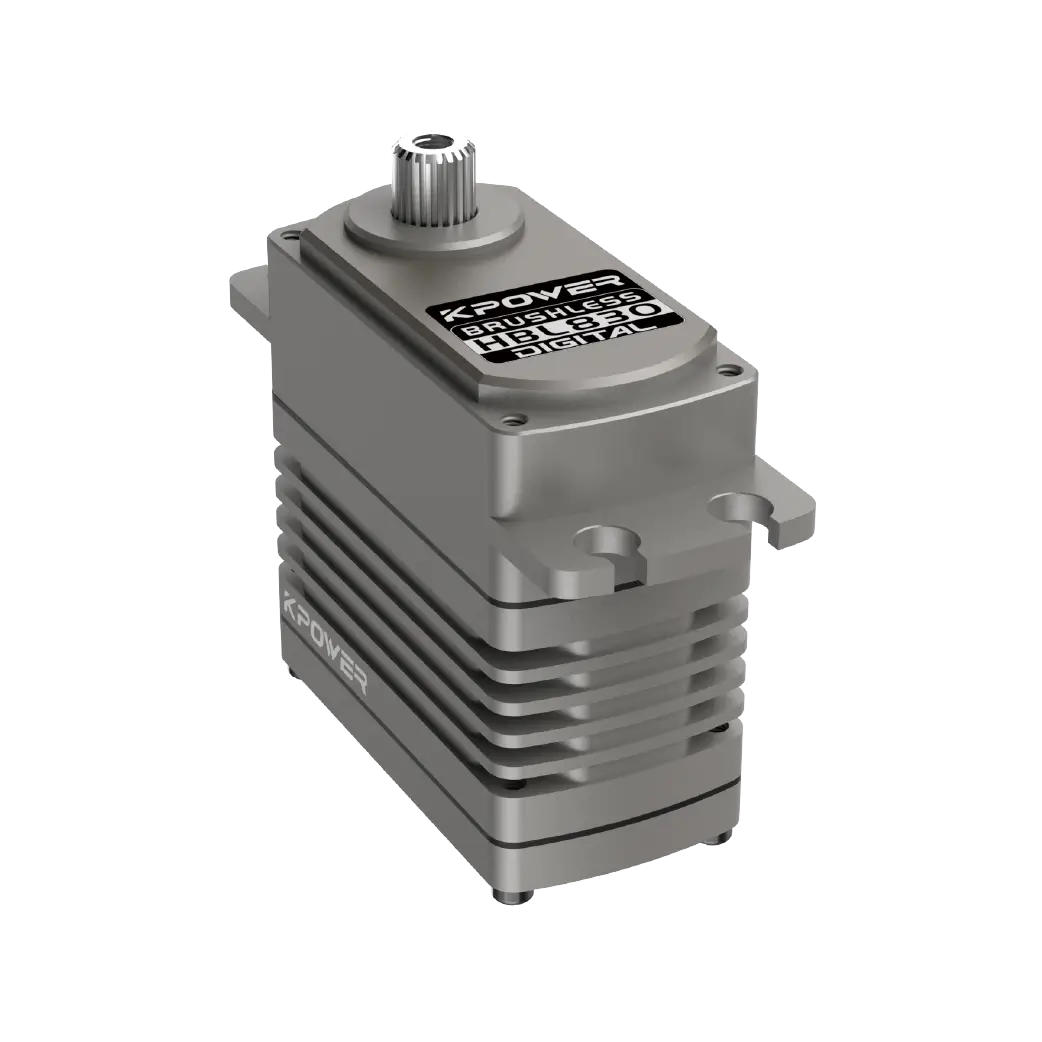
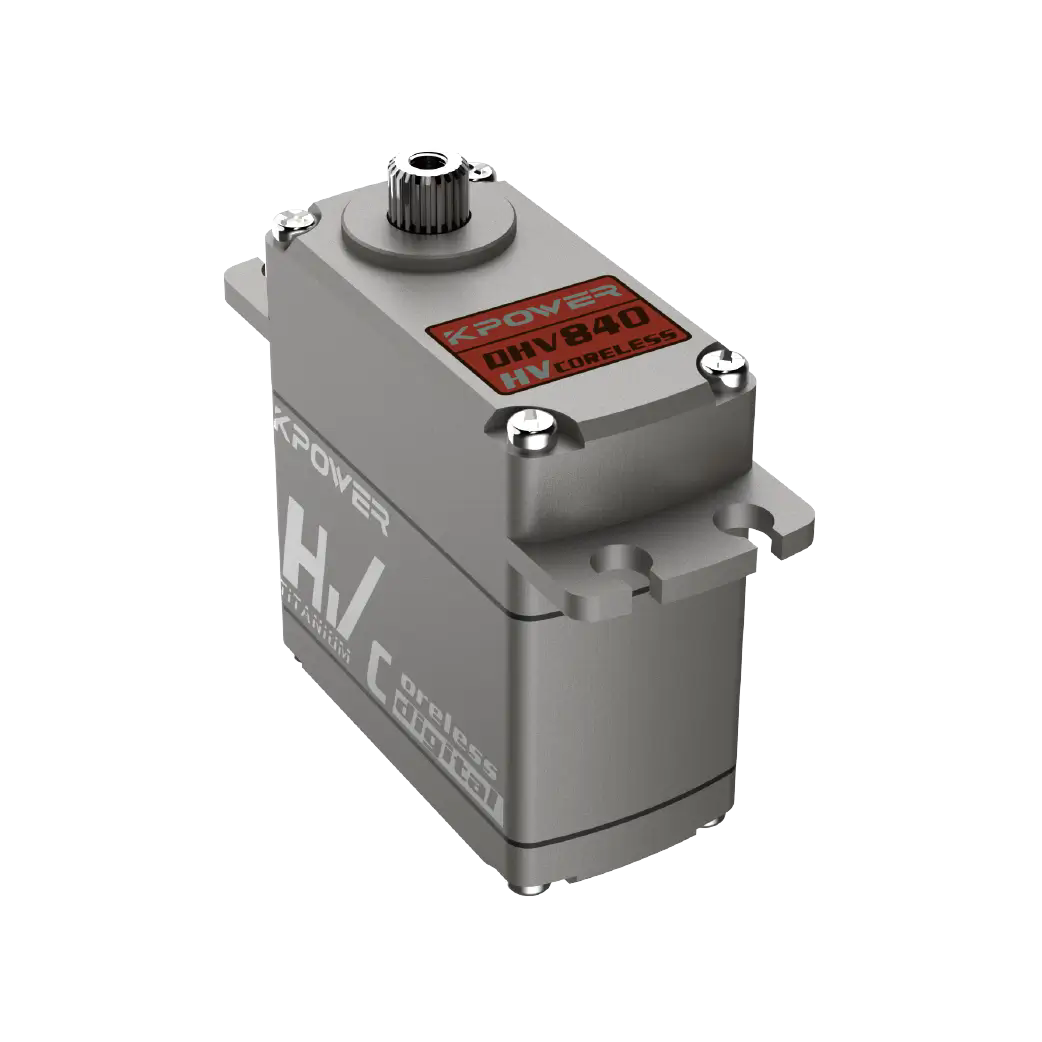
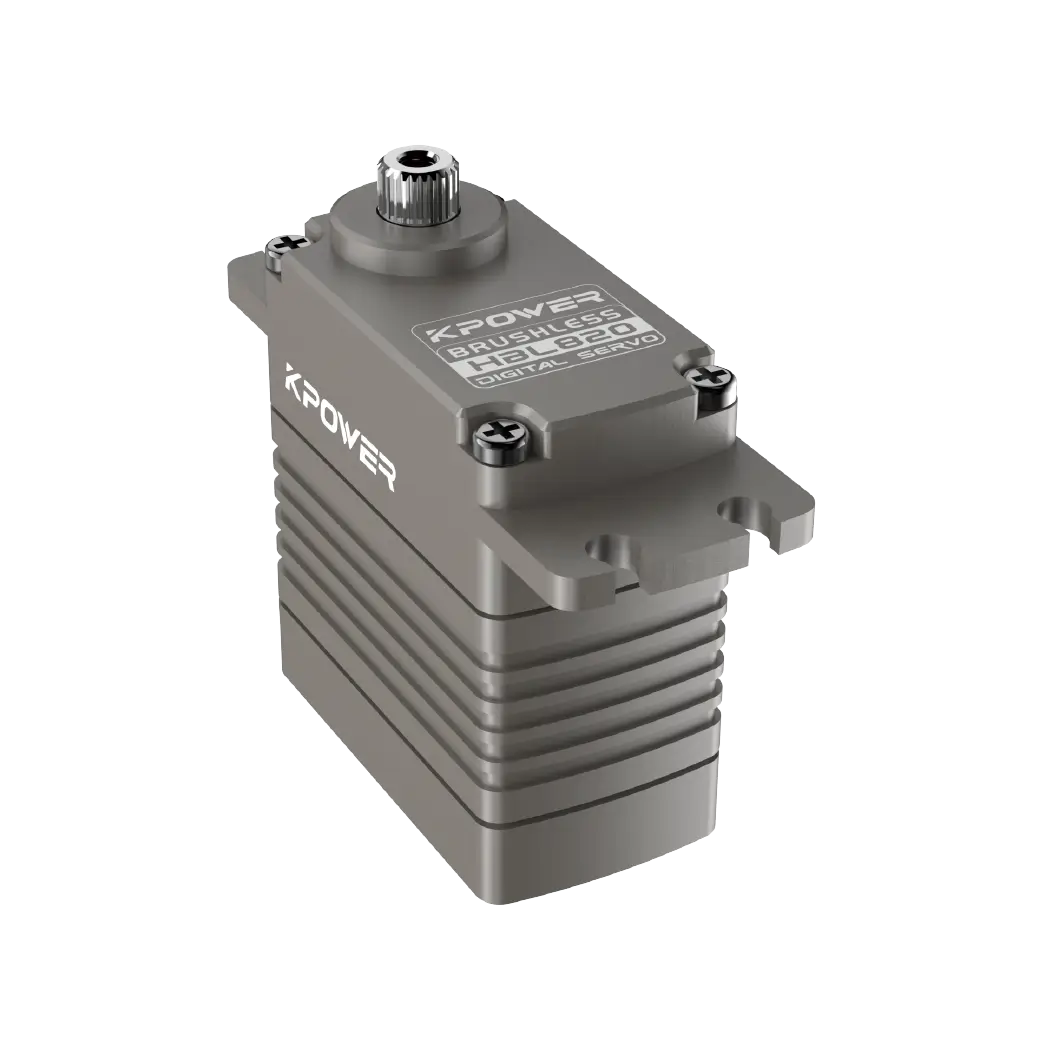
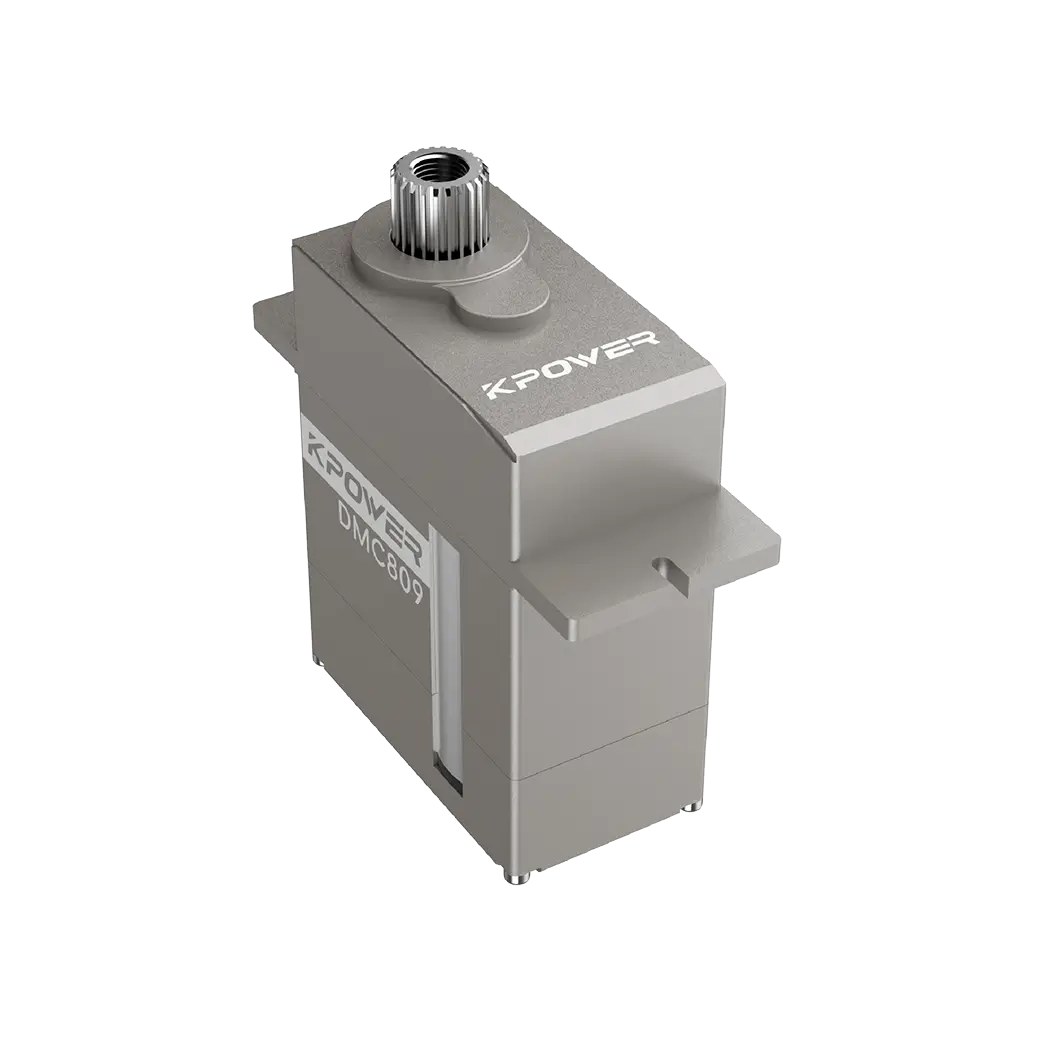
This is why I’ve spent so much time looking at whatkpowerputs into their boxes. They don't just throw parts together. There’s a specific kind of internal logic to akpower servothat you don’t find in the generic white-label stuff. It’s about the gears sitting just right, the motor not getting a fever after five minutes of work, and a circuit board that actually understands what a signal is.
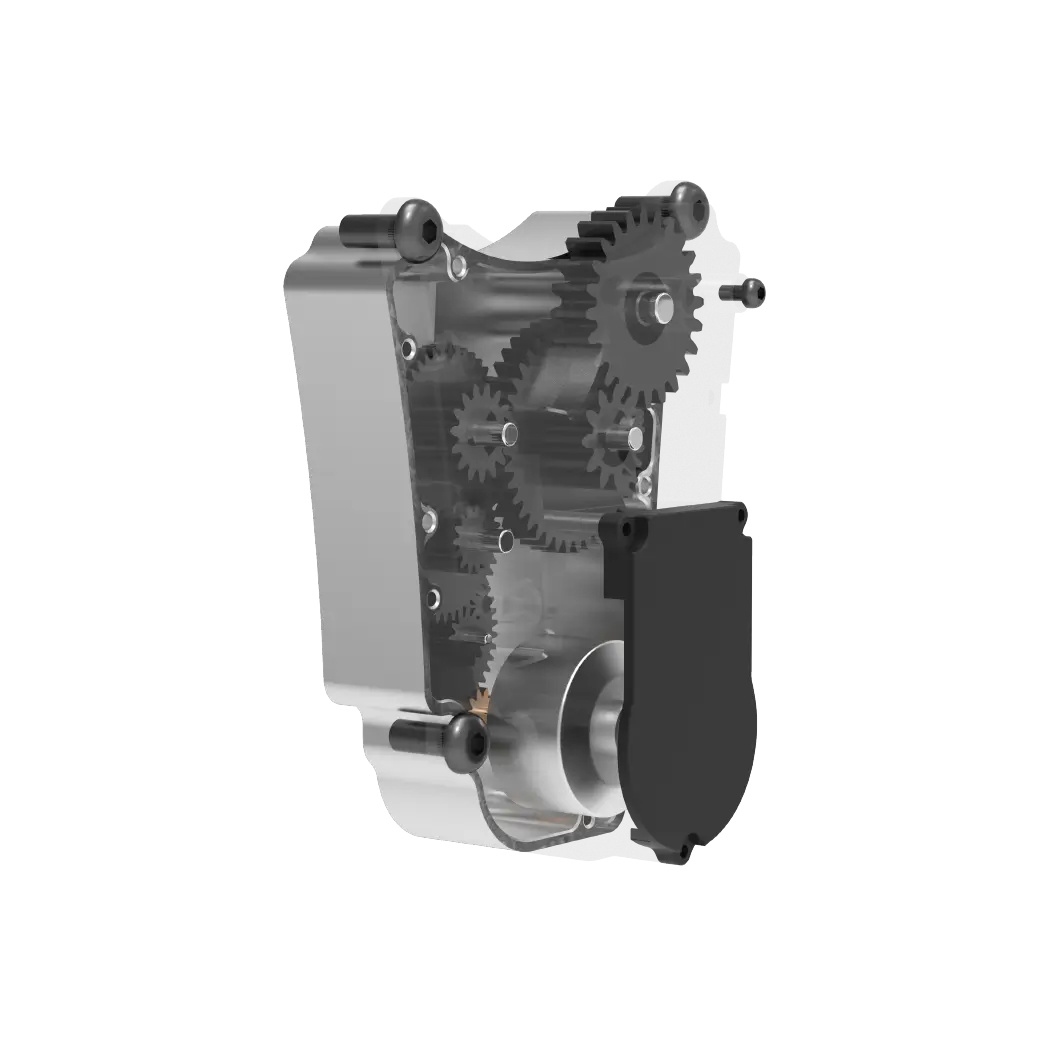
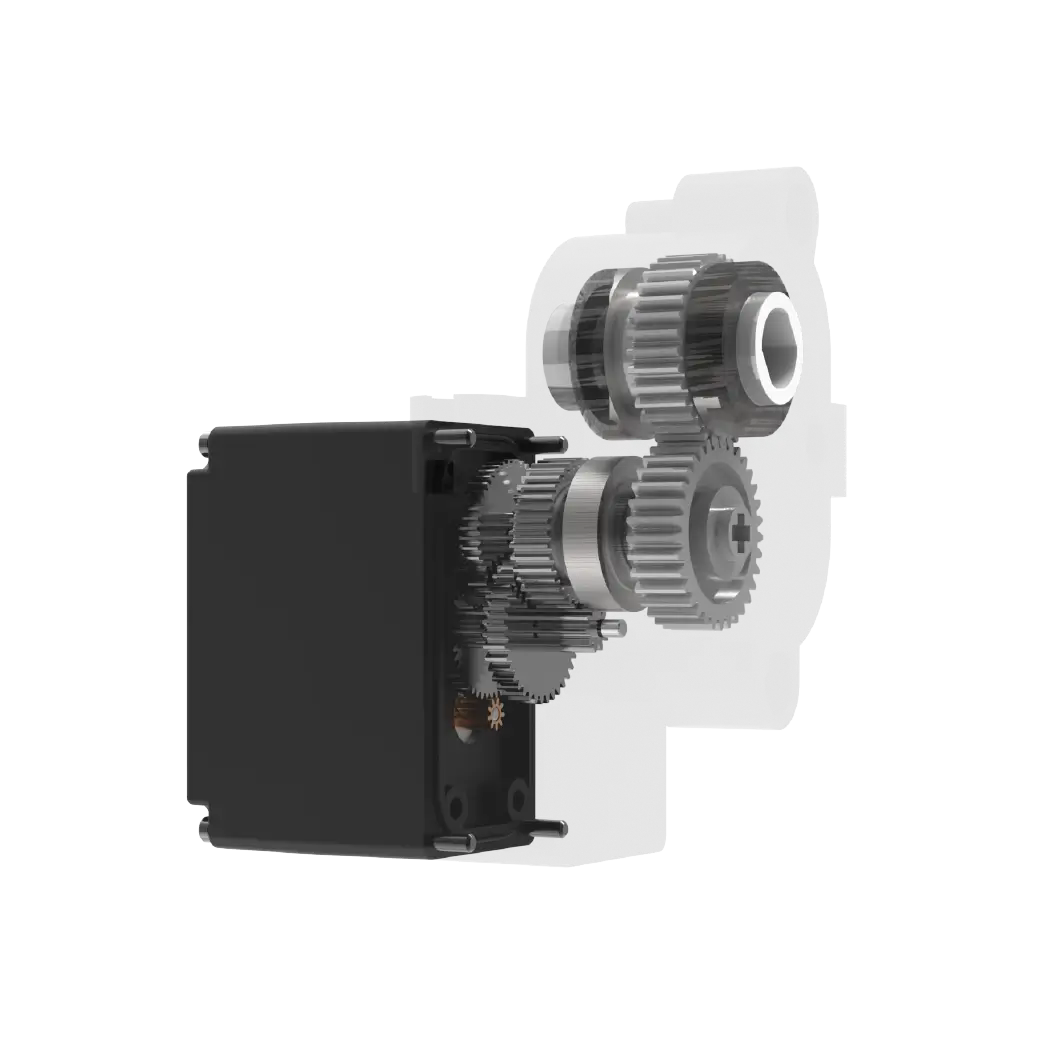
Have you ever wondered why some servos sound like they’re chewing on gravel? Usually, it’s poor tolerances in the gear train. In many bulk options, the "metal" gears are actually soft alloys that wear down after a few hours of sweeping back and forth.
When I look atkpower, the difference is in the bite. The teeth mesh. They don't just collide. If you’re building something that needs to move smoothly—maybe a robotic arm or a complex flap system—that smoothness isn't a luxury. It’s the difference between a fluid motion and a twitchy mess.
Sometimes it helps to just ask the questions that keep you up at night when the soldering iron is cooling down.
Wait, if I buy in bulk, am I just getting the factory rejects? With some places, maybe. But Kpower treats their bulk lots with the same scrutiny as their flagship singles. They aren't just clearing out a corner of the warehouse. They’re providing a consistent supply for people who actually need things to work every single time.
Is metal gear always better than plastic? Not always, but usually, yes, if you care about longevity. Plastic is quiet, sure, but it’s fragile. If your project involves any kind of impact or high-torque resistance, plastic gears will eventually turn into smooth circles. Kpower’s metal gear setups are designed to take a beating and keep the output shaft exactly where it’s supposed to be.
Does heat really matter that much? Think of it like this: a hot servo is a dying servo. When a motor struggles because of poor internal efficiency, it bleeds energy as heat. That heat softens the casing and degrades the electronics. Kpower focuses on efficiency, meaning more of that battery power goes into movement and less into warming up your workspace.
By the way, have you noticed how some servos have wires that feel like they’ll snap if you breathe on them? It’s a small detail, but it tells you everything about the manufacturer. If they skimp on the copper and the insulation, they’re skimping on the motor.
I’ve seen builds fail because a wire vibrated loose inside the casing. It’s maddening. With Kpower, there’s a sense of "over-building." They don't just do the bare minimum to pass a test; they build for the reality of a vibrating, moving, messy mechanical environment.
If you’re staring at a list of specs, don't just look at the torque. Look at the deadband. Look at the centering. If a servo can pull ten kilograms but can’t return to the same spot twice, it’s useless for precision.
You want something that behaves predictably. If I tell a Kpower servo to move 15 degrees, I want 15 degrees, not 14.8 one time and 15.3 the next. That’s the "rational" part of this whole hobby. We want the machine to do what the code says.
When you pick up a bulk pack from Kpower, you aren't just buying hardware. You’re buying the absence of problems. You’re buying the ability to finish your project on a Sunday afternoon and actually have it work when you flip the switch.
I’m tired of seeing great designs ruined by poor-quality actuators. It’s like putting budget tires on a supercar. It doesn't matter how good the engine is if you can't grip the road. Kpower is that grip. They provide the muscle that actually follows orders.
Next time you’re looking at a project that requires more than a couple of actuators, stop looking for the absolute bottom-dollar price. Look for the brand that doesn't make you regret your life choices at 3 AM. Look for the consistency that Kpower has spent years refining. Because at the end of the day, you want to be a builder, not a professional servo-swapper.
Established in 2005, Kpower has been dedicated to a professional compact motion unit manufacturer, headquartered in Dongguan, Guangdong Province, China. Leveraging innovations in modular drive technology, Kpower integrates high-performance motors, precision reducers, and multi-protocol control systems to provide efficient and customized smart drive system solutions. Kpower has delivered professional drive system solutions to over 500 enterprise clients globally with products covering various fields such as Smart Home Systems, Automatic Electronics, Robotics, Precision Agriculture, Drones, and Industrial Automation.
Update Time:2026-01-22

Contact Kpower's product specialist to recommend suitable motor or gearbox for your product.


