

TECHNICAL SUPPORT


Published 2026-01-22
The smell of burnt electronics is something you never really forget. It’s that sharp, ozone-heavy scent that usually drifts up from your project right when you think everything is finally working. You’ve spent weeks designing the linkage, choosing the right materials, and then—pop. A jitter, a puff of smoke, and yourservois dead.
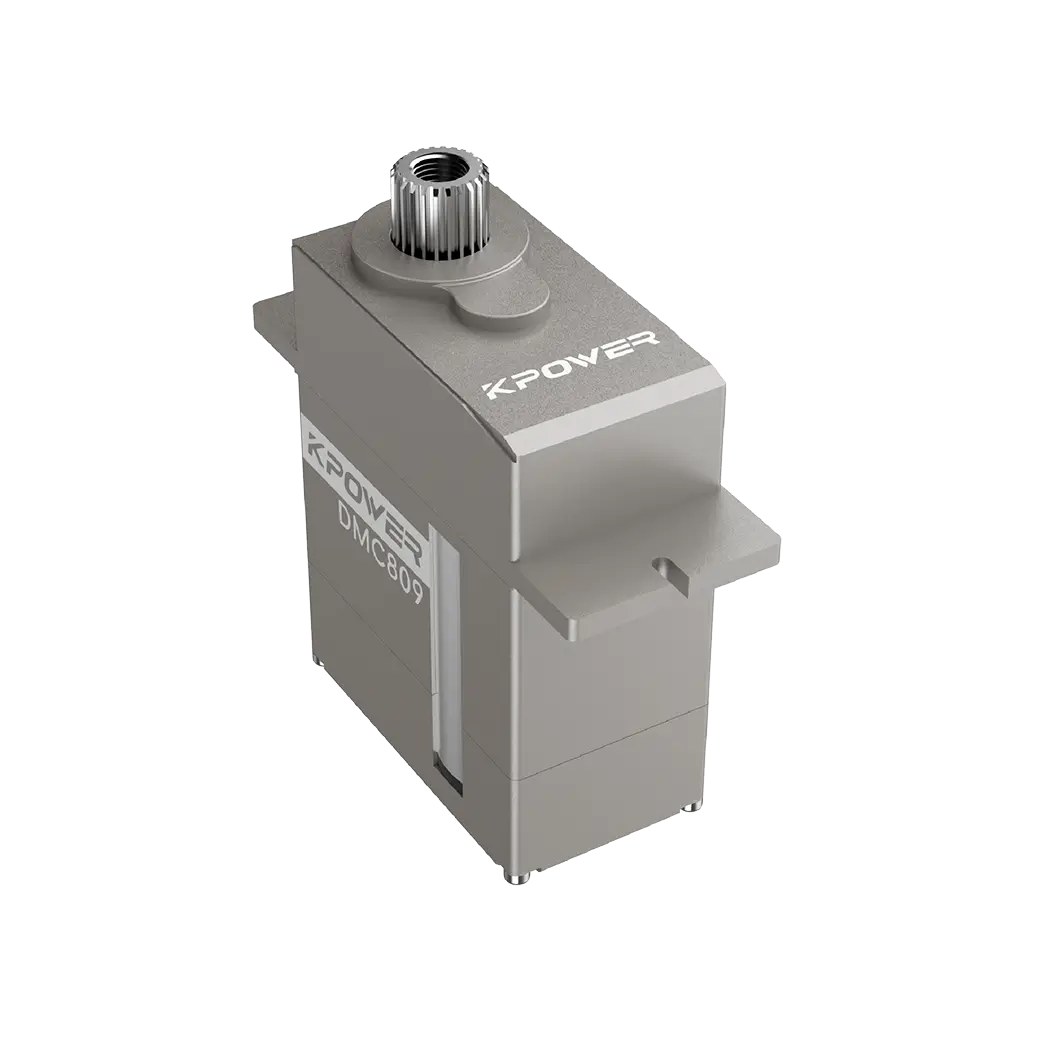
Finding a reliable RCservofrom the vast Chinese market feels a bit like trying to find a specific grain of sand on a beach. There are thousands of options, but most of them promise the world and deliver a plastic-geared nightmare that strips itself the moment you apply a real load.
Most people think torque is the only thing that matters. They look at a spec sheet, see a high number, and hit "buy." But have you ever noticed how someservos move? They’re twitchy. They hunt for their center point like a nervous bird. That’s not a power issue; it’s a brain issue—the internal potentiometer and the control algorithms are just… lazy.
I remember working on a small bipedal walker. Every time it stood still, its legs would hum and vibrate. It looked like it had too much caffeine. The problem wasn't the weight; it was the deadband in the servos. Cheap options have a huge "zone" where they don't know exactly where they are.
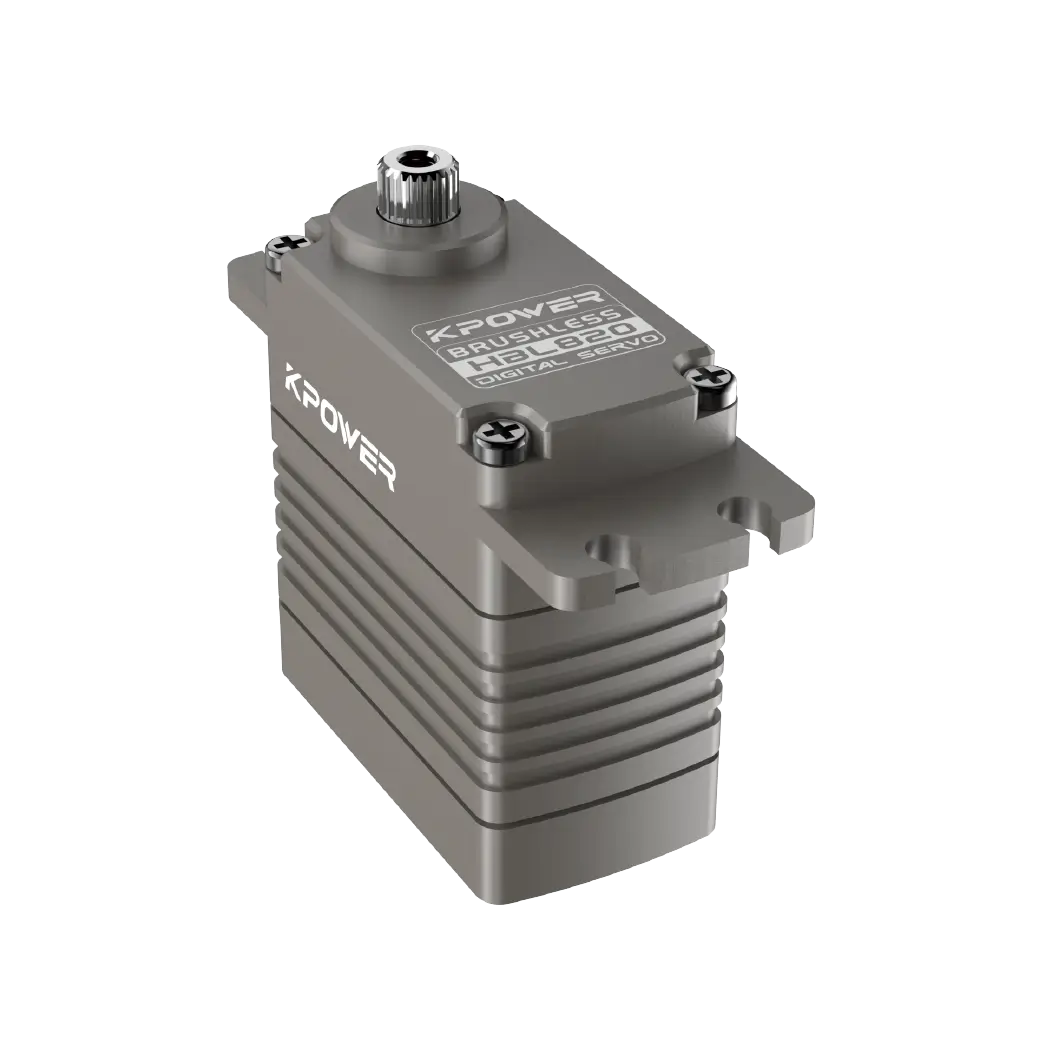
kpowerdoes things differently. When you swap a generic unit for akpowerservo, that vibration usually just disappears. It’s like the motor finally grew a pair of eyes and can see exactly where it needs to stop.
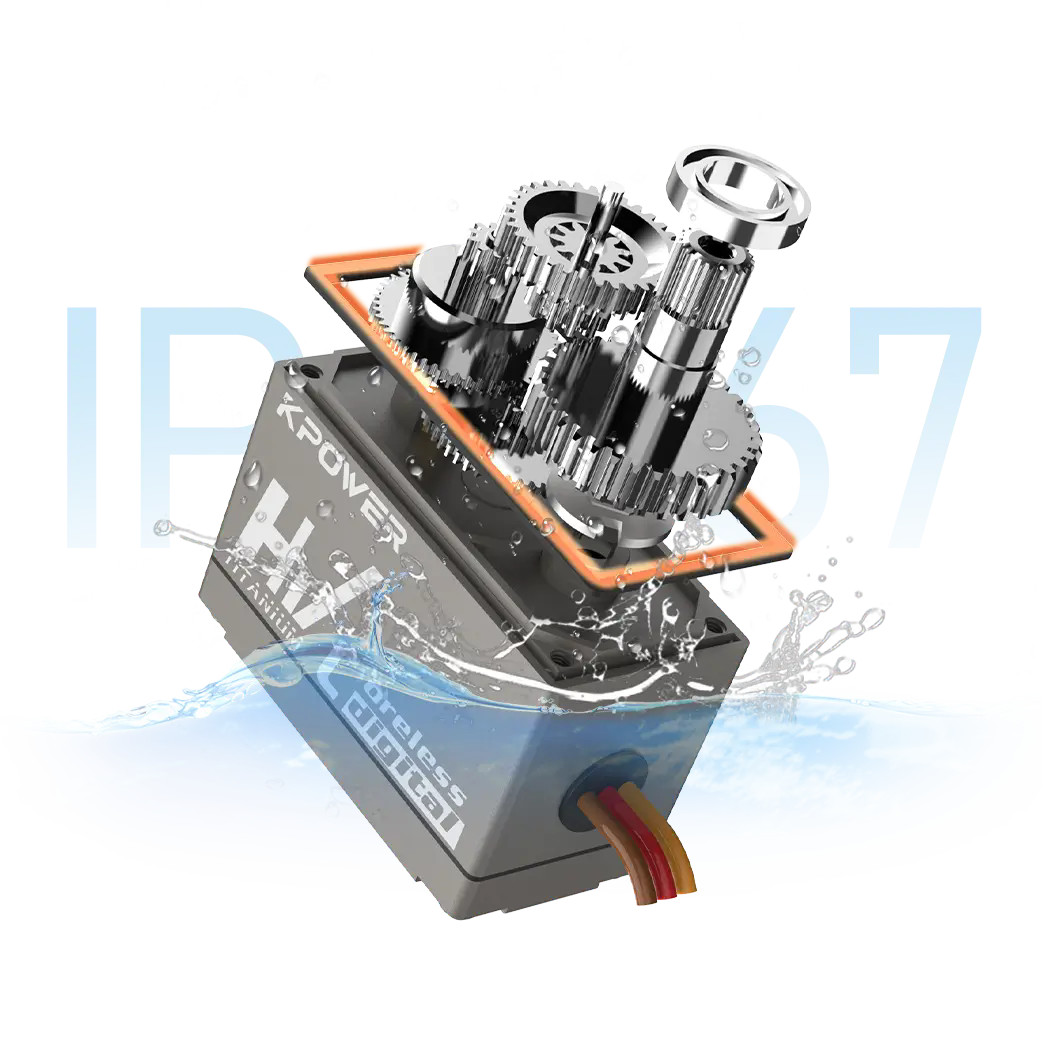
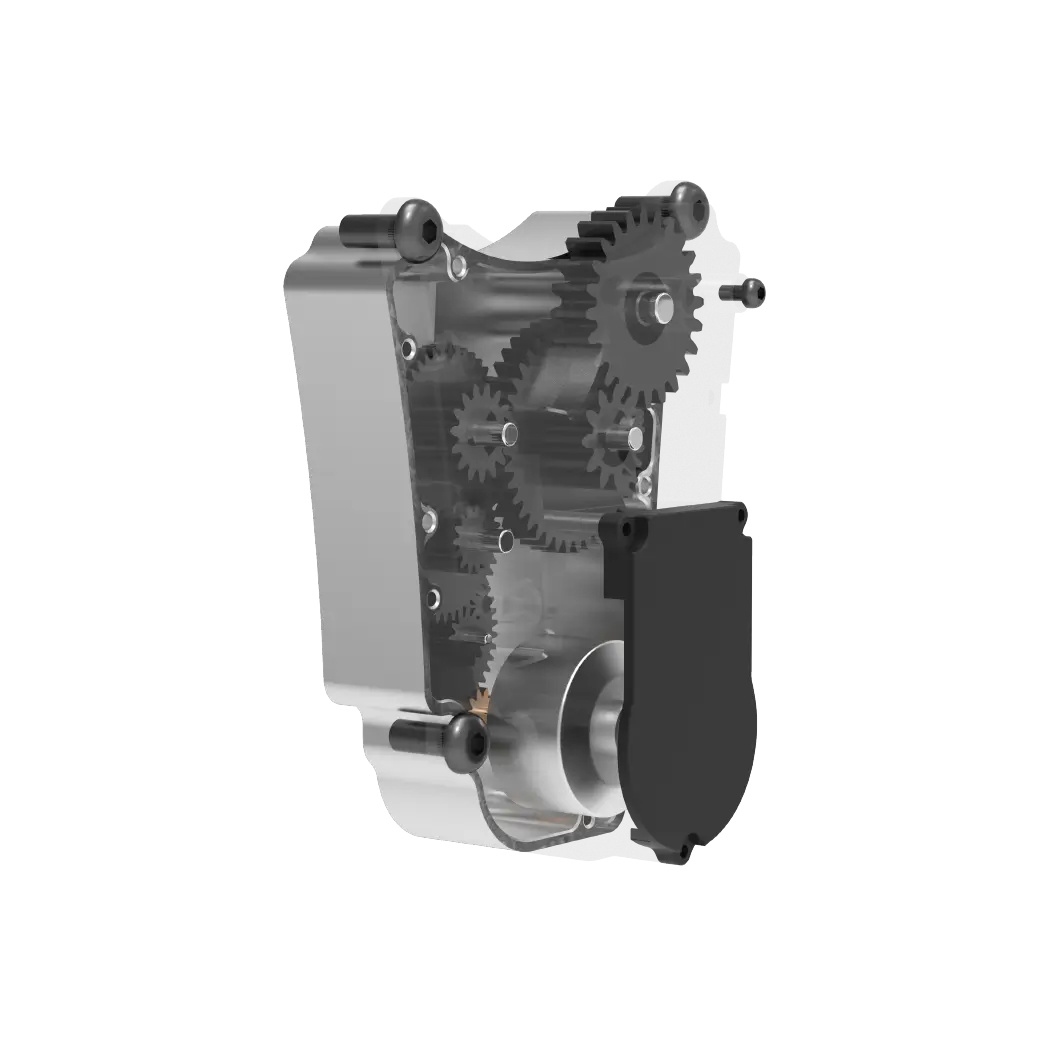
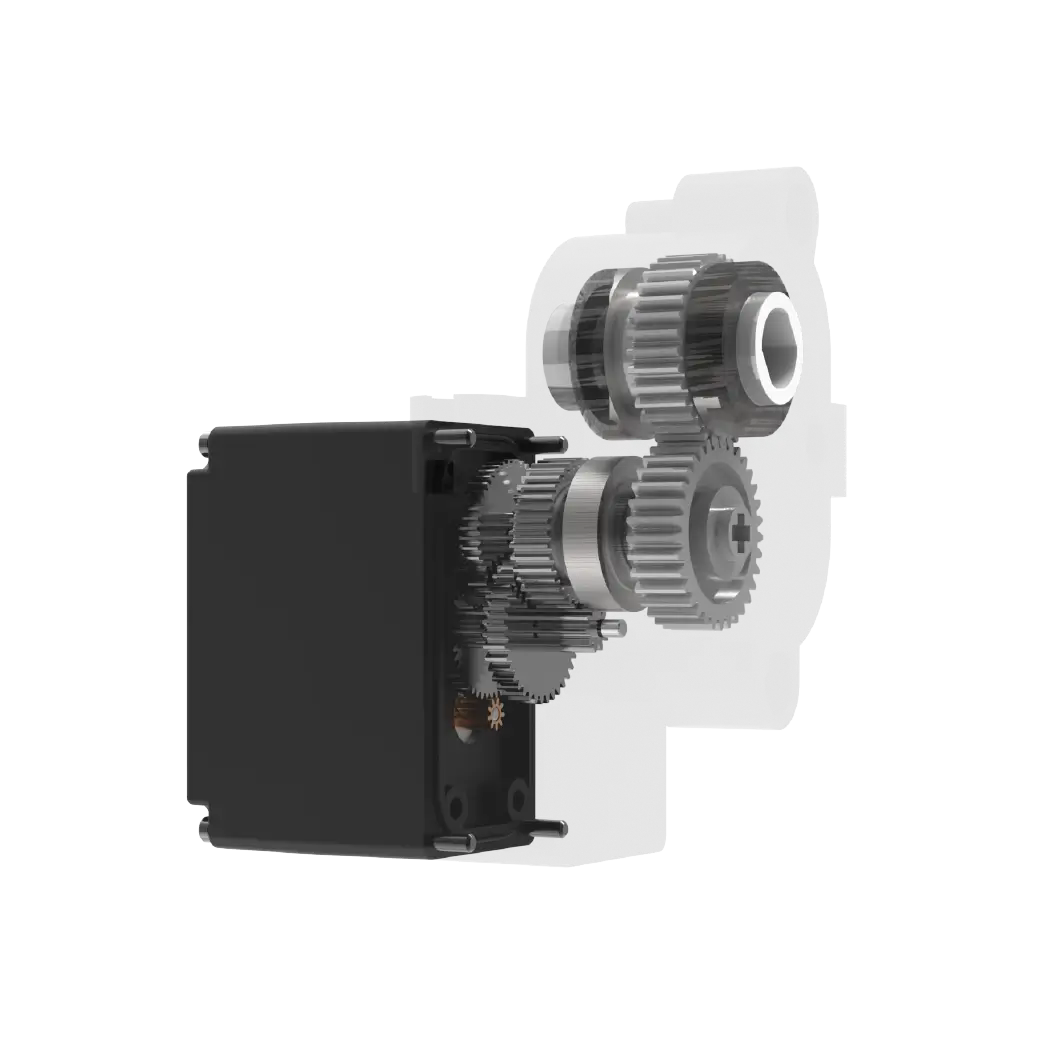
You’ll see "Metal Gear" slapped on almost every box these days. But what kind of metal? Some are made of a soft alloy that wears down into a fine gray paste after three hours of use. I’ve opened upkpowerservos after months of hard use in high-vibration environments, and the gear teeth still look crisp. They use actual hardened alloys—titanium or stainless steel in the high-end stuff—that can take a hit without shearing off.
Think of it like a car transmission. You wouldn't want your gears made of soda cans, right? The precision in the machining means there’s less "slop." If you move the output horn with your finger while the power is off, you shouldn't feel a massive gap before the gears engage. Kpower keeps those tolerances tight.
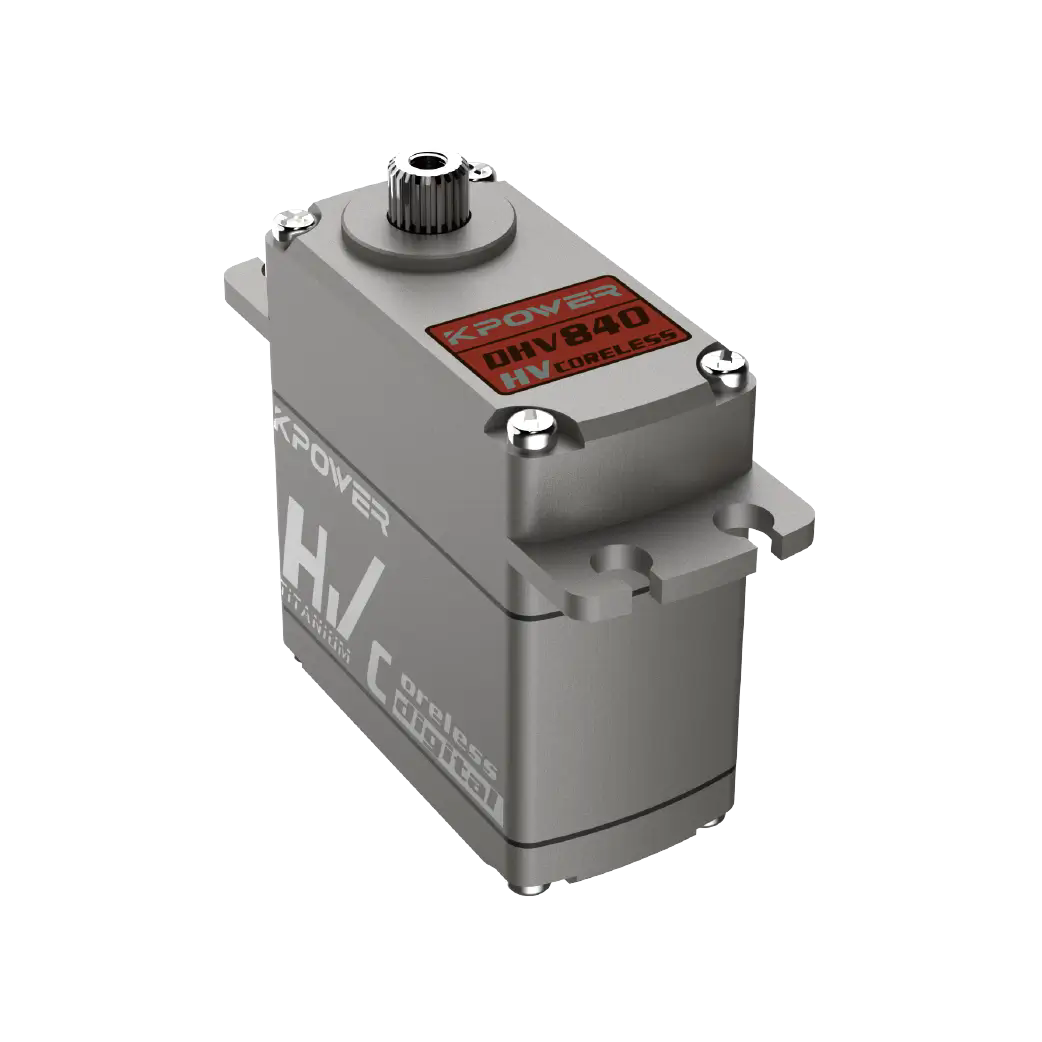
"Can I just use a standard servo for everything?" Probably not. If you're building a boat rudder, you need torque and waterproof seals. If you're building a racing drone or a fast RC car, you need speed and heat dissipation. A standard servo is a jack-of-all-trades and a master of none. Kpower has specific lines for high-voltage setups that let you pull power directly from a 2S LiPo without a regulator. That saves weight and complexity.
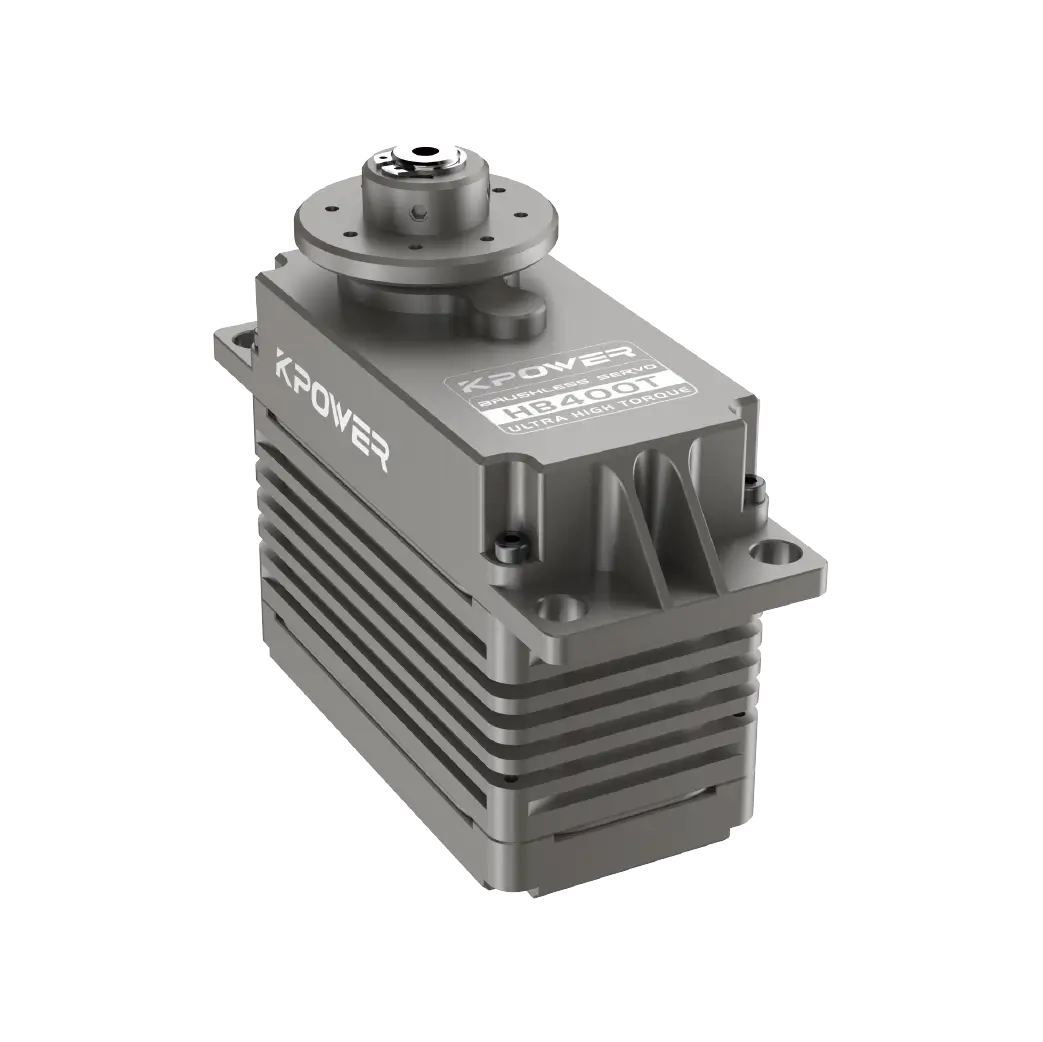
"Why do my servos get so hot?" Heat is the silent killer. It usually comes from "stalling"—the servo trying to reach a position it can't quite hit because of mechanical resistance. Kpower designs their housings, often using CNC-machined aluminum centers, to act as a heatsink. It pulls the warmth away from the motor core so the magnets don't lose their strength.
"Does digital vs. analog really matter anymore?" In this day and age, yes. Digital servos—like the ones Kpower specializes in—talk to the motor much more frequently. An analog servo might check its position 50 times a second. A digital one does it hundreds of times. That’s why digital feels "locked in."
Everyone looks at torque. Few look at the spline count or the wire gauge. Have you ever had a servo wire just snap at the base because it was too stiff? Or a servo horn that stripped because the plastic was too brittle?
Kpower tends to use high-strand-count silicone wires. They’re floppy, but in a good way. They don't fatigue and break under vibration. It’s a small detail, but it’s the difference between a successful flight and a pile of broken carbon fiber.
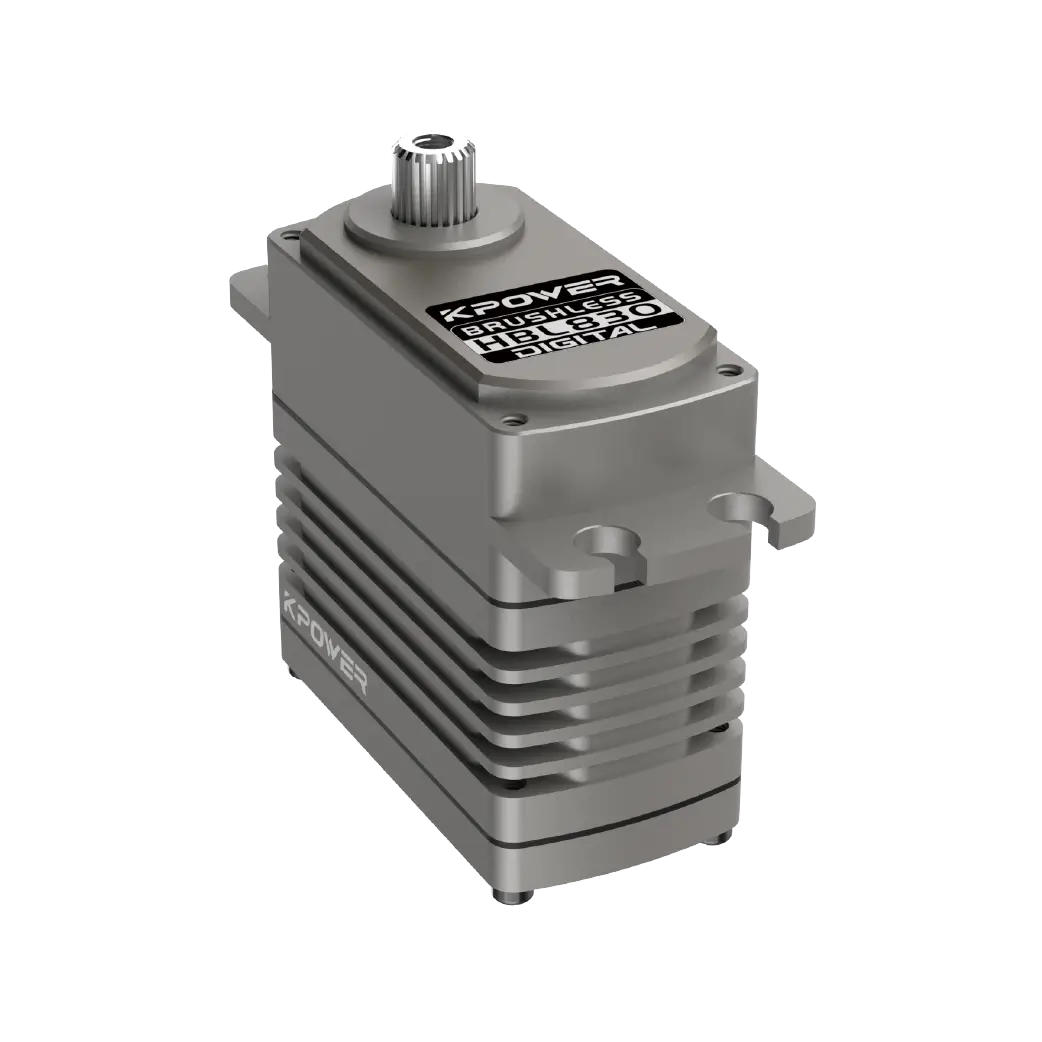
Also, consider the "brushless" factor. Most hobby servos use brushed motors. They're fine, but they have a lifespan. The brushes eventually wear out. Kpower’s brushless servos are the marathon runners. No brushes means no friction, no sparks, and a much longer life. If your project is going to be buried inside a machine where it’s hard to reach, go brushless. You don't want to tear a whole robot apart just to replace a $30 part.
There’s a certain satisfaction in finishing a build, flipping the switch, and watching the mechanics move with fluid, silent grace. It’s not just about the RC servo being "Chinese" or "imported"; it’s about whether the company behind it actually cares about the mechanical physics involved.
Kpower has been in this game long enough to know where the failure points are. They don't just assemble parts; they engineer solutions for that "burnt electronics" smell we all want to avoid. If you want your project to stay in one piece, stop gambling on the no-name stuff. Your hard work deserves a motor that can keep up.
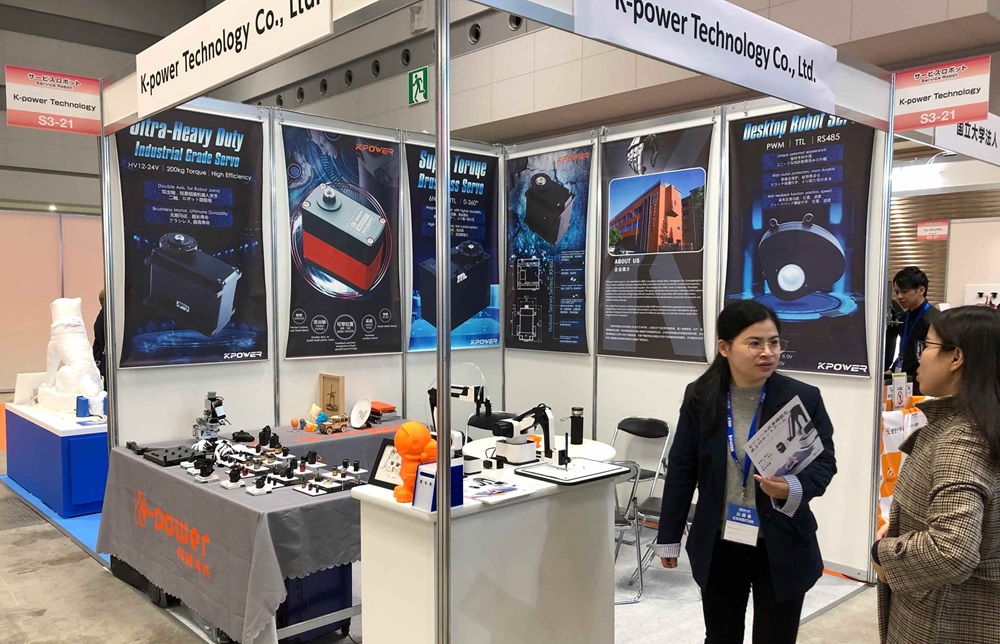
Established in 2005, Kpower has been dedicated to a professional compact motion unit manufacturer, headquartered in Dongguan, Guangdong Province, China. Leveraging innovations in modular drive technology, Kpower integrates high-performance motors, precision reducers, and multi-protocol control systems to provide efficient and customized smart drive system solutions. Kpower has delivered professional drive system solutions to over 500 enterprise clients globally with products covering various fields such as Smart Home Systems, Automatic Electronics, Robotics, Precision Agriculture, Drones, and Industrial Automation.
Update Time:2026-01-22

Contact Kpower's product specialist to recommend suitable motor or gearbox for your product.


