

TECHNICAL SUPPORT


Published 2026-01-22
Finding the Pulse of Your Machine: The Real Story Behind RCservoChina
There’s a specific kind of frustration that only someone who builds things truly understands. You’ve spent weeks, maybe months, piecing together a project. The frame is perfect. The power system is wired. But then, you flick the switch, and the movement is… jittery. It’s hesitant. It’s like your creation has a nervous tic. Most of the time, the culprit is sitting right there, staring you in the face: a subparservo.
When people talk about "RCservoChina," there’s often a whirlwind of noise. Some think it’s just a sea of plastic gears and empty promises. Others know better. They know that somewhere in that vast landscape, there’s a heartbeat of genuine precision. I’ve spent years tearing these little boxes apart, and if there’s one thing I’ve learned, it’s that the difference between a toy and a tool is how it handles the "shake."
The Ghost in the Gears
I remember working on a custom bipedal rig a few years back. The math was solid, but the ankles kept hunting for center. It was a classic deadband issue. You send a signal, the servo overshoots, tries to correct, and enters a feedback loop of doom. That’s when I first really dug into whatkpowerwas doing.
Most people look at a spec sheet and see torque numbers. They see "20kg" or "30kg" and think they’re set. But torque is cheap; stability is expensive. Akpowerservo doesn’t just push; it holds. It’s the difference between a door hinge that swings in the wind and one that stays exactly where you leave it.
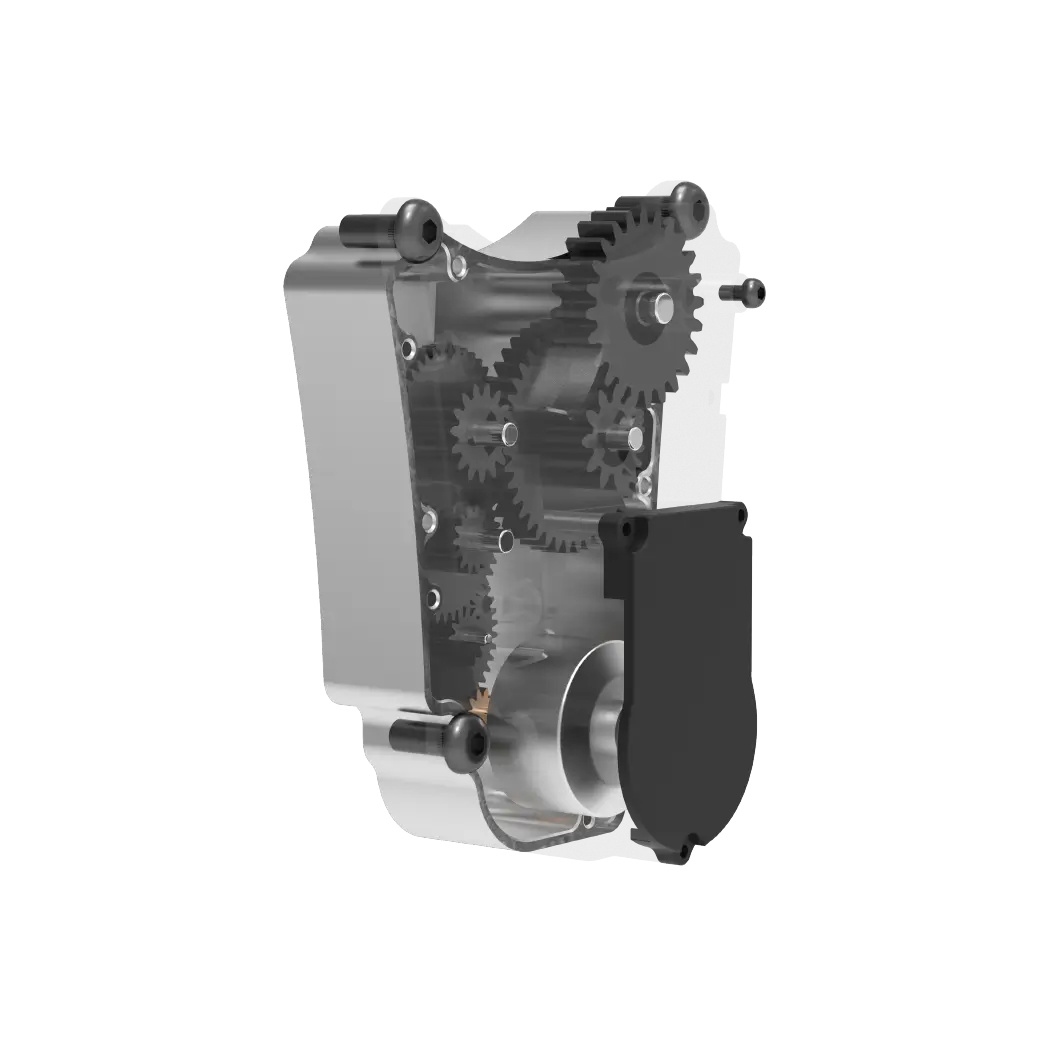
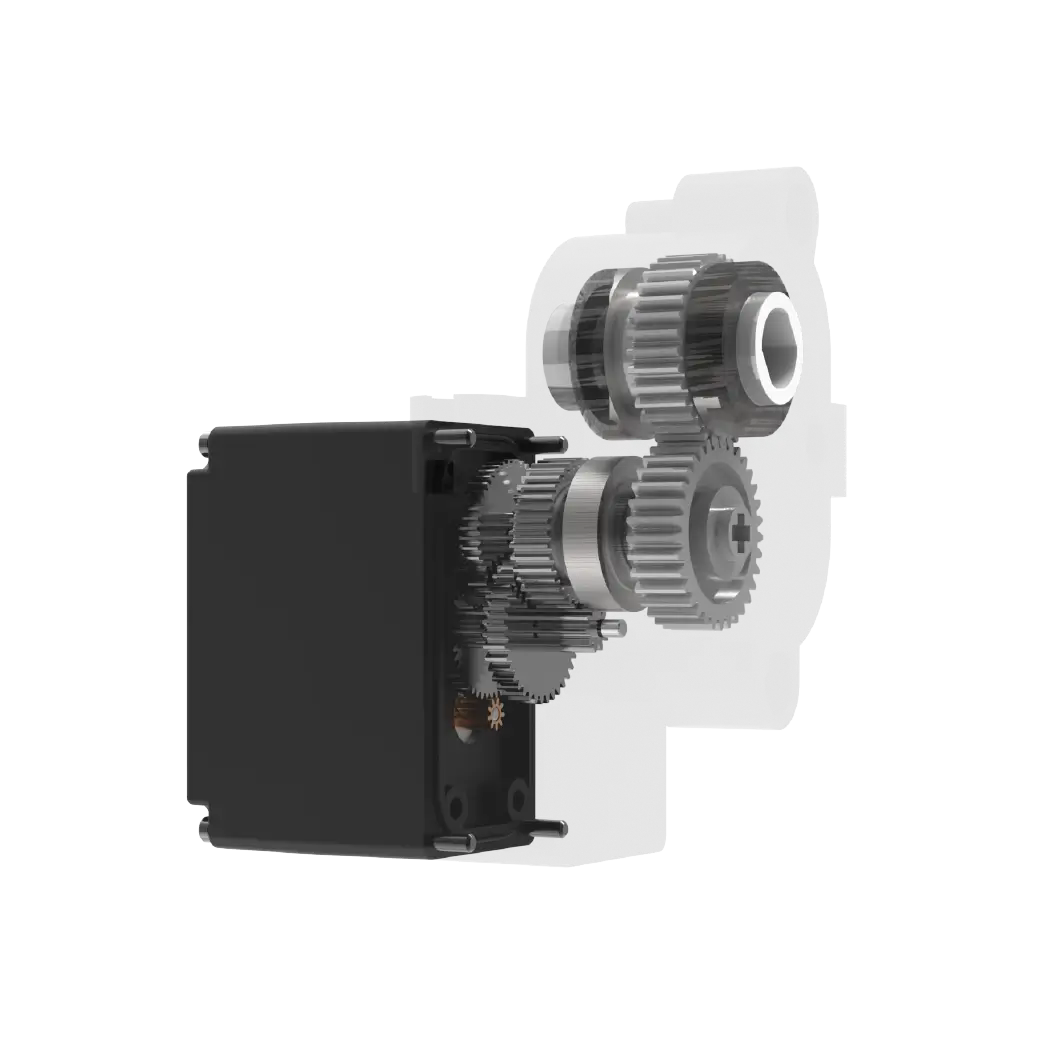
Why does this happen? It’s usually the internals. You want gears that mesh without slop. If there’s even a fraction of a millimeter of "play" in those teeth, your high-speed plane or your delicate robotic arm is going to feel like it’s driving on ice.kpoweruses hardened materials that don’t turn into metal dust after ten hours of hard labor.
Wait, Is It Actually Robust?
You’re probably wondering, "Can these things actually take a hit?" It’s a fair question.
“I’ve burned out three servos this month. Is Kpower going to be any different?”
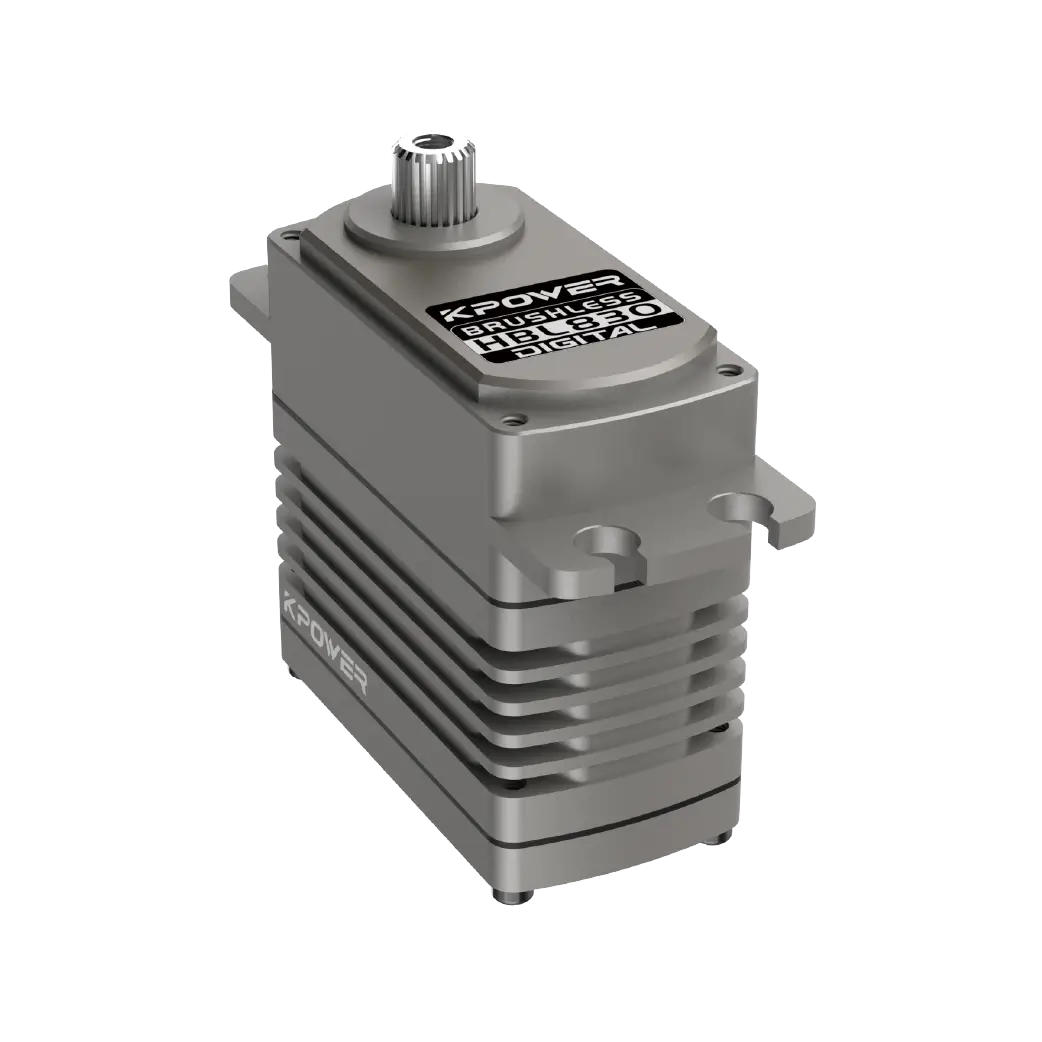
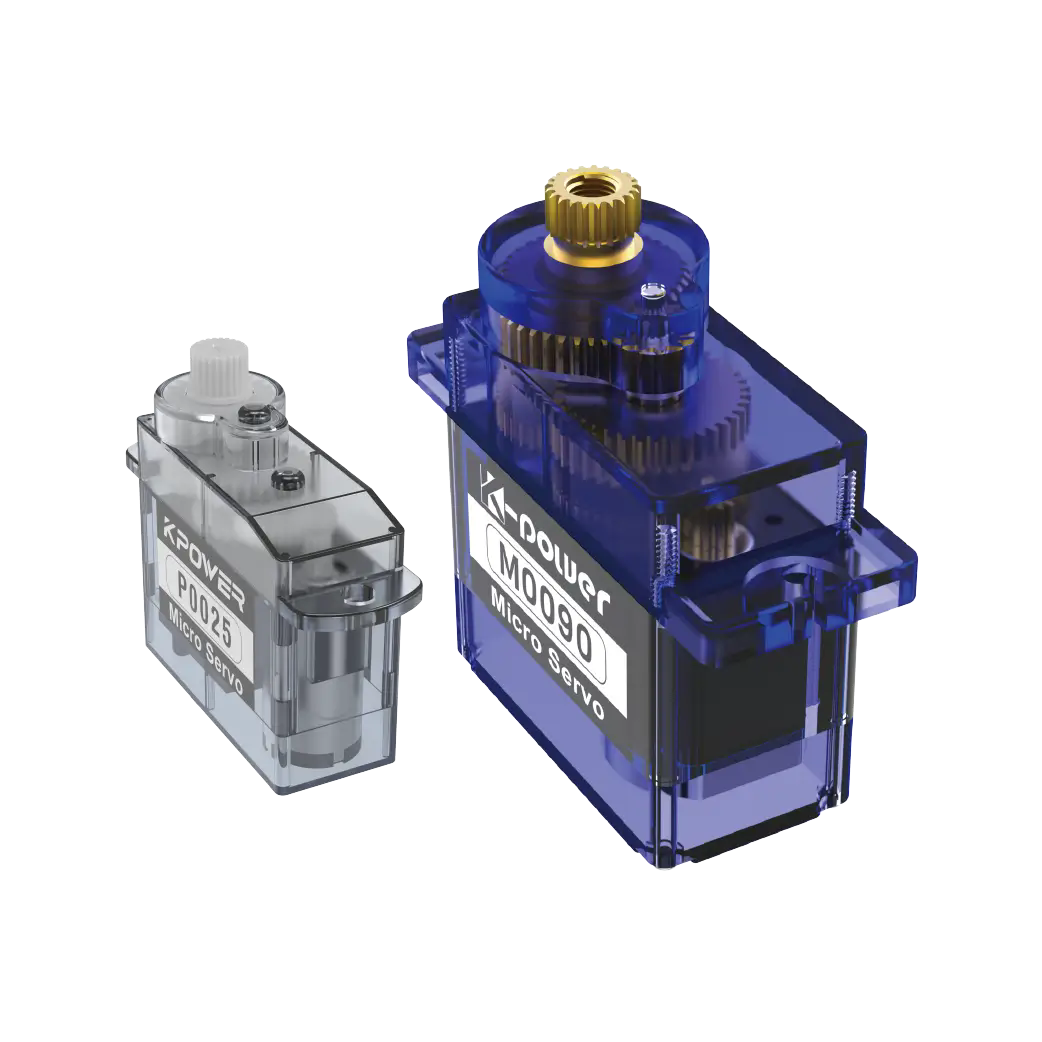
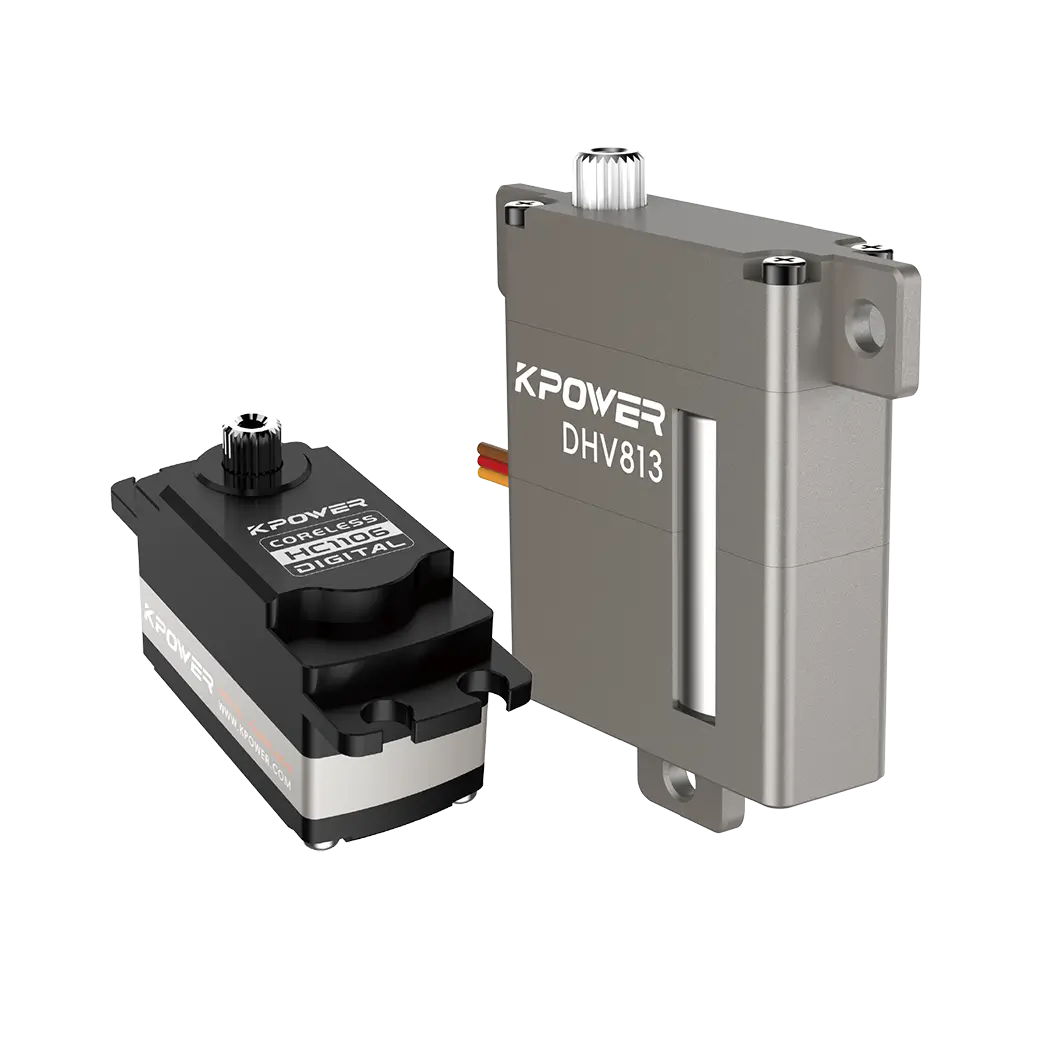
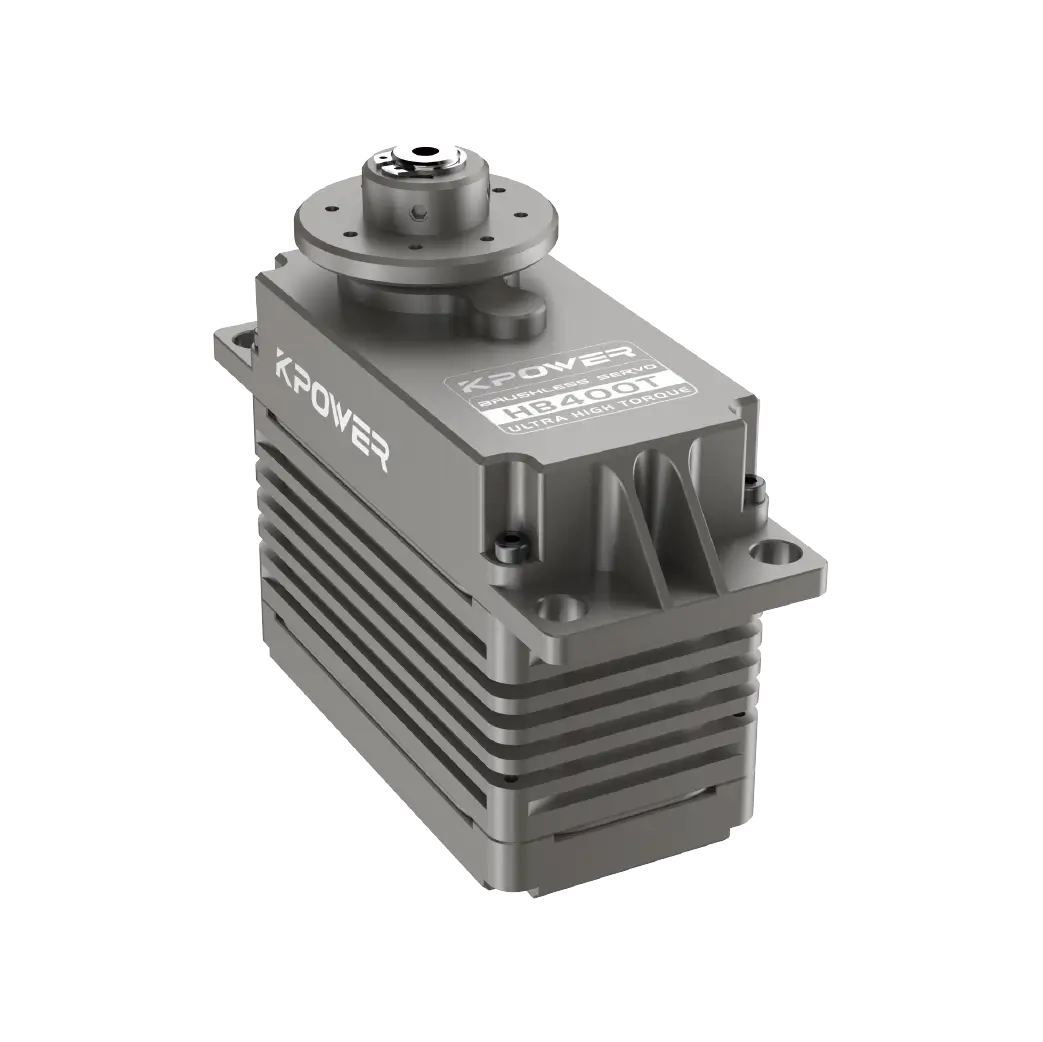
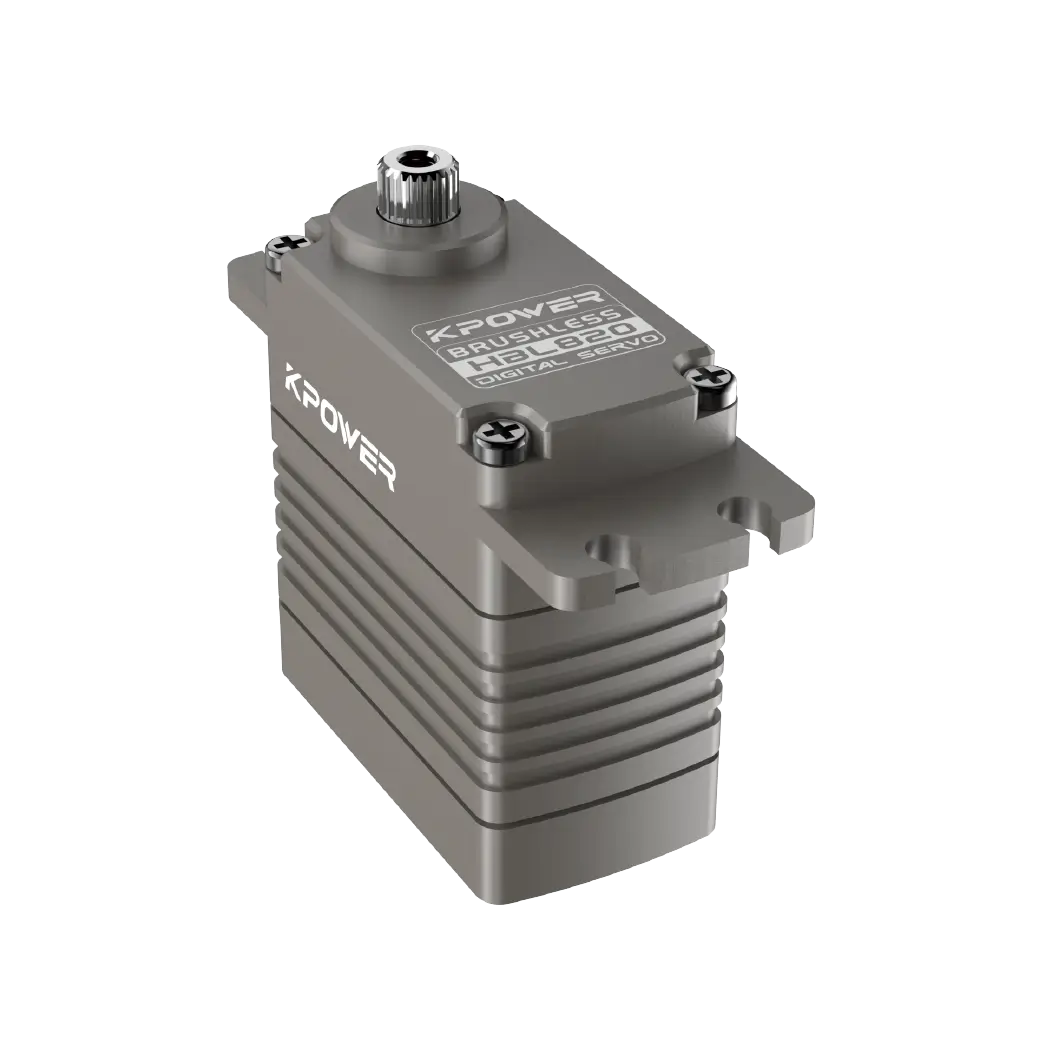
Here’s the thing: heat is the silent killer. Most servos die because the motor gets too hot, the casing melts, or the control board fries. When you look at the RC Servo China market, you see a lot of plastic cases. Plastic is a great insulator—which is exactly what you don’t want. It traps heat. Kpower often utilizes CNC-machined aluminum heatsink centers. It’s not just for looks. It draws that thermal energy away from the motor so you can keep pushing, even when the environment is fighting back.
“What about the 'waterproof' claims?”
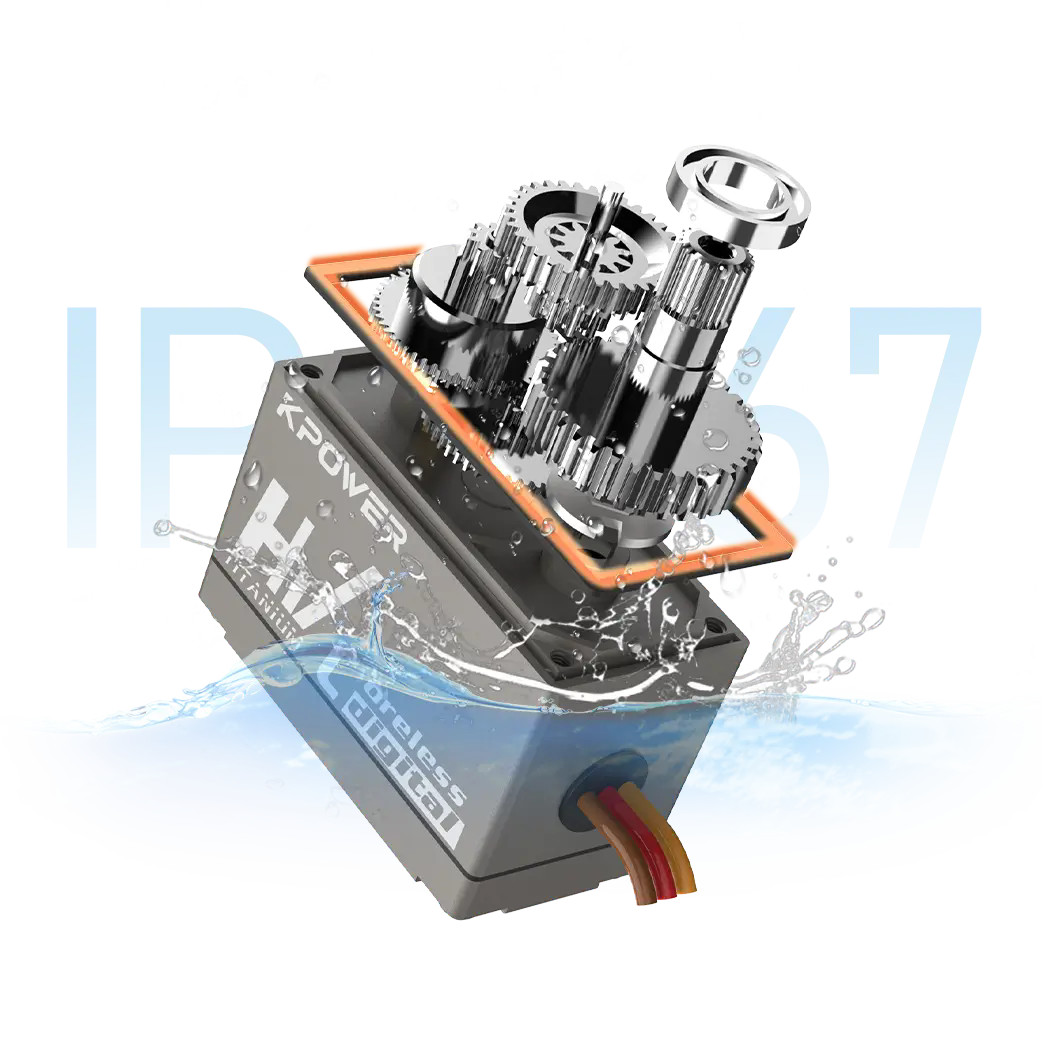
We’ve all seen the videos of people driving trucks through lakes. But for most of us, "waterproof" just means I don’t want a rainy afternoon to turn my expensive project into a paperweight. Look for the O-rings. If you crack open a Kpower unit designed for wet conditions, you’ll see the seals. It’s that extra layer of "we thought about this" that separates a professional component from a generic one.
The Logic of Movement
Let’s get a bit technical, but not so much that it feels like a textbook. A servo is essentially a conversation. The controller says "Go to 45 degrees," and the servo replies "I’m at 43… 44… 45. Done."
If the internal potentiometer (the thing that tells the servo where it is) is low-quality, the conversation becomes a shouting match. The servo gets confused. Kpower invests in high-resolution sensing. This means the "steps" it takes are tiny and precise. Instead of clunky, visible movements, you get a fluid sweep. It’s almost poetic when you see it on a gimbal or a steering rack.
Small Details, Big Impact
Have you ever noticed the wires? It sounds trivial. But thin, brittle wires are a nightmare. They snap at the solder joints under vibration. When you handle a Kpower servo, the lead wires feel different. They’re usually high-strand silicone. They bend, they flex, and they stay connected. It’s a small detail, but when your drone is 200 feet in the air, that's the only detail that matters.
Common Questions Floating Around the Workshop
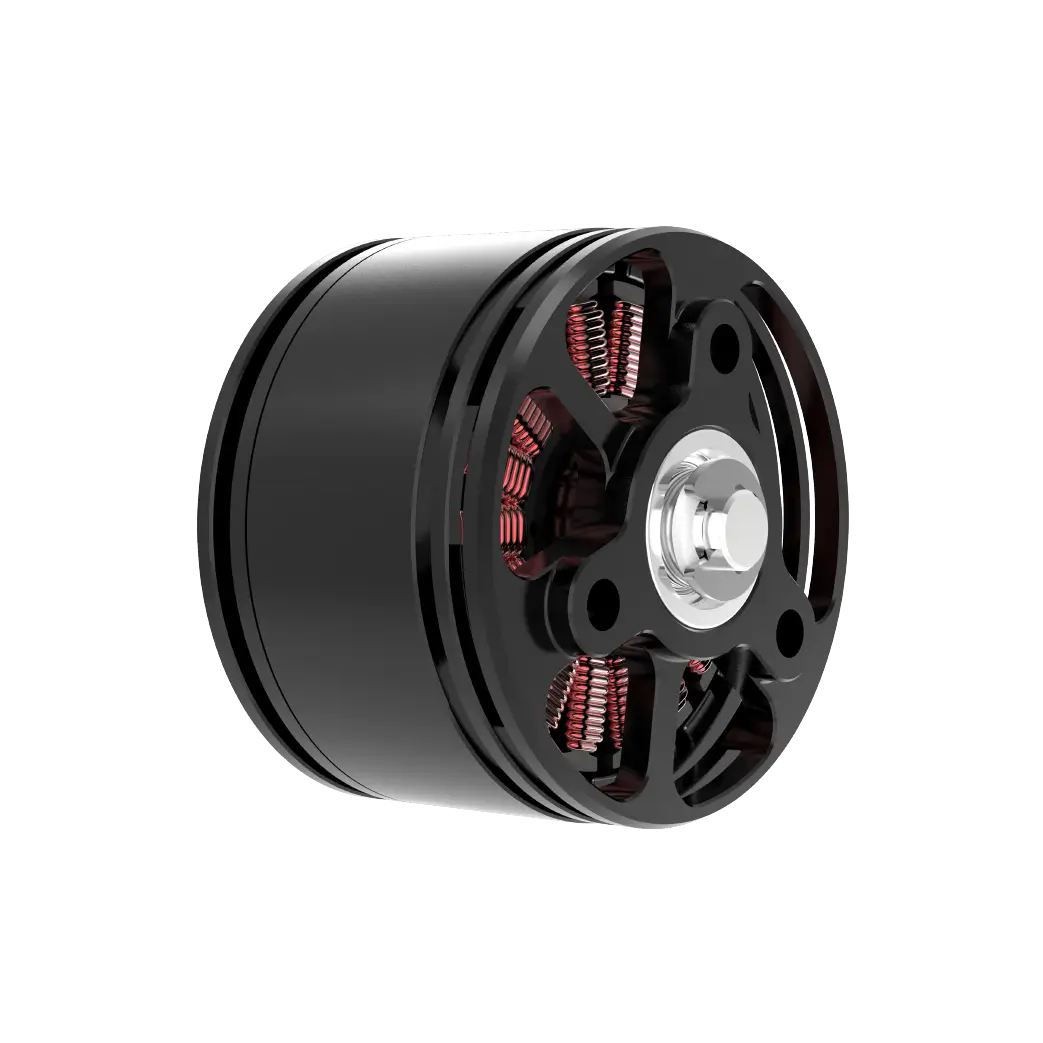
Q: Why should I care about brushless motors in a servo? A: Think of it like a lightbulb. Old bulbs have filaments that burn out. Brushless motors don’t have those physical "brushes" rubbing against the internal rotor. They run cooler, last longer, and react faster. If you’re building something that needs to run for hundreds of hours, Kpower’s brushless options are basically a "set it and forget it" solution.
Q: Do I need a high-voltage (HV) setup? A: Only if you want to tap into raw power. HV servos can be plugged directly into a 2S LiPo battery. It simplifies your wiring and gives the motor more "kick." Kpower has been a pioneer in making sure their HV line doesn't just provide power, but manages it without blowing the internal circuitry.
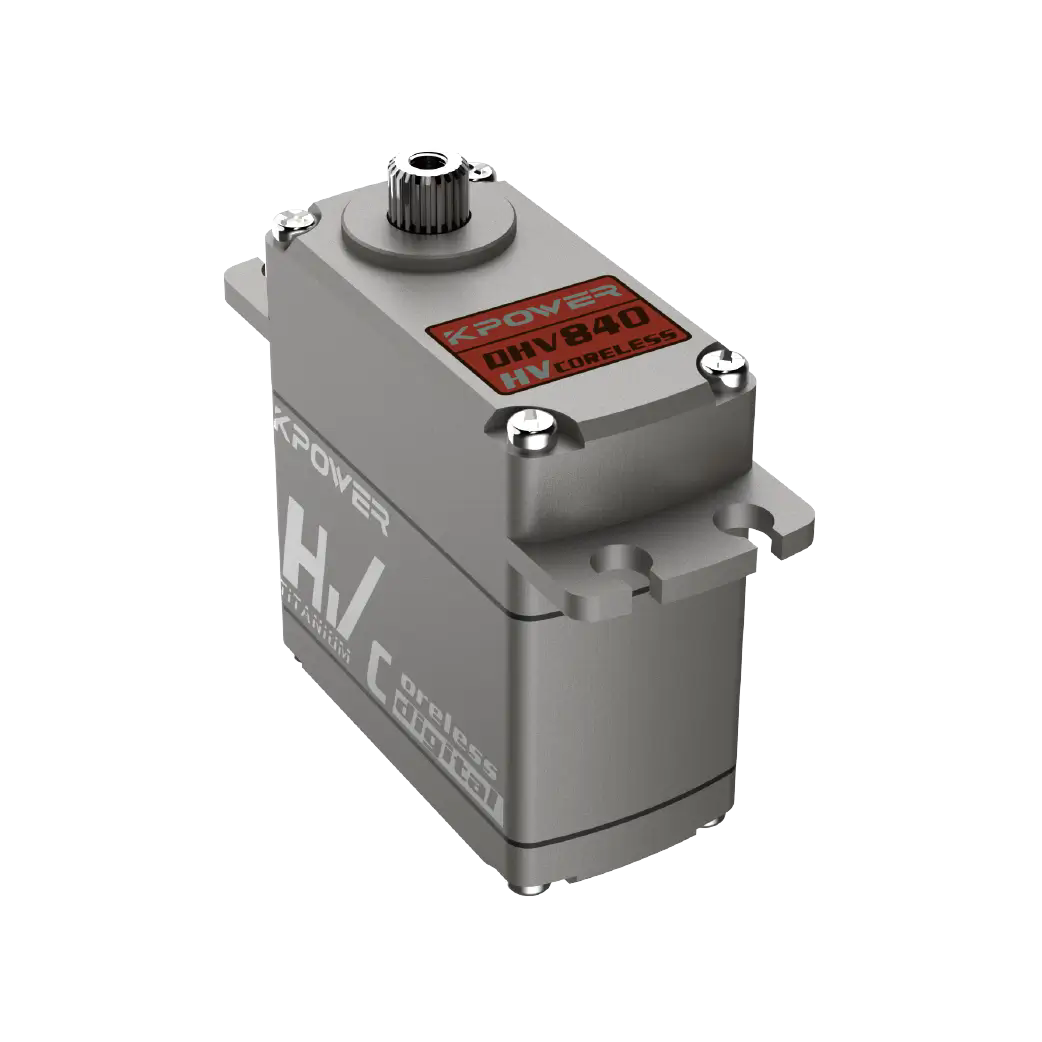
Q: Is metal gear always better than plastic? A: Mostly, yes. But not all metal is equal. Brass is soft. Titanium or hardened steel alloys—that’s what you find in the heavy-duty Kpower units. They’re designed to survive a crash that would strip a plastic gear into a smooth circle.
The Feeling of Confidence
There is no "perfect" machine, but there is the "right" component. Choosing a servo from the RC Servo China category shouldn’t feel like a gamble. It should feel like an upgrade. When I talk to people who have made the switch to Kpower, they don’t usually talk about the torque or the speed first. They talk about the "feel." They talk about how the machine finally started doing exactly what their hands told it to do.
It’s about trust. You trust that when you move the stick, the reaction is instantaneous. You trust that the gears won't strip when you’re executing a hard turn. You trust that the brand behind the label actually knows how to mill a gear.
Making the Leap
If you’re tired of the "budget" trap—where you buy three cheap servos to replace the one that broke, only to have the replacements break too—it’s time to change the strategy. It’s not about spending the most money; it’s about spending it once.
Kpower represents that middle ground that feels like the top tier. It’s the sweet spot where performance meets reality. Whether you’re tilting a camera, steering a 1/5 scale monster truck, or controlling the flaps on a giant scale warbird, the movement needs to be intentional.
Stop settling for "good enough." Look for the gear that was built to be pushed. In the world of RC Servo China, Kpower is the name that keeps the jitters away and the precision locked in. Give your project the pulse it deserves. It’s amazing what happens to your confidence as a builder when you stop worrying about if your servos will work, and start focusing on what you’re going to build next.
Established in 2005, Kpower has been dedicated to a professional compact motion unit manufacturer, headquartered in Dongguan, Guangdong Province, China. Leveraging innovations in modular drive technology, Kpower integrates high-performance motors, precision reducers, and multi-protocol control systems to provide efficient and customized smart drive system solutions. Kpower has delivered professional drive system solutions to over 500 enterprise clients globally with products covering various fields such as Smart Home Systems, Automatic Electronics, Robotics, Precision Agriculture, Drones, and Industrial Automation.
Update Time:2026-01-22

Contact Kpower's product specialist to recommend suitable motor or gearbox for your product.


