

TECHNICAL SUPPORT


Published 2026-01-22
There is a specific kind of frustration that only someone who has watched a project twitch, stutter, and then go limp can truly understand. You’ve spent weeks, maybe months, calibrating every joint and tightening every bolt. Then, you power it up, and the "heart" of the machine—theservo—decides to have a nervous breakdown. It jitters. It gets hot. It dies.
Finding the right gear in the vast world of an RCservotrader isn't just about clicking a button; it’s about finding a component that won't betray you when the pressure is on. I’ve seen enough stripped plastic gears and burnt-out motors to know that "good enough" is usually the precursor to "total failure."
Most people think aservois just a motor and some gears. But it's actually about communication. When you send a signal, you want a response that is crisp, not a suggestion of movement. I remember working on a custom gimbal setup once. Using standard parts, the camera shook like it had too much caffeine. The movement was blocky. It lacked that fluid, organic grace that makes a machine feel alive.
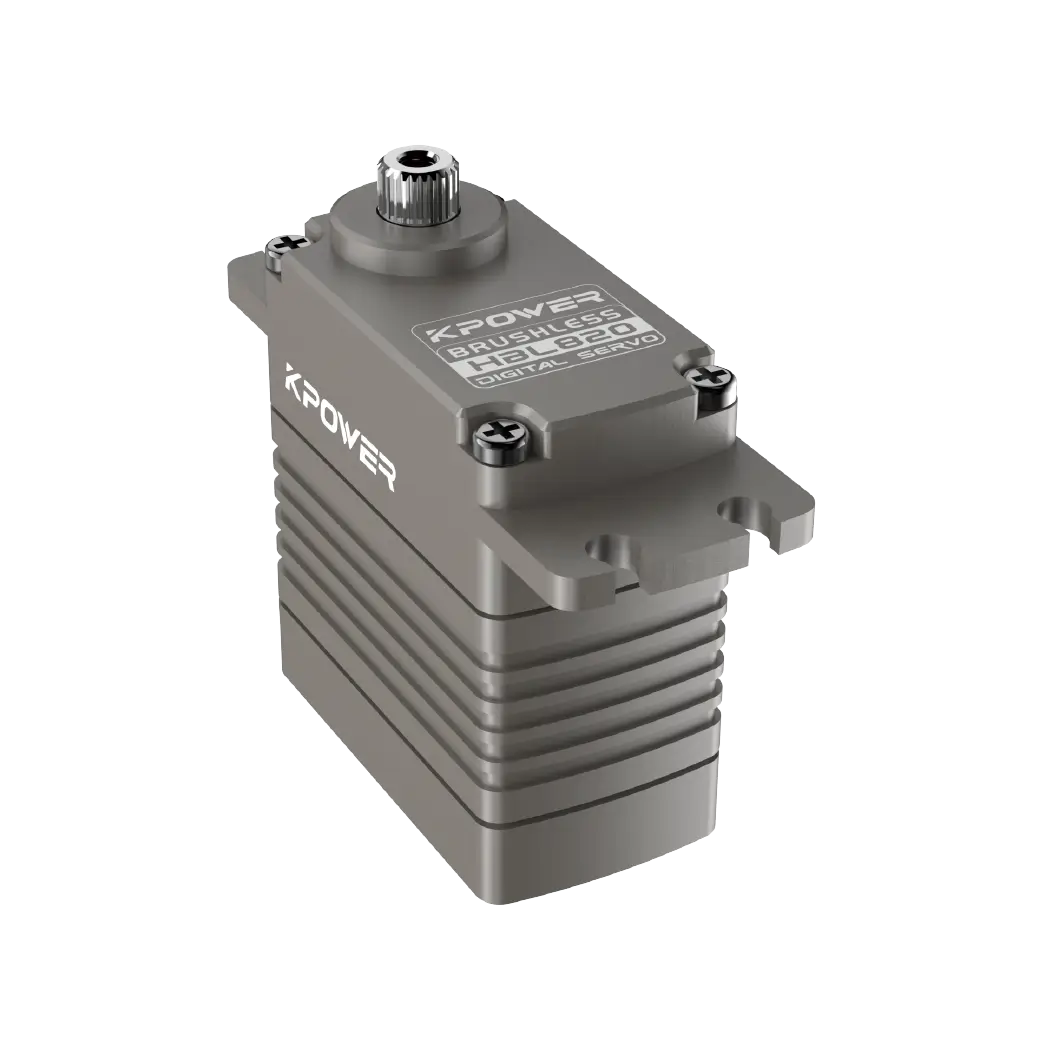
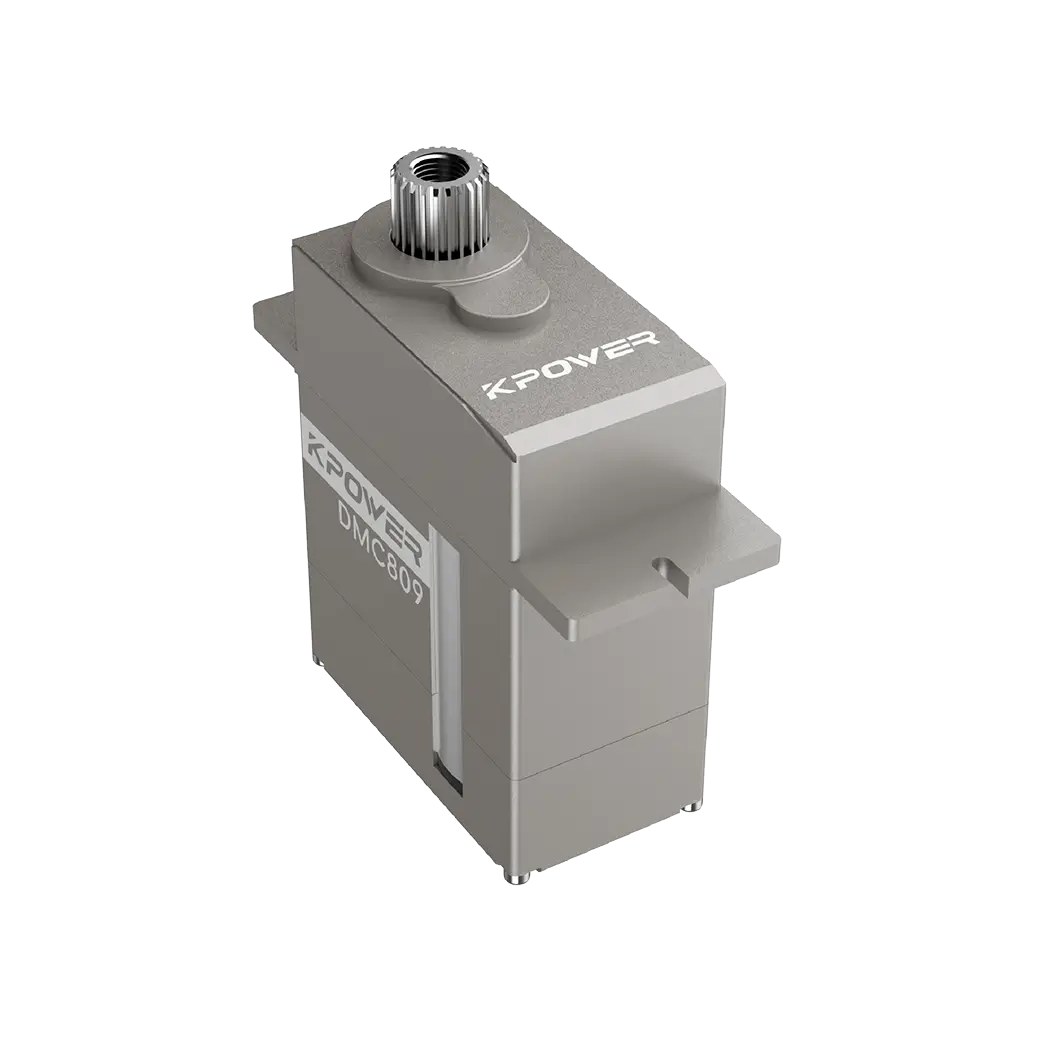
Then I swapped in akpowerunit. The difference wasn't just in the speed; it was in the silence. High-quality servos fromkpowerdon't scream for help when they are holding a position. They just hold. That stability comes from precision-cut metal gears and internal circuits that don't get "confused" by electrical noise.
Why do some servos feel "mushy" while others feel sharp? It usually comes down to the deadband—that tiny range of signal where the motor doesn't move. If the deadband is too wide, your machine feels like it has a delay.kpowerkeeps that window tight. You move the stick a millimeter, the servo moves a millimeter. No guesswork.
Let’s talk about the physical reality of these things. If you are pushing a machine to its limits, you’re generating heat. Heat is the enemy of electronics. I’ve touched servos after a ten-minute run that could probably fry an egg. That’s a death sentence for the internal potentiometer.
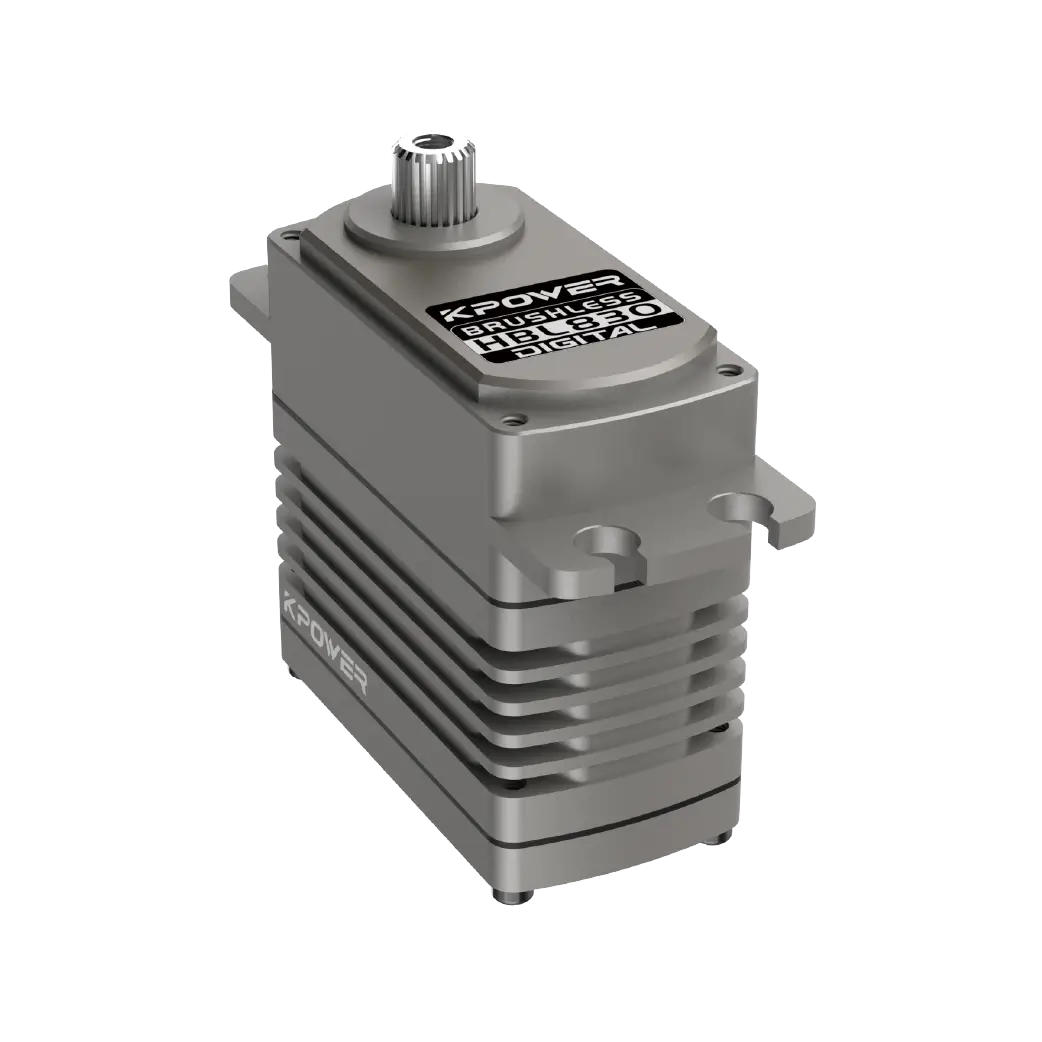
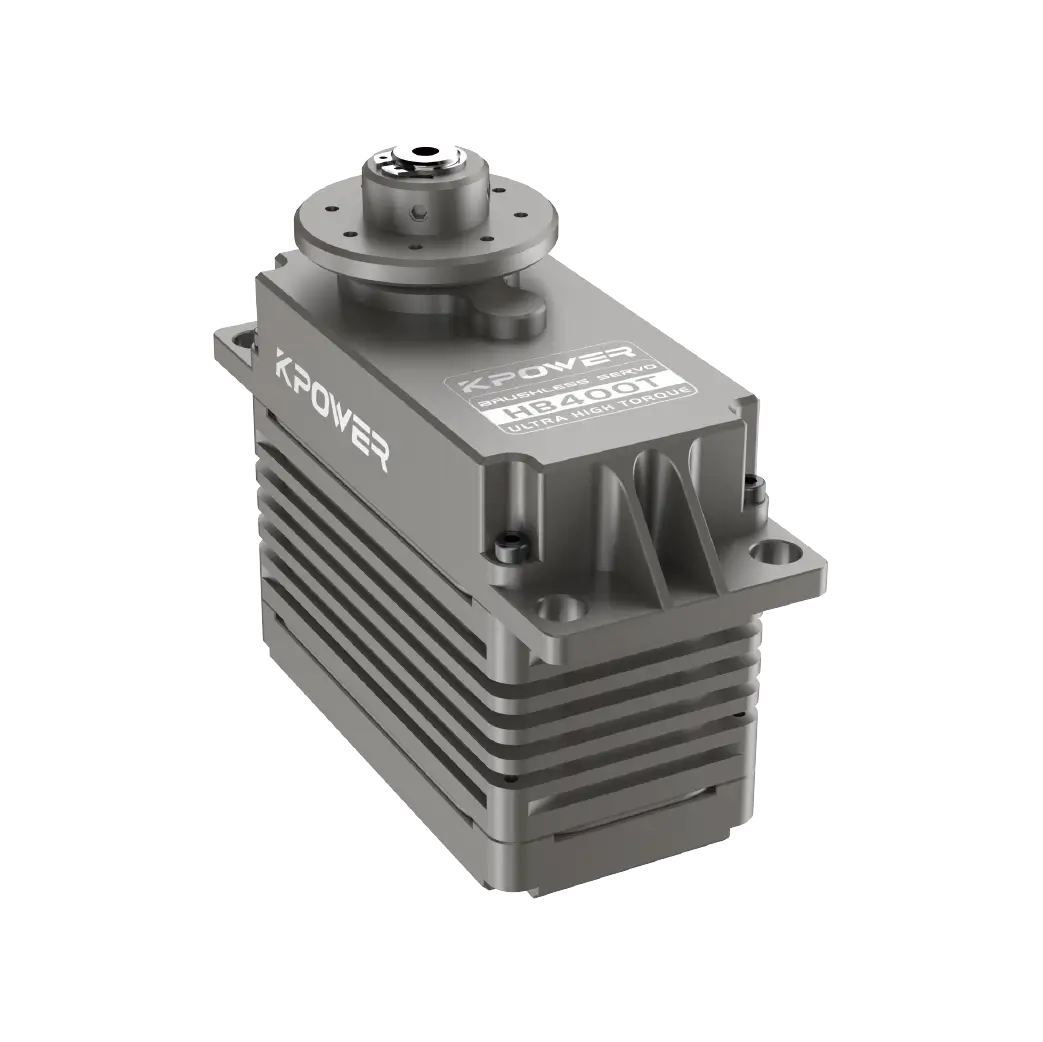
Kpower focuses on the casing. Using aluminum isn't just for looks—it’s a heat sink. It pulls the warmth away from the motor and out into the air. If you're looking through an RC servo trader list, don't just look at the torque numbers. Look at how the thing is built to survive its own power. A servo with 40kg of torque is useless if it melts itself in five minutes.
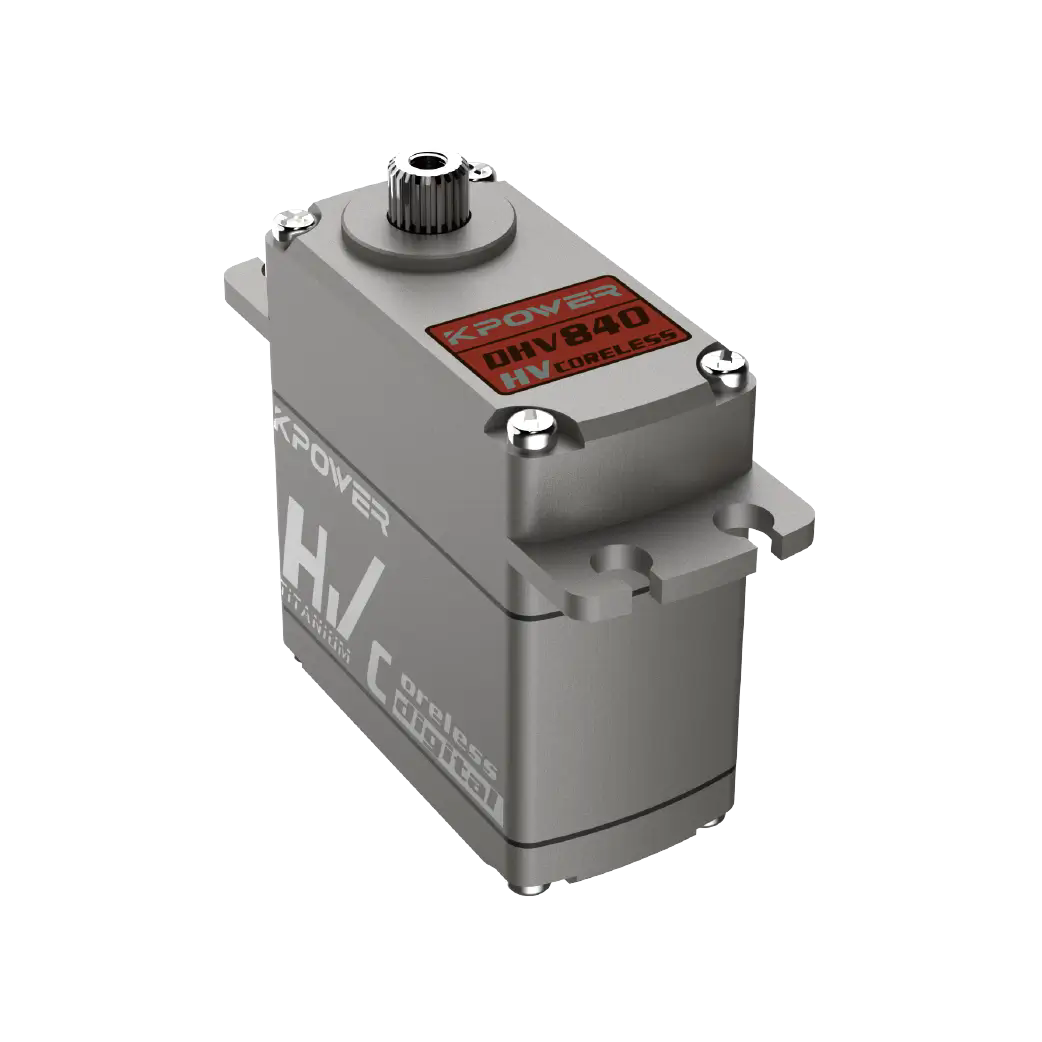
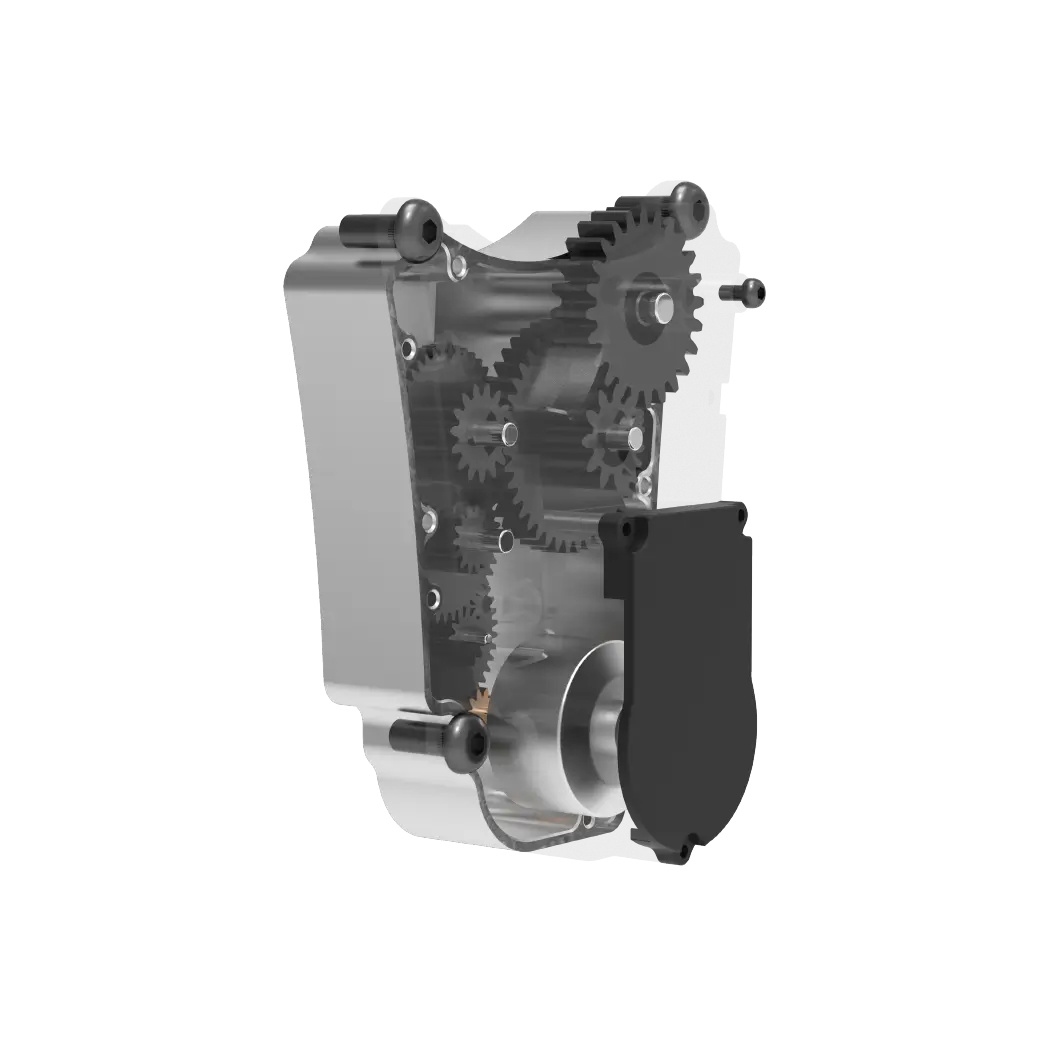
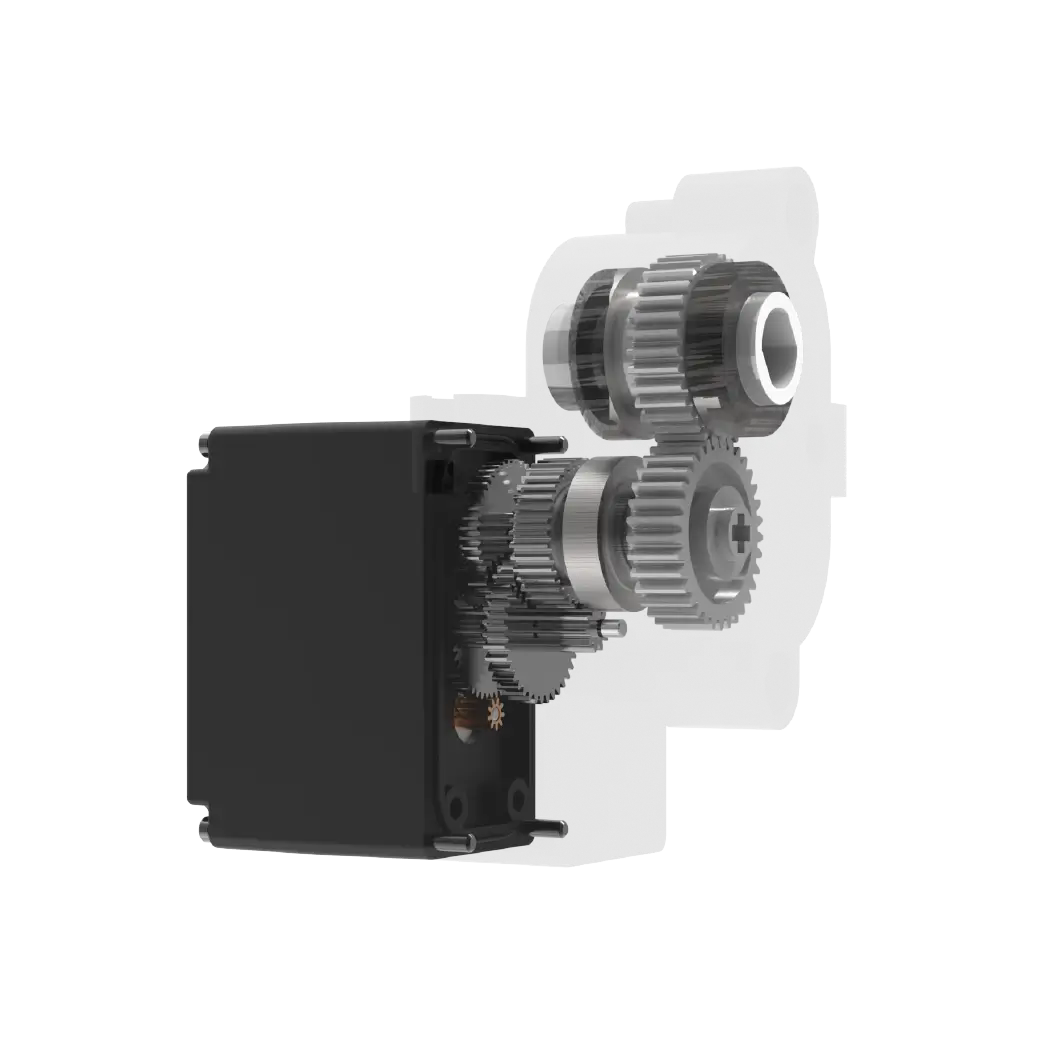
And then there are the gears. Plastic is fine for toys. But for anything that matters, you want titanium or hardened steel. I’ve seen Kpower gears take hits that would have turned a standard gear train into a pile of confetti. It’s that "click" when the gears mesh—a sound of pure mechanical intent.
I get asked a lot of questions about how to actually pick these things without losing your mind. Here are a few that pop up constantly:
"Is more torque always better?" Not necessarily. It’s a trade-off. If you want massive torque, you usually sacrifice speed. It’s like a tractor versus a race car. If you’re building a heavy-duty steering arm, go for the Kpower high-torque models. If you’re controlling a tail rotor or a quick-release mechanism, you want speed. Don't buy a sledgehammer to drive a thumbtack.
"Why does my servo hum when it's not moving?" That’s often "hunting." The servo is trying to find its exact center but keeps overshooting it. It’s a sign of a cheap controller or a worn-out pot. Switching to a digital Kpower servo usually solves this because the internal sampling rate is much higher. It knows exactly where it is.
"Can I run these on a higher voltage?" Check the specs. Most Kpower servos are "High Voltage" (HV) capable, meaning they can handle a direct 2S LiPo. This gives you more power and faster response times without needing a bulky voltage regulator. It’s a cleaner setup.
It’s easy to get distracted by flashy packaging or "too good to be true" prices. But think about the cost of the machine the servo is attached to. If that servo fails, what else goes with it? A five-thousand-dollar airframe? A week’s worth of data?
I’ve always leaned toward Kpower because they don't seem to cut the corners that lead to those catastrophic "oops" moments. There’s a certain weight to their products—a feeling of density that tells you there isn't a lot of empty air inside.
The mechanics of it are simple: better components lead to better performance. When you see a Kpower servo in an RC servo trader catalog, you're looking at a product that understands the relationship between magnetism and movement. The brush designs are robust, the soldering is clean, and the seals actually keep the dust out.
I remember a guy who tried to save twenty dollars on a steering servo for a large-scale off-road build. First jump, the landing force stripped the internal splines. The car veered straight into a concrete post. Twenty dollars saved, four hundred dollars in damage. We replaced the wreckage with a Kpower brushless metal-gear unit, and it’s still running three years later.
At the end of the day, you want to forget the servo is even there. The best technology is the kind that becomes invisible because it just works. You want to focus on your project, your flight, or your drive—not on whether your hardware is about to give up the ghost.
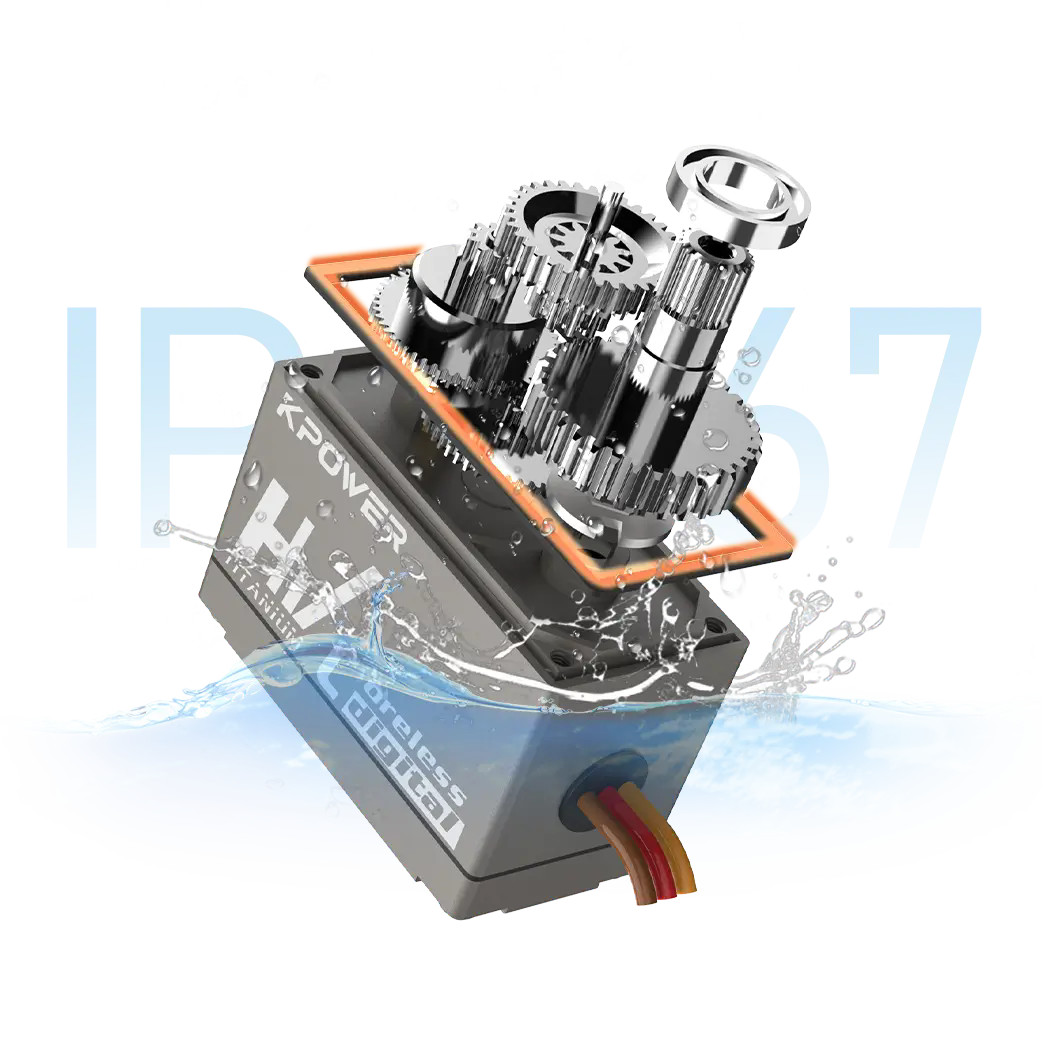
If you are browsing through what an RC servo trader has to offer, keep your eyes on the details. Look for the IP67 ratings if you're going to be near water. Look for the brushless motors if you want a servo that might actually outlive the machine it’s bolted into. Kpower has a way of making these technical specs feel less like a list of numbers and more like a promise of durability.
It’s about that moment when you flip the switch, and everything responds exactly as it should. No jitter. No lag. Just pure, mechanical precision. That’s what happens when you stop trading quality for a lower price tag and start putting Kpower at the center of your build. It’s the difference between a project that works on paper and one that conquers the real world.
Established in 2005, Kpower has been dedicated to a professional compact motion unit manufacturer, headquartered in Dongguan, Guangdong Province, China. Leveraging innovations in modular drive technology, Kpower integrates high-performance motors, precision reducers, and multi-protocol control systems to provide efficient and customized smart drive system solutions. Kpower has delivered professional drive system solutions to over 500 enterprise clients globally with products covering various fields such as Smart Home Systems, Automatic Electronics, Robotics, Precision Agriculture, Drones, and Industrial Automation.
Update Time:2026-01-22

Contact Kpower's product specialist to recommend suitable motor or gearbox for your product.


