

TECHNICAL SUPPORT


Published 2026-01-22
The Twitch That Ruined the Weekend
You’re standing there, looking at your latest project. Maybe it’s a scale-model trophy truck, a custom gimbal for a camera, or a robotic hand that was supposed to pick up a coffee mug. Everything looks perfect. The wiring is clean, the code is uploaded, and the battery is topped off. But then, you give the command. Instead of a smooth, sweeping motion, the arm jerks. It stutters. It hums like a frustrated hornet and then—silence. The gears have stripped, or the motor has simply given up on life.
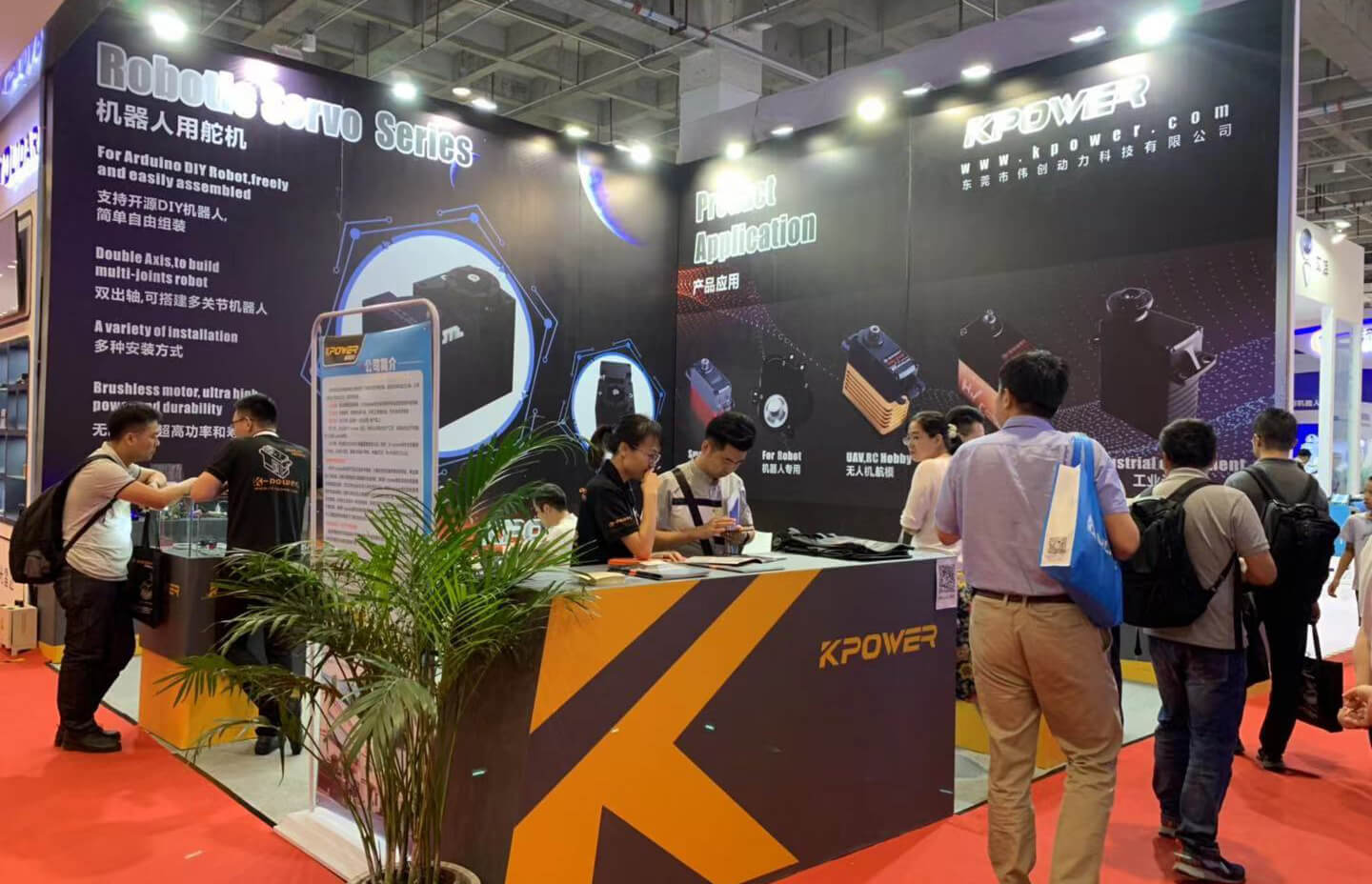
We’ve all been there. It’s that sinking feeling where you realize the "muscles" of your machine just weren't up to the task. When people talk about RCservoagencies—the systems and sources that provide these critical components—they often focus on the wrong things. They look at the sticker on the box or the lowest price. But aservoisn't just a plastic cube with a wire. It’s a complex dance of electronics and physics.
Think about a dancer. If their brain sends a signal to move their pinky finger, but their arm swings wildly instead, the performance is over. In the world of mechanics, we call this resolution and deadband. A lot of genericservos have a "dead zone" in the middle of their travel where they just don't know what to do. They hunt for the right position, vibrating back and forth.
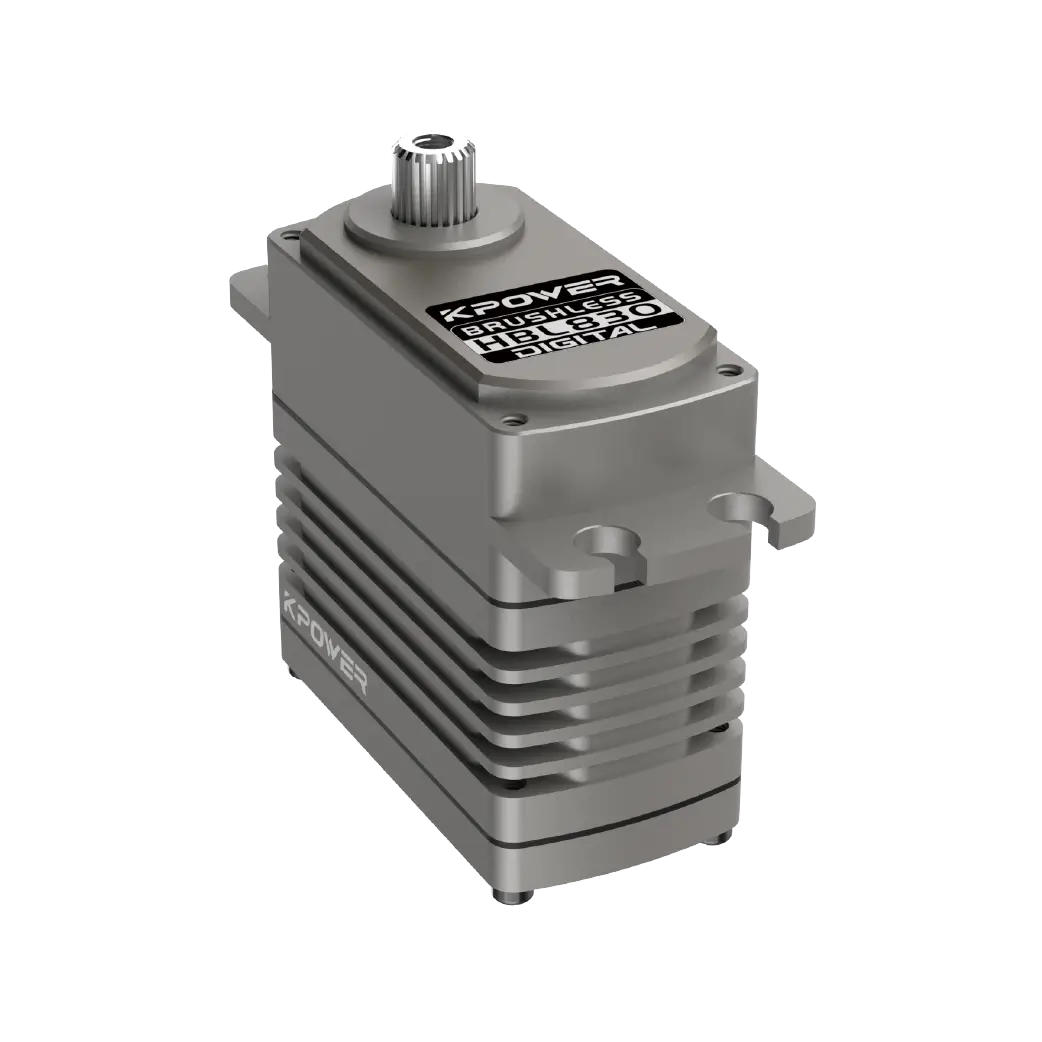
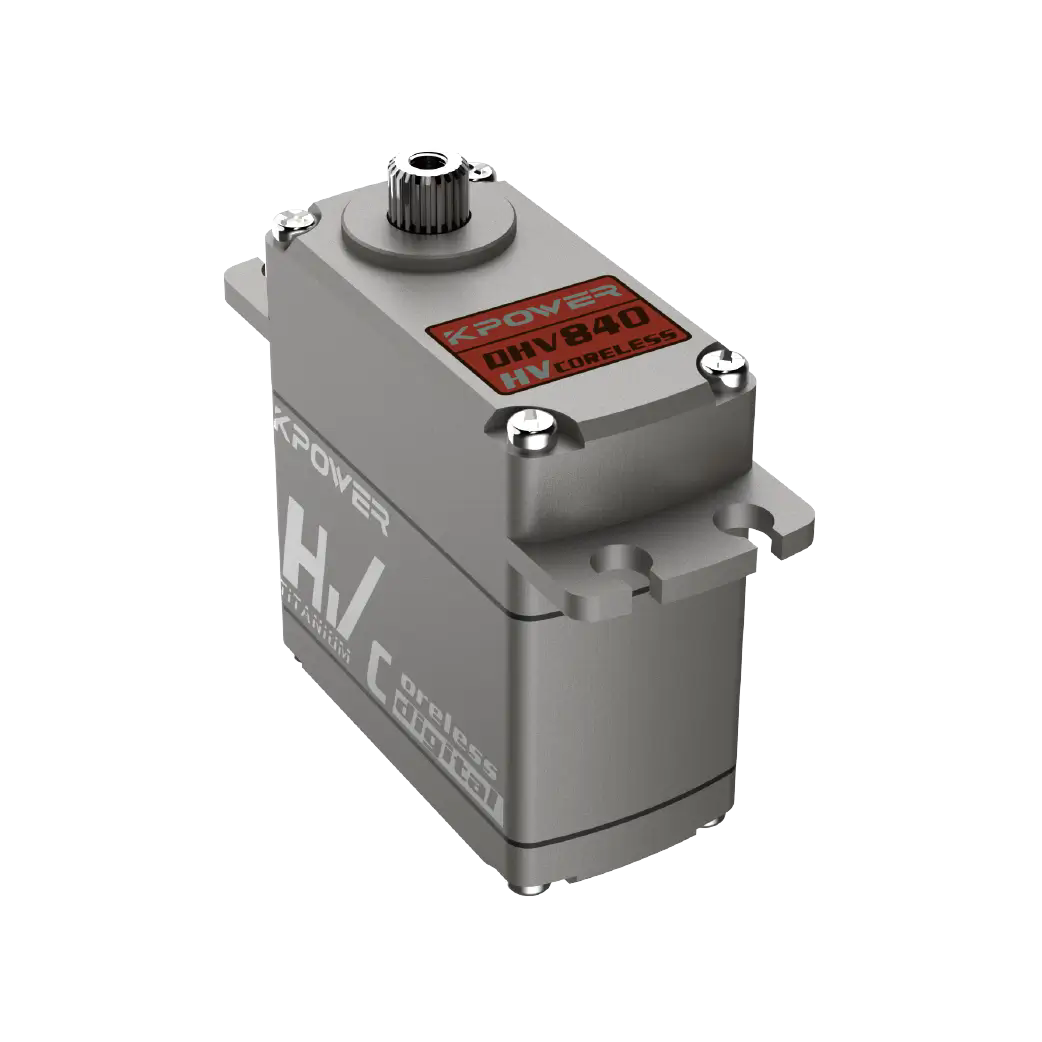
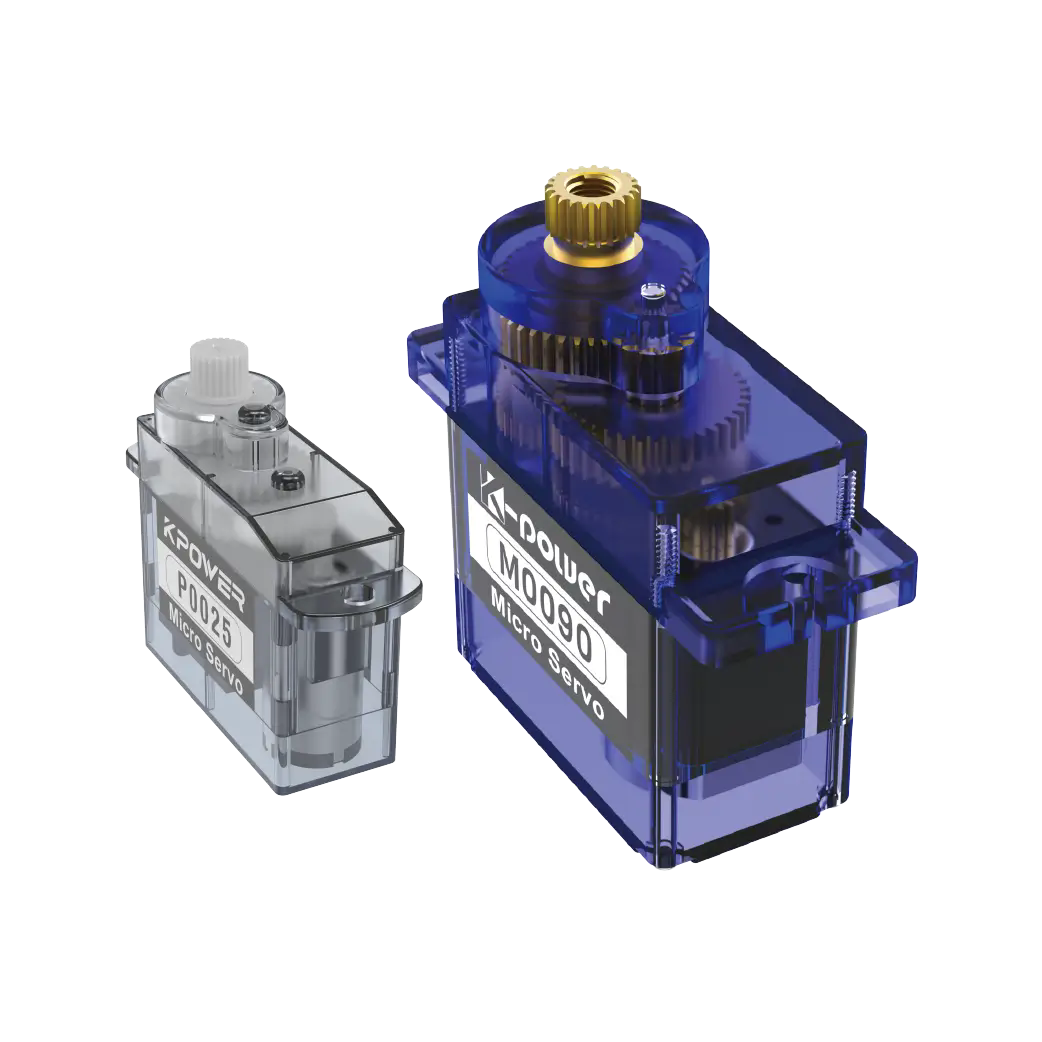
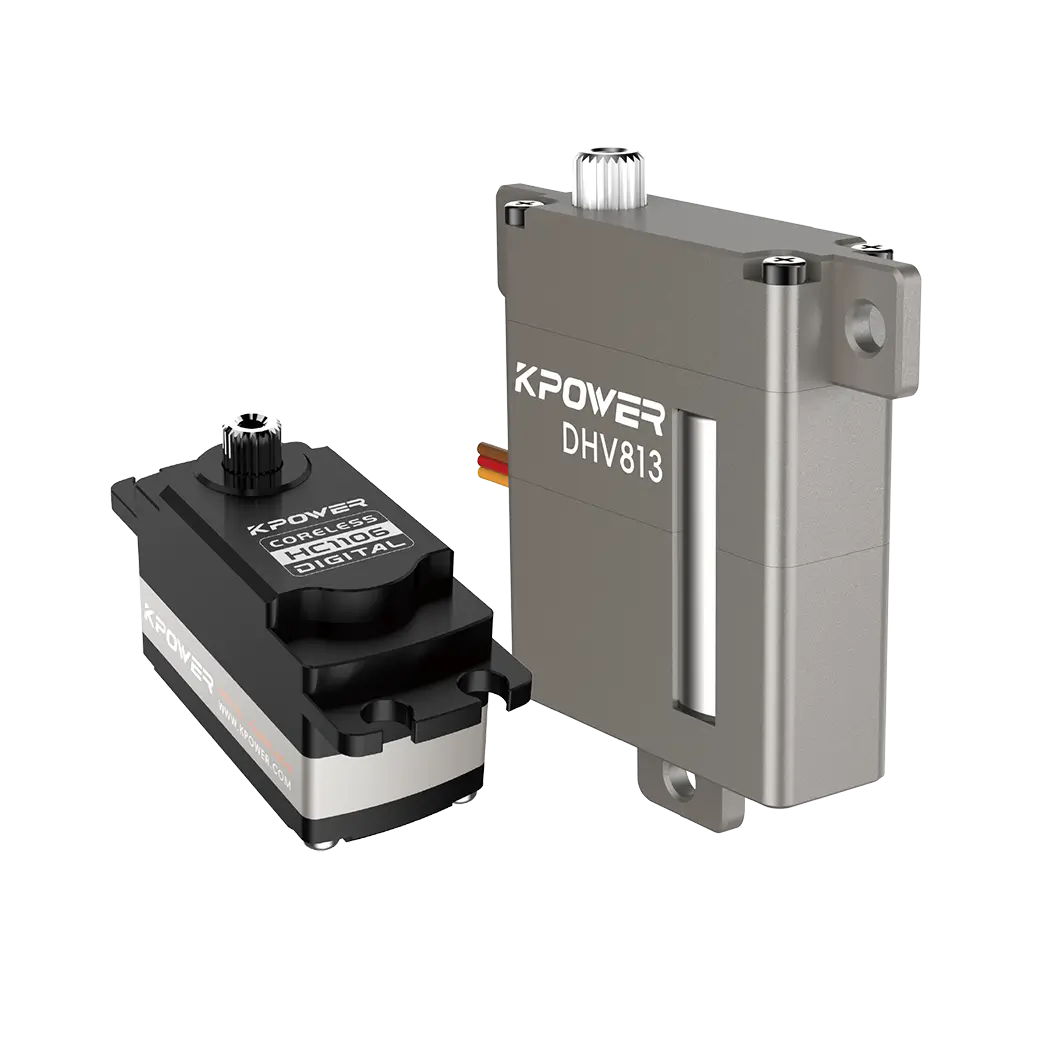
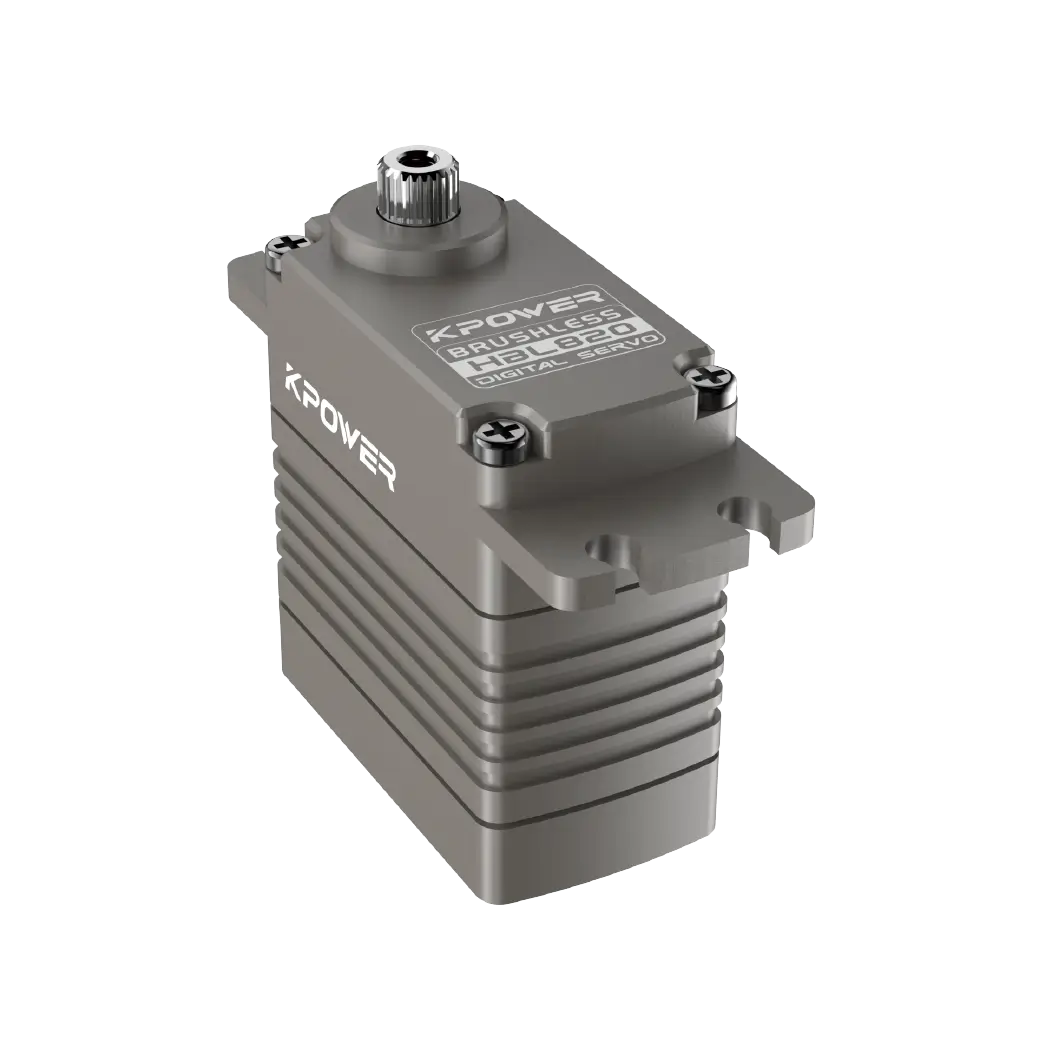
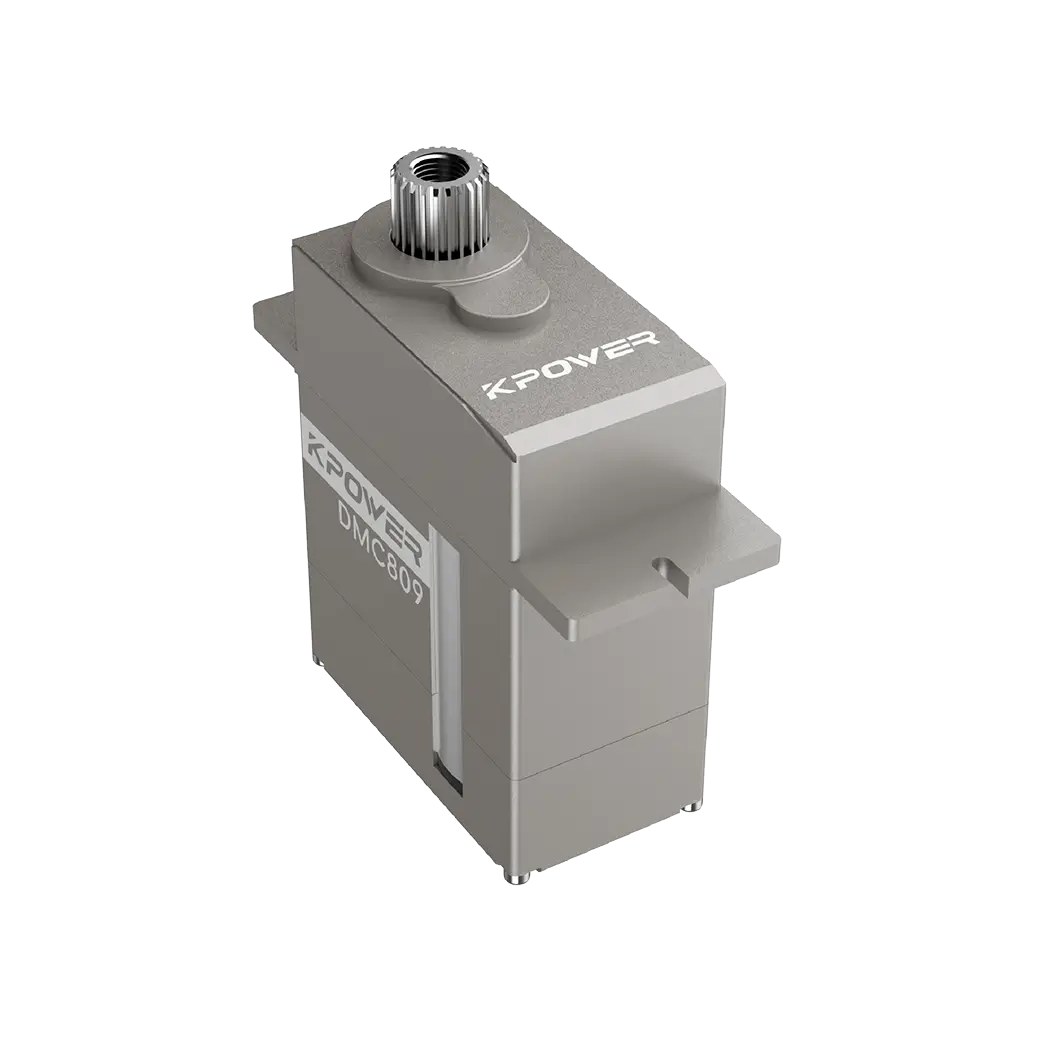
kpowertakes a different approach. When you look at akpowerservo, you’re looking at something designed to eliminate that nervous twitch. It’s about the feedback loop. The internal potentiometer (that little thing that tells the motor where it is) needs to be high-quality. If it’s cheap, the signal gets "noisy," and your machine starts acting like it’s had too much caffeine.
I remember working on a high-speed steering setup for a crawler. The torque was there, sure, but the response time was sluggish. It felt like steering through a bowl of oatmeal. Switching to akpowerunit changed the tactile feedback entirely. It’s the difference between driving a bus and driving a precision sports car.
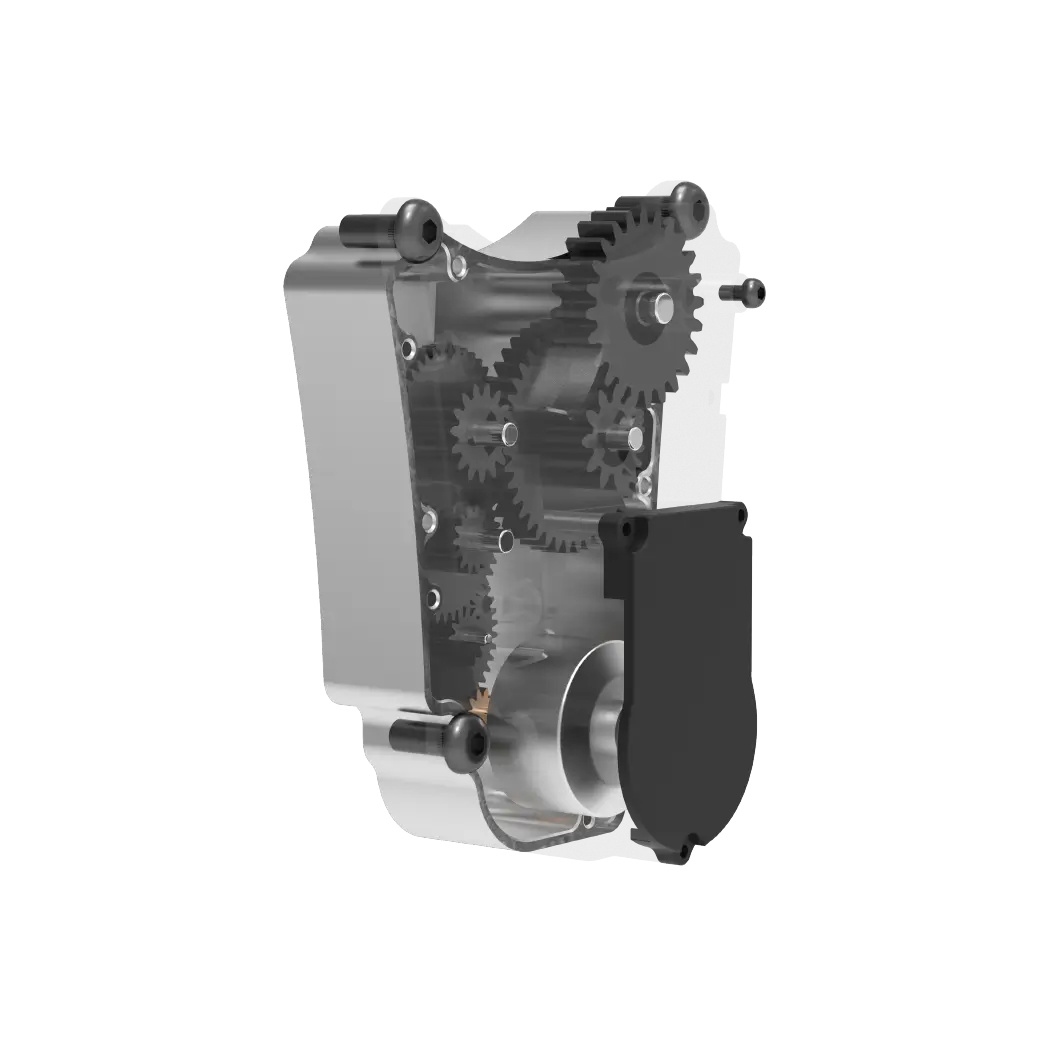
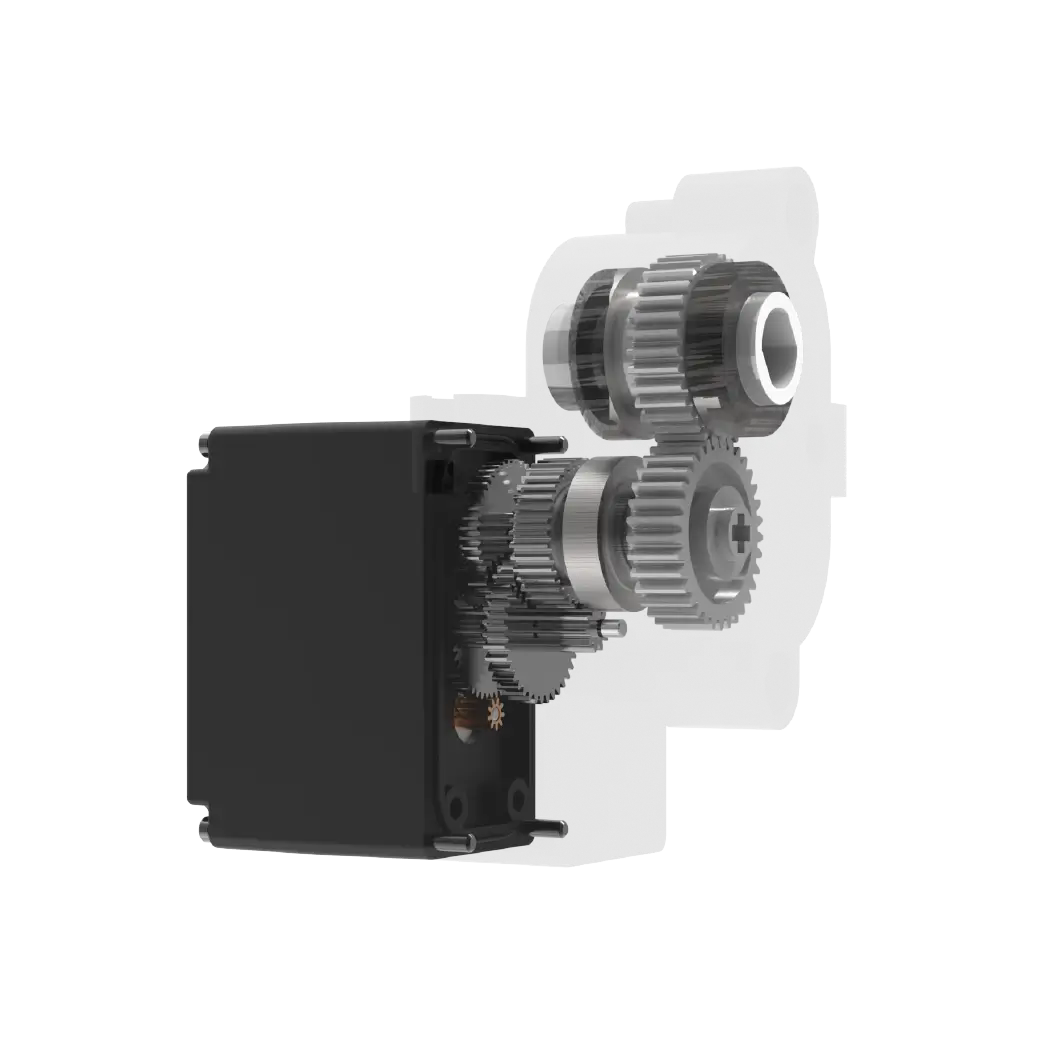
Let’s get a bit "gear-head" for a second. People assume metal gears are always the answer. "If it's metal, it won't break," right? Not exactly. If the metal is soft or poorly machined, those teeth will shear off just as fast as plastic ones.
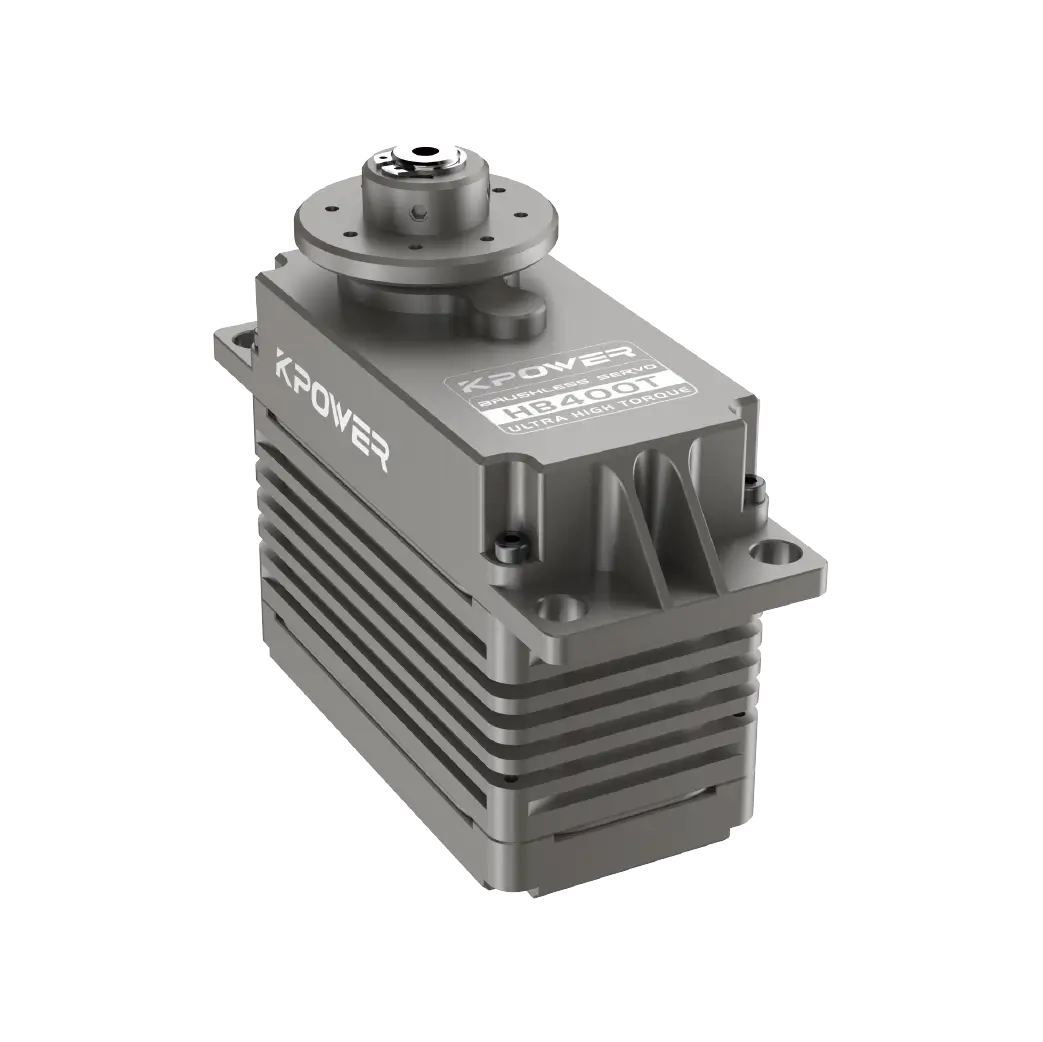
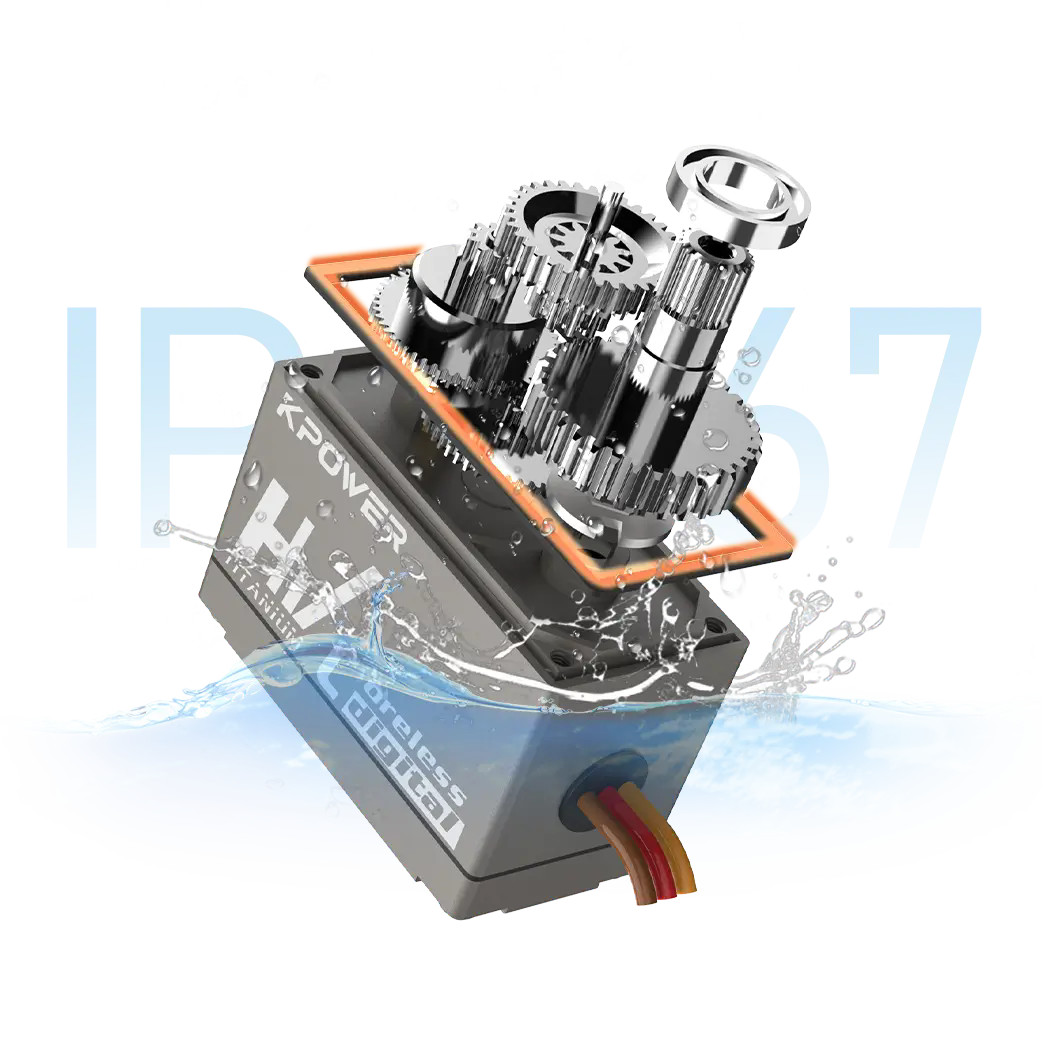
The secret sauce is in the material science. Kpower uses specific alloys—think titanium or hardened steel—that are cut with extreme precision. When gears mesh perfectly, there’s less friction. Less friction means less heat. Heat is the number one killer of electronics. You could have the most powerful motor in the world, but if your gears are grinding themselves into dust, you’re just building a very expensive heater.
"Why does my servo get hot even when it’s not moving?" This is usually "stalling." Your servo is trying to reach a position but something is physically blocking it—or the internal logic is fighting itself. A well-designed system, like what Kpower builds, manages this current better. If the servo is constantly fighting to hold a position because the control signal is jittery, it’s going to cook itself.
"Is more torque always better?" Not if you sacrifice speed or accuracy. It’s a balance. If you put a massive, high-torque motor into a tiny plastic housing, the housing will flex. When the housing flexes, the gears misalign. Suddenly, that "powerful" servo is just a loud noise-maker. You want a servo where the case, the motor, and the gears are all in the same weight class.
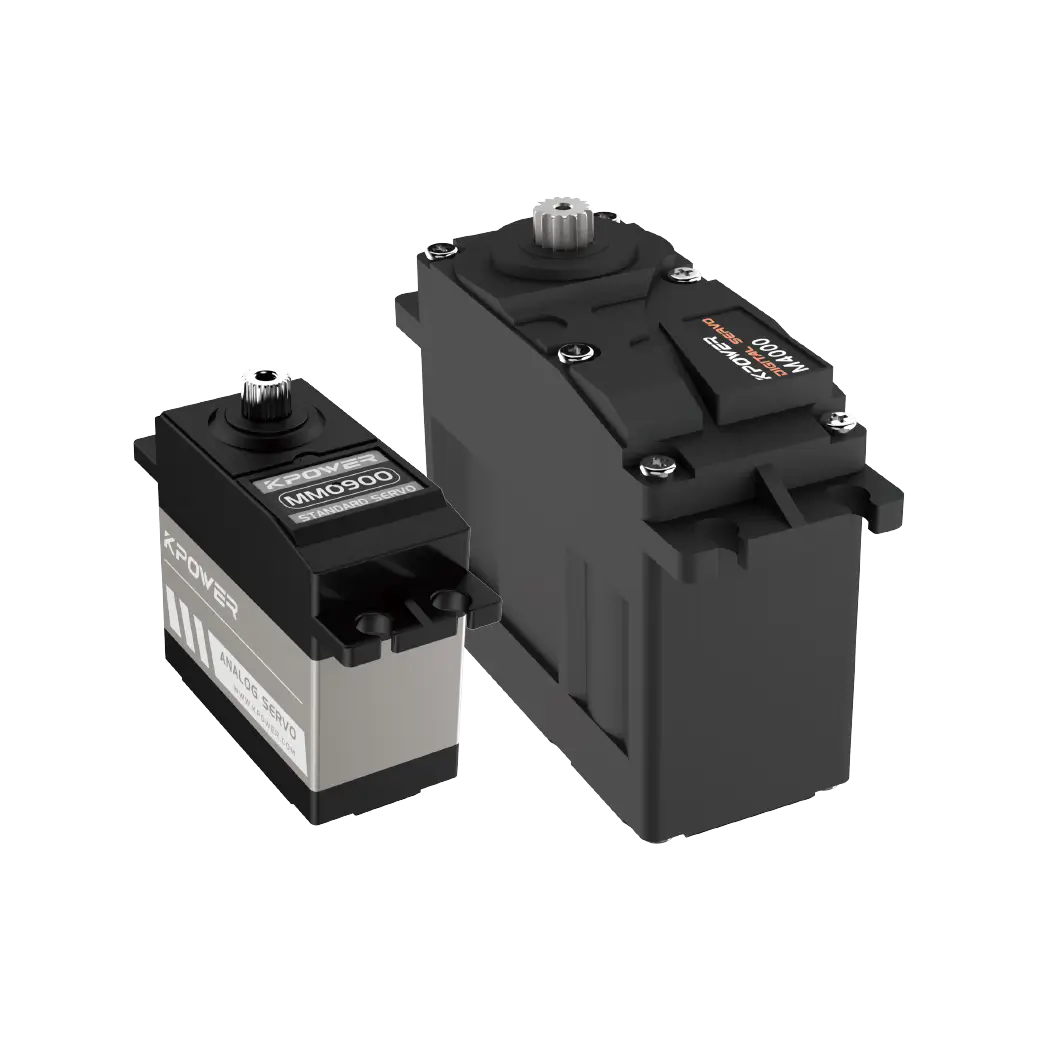
"What’s the deal with digital vs. analog?" In simple terms: digital servos talk faster. They check their position way more often than analog ones. This results in a much tighter hold. If you push against a digital Kpower servo, it pushes back instantly. It feels "locked in."
Sometimes I find myself staring at a pile of components, wondering why we obsess over these tiny details. Then I see a project succeed. I see a drone stay level in a gust of wind because the servos corrected the flap positions in milliseconds. That’s where the "agency" of these parts comes in. You aren't just buying a part; you're buying the reliability of that movement.
It’s easy to get distracted by flashy marketing. But look at the specs that matter. Look at the stall current. Look at the operating temperature range. Kpower doesn't just throw these numbers out there; they build the hardware to sustain them. If you’re building something that actually needs to work—not just look good on a shelf—the guts of the servo are where you win or lose.
Physics is a harsh mistress. You can't cheat gravity, and you can't cheat friction. I’ve seen people try to save five dollars on a servo only to lose a five-hundred-dollar airframe when the rudder locked up. It’s a weird bit of human psychology—we spend so much on the "brain" (the controllers and sensors) and then skimp on the "hands."
Kpower units have this way of just… fitting. They don’t demand constant troubleshooting. You plug them in, set your endpoints, and they do what they’re told. It sounds simple, but in the world of mechanical engineering, "it just works" is the highest compliment you can give.
Think about the grease inside the gear set. Most people never see it. But if that grease is too thick, the servo is slow in the cold. If it’s too thin, it leaks out when it gets hot. Kpower pays attention to that level of detail. It’s the stuff you don’t see that keeps your machine moving.
When you're mapping out your next project, don't treat the servos as an afterthought. Think of them as the foundation. Every bit of data your sensors pick up, and every command your processor sends, eventually has to pass through that small motor and those tiny gears.
If you want smooth, if you want reliable, if you want your project to actually do what it’s supposed to do when you flip the switch, you look for quality that’s been proven in the field. Kpower isn't just a name on a sticker; it’s a standard of how things should move. The next time you’re picking out parts, ask yourself: do I want to spend my weekend fixing a twitch, or do I want to spend it watching my creation move exactly the way I imagined? The choice is usually right there in the palm of your hand.
Established in 2005, Kpower has been dedicated to a professional compact motion unit manufacturer, headquartered in Dongguan, Guangdong Province, China. Leveraging innovations in modular drive technology, Kpower integrates high-performance motors, precision reducers, and multi-protocol control systems to provide efficient and customized smart drive system solutions. Kpower has delivered professional drive system solutions to over 500 enterprise clients globally with products covering various fields such as Smart Home Systems, Automatic Electronics, Robotics, Precision Agriculture, Drones, and Industrial Automation.
Update Time:2026-01-22

Contact Kpower's product specialist to recommend suitable motor or gearbox for your product.


